
The NFL pulled in $23 billion last year, a 14.1% jump and the highest revenue on record. The salary cap hit $301.2 million for 2026, up 65% since 2021. And yet the league is locked in a labor war with 119 part-time referees over a compensation gap that works out to roughly $13,860 per official per year. The total disputed amount across the entire union: approximately $1.65 million. That number matters. Remember it. Because the league’s response to that $1.65 million gap costs about six times more to execute.
The Math That Doesn’t Add Up
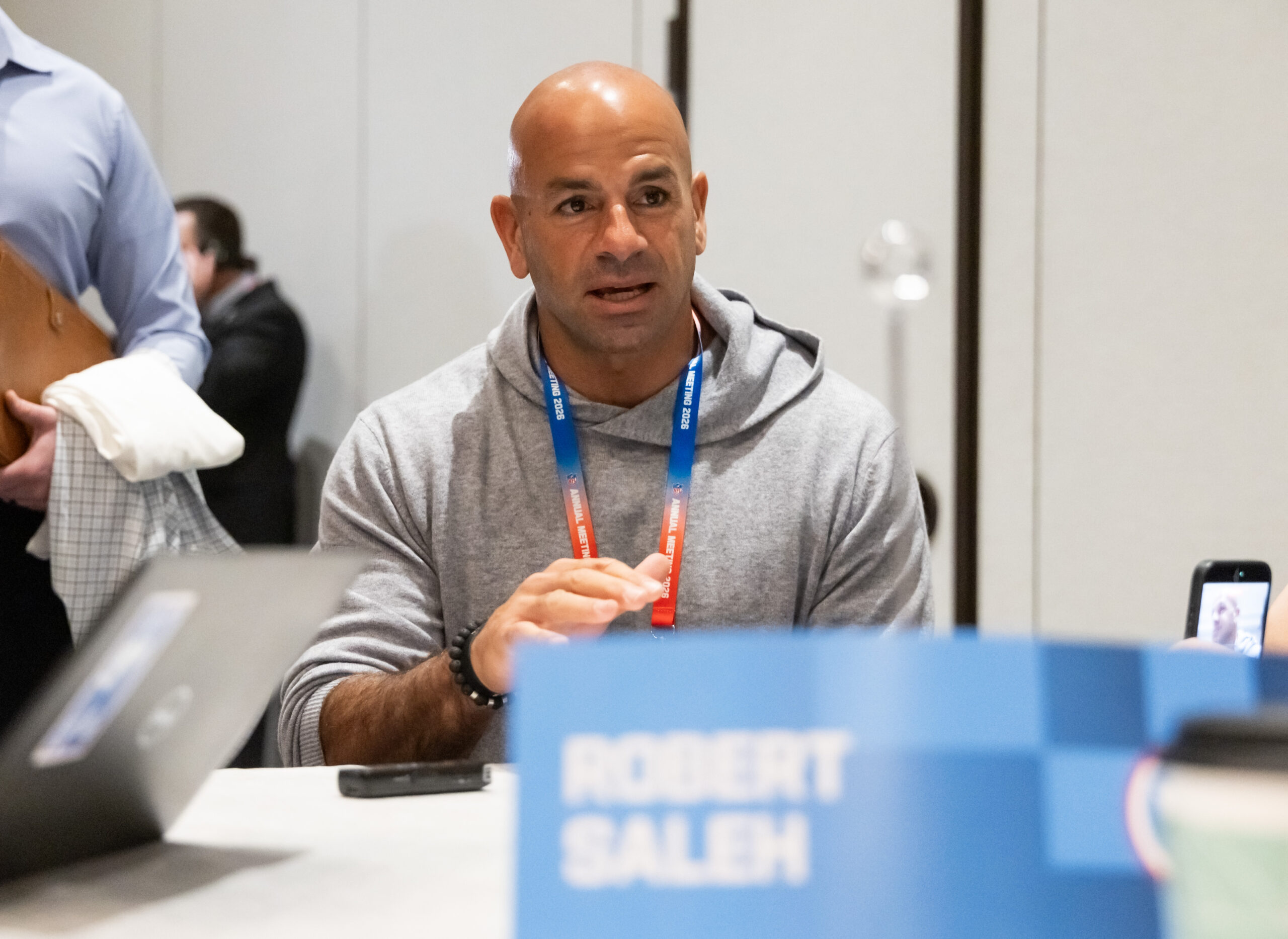
Mar 31, 2026; Phoenix, AZ, USA; Tennessee Titans head coach Robert Saleh during the 2026 NFL Annual League Meeting at the Arizona Biltmore. Mandatory Credit: Mark J. Rebilas-Imagn Images
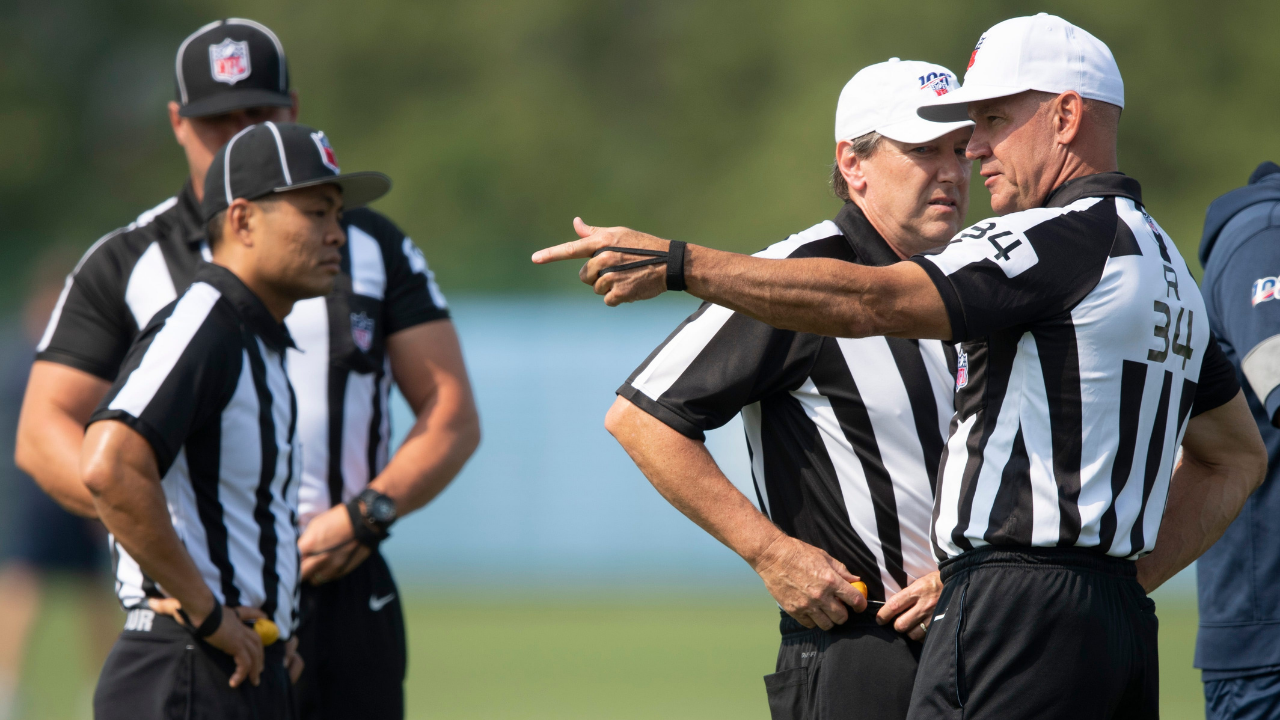
The NFL dispatched applications to 150 college-level officials with an April 5 deadline, offering guaranteed training fees between $50,000 and $120,000 depending on experience tier. Active FBS officials get the top rate. Division III and NAIA officials get $50,000. All costs covered for a May 1-3 introductory meeting with classroom and field training. Multiply those tiered fees across 150 candidates and the estimated training investment lands around $10 to $12 million through August. To avoid paying $1.65 million. The cause of this dispute stopped being money a long time ago.
Your Sunday Just Got Riskier
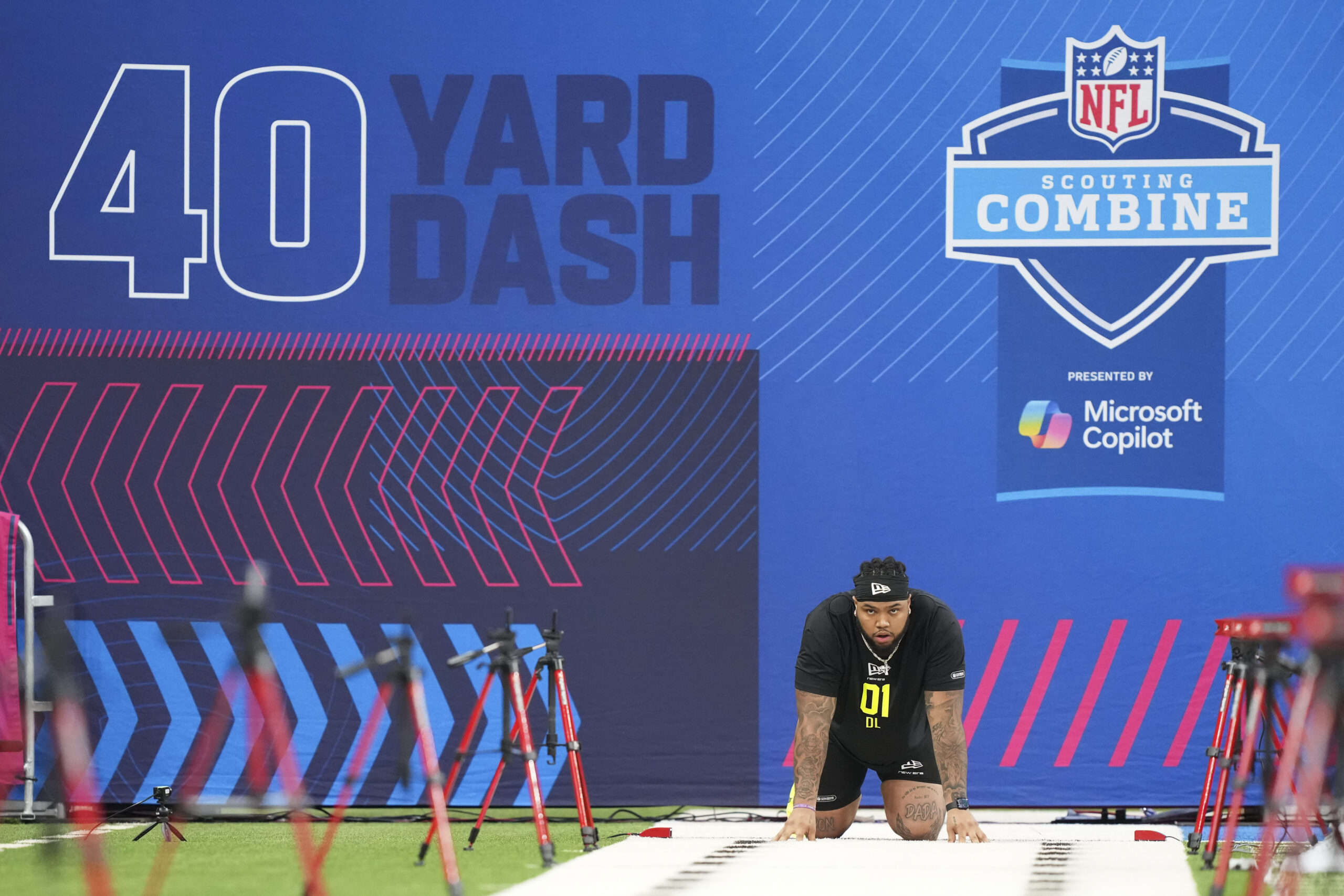
Feb 26, 2026; Indianapolis, IN, USA; Arkansas defensive lineman Cam Ball (DL01) prepares to run the 40-yard dash during the NFL Scouting Combine at Lucas Oil Stadium. Mandatory Credit: Kirby Lee-Imagn Images
If replacement officials take the field, the NFLPA and NFLRA have jointly warned that player safety suffers immediately. Inexperienced officials cannot manage real-time de-escalation or enforce roughing-the-passer protections at NFL speed. The 2012 lockout proved it over nearly four months. Blown calls. Rule confusion. The Fail Mary in Seattle on September 24, 2012, became so infamous that presidential candidates weighed in and Commissioner Goodell wrote an open letter telling fans they “deserved better.” Fans watched the product degrade in real time. The league acknowledged the failure then. Now it is building the infrastructure to do the exact same thing again.
The Owners Already Changed the Rules
Ohio State Buckeyes kicker Jayden Fielding places a ball on the tee for a kickoff during Pro Day for NFL scouts at the Woody Hayes Athletics Center on March 25, 2026.
NFL owners approved contingency rules giving the New York command center expanded authority to advise on-field replacement officials on uncalled fouls, particularly roughing the passer and intentional grounding. That sounds like a safety net. It functions as a power transfer. Field officials have historically held autonomous decision-making authority. These rules shift that authority to league headquarters. And the owners passed them before a single replacement official has worked a snap. The business response to this dispute arrived before the dispute even reached its deadline.
College Football Loses Its Officials Too
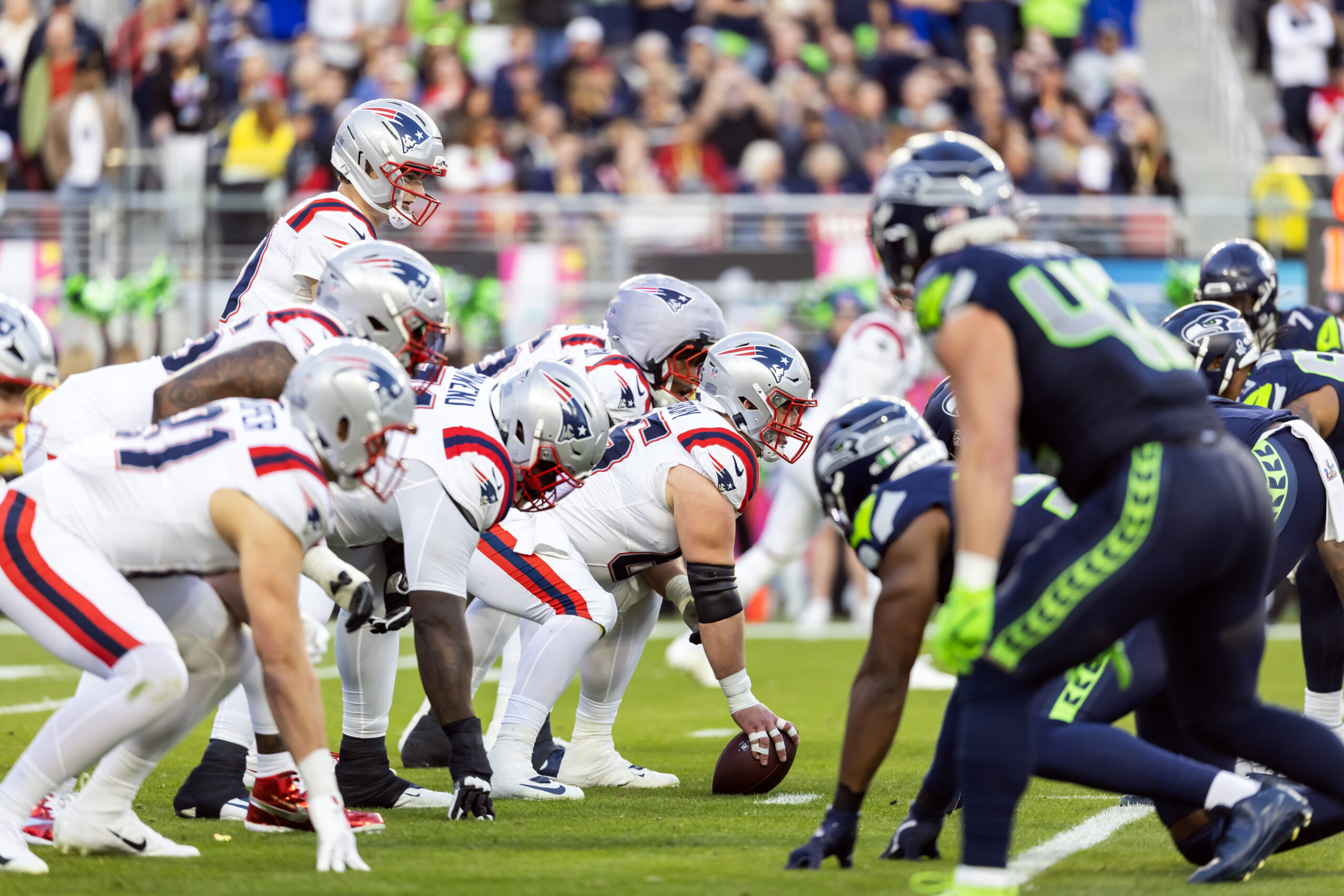
Feb 8, 2026; Santa Clara, CA, USA; New England Patriots center Garrett Bradbury (65) prepares to snap the ball to quarterback Drake Maye (10) against the Seattle Seahawks during Super Bowl LX at Levi’s Stadium. Mandatory Credit: Mark J. Rebilas-Imagn Images
Those 150 replacement candidates come from somewhere. They come from FBS, FCS, Division II, and Division III programs that depend on experienced officials to run their own seasons. Pulling 150 officials into NFL training from May through August strips college football of institutional knowledge during its critical offseason preparation window. Nobody is talking about this. The NFL’s contingency plan for its own labor dispute creates a talent drain in a completely different sport. One league’s power play becomes another league’s staffing crisis. And that ripple reaches further than the sidelines.
The Trap Built Into the Calendar
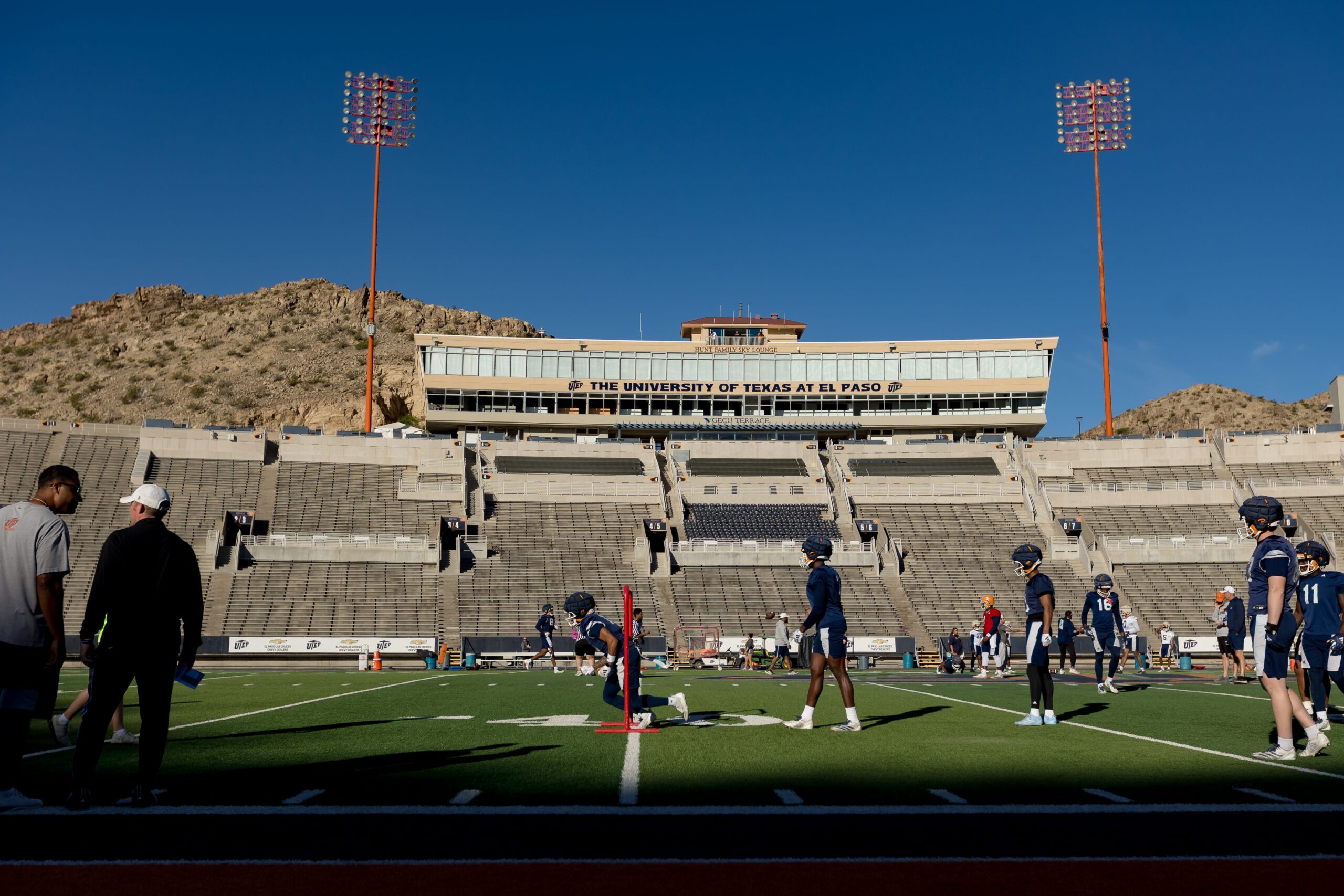
UTEP football players runs the ball during spring practice on Wednesday, March 25, 2026, at the Sun Bowl in El Paso, Texas.
Training starts May 1. The CBA expires May 31. That 30-day gap is the mechanism connecting every ripple in this story. Once the league commits $10 to $12 million in guaranteed training fees and builds a viable replacement roster, an unnamed league source admitted the quiet part: settling with the union “becomes a bigger challenge, just from simple economics.” The contingency becomes the leverage. The preparation becomes the pressure. League spends millions. Replacements train. Union watches its bargaining position evaporate. Same calendar. Same mechanism. Every consequence flows from those 30 days.
‘You Have to Perform Every Day’
Oct 25, 2014; Columbia, MO, USA; Missouri governor Jay Nixon (in a Kansas City Royals ball cap) watches play on the sidelines during the second half of the game between the Missouri Tigers and Vanderbilt Commodores at Faurot Field. Missouri won 24-14. Mandatory Credit: Denny Medley-Imagn Images
NFLRA Executive Director Scott Green said plainly: “Frankly, I’m surprised they would even consider it after 2012.” Meanwhile, a league source delivered the real demand beneath the salary numbers: “We want to pay for performance. You have to perform every day. Players do it, coaches do it, lawyers do it, owners do it.” That quote reveals everything. The league wants to extend probationary periods from three years to five, reduce seniority-based playoff assignments in favor of performance, and reduce the offseason dark period protecting official autonomy. The fight over 3.6 percentage points is a costume. Underneath it is a demand to convert 119 protected employees into at-will contractors.
A Permanent Power Shift Disguised as Backup
The Florida A&M Rattlers running back Levontai ‘Bo’ Summersett runs a route during the ‘Friday Night Strike’ Orange and Green Spring Football Game on Ken Riley Field at Bragg Memorial Stadium in Tallahassee, Florida, Friday, April 3, 2026.
The expanded New York command center authority approved for replacement scenarios may not disappear when a new CBA gets signed. That infrastructure could become permanent. Field officials who once held autonomous decision-making power could find themselves operating under centralized league oversight regardless of how negotiations end. The 2012 lockout lasted nearly four months and changed nothing structurally. This dispute, even if settled tomorrow, has already introduced rule changes that could shift officiating control from the field to corporate headquarters. The league has sought this probationary expansion in previous negotiations without success. Now it found the mechanism.
Who Profits, Who Bleeds

Oneida Casino opens its sports betting operation on Nov. 30, 2021, in Ashwaubenon, Wis. Gpg Oneidasportsbetting 113021 Sk25
Sports betting operators face acute integrity risk if replacement officials call games, per NFLRA leadership concerns about gambling vulnerabilities. Networks must decide whether to broadcast replacement-officiated games at full advertising rates or demand discounts, setting a precedent for quality-based compensation. The league wins either way: successful replacement deployment proves the union’s scarcity premium is false, permanently degrading future bargaining power. Current officials lose if settlement accepts five-year probation and performance-based playoff assignments. Players lose if the lockout reaches the regular season. The only party without downside risk pulled in $23 billion last year.
The Blueprint That Outlasts the Dispute
Feb 5, 2025; New Orleans, LA, USA; The NFLPA logo at press conference at the Super Bowl LIX media center at the Ernest N. Morial Convention Center. Mandatory Credit: Kirby Lee-Imagn Images
The union could file a bad-faith bargaining complaint, but legal timelines stretch past May 31. It could coordinate with the NFLPA on a player work action during preseason, raising the cost to ownership. It could go public with replacement official credentials to expose the quality gap. All of those moves take months the calendar does not offer. That is the design. Every future NFL labor negotiation now carries this template: recruit replacements early, embed structural rule changes as “contingencies,” and let the calendar do the rest. This dispute ends. The blueprint stays forever.
Sources
Rob Maaddi, “NFL set to begin hiring and training replacement officials, AP sources say,” The Associated Press, March 30, 2026.
Mike Florio, “NFL offers guaranteed training fees to potential replacement officials,” NBC Sports, April 1, 2026.
Kevin Seifert, “Plan to assist replacement refs among approved NFL rules changes,” ESPN, March 30, 2026.
Jayna Bardahl, “Everything to Know About the NFL-Referee Labor Dispute As CBA Nears Expiration,” Sports Illustrated, March 30, 2026.
“NFLPA and NFLRA Leadership Meet to Address Player Safety Concerns Amid Officiating Uncertainty,” NFLPA press release, March 31, 2026.
Michael McCarthy, “NFL Approves Plan to Use Replacement Refs in 2026 if Talks Stall,” Front Office Sports, March 30, 2026.