
Since 2023, the NFL Players Association has conducted inaugural “report cards” for all 32 franchises. The report cards would detail the quality of the daily lives of those preparing for gameday, hoping to act as insight into every organization’s inner workings so that players would know what they’re getting into. Fast forward a few years later, the NFL filed a grievance against the NFLPA for the report cards, seeking to block the public release of the results. In this article, we’ll go over the NFLPA and its mission, trace the history of the report cards and detail how and why the NFL censored them from from the public eye.
The NFLPA and its goals
Feb 5, 2025; New Orleans, LA, USA; The NFLPA logo at press conference at the Super Bowl LIX media center at the Ernest N. Morial Convention Center. Mandatory Credit: Kirby Lee-Imagn Images
Formed in 1956, the NFLPA is the NFL’s labor union representing and protecting the rights of its players. The union aims to ensure fair working conditions, wages, and hours. Furthermore, they also act as a line of security, making certain that the NFL adheres to the terms of the Collective Bargaining Agreement (CBA). On top of that, they deal with other issues such as making sure that insurance benefits for retirees are up to scratch and file grievances if they deem discipline against a specific player is too harsh. In a nutshell, the NFLPA is the union that makes sure players are being treated fairly.
How the report cards came to be
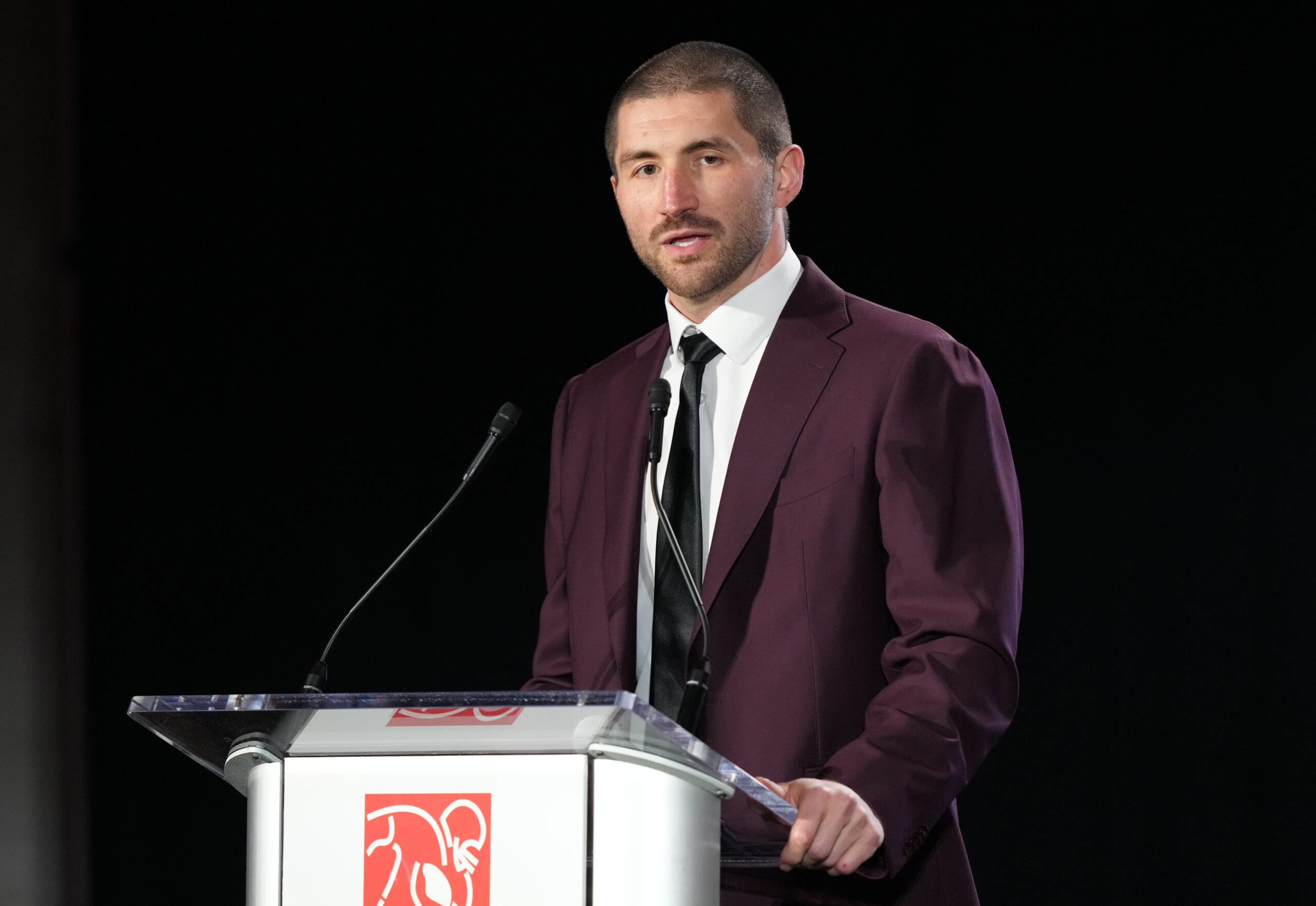
Feb 7, 2024; Las Vegas, NV, USA; NFLPA president JC Tretter speaks at the NFLPA Press Conference at the Mandalay Bay Convention Center prior to Super Bowl LVIII. Mandatory Credit: Kyle Terada-Imagn Images
When a player looks to sign with a team in free agency, they take everything into account. Competitive outlook, locker room culture, state income tax and other logistical factors. However, there was never a mainline way to get deeper insight into an organization outside of the information that was available to the public. The NFLPA’s board of representatives sought to change that. As former NFLPA president JC Tretter wrote in a note following the release of the first report cards in 2023, players wished for a “Free Agency Guide” that would spotlight the daily conditions players experienced when working with an organization. The result was the creation of the report cards.
How the report cards work
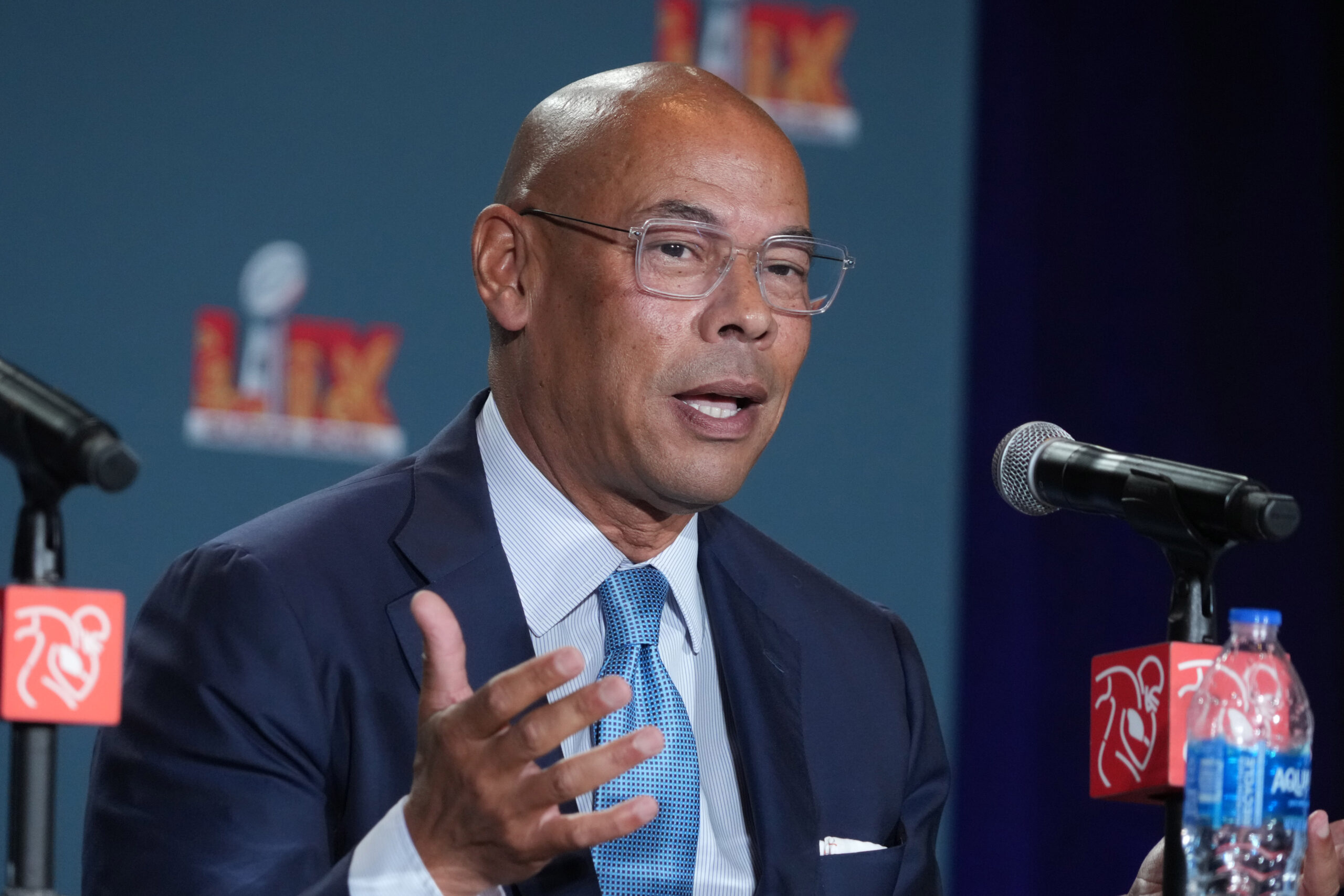
Feb 5, 2025; New Orleans, LA, USA; NFLPA executive director Lloyd Howell during the NFLPA press conference at the Super Bowl LIX media center at the Ernest N. Morial Convention Center. Mandatory Credit: Kirby Lee-Imagn Images
The NFLPA conducted an anonymous comprehensive survey asking players quantitative and qualitative questions regarding team facilities, staff, etc. Then, they compiled the results from those who answered, and assigned grades to each individual area of a club’s working conditions. These working conditions included treatment of families, nutrition, training room, weight room and other essential facilities that are central to a player’s daily professional life. Grades ranged from F- to A+ and each team had a dedicated deep dive for every facility that detailed direct player experiences and honest opinions.
The point of the report cards
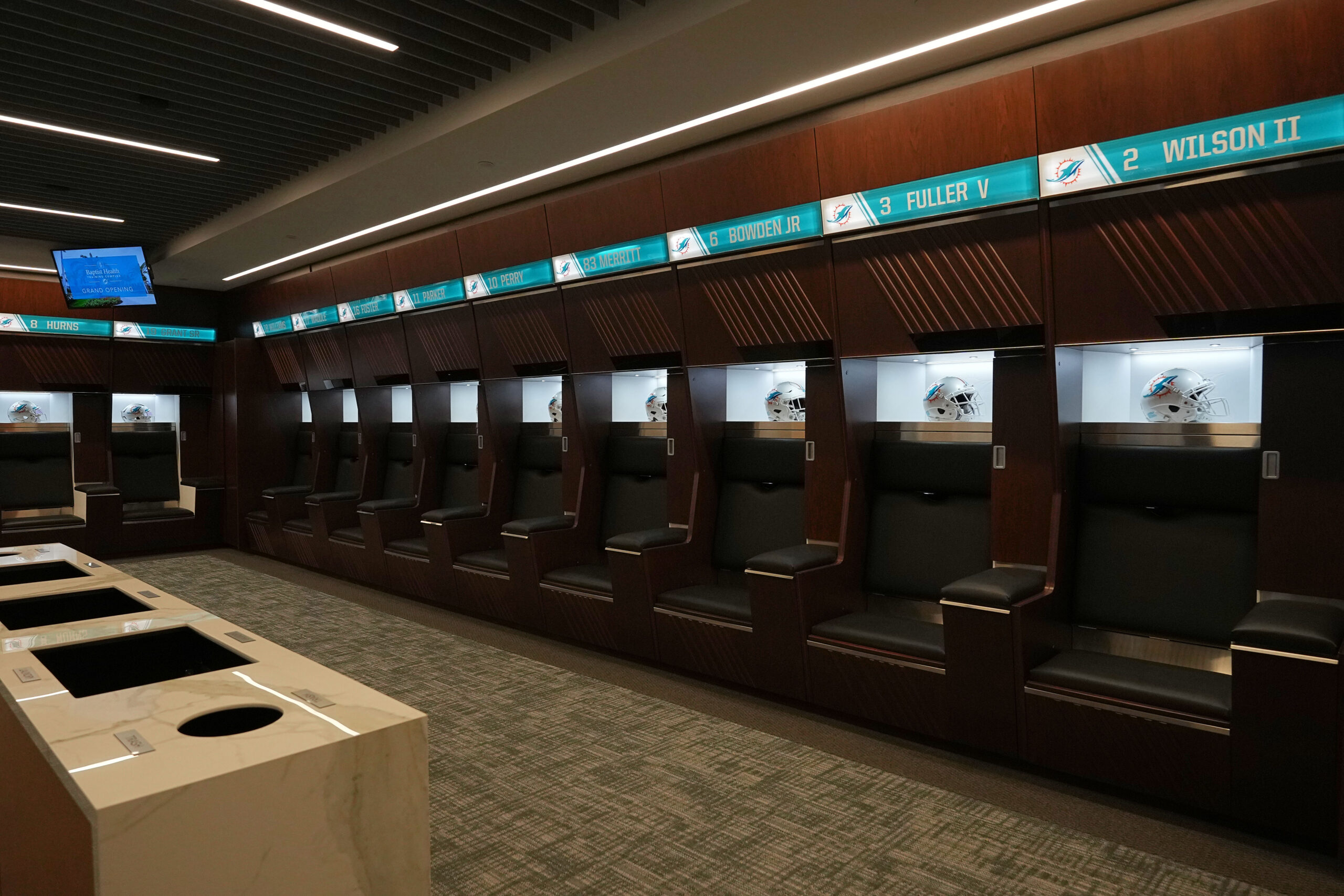
Jul 20, 2021; Miami Gardens, FL, USA; A general view inside the Miami Dolphins locker room during the grand opening at Baptist Health Training Complex. Mandatory Credit: Jasen Vinlove-Imagn Images
The NFLPA is constantly trying to improve work environments for the athletes that suit up on gameday. The report cards allow players to make more well informed free agency decisions and sign with clubs that align with their expectations. Additionally, it raises awareness regarding the state of a franchise’s conditions, letting players who’ve accepted their treatment as the status quo know that better alternatives exist elsewhere. This all opens a gateway into raising the standards for player treatment.
The results

Feb 5, 2025; New Orleans, LA, USA; Jalen Reeves-Maybin, Darius Slayton, Ja’Mia Washington and Lloyd Howell pose for a photo during the NFLPA press conference in advance of Super Bowl LIX at the New Orleans Convention Center. Mandatory Credit: Kirby Lee-Imagn Images
Granted, it’s no guarantee that a franchise with a bad grade will budge just because of a bit of bad PR. Nevertheless, multiple teams did in fact see improvements going from one year to another. For example, take the Atlanta Falcons. In 2024, responders criticized the Falcons for the poor weight room, locker room and the head strength coach who seemed to have fostered a “toxic environment.” For 2025 though, improvements were seen across the board. The Falcons rose up the rankings and became the third highest ranked club, with the team’s main problems quickly turning into their biggest strengths.
The grievance
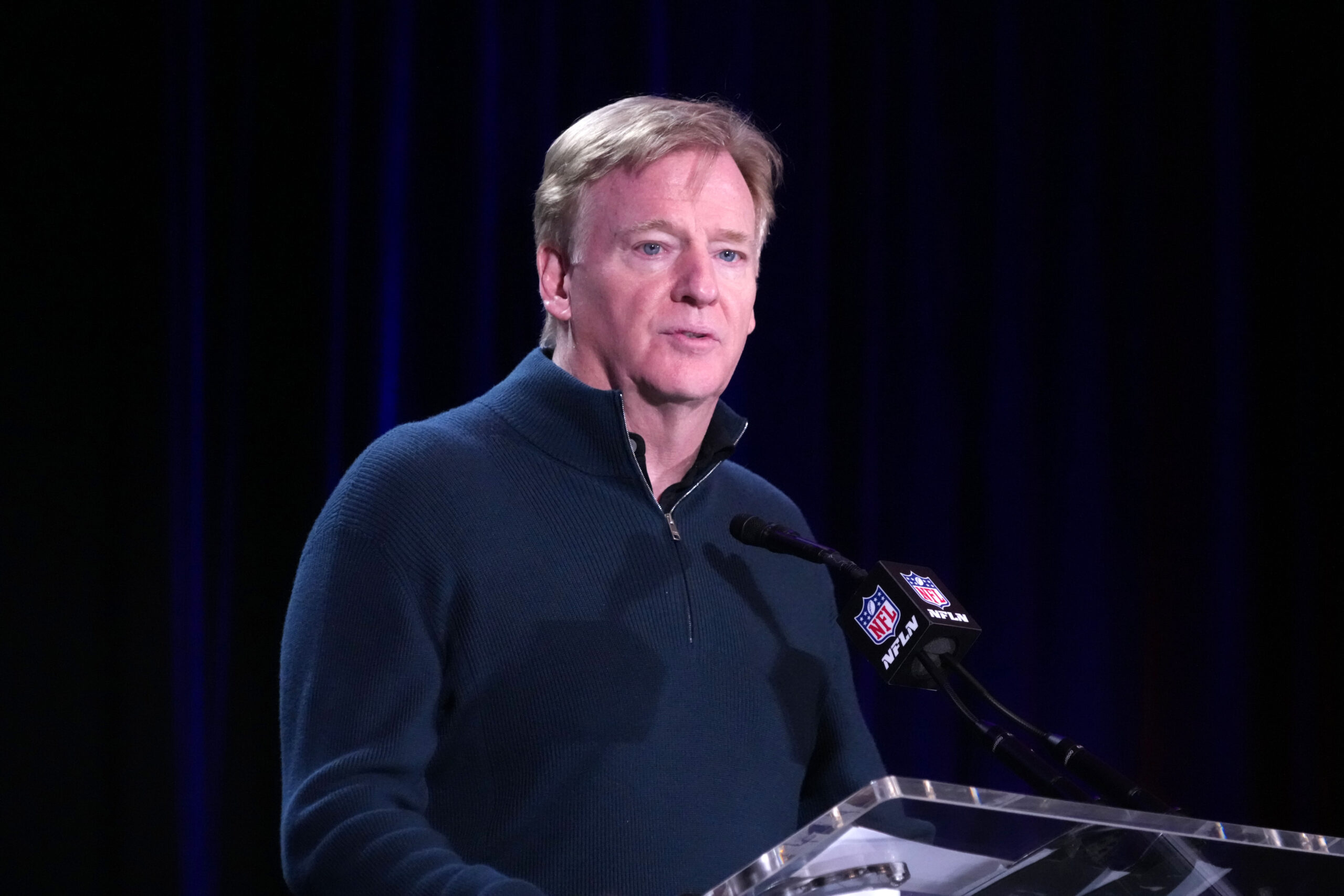
Feb 9, 2026; San Francisco, CA, USA; NFL commissioner Roger Goodell speaks at the Super Bowl LX host committee handoff press conference at Moscone Center. Mandatory Credit: Kirby Lee-Imagn Images
According to a copy of an Aug. 19 grievance notice obtained by Yahoo Sports, the NFL filed their grievance against the NFLPA for administering their surveys for the report cards. This happened following the release of the third NFLPA report card in 2025, and claimed that the report cards interfered with the CBA. The grievance cited Article 51, Section 6 of the CBA, stating the NFLPA must “use reasonable efforts to curtail public comments by Club personnel or players which express criticism of any club…” Additionally, they also claimed that the report cards violated Article 39, Section 5, which requires the league and union to work together to conduct an anonymous poll about players’ perceptions of staff and medical services at least once every three years.
Why the change?

In 2024, the NFLPA expanded the report cards to include ownership grades. According to ESPN, prior to filing their grievance, the NFL asked to suspend the report card surveys in 2024, a request that coincided with the release of owner grades which were highly critical of several franchises. The league then asked for the suspension of the reports again in June of 2025. The request of that year came shortly after the NFL’s league meeting. During that meeting, several owners present voiced frustration towards the report cards, with Jets owner Woody Johnson dismissing them as “totally bogus.” What’s interesting to note is that in the 2025 report card, Woody Johnson and the owners who sided with him were all given a grade of D or lower. More importantly, according to Ari Meirov, Johnson was the key piece behind the grievance to stop the report cards.
The aftermath
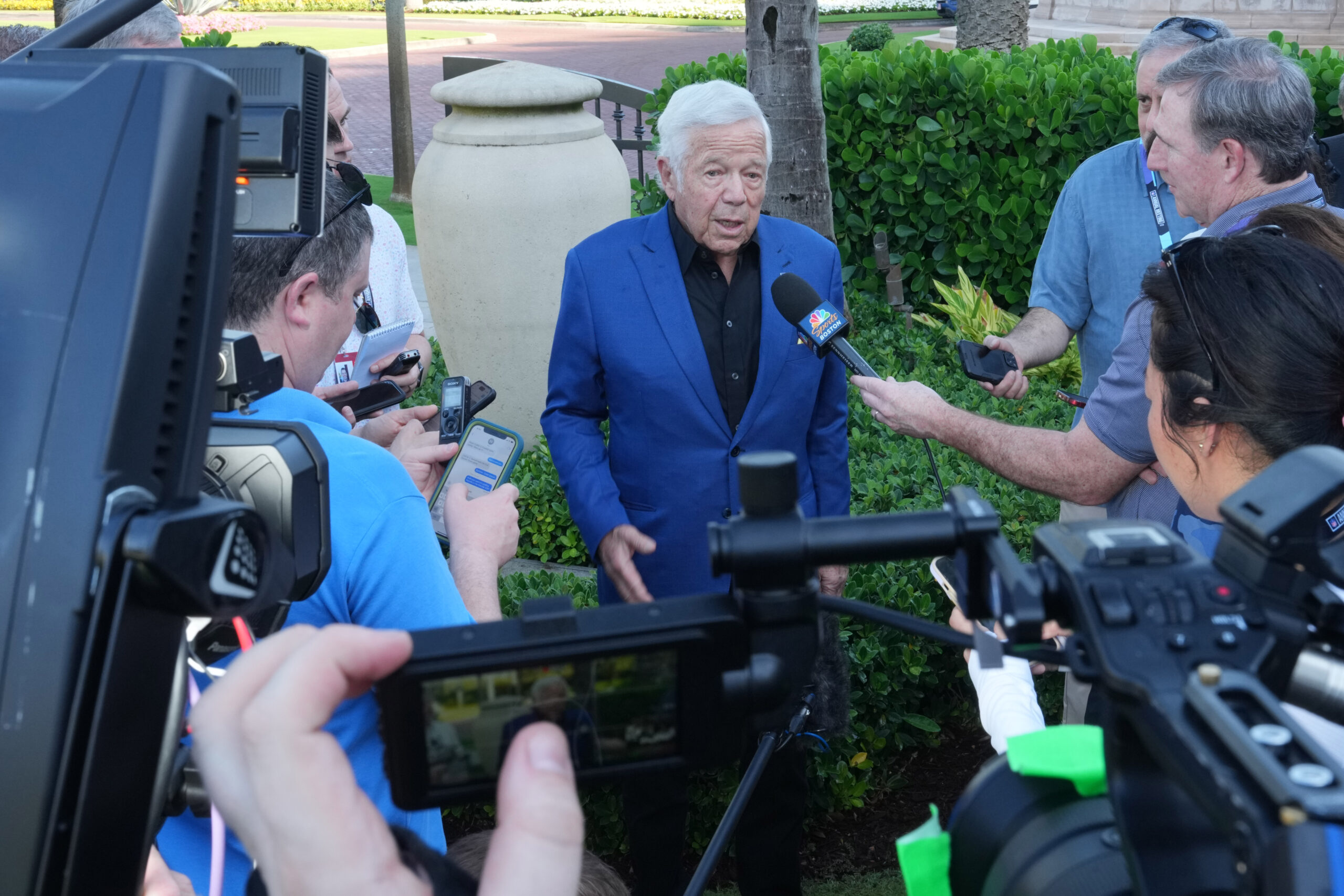
Apr 1, 2025; Palm Beach, FL, USA; New England Patriots owner Robert Kraft addresses the media at the NFL Annual League Meeting at The Breakers. Mandatory Credit: Jim Rassol-Imagn Images
The NFL won the grievance against the NFLPA, and the ruling states that the report cards will no longer be available to the public eye. The NFLPA released a statement following the ruling, writing that their rights to survey players and share the results with players and clubs are still upheld. They also noted that the arbitrator deemed that the report cards were fair and balanced, claiming that their methodology is sound.
Reactions around the league
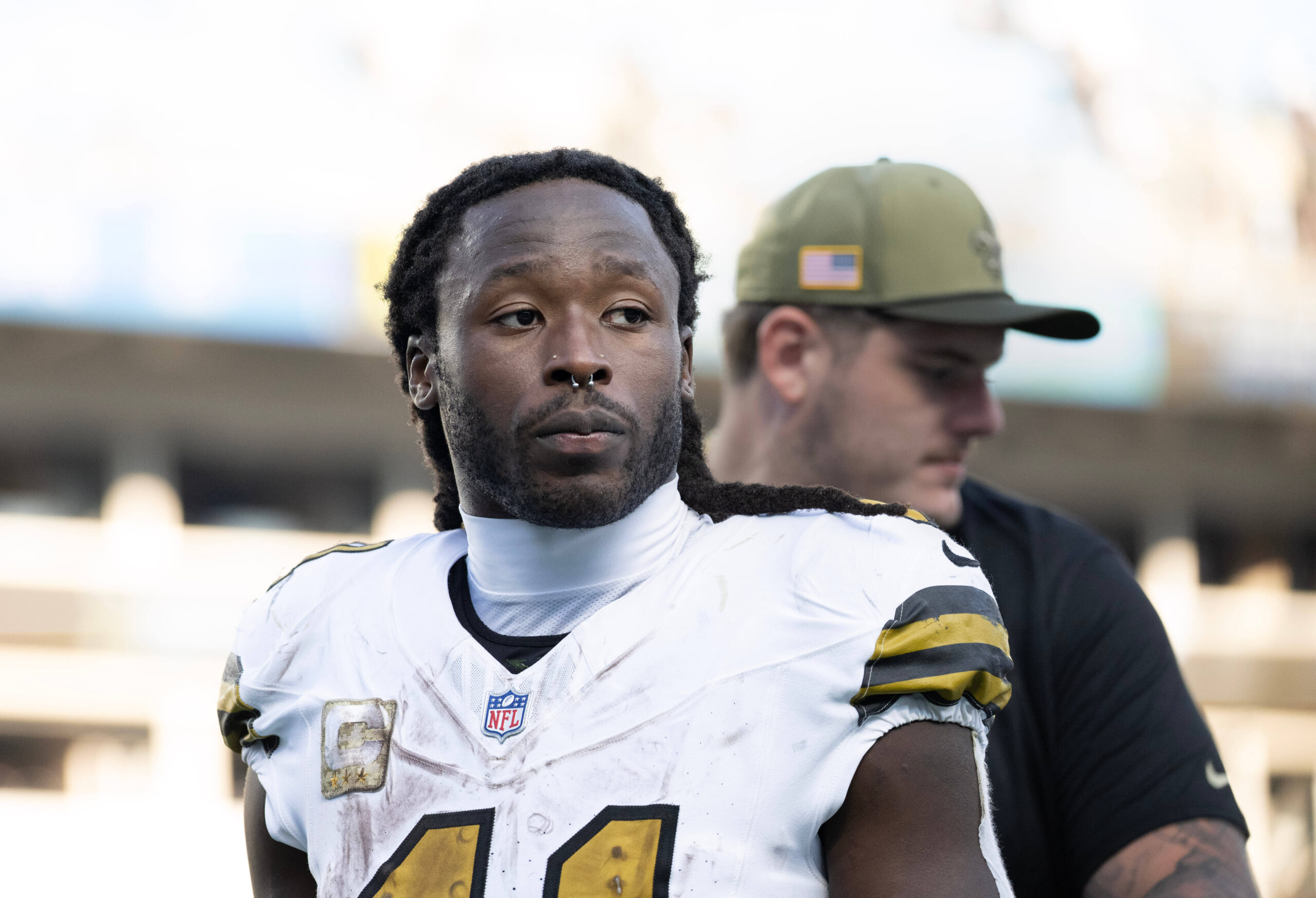
Nov 9, 2025; Charlotte, North Carolina, USA; New Orleans Saints running back Alvin Kamara (41) walks off the field after the game at Bank of America Stadium. Mandatory Credit: Bob Donnan-Imagn Images
The decision to suspend public release of the reports was met with criticism from fans and players. Team reporters and writers like Marcus Mosher and Kevin Knight commented on how the banning of the report cards enables owners to further ignore facility issues. Meanwhile, Saints RB Alvin Kamara asked “What if the players made one and tweeted it out at the end of every year,” before criticizing the Saints’ practice field. Former players like JJ Watt, who played for 12 years in the NFL, also questioned the decision, saying “The NFL won’t let actual players grade the workplace they attend every single day, but they’ll allow a 3rd party “grading” service to display their “rankings” of players on national television every Sunday night…”
The unfortunate precedent it sets
Feb 5, 2025; New Orleans, LA, USA; The NFLPA logo at press conference at the Super Bowl LIX media center at the Ernest N. Morial Convention Center. Mandatory Credit: Kirby Lee-Imagn Images
Ultimately, what matters most is that players know what they’re getting into before signing with a team. Because the reports remain available to those who take the field on Sundays, players can avoid franchises that will fail to provide the best environment for their growth. However, will there be any actual improvement? Public accountability can be a catalyst for change, and the owners’ eagerness to ban the public release of the grades suggests as much. It’s not to say that things will remain the way that they are, but stripping the general populace from its ability to evaluate ownership with concrete proof stings. Hopefully, players can be a key voice in betterment of their working conditions, but without the general public by their side, it’s going to be an uphill battle.
If you enjoyed this article please like and follow us here on MSN! Thank you for reading and have a great day!
Want to see a ranking of the NFL’s ten best players of the 2025 season? Give this article a read!