
Confetti fell in Miami Gardens, and for the third straight January, none of it landed on an SEC helmet. Indiana, a program that opened the season at 100-1 odds, stood at midfield holding a national championship trophy after beating Miami 27-21 to finish 16-0. The first perfect season in modern playoff history belonged to a basketball school from Bloomington. Somewhere in Birmingham, SEC headquarters had already started rewriting the conference schedule. Three years without a title game appearance will do that to a league that owned January for a quarter century.
A Dynasty Built on Certainty
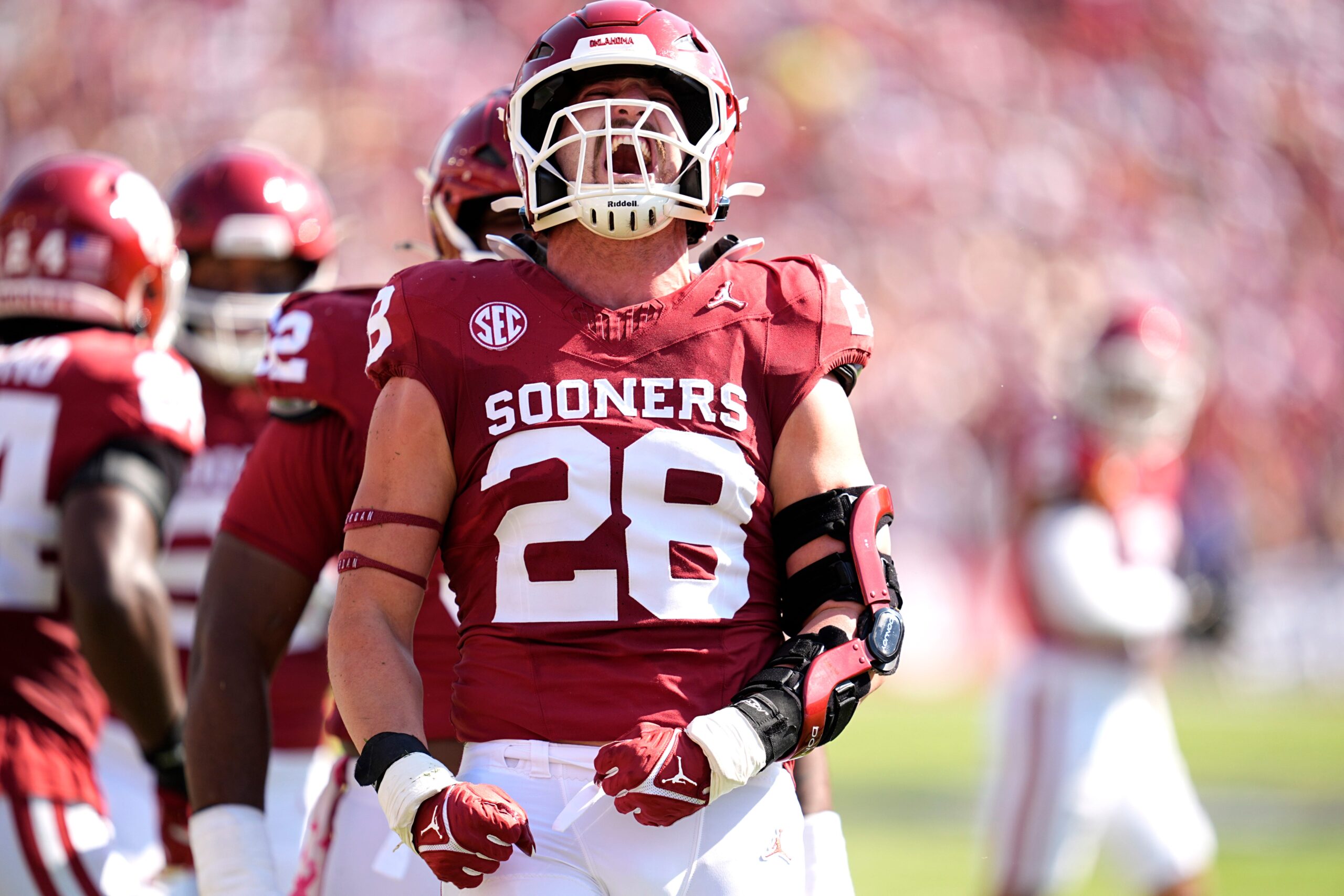
Oklahoma Sooners linebacker Danny Stutsman (28) celebrates a play in the first half of the Red River Rivalry college football game between the University of Oklahoma Sooners and the Texas Longhorn at the Cotton Bowl Stadium in Dallas, Texas, Saturday, Oct., 12, 2024.
From 2006 through 2022, the SEC collected 13 national championships out of 17 available. The conference put a team in the title game all but once during that stretch. Alabama, LSU, Florida, Auburn, Georgia: the names rotated, but the conference patch stayed the same. That kind of dominance shaped recruiting pipelines, television contracts, and the entire mythology of college football. Every five-star kid in America grew up hearing the same phrase: “It just means more.” The SEC wasn’t competing with other conferences. It was operating above them.
The Crack Nobody Wanted to Name
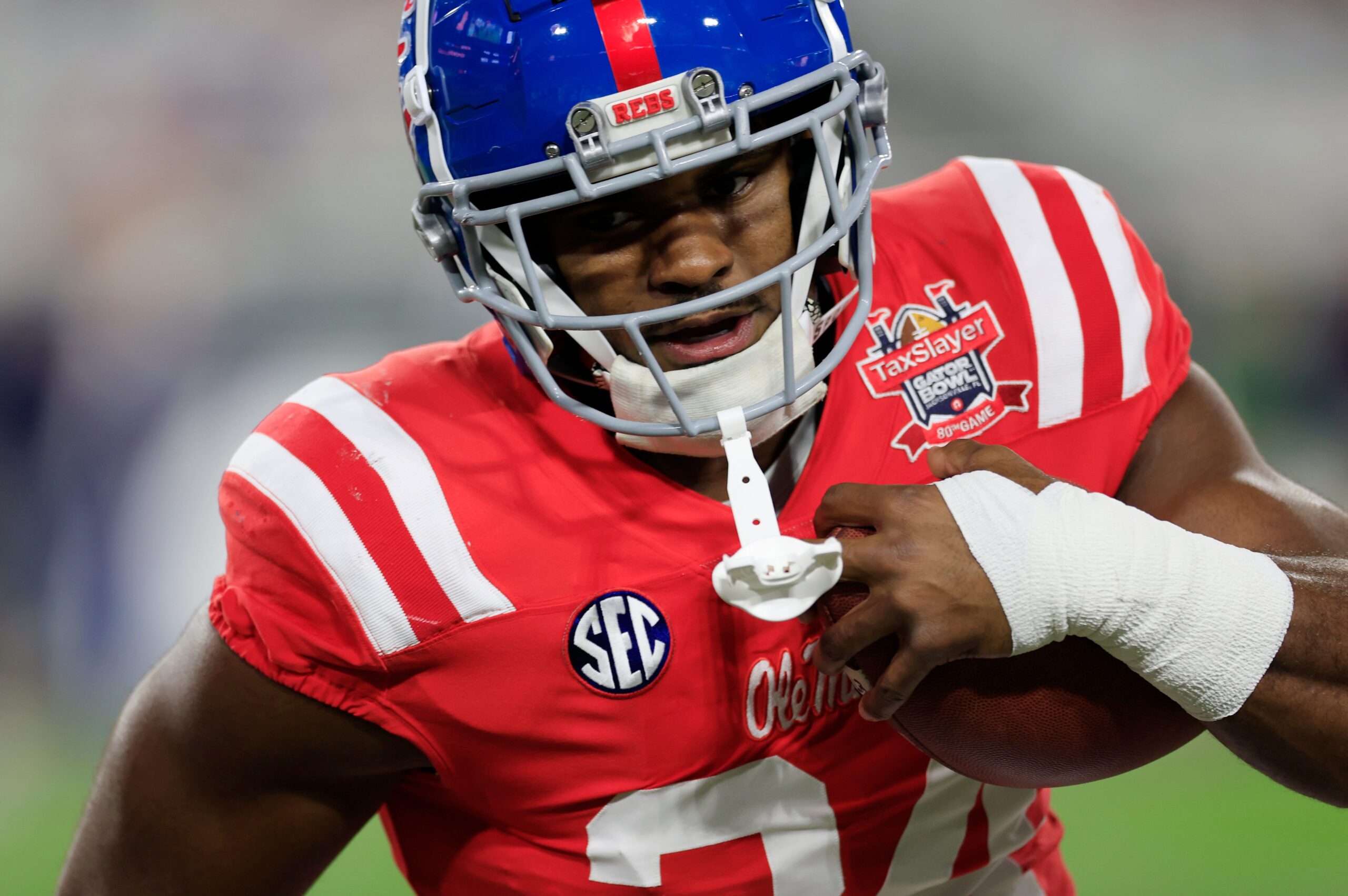
(EDITORÕS NOTE: Resubmitted with alternate crop.) Mississippi Rebels linebacker Tyler Banks (34) runs the ball before the TaxSlayer Gator Bowl Thursday, Jan. 2, 2025 at EverBank Stadium in Jacksonville, Fla. [Corey Perrine/Florida Times-Union]
NIL became legal in June 2021. The transfer portal opened wide. And the assumption that SEC dominance came from culture and coaching tradition started falling apart. Coaches across the sport noticed immediately. One Big Ten assistant put it bluntly: “Hard to ignore the fact that when everyone got to pay players, it leveled the playing field immediately. They can deny all they want, but that’s a fact.” The SEC’s recruiting monopoly depended on talent staying put and money staying hidden. Both conditions reversed within two years, and the 2025-26 postseason proved it.
Sankey’s Promise, the Scoreboard’s Answer
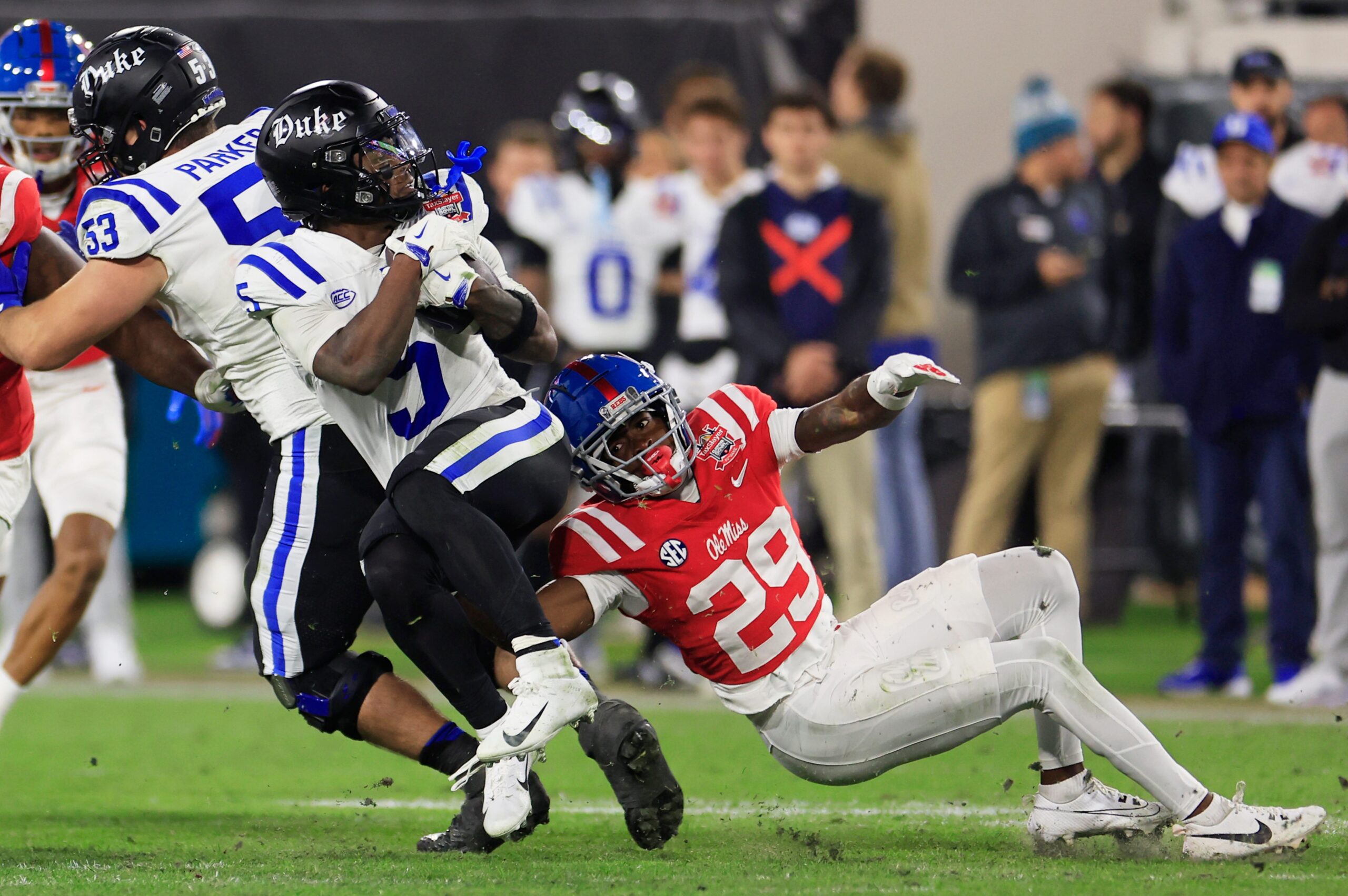
Duke Blue Devils running back Peyton Jones (5) tries to avoid Mississippi Rebels safety Nick Cull (29) by spinning to no avail during the fourth quarter of the TaxSlayer Gator Bowl Thursday, Jan. 2, 2025 at EverBank Stadium in Jacksonville, Fla. Ole Miss defeated Duke 52-20. [Corey Perrine/Florida Times-Union]
SEC Commissioner Greg Sankey announced a nine-game conference schedule starting in 2026, declaring it “ensures SEC teams are well prepared to compete and succeed in the College Football Playoff.” The SEC then finished below .300 against Power 4 competition in bowl and playoff games. Five SEC teams made the 12-team playoff. Zero reached the title game. For the third consecutive season. That’s the first time in over 25 years. Sankey prescribed a scheduling fix for a financial disease, and the scoreboard exposed the misdiagnosis before the ink dried.
How the Portal Rewired Rosters
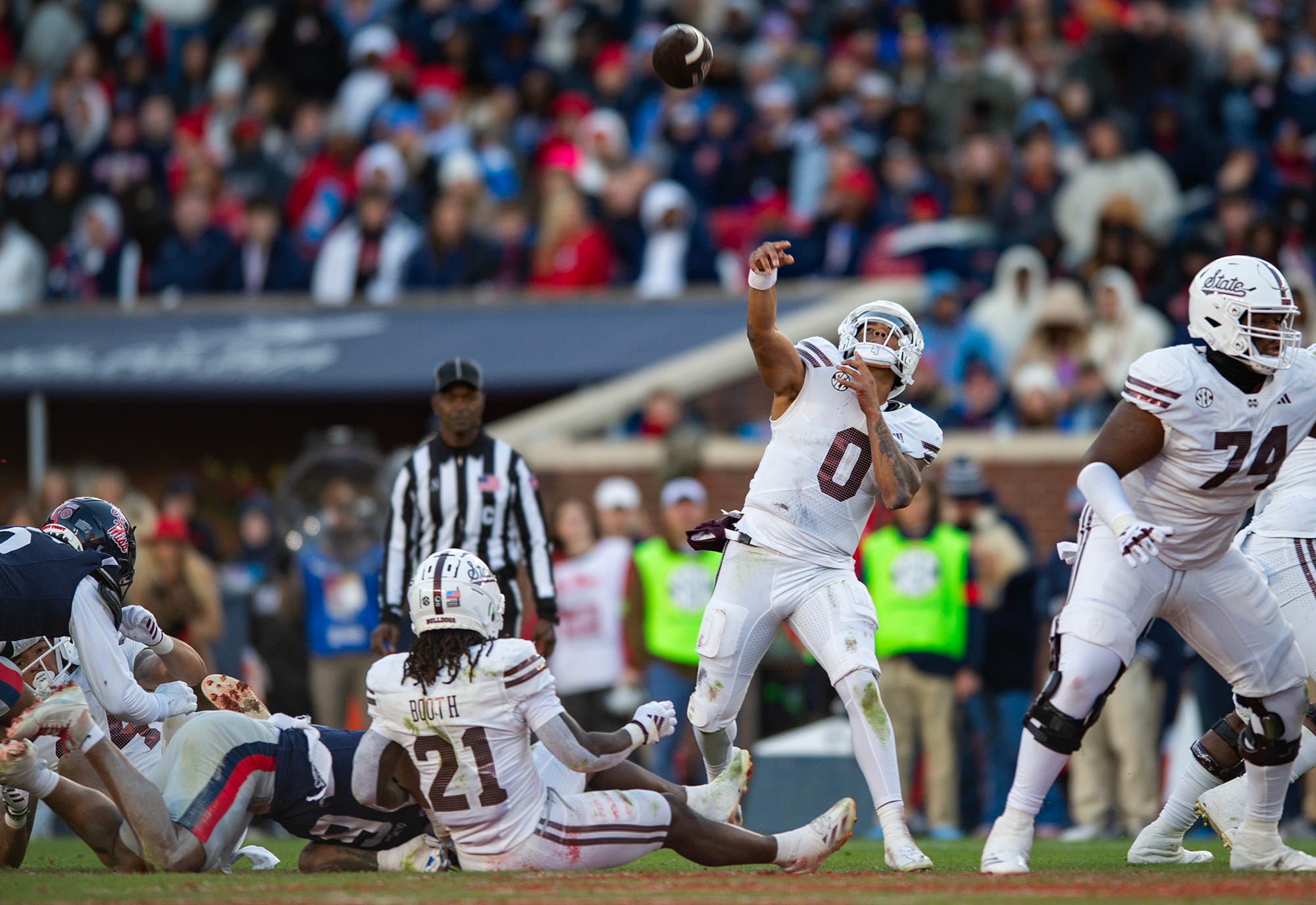
Mississippi State’s quarterback Michael Van Buren Jr. (0) throws the ball during the Egg Bowl game against Mississippi at Vaught-Hemingway Stadium on Friday, Nov. 29, 2024.
The SEC’s old model worked like a monopoly retailer with exclusive access to the supply chain. Wealthy Southern boosters funneled resources into programs while NCAA rules kept talent immobile. NIL opened that supply chain to every competitor in America. Now rosters get built through portal acquisitions, not just high school signing days. Indiana assembled a championship-caliber roster by deploying capital efficiently through the portal. Programs without SEC tradition suddenly competed because they had the same financial tools. The talent didn’t get worse. It just stopped concentrating in one zip code.
The Numbers That Buried the Narrative
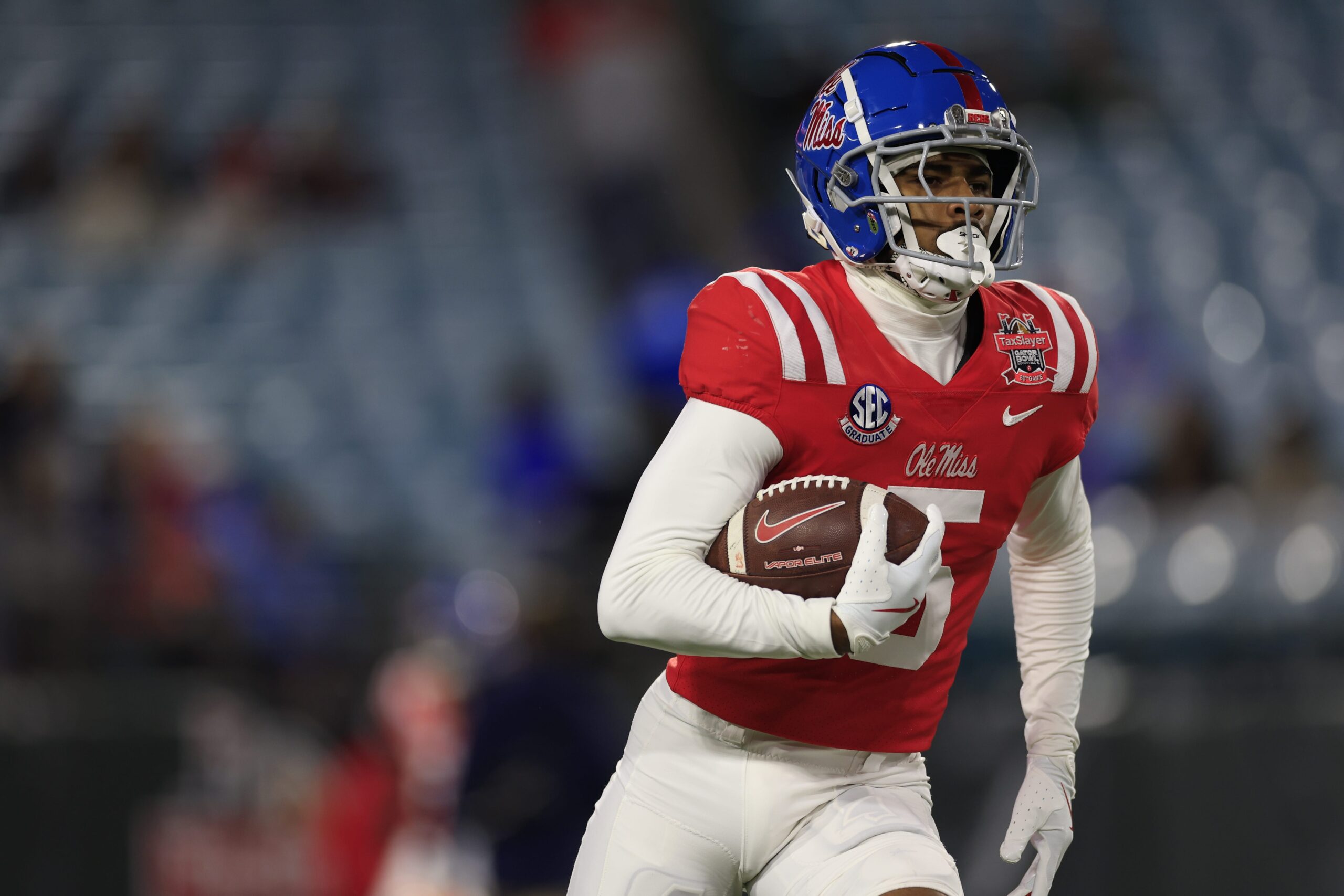
Mississippi Rebels safety John Saunders Jr. (5) runs the ball before the TaxSlayer Gator Bowl Thursday, Jan. 2, 2025 at EverBank Stadium in Jacksonville, Fla. [Corey Perrine/Florida Times-Union]
The Big Ten won three consecutive national championships with three different teams: Michigan, Ohio State, Indiana. That’s unprecedented in the modern playoff era. Meanwhile, Miami, ranked 10th, walked into the Cotton Bowl and beat defending champion Ohio State 24-14 in the CFP quarterfinal. A 10th seed dismantling a No. 2 seed by double digits. Texas Tech won 12 games and captured its first outright Big 12 title since 1955. Parity didn’t creep into college football. It kicked the door down, and the SEC was standing behind it.
The Ripple Beyond the Scoreboard
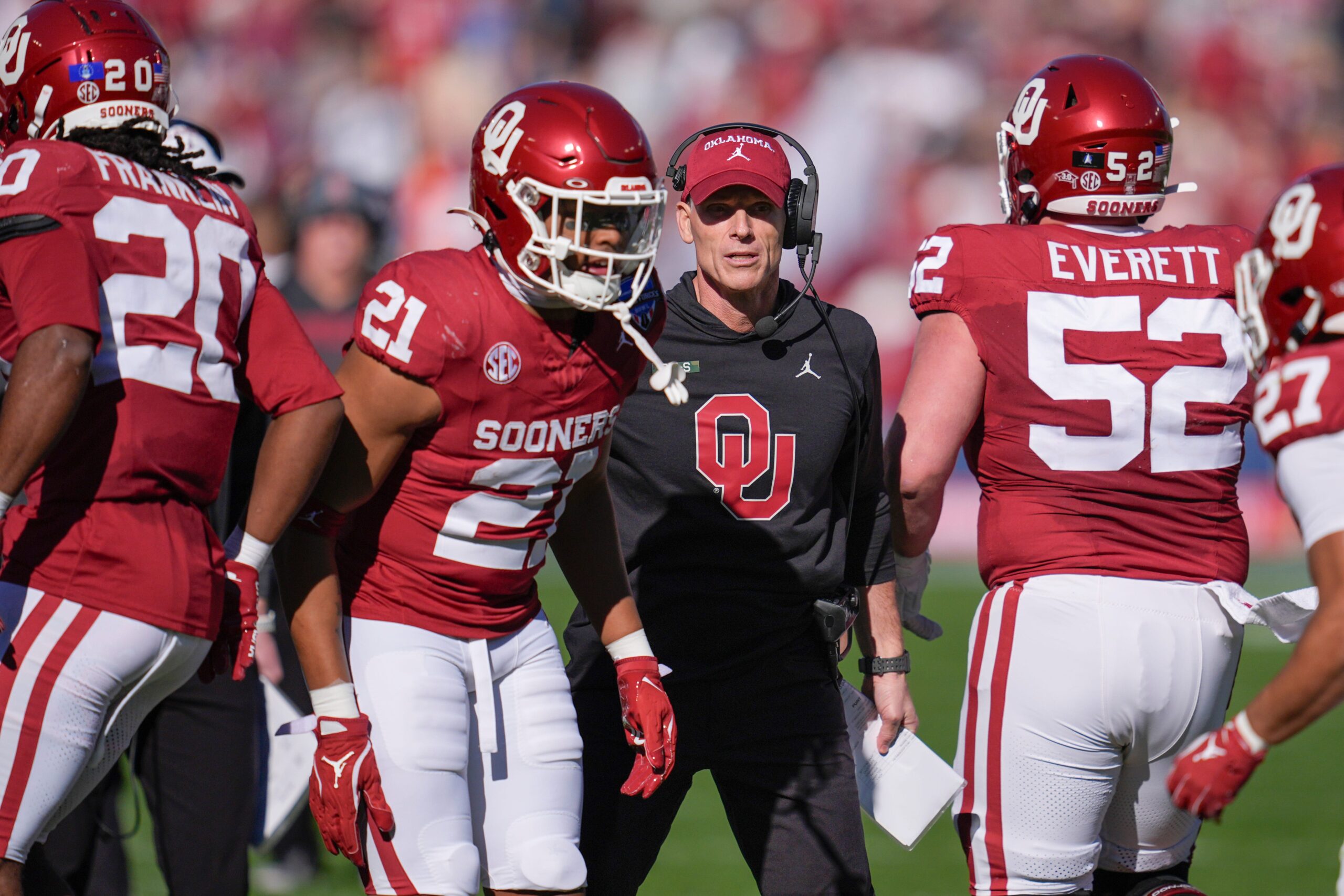
Oklahoma coach Brent Venables during the Armed Forces Bowl football game between the University of Oklahoma Sooners (OU) and the Navy Midshipmen at Amon G. Carter Stadium in Fort Worth, Texas, Friday, Dec. 27, 2024. Navy won 21-20.
Since 2022, a significant portion of FBS schools have changed conferences, reshuffling allegiances while the House v. NCAA settlement established a $20.5 million revenue-sharing cap per school annually. But that cap won’t save anyone. Both the Big Ten (~$75 million per school) and the SEC (~$72 million per school) distribute over $70 million annually to their members, figures Group of 5 programs cannot approach, and most operate at a deficit. The SEC’s decline doesn’t just embarrass one conference. It accelerates a financial arms race where mid-major programs face extinction and coaching jobs at bottom-tier SEC schools become revolving doors.
The Rule That Can’t Be Unwritten
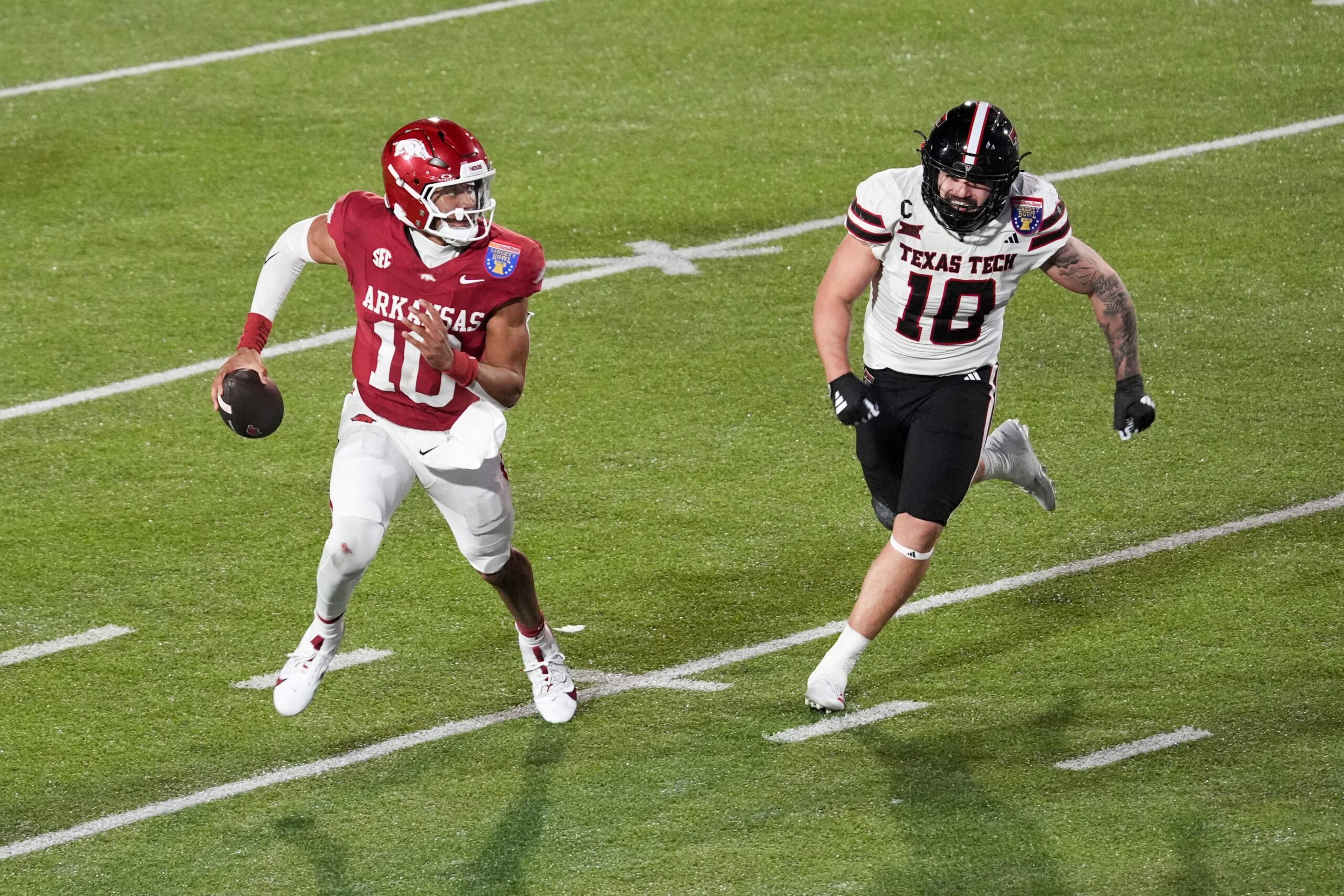
Arkansas’ quarterback Taylen Green (10) scrambles with the ball during the AutoZone Liberty Bowl between Arkansas and Texas Tech in Memphis, Tenn., on Friday, December 27, 2024.
The last time the SEC went three straight years without a title or title-game appearance was 1999-2002. Florida State, Oklahoma, Miami, and Ohio State won during that drought. But that drought ended because the system hadn’t changed. This one is different. Federal courts barred the NCAA from reimposing payment restrictions. The transfer portal operates under Congressional scrutiny. The SEC’s empire required two conditions: talent that couldn’t move and money that couldn’t be seen. Both are now permanently reversed. This isn’t a drought. It’s a new climate.
A Stalemate With No Winners
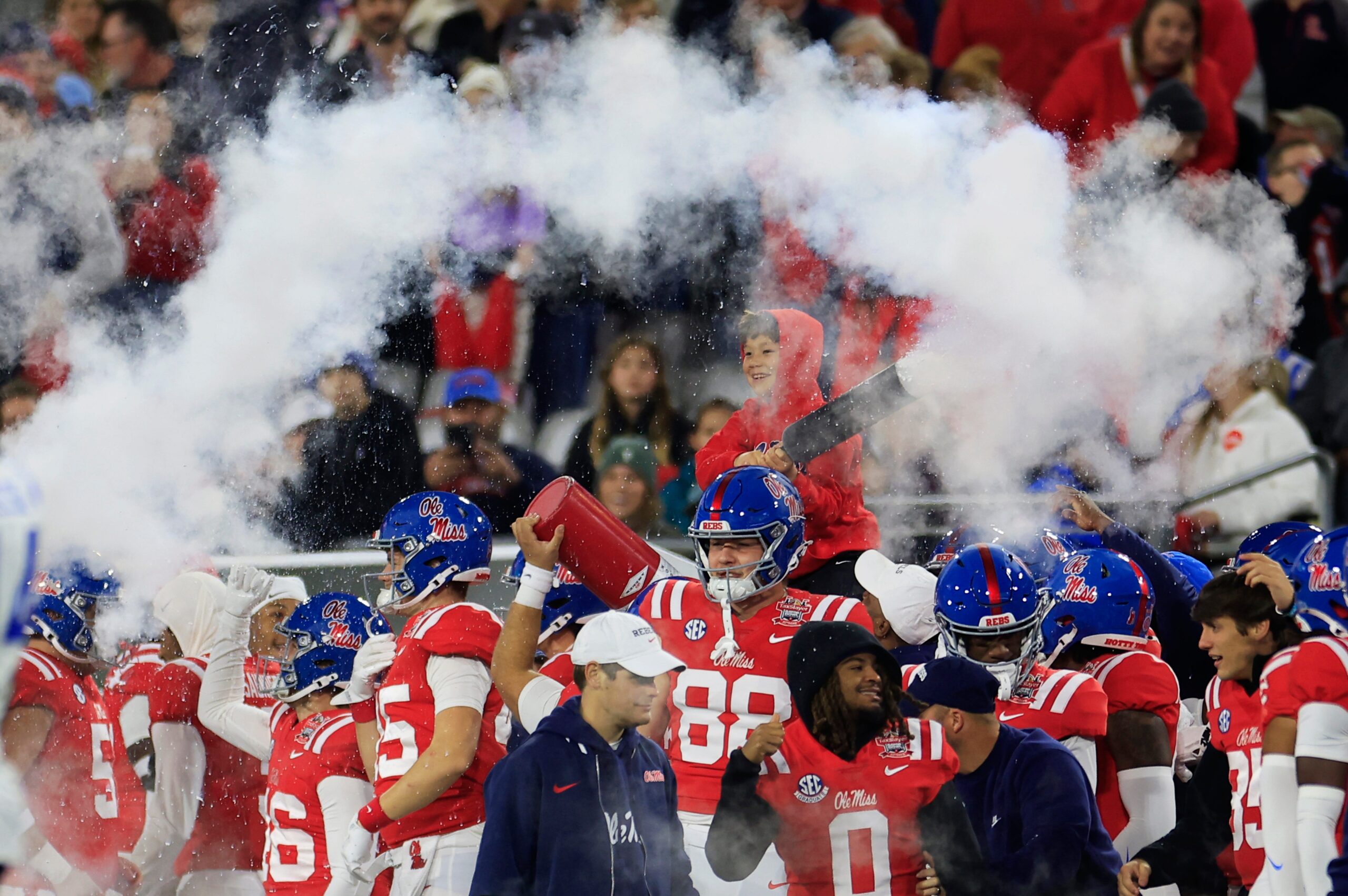
A young boy celebrates with a fire extinguisher during the third quarter of the TaxSlayer Gator Bowl Thursday, Jan. 2, 2025 at EverBank Stadium in Jacksonville, Fla. Ole Miss defeated Duke 52-20. [Corey Perrine/Florida Times-Union]
The Big Ten and SEC demanded exclusive power to determine the CFP format. Then they deadlocked. The Big Ten wants 24 teams. The SEC wants 16. Neither budged, so the 12-team format continues for 2026 by default. Two monopoly holders demanding veto power, then refusing to use it, freezing the entire system in place. The deadline to finalize the post-2026 format passed on January 23, 2026, with the 12-team bracket confirmed by default. If the SEC keeps losing postseason games at this rate, its leverage at that negotiating table evaporates entirely.
The Empire’s Impossible Road Back
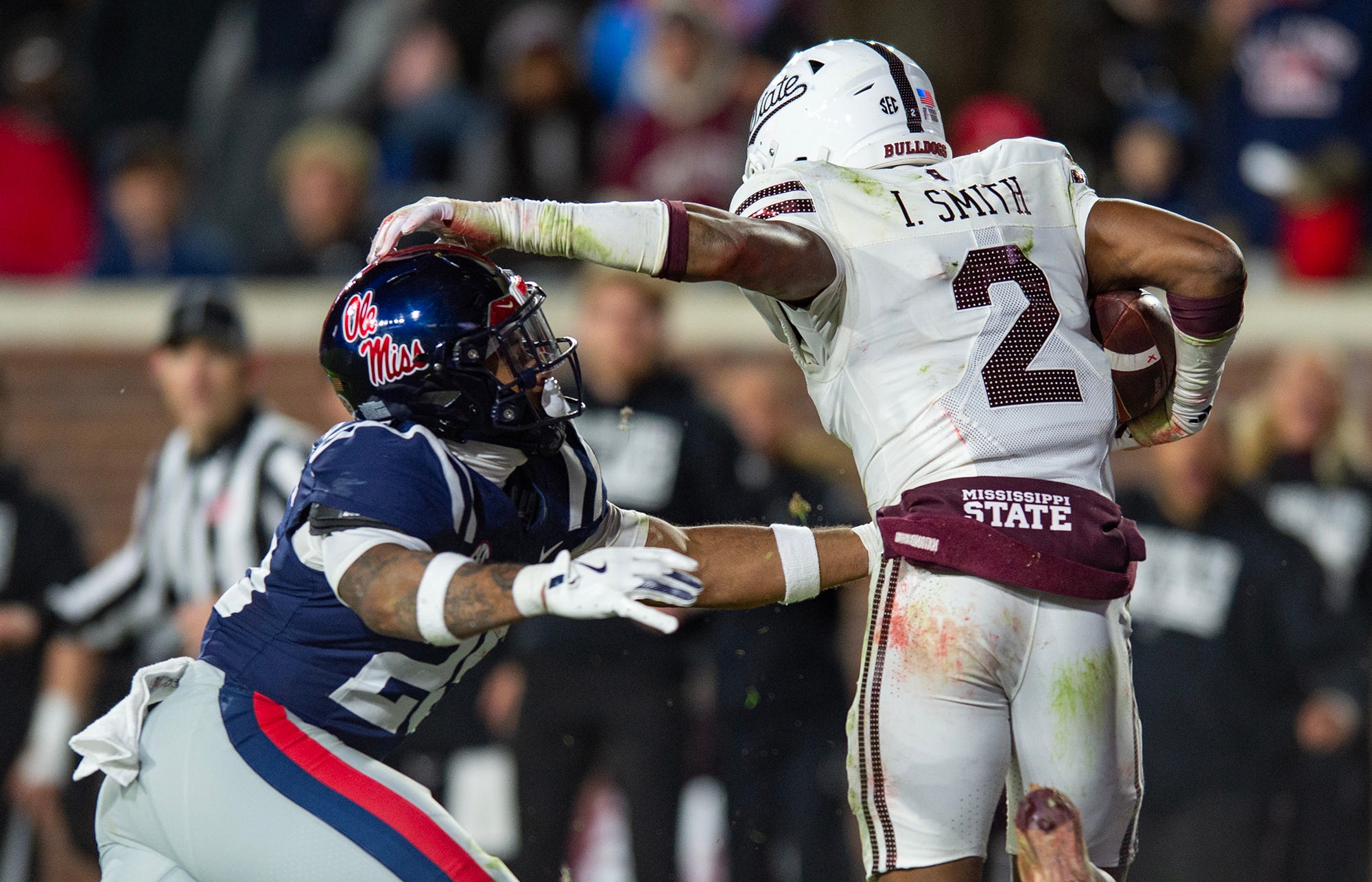
Mississippi State’s safety Isaac Smith (2) runs the ball after intercepting it during the Egg Bowl game against at Vaught-Hemingway Stadium on Friday, Nov. 29, 2024.
Trump signed an executive order on April 3, 2026 targeting NIL reform and transfer restrictions, though its legal enforceability remains uncertain as courts have previously blocked similar NCAA payment restrictions. Congress is circling. The SEC’s best hope for rebuilding dominance requires rolling back the exact mechanisms that created parity. But federal courts have already blocked NCAA payment restrictions, and any portal limits face immediate legal challenge. The SEC wasn’t unbeatable because of culture or coaching. It was unbeatable under rules that prevented competitors from paying openly. Those rules are gone. Anyone who watched Indiana go from 100-1 to 16-0 champion already knows the old empire isn’t coming back.
If you enjoyed this article please like and follow us here on MSN! Thank you for reading and have a great day!
Sources:
“Indiana defeats Miami to win the College Football Playoff National Championship.” NCAA.com, January 2026.
“Indiana gives Big Ten first national title three-peat since World War II era.” CBS Sports, January 2026.
“SEC switching to 9-game conference schedule beginning in 2026.” USA Today, August 2026.
“When did SEC last miss three straight national championship games?” USA Today, January 2026.
“SEC generates record $1.03 billion in revenue distribution for 2024-25.” CBS Sports, February 2026.