
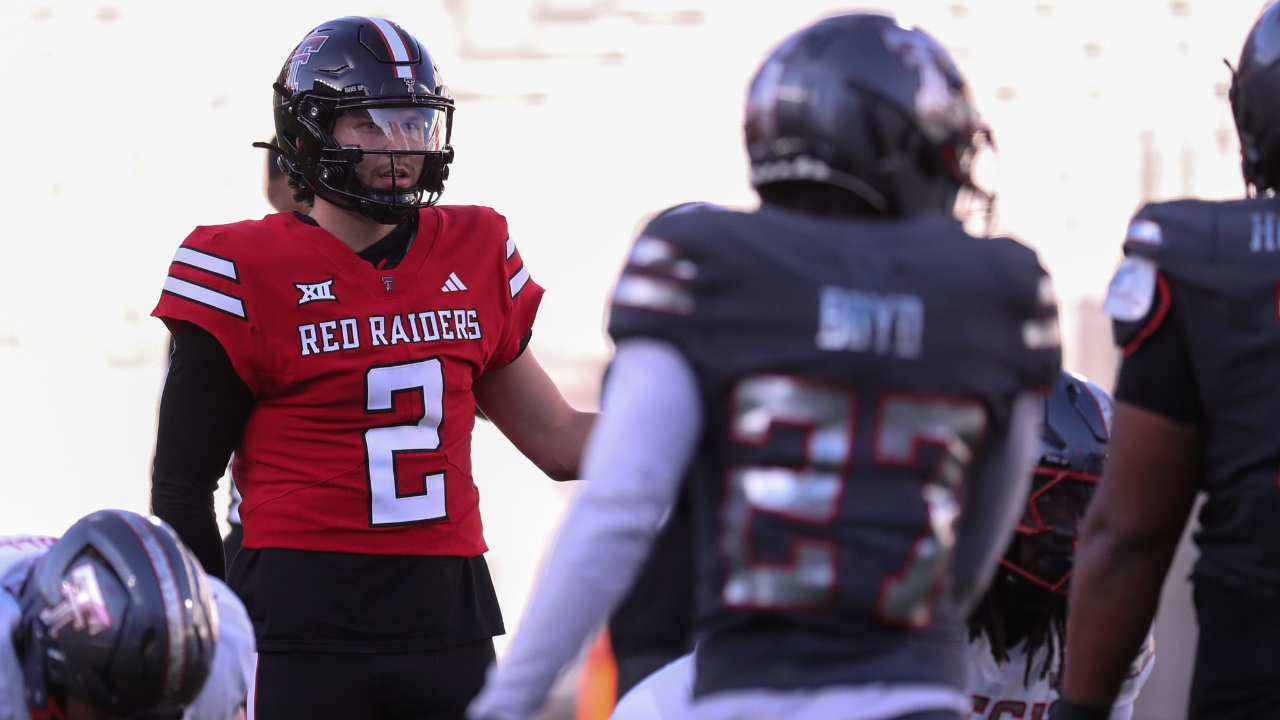
A Lubbock County courtroom cleared the way for a quarterback to suit up in 2026. Not a transfer waiver. Not an eligibility appeal. A judge’s injunction, overriding the NCAA’s permanent gambling ban on a player who admitted to placing at least 40 wagers on his own team’s football games. The defending Big 12 champion had its starter back. Within hours, athletic directors across the country started making phone calls. Not to congratulate Texas Tech. To cut them off.
The Betting Trail Nobody Expected
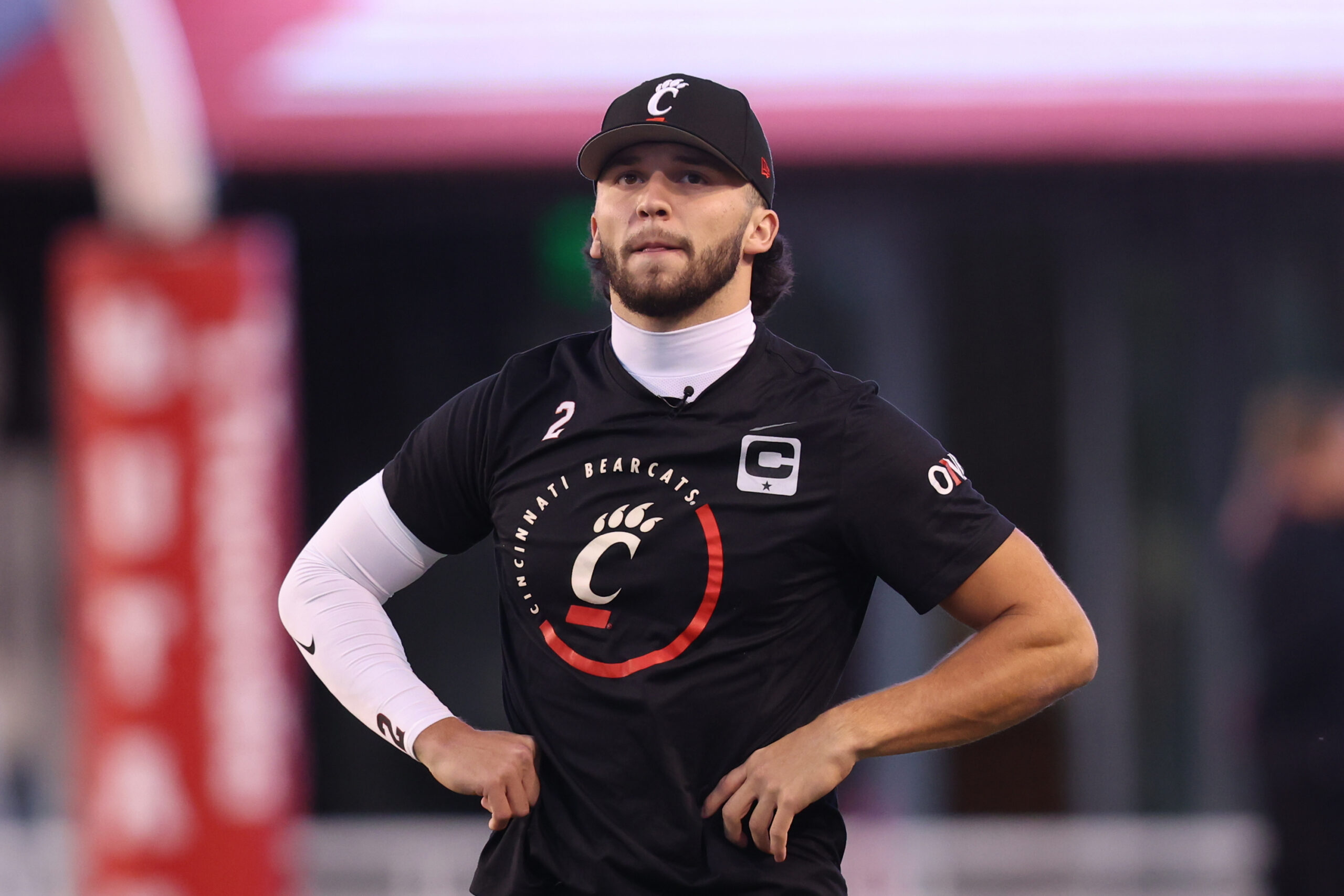
Nov 1, 2025; Salt Lake City, Utah, USA; Cincinnati Bearcats quarterback Brendan Sorsby (2) warms up before the game against the Utah Utes at Rice-Eccles Stadium. Mandatory Credit: Rob Gray-Imagn Images
Brendan Sorsby’s gambling footprint stretched across three schools and four years. Court filings documented approximately $90,000 in impermissible wagers placed through Hard Rock Bet, FanDuel, Underdog, and PrizePicks, using accounts registered to himself, a family member, and friends. At Indiana alone, he acknowledged at least 2,900 bets totaling more than $30,000. At Cincinnati, he funneled over $60,000 to a FanDuel account in his brother-in-law’s name. He kept betting after arriving at Texas Tech. The NCAA ruled him permanently ineligible. That was supposed to be the end.
The Rule Everyone Trusted
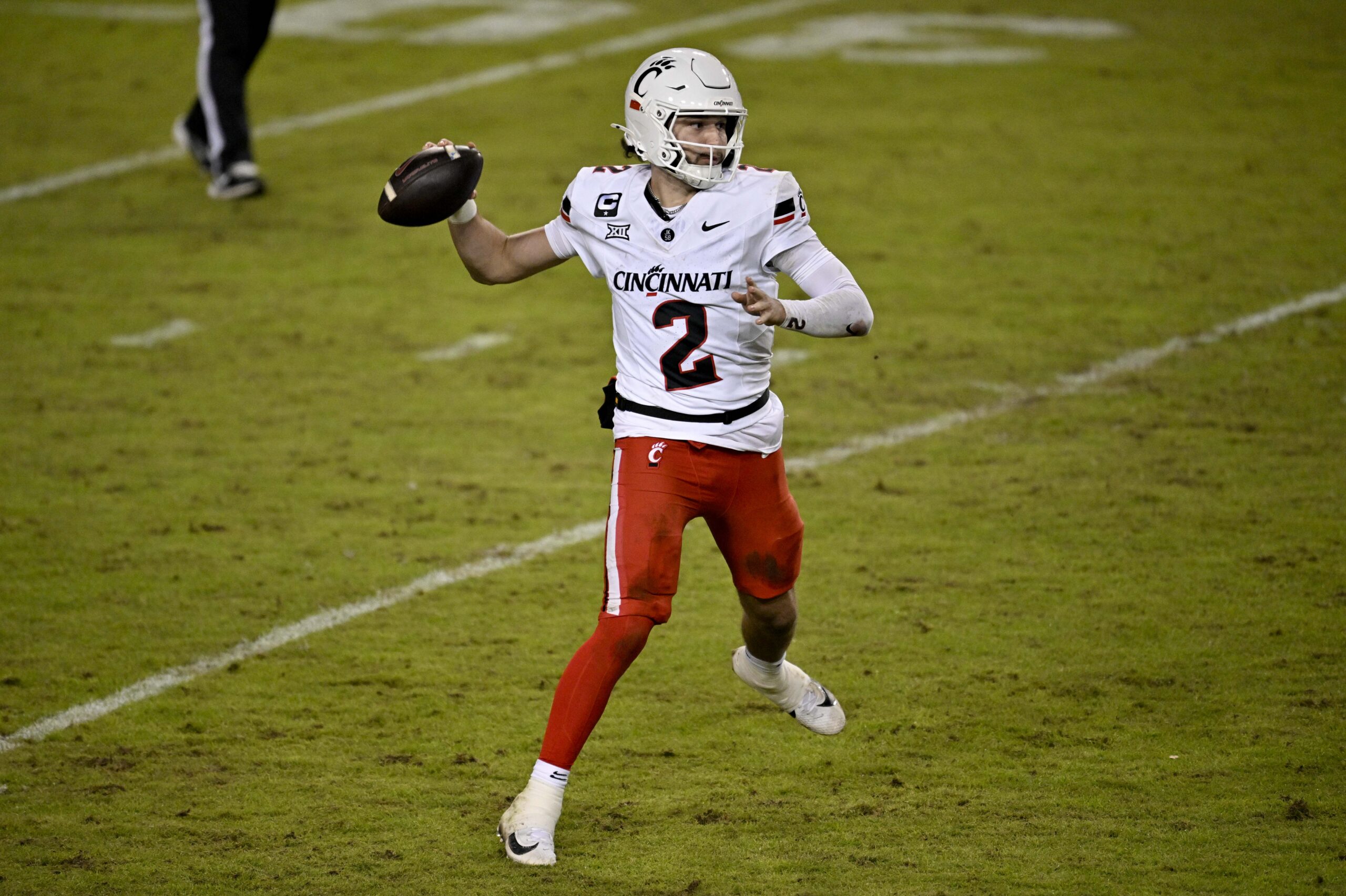
Nov 29, 2025; Fort Worth, Texas, USA; Cincinnati Bearcats quarterback Brendan Sorsby (2) throws the ball during the second half against the TCU Horned Frogs at Amon G. Carter Stadium. Mandatory Credit: Jerome Miron-Imagn Images
For years, every college athlete heard the same warning: bet on your own team, lose your career. The NCAA’s policy placed own-team wagering among the most severe infractions, carrying permanent loss of eligibility. In 2024-25, three Division I basketball players at Fresno State and San Jose State proved the rule held teeth. They bet on their own and each other’s games, and two manipulated their performances to win prop bets. Lifetime bans. No court intervened. No judge weighed “irreparable injury.” That precedent looked ironclad. Then a semi-retired judge in Lubbock decided Sorsby’s case deserved a different outcome.
A Lifetime Ban for Game-Fixing. Two Games for $90,000 in Bets.
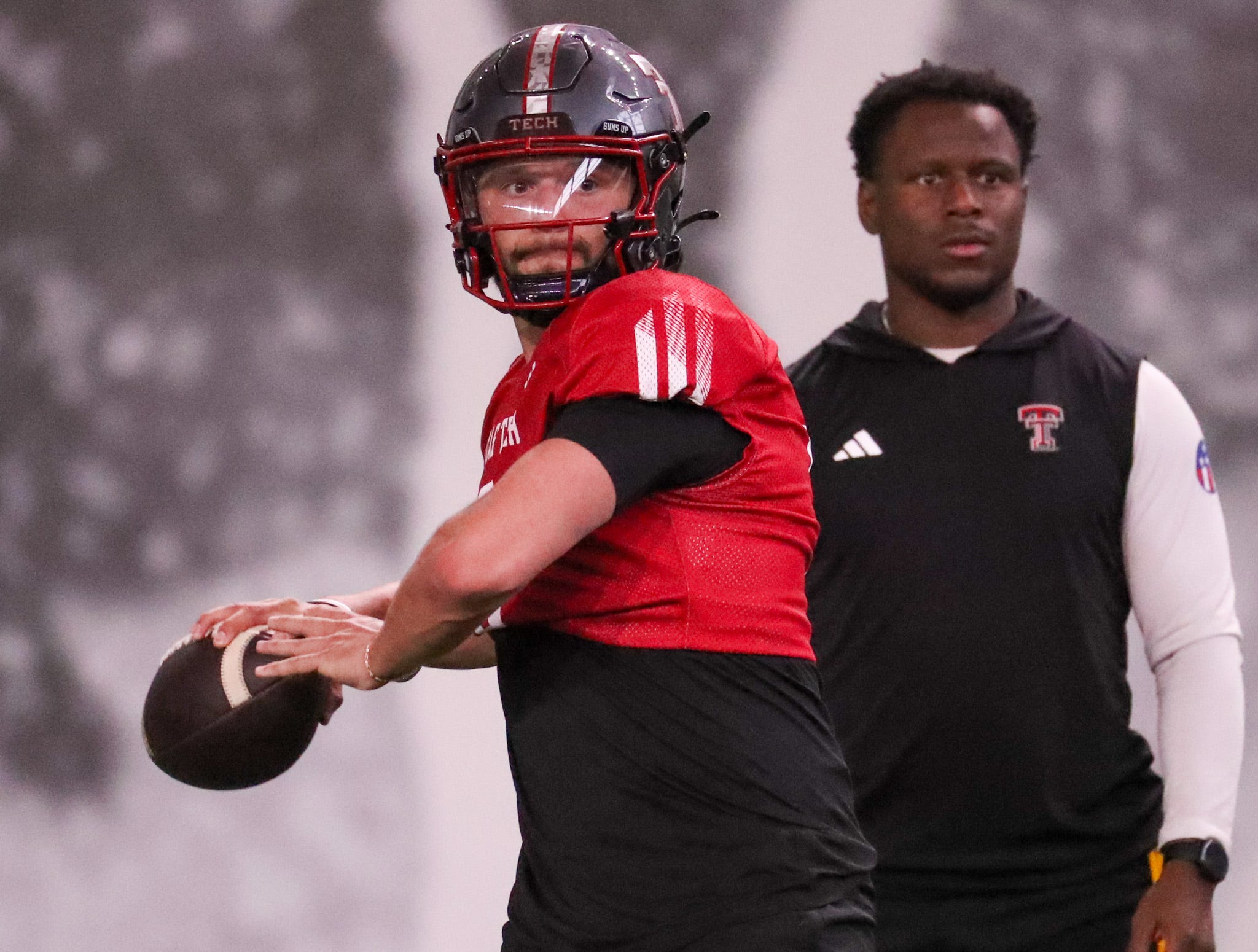
Texas Tech’s Brendan Sorsby goes through a drill during spring football practice, Tuesday, March 24, 2026, at the Womble Football Center.
Judge Ken Curry granted Sorsby a preliminary injunction, ruling his attorneys demonstrated he would suffer “probable, imminent and irreparable injury” without football. The penalty Sorsby’s own lawyers proposed: sit out two games against Abilene Christian and Oregon State. That amounts to roughly 17% of the regular season. Three basketball players lost everything for fixing games and betting on themselves. A quarterback who wagered roughly $90,000 across four years kept his senior year. The NCAA’s bedrock rule cracked in a single afternoon. And the people running college sports watched it happen in real time.
How a Courtroom Replaced the Rulebook
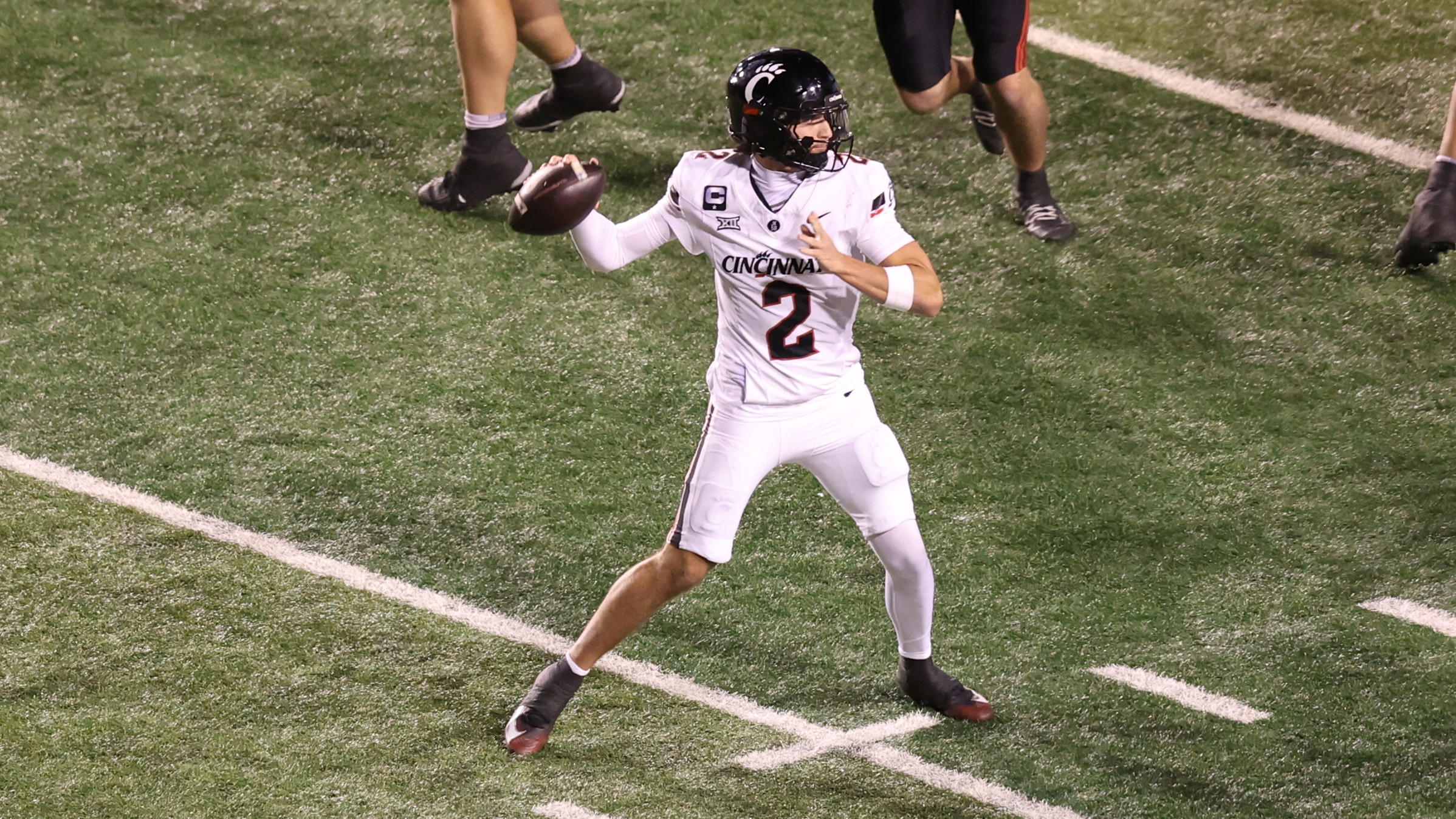
Nov 1, 2025; Salt Lake City, Utah, USA; Cincinnati Bearcats quarterback Brendan Sorsby (2) passes the ball against the Utah Utes during the third quarter at Rice-Eccles Stadium. Mandatory Credit: Rob Gray-Imagn Images
Sorsby’s legal team reframed the violation as a mental health crisis. He completed a residential gambling rehabilitation program in Arizona and received diagnoses for gambling and anxiety disorders. Judge Curry’s order set conditions including individual and group treatment and monthly compliance reports to the NCAA. The strategy exposed a vulnerability in the NCAA’s enforcement architecture. The system depends on schools self-reporting and athletes accepting standardized penalties. Once an athlete reframes a violation as disability-related and files in a sympathetic jurisdiction, the entire apparatus buckles. CBS Sports called the NCAA “the only known sports governing organization barred by a court from punishing someone for betting on their own team.”
The Numbers Behind the Outrage
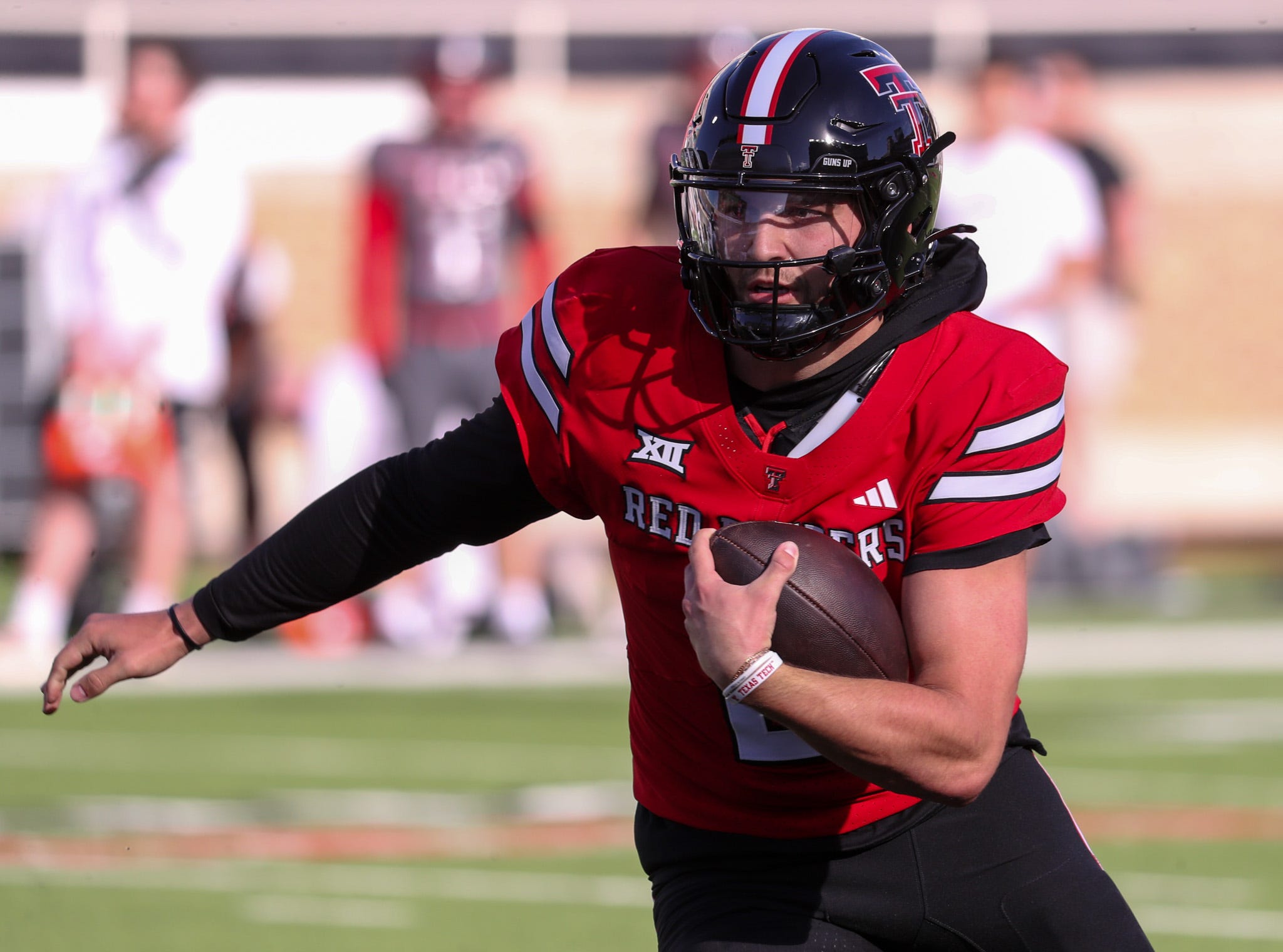
Brendan Sorsby runs with the ball during the Texas Tech football team’s spring game, Friday, April 17, 2026, at Jones AT&T Stadium.
Between September 2 and October 22, 2022, Sorsby placed at least 40 wagers on Indiana football and individual team members, totaling at least $850. Those bets happened while he was a redshirting freshman sharing a locker room with the players he was betting on. While at Indiana from June 2022 through December 2023, he made at least 2,900 bets, and across his career the documented total reached at least $90,000. Individual stakes ran as low as $1 to as much as $114 on the Indiana wagers. Not high-roller money per bet. But thousands of bets add up to $90,000, roughly the price of a compact car wagered on parlays and props over four years.
Georgia and Nebraska Draw the Line
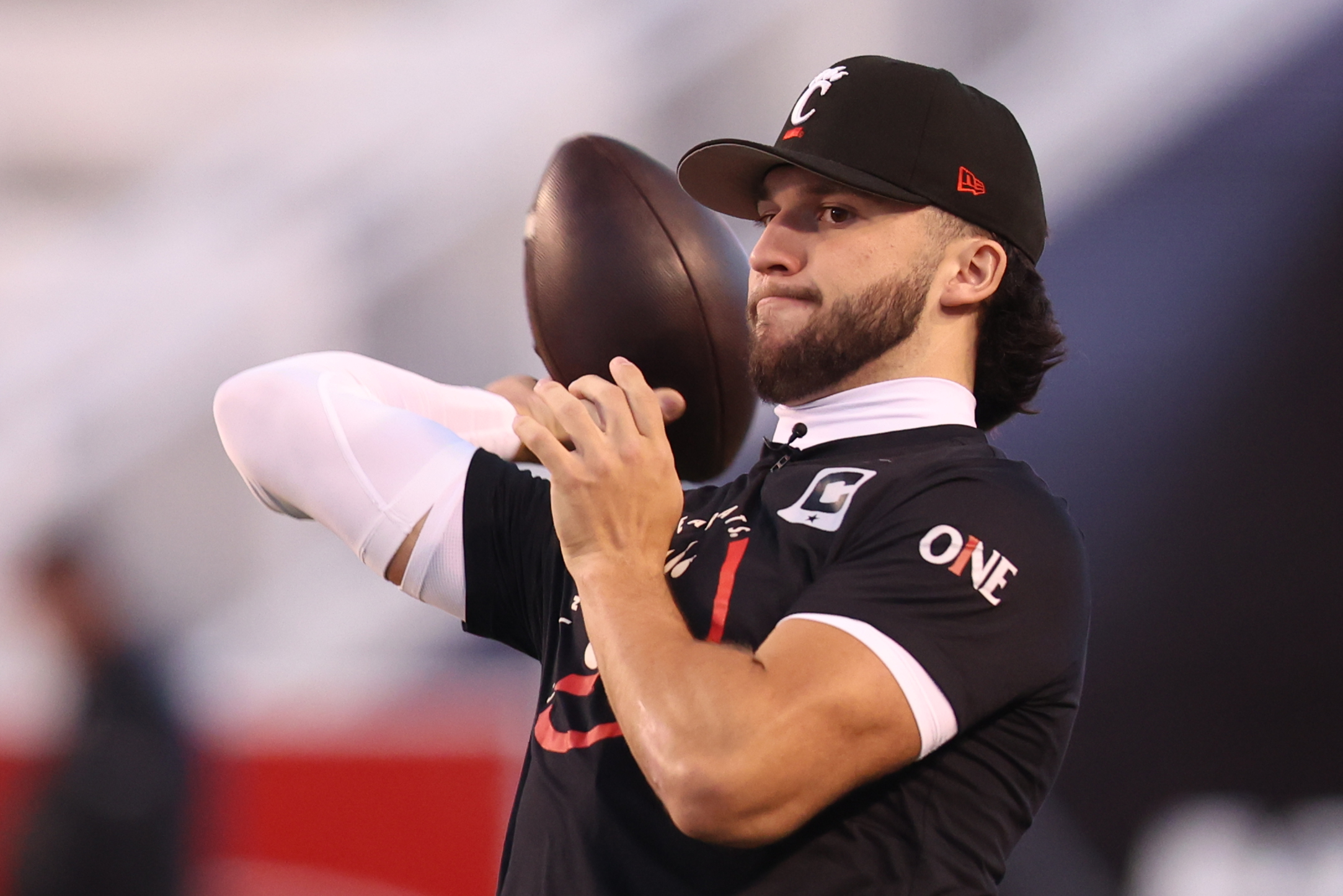
Nov 1, 2025; Salt Lake City, Utah, USA; Cincinnati Bearcats quarterback Brendan Sorsby (2) warms up before the game against the Utah Utes at Rice-Eccles Stadium. Mandatory Credit: Rob Gray-Imagn Images
In direct response to the injunction, Georgia AD Josh Brooks issued a memo: Georgia athletics will not schedule future contests against Texas Tech. Nebraska AD Troy Dannen told CBS Sports, “We are not scheduling [Texas Tech] moving forward,” across every sport. Athletic directors and coaches described feeling “disgusted” and “stunned.” Big Ten officials are expected to discuss a league-wide mandate against scheduling the Red Raiders. Big 12 ADs held serious conversations about refusing to play Texas Tech in 2026. One quarterback’s legal victory turned the defending conference champion into a scheduling pariah.
The Precedent That Changes Everything
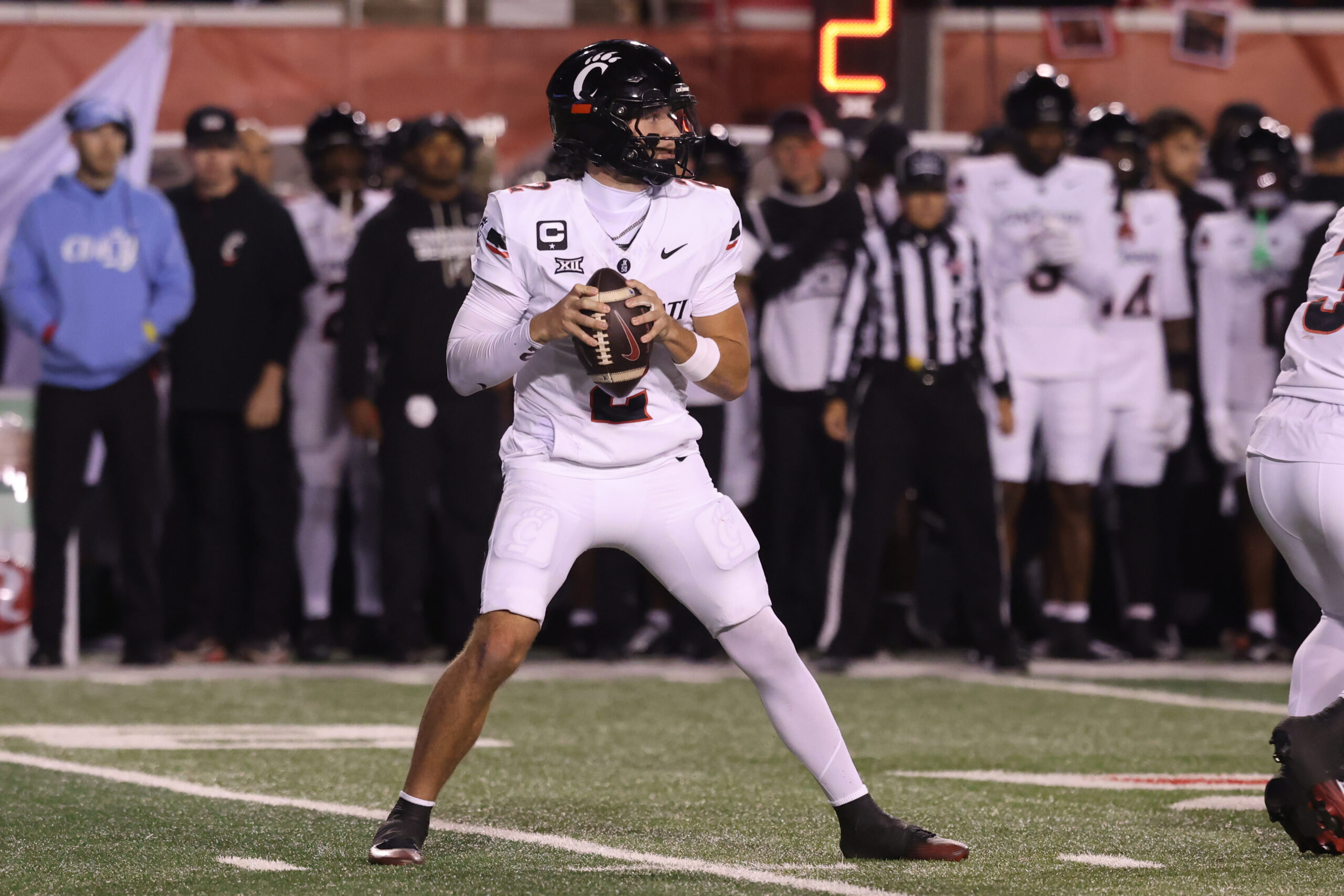
Nov 1, 2025; Salt Lake City, Utah, USA; Cincinnati Bearcats quarterback Brendan Sorsby (2) drops back to pass against the Utah Utes during the second quarter at Rice-Eccles Stadium. Mandatory Credit: Rob Gray-Imagn Images
This stopped being about one quarterback the moment Georgia’s memo went public. Athletes facing gambling bans now have a live blueprint: frame the violation as addiction, demonstrate treatment, file in a favorable jurisdiction. The NCAA’s appeal is moving through the courts but could land after the 2026 season, rendering any reversal competitively moot. Meanwhile, conferences are building a parallel governance system. Boycotts and scheduling bans as informal enforcement. Once you see that integrity now depends on conference politics and state law as much as NCAA bylaws, the Sorsby ruling looks less like an exception and more like a template.
The Clock and the Fallout
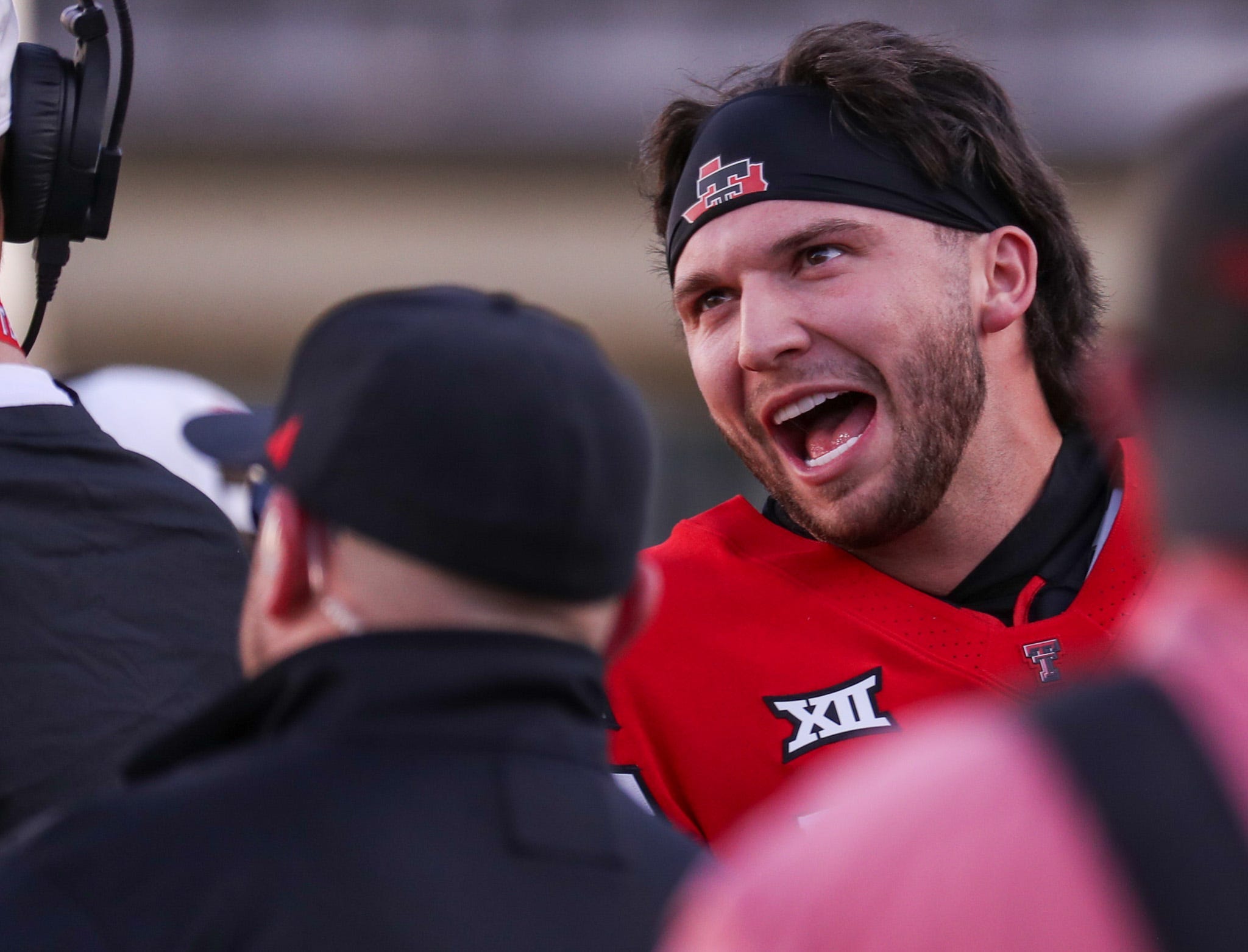
Texas Tech’s Brendan Sorsby talks to coaches during the spring football game, Friday, April 17, 2026, at Jones AT&T Stadium.
Sorsby faces a decision on the NFL supplemental draft. If he stays, Texas Tech fields a playoff-caliber roster with a quarterback half the sport refuses to compete against. Boycotts threaten ticket revenue, TV inventory, and media rights valuations if networks fear last-minute cancellations. Lesser-profile athletes at smaller programs, the ones without high-powered legal teams or friendly jurisdictions, remain bound by the old permanent-ban standard. The gap between who can litigate their way back and who cannot is about to widen fast.
The Fight Nobody Can Finish
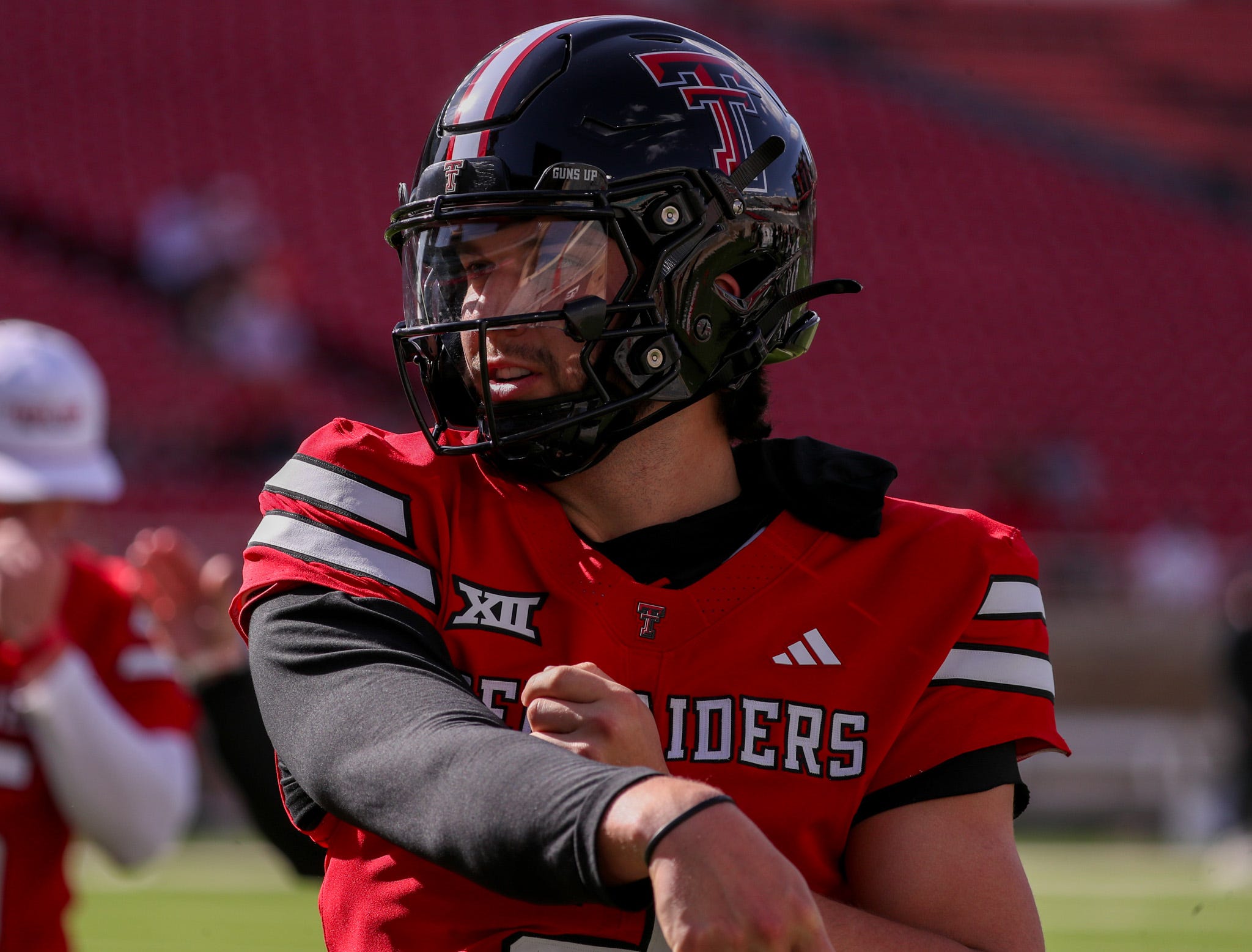
Texas Tech’s Brendan Sorsby goes through warmups before the spring football game, Friday, April 17, 2026, at Jones AT&T Stadium.
The NCAA and conferences may rewrite participation agreements, scholarship paperwork, and media contracts to include jurisdictional clauses designed to prevent future judges from doing what Ken Curry just did. Georgia’s boycott punishes every Red Raider athlete in every sport, including ones who never placed a bet. And the irony sitting at the center of all of it: a rule built to protect competitive integrity got overturned in the name of protecting one player from harm. The games will kick off in the fall. Whether anyone trusts what happens on the field is a different matter entirely.