

Picture a man who once ran a 4.4-second forty trying to climb a flight of stairs. Not a metaphor. Six in ten former NFL players now live with a disability, three times the rate of men their age, and 96% report pain in the past three months. These aren’t fringe roster players. They’re Hall of Fame legends whose greatness makes their decline impossible to look away from. What follows are nine of the sport’s biggest names, ranked from the merely brutal to the genuinely staggering, because the deeper you go, the harder this gets to unsee.
9. Joe Theismann
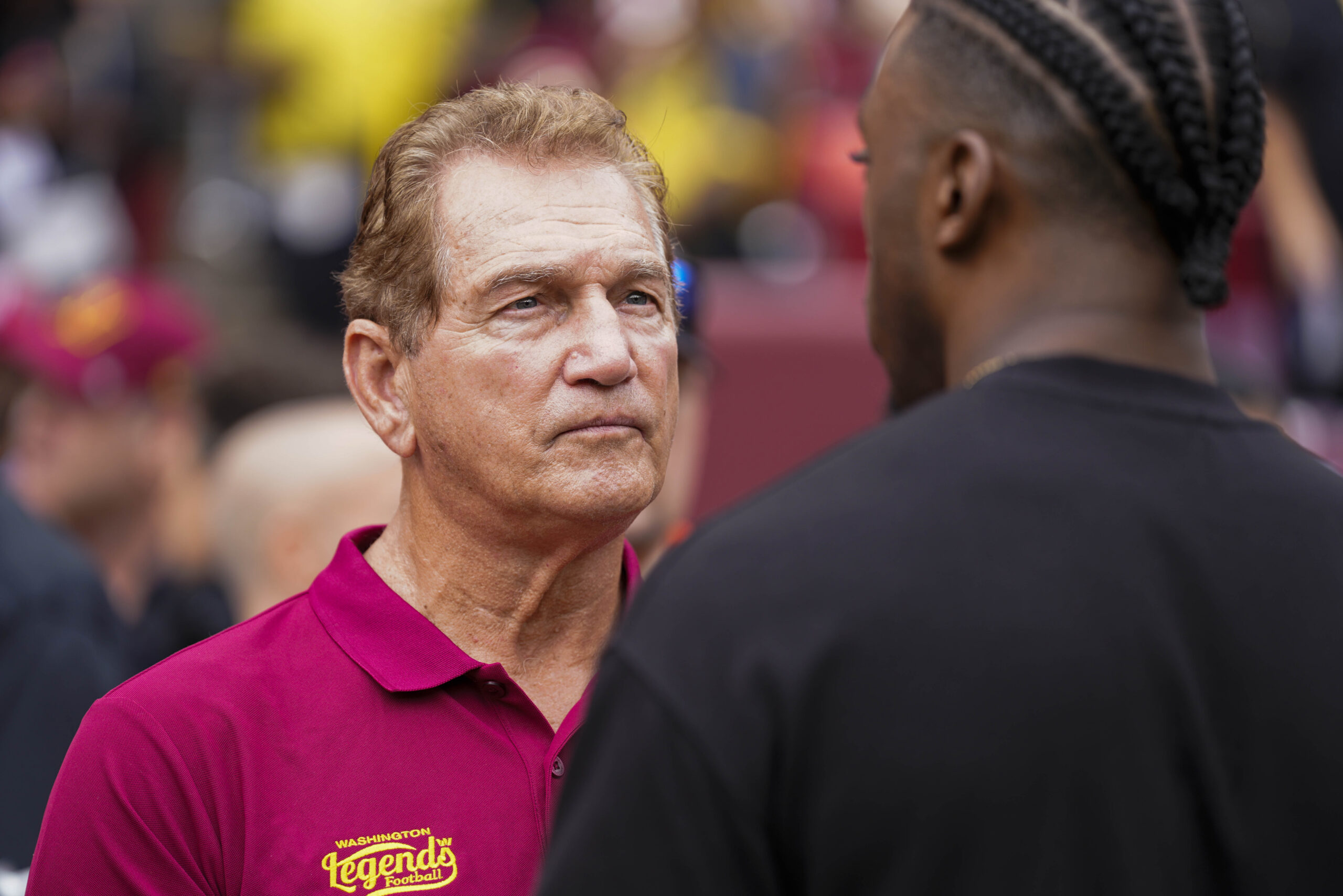
Sep 10, 2023; Landover, Maryland, USA; Former professional football players Joe Theismann (left) speaks with Robert Griffin III before the Washington Commanders and Arizona Cardinals game at FedExField. Mandatory Credit: Brent Skeen-Imagn Images
His leg snapped on Monday Night Football in 1985, ending his career in a single play. It remains one of the most replayed injuries in television history. Theismann’s case is the version of football’s toll that fans accept as part of the bargain: violent, visible, instantaneous. But it’s the entry point, not the depth. The damage that defines this story isn’t the kind you can see in slow motion.
8. Gale Sayers
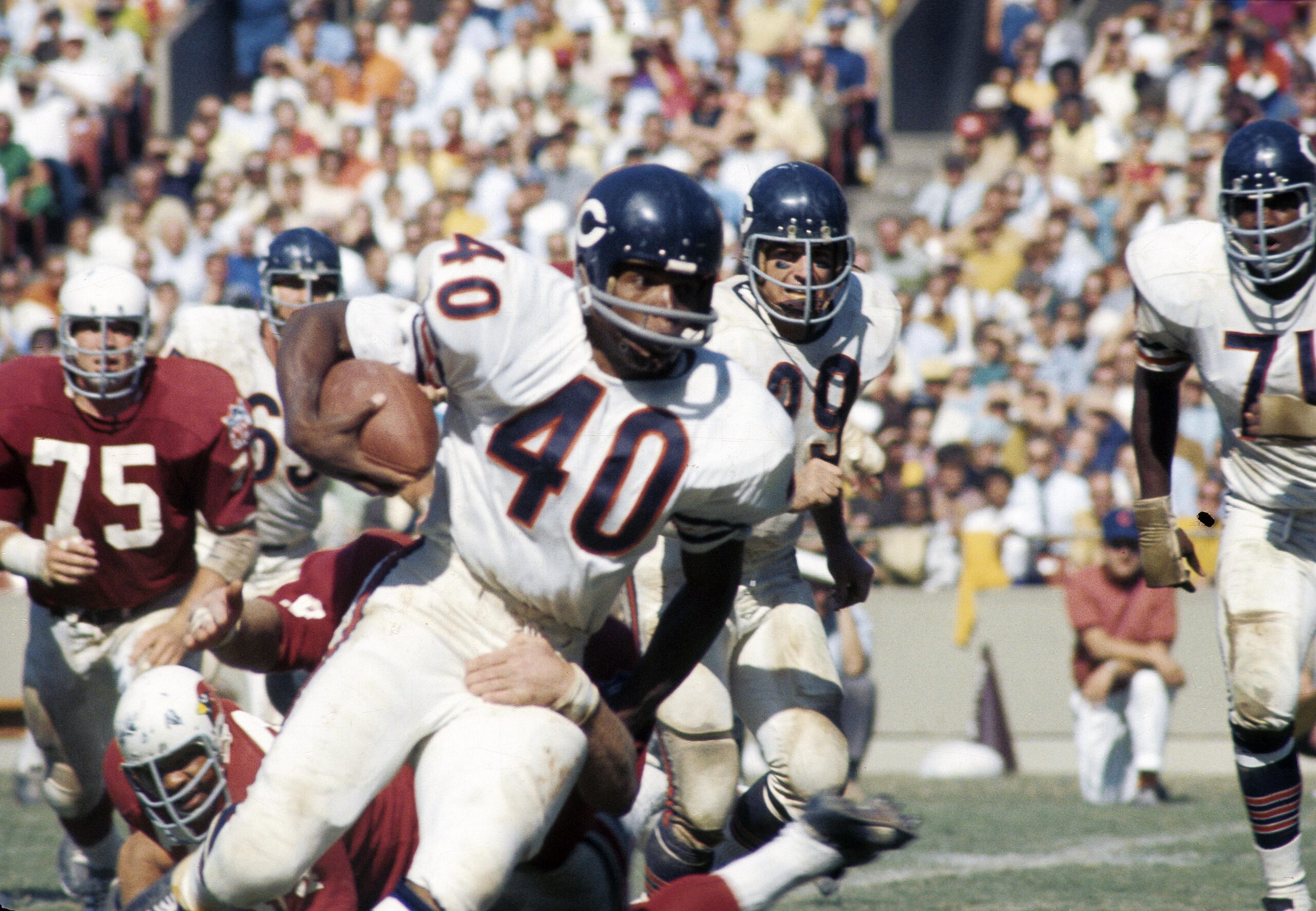
Sep 28, 1969; St. Louis, MO, USA; FILE PHOTO; Chicago Bears running back Gayle Sayers (40) in action against the St. Louis Cardinals at Busch Stadium. The Cardinals defeated the Bears 20-17. Mandatory Credit: Herb Weitman-Imagn Images
Sayers dazzled Chicago with some of the most electric open-field running the game has produced, but his body gave out almost as fast as it arrived. His knees collapsed after what amounted to five effective seasons, cutting short a Hall of Fame talent before he turned 30. The surprise here is the speed of the decline. Greatness offered no protection, and the shortest careers could still extract a lifetime price.
7. Walter Payton
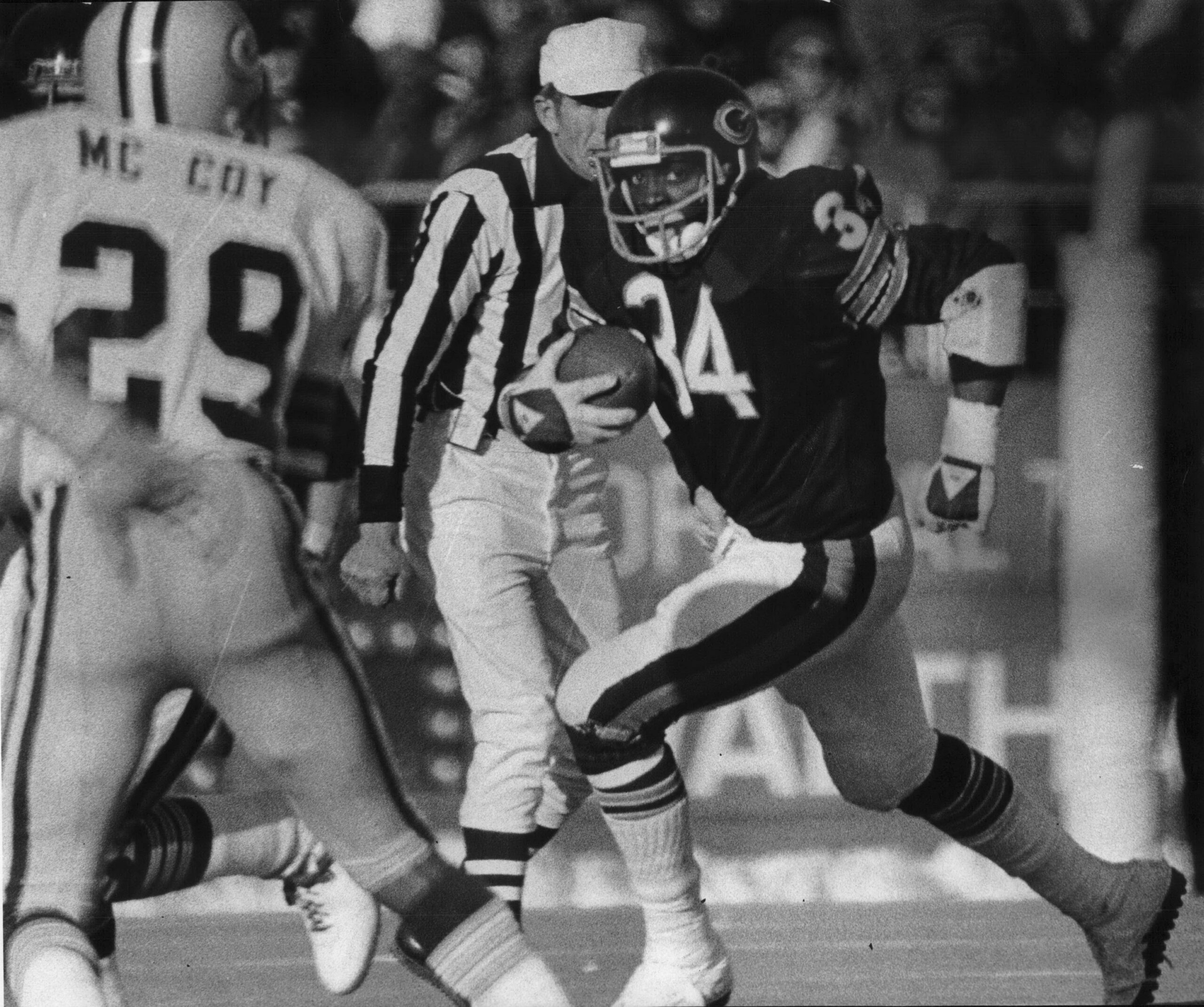
Chicago Bears running back Walter Payton rushed past Green Bay Packers defensive tackle Mike McCoy en route to the Bears’ winning touchdown against the Packers on December 11, 1977, in Chicago. The Packers lost 21-10.
“Sweetness” was the most durable workhorse of his era, rarely missing a game across 13 seasons. Then in 1999 he announced a rare liver disease that turned into cancer and took his life at 46. Payton’s death stunned a sport that assumed its toughest survivor was untouchable. If the ironman wasn’t safe, the comforting idea that durability equals long-term health collapsed with him.
6. Kenny Easley
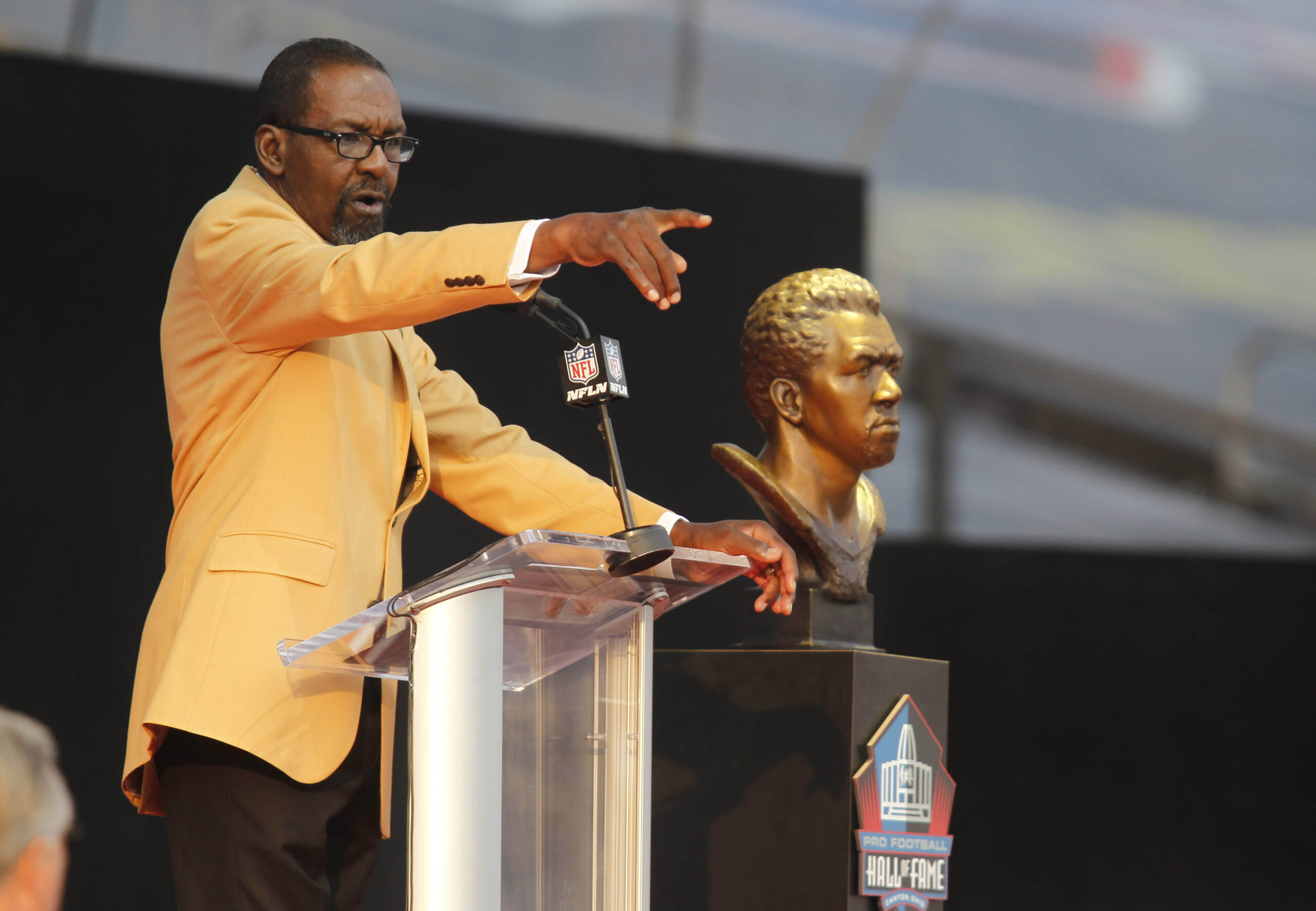
Aug 5, 2017; Canton, OH, USA; Seattle Seahawks former safety Kenny Easley delivers his speech during the Professional Football HOF enshrinement ceremonies at the Tom Benson Hall of Fame Stadium. Mandatory Credit: Charles LeClaire-Imagn Images
One of the hardest-hitting safeties of the 1980s, Easley’s career ended not from a collision but from kidney failure, later tied to medication use during his playing days. He died at 66. His story widens the lens: the toll isn’t only orthopedic or neurological. It seeps into organs, into the everyday machinery of staying alive, in ways the highlight reels never hinted at.
5. Lyle Alzado
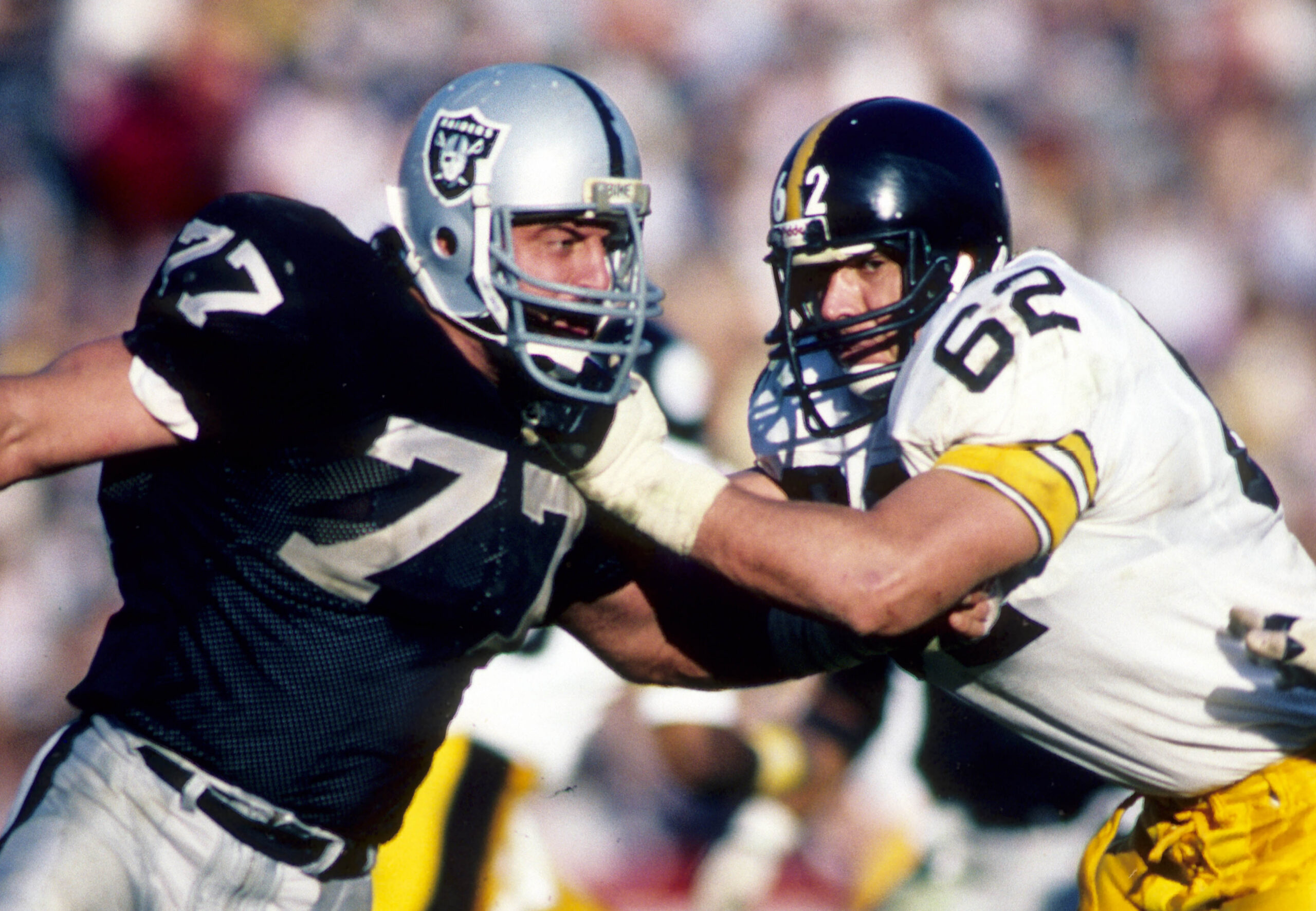
Jan 1, 1984; Los Angeles, CA, USA; FILE PHOTO; Los Angeles Raiders defensive end Lyle Alzado (77) tries to get past Pittsburgh Steelers lineman Tunch Ilkin (62) during the AFC Divisional Playoff Game at Los Angeles Memorial Coliseum. The Raiders defeated the Steelers 38-10. Mandatory Credit: Malcolm Emmons-Imagn Images
Alzado built his identity on ferocity, then died of brain cancer at 43. “I’ve got cancer, a brain lymphoma, and I’m in the fight of my life,” he said. He lost that fight, spending his final months publicly warning younger players about the choices that defined his career. Alzado was among the first marquee names to frame his own decline as a cautionary tale, turning a personal tragedy into an early, unheeded alarm.
4. Darryl Stingley
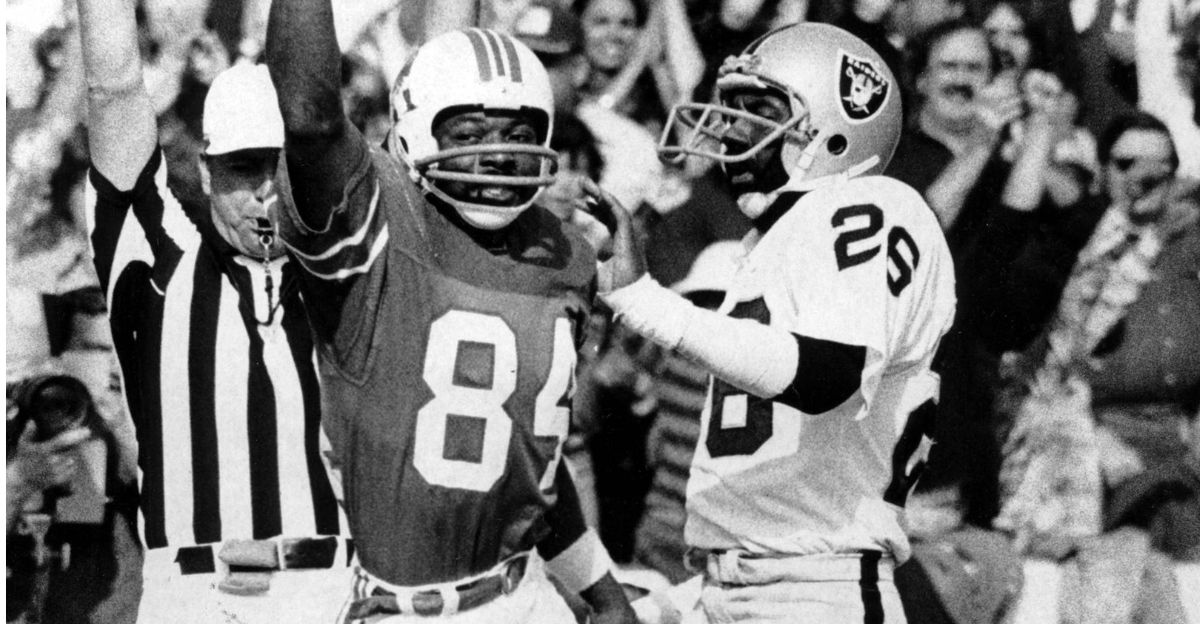
A single hit left Stingley a quadriplegic, and his eventual death traced back to heart disease and pneumonia complicated by that paralysis. One play altered, then ended, a life. Stingley escalates the stakes from career-ending to life-defining, a reminder that the worst-case scenario in football isn’t retirement. It’s a body that never recovers, carrying the consequences of one collision for decades.
3. Ken Stabler
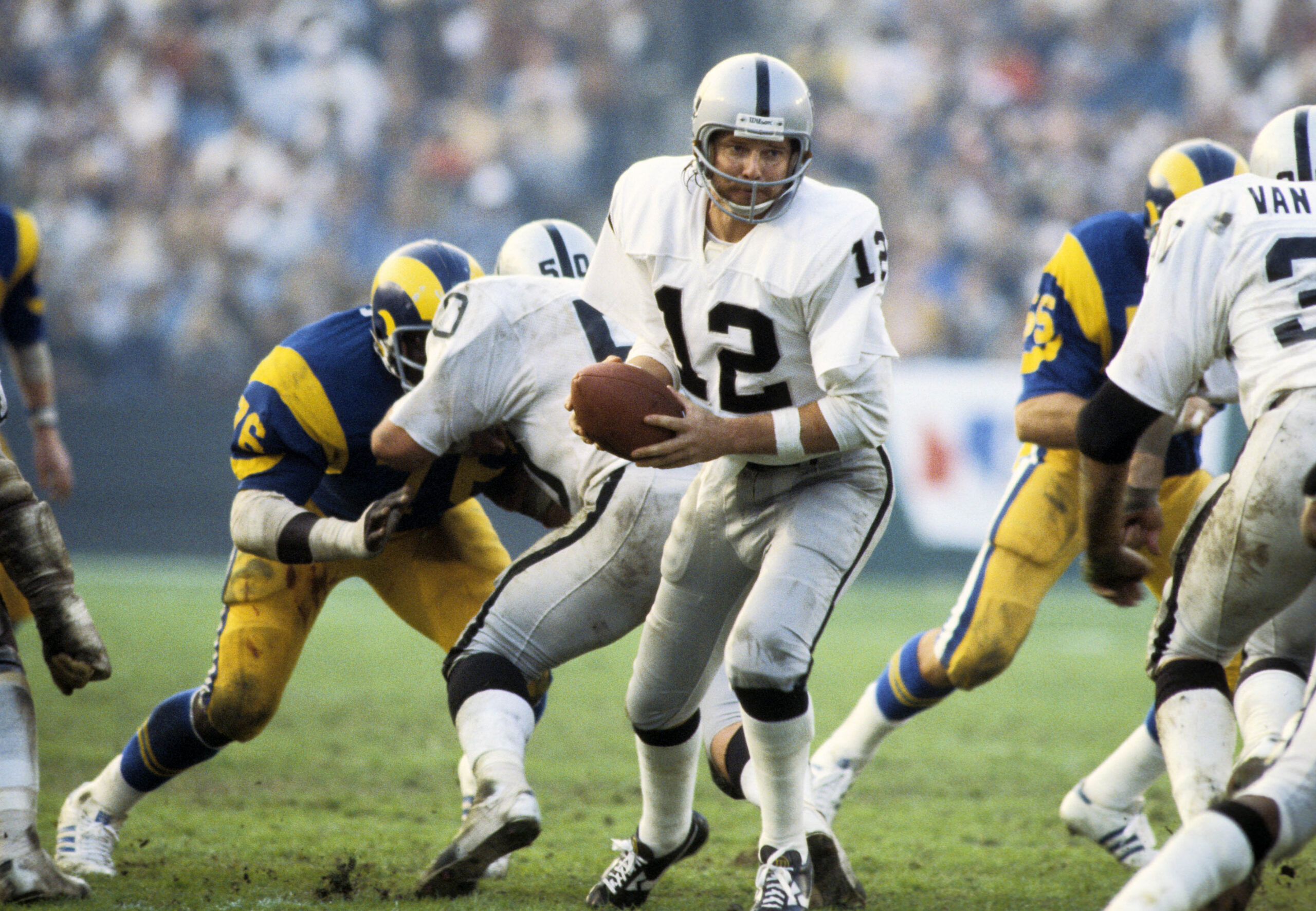
Dec 4, 1977; Los Angeles, CA, USA: FILE PHOTO; Oakland Raiders quarterback Ken Stabler (12) in action against the Los Angeles Rams at the Los Angeles Memorial Coliseum. Mandatory Credit: Long Photography-Imagn Images
The swashbuckling “Snake” won a Super Bowl and an MVP award, then spent his later years battling confusion, debilitating headaches, and lost executive function before dying of colon cancer in 2015 at 69. After his death, Boston University researchers found Stage 3 of 4 CTE, widespread throughout his brain. Stabler’s case marked the turn: a beloved star whose mind had been quietly eroding for years, and whose autopsy finally connected the symptoms to the sport.
2. Dave Duerson
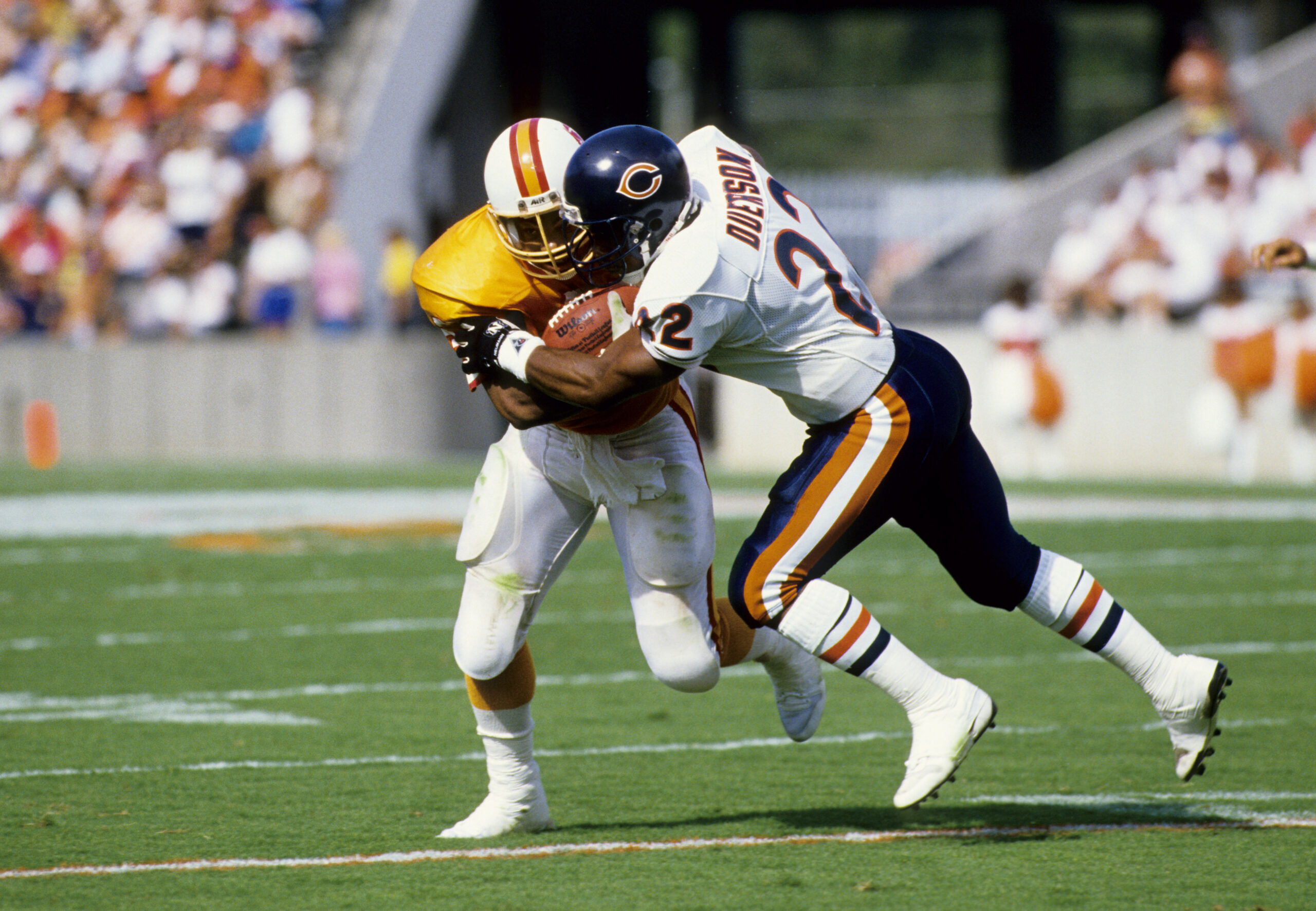
Nov 20, 1988; Tampa, FL, USA; FILE PHOTO; Tampa Bay Buccaneers running back William Howard (43) resists the tackle of Chicago Bears safety Dave Duerson (22) at Tampa Stadium during the 1988 season. Mandatory Credit: RVR Photots-Imagn Images
A four-time Pro Bowl safety and Super Bowl champion, Duerson shot himself in the chest in 2011 at 50, leaving a note asking that his brain be donated to the NFL’s brain bank. He aimed away from his head deliberately, to preserve the evidence. Researchers confirmed “moderately advanced” CTE with no other disease present. Duerson didn’t just suffer the damage. He understood it well enough to engineer his own death around proving it, a chilling escalation from victim to whistleblower.
1. Junior Seau
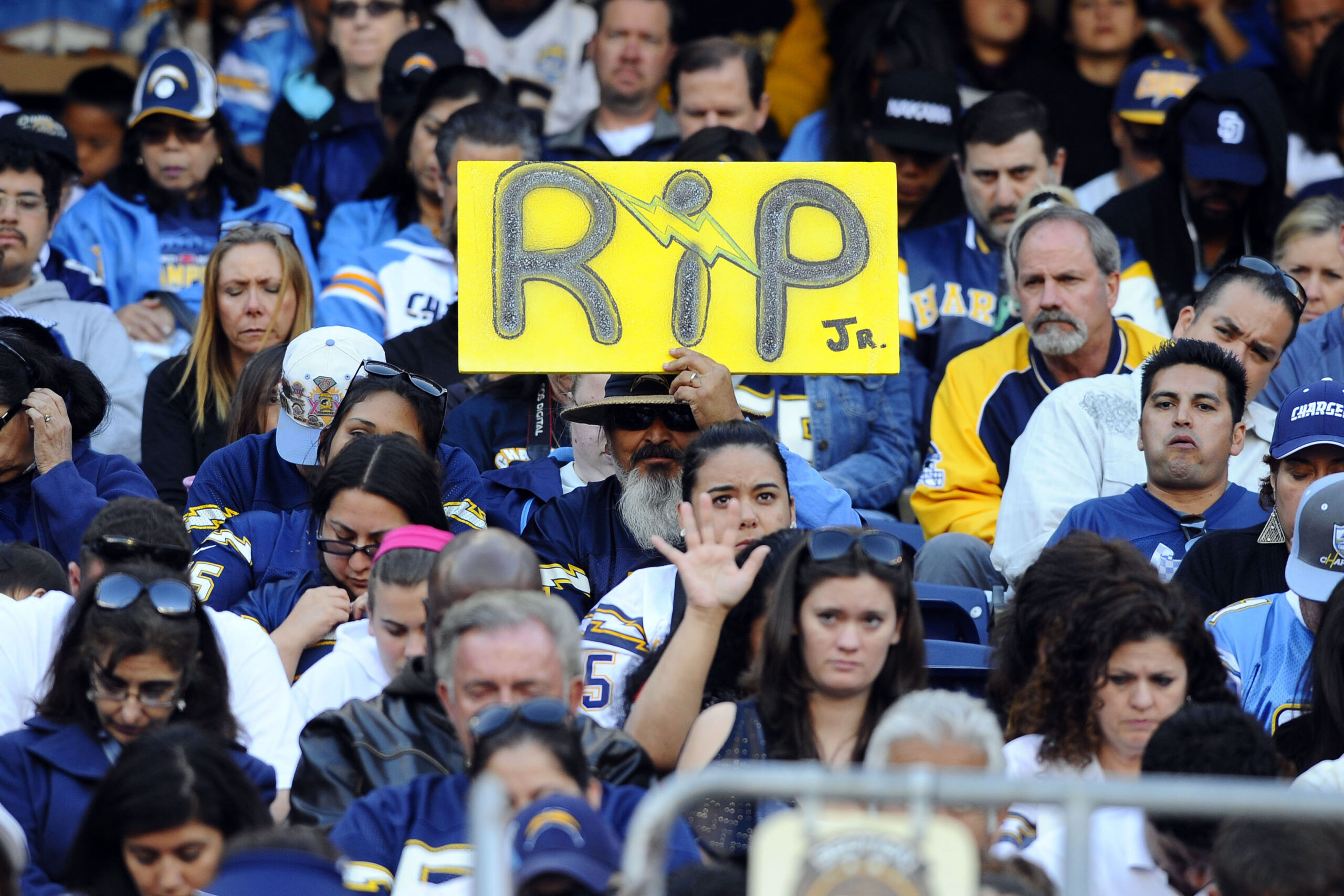
May 11, 2012; San Diego, CA, USA; A San Diego Chargers fan holds a sign during a celebration of life service to remember Junior Seau at Qualcomm Stadium. Mandatory Credit: Christopher Hanewinckel-Imagn Images
The most devastating name on this list. Seau was a 12-time Pro Bowler and one of the most beloved players of his generation, a future Hall of Famer who played 20 NFL seasons. On May 2, 2012, he died by suicide at 43, shooting himself in the chest just as Duerson had. An NIH autopsy confirmed CTE, with abnormal tau protein throughout his brain. Seau had no single catastrophic injury, no obvious red flag, just two decades of routine collisions that quietly dismantled the mind of a man everyone assumed was invincible. His death forced the sport to confront a truth it could no longer outrun: greatness and brain damage were not opposites. For too many, they were the same career.
The Numbers Behind the Names
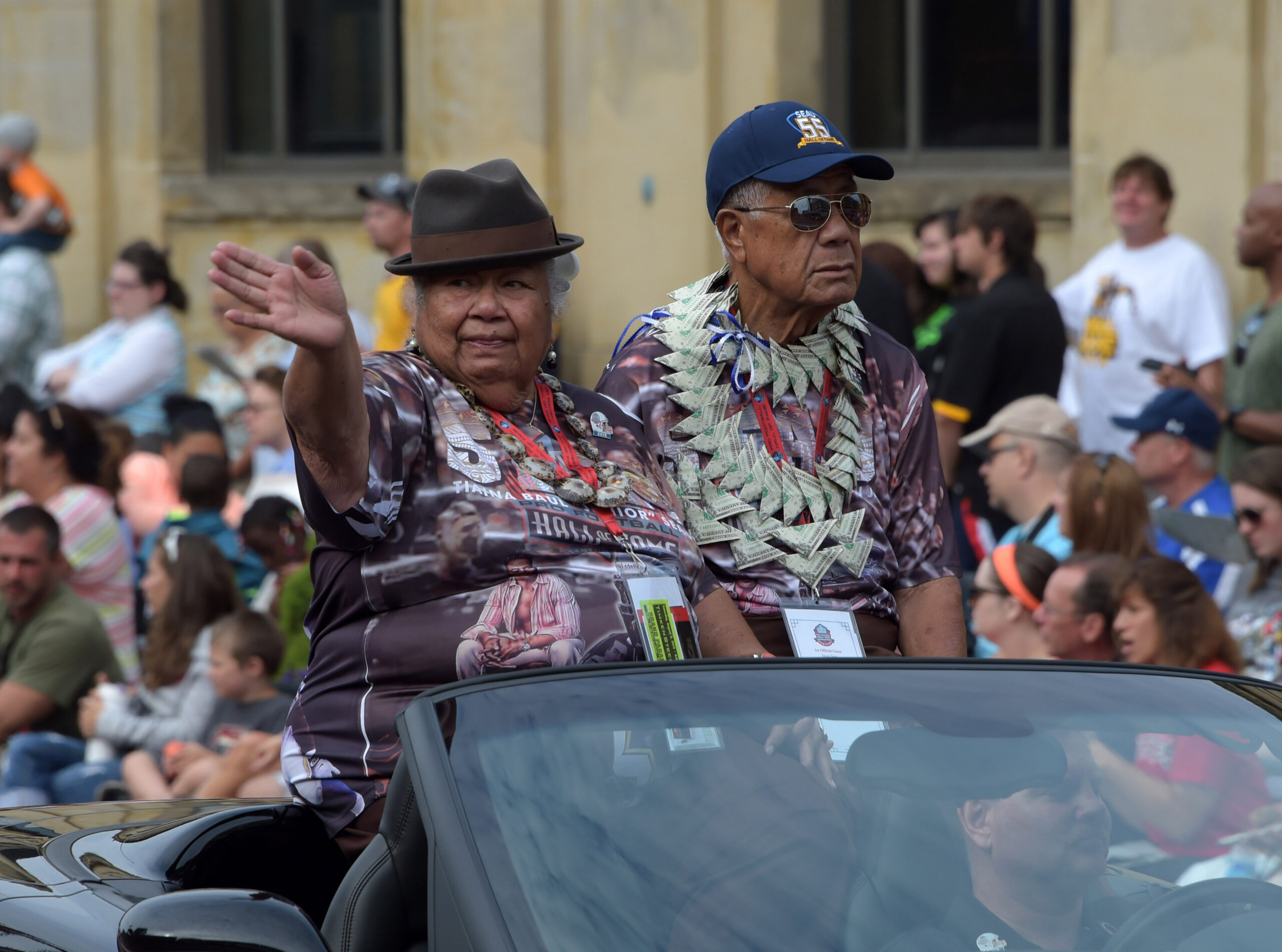
Aug 8, 2015; Canton, OH, USA; The parents of Junior Seau (not pictured) Luisa Mauga Seau (left) and Tianina Seau Sr. during the TimkenSteel Grand Parade on Cleveland Ave. in advance of the 2015 Pro Football Hall of Fame enshrinement. Mandatory Credit: Kirby Lee-Imagn Images
Seau was not an outlier. Boston University’s CTE Center has examined 376 deceased former NFL players and found chronic traumatic encephalopathy in 345 of them, a rate of 91.7%, against just 0.6 to 2.8% in the general population. Each year of tackle football raises a player’s CTE risk by about 30%, compounding annually. In a 2025 Nature study of athletes who died before their early 50s, researchers found contact-sport athletes had 56% fewer of a specific subtype of frontal-cortex neuron than non-players, with the loss deepening the longer they had played and damage appearing regardless of whether CTE was present. And it doesn’t require a pro career: in the largest study of its kind, more than 40% of young contact-sport athletes who died before 30 had CTE, most having never played past high school or college.
The Receipt the League Is Still Paying
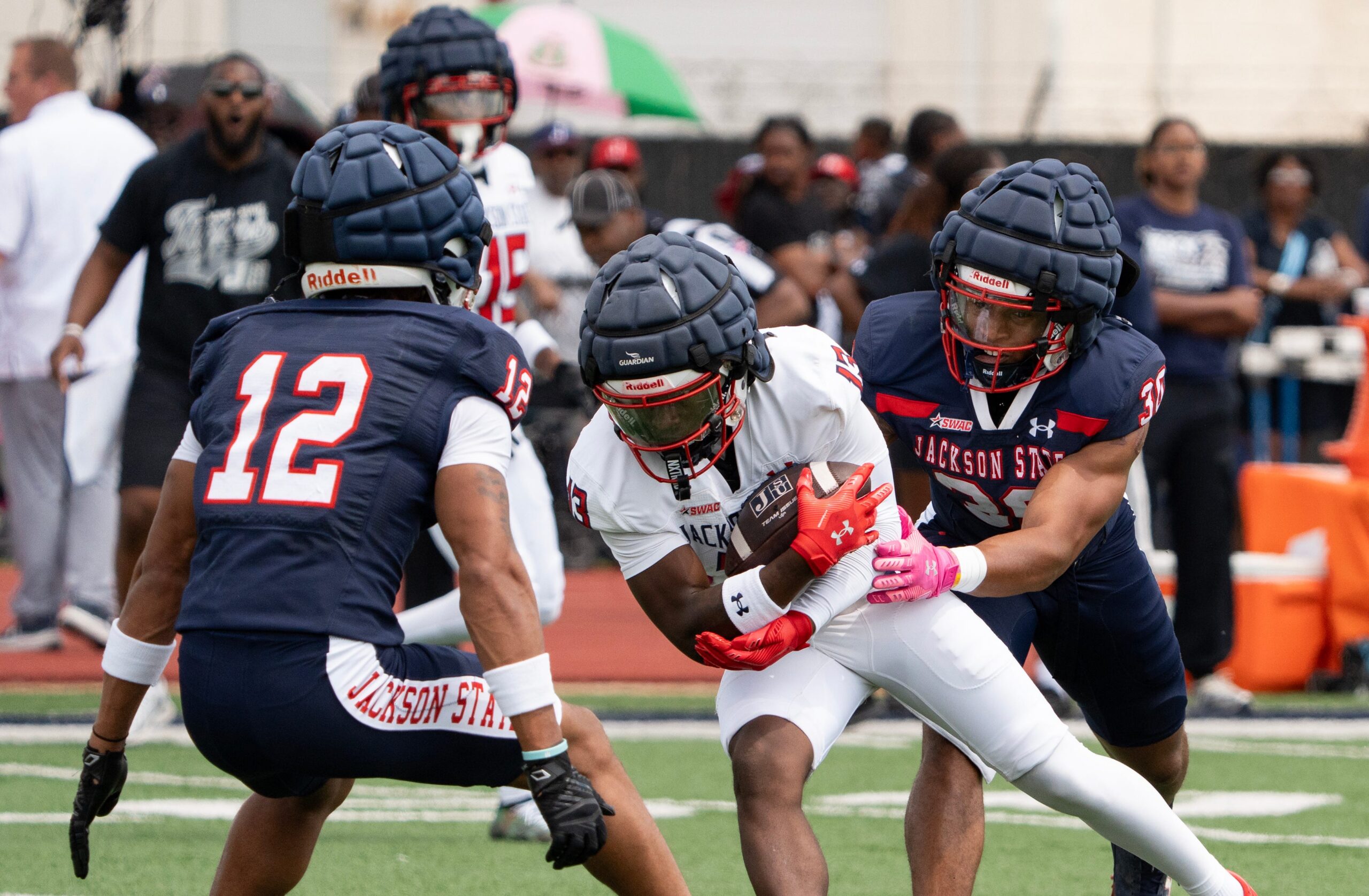
Jackson State wide receiver Jabari Jones (13) runs the ball during the Jackson State Tigers’ spring game at the Walter Payton Center in Jackson, Miss., on Saturday, April 11, 2026.
In 2013, the NFL settled with roughly 4,500 former players for $765 million, then the largest settlement in sports litigation history. It covered more than 18,000 retirees, and a decade later the fund had paid out over $1 billion with claims still pending. Most former players said they would play again anyway. The billion-dollar settlement isn’t the end of football’s toll. It’s the receipt for damage the league is still calculating. Would you let your own kid play tackle football knowing what we know now? Tell us where you land in the comments.