
The NFL salary cap is projected to rise to as much as $305.7 million per team in 2026, up from $279.2 million last year, according to NFL.com on January 30, 2026. Despite the increase, teams are executing one of the largest roster purges in years. Miami released star Pro Bowlers Tyreek Hill and Bradley Chubb in a single wave of moves, clearing significant cap space. Twenty-five of 32 teams remain at or above the cap ceiling. A league‑wide dead money crunch, driven by overleveraged contracts, void-year maneuvers, and expiring guarantees, is forcing teams to make immediate cuts.
Scale of the Purge Across the League
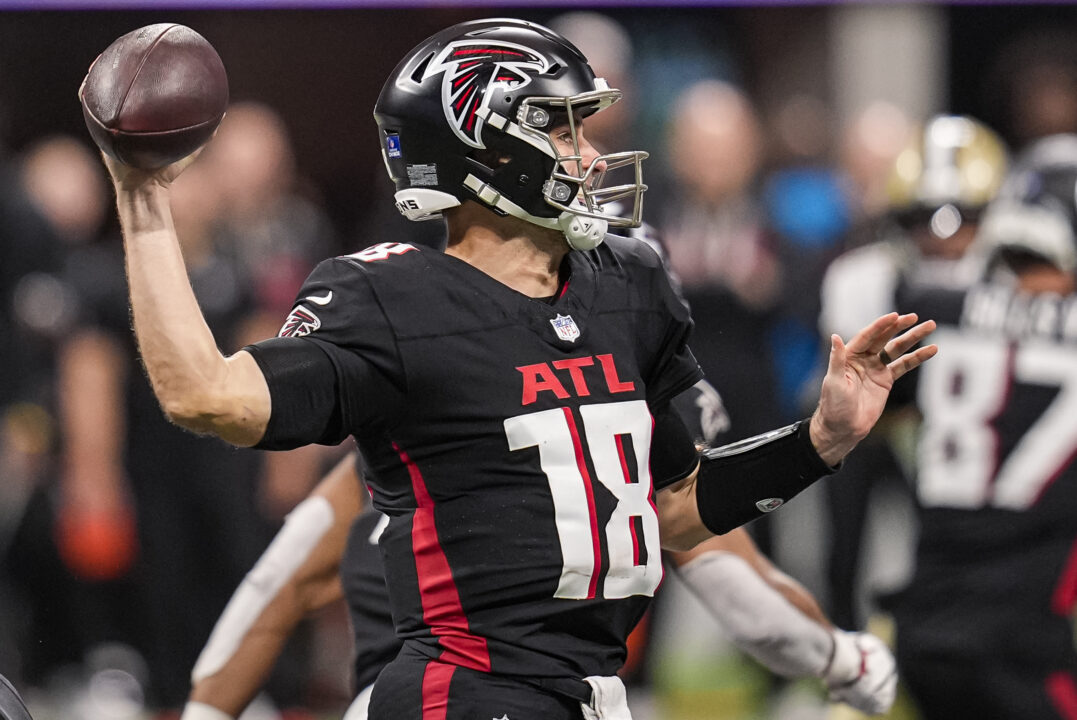
Between 2022 and 2026, teams offered massive guaranteed money to aging veterans, expecting cap growth to cover the costs. Those guarantees are now expiring, leaving bloated cap hits with less protection. The March 11, 2026 league-year deadline forces teams to cut or restructure rosters, according to NFL.com February 16 offseason rankings. Kirk Cousins could leave Atlanta with a dead-money charge in the tens of millions if he is released. Tua Tagovailoa could trigger a massive pre–June 1 dead-money hit under certain scenarios. Multiple franchises, including those with Pro Bowl quarterbacks and All-Pros, are affected simultaneously. The scale of potential cuts is unlike anything the league has seen in years.
Teams Struggling With Cap Overages
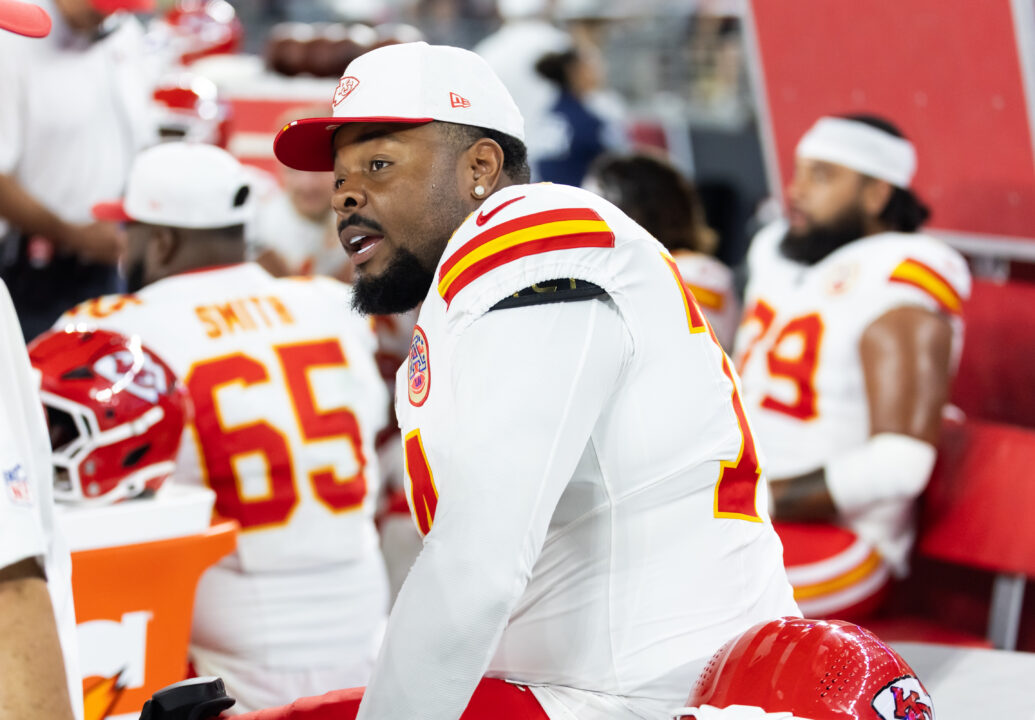
The Kansas City Chiefs enter the 2026 offseason over the projected salary cap, putting productive starters like right tackle Jawaan Taylor squarely in the cap‑casualty conversation. Dallas is roughly $30 million over, weighing difficult decisions on high‑priced veterans as it searches for ways to get under the cap. The Buffalo Bills absorbed $29 million in dead money when five void-year contracts expired on the same day, per Buffalo Rumblings February 2026. Only seven teams project $50 million or more in cap space. The remaining 25 franchises are racing to shed salary before league-year compliance deadlines arrive.
Miami Executes High-Salary Reset
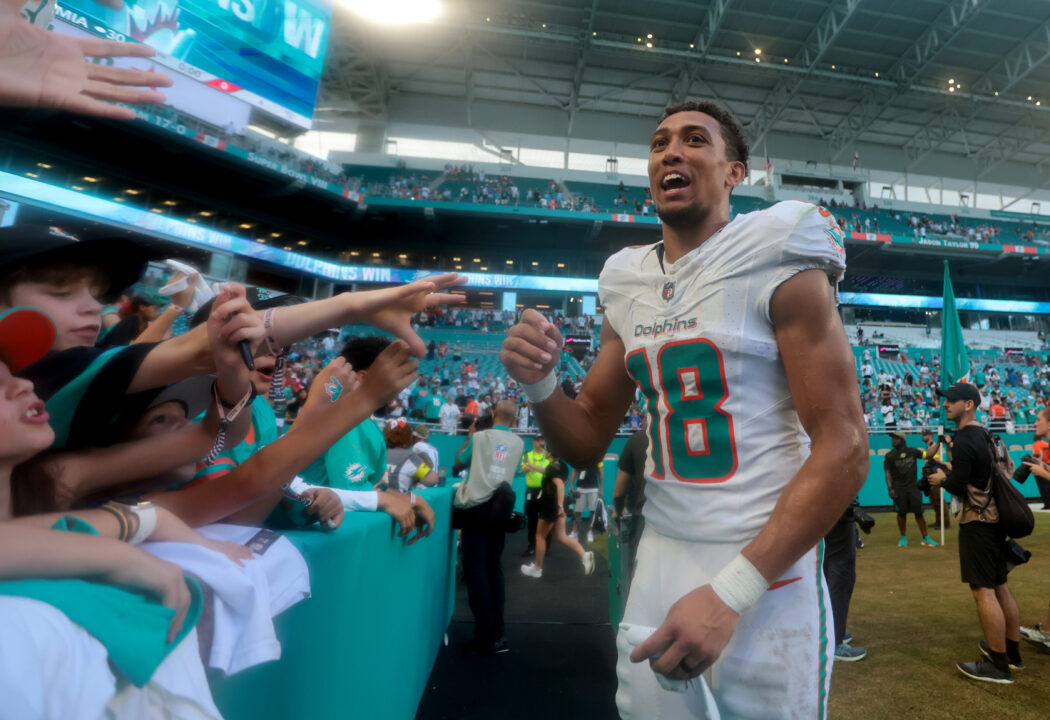
Miami general manager Jon-Eric Sullivan and head coach Jeff Hafley are moving toward a high-salary reset around stars like Hill and Chubb, signaling a full organizational overhaul, according to recent AFC cut‑candidate reporting. Atlanta could absorb as much as $35 million in dead money if it moves on from Cousins, who posted a 5-3 record last season, according to 2026 offseason cap projections. Tennessee head coach Robert Saleh leads a franchise with roughly $105 million in projected cap space, positioning the Titans to move on from select veterans and reshape the roster around younger talent. Ten head-coach openings this year provide new regimes political cover to overhaul rosters extensively.
Quarterbacks Hit Hard by Cap Constraints
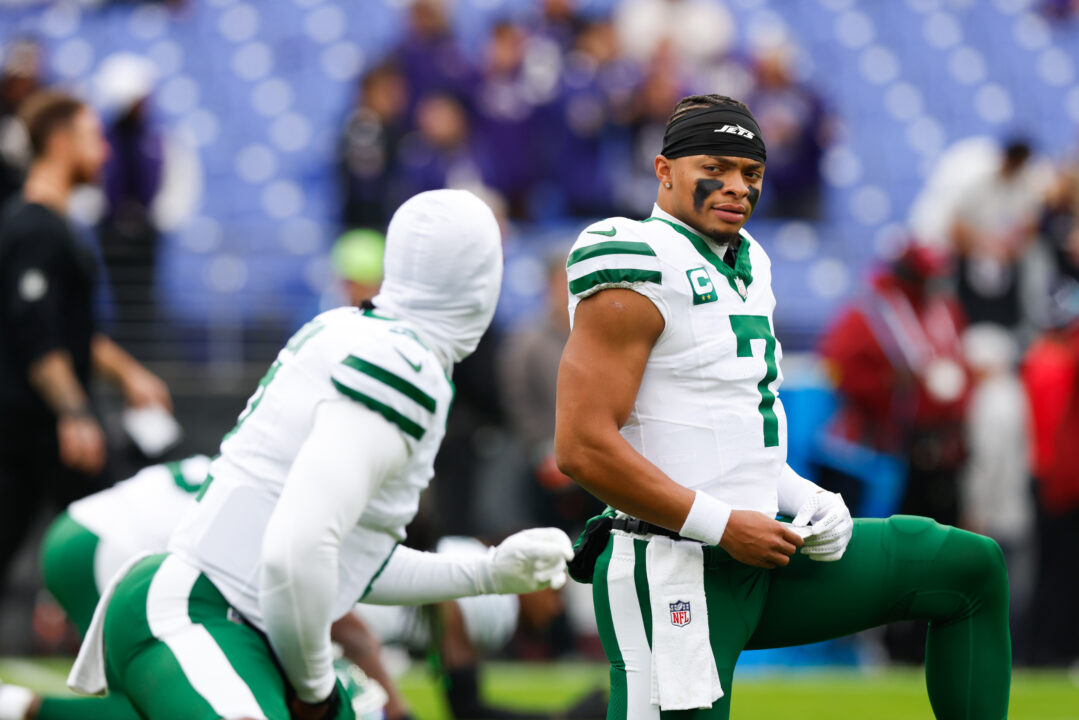
Justin Fields could leave the New York Jets with a dead‑money hit in the tens of millions if the team decides to move on after a short audition as starter. Kirk Cousins, 37, is viewed as a realistic cut or trade candidate in Atlanta despite competent play as the franchise considers a reset. Geno Smith, 35, may also land on the chopping block in Las Vegas despite significant guarantees, with the Raiders in position to prioritize a young franchise quarterback at the top of the draft. Tua Tagovailoa’s $40 million base salary and potential $99.2 million pre-June 1 dead-money charge are forcing Miami to explore trades or post-June 1 designations. Even established quarterbacks are expendable when guarantees expire.
Void Years Trigger Instant Cap Pressure
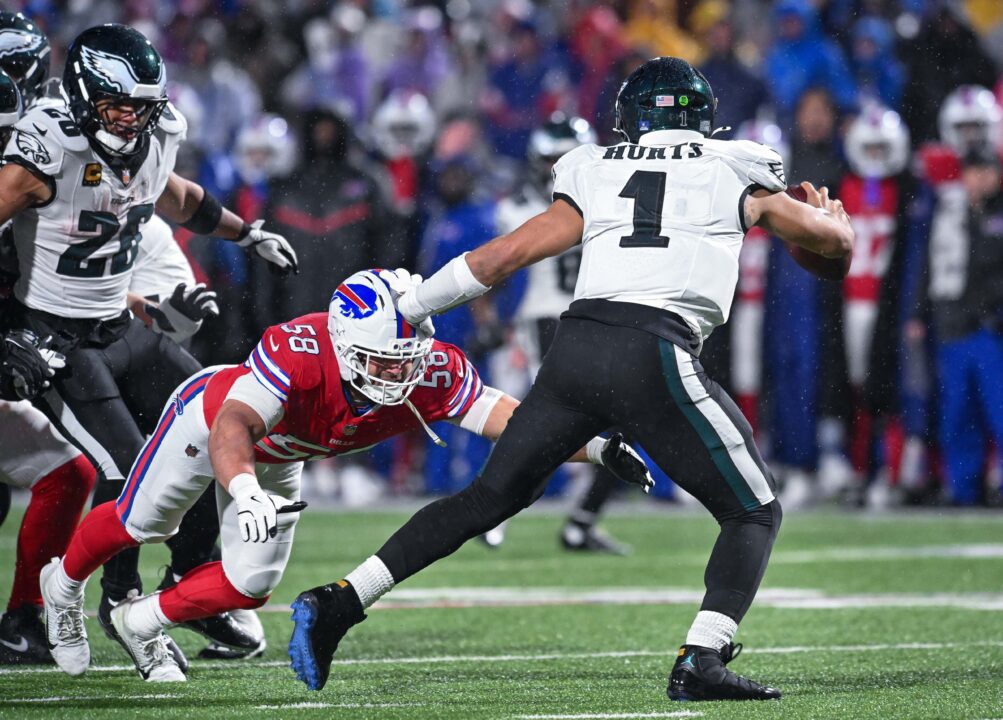
Void years allowed teams to spread signing bonuses across future seasons, deferring costs until expiration. Once void years mature, deferred money accelerates into one massive cap charge. The Bills’ $29 million void-year bomb hit multiple veterans at once, with money accelerating from several contracts, including key defenders such as Matt Milano and A.J. Epenesa, according to team-cap analyses. Dallas, Minnesota, and other teams face similar deadlines in 2026. Restructures cannot mitigate the cost because deferred money comes due simultaneously. Clever cap engineering has become a structural liability, forcing rapid roster purges.
Post-June 1 Cuts Provide Strategic Relief

Teams can designate post-June 1 cuts to split dead money between 2026 and 2027. Cutting a veteran like L’Jarius Sneed before June 1 would save Tennessee millions in cap space but still leave a substantial dead-money charge, while a post-June 1 designation would further increase the immediate savings. Brandon Aiyuk is another example of a player whose pre– versus post–June 1 treatment could significantly change the size and timing of the dead-money hit. The strategy produces two phases: March cuts for league-year compliance and late May or June cuts for long-term optimization. Players experience months of uncertainty as teams execute multi-stage purges.
Pro Bowlers Becoming Cap Casualties
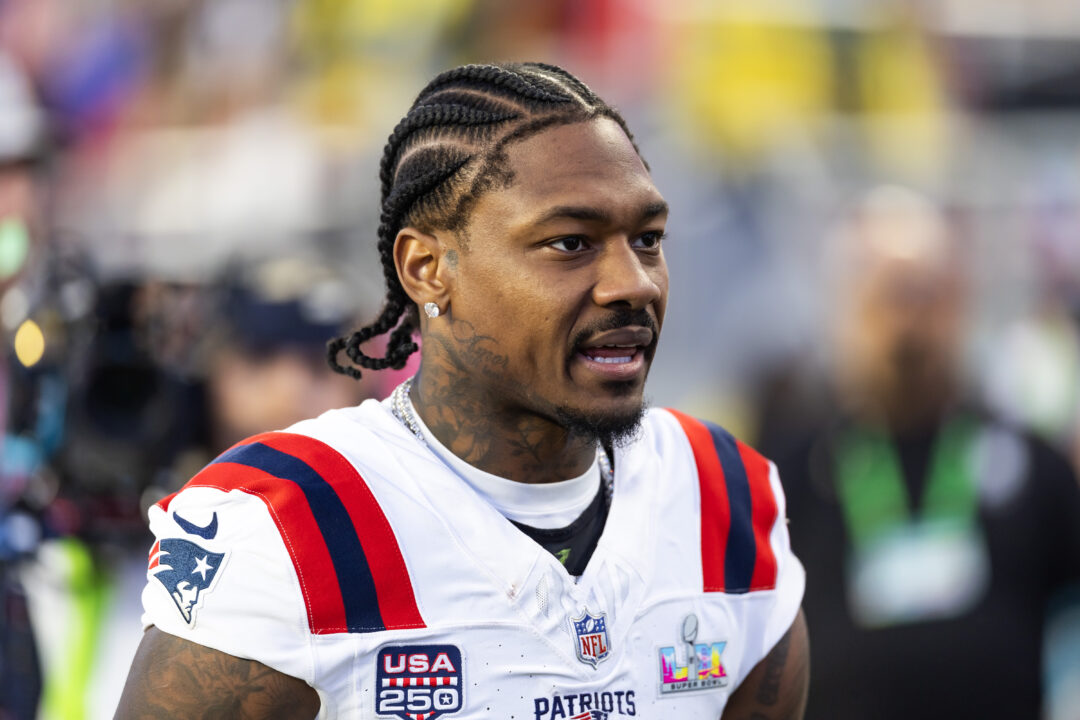
Stefon Diggs is the type of productive veteran who could become expendable if his cap hit climbs into the low‑$20 million range and his recent playoff production does not match that price, according to February 2026 positional rankings. T.J. Hockenson is projected to carry one of the league’s highest tight-end cap numbers despite modest recent touchdown totals. Joe Mixon, heading toward his late‑20s with significant wear and recent health questions, is widely viewed by analysts as a strong candidate to be released if his 2025 campaign does not justify his scheduled cap charges. Expiring guarantees are eliminating Pro Bowlers and former All-Pros across the league.
Cap-Rich Teams Gain Market Advantage
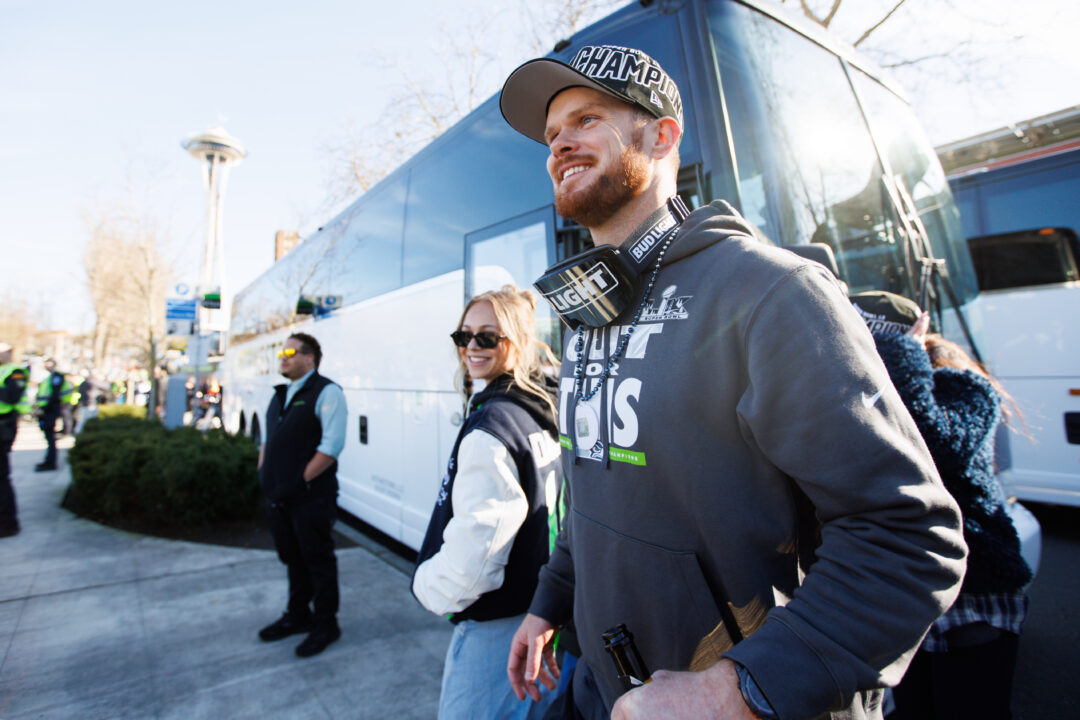
Tennessee leads with $105 million projected cap space, allowing the team to acquire veterans and absorb poor contracts. The Commanders ($74.5 million), Chargers, Raiders, Jets, Seahawks, and Bengals project over $50 million, creating destination markets for suddenly available stars. Wealthy teams can acquire talent via draft pick trades that cap-strapped franchises cannot afford. Seven franchises hold this advantage while 25 must cut, trade, or restructure. Small-market teams temporarily dominate free-agent acquisitions, shifting the usual distribution of veteran talent.
Salary Cap Forces League-Wide Reset
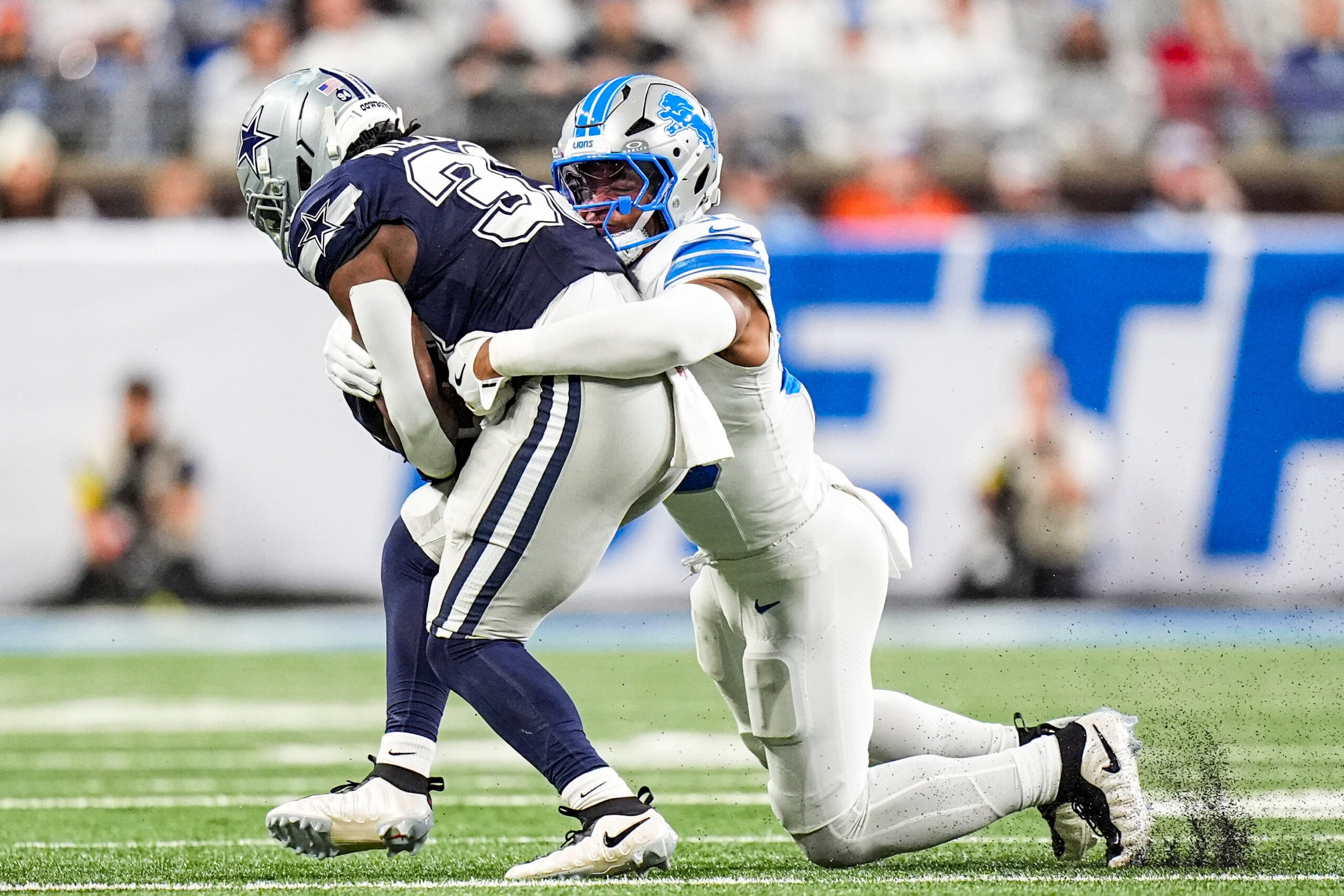
Dec 4, 2025; Detroit, Michigan, USA; Detroit Lions linebacker Derrick Barnes (55) tackles Dallas Cowboys running back Javonte Williams (33) during the first half at Ford Field. Mandatory Credit: Junfu Han-USA TODAY Network via Imagn Images
The 2026 purge confirms the salary cap enforces team-wide resets. Expiring guarantees, void-year deadlines, aging-star contracts, and coaching changes collide with the March 11 compliance deadline. Dead money across all 32 teams is on pace to reach hundreds of millions of dollars in 2026, with high-profile names such as Cousins, Tagovailoa, and Aiyuk sitting on contracts that could trigger massive cap charges if moved. League insiders expect that by late June, dozens of notable veterans could be released or traded, reshaping rosters and ushering in an era of NFL rebuilding driven as much by financial structure as by on‑field performance.
If you enjoyed this article please like and follow us here on MSN! Thank you for reading and have a great day!
Sources:
NFL salary cap projected at $301.2 million to $305.7 million per team for 2026 season. NFL.com, January, 30 2026
Report: NFL salary cap rising to as much as $305.7M in 2026. Reuters, January, 30 2026
2026 NFL offseason outlook: Ranking all 32 teams by projected cap space and draft capital. NFL.com, February, 16 2026
NFL salary cap expected to exceed $300 million in 2026. The Athletic (via The New York Times), January, 30 2026
NFL salary cap increasing to $305.7 million for 2026. The Phinsider, January, 30 2026