
It wasn’t a trade announcement. It wasn’t a press conference gone wrong. It was a quiet Wednesday statement from Packers GM Brian Gutekunst that sent shockwaves through the quarterback market.
He expects to lose Malik Willis in free agency, and he’s not fighting it. In a league built on leverage and smoke screens, that kind of honesty changes everything.
The Pressure Cooker
March free agency looms with championship implications on the line. Multiple quarterback-desperate franchises are circling the same limited pool of talent. The Jets sit at a crossroads—holding the second overall pick but facing a barren QB class after Fernando Mendoza goes first overall.
They need a starting quarterback who can compete immediately, not a project. Their front office is under immense pressure after the Justin Fields disaster cost them $40 million and a season. One more quarterback mistake could trigger a complete organizational reset.
Nobody Saw It Coming
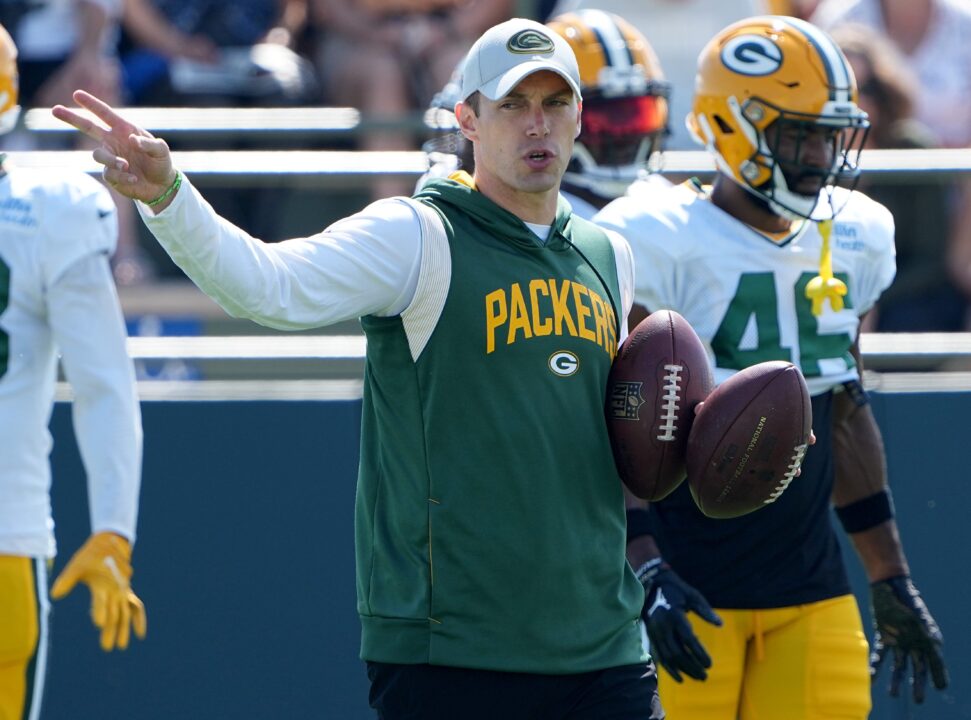
For weeks, the league watched teams extend their backup quarterbacks. Organizations were securing their second-string players to guard against injuries.
Green Bay stayed quiet on Willis, even as his market value rose. Then Brian Gutekunst did something unusual for GMs: he spoke honestly.
On Wednesday, he openly said he expects to lose Willis in free agency. There was no negotiation posturing and no smoke screen. Just a clear signal that Green Bay wouldn’t get in the way.
The Hidden Shift
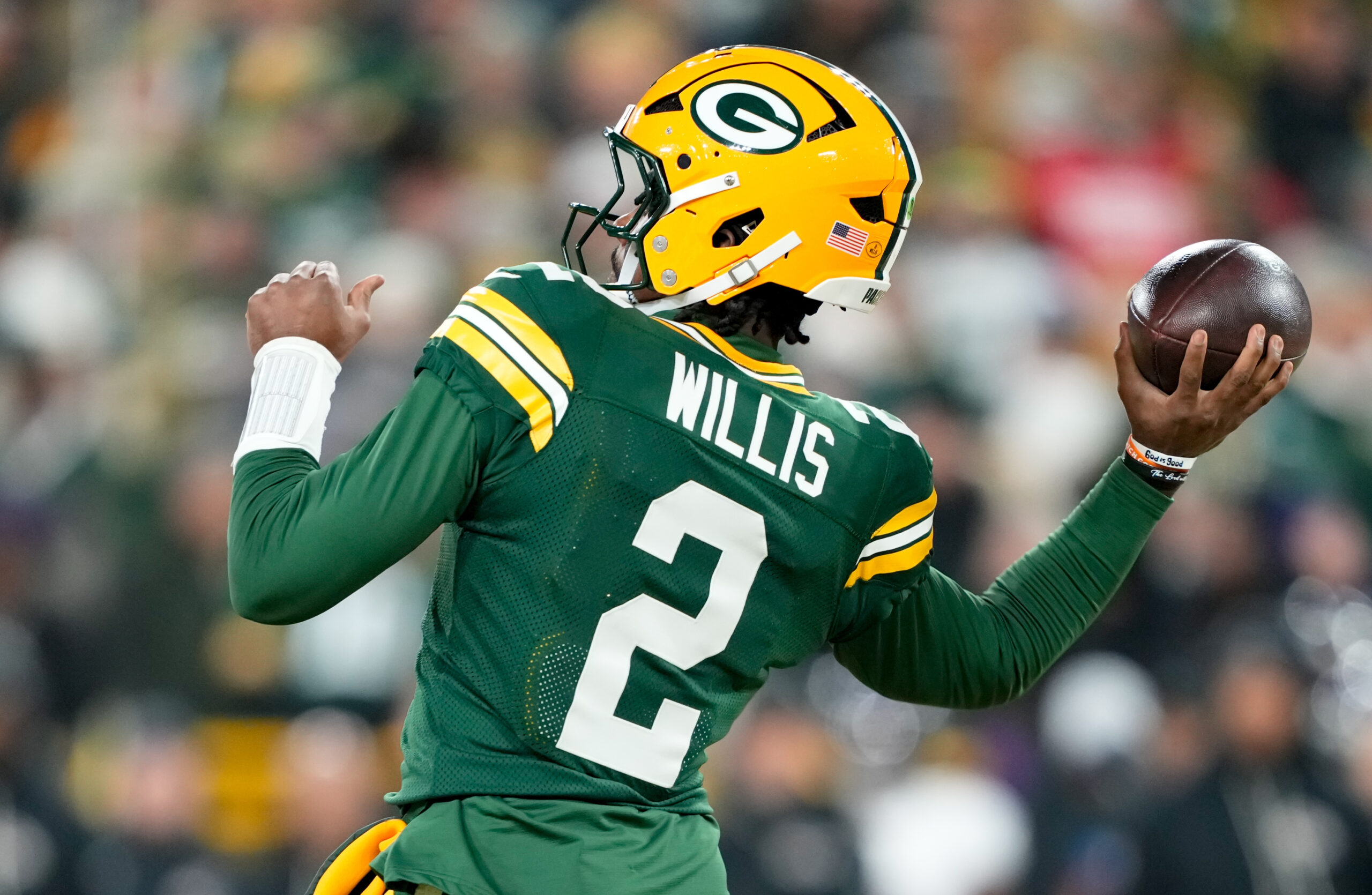
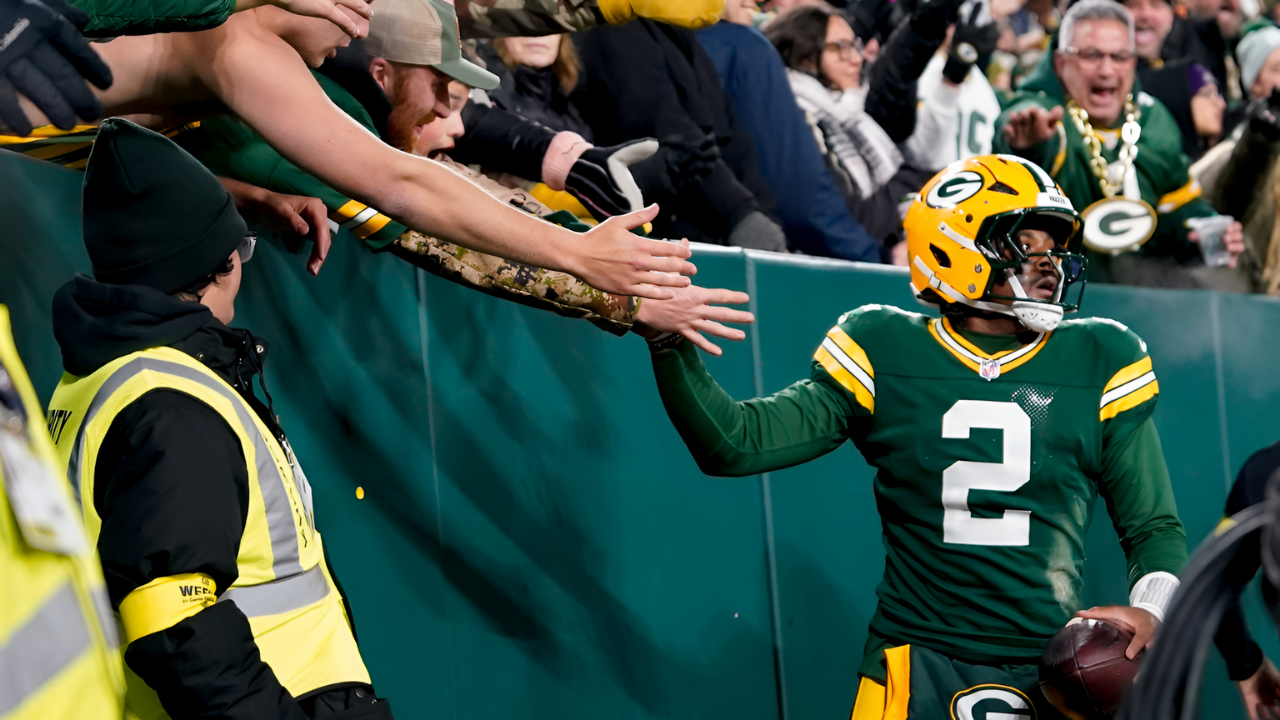
Dec 27, 2025; Green Bay, Wisconsin, USA; Green Bay Packers quarterback Malik Willis (2) throws a pass during the first quarter against the Baltimore Ravens at Lambeau Field. Mandatory Credit: Kayla Wolf-Imagn Images
That admission was not just honesty; it was a strategic move. By publicly releasing Willis from any obligation, Gutekunst improved the Packers’ negotiating stance.
Teams no longer needed to offer trade compensation. They could pursue Willis directly in free agency without concerns about tampering.
More importantly, it sent a message to Willis: Green Bay respects your development enough to let you seek a starting job elsewhere. That goodwill is important in a league driven by agents, where a franchise’s reputation can impact future recruiting.
How It Changed the Market
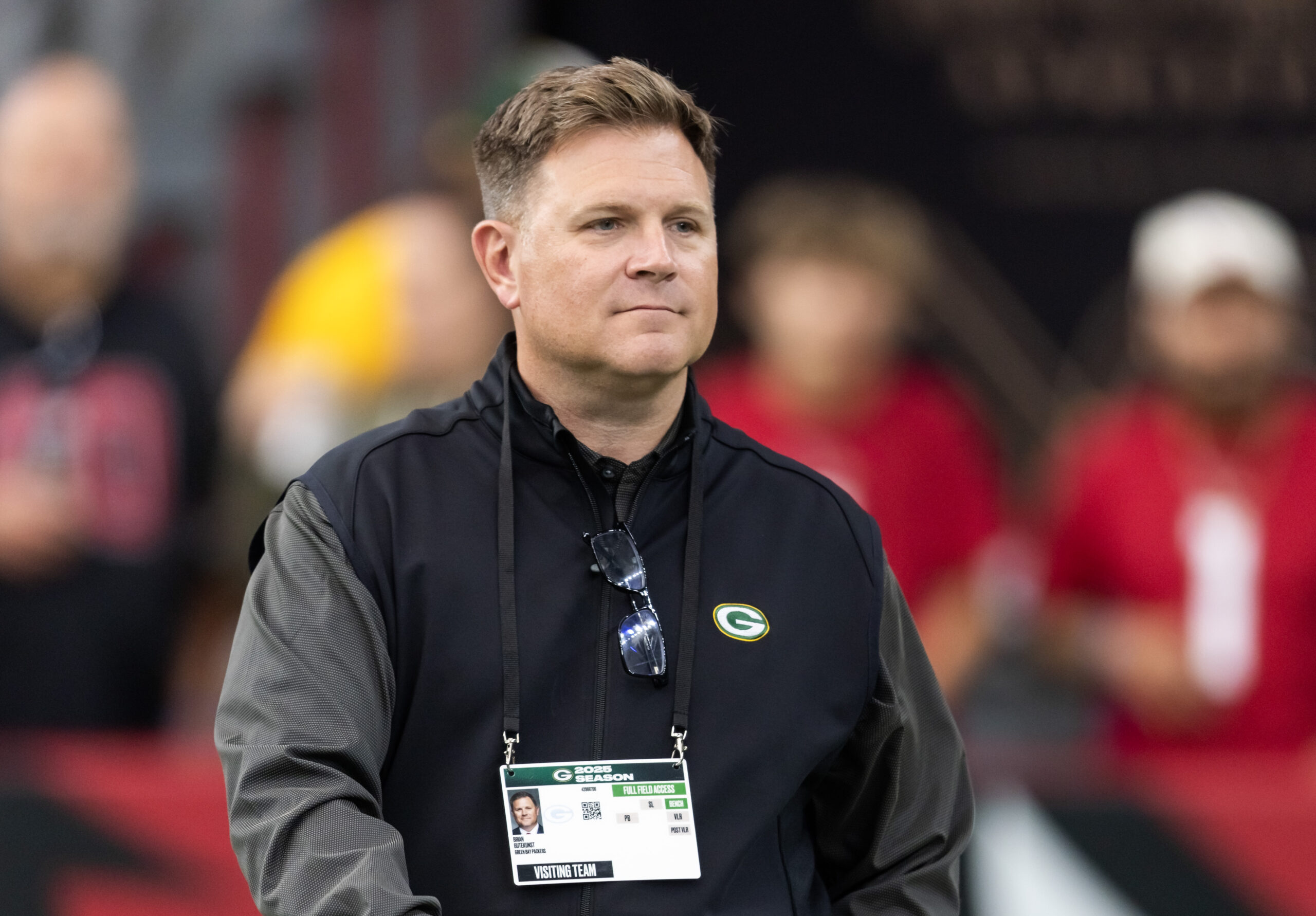
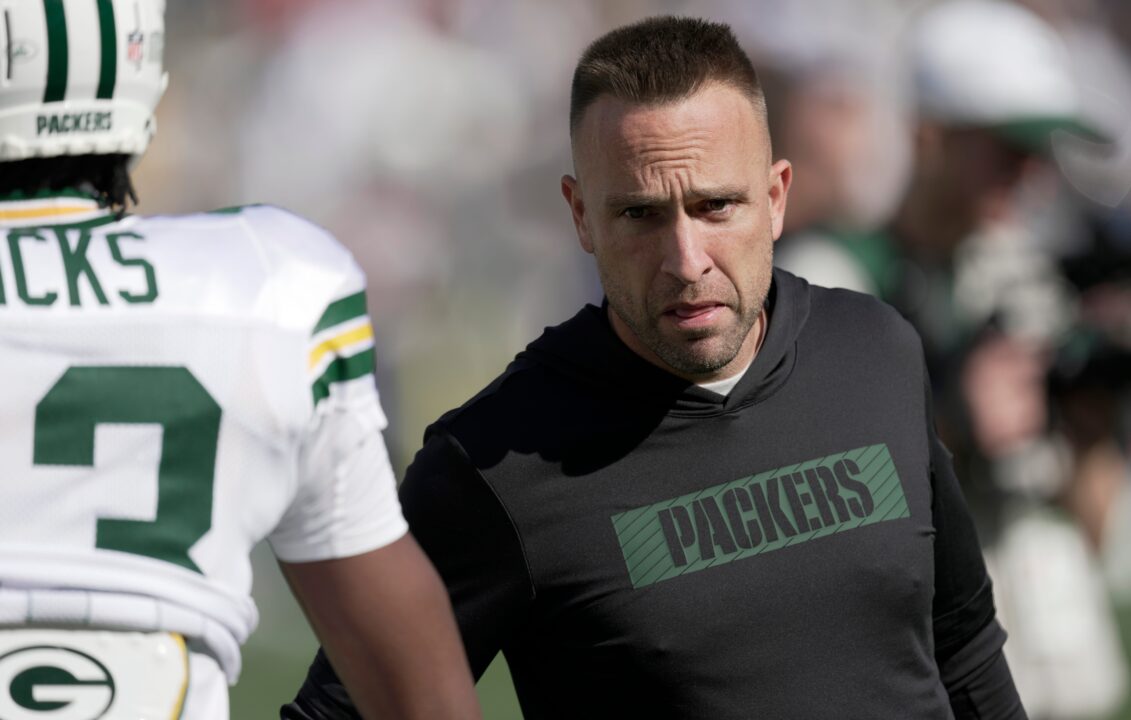
Oct 19, 2025; Glendale, Arizona, USA; Green Bay Packers general manager Brian Gutekunst against the Arizona Cardinals at State Farm Stadium. Mandatory Credit: Mark J. Rebilas-Imagn Images
Within 48 hours of Gutekunst’s statement, the quarterback market changed. Teams that were considering mid-round draft picks quickly shifted their focus to Willis.
The Jets, previously linked to every available veteran, suddenly had a younger, cheaper target with starting potential. Miami started creating cap space.
Pittsburgh arranged meetings. The Packers’ transparency not only freed Willis but also accelerated the free agency schedule for teams needing quarterbacks, leading to earlier decisions than expected.
The Numbers That Actually Matter
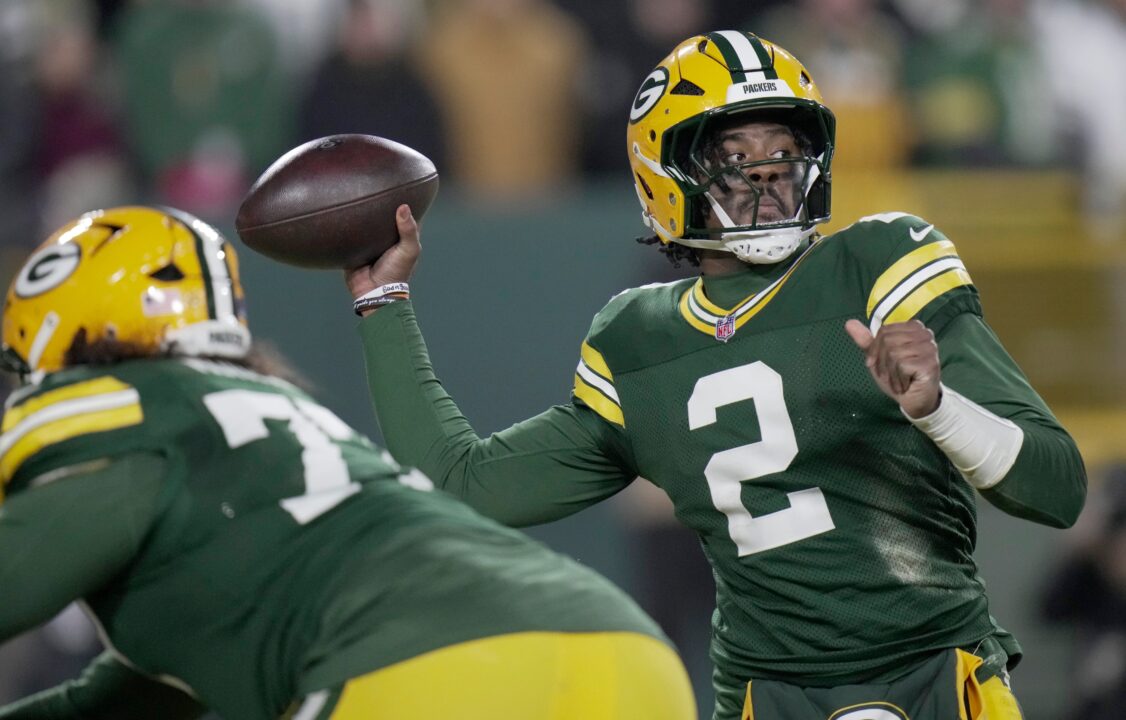
The “$12M” shows the lower end of what Willis might earn each year. However, his actual market is looking more complicated. Spotrac’s free-agent page estimates Willis at about $10.5 million per year. Another Spotrac model suggests a two-year deal worth over $71 million, a figure many analysts consider unrealistic for a quarterback with only six career starts.
A more reasonable estimate comes from Pro Football Focus, which projects a two-year, $40 million contract with $30 million guaranteed, equating to $20 million annually. This mirrors the deal the Jets gave Justin Fields last offseason.
For the Jets, the appeal of Willis as a “raw gamble” rests on his dual-threat potential at a relative bargain. Teams across the league often overvalue quarterbacks like Willis, who have strong arms and running ability, even if their basic skills are still developing. He has thrown just six career touchdown passes and has played only 547 career snaps. This is why analysts still see him as a “work in progress,” despite his impressive efficiency stats.
A prove-it deal in the $10 to $15 million per year range, as some sources have suggested, would be a much cheaper option than the Fields contract. This would give the Jets a young player with significant potential without the financial risks they just faced. The real question isn’t about Willis’s talent; it’s whether his limited experience behind Jordan Love in Green Bay’s quarterback-friendly system can lead to starting duties in a franchise that hasn’t successfully developed a quarterback in decades.
The Ripple Nobody Expected
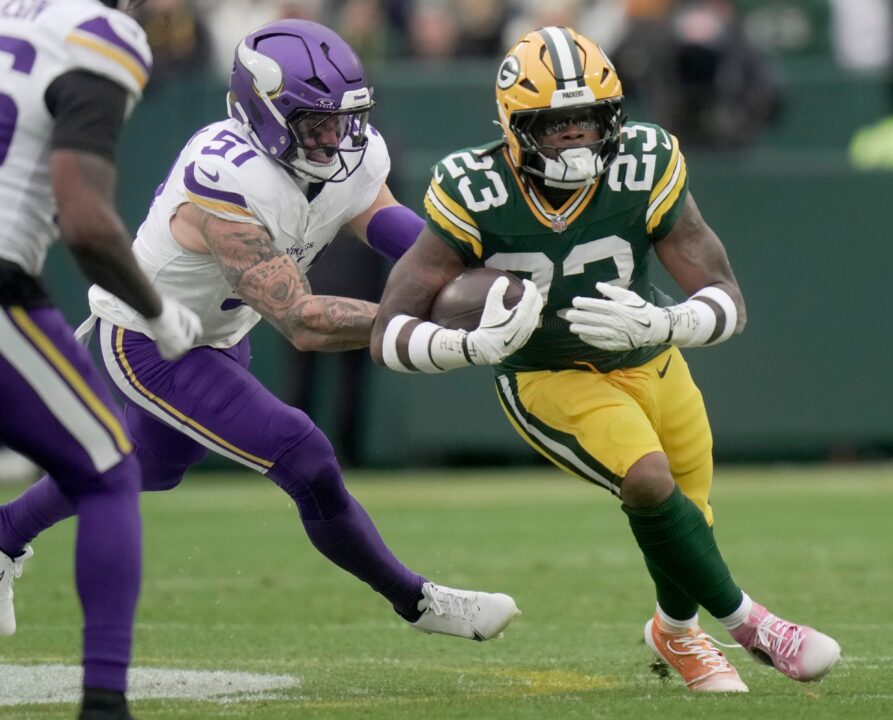
Willis’s availability doesn’t just affect teams that need quarterbacks. It changes the whole draft strategy. Teams that planned to reach for a quarterback in the second round now have a solid option in free agency.
This means more draft capital for other positions. The Jets, who own the second overall pick, can now aim for a top defensive prospect or trade down—options they didn’t have before Gutekunst created the opening for Willis.
The Deeper Consequence
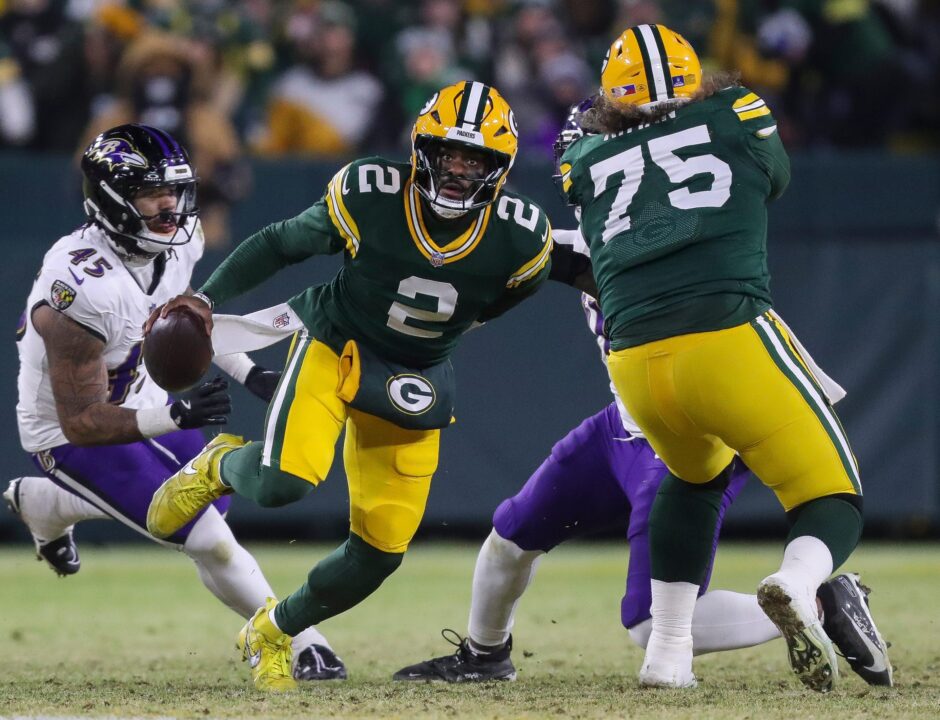
Here’s what nobody’s talking about: Willis going to the Jets would validate an entirely new development model that could reshape how teams build quarterback depth.
If he succeeds, it would support a new development strategy—letting successful organizations like Green Bay develop talent and then taking them before they become too expensive. This idea worries front offices across the league.
The Sustainability Question
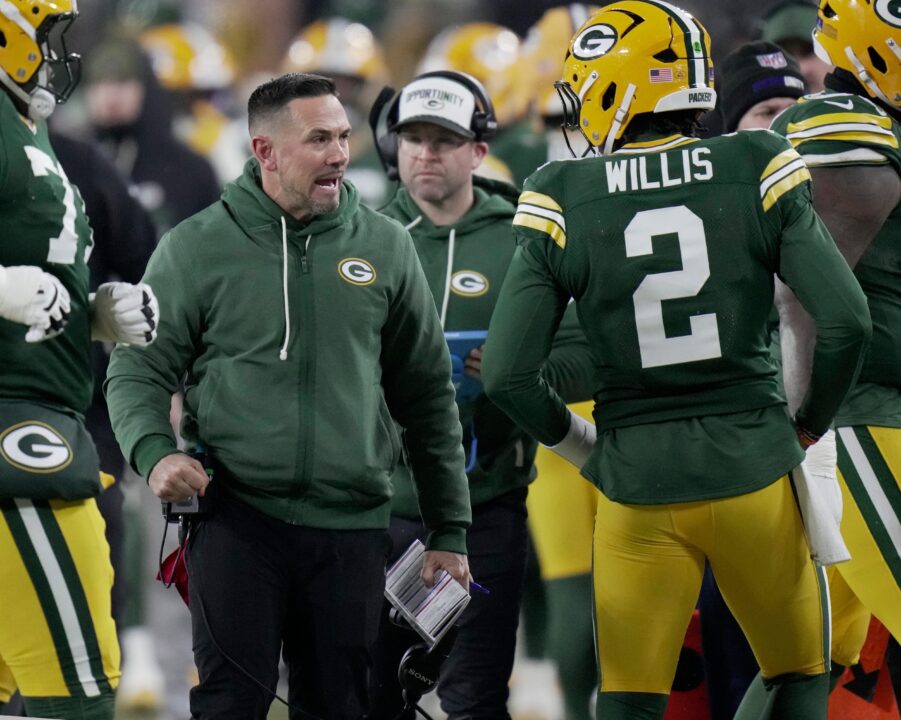
Willis achieved those impressive numbers in Matt LaFleur’s quarterback-friendly system, with limited film for defenses to analyze. Can he repeat that success as a full-time starter facing game plans designed to exploit his weaknesses?
The Jets are betting on potential rather than proven results—again. Their offensive coordinator will need to adjust schemes to fit Willis’s dual-threat abilities while he learns to read NFL defenses in real time. This presents a significant developmental challenge.
What Happens Next
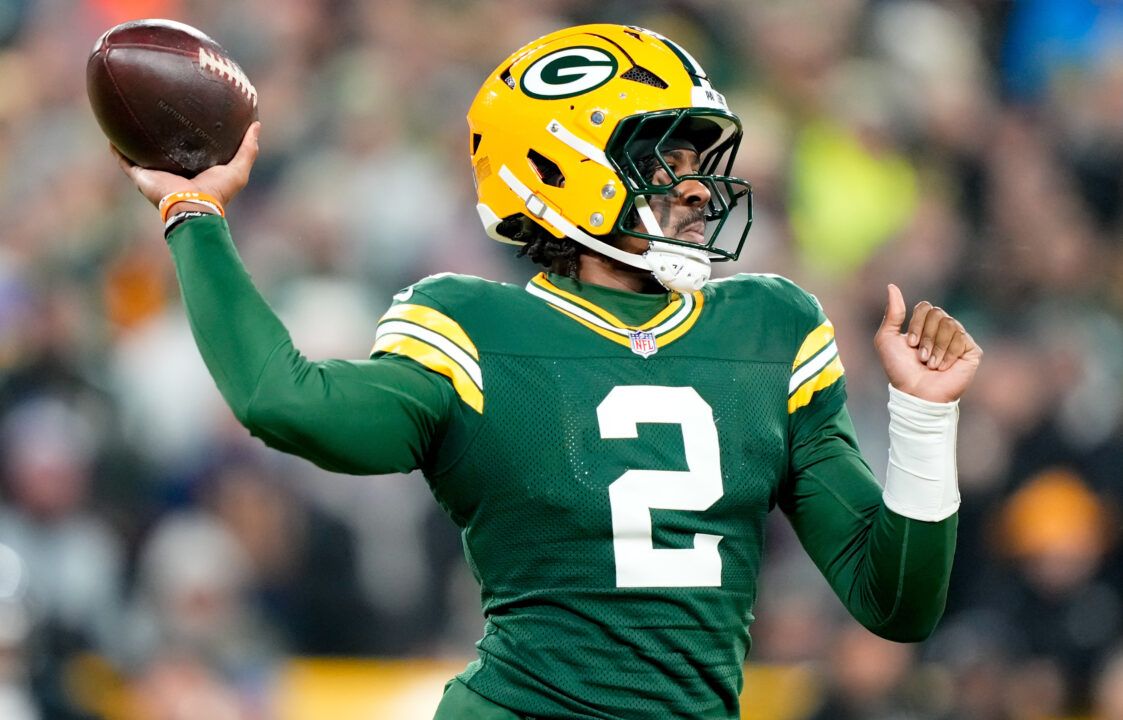
The real test will come in September, not March. If Willis becomes a legitimate starter, every contending team will rethink how they develop backup quarterbacks.
If he fails, the Jets will illustrate that desperation leads to repeated mistakes—and no amount of coaching from Green Bay can fix organizational dysfunction. Keep your voice across everything you write with real-time suggestions.
If you enjoyed this article please like and follow us here on MSN! Thank you for reading and have a great day!