
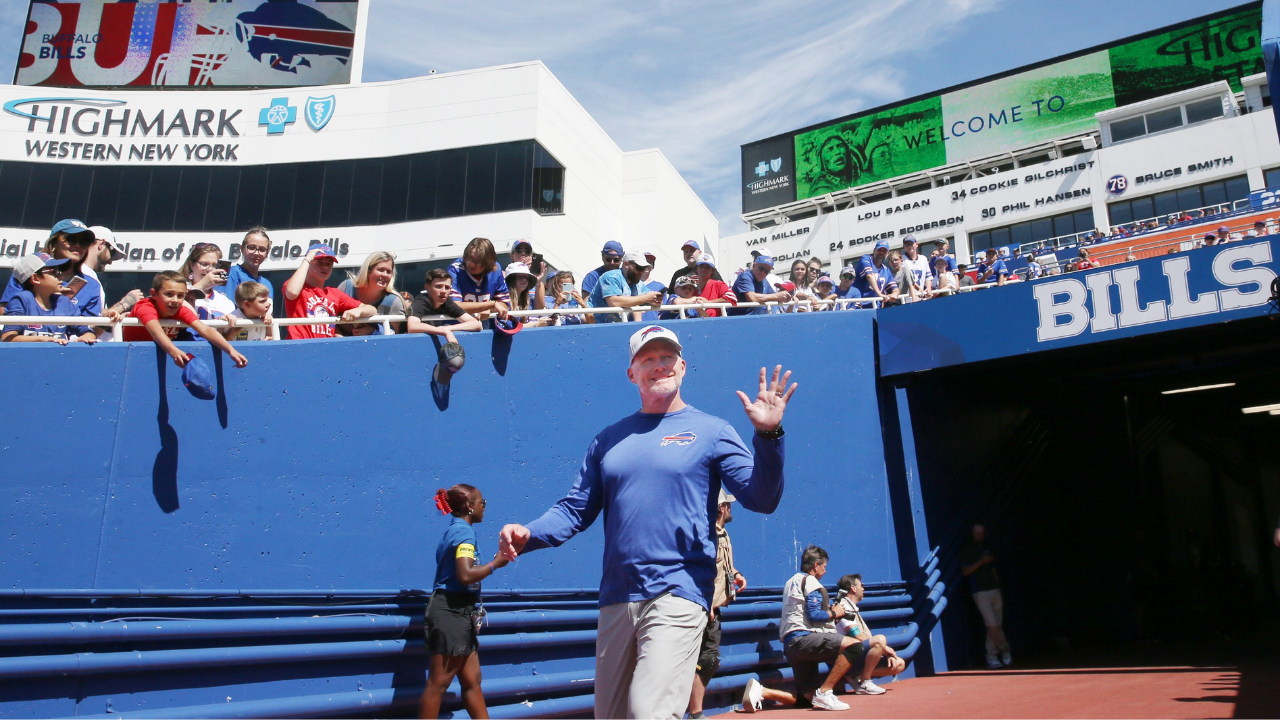
Somewhere in Orchard Park, a $2.2 billion stadium sits 93% finished, its canopy stretching over 60% of the seats, its snow-melt system ready for Buffalo winters. The Bills have done everything right. Secured $850 million in public funding. Hit every construction deadline. Courted networks who came calling on their own. And yet, as the franchise prepares to christen the most expensive home in its history, one man’s quote tells the whole story. The building is theirs. The moment belongs to somebody else.
Fifty-Three Years in the Making
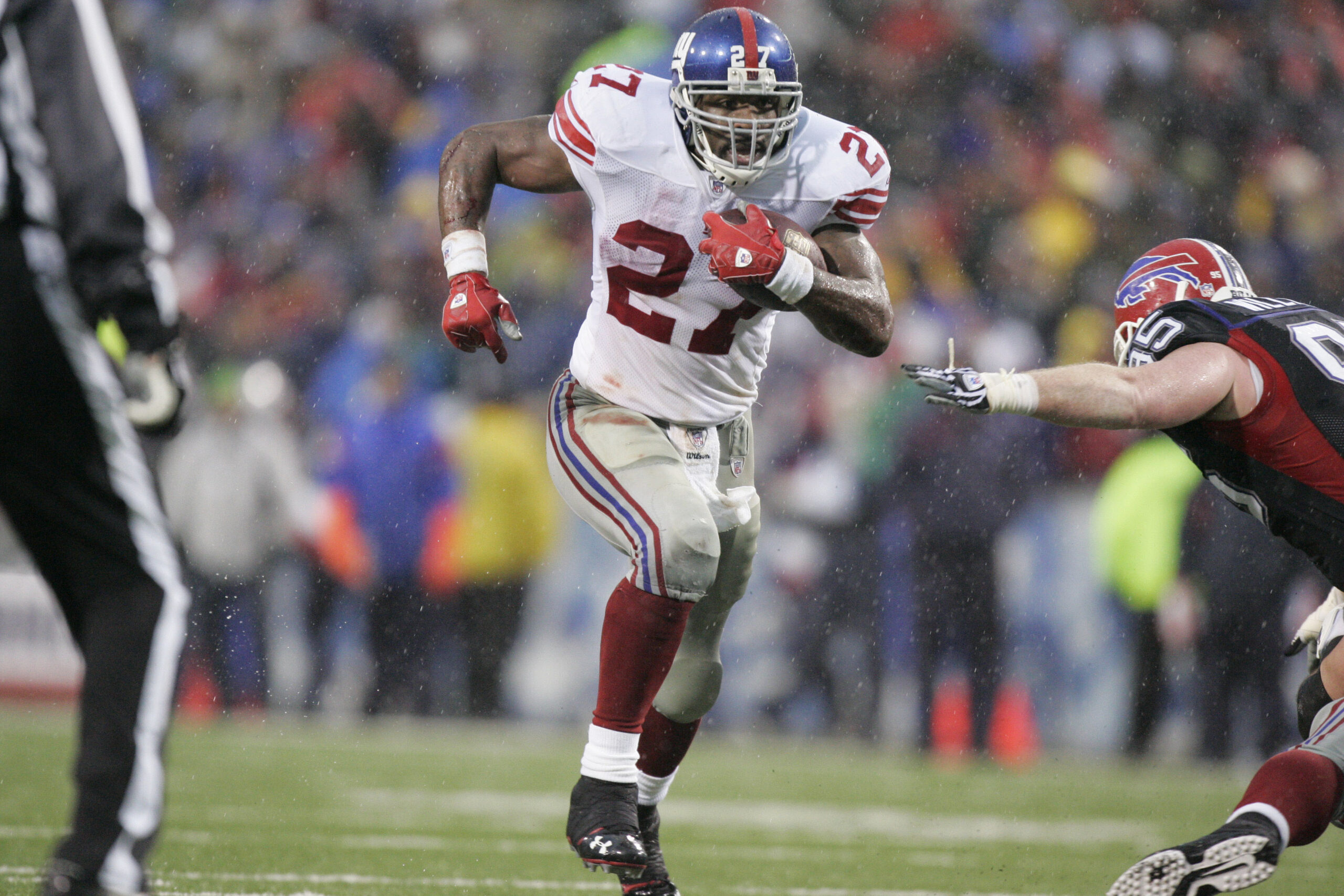
December 23, 2007; Orchard Park, NY, USA; New York Giants running back (27) Brandon Jacobs gets outside of Bufalo Bills defensive tackle (95) Kyle Williams during the third quarter at Ralph Wilson Stadium. Mandatory Credit: John Sokolowski-Imagn Images
The old Highmark Stadium opened in 1973. It held roughly 71,000 fans for 53 years of Bills football, playoff heartbreak, and lake-effect loyalty. Its replacement targets substantial completion by June 1, 2026, with 60,108 fixed seats and a footprint significantly larger than the building it replaces. Fewer seats. More square footage. A deliberate bet on premium experience over raw volume. Seven consecutive playoff appearances made the case for investment. Now the Bills want that investment to announce itself under prime-time lights.
Networks Already Came Knocking
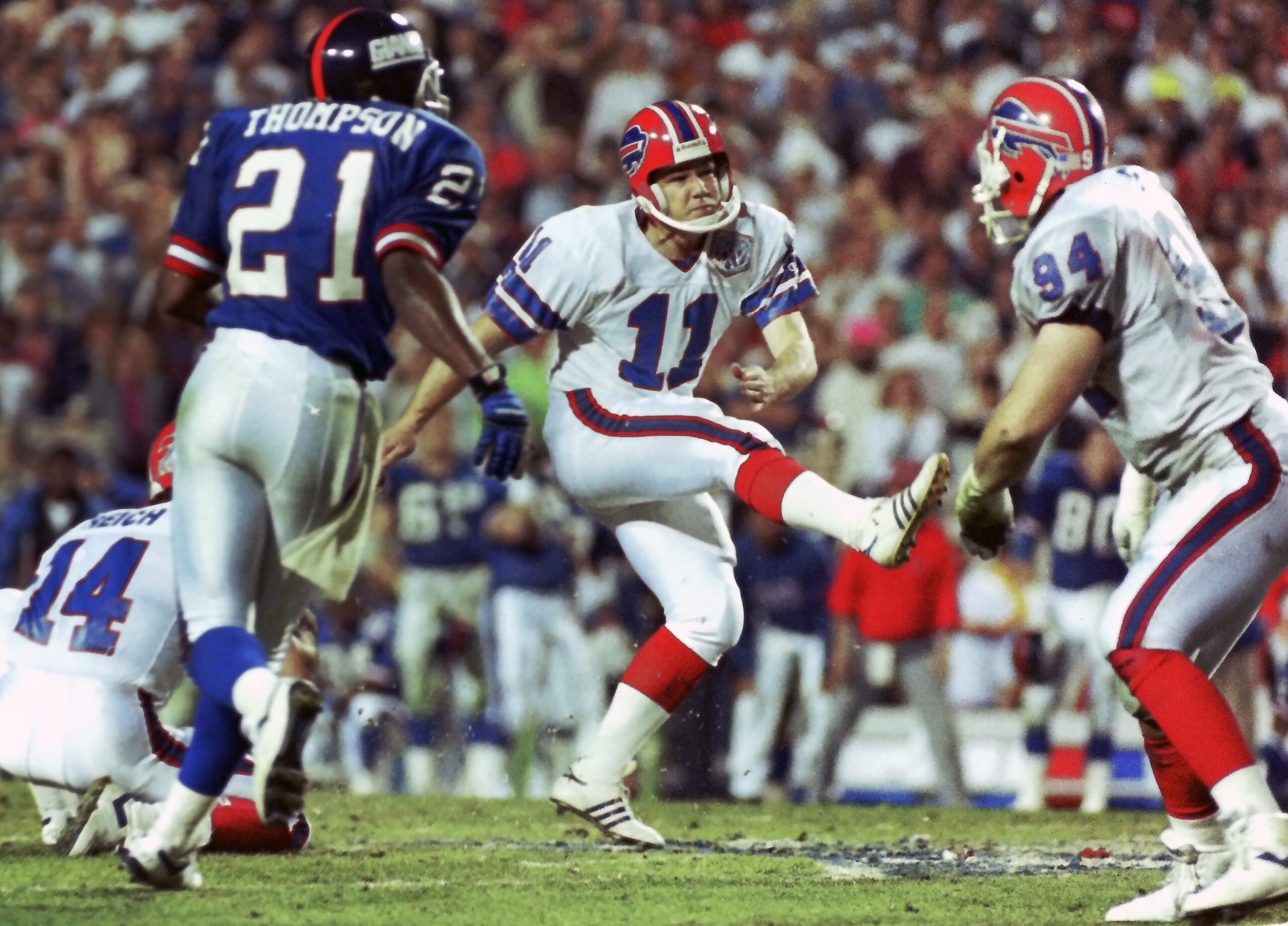
The New York Giants defeated the Buffalo Bills 20Ã19 in Super Bowl XXV at Tampa Stadium in Tampa, Florida, on January 27, 1991,
Bills COO Pete Guelli confirmed the demand exists on both sides. “We’ve already been approached by networks that would like to have it,” he said. NBC, ESPN, and Prime Video hold the exclusive prime-time packages. All three see the ratings potential of a $2.2 billion stadium debut. The Bills see it too. You would assume, logically, that mutual interest between a franchise, its broadcast partners, and a billion-dollar venue would be enough to seal the deal. That assumption collapses the moment you understand how NFL scheduling actually works.
The Algorithm Doesn’t Care What You Built
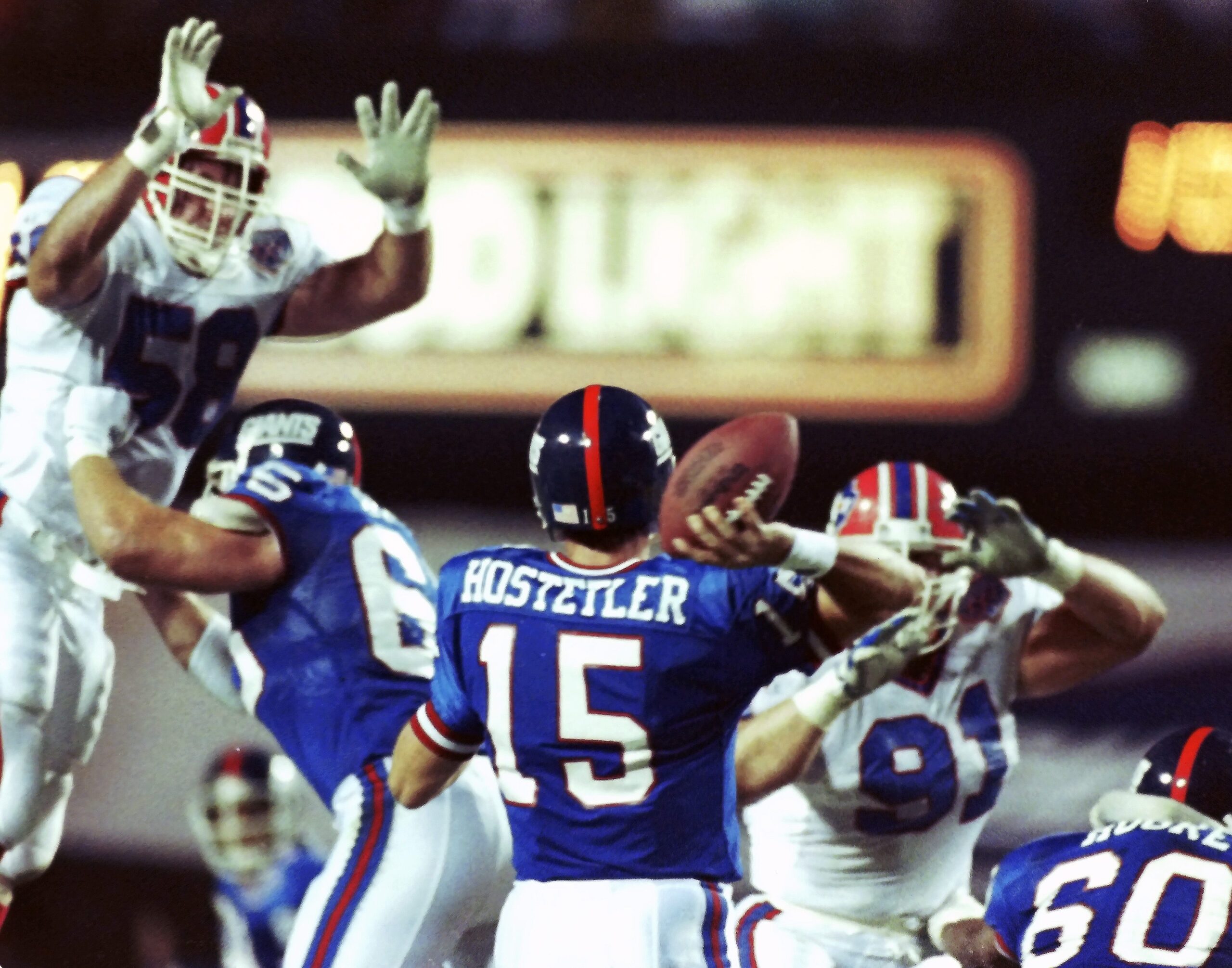
The New York Giants defeated the Buffalo Bills 20Ã19 in Super Bowl XXV at Tampa Stadium in Tampa, Florida, on January 27, 1991,
Guelli promised to “make sure that home opener is a big event.” Then, seconds later: “It’s really a league decision.” Two sentences. One claiming agency. One surrendering it. The AFC’s even-year scheduling formula locks teams into nine road games and eight home games. The Bills play nine on the road in 2026. Their home opener could land Week 1 in prime time. Or Week 3, after two road losses. $2.2 billion buys a stadium. It does not buy a time slot.
The System Behind the Schedule
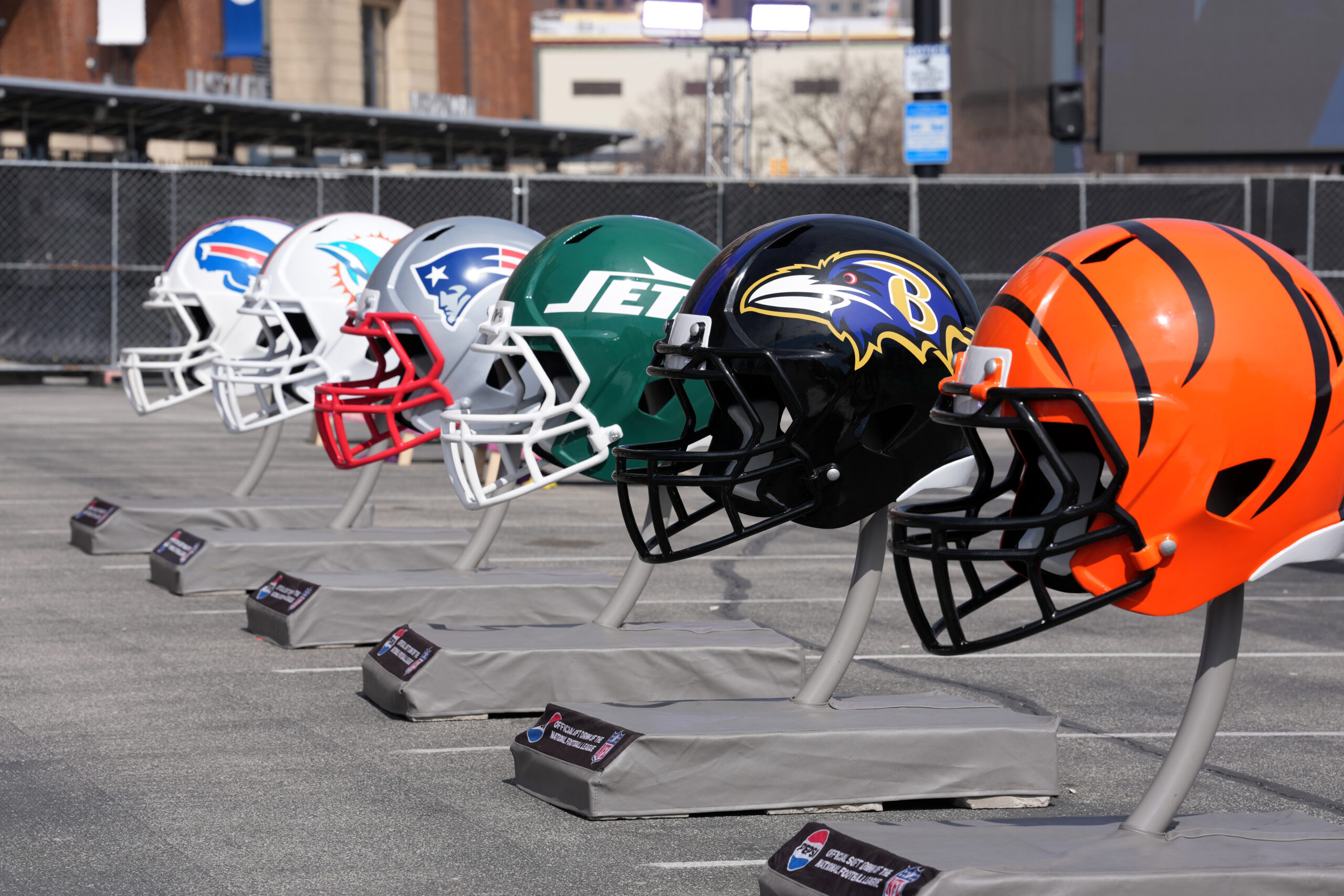
Feb 26, 2026; Indianapolis, IN, USA; Large helmets of the Cincinnati Bengals, Baltimore Ravens, New York Jets, New England Patriots, Miami Dolphins and Buffalo Bills during the NFL Scouting Combine at Lucas Oil Stadium. Mandatory Credit: Kirby Lee-Imagn Images
Roger Goodell’s scheduling office operates like a sorting machine that treats every franchise identically. Prime-time windows are pre-allocated by network package, not by venue significance or construction cost. The Bills can lobby. They can publicize network interest. They can point to $850 million in taxpayer money from New York State and Erie County. The algorithm processes none of that. Four NFC teams in 2025 started 0-2 under the same scheduling constraints — the Bears, Saints, Giants, and Panthers among the ten teams that opened the season winless through Week 2. The Bills face identical math, identical constraints, identical powerlessness.
The Numbers Behind the Paradox
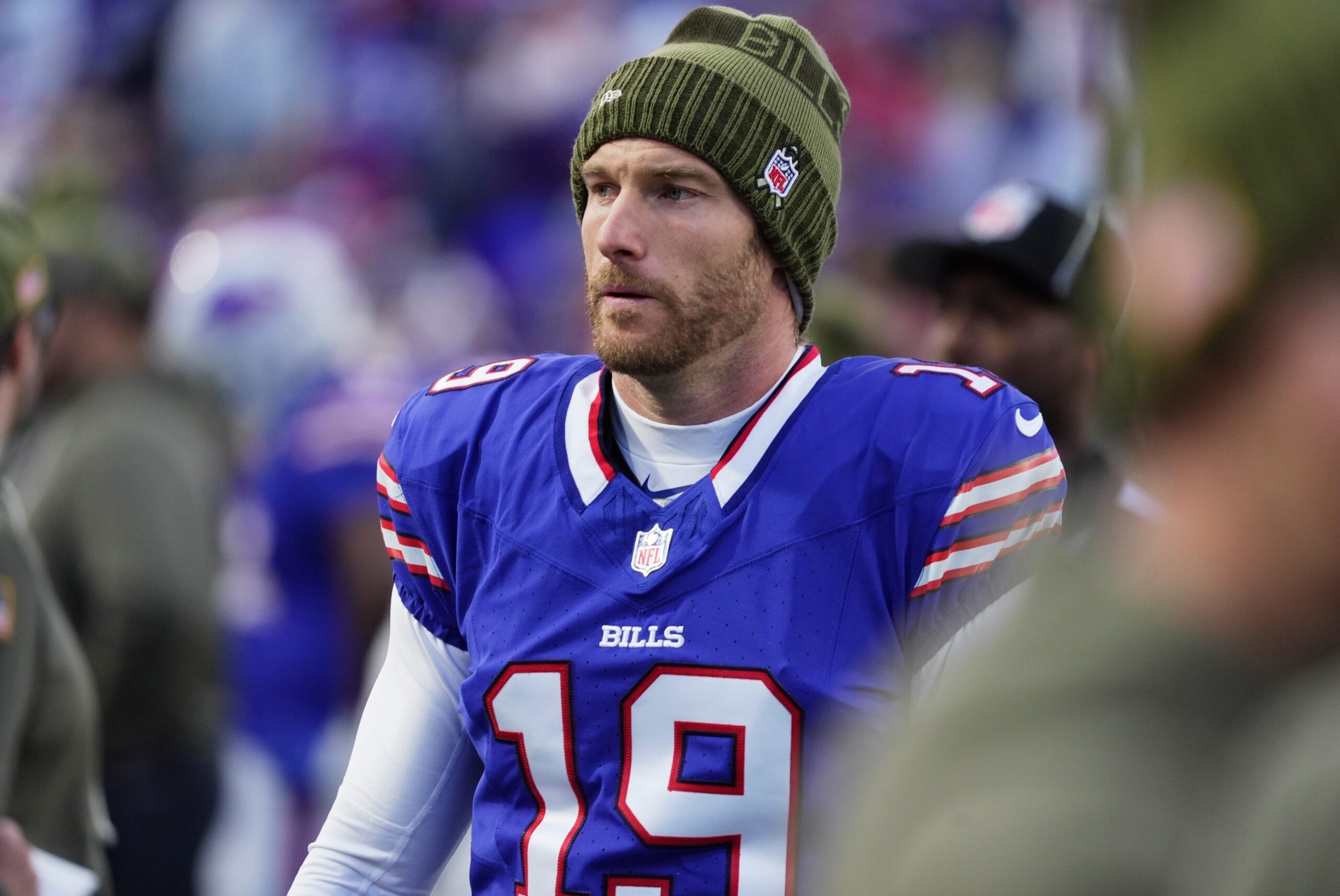
Buffalo Bills punter Mitch Wishnowsky walks towards the bench during first half action against the Kansas City Chiefs at Highmark Stadium in Orchard Park on Nov. 2, 2025.
Public funding covered roughly 39% of the stadium’s total cost. New York State contributed $600 million. Erie County added $250 million. The state expects $19.5 million to $30 million or more in annual income tax revenue from Bills operations over a 30-year lease. Politicians sold this deal on the promise of national prominence. A Week 3 home opener on basic cable would make that promise look hollow. The venue’s 1.7 million square feet of architecture means nothing if the debut gets buried in the schedule.
Who Pays When the Debut Shrinks
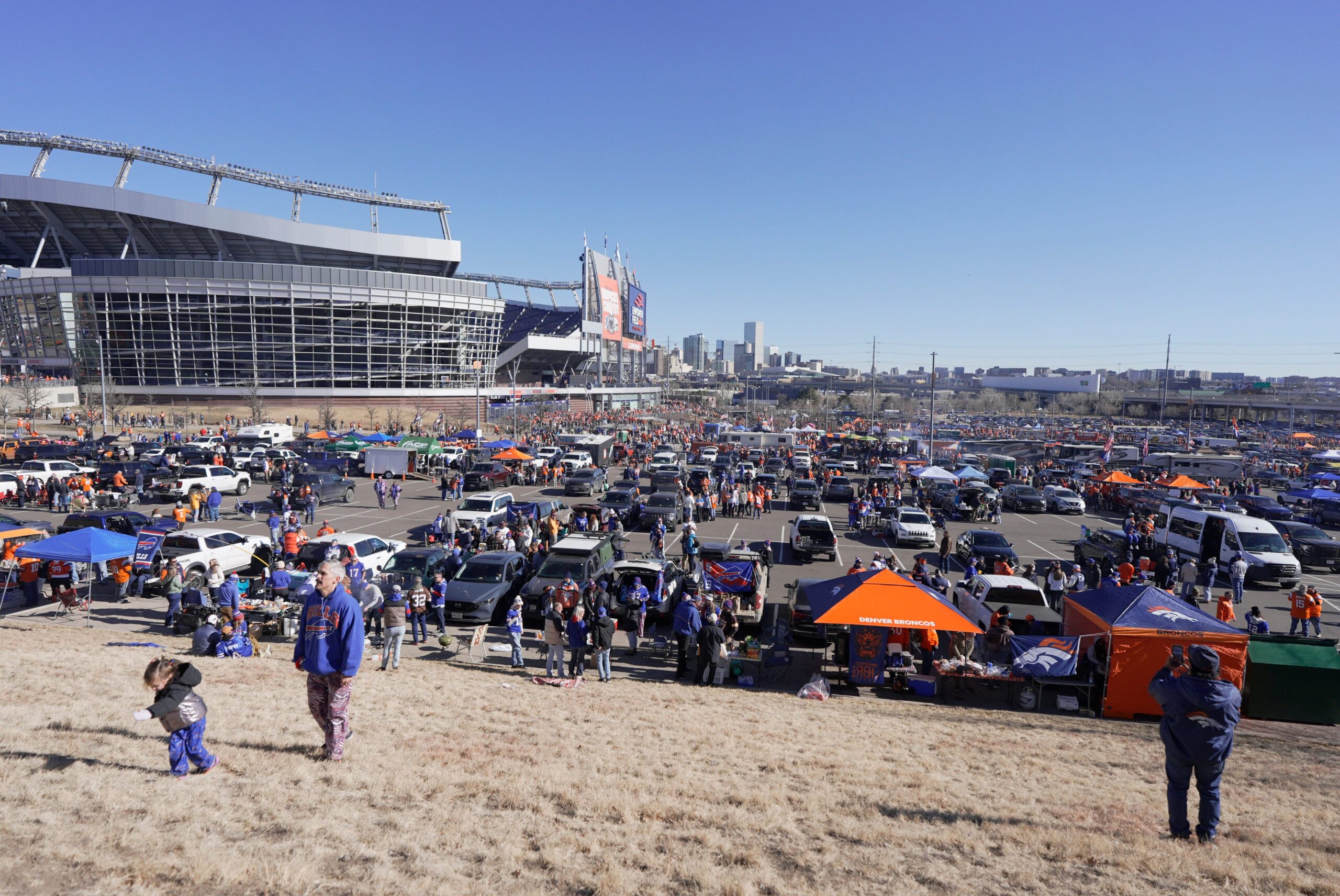
The parking lot is full of people tailgating outside Empower FIeld at Mile High in Denver on Jan. 17, 2026, where the Buffalo Bills were to play the Denver Broncos.
If the home opener lands Week 3, the Bills open the season with two road games. An 0-2 start before the new building hosts a single snap. Hotel revenue dips without a nationally televised draw. Concession and merchandise sales soften under the weight of early losses. The old stadium still needs demolition, estimated at $30 to $40 million. Meanwhile, the 2026 home slate features the Chiefs, Lions, and Ravens. Marquee opponents sitting in a schedule the Bills cannot arrange. Every ripple traces back to one office in New York.
A New Rule, Not an Exception
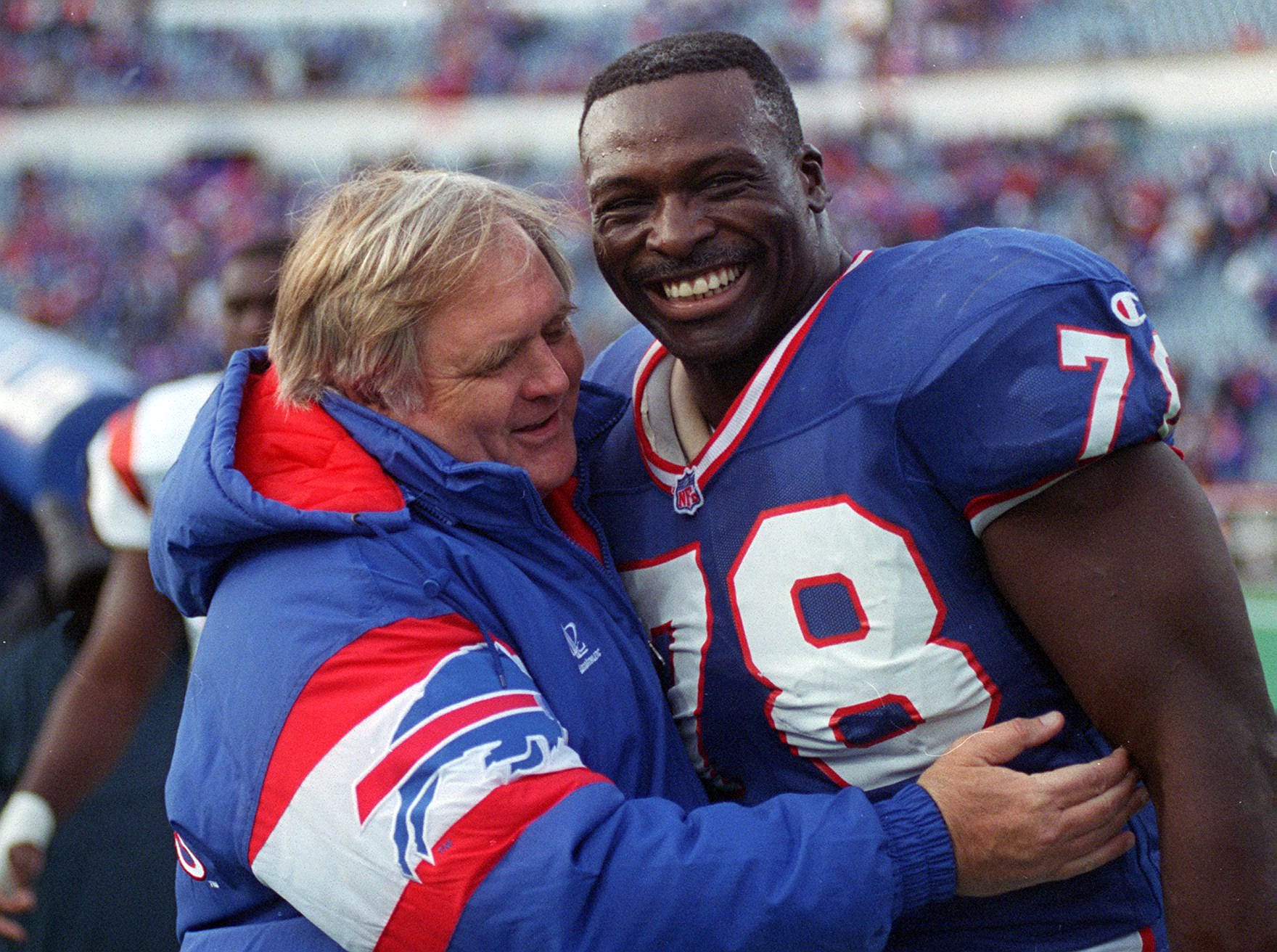
Buffalo Bills defensive end Bruce Smith is hugged by defensive coordinator Wade Phillips after a win over the Cincinnati Bengals in 1996. The sack moved Smith into second place on the NFL’s all-time sacks list.
Once you see it, you cannot unsee it: stadium investment buys infrastructure and a seat at the table. It does not buy you out of the system. The Bears, Saints, Giants, and Panthers all started 0-2 in 2025 under the same scheduling constraints. No exceptions were made. This is the precedent. Future teams building billion-dollar venues will face the same reality. Capital gets you a building. The Commissioner’s office decides when the nation sees it. That distinction will reshape how every future stadium deal gets pitched to taxpayers.
May 2026 Changes Everything
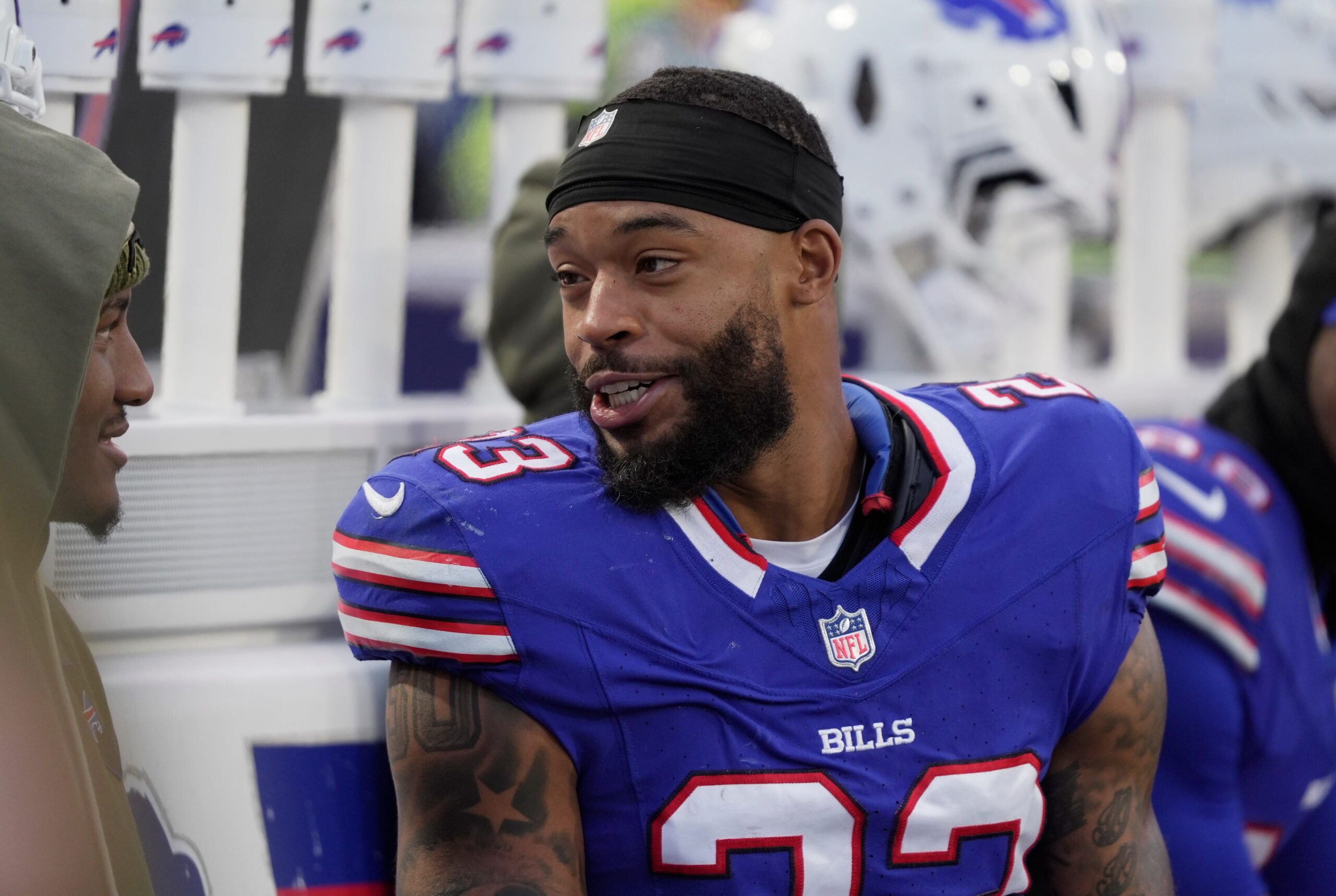
Buffalo Bills cornerback Dane Jackson chats with a teammate on the bench during first half action against the Kansas City Chiefs at Highmark Stadium in Orchard Park on Nov. 2, 2025.
The NFL releases the full 2026 schedule in May. Weeks away. The Bills will learn whether their $2.2 billion building debuts on Sunday Night Football or after two losses nobody outside Buffalo watched. Guelli has already started hedging, promising the home opener will be “a big event” regardless of time slot. That is damage control dressed as confidence. If the league denies prime time, the Bills could pivot to marketing the August 8 Blue Red practice as the real inaugural celebration. A fan scrimmage as consolation for a $2.2 billion snub.
The Seat at the Table
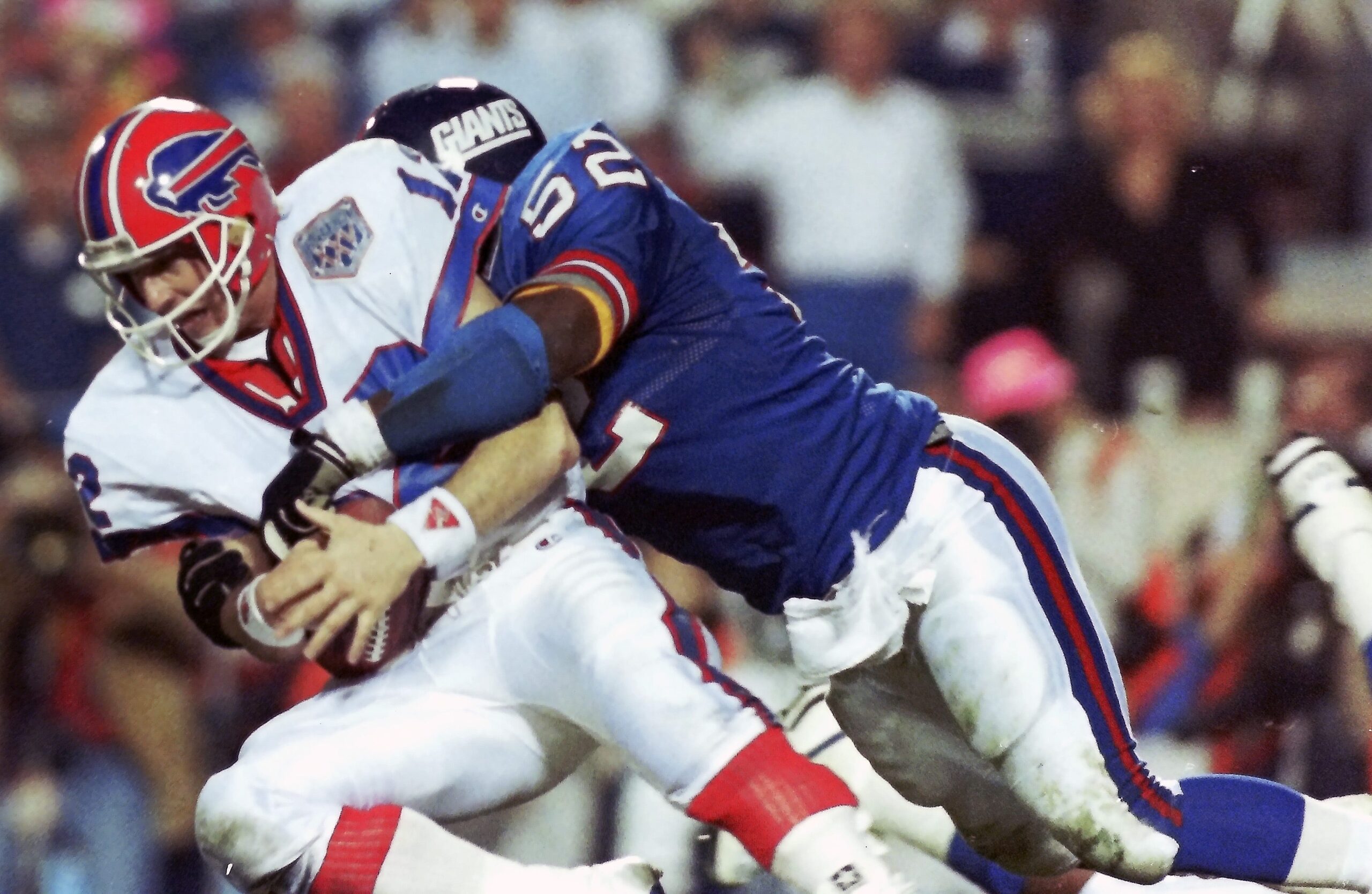
The New York Giants defeated the Buffalo Bills 20Ã19 in Super Bowl XXV at Tampa Stadium in Tampa, Florida, on January 27, 1991,
The Bills built the NFL’s largest unified club at roughly 73,000 square feet. They installed the world’s largest snow-melt system. They convinced a state government to write an $850 million check. Networks called them first. And still, the franchise waits for permission to turn the lights on. Most fans assume a $2.2 billion investment guarantees control over how the building is introduced to the country. It guarantees exactly one thing: a very expensive seat at a table where Roger Goodell holds the only vote that counts.
If you enjoyed this article please like and follow us here on MSN! Thank you for reading and have a great day!
Sources:
“Buffalo’s $2.2B Highmark Stadium Brings Modern Amenities to Its Ardent Bills Fanbase.” Sports Business Journal, January 2026.
“Bills Seek Primetime Spotlight for New Highmark Stadium Debut.” Sports Business Journal, April 2026.
“Bills Want to Open New Stadium in Prime Time.” NBC Sports / ProFootballTalk, April 2026.
“Bills’ New Stadium Costs Balloon to $2.1 Billion, $560 Million Over Budget.” AP, November 2024.
“Buffalo Bills’ New Stadium Will Cost State and County Taxpayers $850 Million in Public Funds.” ESPN, March 2022.