
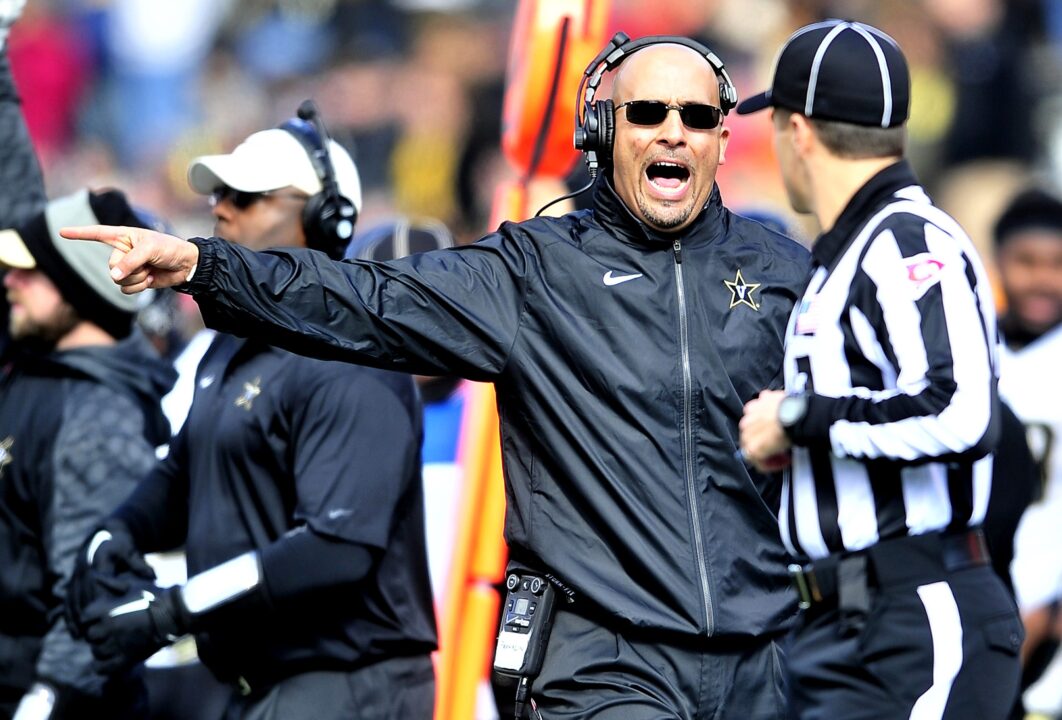
Penn State lost its entire 2027 recruiting class within hours of firing James Franklin on October 12, 2025, wiping out a group once ranked No. 2 nationally and leaving newly hired head coach Matt Campbell with zero commitments. By late March 2026, the board remained empty, reinforcing expectations of a long rebuild. Then, in less than two weeks in early April 2026, Penn State surged to No. 18 nationally with seven new commits. The rapid turnaround challenged long-standing assumptions about recruiting resets and revealed a different strategy unfolding inside spring practice, where visibility and timing began to reshape how quickly momentum could return.
The 48 Hours That Changed Everything
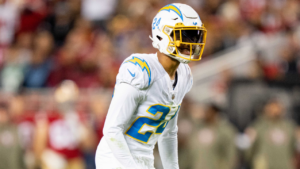
Penn State’s four 2027 commits disappeared within 48 hours of Franklin’s firing. Khalil Taylor reopened his recruitment just before the news. Within an hour of the announcement, Kemon Spell, Layton Von Brandt, and Gabriel Jenkins all decommitted. A class once ranked No. 2 nationally instantly collapsed. Such losses usually take years to recover from. Campbell, hired in December 2025, faced an empty board by March 2026. However, more than 30 returning players stayed through the transfer portal window, quietly stabilizing the roster and buying time for something unexpected to develop.
The Assumption Everyone Believed
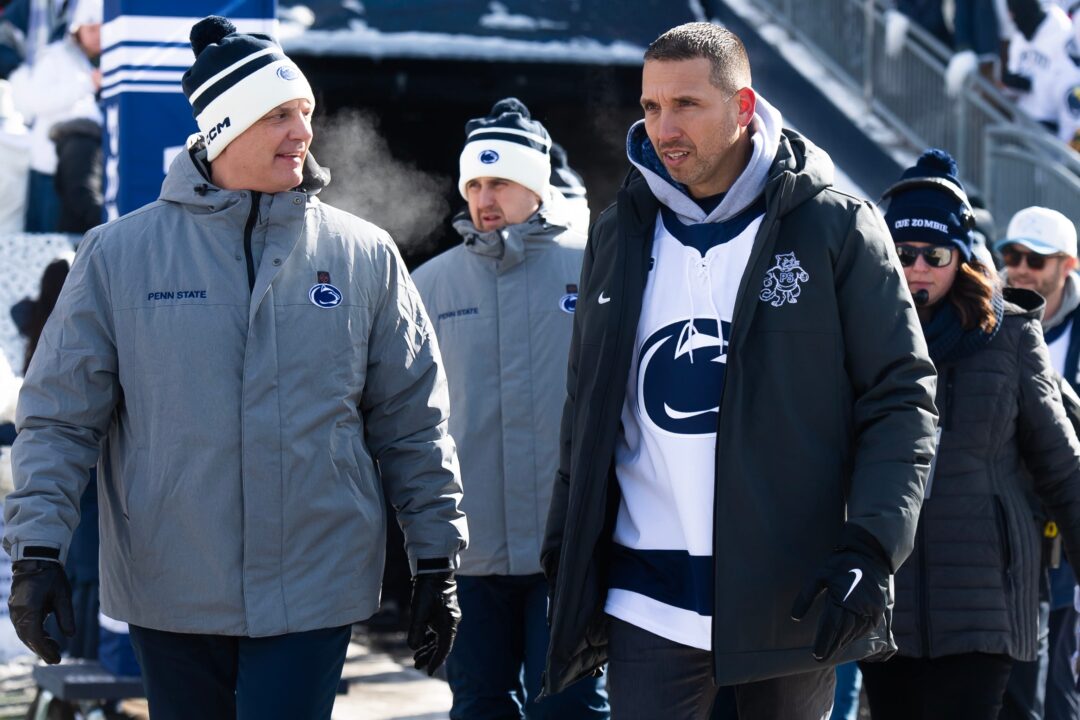
College football has long held a simple belief. New coaches need multiple recruiting cycles to rebuild trust. Recruits commit to people, not programs. Penn State’s total decommitment seemed to confirm that rule. Campbell’s public messaging about moving slow during spring practice reinforced the idea of a long rebuild. Yet behind the scenes, visits were being scheduled, especially with Pennsylvania prospects. The slow approach was deliberate communication. Real movement had already begun, and the pace of it would soon challenge everything the sport assumed about rebuilding timelines.
A Surge No One Saw Coming
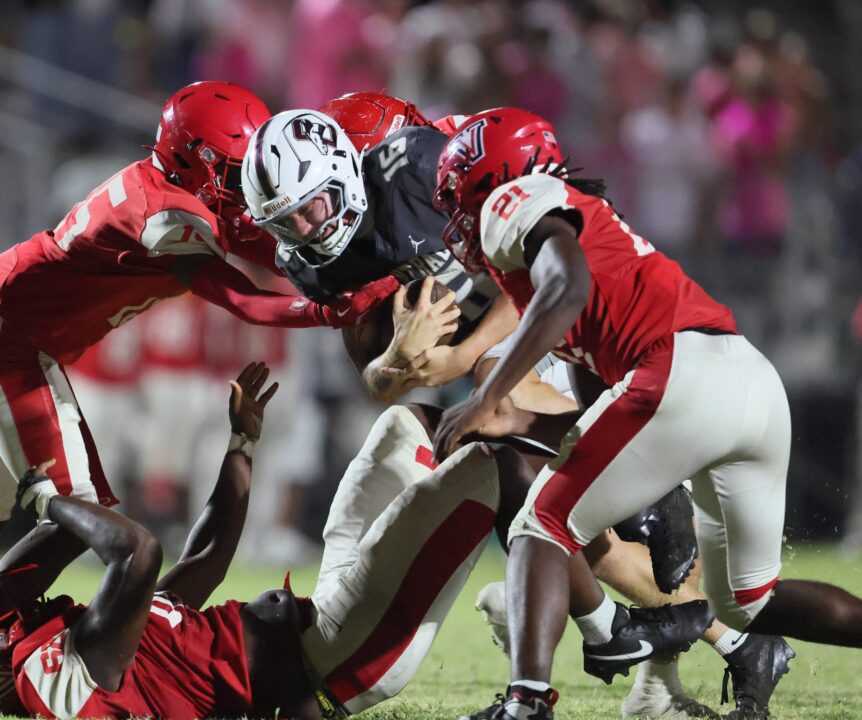
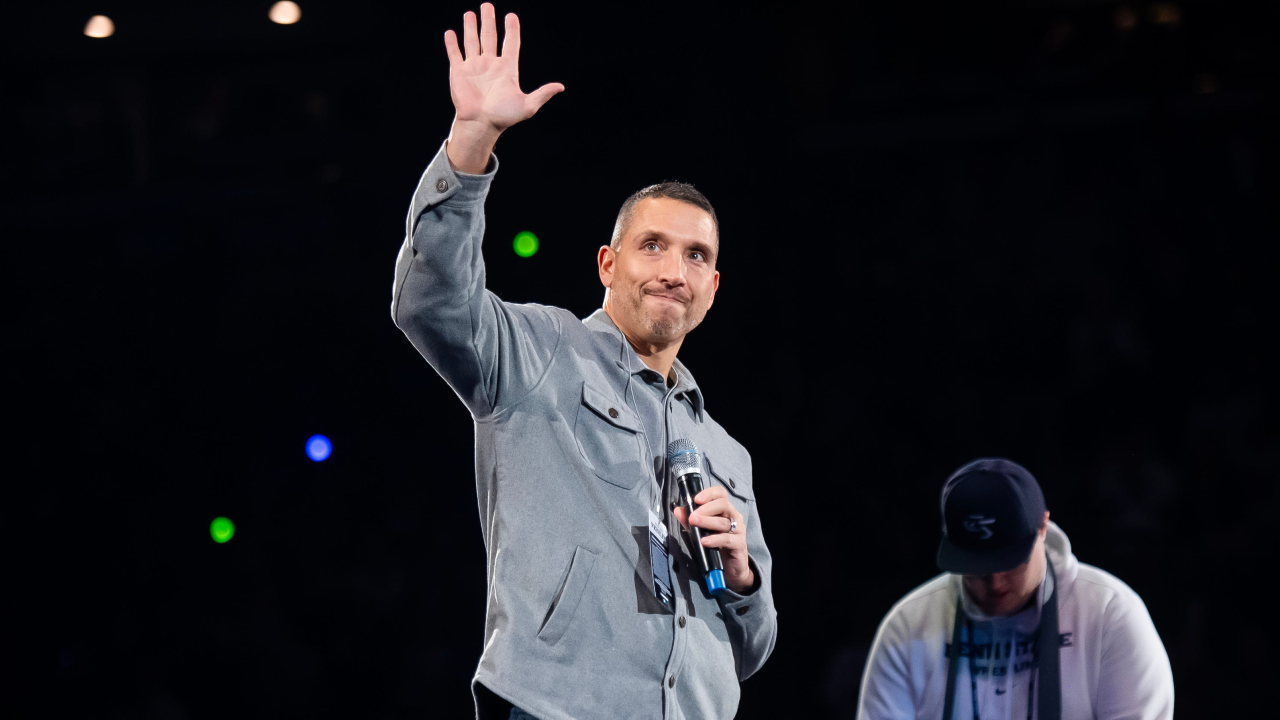
Momentum appeared suddenly. Semajay Robinson committed on March 28, 2026. Zachary Gleason Jr. followed days later. Then Ka’ron Ceaser. Then Cooper Terwilliger. Within roughly two weeks, Penn State went from zero commitments to seven. By April 11, the class ranked No. 23 nationally. By April 12, it jumped to No. 18. That pace stood out across the country. Commitments were arriving within days instead of months, driven by visits and live evaluations. The speed suggested something deeper than a typical rebuild, raising a new question about what recruits were actually seeing.
What Recruits Witnessed In Person
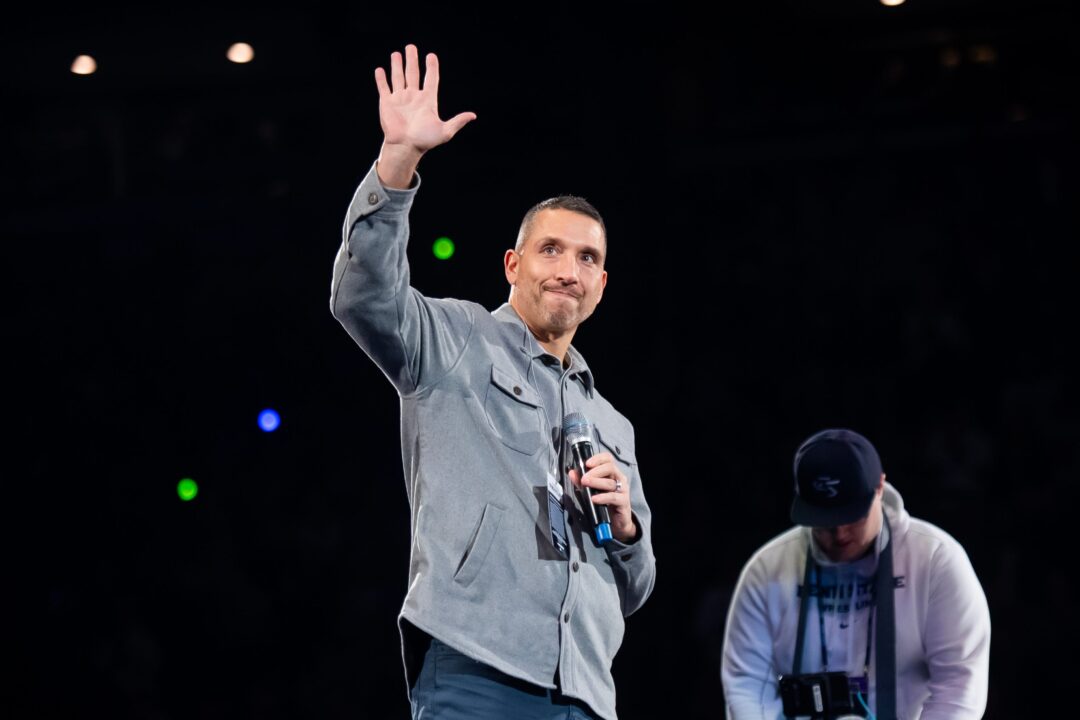
Spring practice became a live showcase under Campbell. Prospects watched new offensive and defensive systems installed in real time. That visibility separated Penn State from programs relying on presentations. Campbell said, “We’re asking a lot of our guys. From continuing to gain strength in the weight room to putting in two brand-new systems.” Recruits saw intensity, structure, and change happening daily. The experience created immediate credibility. Energy on campus became a recurring theme among visitors, and that atmosphere started converting interest into commitments faster than expected.
The Roster Moves Behind The Scenes
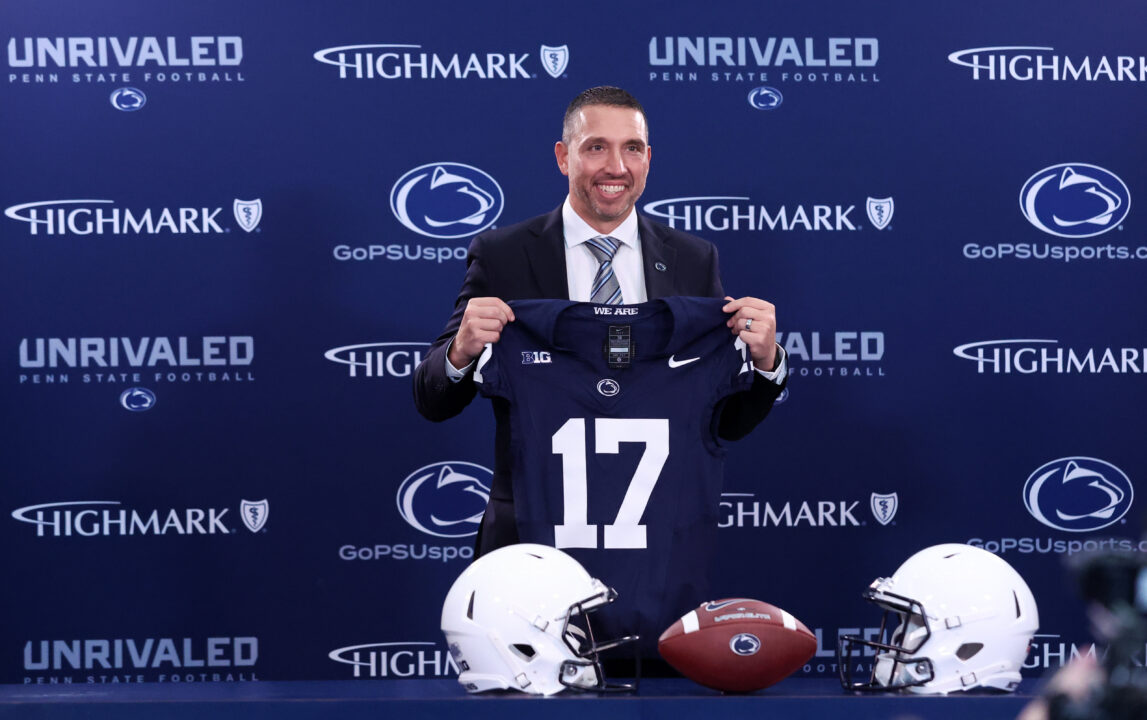
The recruiting surge did not happen in isolation. Campbell added 55 new players for the 2026 season, including about 40 from the transfer portal. Twenty-four came from Iowa State, marking one of the largest single-program followings after a coaching change. Several high school signees also flipped to Penn State after his hiring. More than 30 returning players stayed through the transition. Jackson Ford, a four-star edge rusher, signed early and never wavered. That retention prevented deeper damage and created a stable base, allowing recruiting gains to build rather than collapse again.
The Snowstorm That Altered A Decision
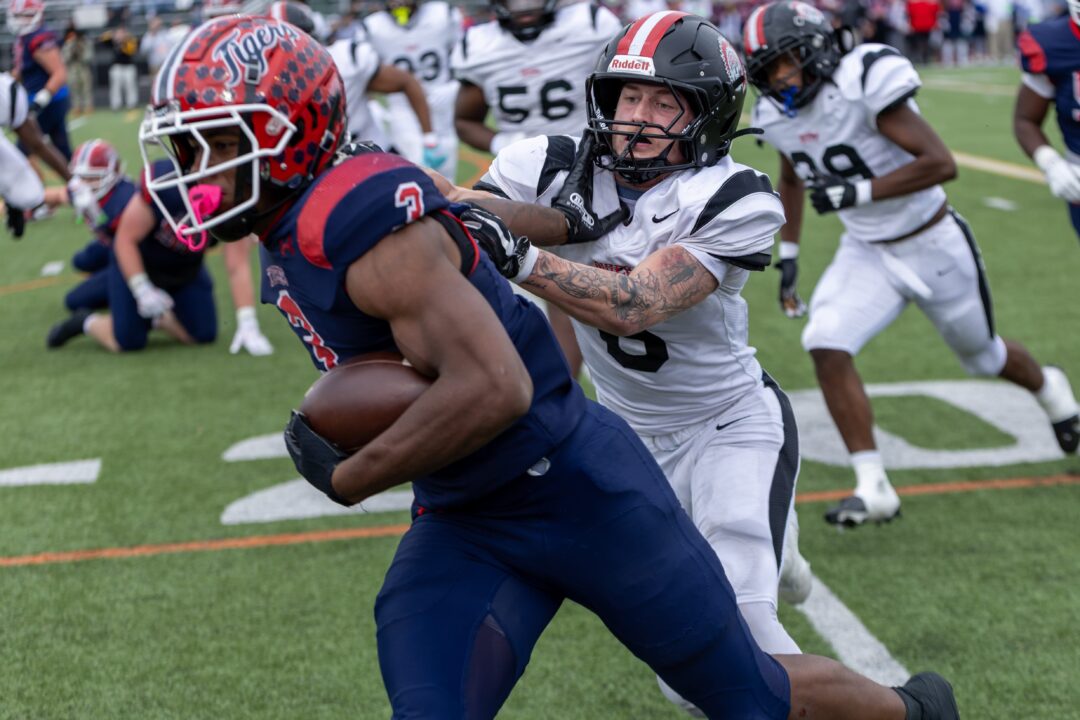
Kemon Spell, the No. 1 running back in the 2027 class, represented the biggest missed opportunity. Campbell offered him on December 10, 2025, and a visit was scheduled for January 24 to 25. A snowstorm dropped more than 10 inches in State College, canceling plans and classes. Spell later committed to Georgia on February 1 after receiving offers from Ole Miss, Nebraska, and Oregon. That missed visit removed a critical chance to reconnect. Could one winter storm have shifted the trajectory of the state’s top prospect and Penn State’s rebuild?
A New Blueprint Takes Shape
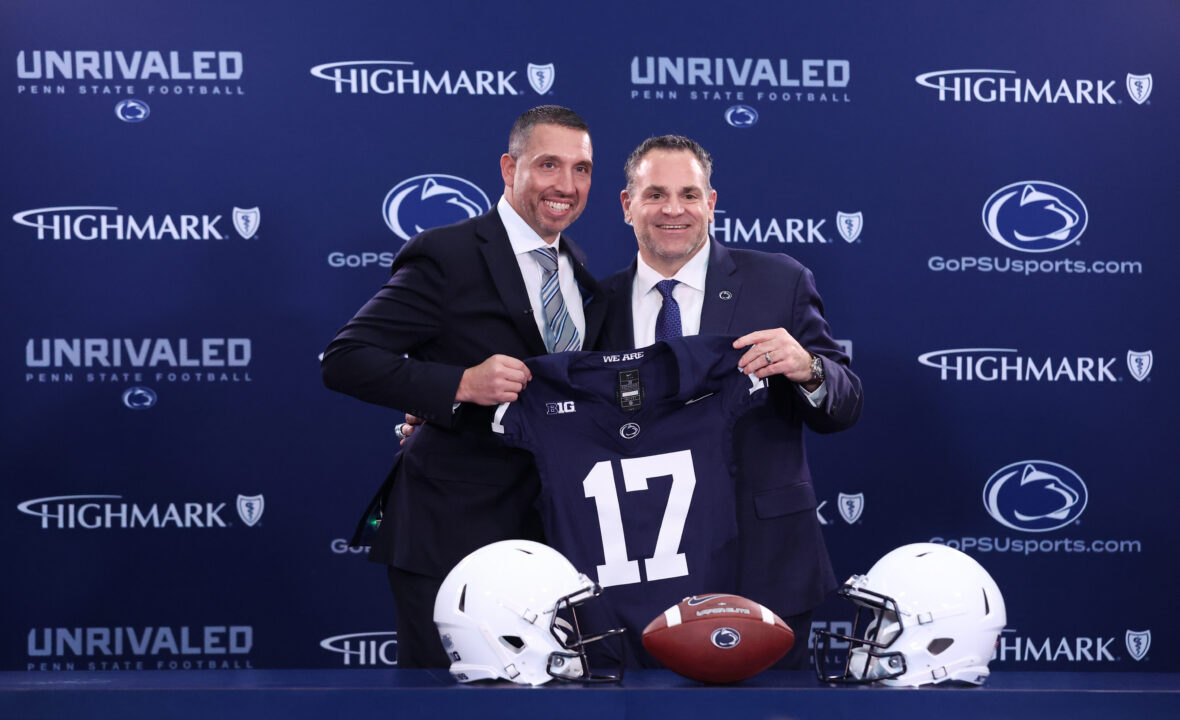
Penn State’s approach introduced a different model for coaching transitions. Decommitments once signaled long-term damage. Campbell’s results suggested they can be temporary disruptions. Visible system installation during spring practice created immediate proof for recruits. Retaining the existing roster preserved stability. Together, those elements accelerated recovery into a single offseason window. Other Big Ten programs began paying attention. Spring practice now carries dual purpose as preparation and recruitment. That shift changes how programs present themselves, and it may redefine expectations for how quickly a rebuild can take hold.
Momentum Faces Its First Test
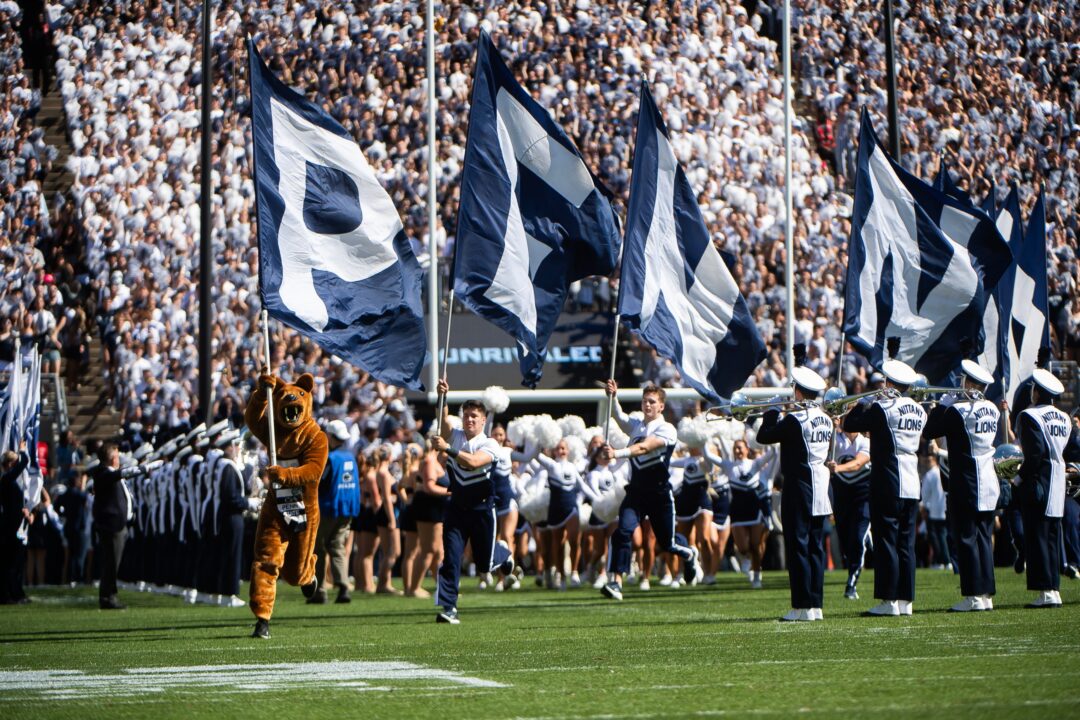
Penn State’s 2027 class continued climbing, but sustainability remained uncertain. A finish inside the top 15 would elevate Campbell’s recruiting reputation immediately. A stall near current rankings would raise concerns about long-term traction. Elite in-state players had already shown they could leave under the right conditions. Competing programs could respond by scheduling earlier visits and showcasing systems more aggressively. The advantage Penn State built may not last long if others adapt quickly, and the next few months will reveal how durable this early surge truly is.
The Foundation Behind The Rankings
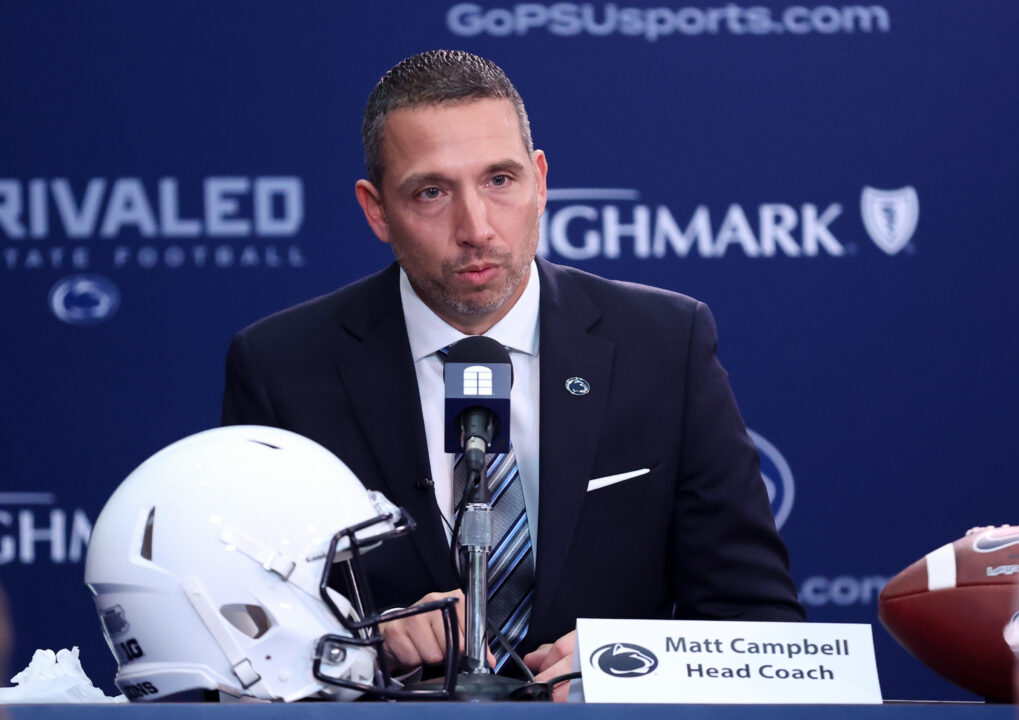
Recruiting rankings reflect more than star power. They depend on stability during chaotic periods. Penn State’s rise came from controlled positioning while others shifted. The real story centered on retained players, new systems installed under pressure, and practices that doubled as recruiting events. Campbell rebuilt momentum quickly because the foundation held firm. The class remains unfinished, but the structure supporting it is already in place. That balance between stability and growth now defines the program’s direction, and its long-term impact will become clearer as the cycle continues.
If you enjoyed this article please like and follow us here on MSN! Thank you for reading and have a great day!
Sources:
Penn State’s 2027 Recruiting Class Climbs the National Rankings. SI.com, April 11, 2026
Penn State Loses Entire 2027 Recruiting Class After James Franklin’s Firing. StateCollege.com, October 11, 2025
Kemon Spell, ESPN’s No. 1 RB in 2027, Commits to Georgia. ESPN, February 1, 2026
Former Penn State Football Running Back Commit Kemon Spell Commits to Georgia. OnwardState, February 2, 2026
How Penn State Is Reacting to the Recruiting Fallout After Firing James Franklin. SI.com, October 14, 2025
Penn State Hires Iowa State’s Matt Campbell to 8-Year Deal. ESPN, December 5, 2025
Penn State Roster Overhaul Continues as Portal Gets Set to Close. Yahoo Sports, January 15, 2026