
Netflix is targeting the NFL’s most valuable broadcast, the regular-season opener, but a 1961 federal law still blocks streaming platforms from bidding for it. Despite proving its live capabilities with Christmas Day games in 2024 and 2025, the company cannot legally compete for the September kickoff, currently locked under NBC’s $2.1 billion annual deal through 2030. The NFL is exploring new packages for 2026, drawing interest from Netflix and others, yet the biggest prize remains restricted. As bidding intensifies and regulators step in, the battle over who controls football’s biggest stage is only beginning.
NBC’s $2.1 Billion Lock On Opening Night
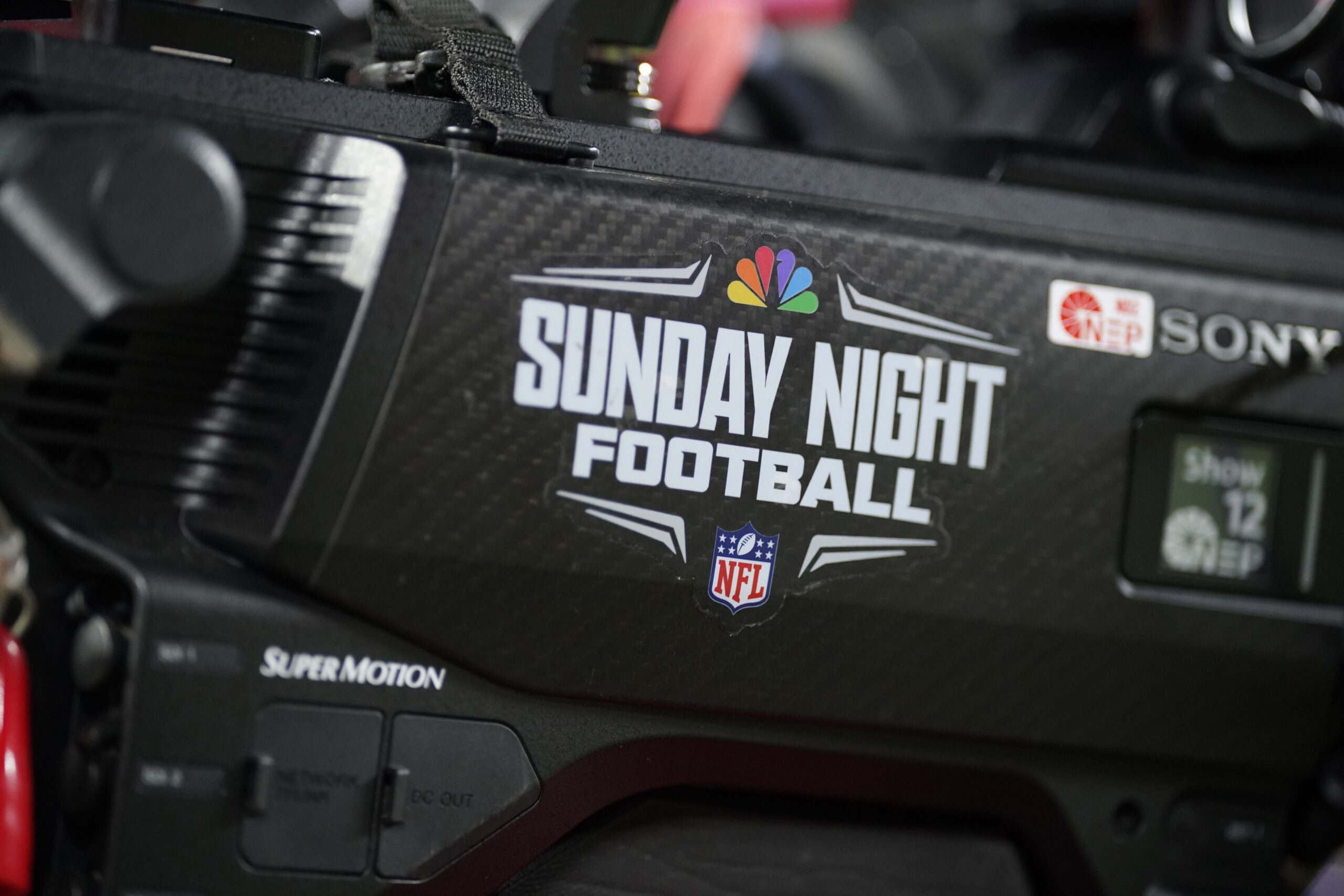
Dec 7, 2025; Kansas City, Missouri, USA; A Sunday Night Football camera is seen during the second quarter of the game between the against the Houston Texans and the Kansas City Chiefs at GEHA Field at Arrowhead Stadium. Mandatory Credit: Denny Medley-Imagn Images
NBC controls the season opener through its Sunday Night Football deal, paying about $2.1 billion annually through at least 2030. That contract sits within the NFL’s broader 11-year, $110 billion domestic media agreements signed in 2021. Yet the league is already testing new territory by shopping a five-game package for 2026, including a Week 1 Australia game and standalone holiday matchups. Netflix, YouTube, and Fox are bidding aggressively. Even with NBC’s grip on opening night, cracks are forming elsewhere, hinting that control over premium games may not remain so stable.
A 1961 Law Still Dictates Who Can Broadcast
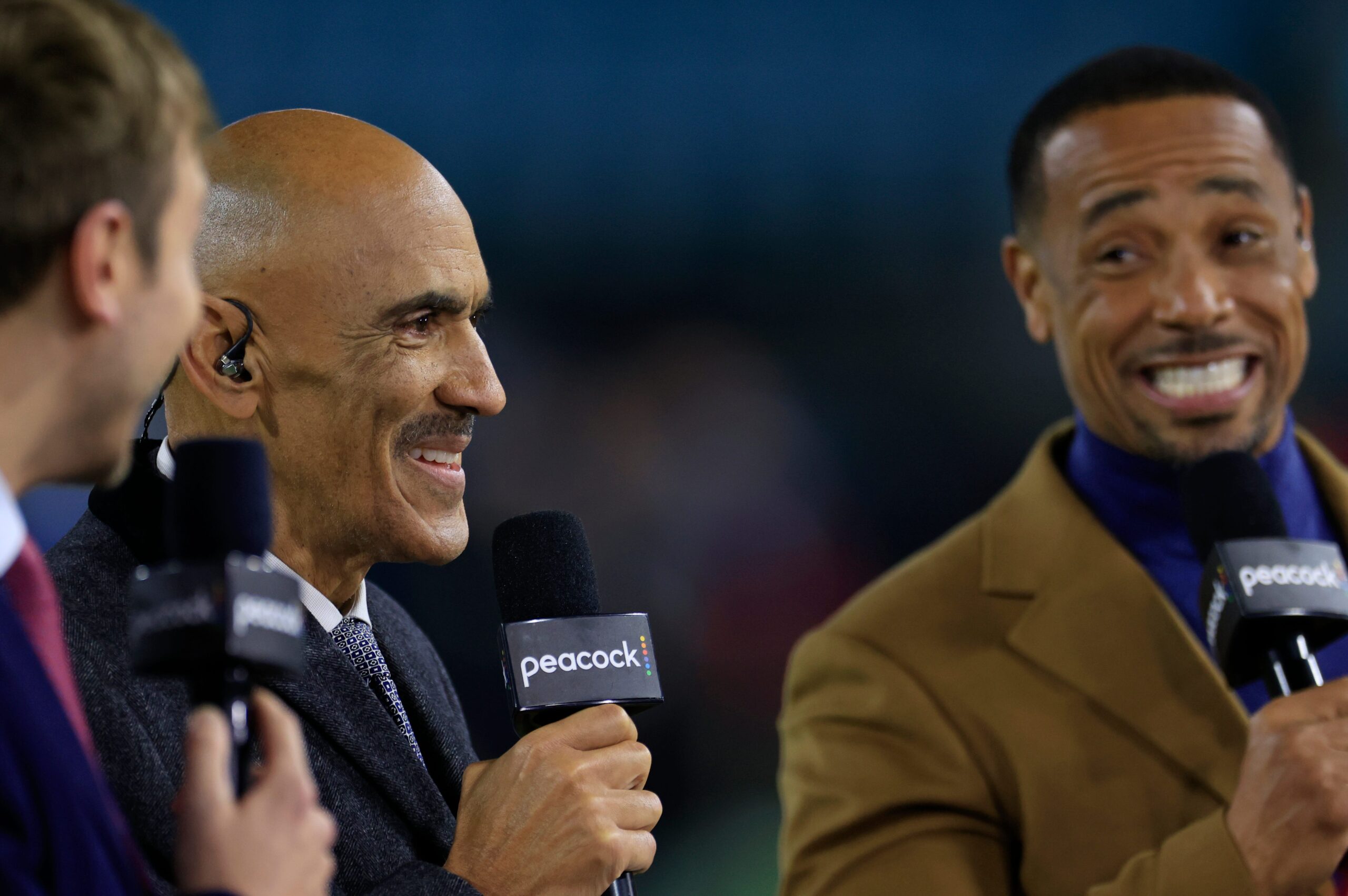
Commentators, from left, Jac Collinsworth, Tony Dungy and Rodney Harrison talk on-air for NBC/Peacock Sunday Night Football after the game of a regular season NFL football matchup Sunday, Dec. 17, 2023 at EverBank Stadium in Jacksonville, Fla. The Baltimore Ravens defeated the Jacksonville Jaguars 23-7. [Corey Perrine/Florida Times-Union]-Imagn Images
NBC’s hold on the opener traces back to the Sports Broadcasting Act of 1961, which grants antitrust protection only to broadcast television networks. That exemption allows leagues like the NFL to bundle rights deals without violating competition laws, but only within traditional broadcast limits. Streaming platforms, cable, and satellite fall outside that protection. Even if Netflix offered more money tomorrow, the law blocks access. A regulation written decades before digital media now decides who airs the NFL’s biggest September game, shaping a market that has otherwise transformed completely.
NBC Faces Mounting Financial Pressure
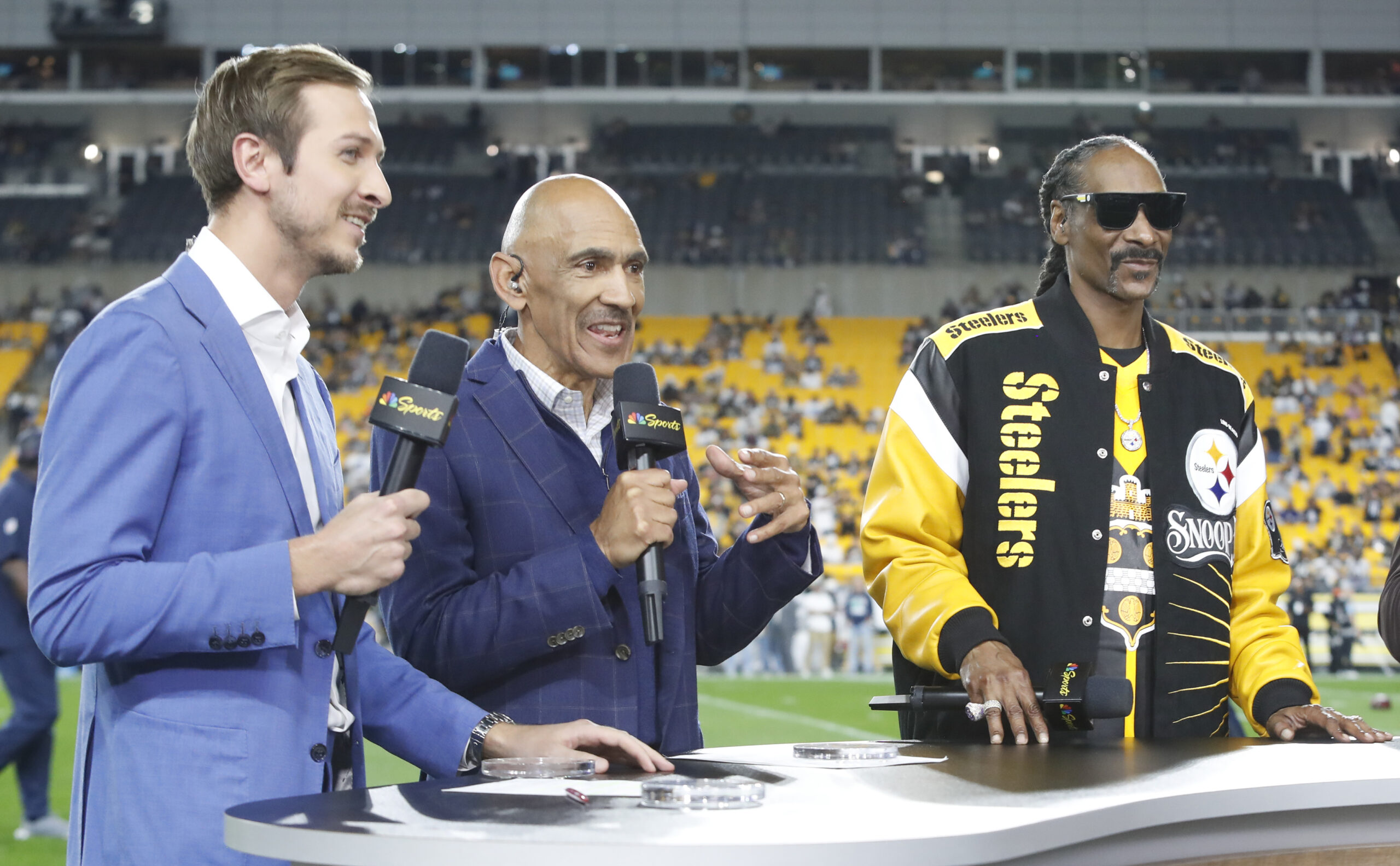
Oct 6, 2024; Pittsburgh, Pennsylvania, USA; NBC Sunday Night Football personalities Jac Collinsworth (left) and Tony Dungy (middle) are joined by recording artist Snoop Dogg (right) on the set before the Pittsburgh Steelers host the Dallas Cowboys at Acrisure Stadium. Mandatory Credit: Charles LeClaire-Imagn Images
Media analyst Michael Nathanson warned, “Look at what NBC is paying for the NBA… So, to me, the NBC Sunday night game is probably the most at risk.” NBC’s expanding commitments include NBA and baseball rights, tightening its financial flexibility. A projected 50 to 60% increase in NFL costs could push its annual bill near $3.15 billion. Meanwhile, Netflix operates without competing sports contracts draining resources. The contrast is stark. One company is balancing multiple obligations, while the other waits with cash ready, raising questions about who can sustain the next bidding cycle.
Netflix Already Proved It Can Deliver
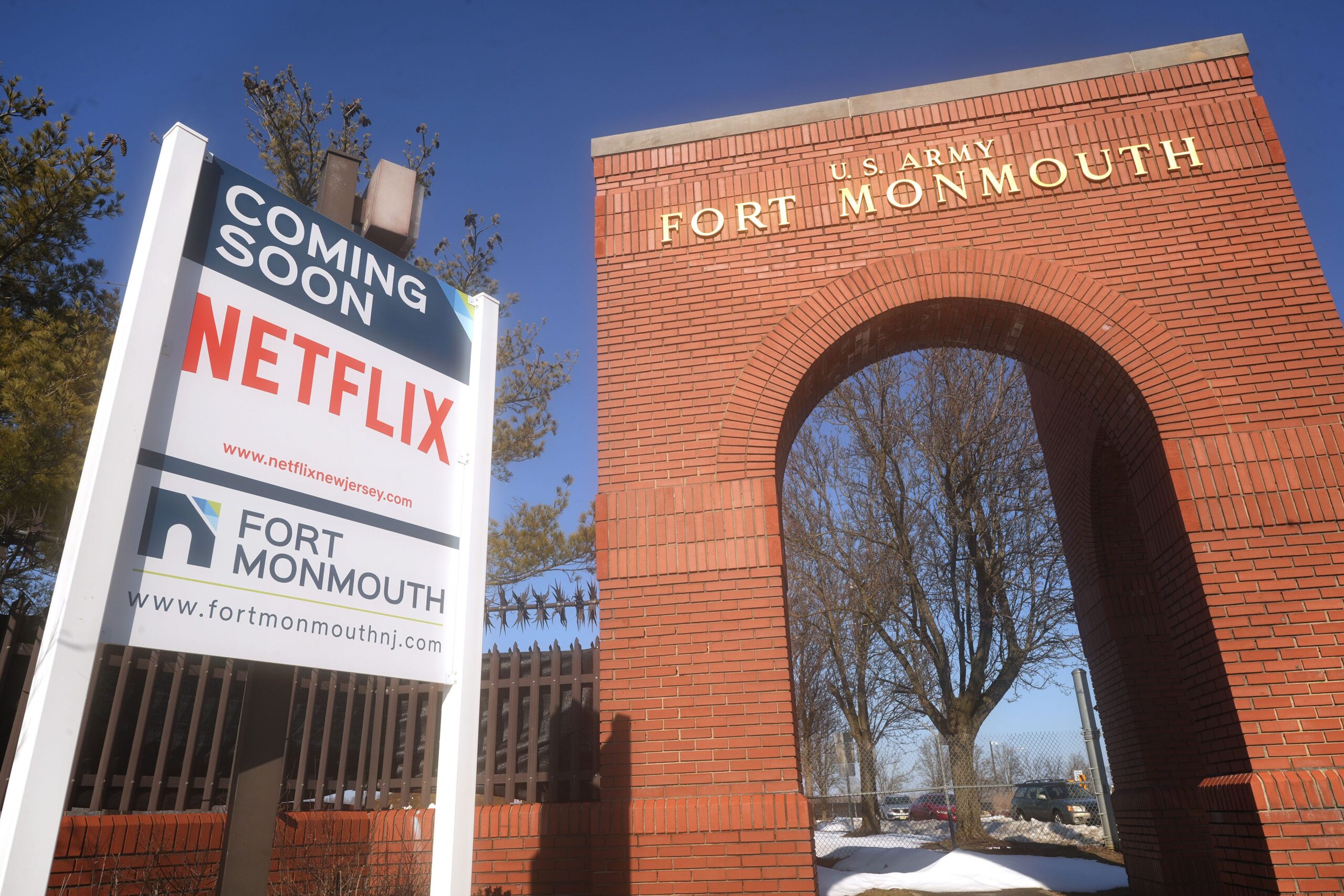
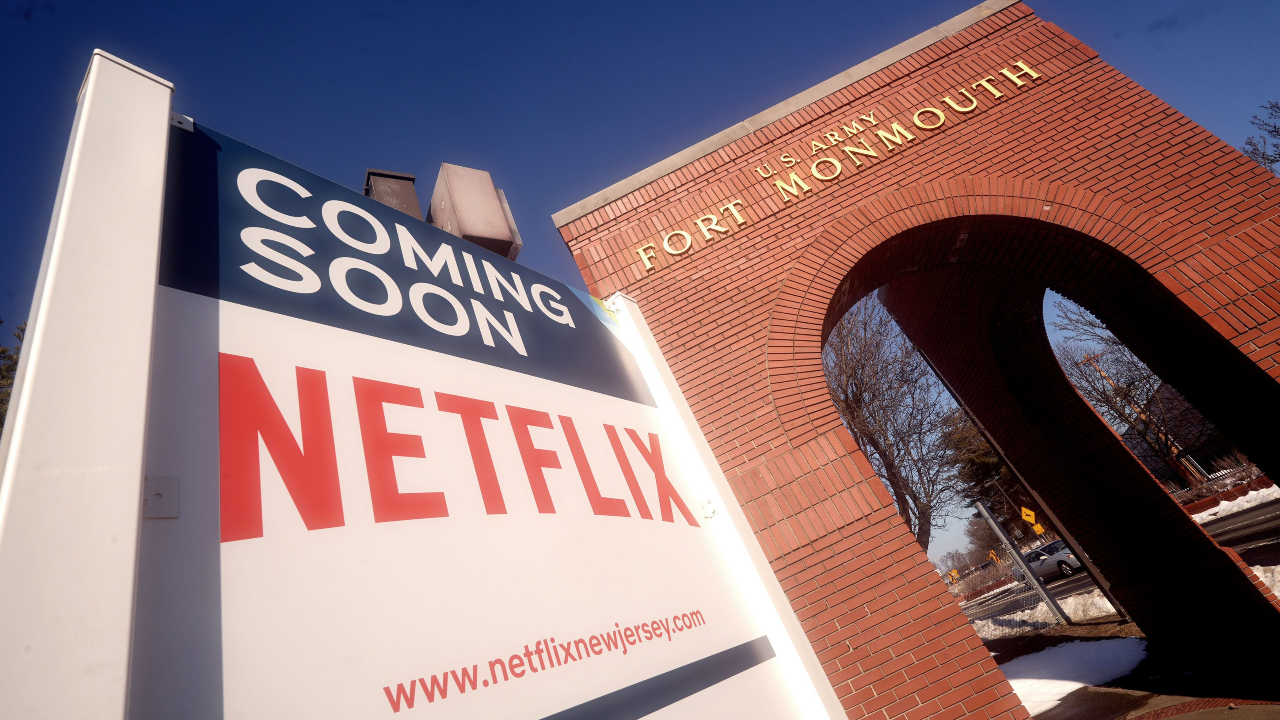
A Netflix sign sits next to the Fort Monmouth gate along Route 35 and the Avenue of Memories in Eatontown Friday, February 27, 2026.-Imagn Images
Netflix demonstrated live sports capability with NFL Christmas games in 2024 and 2025, marking a turning point in perception. The company followed by hiring ESPN anchor Elle Duncan, signaling a move toward full-scale sports production. Streaming audiences for recent Thursday Night Football and Wild Card games have surpassed comparable broadcast numbers from three years earlier. That shift challenges long-held assumptions about reach and reliability. With infrastructure now in place, Netflix is not experimenting anymore. It is positioning itself for larger opportunities that suddenly look far more attainable.
Fans Now Pay More Than Ever Before
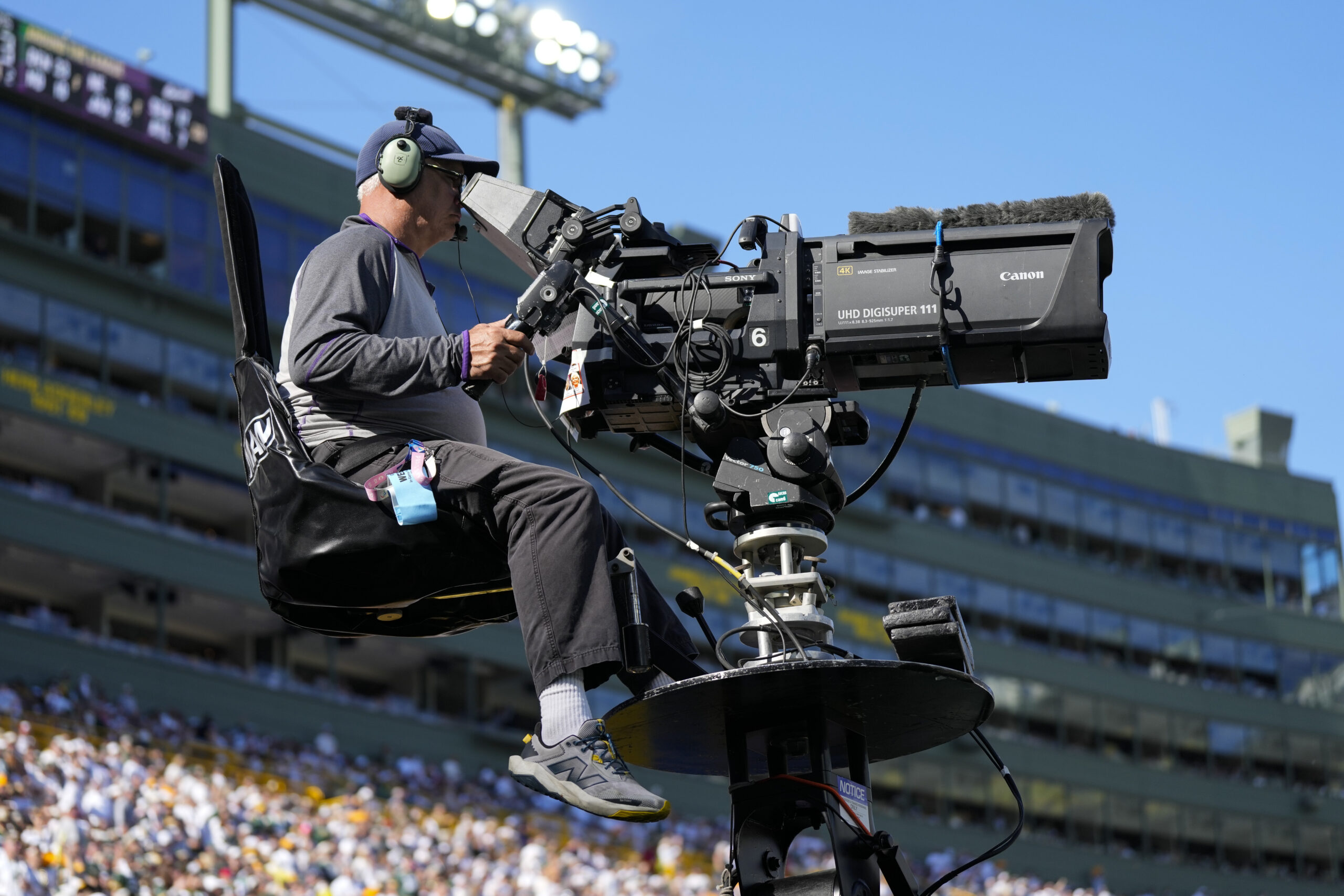
Oct 20, 2024; Green Bay, Wisconsin, USA; General view of a television camera operator during the game between the Houston Texans and Green Bay Packers at Lambeau Field. Mandatory Credit: Jeff Hanisch-Imagn Images
Accessing every NFL game has become increasingly expensive, with total annual costs exceeding $1,500 across platforms like YouTube TV, Amazon Prime, Netflix, Peacock, and ESPN+. The FCC opened a public comment period and received more than 8,000 responses addressing affordability concerns. Viewers once relied on a single subscription model. Now, they navigate multiple services to follow the same league. Revenue continues to rise for broadcasters and platforms, but accessibility declines for fans. The growing divide between cost and convenience is becoming harder to ignore.
Government Scrutiny Enters the Picture
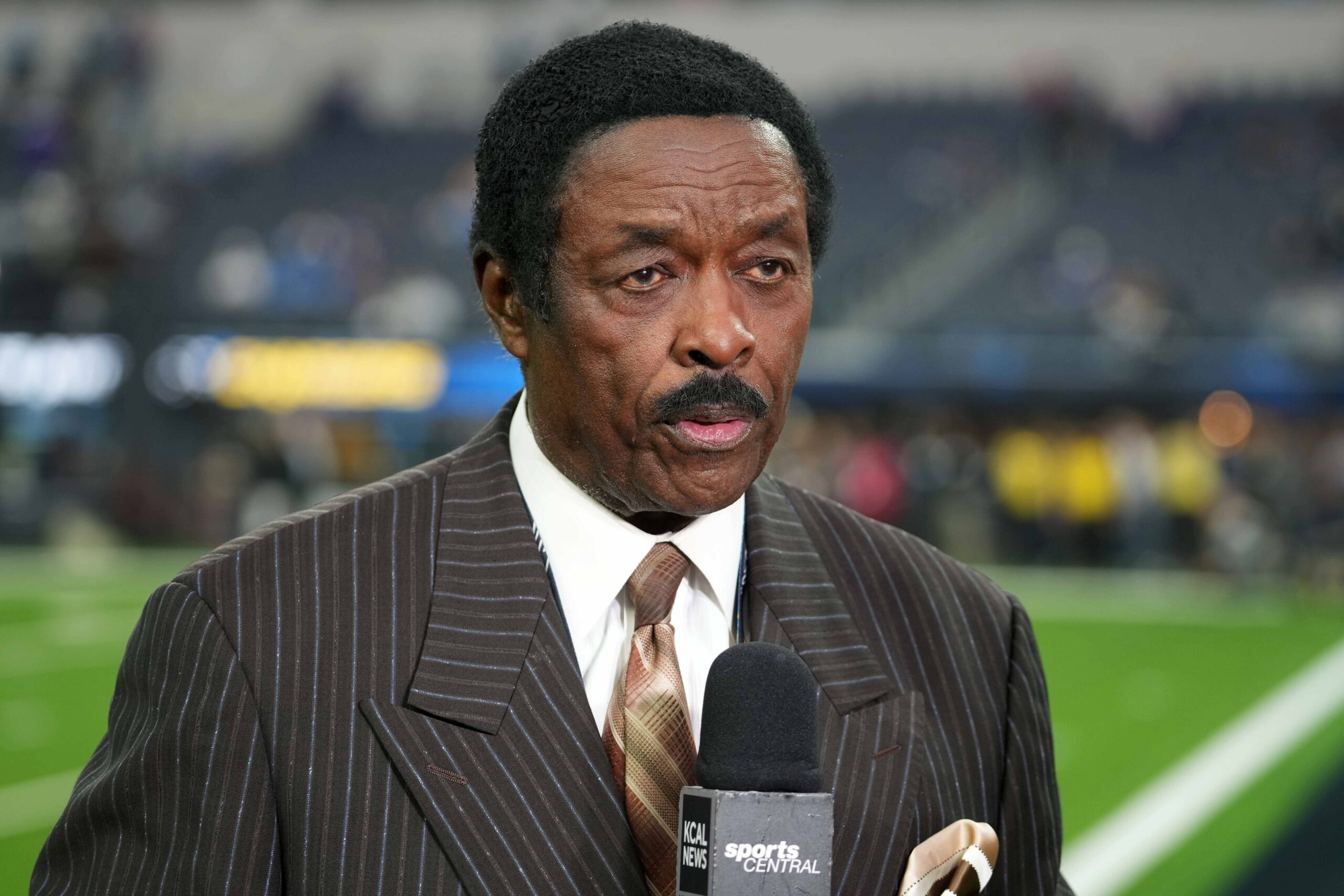
Nov 25, 2024; Inglewood, California, USA; KCAL/KCBS television sports director Jim Hill during the game between the Baltimore Ravens and the Los Angeles Chargers at SoFi Stadium. Mandatory Credit: Kirby Lee-Imagn Images
The Justice Department has launched an antitrust investigation into the NFL’s distribution practices, while the FCC reviews public concerns about pricing and access. A government official stated, “This is about affordability and creating an even playing field for providers.” These developments mark rare simultaneous scrutiny during an active media rights cycle. The situation places pressure on both the league and its partners. Regulatory attention could influence future negotiations, especially as streaming platforms push for greater inclusion in deals historically reserved for broadcast networks.
Netflix Follows A Familiar Playbook
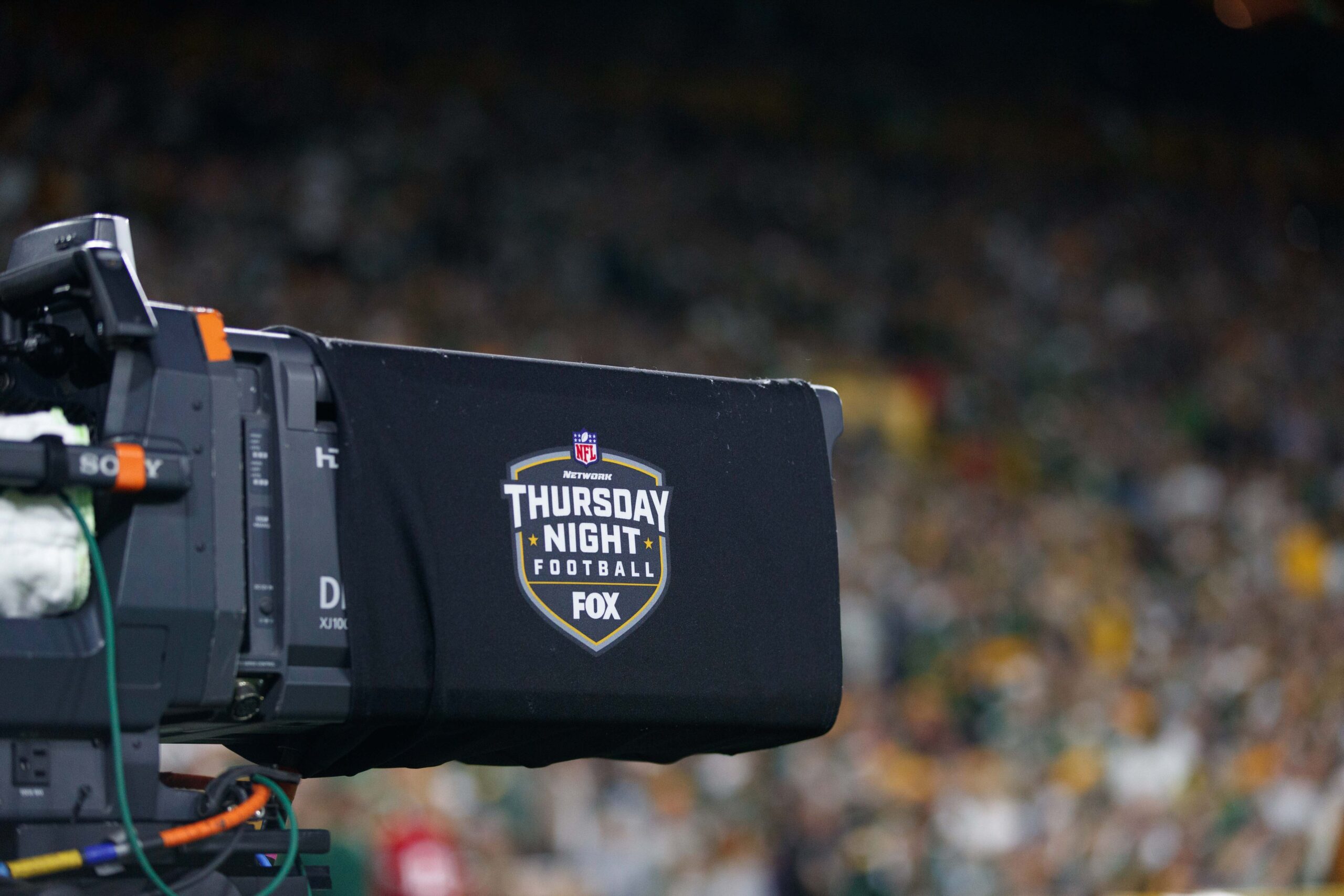
Sep 26, 2019; Green Bay, WI, USA; A FOX TV camera during the game between the Philadelphia Eagles and Green Bay Packers at Lambeau Field. Mandatory Credit: Jeff Hanisch-Imagn Images
In 1993, Fox paid $1.6 billion for NFC rights, transforming itself into a major broadcaster. Netflix’s current strategy echoes that approach, targeting premium NFL inventory to establish long-term credibility. The goal extends beyond short-term viewership. Securing even one high-profile game could redefine expectations around where marquee sports events belong. The difference lies in scale and timing. Fox expanded within broadcast television. Netflix is attempting to shift the center of gravity entirely toward streaming, setting the stage for a different kind of industry transformation.
The Broadcast Model Begins To Shift
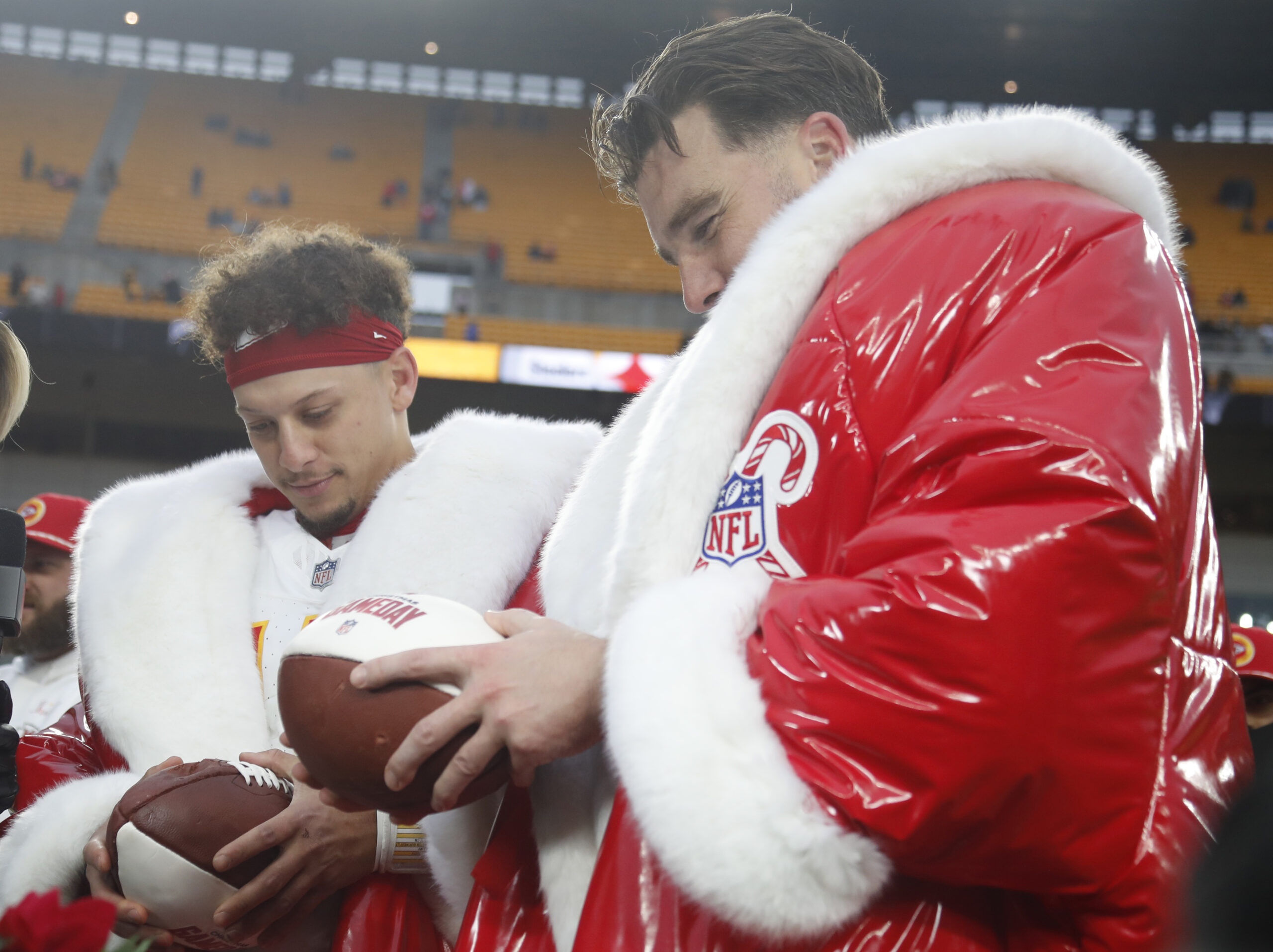
Dec 25, 2024; Pittsburgh, Pennsylvania, USA; Kansas City Chiefs quarterback Patrick Mahomes (left) and tight end Travis Kelce (right) open their Netflix Christmas GameDay cake after the Chiefs defeated the Pittsburgh Steelers at Acrisure Stadium. Mandatory Credit: Charles LeClaire-Imagn Images
Recent moves signal a steady transition. Amazon secured Thursday Night Football in 2022. Netflix added Christmas games soon after. The 2026 season opener will shift to Wednesday due to an international matchup in Australia. Each change reflects a broader pattern rather than isolated decisions. Traditional networks still hold major rights, but the balance is evolving. Analysts expect at least one more major sports league to place a marquee event on streaming within the next 2 years. The structure that once seemed permanent is showing signs of gradual change.
The Waiting Game Could Decide Everything
Evert Nelson/The Capital-Journal / USA TODAY NETWORK – Imagn Images
Netflix’s path to the NFL opener depends on timing. The current deal includes an opt-out clause in 2029, with full expiration in 2030. Ongoing investigations and market pressure could accelerate changes before then. Broadcast networks have options, including expanding their own streaming services, but financial constraints may limit those efforts. Netflix does not need immediate access. It needs the right moment. As contracts approach renewal and regulations face scrutiny, the balance of power could shift quickly, leaving one question hanging over the future of football’s biggest stage.
Sources:
YouTube, Netflix, Fox Are in Play for Special Five-Game 2026 Package. NBC Sports ProFootballTalk, April 10, 2026
DOJ Opens Antitrust Investigation of NFL Over TV Deals. ESPN, April 8, 2026
New NFL Rights Deals Could Approach $16 Billion Annually. Awful Announcing, April 2, 2026
NFL Fans Erupt Over Report That NBC Is at Greatest Risk of Losing Sunday Night Football. Yahoo Sports, April 14, 2026
Netflix Hires ESPN’s Elle Duncan as Its First Sports Anchor. Variety, December 18, 2025
NFL & Fox: The $1.6B Deal That Changed Everything. Read Trung, January 29, 2026
FCC Seeks Public Comment as Live Sports Shift from Broadcast TV to Streaming. Associated Press, February 25, 2026