
A college quarterback with a roughly $5 million NIL deal is fighting for the right to play football again. Brendan Sorsby had already completed a 35-day inpatient rehab program for gambling addiction at the Algamus facility in Goodyear, Arizona. He’d sought treatment voluntarily. And the NCAA’s answer, after reviewing his case, was to deny his application for reinstatement on Tuesday — putting his remaining eligibility in serious jeopardy. Across Jets circles, that ruling became must-watch television for entirely different reasons.
The $5 Bets Behind a $5 Million Crisis
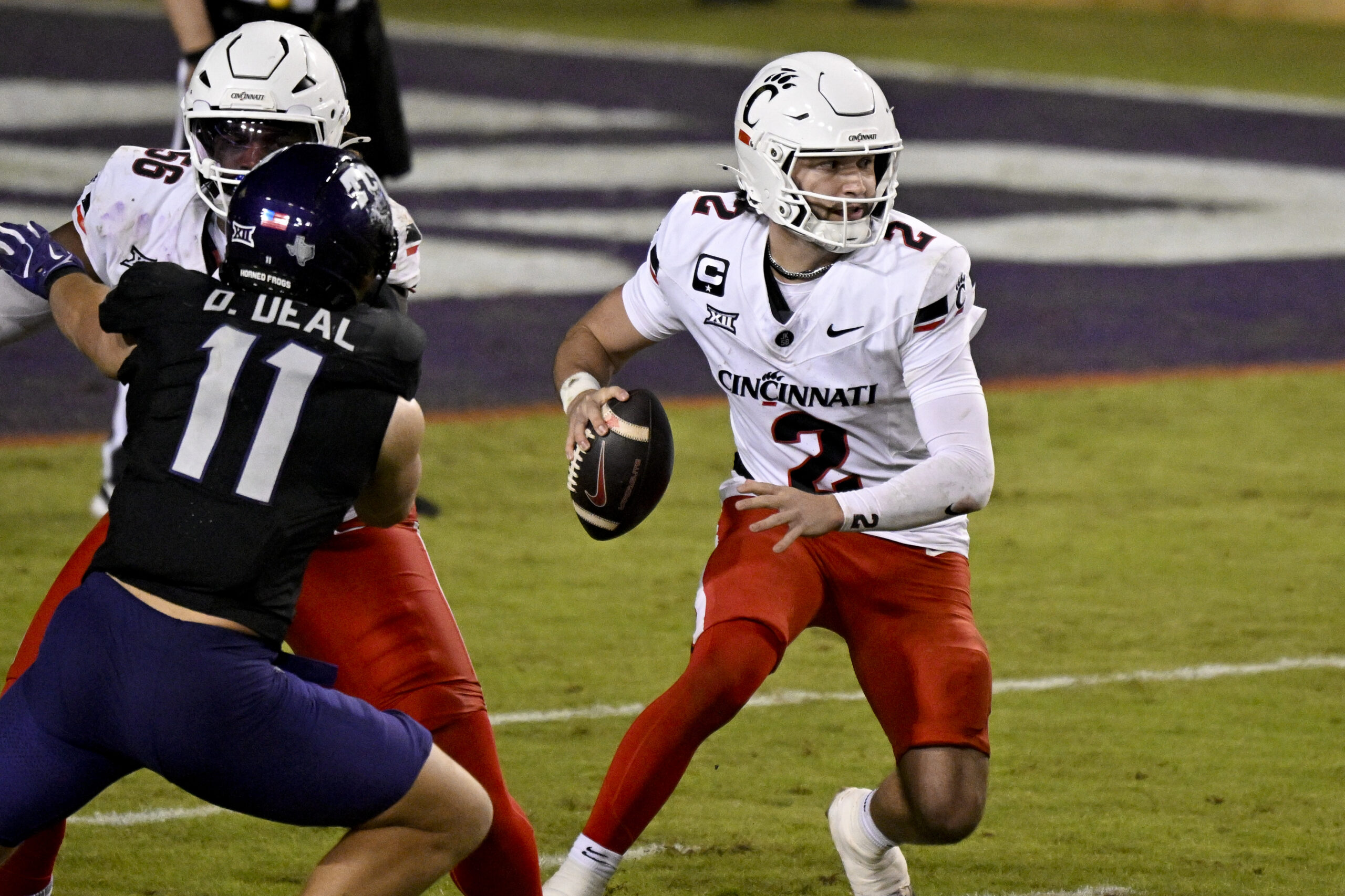
Nov 29, 2025; Fort Worth, Texas, USA; Cincinnati Bearcats quarterback Brendan Sorsby (2) runs with the ball during the second half against the TCU Horned Frogs at Amon G. Carter Stadium. Mandatory Credit: Jerome Miron-Imagn Images
The wagers that imperiled Sorsby’s college career trace back to Indiana, where he was on the roster in 2022. Reporting describes a betting history of thousands of online wagers dating to his time with the Hoosiers. His legal team frames the small-stakes betting as the behavior of a young player rather than someone manipulating outcomes. By the time the NCAA caught up, his betting history spanned thousands of wagers across multiple sports.
A Rule With No Room
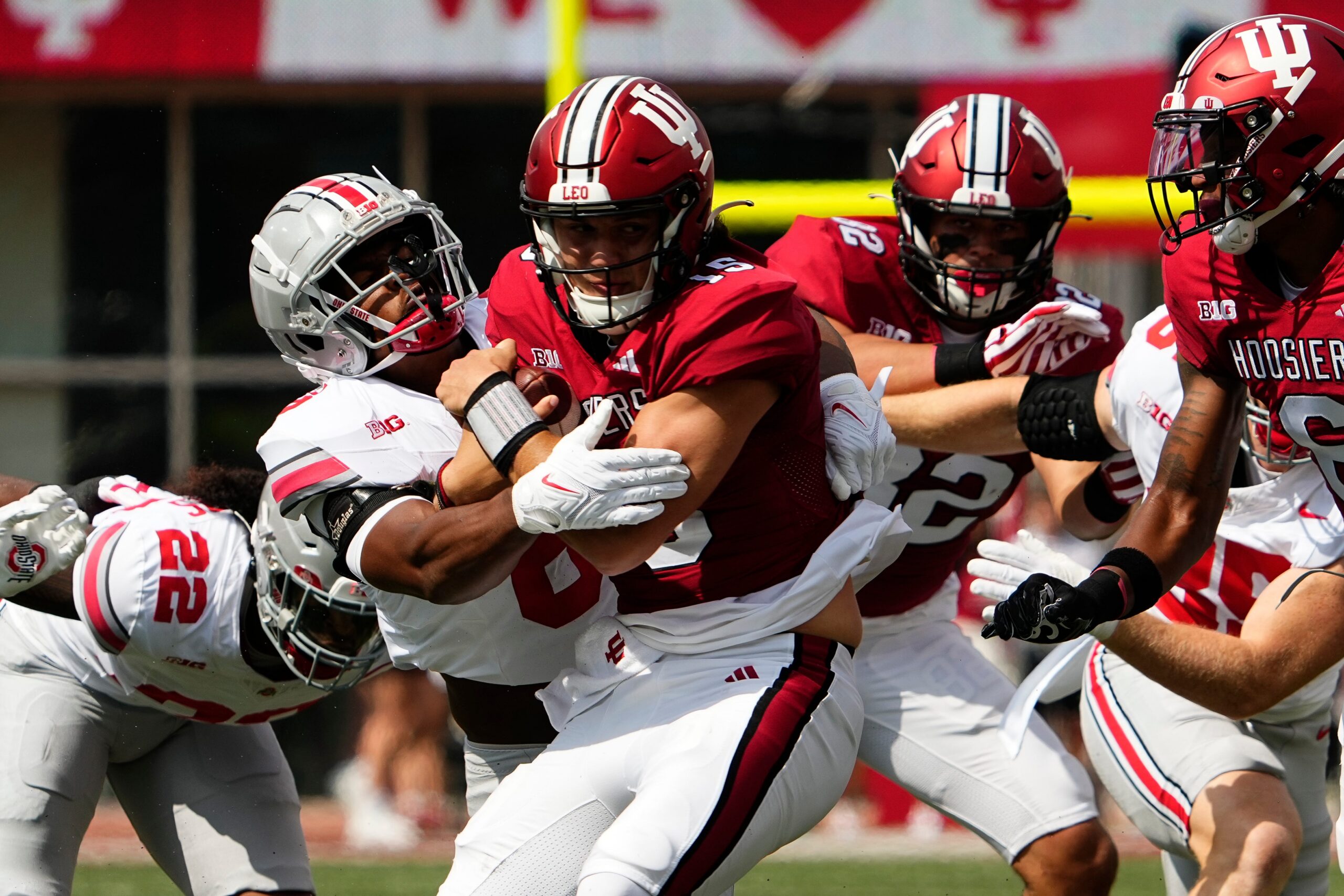
Sep 2, 2023; Bloomington, Indiana, USA; Ohio State Buckeyes safety Sonny Styles (6) tackles Indiana Hoosiers quarterback Brendan Sorsby (15) during the first half of the NCAA football game at Indiana University Memorial Stadium.
NCAA guidelines tightened in recent years are blunt: student-athletes who wager on their own school’s sports face permanent loss of collegiate eligibility in all sports. The framework draws no distinction between betting for your team or against it. There is no automatic carve-out for a clinically recognized gambling disorder. The NCAA has applied permanent bans in other recent cases, including players at Fresno State and San Jose State. The rule, critics argue, treats a gambling-addicted player much like someone fixing outcomes.
Weaponizing Recovery
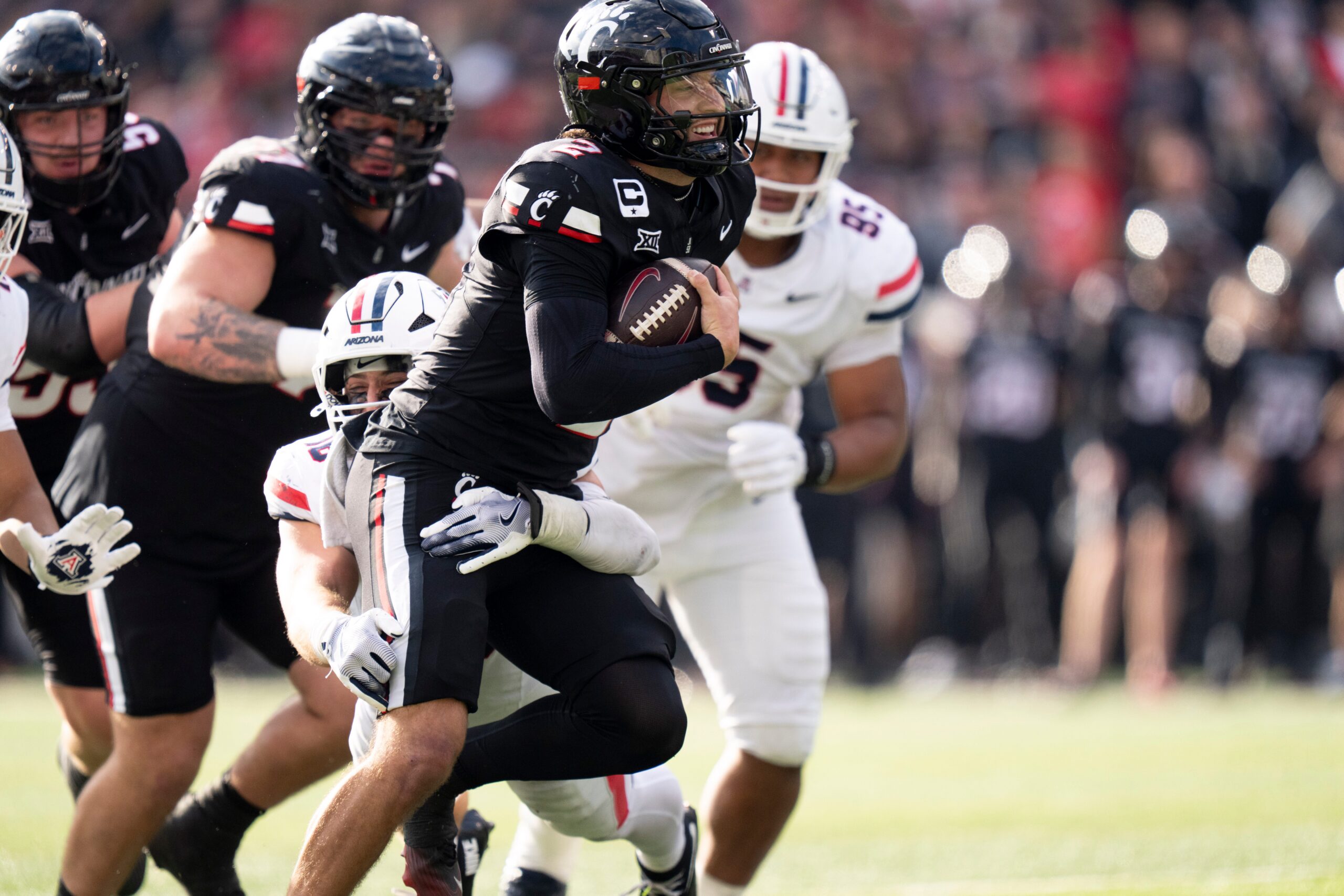
Cincinnati Bearcats quarterback Brendan Sorsby (2) is tackled by Arizona Wildcats linebacker Riley Wilson (16) in the third quarter of the NCAA football game at Nippert Stadium in Cincinnati on Nov. 15, 2025.
Sorsby voluntarily entered rehab before the NCAA denied reinstatement. His legal team, led by antitrust attorney Jeffrey Kessler, filed suit on May 18, arguing the NCAA “weaponized his condition to shore up a facade of competitive integrity.” Thousands of wagers. No public evidence of game manipulation. A completed rehab program. And a denial of reinstatement anyway. His lawyers contend the system punished the symptom and ignored the disease. That’s the argument that turns this from a pure gambling story into a mental health case dressed in a football jersey.
The System Eating Its Own
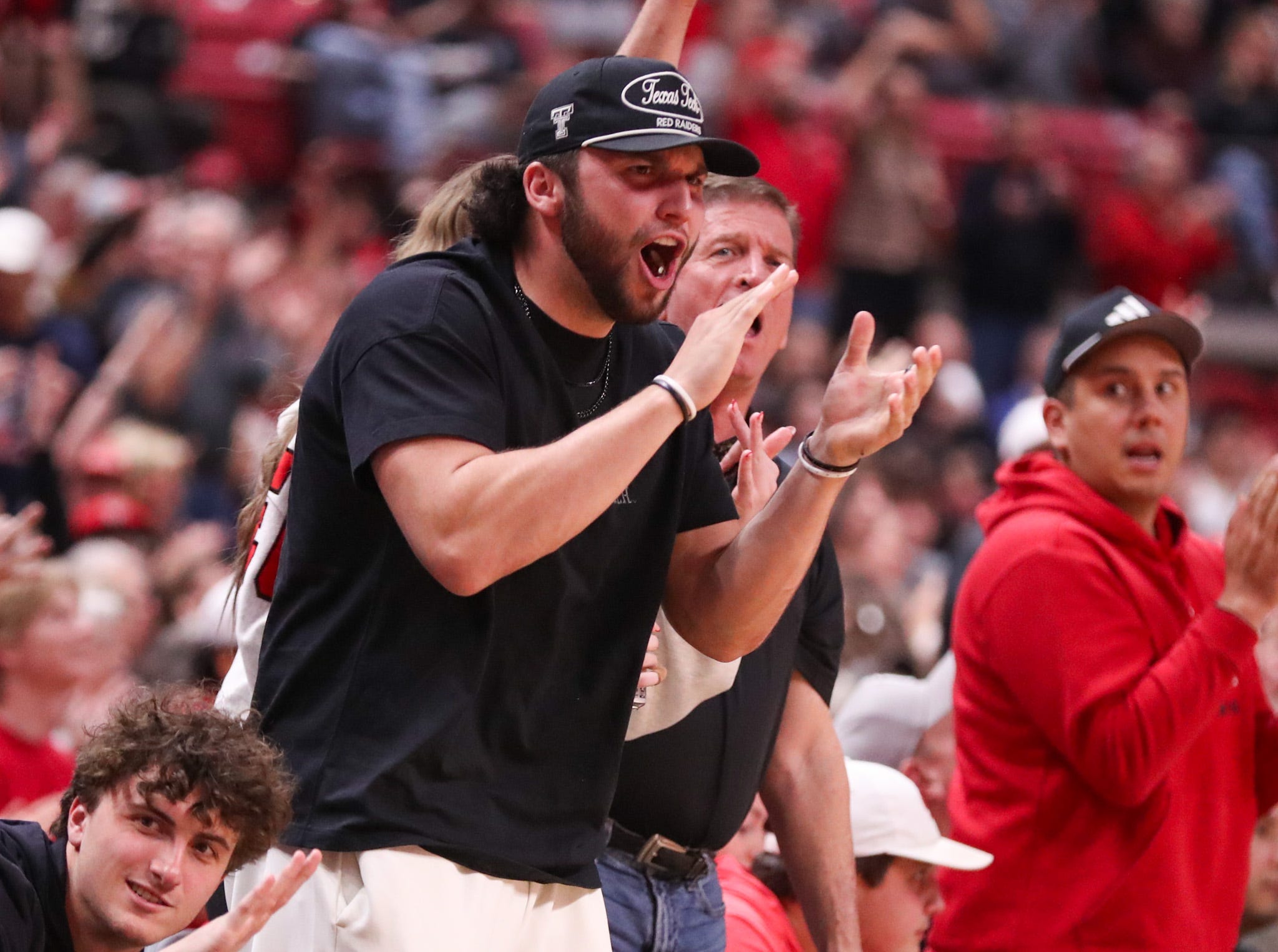
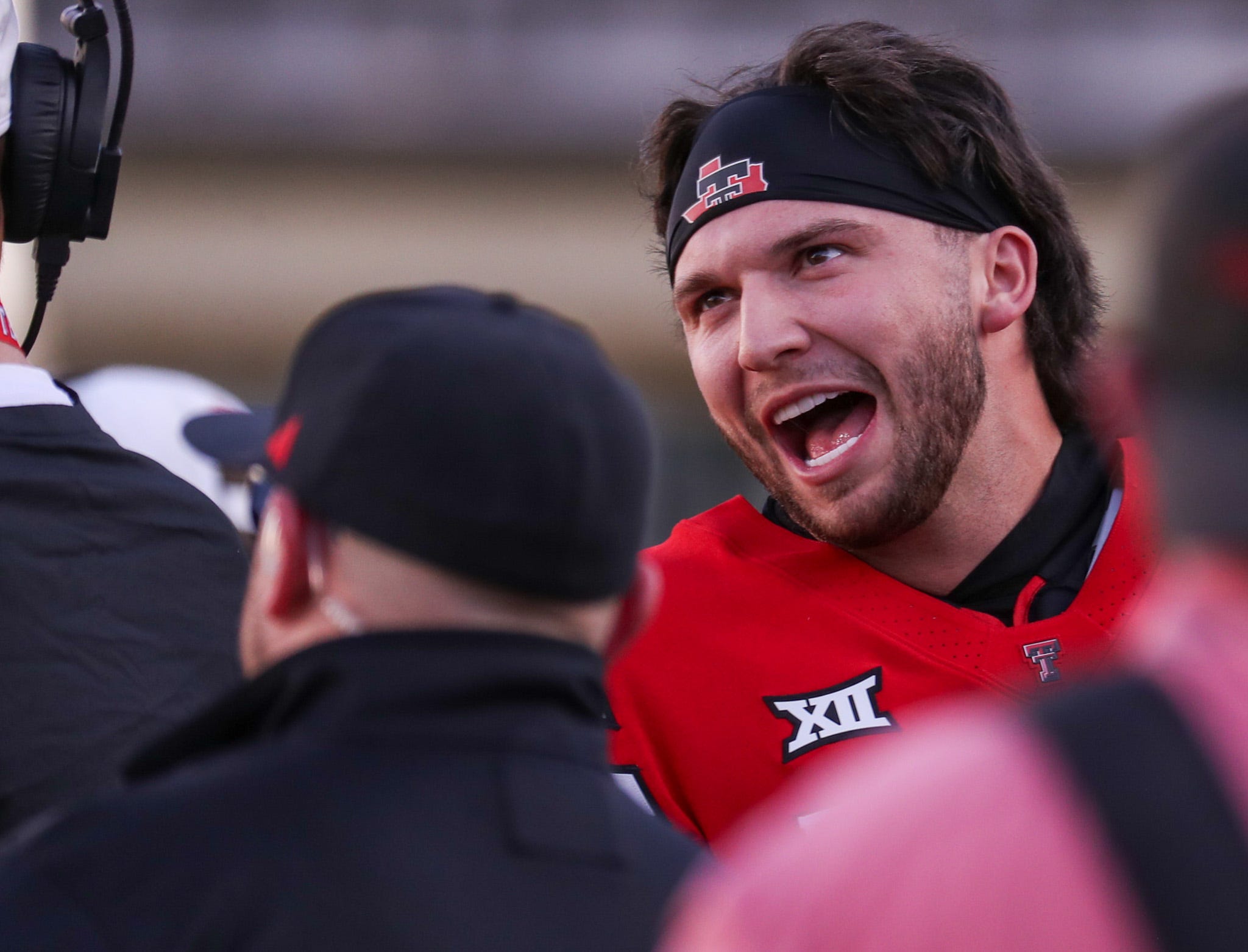
Texas Tech football player Brendan Sorsby reacts to a play during a Big 12 Conference men’s basketball game, Tuesday, Feb. 24, 2026, in United Supermarkets Arena.
The NCAA operates inside a sports landscape now saturated with legalized betting, even as it permanently bans athletes for wagering. Sorsby’s complaint frames this as a contradiction the association should not be able to defend in court. A player placed bets, sought treatment, completed it, and still faces a ban. Meanwhile, the broader industry profiting from legalized gambling invokes “competitive integrity.” Kessler built the landmark House v. NCAA antitrust case. This time, he’s aiming at the enforcement apparatus itself.
The Numbers That Reframe Everything
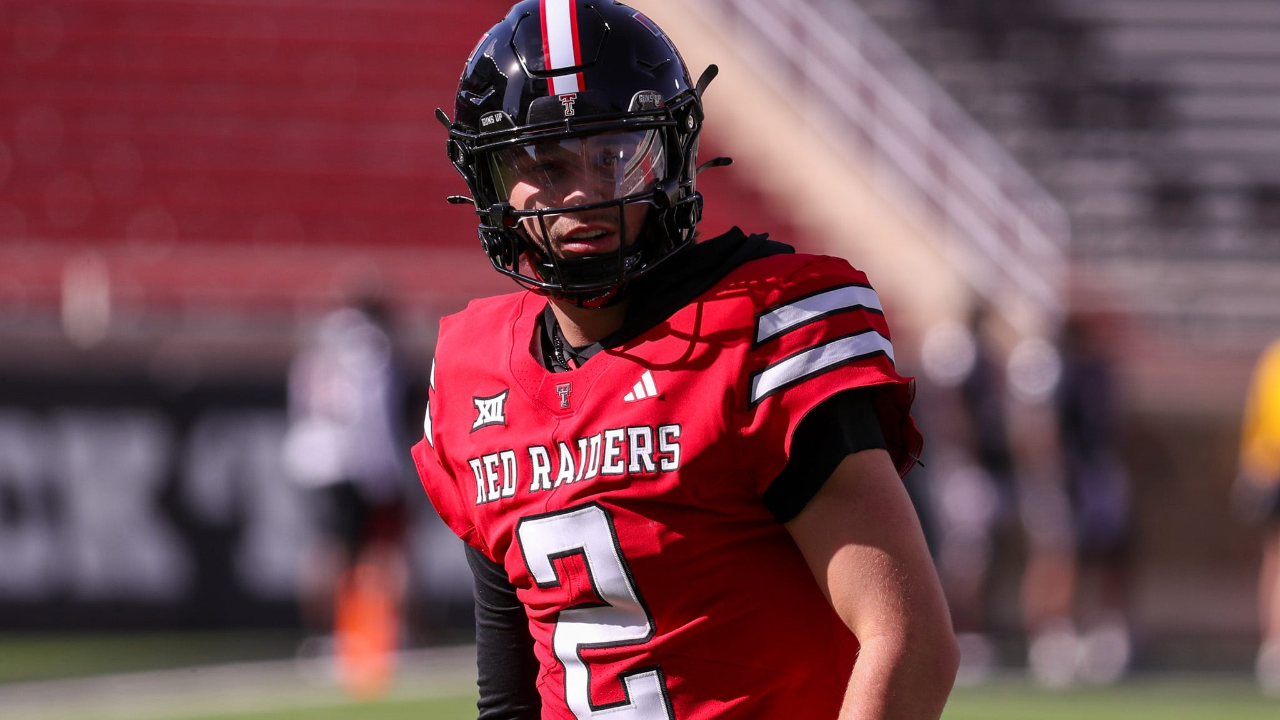
Texas Tech’s Brendan Sorsby talks to coaches during the spring football game, Friday, April 17, 2026, at Jones AT&T Stadium.
Thousands of wagers dating back to 2022, across multiple sports. The volume, his side argues, points to addiction rather than corruption. Texas Tech signed him to an NIL deal reported at roughly $5 million — figures have ranged from about $4 million to nearly $6 million — believed to be among the most lucrative contracts in college football history. That deal, and his eligibility, now hang on a fast-moving legal fight. The most valuable NIL contract in the sport is suddenly at risk over a gambling violation.
Five Teams, One Deadline
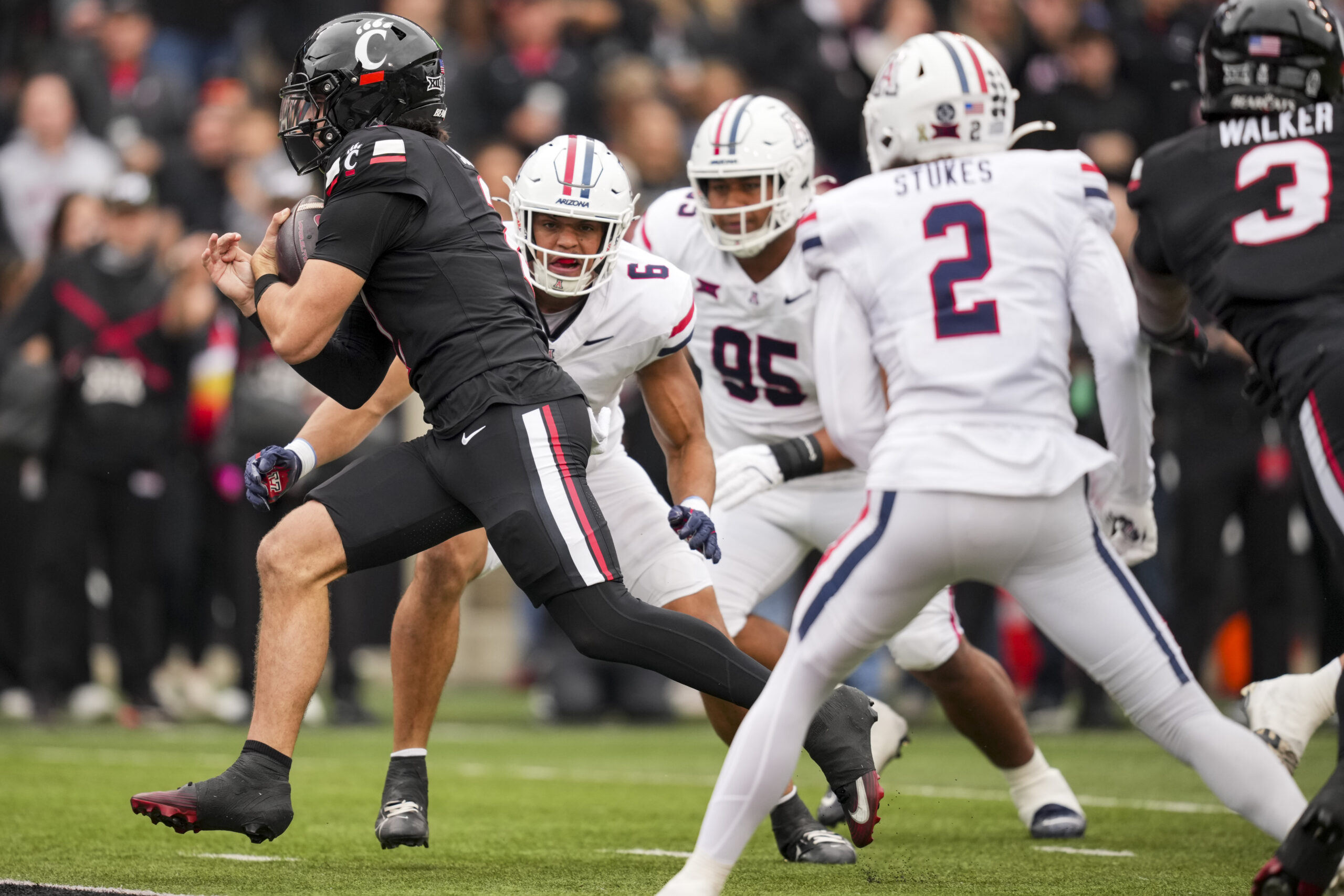
Nov 15, 2025; Cincinnati, Ohio, USA; Cincinnati Bearcats quarterback Brendan Sorsby (2) carries the ball for a touchdown against the Arizona Wildcats in the first half at Nippert Stadium. Mandatory Credit: Aaron Doster-Imagn Images
With his college eligibility in doubt, the supplemental draft has emerged as the most realistic remaining door to the 2026 season. Multiple NFL teams have been floated as potential bidders, with the Jets among the names raised and the Browns reportedly doing due diligence. Sorsby’s legal team is seeking a resolution to his eligibility case by June 15, a week ahead of the June 22 declaration deadline for the NFL supplemental draft. Texas Tech, for its part, is set to appeal the NCAA’s decision. NIL collectives across the country are already recalculating risk.
The Precedent Nobody Can Ignore
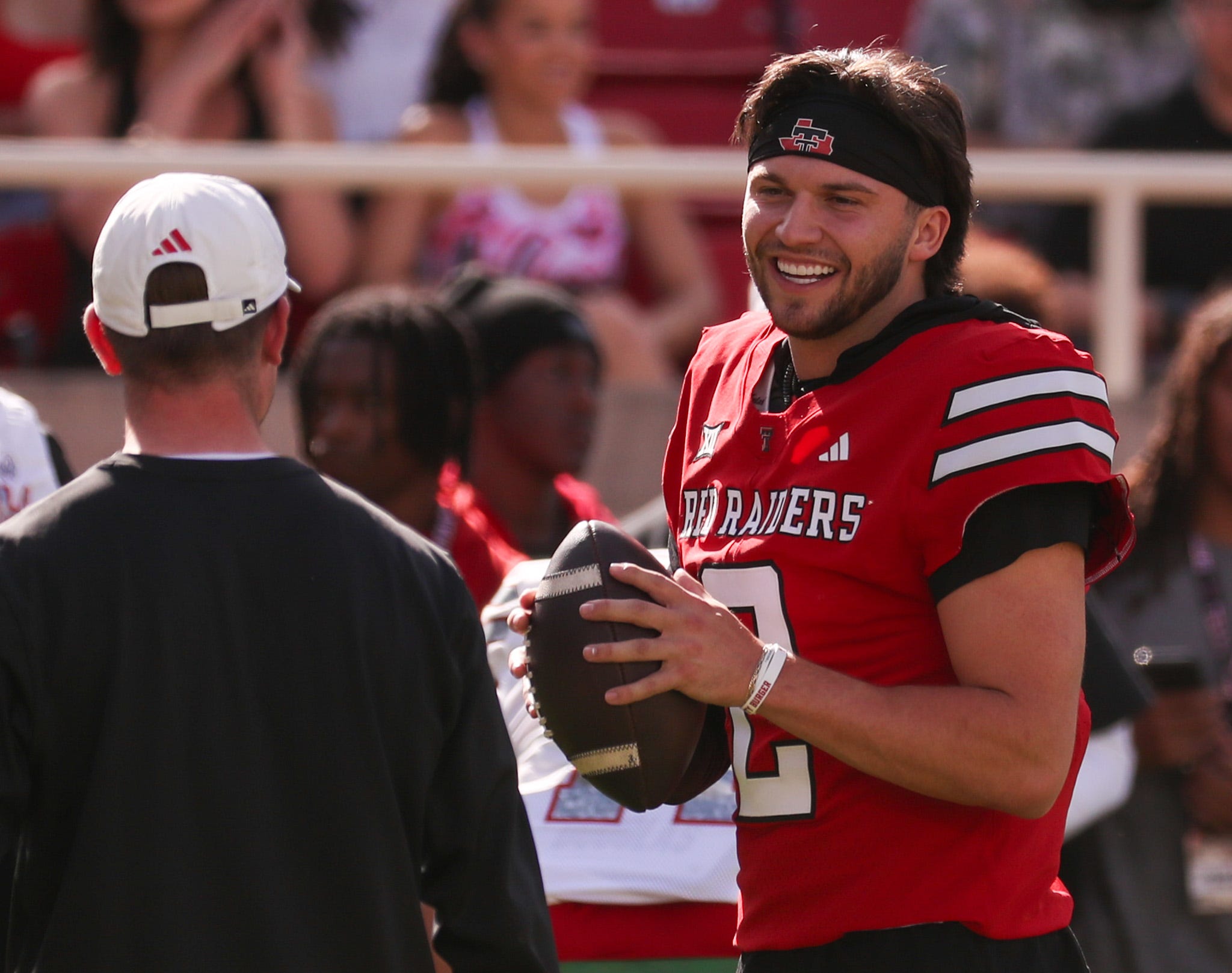
Texas Tech’s Brendan Sorsby goes through warmups before the spring football game, Friday, April 17, 2026, at Jones AT&T Stadium.
This case tests whether NCAA enforcement must account for mental health conditions that drive rule violations. Sorsby’s suit cites addiction as a mitigating factor and points to his completed rehab before the NCAA’s reinstatement denial. A court victory could force the NCAA to weigh a mental health exception into its gambling framework. A loss would reinforce the precedent that recovery counts for nothing in eligibility decisions. Either way, the ruling would echo well beyond Lubbock.
The Clock Sorsby Can’t Stop
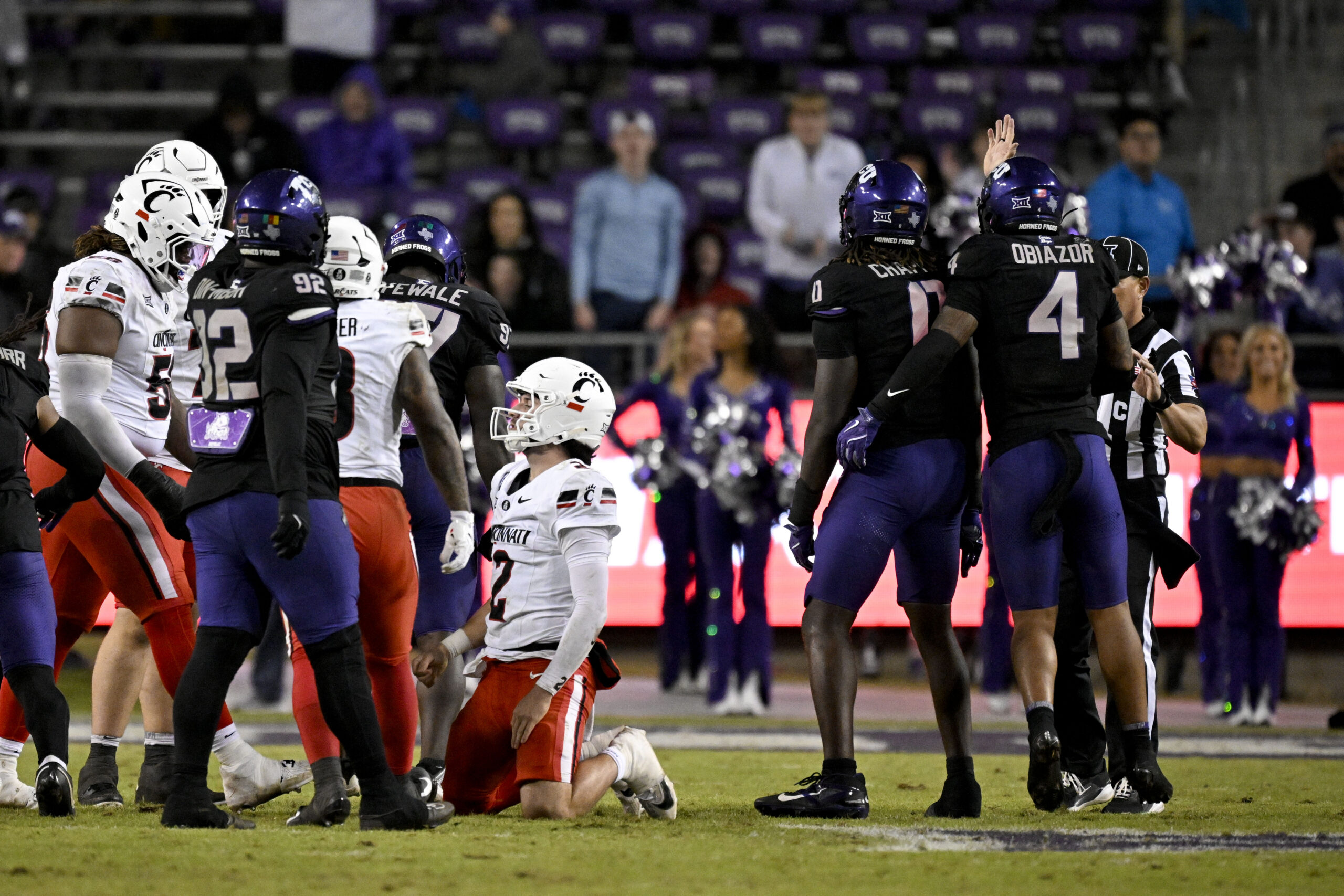
Nov 29, 2025; Fort Worth, Texas, USA; The TCU Horned Frogs defense celebrates after sacking Cincinnati Bearcats quarterback Brendan Sorsby (2) during the second half at Amon G. Carter Stadium. Mandatory Credit: Jerome Miron-Imagn Images
Sorsby’s lawyers are pushing for a resolution by June 15 to settle his eligibility. The supplemental draft deadline sits at June 22. If the legal effort fails, the NCAA could feel emboldened to keep enforcing its zero-tolerance gambling stance. Athletes without the resources to hire an attorney like Jeffrey Kessler would face the same wall with far less recourse. The next wave of gambling-addicted student-athletes is already out there, placing bets on apps the sport’s own broadcast partners advertise.
The Jets’ Quiet Calculation
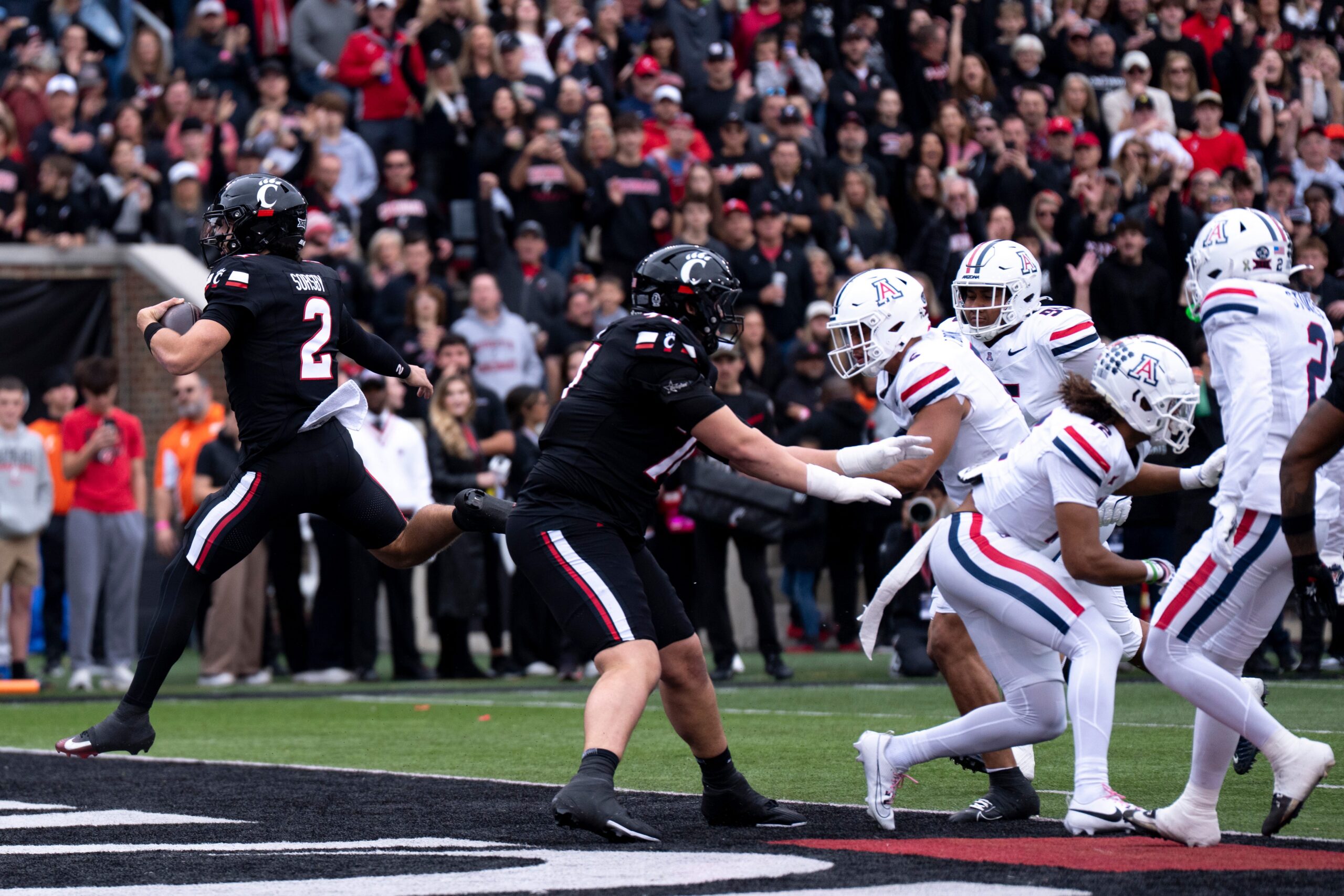
Cincinnati Bearcats quarterback Brendan Sorsby (2) scores a touchdown in the first quarter of the NCAA football game between the Cincinnati Bearcats and Arizona Wildcats at Nippert Stadium in Cincinnati on Nov. 15, 2025.
For a QB-needy franchise, the NCAA’s next move on Sorsby isn’t college news. It’s something the Jets are watching as closely as any offseason transaction. Supplemental draft picks cost less premium draft capital than top regular selections. A quarterback once viewed as potential first-round talent, shaken loose by a gambling ban, could be available at a relative discount. That’s the math in Florham Park right now. The NCAA built a system that punishes athletes for behavior the broader sports world now monetizes, and Sorsby’s case will determine whether that contradiction survives a courtroom — or whether the Jets benefit from its collapse. If you’re running the Jets, do you spend the draft capital on Sorsby — or is a gambling ban a risk not worth taking? Sound off below.