

Somewhere in the Kansas City suburbs, a window shattered while the lights were off and the driveway sat empty. The homeowner was on national television, playing in front of millions. The burglar knew that. Knew the schedule, knew the neighborhood, knew exactly which room held the safe. This wasn’t some tweaker prying open a screen door. This was professional, rehearsed, and timed to the minute. And it happened to two of the biggest names in the NFL, days apart.
Two Chiefs Stars, One Week Apart
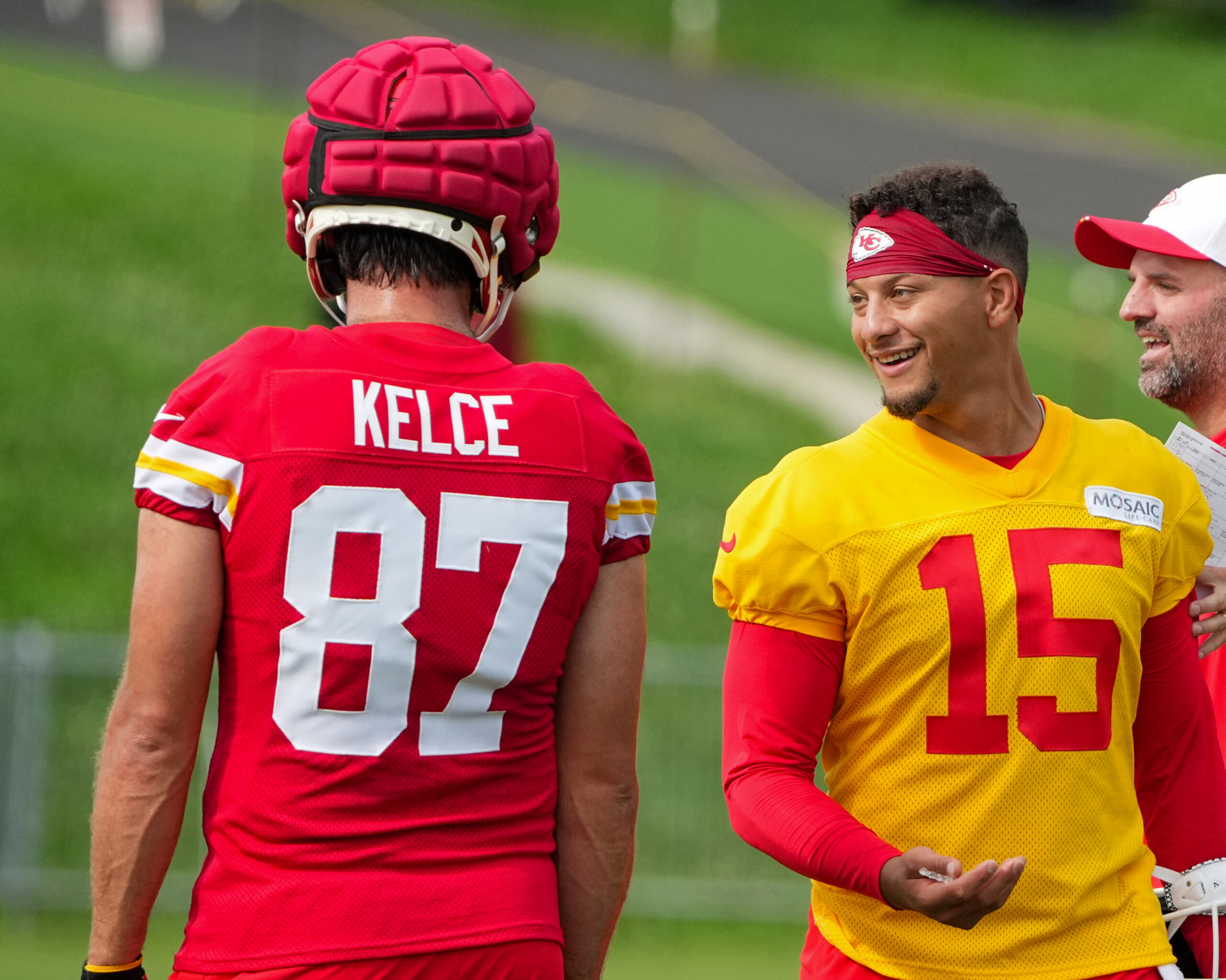
Jul 22, 2025; St. Joseph, MO, USA; Kansas City Chiefs quarterback Patrick Mahomes (15) laughs with tight end Travis Kelce (87) during training camp at Missouri Western State University. Mandatory Credit: Denny Medley-Imagn Images
Patrick Mahomes and Travis Kelce both had their homes burglarized in October 2024 while they were away competing. Not random targets. Two Super Bowl teammates, same metro area, same stretch of weeks. The thieves went straight for safes, luxury watches, jewelry, cash, and designer bags. Across the full scheme, authorities estimate the ring stole more than $2 million in valuables from at least six professional athletes. Mahomes and Kelce were the crown jewels of a target list that also included Cincinnati Bengals quarterback Joe Burrow and Milwaukee Bucks forward Bobby Portis.
A Playbook Built on Game Schedules
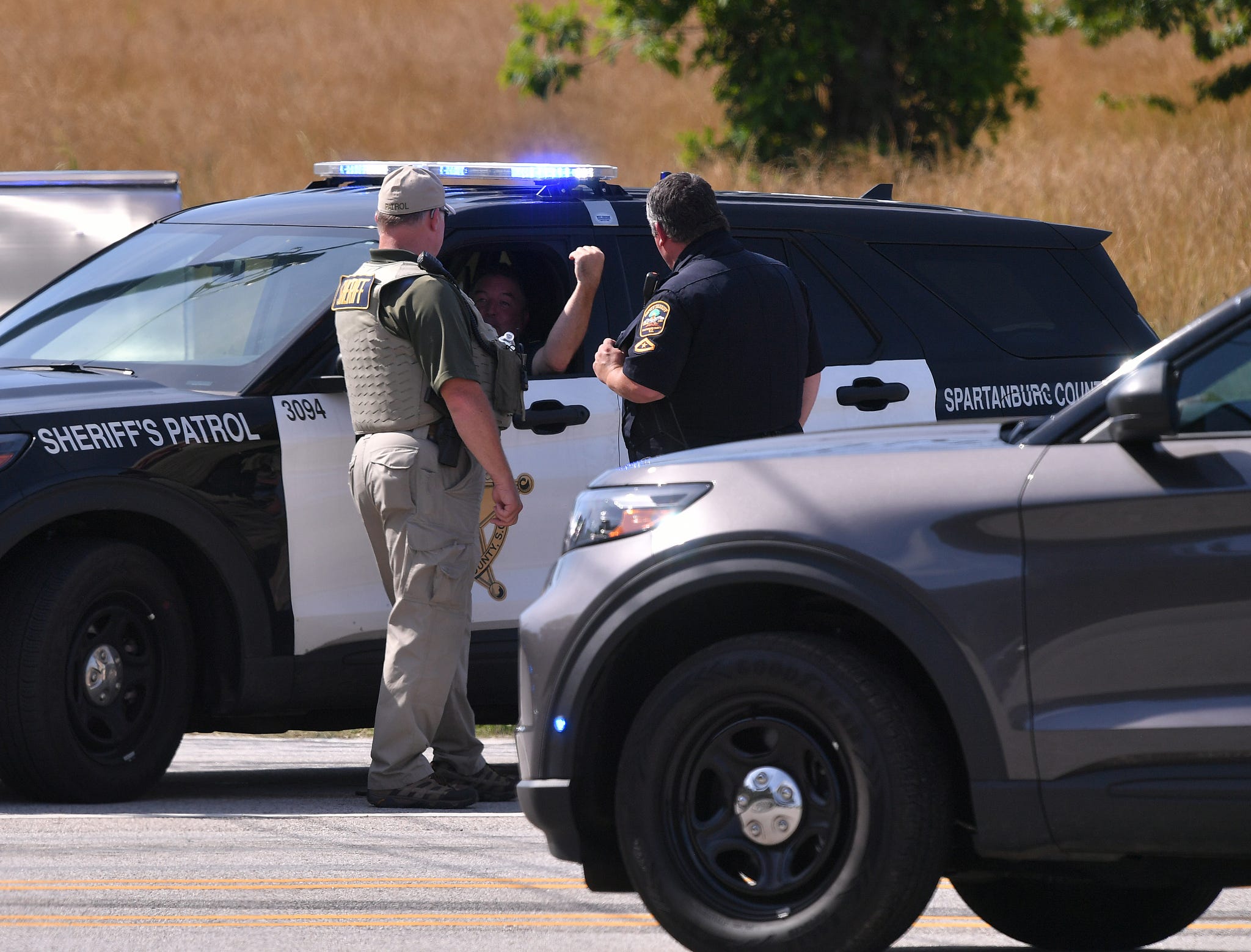
Law enforcement officers with the Spartanburg County Sheriff’s Office, Spartanburg Police, SC Highway Patrol and SLED, work the scenes after a Spartanburg County deputy was shot on Chaffee Road in the Oak Forest subdivision in Spartanburg Tuesday afternoon, June 21, 2022. Law enforcement block roads at the Keurig plant at the intersection of Hwy. 290 and Anderson Mill Road. Spa Deputy Shot 14
The assumption was always that fame provided a kind of shield. Gated communities, alarm systems, high-profile neighborhoods. Turns out fame was the vulnerability. The ring used publicly available game schedules and social media to confirm when athletes would be hundreds of miles from home. They approached through dark, wooded areas, smashed small windows or pried open sliding doors, and moved directly to where the valuables were kept. The crew bounced from city to city using rental cars obtained with fake IDs and coordinated over burner phones, and the leagues’ own broadcast schedules served as the roadmap.
A Crew That Crossed Oceans

Lightning flashes in a cloud off Fort Myers Beach. The beach is one of the most popular places in Southwest Florida to watch a lightning show.
Seven Chilean nationals face federal conspiracy charges in a Tampa, Florida court for interstate transportation of stolen property. This was a transnational burglary ring with roots in South America, traveling into the U.S. with a target list, executing coordinated hits, and funneling stolen goods through international fencing networks. Court documents tie roughly $1,484,000 in losses to a single Milwaukee Bucks player hit in November alone. Agents used cell-tower data, rental car records, fake-ID trails, and selfies the burglars uploaded to an iCloud account to connect burglaries scattered across multiple states into one conspiracy. The FBI assembled the case that made it all collapse.
The Fencing Pipeline
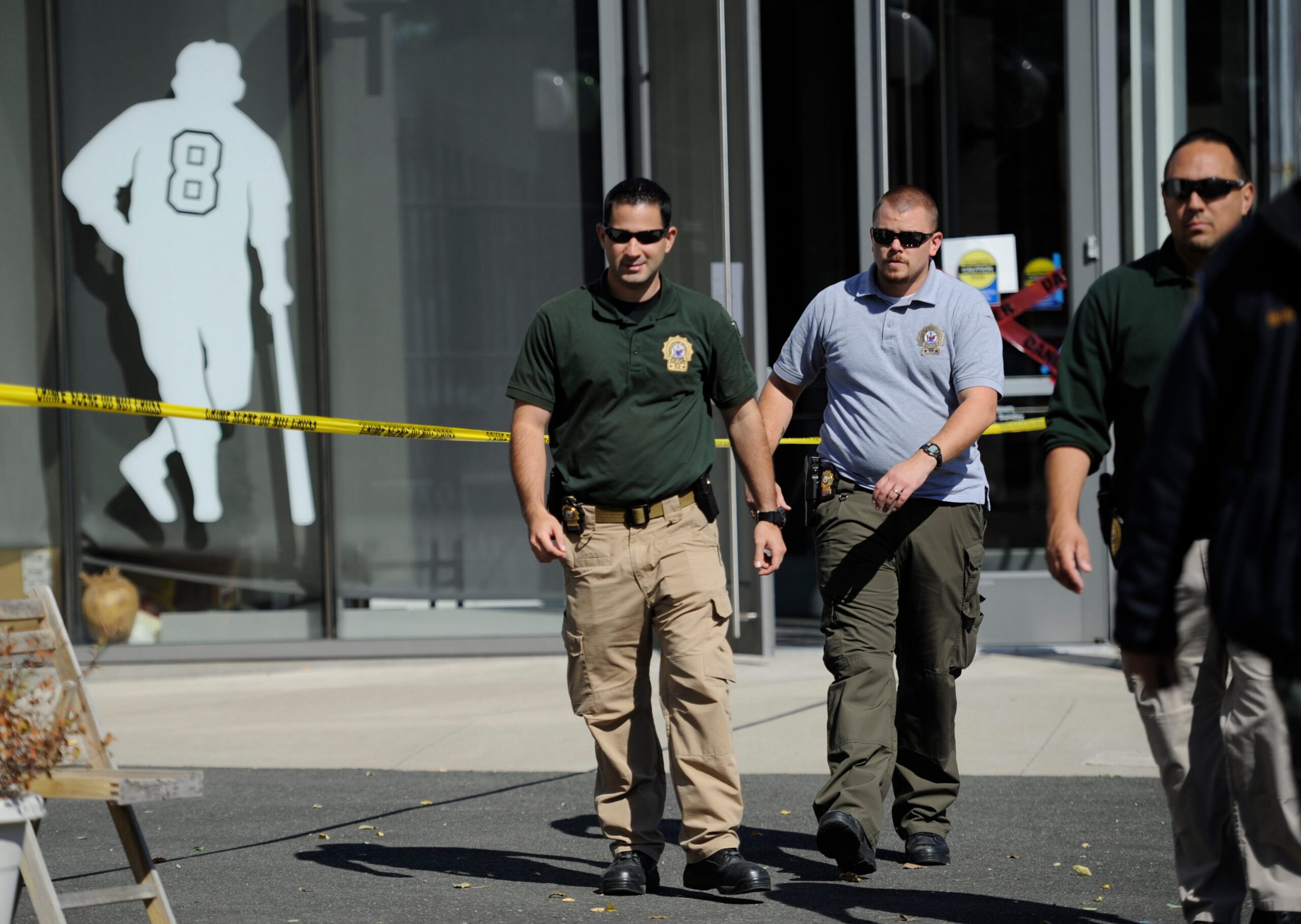
132588 —-Thursday — October, 9,2014 — Members of the Montclair State University police department leave the Yogi Berra Museum and Learning Center on Thursday afternoon. A team of burglars stole priceless memorabilia from the Yogi Berra Museum and Learning Center located on the Montclair State University Campus on Wednesday morning, police reported. AMY NEWMAN/STAFF PHOTOGRAPHER
Stealing a Super Bowl quarterback’s watch collection is one thing. Converting it to cash without getting caught is the real operation. The ring relied on a transnational fencing pipeline that moved luxury watches, jewelry, and designer goods through international networks. Think of it less like a burglary crew and more like a supply chain: scouts identified targets, operators executed break-ins, and fences liquidated the haul far from the crime scene. Federal prosecutors in the Eastern District of New York separately charged two Manhattan pawn-shop operators with serving as fences for South American theft crews, the infrastructure that elevated this from local property crime to federal conspiracy territory.
The Numbers Behind the Raids
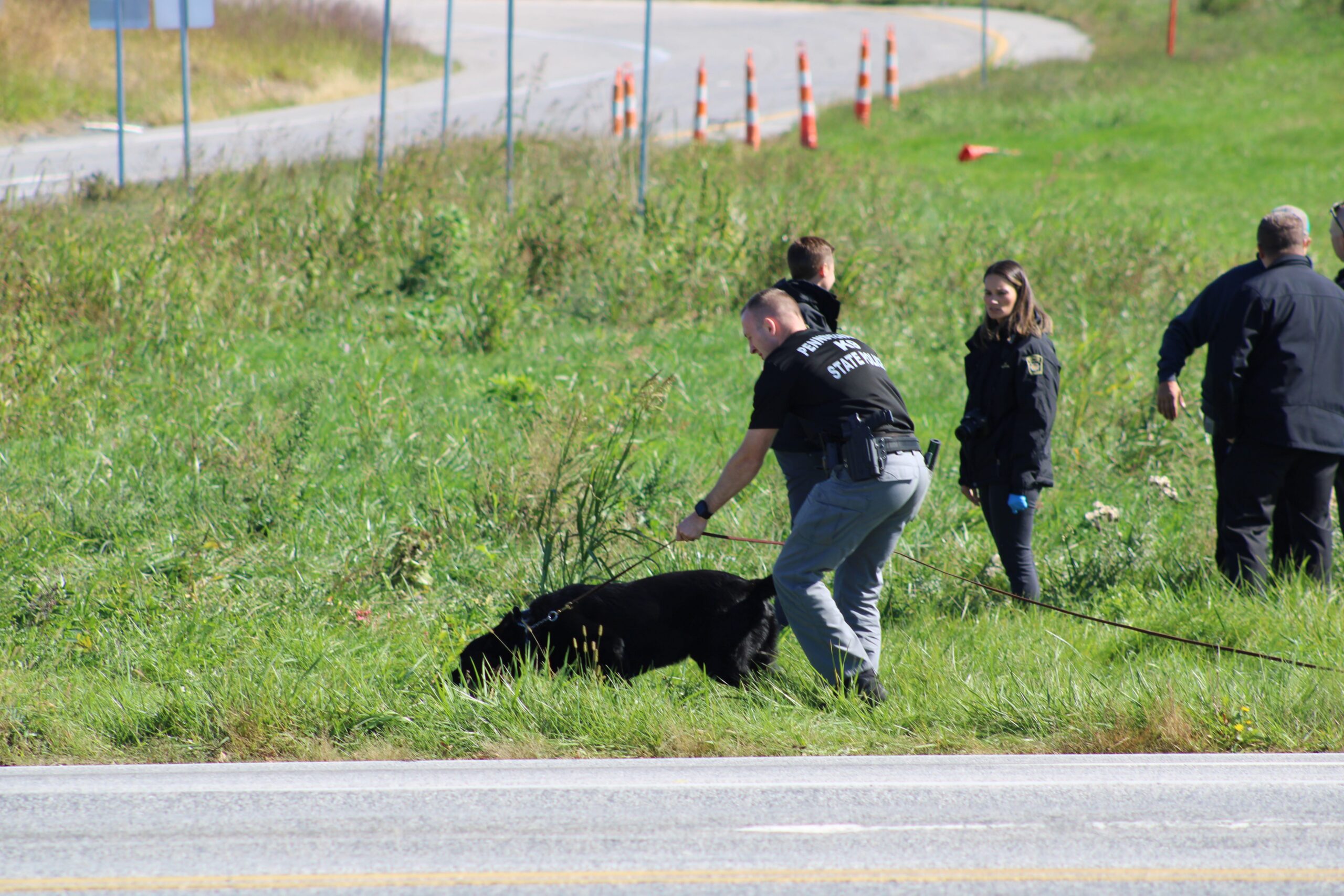
A Pennsylvania State Police K-9 unit and other investigators were at the scene on Oct. 9, 2025, of a deadly shooting just off Interstate 81 Exit 3 south of Greencastle where two state troopers were injured and one suspect was killed in a shootout the prior evening. Police had initially responded to Dick’s Sporting Goods in Guilford Township for a suspected retail theft, and the suspect fled.
At least six athlete homes were tied directly to the charged ring, with affiliated South American theft groups linked to dozens more break-ins nationwide. In all, prosecutors put the stolen goods and cash at more than $2 million. One Milwaukee Bucks player lost an estimated $1,484,000 in November, while a Memphis Grizzlies player lost roughly $1 million in jewelry, watches, and luxury bags in December. A Tampa Bay Buccaneers player lost items valued at about $167,000 in a single hit, and Joe Burrow’s home was stripped of nearly $300,000 in valuables. These weren’t petty thefts. The ring looted entire collections of watches, jewelry, and luxury luggage in single nights, picking homes clean of everything worth carrying.
A Crew That Crossed Oceans
JPD Officers receive plaques signed by FBI Director Kash Patel during the Jackson Police Department Awards Ceremony in Jackson, Tenn., on Tuesday, Feb. 10, 2026.
Argentine federal police arrested suspects at a Buenos Aires bus station, and the men were returned to Chile to await extradition proceedings requested by the U.S., all driven by the FBI’s investigation. One defendant, Alexander Huaiquil-Chavez, has already pleaded guilty in federal court. The FBI also issued warnings directly to professional sports leagues about the threat from South American theft groups, essentially telling the NFL and NBA that their players’ homes had become organized crime targets. The ripple hit every locker room in the country.
Fame as a Floorplan

Dec 25, 2024; Pittsburgh, Pennsylvania, USA; Kansas City Chiefs quarterback Patrick Mahomes (15) and tight end Travis Kelce (87) look at football cakes while being interviewed by Netflix reporter Stacey Dales following their win against the Pittsburgh Steelers at Acrisure Stadium. Mandatory Credit: Barry Reeger-Imagn Images
The hidden pattern here goes beyond one ring. Professional athletes broadcast their locations every single week. Game times are public. Travel schedules are published. Social media posts confirm empty houses in real time. Once you see it, every Thursday night game, every Sunday road trip, every playoff series is a window of vulnerability for every player wealthy enough to own a safe full of watches. This case didn’t expose a one-time crew. It exposed a permanent structural weakness in how professional sports operate.
The Security Arms Race

Kansas City’s Travis Kelce runs a route before turning and catching a pass during a warm up hours before the Bills home game against the Kansas City Chief at Highmark Stadium in Orchard Park on Nov. 2, 2025.
Extradition proceedings are ongoing. More suspects remain at large. And the model has been proven profitable enough that shutting down one ring doesn’t eliminate the incentive for the next one. Athletes across every major sport are now rethinking home security, but the fundamental problem remains: their schedules are public, their wealth is visible, and their homes sit empty on predictable nights. The FBI built a case that spanned Florida, Ohio, New York, Argentina, and Chile. The conspiracy charges carry real weight, with each defendant facing up to 10 years in federal prison.
The Vulnerability Nobody Fixed
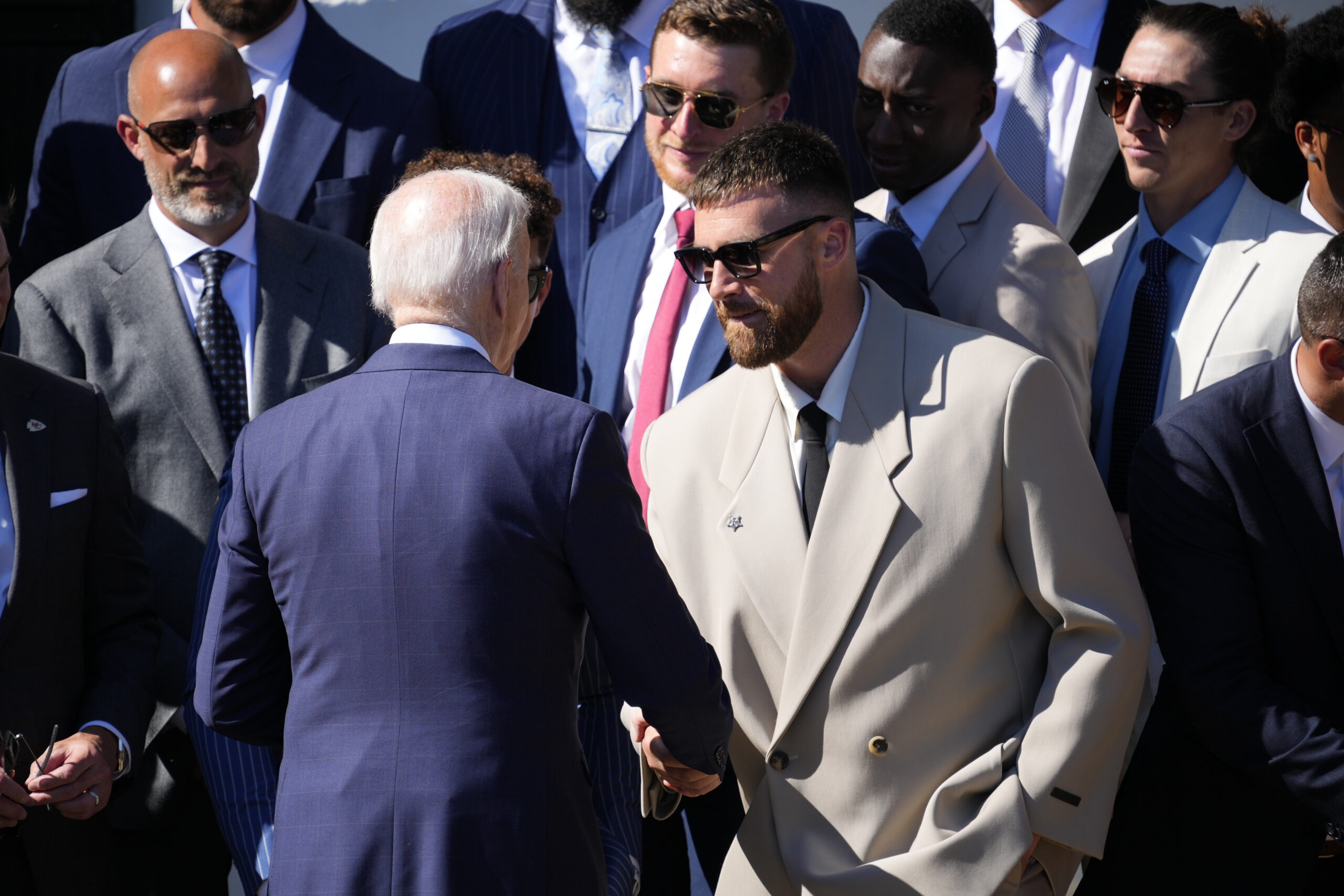
May 31, 2024; Washington, DC, USA; President Joe Biden shakes hands with Kansas City Chiefs tight end Travis Kelce as he welcomes the team to the White House to celebrate their championship season and victory in Super Bowl LVIII on Friday, May 31, 2024. Mandatory Credit: Josh Morgan-USA TODAY
Seven charged. Multiple arrested abroad. At least one guilty plea. And still, next season, every NFL roster will publish a travel schedule that tells the world exactly which mansions sit empty on game day. The ring treated athletes’ houses like high-end showrooms after hours, sweeping through rooms the way thieves hit a jewelry store during a smash-and-grab. Federal investigators dismantled this crew. Nobody has dismantled the conditions that made it possible. That gap between the arrests and the fix is where the next ring is already looking. Athletes shouldn’t have to choose between fame and safety — but should leagues be allowed to publish exact game times if it leaves players’ homes as sitting targets? Tell us where you land in the comments.