
Roger Goodell has sat through congressional hearings before. Concussions. Domestic violence. Deflategate. None of them threatened the machine itself. This one does. The House Judiciary Committee asked the NFL commissioner to testify at a hearing examining the Sports Broadcasting Act, scheduled for June 10, 2026. The subject isn’t player safety or league discipline. It’s the $111 billion media empire the NFL built on a law written before anyone owned a cable box, let alone a streaming subscription. And rather than defend it in person, Goodell declined the invitation, citing ongoing litigation tied to the very topic of the hearing.
A Law Written for Rabbit Ears
Nov 1, 2025; Boulder, Colorado, USA; Detailed view of a Fox Sports broadcast camera during the second half between the Arizona Wildcats against the Colorado Buffaloes at Folsom Field. Mandatory Credit: Ron Chenoy-Imagn Images
The Sports Broadcasting Act of 1961 gave professional sports leagues a specific antitrust exemption: the right to pool broadcasting rights and sell them collectively. Congress designed it to protect free over-the-air television. That was the deal. Fans got games on their local channels, and leagues got to negotiate as a unit. Sixty-five years later, the NFL distributes games across roughly ten different platforms, including Netflix, Amazon Prime Video, Peacock, and YouTube. Courts have already ruled the 1961 law applies only to broadcast networks, not to cable, satellite, or streaming, and Congress wants to know if the exemption still holds.
The $1,000 Season
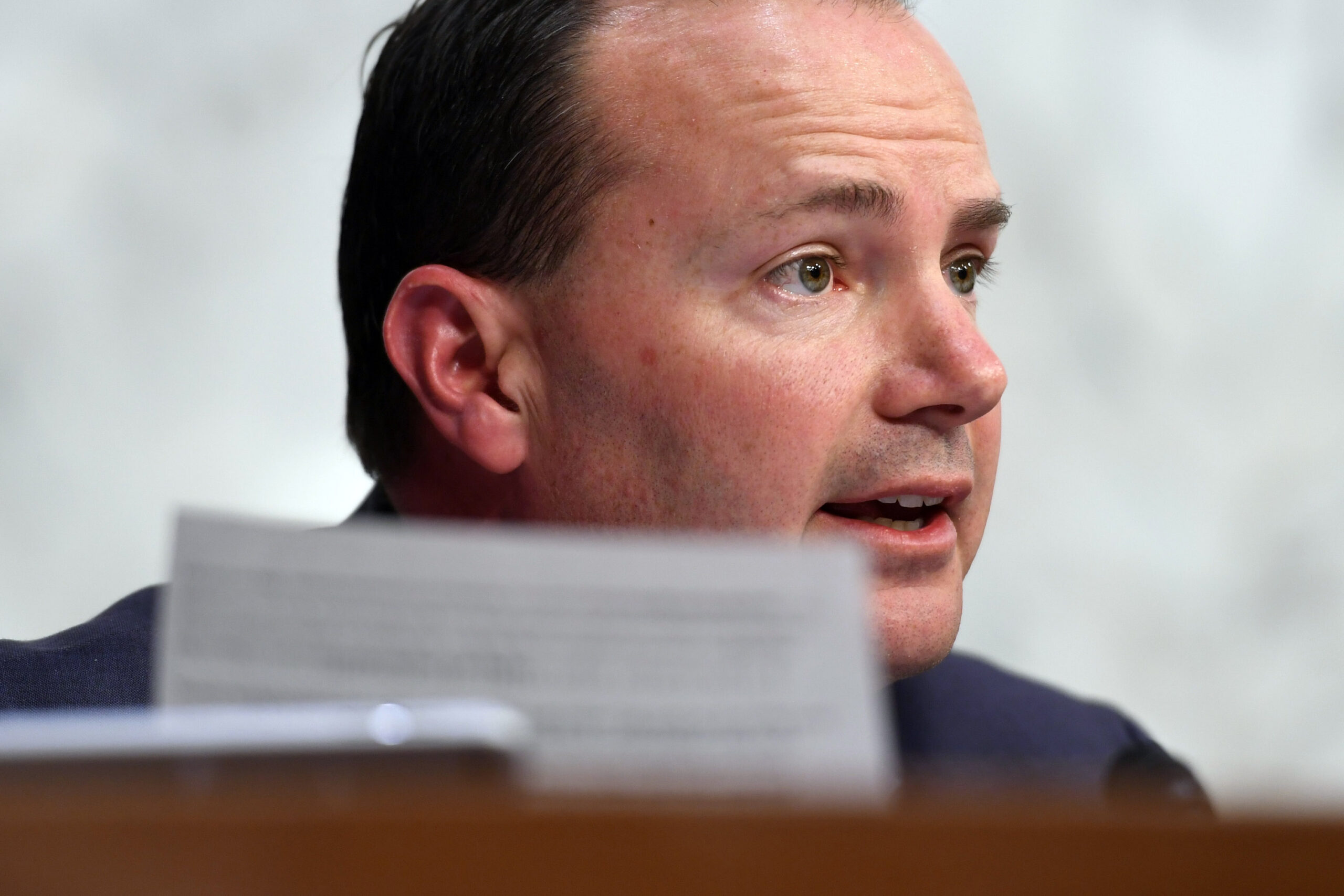
March 21, 2017; Washington, DC, USA; Sen. Mike Lee (R-UT) questions Supreme Court nominee Neil Gorsuch during day two of his confirmation hearing before the Senate Judiciary Committee. Mandatory credit: Jack Gruber-USA TODAY
Senator Mike Lee’s office documented what the average fan already feels in their wallet: watching every NFL game last season cost almost $1,000 in combined cable and streaming subscriptions. That number landed in a letter to the Department of Justice and Federal Trade Commission requesting a formal review of whether the NFL’s modern distribution practices align with the Sports Broadcasting Act. A law designed to keep football free now shields a system that scatters games across a maze of paid platforms. The very protection Congress granted is producing the consumer harm Congress never intended.
The DOJ Steps In
The seal of the Department of Justice at the U.S. Attorney’s Office for the Northern District of Texas as seen on Feb. 11, 2026 in Lubbock, Texas.
This spring, the Department of Justice began investigating the NFL for potential anticompetitive practices related to its broadcast deals, examining whether the league’s media-rights agreements with broadcasters and streaming services force consumers to pay subscription costs to watch games. The probe arrives alongside the first congressional hearing focused on how a 65-year-old broadcasting law applies to today’s streaming landscape. The NFL pushed back hard, with general counsel Ted Ullyot telling the committee that 87% of the league’s games will be available over the air this season and that every game is on broadcast television in the competing teams’ home markets. The league frames streaming as added reach, not consumer harm. The government isn’t yet convinced.
The Hidden Mechanism
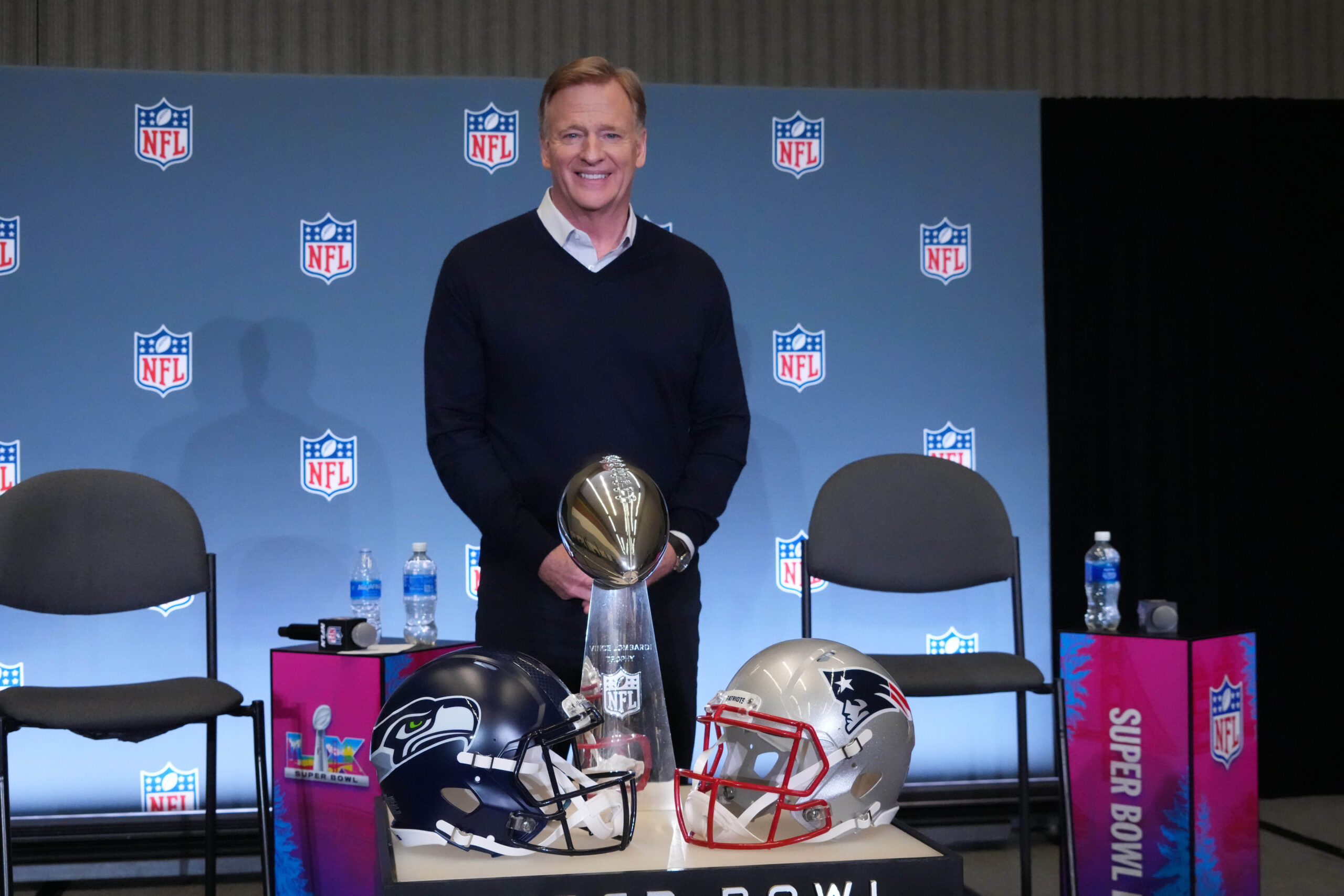
Feb 2, 2026; San Jose, CA, USA; NFL Commissioner Roger Goodell pose for a photograph at San Jose Convention Center. Mandatory Credit: Kirby Lee-Imagn Images
The NFL’s genius was never just negotiating big contracts. It was using a legal exemption designed for one technology to operate in an entirely different one. The Sports Broadcasting Act let the league sell broadcast rights collectively. The NFL extended that authority into exclusive streaming deals with Amazon, Netflix, and Peacock, platforms that didn’t exist when the law passed. Critics argue each exclusive deal fragments the viewing experience further, pushing fans onto more subscriptions while the league collects from every direction. The league counters that broadcast television remains the foundation of its distribution and that streaming reflects where audiences now are. The antitrust framework wasn’t updated. The business model just grew around it.
The $4.7 Billion Warning Shot
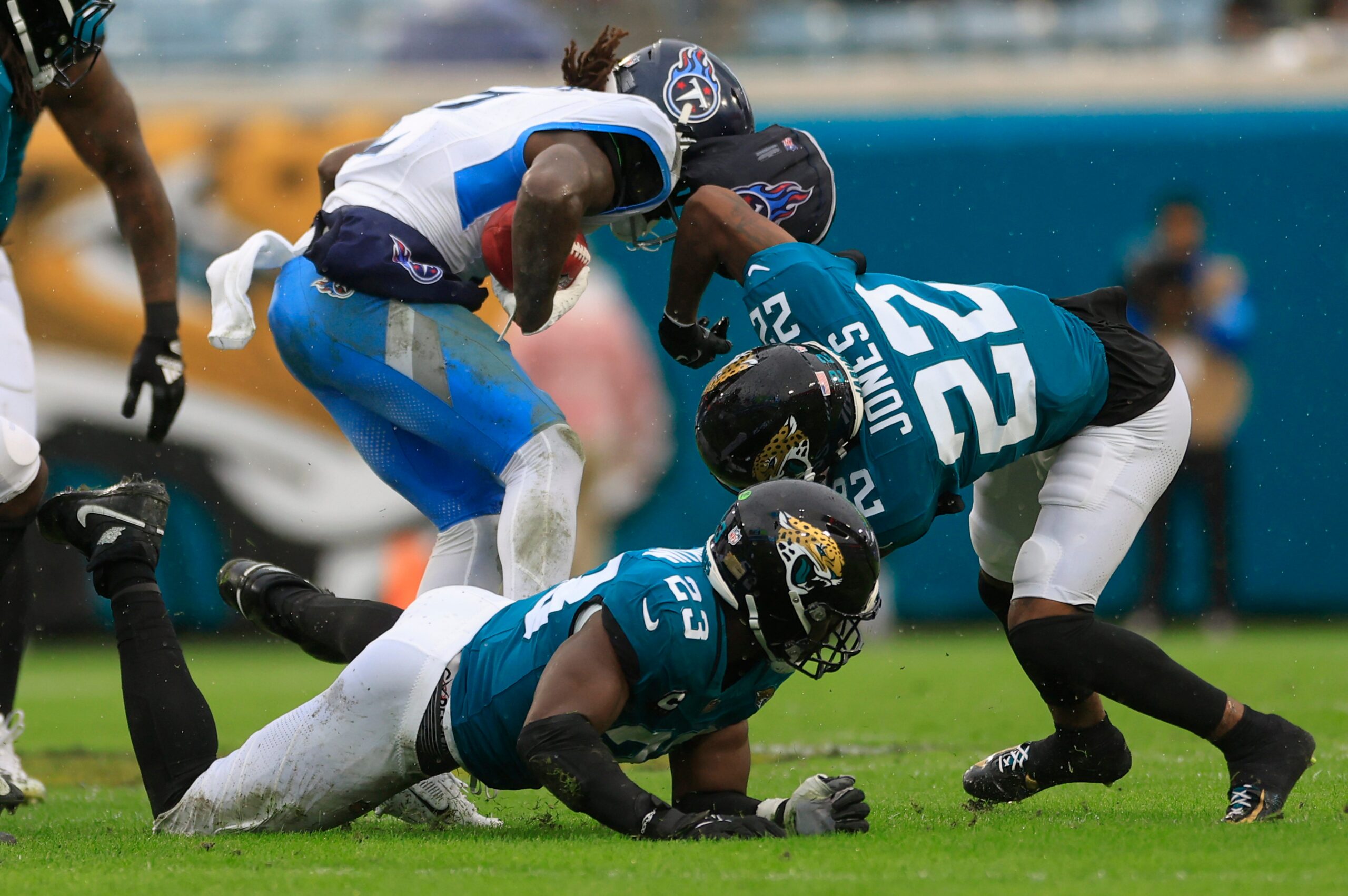
Tennessee Titans running back Tyjae Spears (2) lose his guardian cap to Jacksonville Jaguars cornerback Jarrian Jones (22) during the first quarter of an NFL football matchup Sunday, Dec. 29, 2024 at EverBank Stadium in Jacksonville, Fla. The Jaguars held off the Titans 20-13. [Corey Perrine/Florida Times-Union]
A jury already weighed in once. In June 2024, a Los Angeles federal jury found the NFL violated antitrust laws in distributing out-of-market games through its Sunday Ticket premium subscription service, awarding roughly $4.7 billion in damages, a figure that could have tripled to more than $14 billion under antitrust law. But that verdict did not stand. In August 2024, U.S. District Judge Philip Gutierrez overturned the award, ruling that the plaintiffs’ expert testimony was methodologically flawed, and the case is now on appeal. The fight is unresolved rather than settled. If the NFL’s handling of one package is ultimately found to violate antitrust law, the broader structure built on the same legal framework would sit on far less stable ground. The congressional hearing isn’t academic.
Every League Is Watching
Aug 11, 2022; Foxborough, Massachusetts, USA; New England Patriots head coach Bill Belichick watches the field as senior football advisor Matt Patricia (white cap) and offensive assistant Joe Judge work during the first half of a preseason game at Gillette Stadium. Mandatory Credit: Eric Canha-Imagn Images
The NFL isn’t the only league operating under the Sports Broadcasting Act’s umbrella. The NBA, MLB, and NHL all negotiate collective media deals under the same 1961 exemption. If Congress determines the law no longer fits streaming distribution, every major sports league’s media strategy faces the same questions. The hearing, led by Judiciary Committee chairman Rep. Jim Jordan, could shape whether leagues must open their content to competing platforms or face new regulation. There’s bipartisan appetite to update the law, and even officials at President Trump’s FCC have urged Congress to revisit the SBA. The NFL goes first because it’s the biggest. But the precedent won’t stop at football.
The Rule That Changes Everything
Jacksonville Jaguars head coach Doug Pederson directs during the ninth day of an NFL football training camp practice Saturday, Aug. 3, 2024 at EverBank Stadium in Jacksonville, Fla. Today marked the first day of public practice inside the stadium.
The hearing’s official scope asks whether the antitrust exemption created by the SBA has been used by professional sports leagues “to harm consumers” and whether “potential legislative remedies may be needed to address that harm.” Read that twice. Congress isn’t only asking if the law needs tweaking. It’s testing whether the exemption itself has become the problem. Once lawmakers frame a 65-year-old protection as a possible source of consumer harm, the conversation shifts from minor reform toward something larger. That’s not a routine oversight session. It’s a serious look at the legal architecture of American sports media.
Goodell’s Tightrope
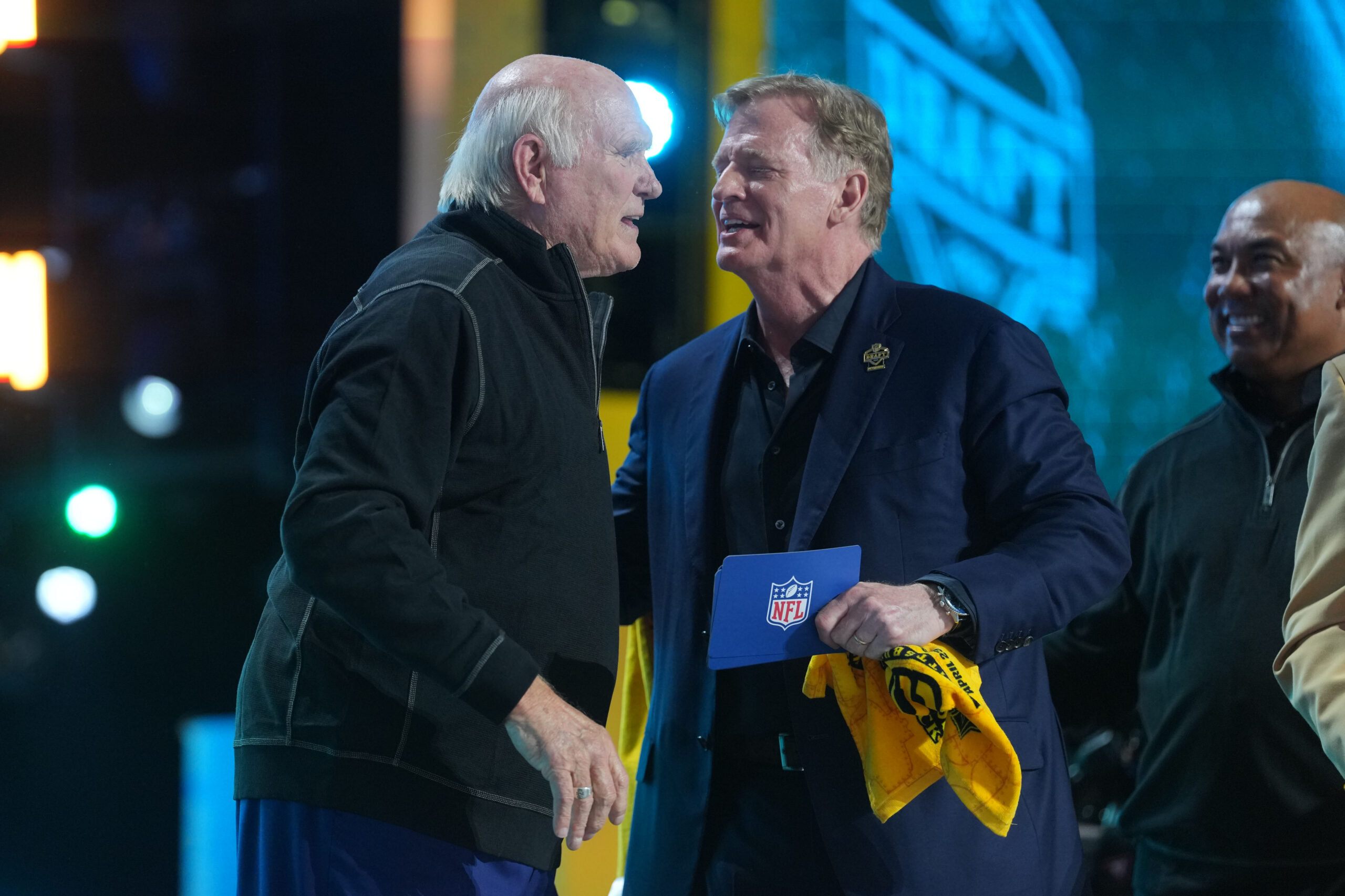
Apr 23, 2026; Pittsburgh, PA, USA; Terry Bradshaw and NFL commissioner Roger Goodell embrace on stage during the 2026 NFL Draft at Acrisure Stadium. Mandatory Credit: Kirby Lee-Imagn Images
Even by skipping the hearing room, Goodell carries a contradiction he can’t easily resolve. Defend the $111 billion media model too aggressively, and critics say the league prioritizes revenue over fan access. Promise reform, and he risks conceding the current system harms consumers, handing ammunition to the DOJ investigation and the Sunday Ticket appeal. The NFL chose a third path: decline to appear, cite ongoing litigation, and make its case in writing instead, including a letter to Jordan signed by 21 members of Congress urging caution on any changes. The league built the most profitable content distribution system in American sports. Now it has to defend it on paper to lawmakers who represent the fans paying the bill.
The Fan Holds the Leverage Now
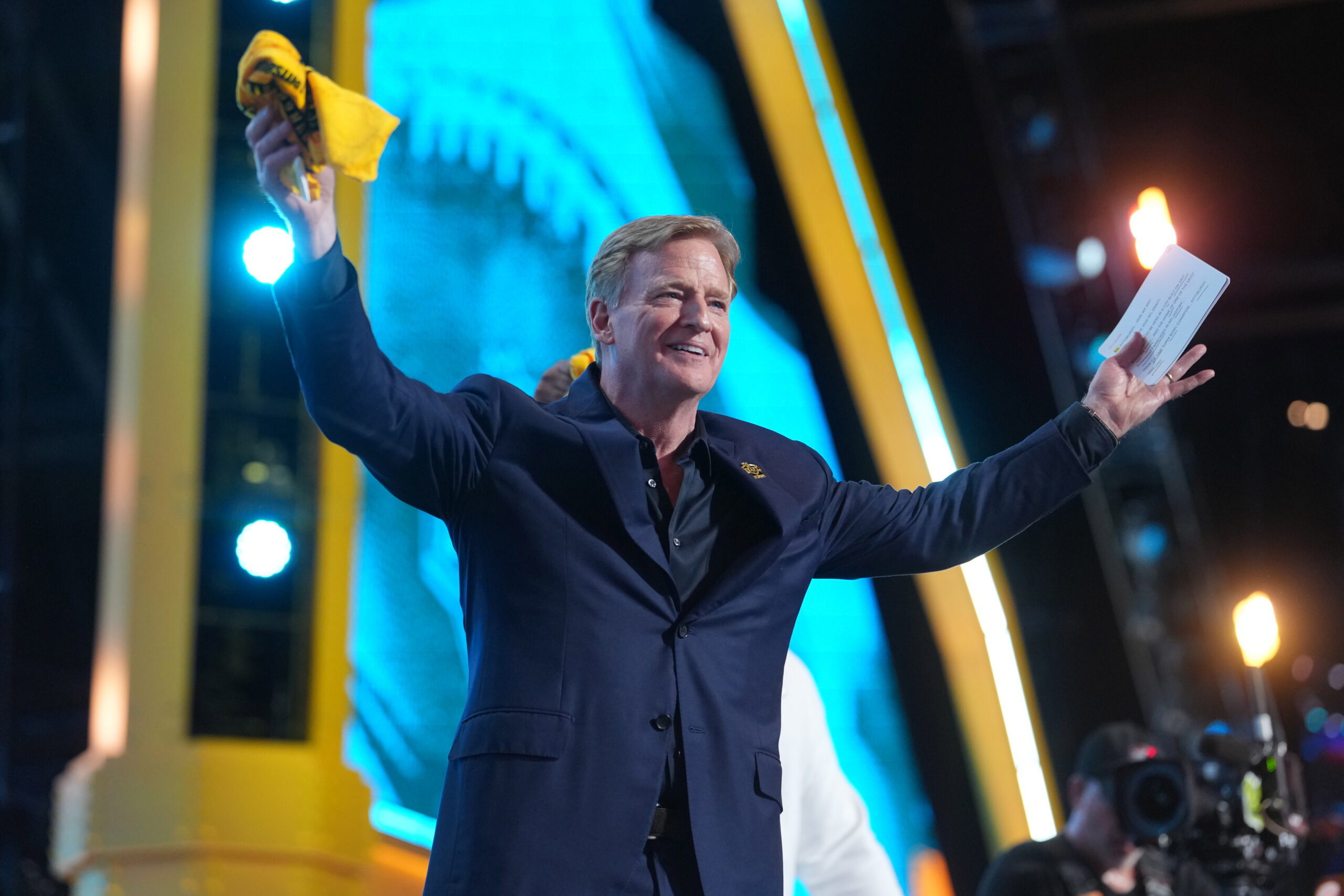
Apr 23, 2026; Pittsburgh, PA, USA; NFL commissioner Roger Goodell holds a Terrible Towel during the 2026 NFL Draft at Acrisure Stadium. Mandatory Credit: Kirby Lee-Imagn Images
For decades, the NFL’s antitrust exemption operated in the background, invisible to most fans. That era is ending. The DOJ probe, the 2024 Sunday Ticket jury verdict, the congressional scrutiny: each one pulled back a layer of legal protection the league spent decades accumulating. The NFL’s counter-move will likely involve voluntary concessions, perhaps a more accessible streaming package, offered before Congress can legislate one. But the leverage has shifted. The league that taught America to watch football on its terms now faces a generation of fans, lawmakers, and prosecutors asking a single pointed question: why does watching football cost nearly $1,000? So here’s the question worth arguing over: is the NFL just following its audience to streaming, or has it turned a law meant to keep football free into a tollbooth? Tell us in the comments what you actually paid to watch every game last season.