

Somewhere around 4:40 in the morning, with the Illinois Senate’s stadium vote still warm, the House packed up and went home. No debate. No floor vote. No drama on camera. Just silence where a decision should have been. The Chicago Bears, an organization Forbes valued at roughly $8.2 billion, had spent months watching lawmakers grind through competing proposals to keep the franchise in Illinois. The Senate delivered a last-minute framework, passing a municipal stadium authority bill 37-17. The House answered by turning off the lights.
The Senate’s Midnight Gamble
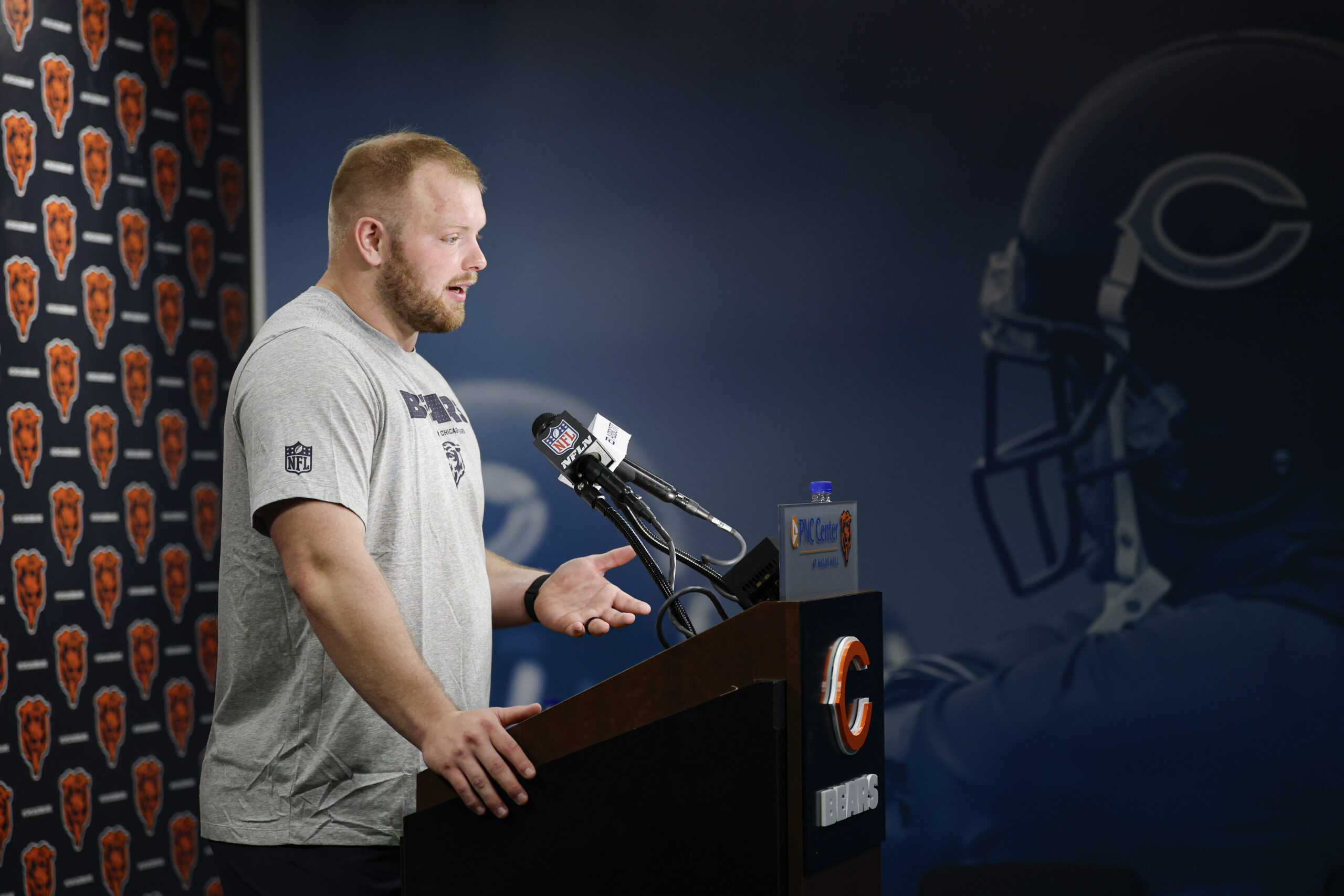
May 8, 2026; Lake Forest, IL, USA; Chicago Bears offensive lineman Logan Jones (54) speaks during Rookie Minicamp at Halas Hall. Mandatory Credit: Kamil Krzaczynski-Imagn Images
That 37-17 Senate vote was itself a last-ditch maneuver. An earlier megaproject tax bill had passed the House in April, only to lose support in the Senate, so lawmakers scrambled to retool the entire approach around a municipal stadium authority model. The new framework would let certain Cook County municipalities like Arlington Heights or Chicago create public entities to own a stadium, leasing it back to the Bears and shielding the franchise from property taxes. It was a Hail Mary after the first play stalled. And it cleared the Senate with votes to spare, only to face a House that had already counted heads and didn’t like the math.
A House That Wouldn’t Play
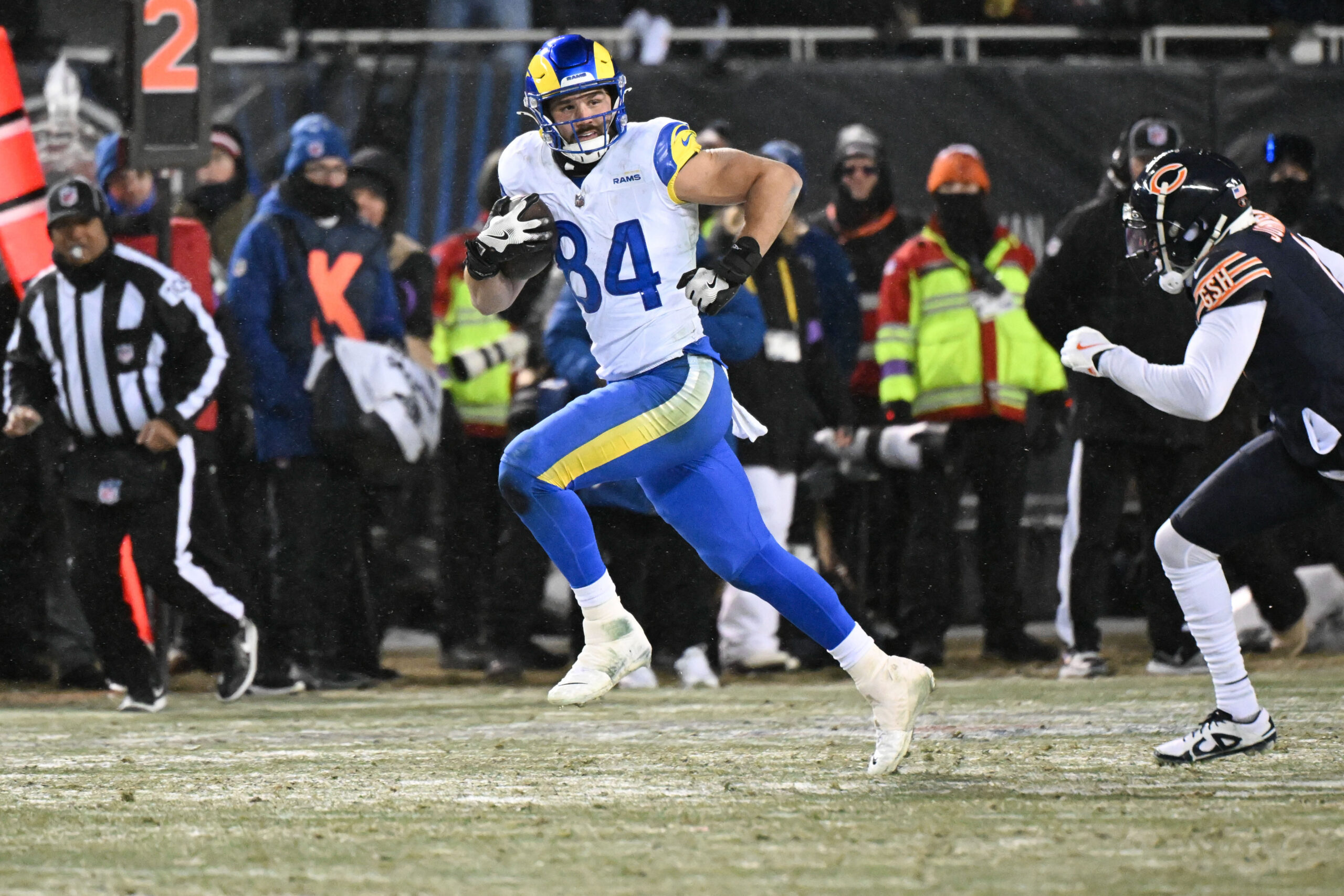
Jan 18, 2026; Chicago, IL, USA; in Los Angeles Rams tight end Colby Parkinson (84) runs with the ball during an NFC Divisional Round game against the Chicago Bears at Soldier Field. Mandatory Credit: Matt Marton-Imagn Images
Speaker Emanuel “Chris” Welch made it plain: the votes weren’t there. House members were unwilling to push through a controversial subsidy for one of the wealthiest sports organizations on the planet during the final hours of session. The political math was brutal. Asking lawmakers to approve tax breaks for a franchise worth roughly $8 billion, while constituents watched school budgets tighten, was a vote nobody wanted on their record. The earlier megaproject bill stalled in the Senate, and now the Senate’s replacement stalled in the House.
The Clock the Bears Can’t Stop
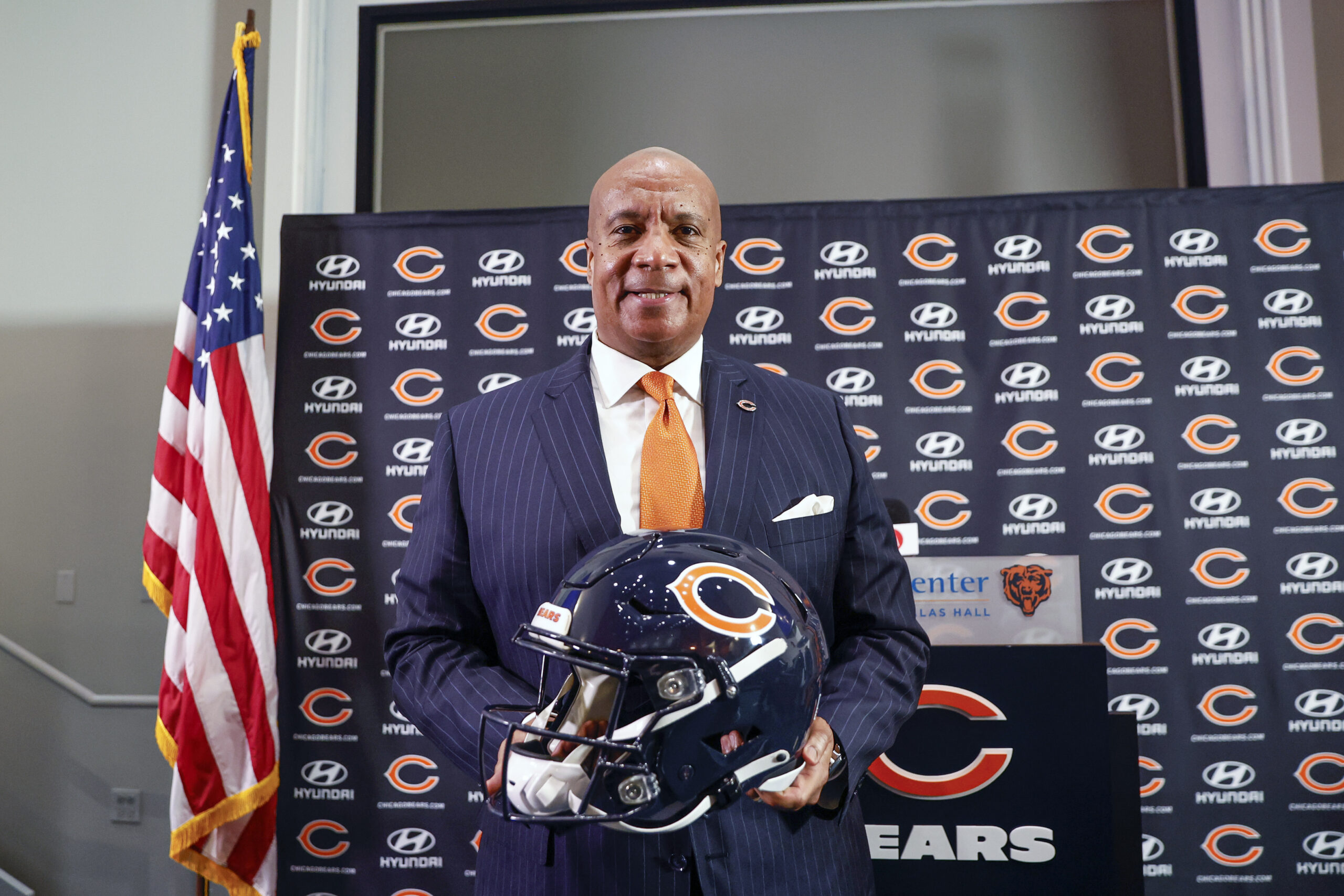
Jan 17, 2023; Chicago, Illinois, US; New Chicago Bears President and CEO Kevin Warren poses for a picture during the press conference at Halas Hall. Mandatory Credit: Kamil Krzaczynski-Imagn Images
Team president Kevin Warren had publicly targeted late spring or early summer for a stadium site decision. The legislature adjourned its spring session in the early hours of June 1. Lawmakers aren’t scheduled back until November. No special session has been announced. For this spring session, the Bears’ Illinois stadium push ran into a dead end: no active bill, no scheduled path, no framework for the property tax certainty the franchise demanded. The decision window closes. The legislature’s calendar doesn’t care. That mismatch turned a procedural adjournment into something far more permanent than Springfield intended.
Indiana Already Built the On-Ramp
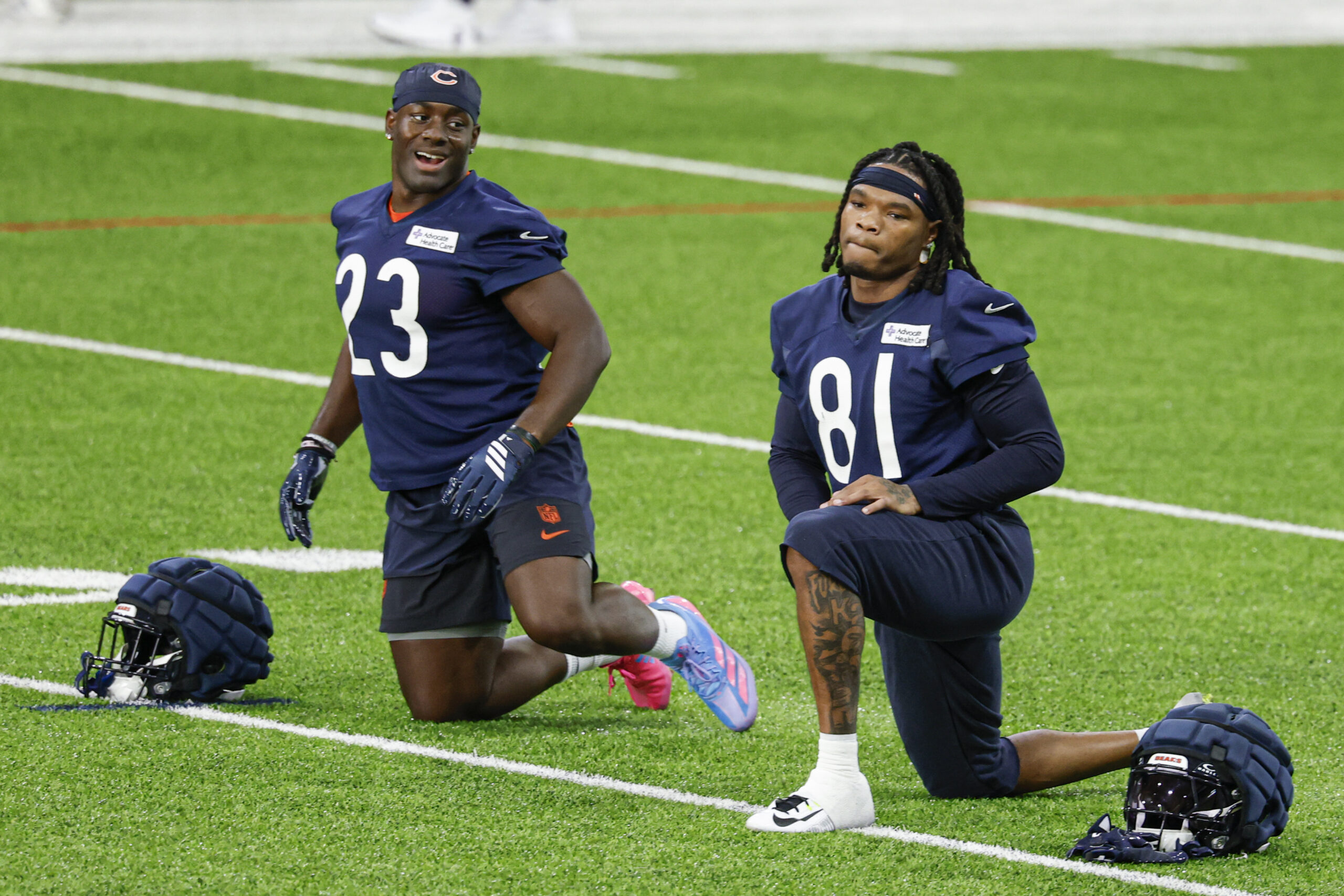
May 8, 2026; Lake Forest, IL, USA; Chicago Bears wide receiver Zavlon Thomas (81) stretches during Rookie Minicamp at Halas Hall. Mandatory Credit: Kamil Krzaczynski-Imagn Images
While Illinois fumbled through two failed legislative strategies, Indiana moved with surgical efficiency. Lawmakers there unanimously advanced SB 27 to create a Northwest Indiana Stadium Authority near Wolf Lake in Hammond, with the power to issue bonds, acquire land, and structure the financing for construction. The Bears themselves called it the most meaningful step forward in their stadium planning efforts to date. One state passed a budget and went home arguing. The other built an authority and started laying groundwork. That contrast tells the entire story of why “we’ll talk over the summer” from Illinois sounds less like a promise and more like a eulogy.
The $2 Billion Bet Nobody Matched
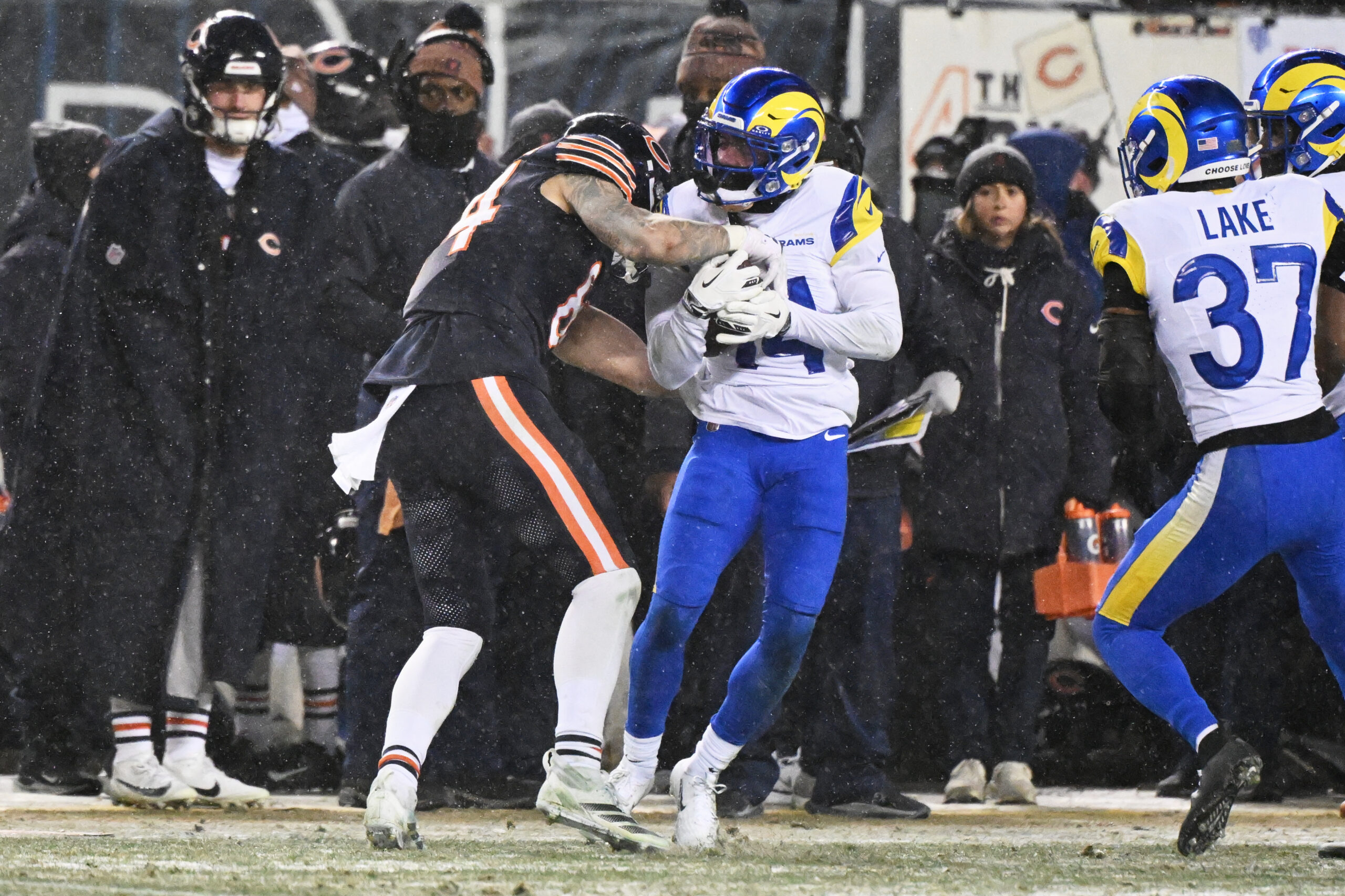
Jan 18, 2026; Chicago, IL, USA; Los Angeles Rams cornerback Cobie Durant (14) intercepts a pass intended for Chicago Bears tight end Colston Loveland (84) during the third quarter of an NFC Divisional Round game at Soldier Field. Mandatory Credit: Matt Marton-Imagn Images
The Bears had pledged to invest $2 billion of their own money into construction. They sought roughly $855 million in public infrastructure funding from Illinois to make the deal work. Forbes pegged the franchise at $8.2 billion in 2025, placing it among the NFL’s ten most valuable teams, while a recent minority-stake sale implied a valuation closer to $8.9 billion. Either number makes the same point: this is a multi-billion-dollar enterprise willing to write a massive check, and it still couldn’t get a legislative partner to co-sign. The private capital was ready. The public side blinked.
Who Pays When a Franchise Leaves

Mar 30, 2026; Phoenix, AZ, USA; Chicago Bears head coach Ben Johnson during the 2026 NFL Annual League Meeting at the Arizona Biltmore. Mandatory Credit: Mark J. Rebilas-Imagn Images
Arlington Heights and Chicago both stood to host massive mixed-use developments anchored by a year-round domed stadium. Jobs, tax revenue, surrounding commercial investment. All of it evaporates if the Bears cross the state line. The municipal stadium authority model was designed precisely to let local communities capture that economic activity by owning the venue and structuring the lease. Without it, those communities lose their seat at the table entirely. Indiana’s offer doesn’t just poach a football team. It reroutes decades of infrastructure spending, construction employment, and commercial development to a different state.
Two Strategies Dead, One Pattern Alive
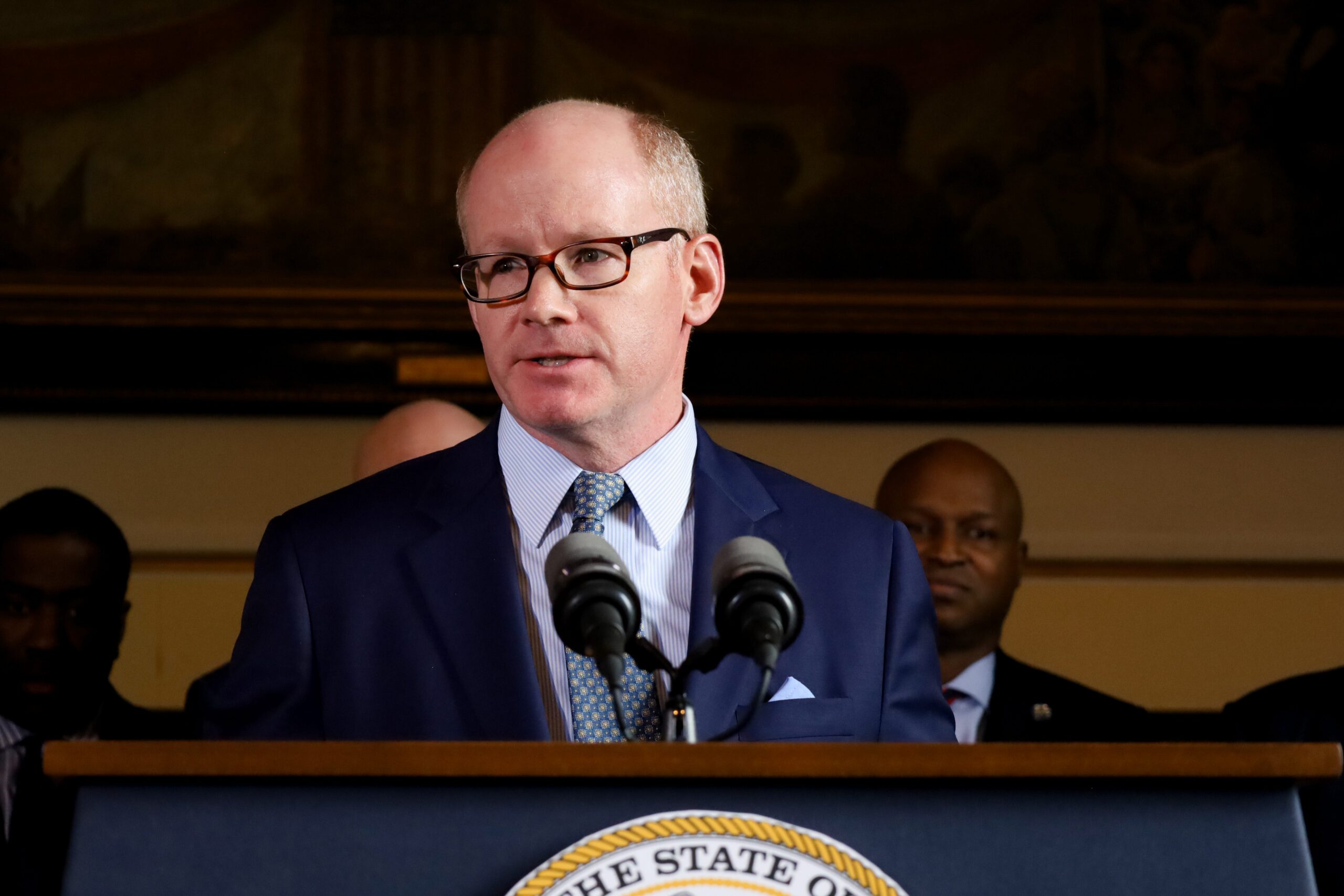
Senate President Don Harmon, D-Oak Park, is leading legislation to create a state office for public defenders. Harmon is seen here at an Illinois State Capitol press conference March 24, 2022.
The megaproject PILOT approach died first, falling apart in the Senate after passing the House. The municipal stadium authority bill died second, passing the Senate but never getting a House vote. Both collapsed for the same reason: lawmakers refused to attach their names to public subsidies for a billionaire-owned franchise while voters watched. That pattern matters more than any single vote. It suggests the political resistance in Springfield isn’t a fluke or a timing problem. It’s structural. Any future bill faces the identical headwind. Once you see that, the “we’ll keep talking” reassurances from House leadership sound less like strategy and more like stalling.
November Is Too Late
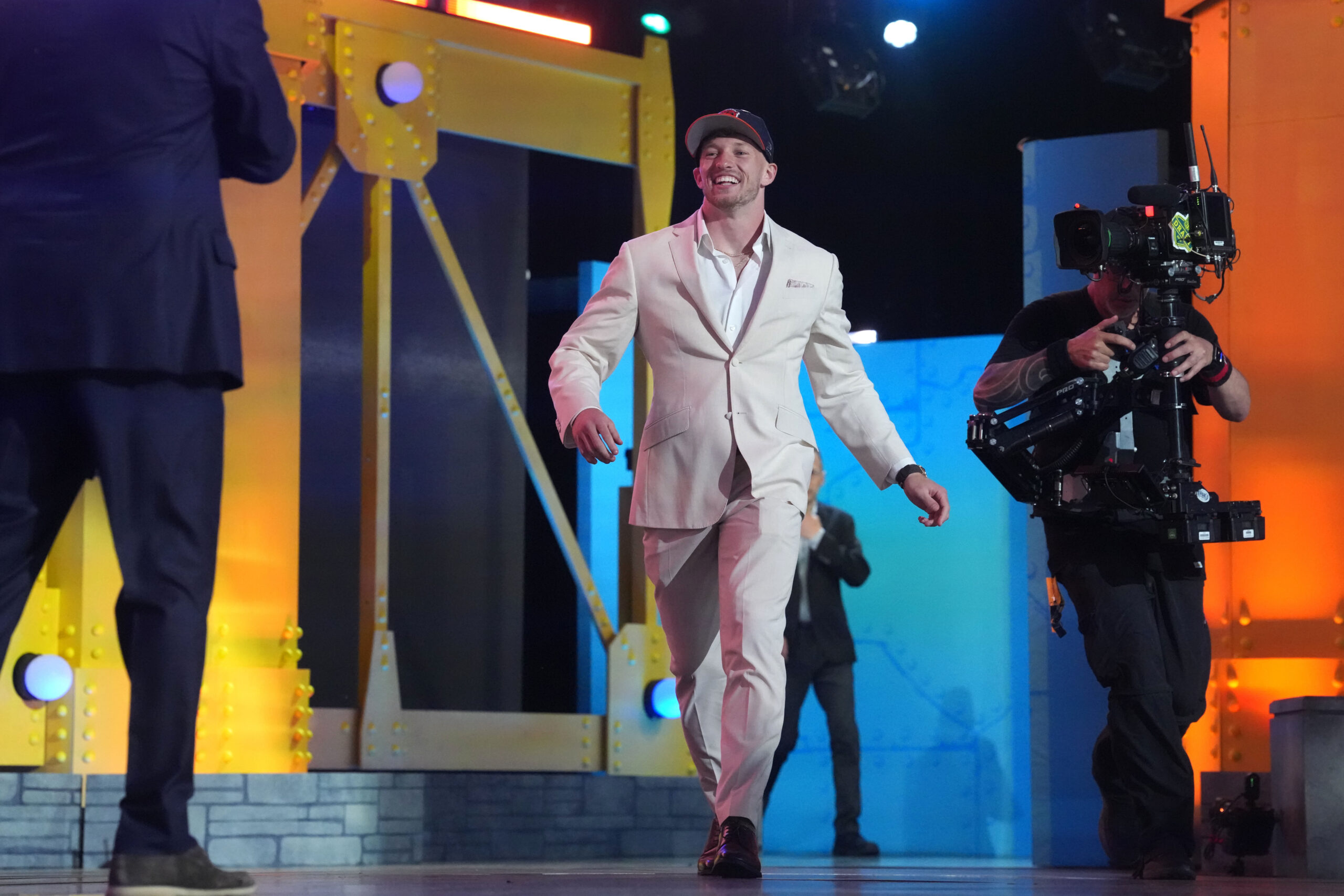
Apr 23, 2026; Pittsburgh, PA, USA; Oregon Ducks defensive back Dillon Thieneman is selected by the Chicago Bears as the number 25 pick during the 2026 NFL Draft at Acrisure Stadium. Mandatory Credit: Kirby Lee-Imagn Images
Speaker Welch said conversations would continue over the summer. But conversations aren’t legislation. The Bears’ timeline targets a decision before lawmakers reconvene in November, and Indiana’s stadium authority already exists in law, not in theory. Every week without a special session in Springfield is a week where the only state with a functioning offer is the one across the border. The Bears aren’t waiting for Illinois to find its courage. They’re watching a calendar that rewards the jurisdiction that showed up first, and right now, that jurisdiction isn’t Illinois.
The Franchise That Outgrew Its State
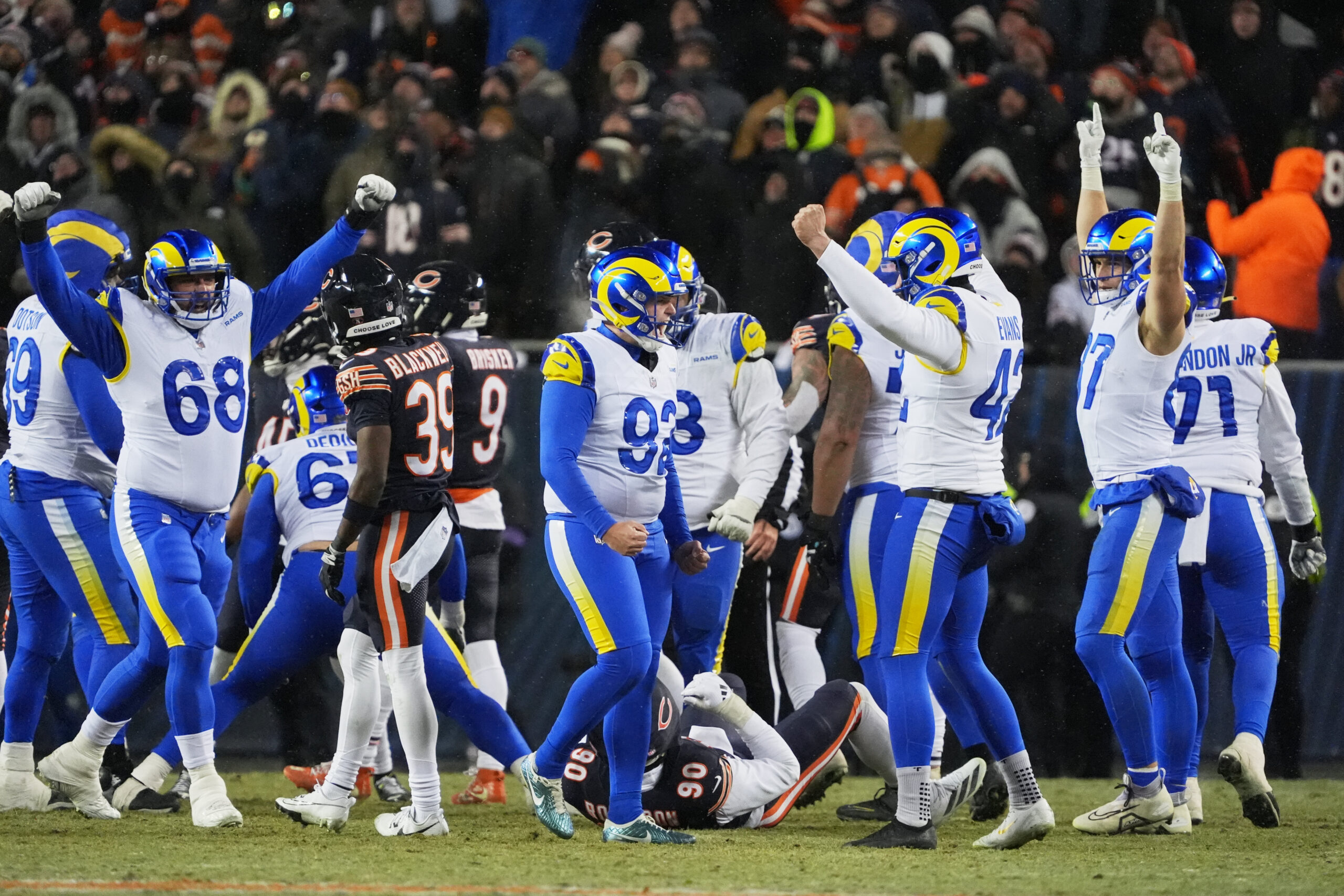
Jan 18, 2026; Chicago, IL, USA; Los Angeles Rams placekicker Harrison Mevis (92) reacts with teammates after kicking the game-winning forty-two yard field goal against the Chicago Bears during overtime of an NFC Divisional Round game at Soldier Field. Mandatory Credit: David Banks-Imagn Images
Most people think this story is about a stadium bill. It’s about something older and uglier: a political system that can’t say yes to a deal it can’t afford to lose. The Bears brought $2 billion in private money. They asked for infrastructure help. Two separate strategies collapsed because no lawmaker wanted the vote on their record. Meanwhile, Indiana built an entire authority, won unanimous support, and started planning. The franchise worth more than $8 billion didn’t simply hit a dead end. Illinois built the wall and dared the Bears to drive around it. The question now belongs to you: does Illinois deserve to keep the Bears after this? Let us know below.