

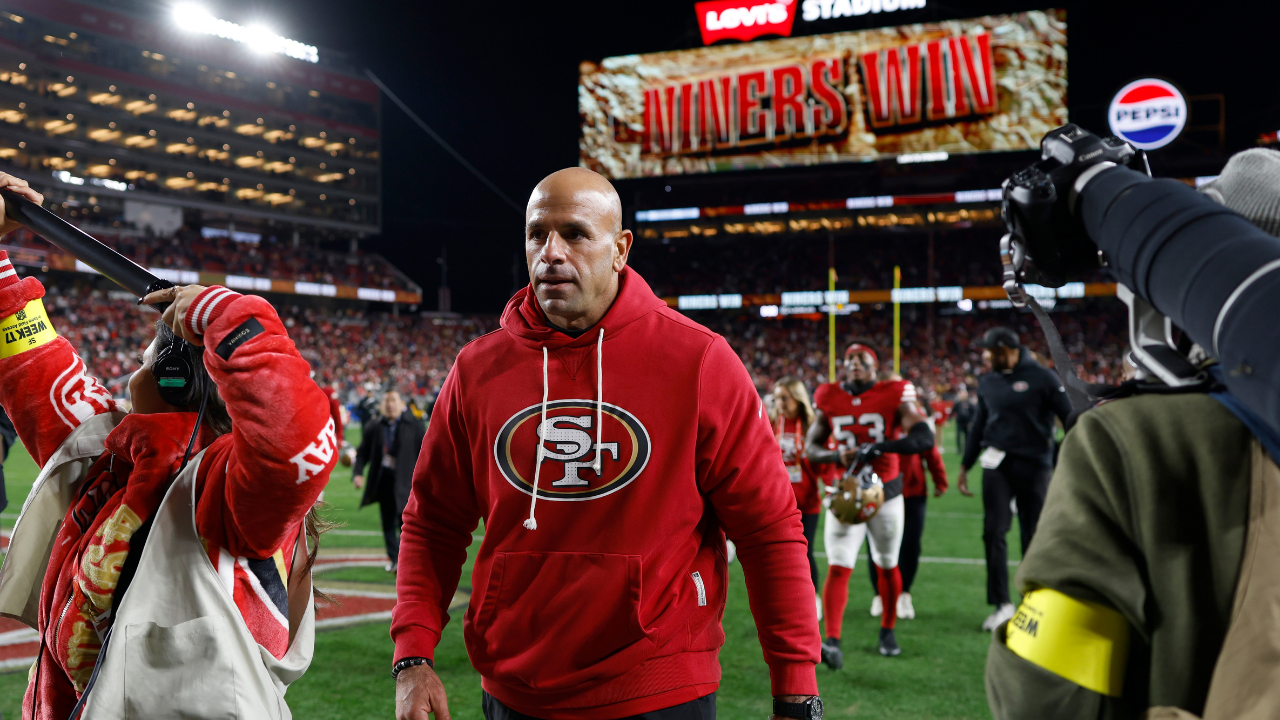
The Chicago Bears took their clearest step toward leaving Illinois after more than 55 years at Soldier Field. State lawmakers in Hammond approved a $1 billion stadium plan funded by five new or higher taxes on tickets, hotels, and meals. ESPN reported the Bears called it “the most meaningful step” in their stadium search. The implications go beyond football, touching politics, taxes, and local economies. Indiana’s offer positions the Bears to consider a move. The next slide shows how the public financing is structured.
Indiana Approves Ambitious Stadium Plan

Senate Bill 27 establishes a Northwest Indiana Stadium Authority with authority to issue 40‑year bonds, acquire land, and lease a domed venue in Hammond. The bill assumes $1 billion in public financing, while the Bears plan to contribute close to $2 billion to construction. Lawmakers called the proposal a “once‑in‑a‑generation” growth opportunity. The structure depends on raising revenue through multiple tax sources. Residents and officials face uncertainty about the reliability of projected funds. The financial mechanism raises questions about the cost and risk to local taxpayers.
Five Tax Streams Fund The Deal

Indiana’s stadium plan relies on five tax streams in Hammond, Lake County, and Porter County. A 12% ticket admissions tax applies to all stadium events. Lake County hotel taxes rise from 5% to 10%. Two counties implement new 1% food-and-beverage taxes. A special development district captures growth in sales, income, and other taxes around the site. The fiscal report notes the district revenue is “indeterminate.” Taxpayers carry risk for a project that may not generate expected returns. Residents face higher costs even before the stadium hosts its first game.
Bears Praise Indiana’s Progress

The Bears endorsed Indiana’s plan. “The passage of SB 27 would mark the most meaningful step forward in our stadium planning efforts to date,” the team said, adding they remain “committed to finishing the remaining site-specific necessary due diligence” near Wolf Lake in Hammond. ESPN highlighted the statement on February 18. Illinois officials received the timing as a strong signal of pressure from Indiana’s advance. The public embrace shifts the negotiation balance. Behind the statement, the Bears are managing both states simultaneously, shaping expectations for their next move.
Illinois Officials Feel Surprised

Illinois leaders believed they remained competitive. Governor JB Pritzker’s office said both sides had “mostly agreed” on a framework to retain the Bears, including infrastructure support around Arlington Heights. A CBS Chicago segment quoted a spokesperson saying officials were “surprised” by the team lauding Indiana shortly after pausing a state hearing. The sequence turned negotiations into a trust-and-leverage issue. Illinois faces a decision between matching Indiana’s terms or risking the franchise leaving. The timing underscores the pressure states feel when a billion-dollar package appears just across the border.
Soldier Field’s Historical Weight
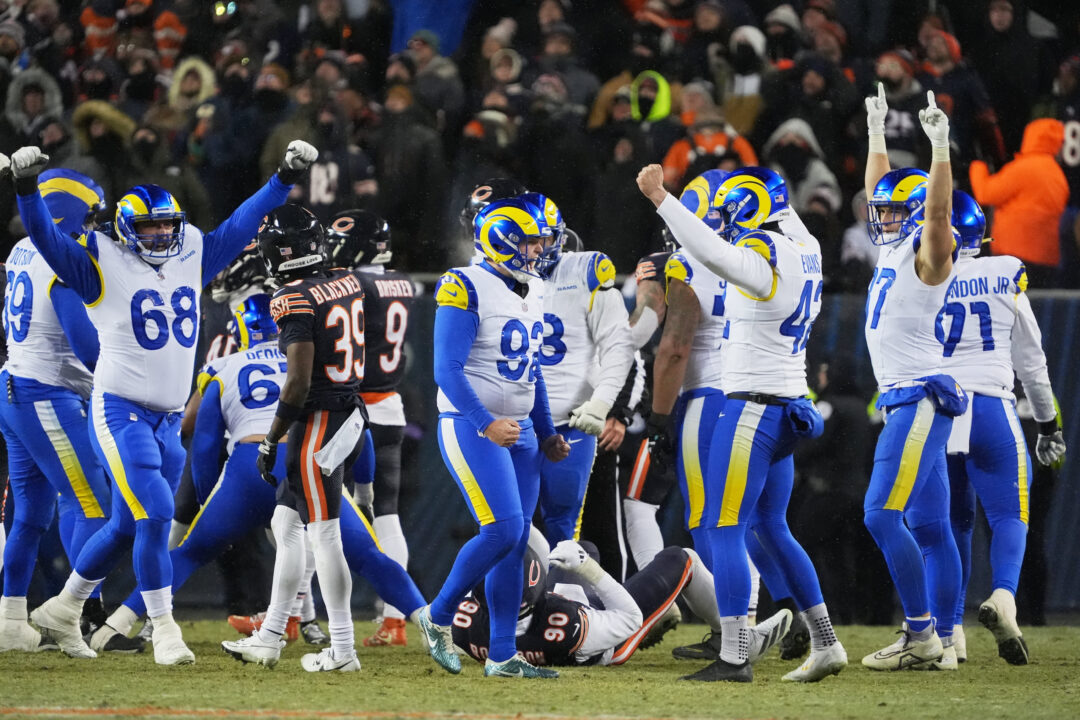
The Bears have called Soldier Field home since 1971, giving Chicago more than 55 seasons of lakefront football, playoff highs, and bitter cold lows. USA Today notes no NFL move would cover such a short distance, Hammond is only 20 miles from downtown, but the symbolic break is large. Chicago’s Park District still owes hundreds of millions in renovation debt and future retrofit costs if the team leaves. Fans confront both nostalgia and fiscal consequences. City leaders must weigh the impact of a departure that reshapes Chicago’s NFL presence for decades.
Indiana Plays Strategic Border Game

Indiana’s approach emphasizes fiscal incentive over pure civic generosity. NPR reporter Patrick Finley explained the state offered superior terms after Bears frustration with Illinois over property taxes and infrastructure. The House passed the bill 95‑4, with Republican leaders presenting it as proof that “Team Indiana” can secure a marquee franchise. The package pressures Illinois, forcing them to consider whether matching terms is possible. With one state advancing a billion-dollar deal, the Bears can use timing and resources to strengthen their negotiating position. Public finance and regional strategy intersect sharply here.
Bears Keep Both Doors Open

The Bears publicly maintain both options. “We are continuing to collaborate with Illinois’ leadership and appreciate the advancements being made,” the team said, even as they praised Indiana’s bill as the “most meaningful step” so far. The dual messaging puts pressure on both states. As Indiana moves first, Illinois risks ceding advantage. The Bears’ strategy positions them to gain better terms or make a commitment elsewhere. Negotiations remain fluid, and how the team balances the competing offers will determine their stadium location and the surrounding economic fallout.
Local Residents Face The Tab

Residents and visitors may carry the financial burden if the stadium proceeds. Analysis in The Athletic estimates combined taxes—12% on tickets, 10% on Lake County hotels, and 1% on meals in two counties—could generate tens of millions annually. Economists warn NFL stadiums rarely deliver lasting employment or broad growth. Major events are limited each year, concentrating economic benefits. Local taxpayers may fund infrastructure and public bonds while private gains accrue to the franchise. Financial consequences affect ordinary citizens long before any team moves in.
Bears’ Next Steps Remain Uncertain

Indiana’s Senate must approve the amended bill before Governor Mike Braun can sign it. If enacted, the Bears would abandon Arlington Heights and commit long-term to Hammond. Illinois can still propose a counteroffer. The team has opened the door to leaving Illinois. Over $3 billion in combined public and private funds is at stake. Political timing, financial structures, and strategic decisions will determine the outcome. The next weeks will define whether Chicago retains its historic franchise or sees it relocate just across the state line, reshaping the region’s football landscape.
If you enjoyed this article please like and follow us here on MSN! Thank you for reading and have a great day!
Sources:
Indiana unanimously passes bill to lure Bears away from Chicago. ESPN, February 18
Indiana lawmakers vote 95‑4 to advance bill to fund new Bears stadium. The Athletic (The New York Times), February 24
Indiana moves forward with deal to bring Chicago Bears to the state. USA Today / Indianapolis Star, February 24
Proposal would build new stadium for Chicago Bears…in Indiana. NPR, February 24
Chicago Bears make progress in a potential move to stadium in Indiana. AFP, February 19
Ben Johnson made feelings clear on Chicago and Soldier Field as Bears weigh move. talkSPORT, February 24