
What do you do when the team you’ve been negotiating with for three years asks you to hold off on a vote, then thanks the state next door instead? That’s what Illinois woke up to on Thursday, February 19. The night before, Bears executives had spent three hours with Governor Pritzker’s team in Springfield, and both sides agreed they were close on a deal. The Bears asked to pause Thursday’s committee hearing so they could tweak the bill language. Illinois agreed. By morning, the Bears had released a statement praising Indiana for “the most meaningful step forward in our stadium planning efforts to date”. Illinois wasn’t in it. The pause wasn’t for tweaks … it was for a head start
24-0, and Nobody Blinked
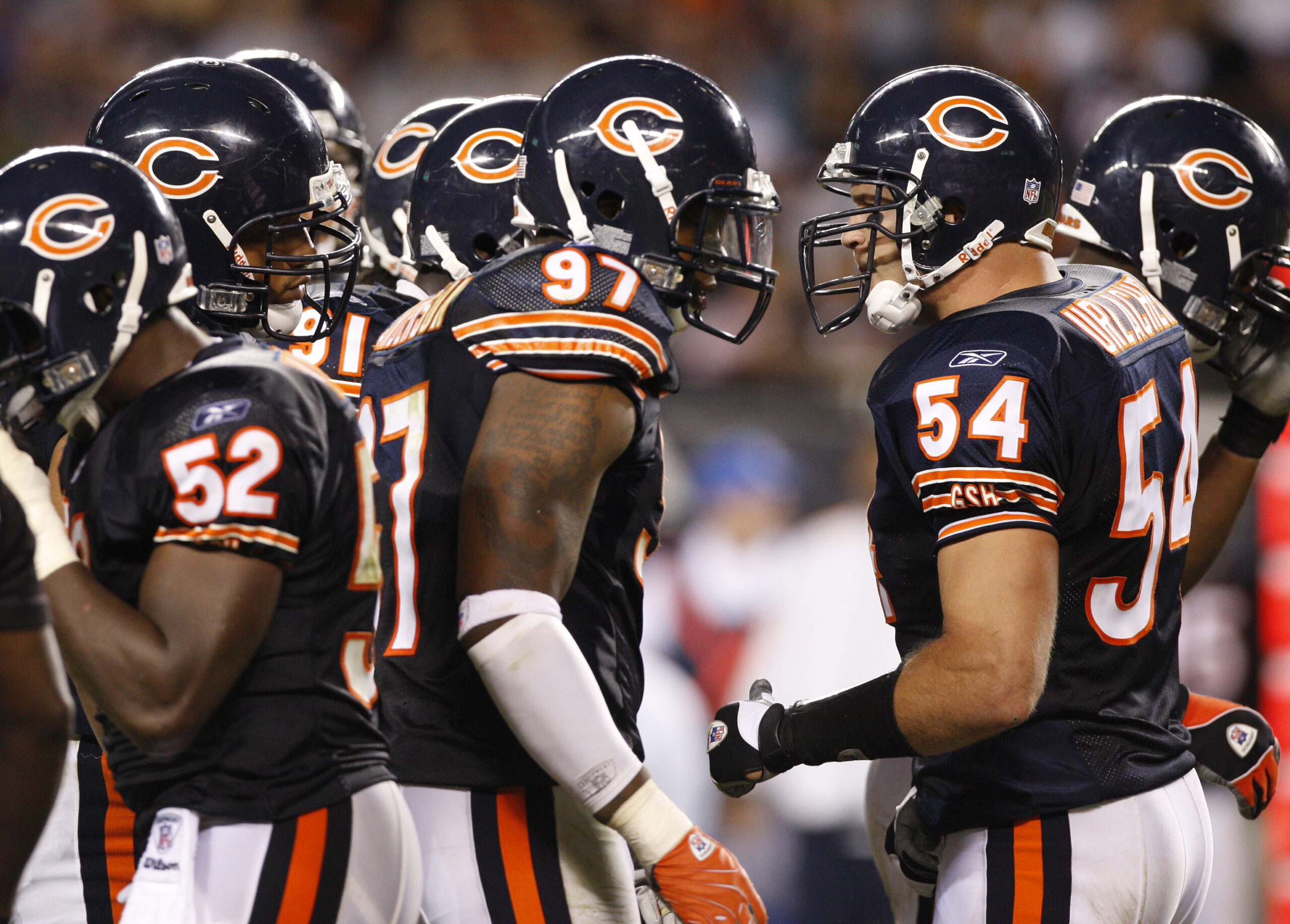
Sep 23, 2007; Chicago, IL, USA; Chicago Bears linebacker Brian Urlacher (54) in the huddel with teammates against the Dallas Cowboys at Soldier Field Stadium. Mandatory Credit: Matthew Emmons-Imagn Images
While Illinois lawmakers were canceling their hearing at the Bears’ own request, the Indiana House Ways and Means Committee voted 24-0 to advance Senate Bill 27. The bill creates the Northwest Indiana Stadium Authority, a new government body with the power to issue bonds, acquire land, and finance the construction of a domed Bears stadium near Wolf Lake in Hammond. Twenty-four votes. Zero opposition. Governor Mike Braun posted on X: “Indiana is open for business, and our pro-growth environment continues to attract major opportunities like this partnership with the Chicago Bears”. He added: “The State of Indiana moves at the speed of business, and we’ve demonstrated that through our quick coordination between state agencies, local government, and the legislature”. Three years of Illinois gridlock answered by one morning in Indianapolis.
The $5 Billion Offer Illinois Couldn’t Match
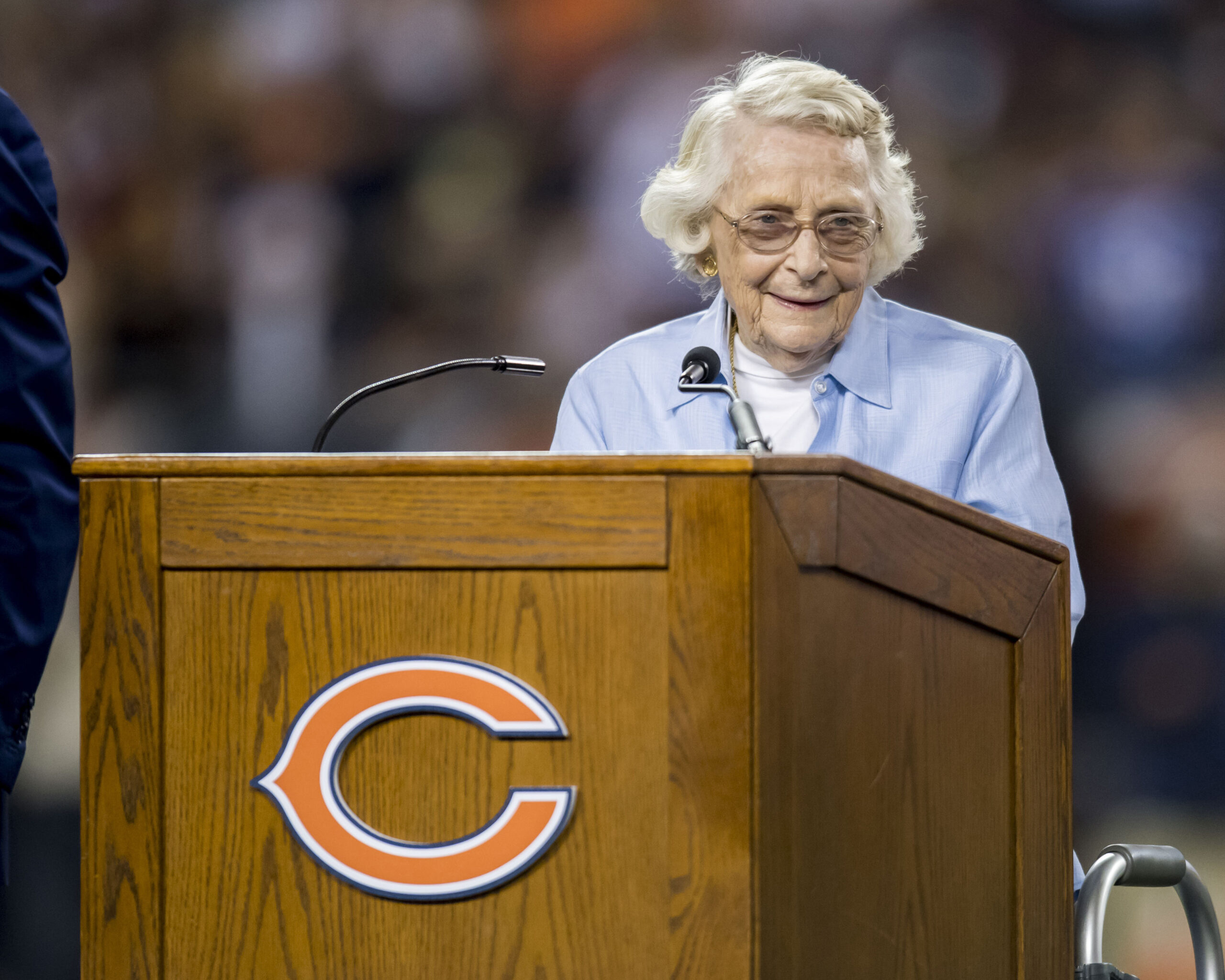
Sep 17, 2018; Chicago, IL, USA; Chicago Bears owner Virginia Halas McCaskey speaks during a ceremony at half time of a game between the Bears and the Seattle Seahawks at Soldier Field. Mandatory Credit: Patrick Gorski-Imagn Images
Indiana didn’t just pass a bill. It laid out a framework for the largest public-private sports development in Midwest history. The Bears committed $2 billion in private investment. Indiana officials signaled up to $1 billion in public funding, financed through bonds backed by future admissions taxes, food and beverage levies, and innkeeper taxes, structured so the project pays for itself through its own economic activity rather than direct taxpayer appropriations. Total estimated project cost: approximately $5 billion, including a mixed-use district around the stadium. In Illinois, the Bears had sought not just a property tax freeze on their 326-acre Arlington Heights site but also roughly $855 million in infrastructure support and construction sales tax exemptions. Springfield couldn’t get any of it done in three years.
19 Miles and a Whole Different State
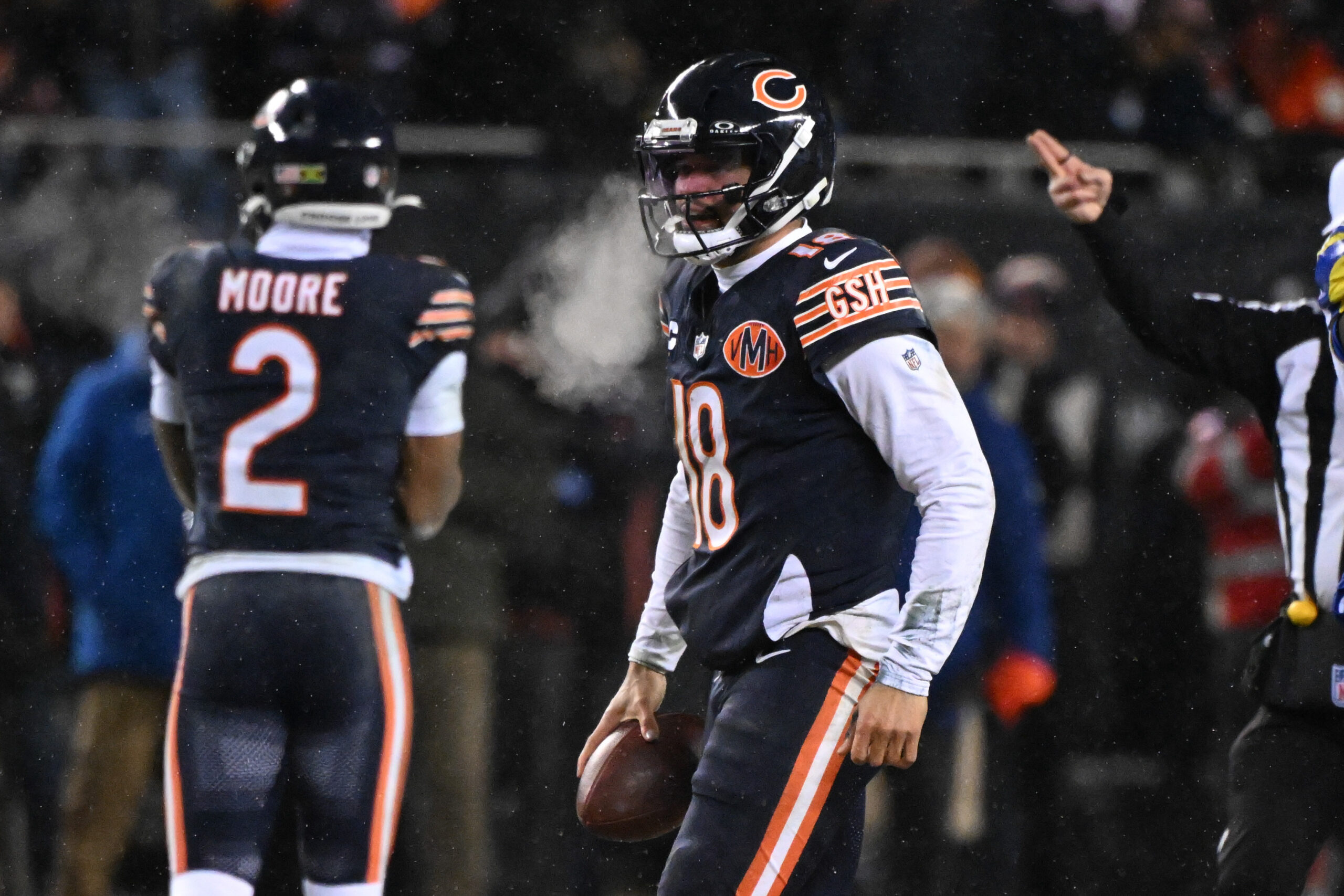
Jan 18, 2026; Chicago, IL, USA; in Chicago Bears quarterback Caleb Williams (18) during an NFC Divisional Round game against the Los Angeles Rams at Soldier Field. Mandatory Credit: Matt Marton-Imagn Images
The proposed Wolf Lake site in Hammond sits along Interstate 90, straddling the Illinois-Indiana border—roughly 25 minutes southeast of Soldier Field and approximately 19 miles from Chicago’s Loop. Close enough that Bears fans could drive to home games in about the same time it takes to park at Soldier Field on game day. Far enough that every dollar of sales tax, income tax, and economic development revenue flows to Indiana instead of Illinois. The Chicago Bears would still carry the name. The checks would just be cashed in a different state.
Surprised, Dismayed, Very Disappointed
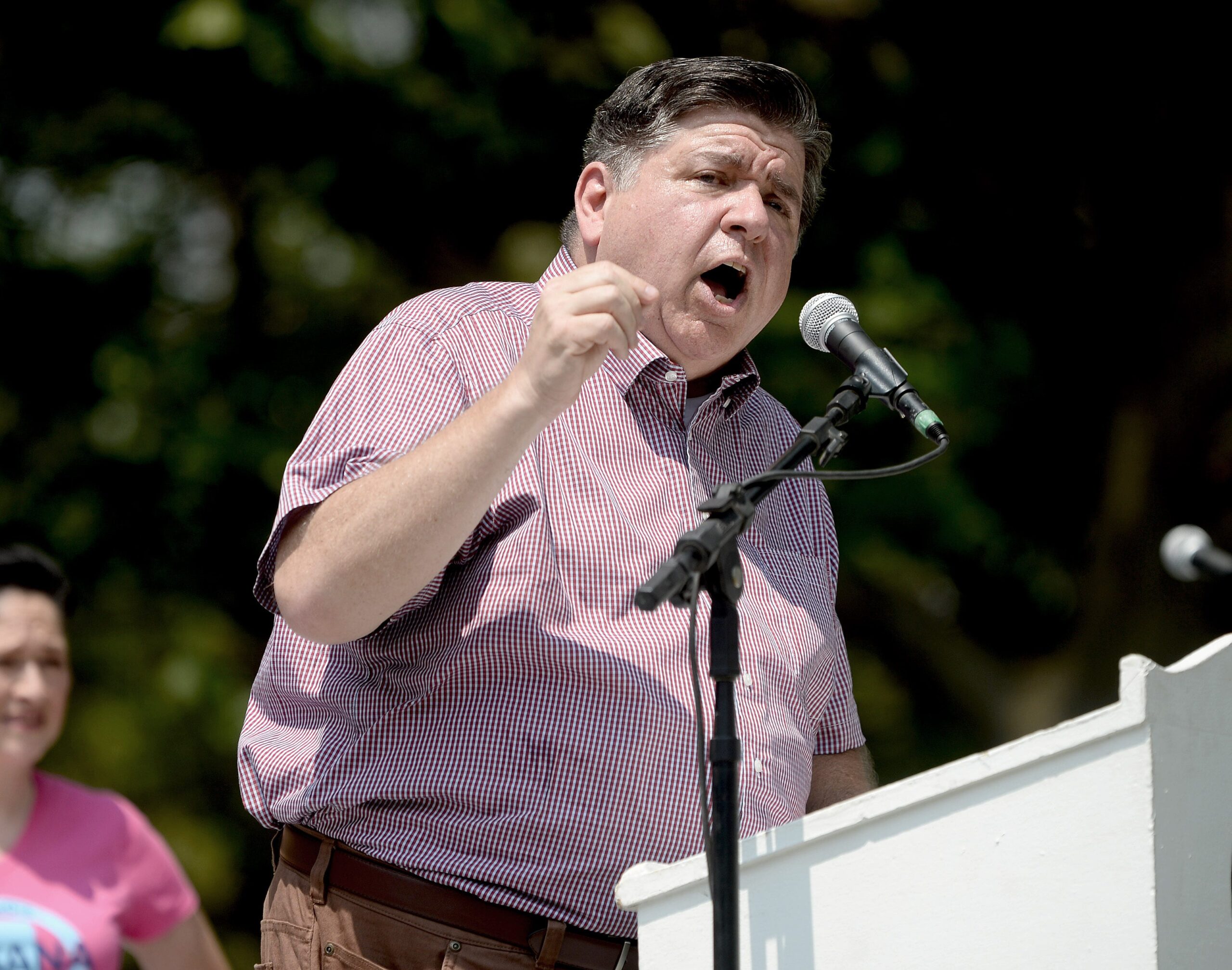
Gov. JB Pritzker speaks during Governor’s Day at the Illinois State Fair on Wednesday, Aug. 13, 2025.
Governor Pritzker didn’t hide it. He told reporters he was “surprised, dismayed, very disappointed” that the Bears released their Indiana statement without giving Illinois any notice. His spokesman, Matt Hill, laid out the timeline publicly: “Illinois was ready to move this bill forward. After a productive three-hour meeting yesterday, the Bears leaders requested the ILGA pause the hearing to make further tweaks to the bill. This morning, we were surprised to see a statement lauding Indiana and ignoring Illinois.” By the next day, Pritzker was urging the Bears to “make their intentions known” and stop playing both sides. But the leverage had already shifted. Indiana had a 24-0 vote. Illinois had a rescheduled hearing.
Seven Weeks From “Only Site” to New State
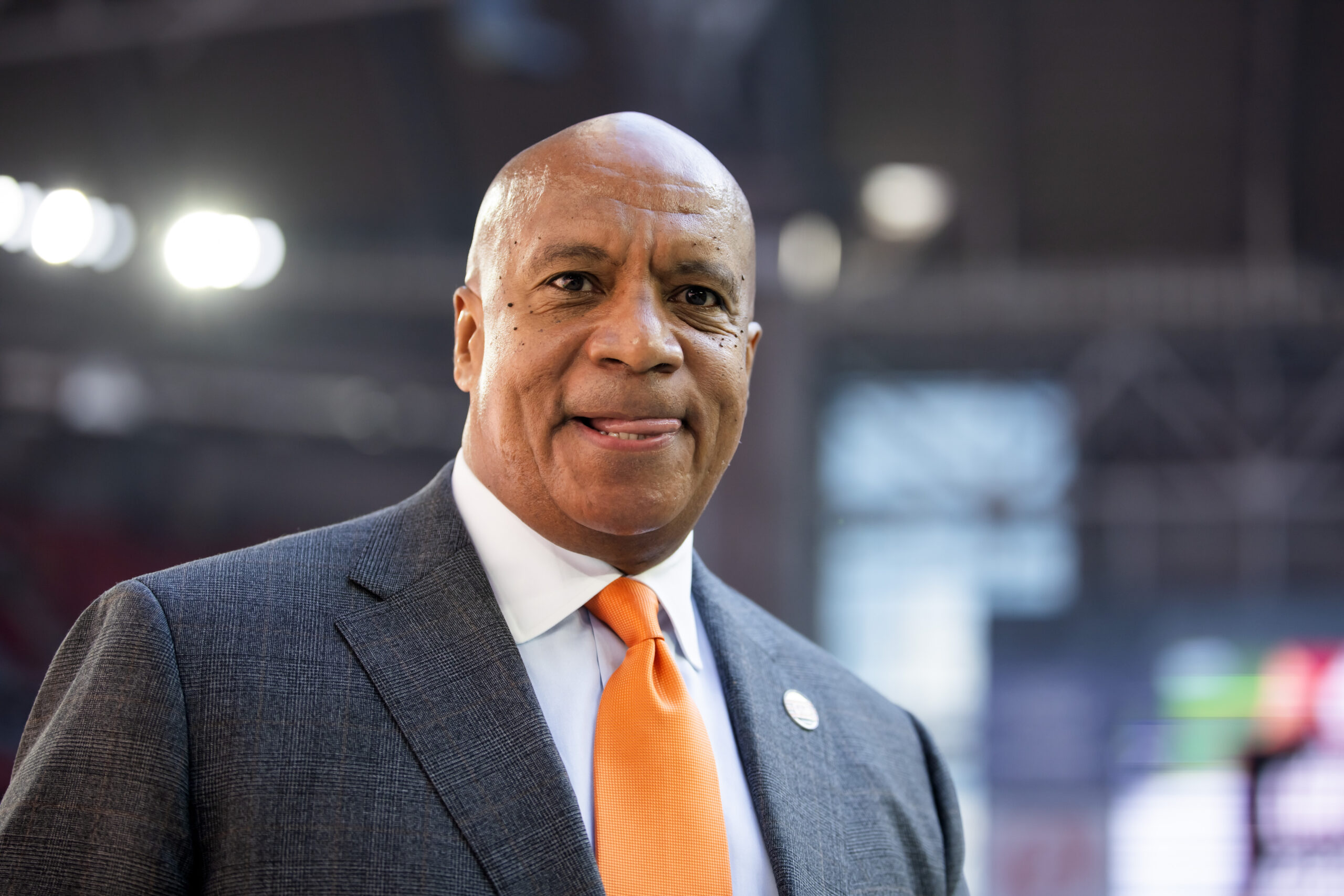
Nov 3, 2024; Glendale, Arizona, USA; Chicago Bears president and ceo Kevin Warren against the Arizona Cardinals at State Farm Stadium. Mandatory Credit: Mark J. Rebilas-Imagn Images
Rewind to December 17, 2025. Bears CEO Kevin Warren published an open letter saying the team had “spent years trying to build a new home in Cook County” and announcing an expanded site search that now included Northwest Indiana. Buried in the same letter was a warning shot: Warren indicated that state leadership had told the franchise their project would not be a priority in the upcoming legislative session. Seven weeks later, the man who had centered the franchise’s future on Arlington Heights was celebrating Hammond as the “most meaningful step forward” in the team’s stadium efforts. The December letter wasn’t a plea. It was a countdown.
Hundreds of Millions in Debt
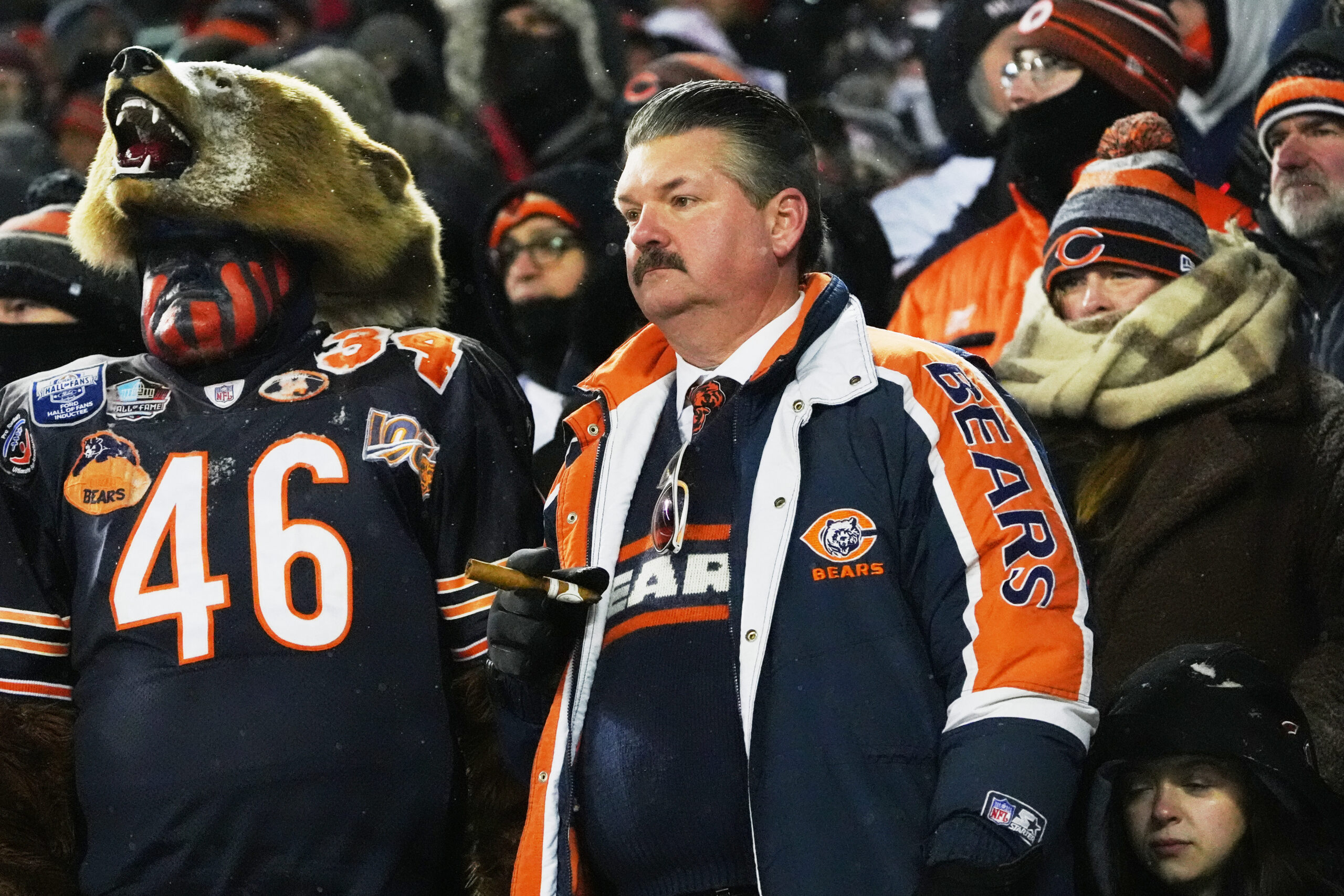
Jan 18, 2026; Chicago, IL, USA; Chicago Bears fans look on during the fourth quarter of an NFC Divisional Round game against the Los Angeles Rams at Soldier Field. Mandatory Credit: David Banks-Imagn Images
Here’s the number that should keep every Chicago taxpayer awake at night: the city still carries enormous debt from Soldier Field’s 2003 renovation. Depending on the measure, between $356 million and $416 million in principal remains outstanding on the bonds, with total obligations climbing far higher when interest through maturity is included. That debt is backed by a dedicated hotel tax and city subsidies, with shortfalls covered by Chicago’s share of state income tax revenue. The city has already spent nearly $52 million since 2022 to cover gaps when hotel tax revenue fell short. The Bears pay $6.48 million a year in rent to the Chicago Park District, accounting for 15% of Soldier Field’s revenue contribution to the Park District budget. Soldier Field overall is projected to generate just over $50 million in annual revenue. Their lease runs through 2033. If they leave for Hammond, Chicago keeps servicing debt on a stadium without its primary tenant, while losing rent, parking revenue, and the economic activity that comes with 10 NFL home dates a year.
Hammond’s 100-Year Homecoming
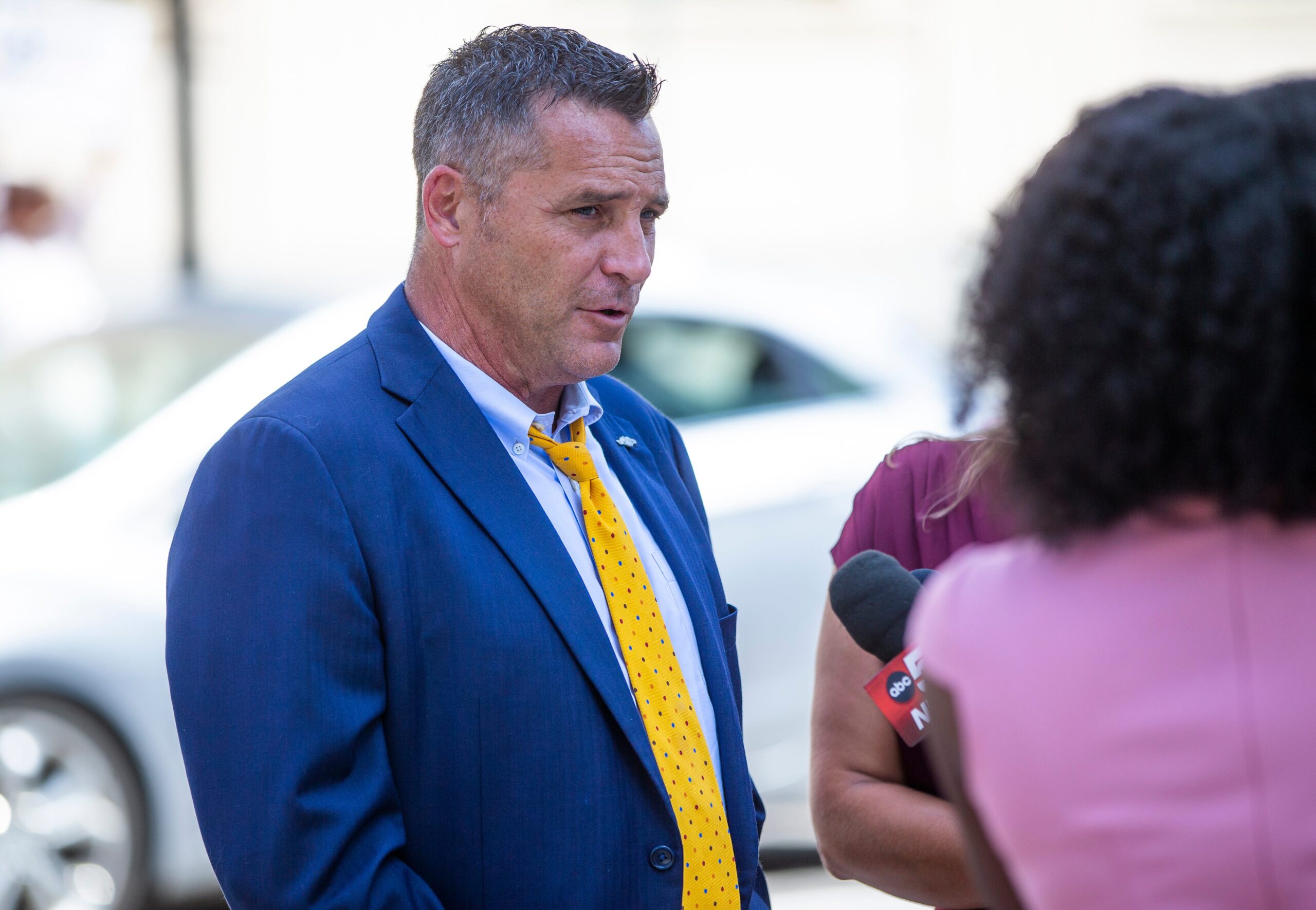
Current Hammond Mayor and democratic U.S. senate candidate Thomas McDermott Jr. gives an interview at an abortion rights rally Wednesday, June 29, 2022 at the Robert A. Grant Federal Building & U.S. Courthouse in South Bend. Abortion Rights Rally
Football historians will appreciate this one. Hammond, Indiana, was a charter member of the NFL. The Hammond Pros played in the league from its founding in 1920 until their final season in 1926. Exactly 100 years after the city lost its professional football franchise, it’s now the frontrunner to host one of the sport’s most historic teams. Mayor Thomas McDermott Jr. told the Ways and Means Committee that this was “a once-in-a-generation opportunity”. The last time Indiana tried to poach the Bears was in 1995, when a business group called Northwest Indiana/Chicagoland Entertainment Inc. pitched a $482 million stadium and entertainment complex in Gary called Planet Park, a 75,000-seat open-air stadium surrounded by a hall of fame, an amusement park, and parking for 25,000 cars. That plan collapsed when Lake County Council members refused to back the 0.5% income tax needed to fund it. This time, Indiana built a state-level authority that sidesteps local funding fights entirely.
The NFL’s New Arms Race: State vs. State
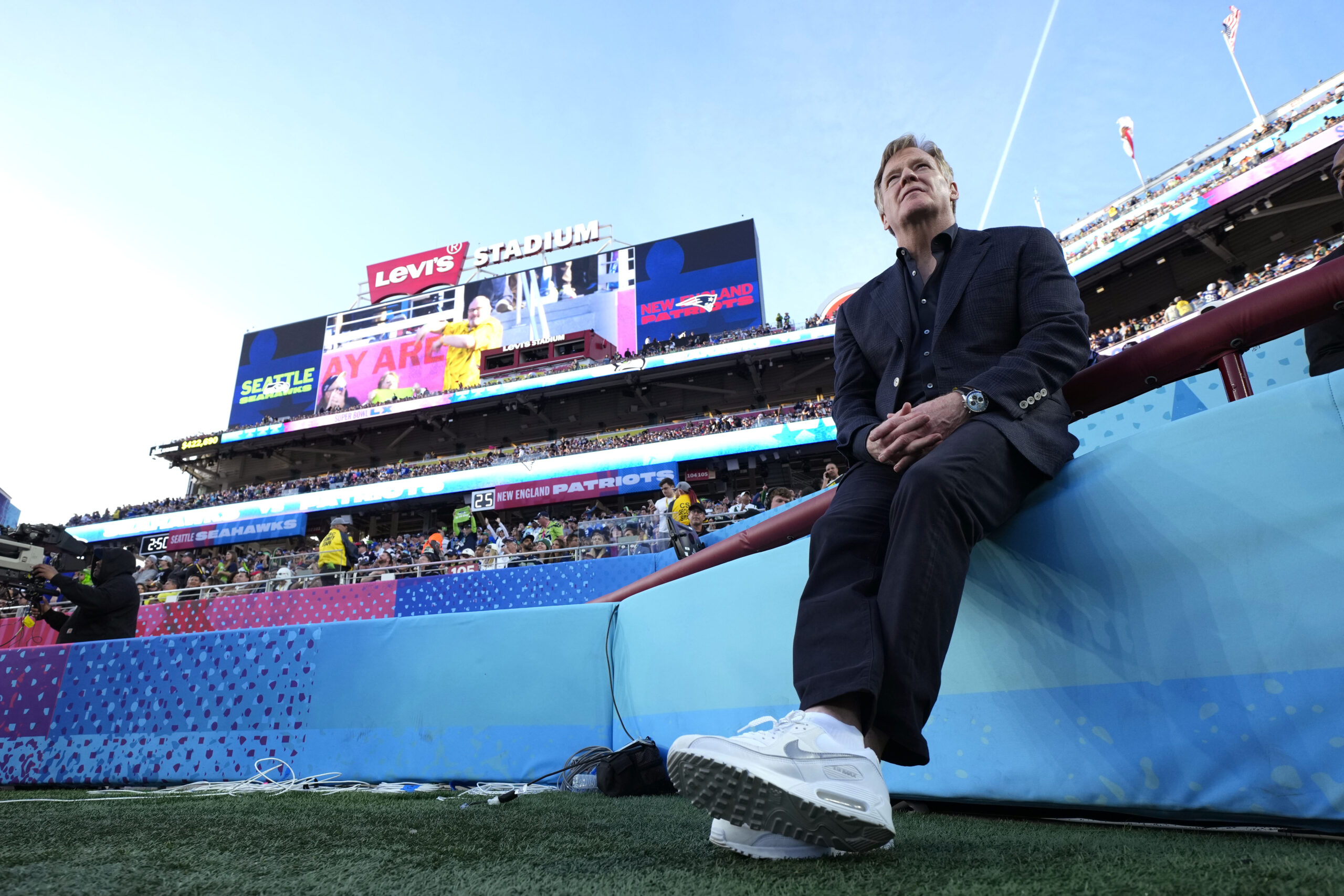
Feb 8, 2026; Santa Clara, CA, USA; NFL commissioner Roger Goodell looks on in Super Bowl LX between the Seattle Seahawks and the New England Patriots at Levi’s Stadium. Mandatory Credit: Kyle Terada-Imagn Images
The Bears aren’t an isolated case; they’re the second domino. The Kansas City Chiefs announced in December 2025 that they’d relocate to Kansas with a new stadium projected by 2031. NFL Commissioner Roger Goodell personally toured potential Bears sites in Indiana in January 2026 alongside Kevin Warren and Bears chairman George McCaskey. When the league commissioner scouts your relocation site in person, the question isn’t whether a move is possible; it’s what the final price is. Braun’s messaging wasn’t just for the Bears. “We have built a strong relationship with the Bears organization that will serve as the foundation for a public-private partnership, leading to the construction of a world-class stadium and a win for taxpayers,” he wrote on X. That’s a recruitment pitch aimed at every franchise owner in a high-tax state watching this unfold.
A Compressed Window to Decide a Century
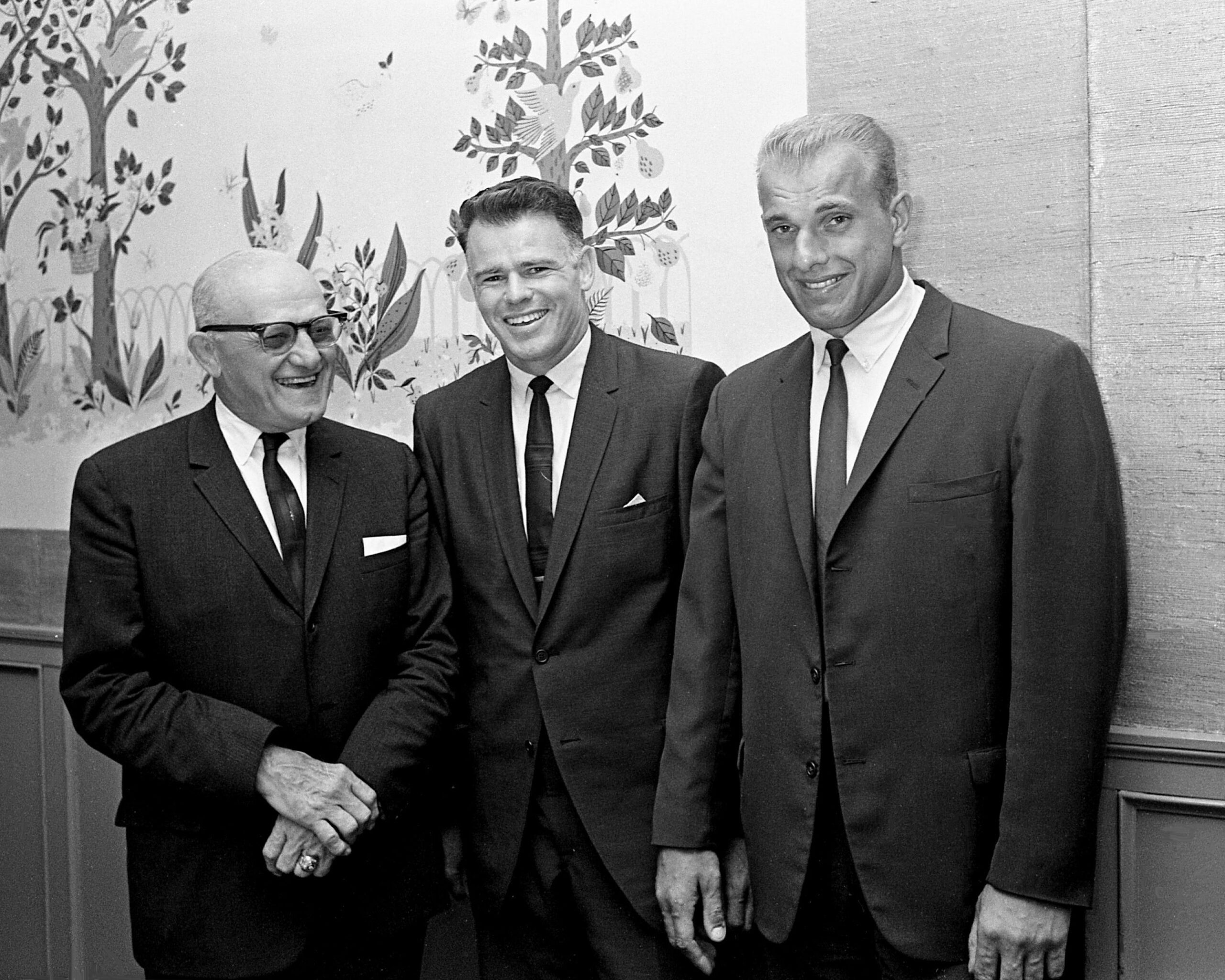
Chicago Bears quarterback Bill Wade, center, is being in charge here even though Bears head coach George Halas, left, and defensive star Dick Evey, the former Tennessee great, are present. Wade, a local favorite who starred at Vanderbilt, was host of a dinner on Aug. 27, 1965, for the Bears after the team arrived in town for their NFL exhibition with the Los Angeles Rams.
Indiana’s 2026 legislative session is a short session that must adjourn by March 14 by statute, though Statehouse leadership announced their intent to wrap up by February 27. That gives lawmakers barely days from the 24-0 committee vote to push SB 27 through both chambers and onto Braun’s desk. Illinois, meanwhile, rescheduled its own hearing for the following Thursday. One state is racing to close, the other is still trying to get organized. The franchise that George Halas moved to Chicago in 1921—playing at Wrigley Field for nearly 50 years, at Soldier Field since 1971 —is now closer to leaving Illinois than at any point in its 105-year Chicago history. If it goes, Chicago doesn’t just lose a football team. It keeps paying for a stadium without its primary tenant, watches one of its oldest sports institutions play 19 miles away under a different state flag, and learns the hardest lesson in professional sports: loyalty doesn’t survive a 24-0 vote.
If you enjoyed this article please like and follow us here on MSN! Thank you for reading and have a great day!
Sources:
“Indiana unanimously passes bill to lure Bears away from Chicago” — ESPN
“Gov. JB Pritzker urges Bears to ‘make their intentions known’ in stadium tug of war between Illinois and Indiana” — CBS News Chicago
“Bears consider move to Indiana with effort to secure public funding for stadium in Illinois stalled” — NFL.com
“7 things to know about Chicago Bears stadium debate” — Illinois Policy Institute
“If Da Bears leave, what are the fiscal implications for Chicago?” — Center for Tax and Budget Accountability
“Bears Proposed Moving From Chicago, Possibly To Gary” — CBS News Chicago