
The confetti from six Super Bowl parades barely had time to fade. Bill Belichick stood on the sideline at Kenan Stadium, watching his hand-picked roster take the field for the first time. Seventy-one new faces. Forty-one transfers pulled from the portal. Thirty high school recruits. One of the most sweeping single-season roster transformations in North Carolina football history. Every starter, every backup, every depth chart position touched by one man’s vision. The old team was gone. And the man who built a dynasty was betting everything on building another one from scratch.
The Night It All Went Wrong
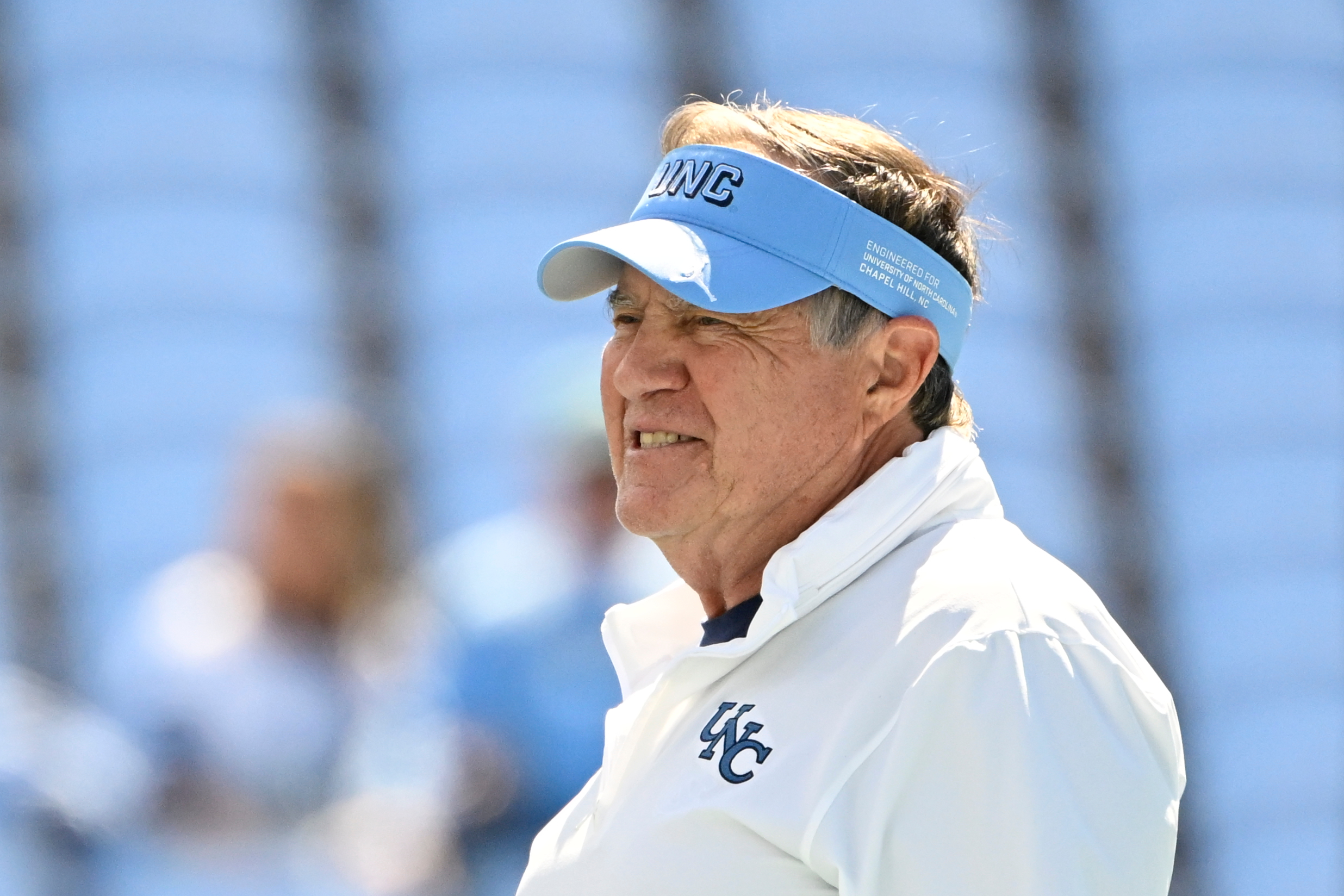
Sep 13, 2025; Chapel Hill, North Carolina, USA; North Carolina Tar Heels head coach Bill Belichick on the field before the game at Kenan Stadium. Mandatory Credit: Bob Donnan-Imagn Images
TCU answered every question about Belichick’s college readiness in a single evening. The Horned Frogs ran off 41 unanswered points in Chapel Hill, and the final landed at 48-14 — one of the most lopsided debuts for a high-profile NFL coach transitioning to the college game. Fans were filing out of Kenan Stadium midway through the third quarter. The program that hired a legend got introduced to a new reality: six rings don’t block a single pass. And that 34-point humiliation was only the opening chapter of a season nobody in Chapel Hill saw coming.
A Pattern Nobody Expected
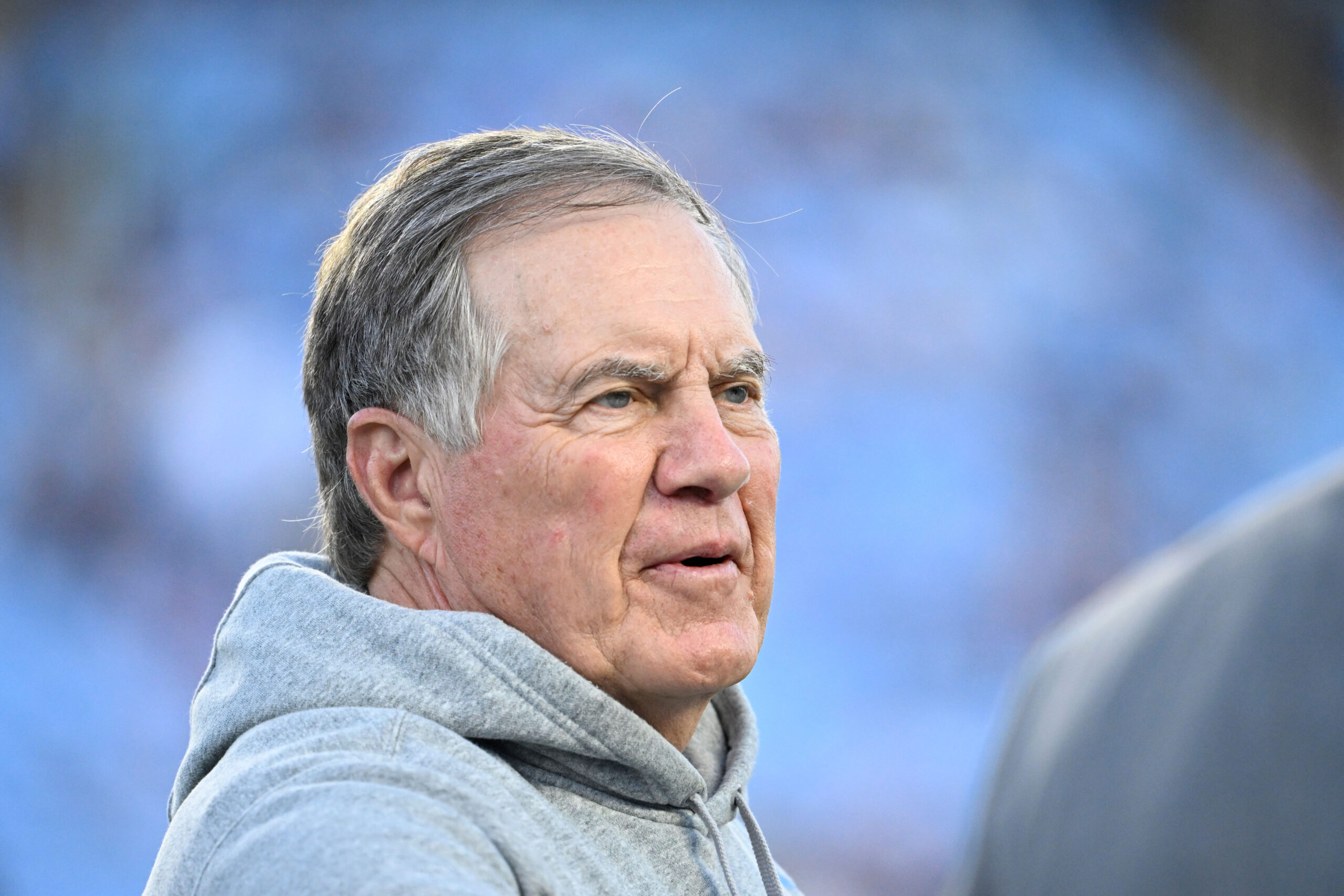
Sep 1, 2025; Chapel Hill, North Carolina, USA; North Carolina Tar Heels head coach Bill Belichick on the field before the game at Kenan Stadium. Mandatory Credit: Bob Donnan-Imagn Images
The assumption was simple: a coach who mastered NFL talent evaluation would dominate college recruiting. Belichick managed salary caps, graded pro-day tape, and assembled rosters that won championships for two decades. Surely identifying college talent would be easier. Instead, players looked overwhelmed by the NFL-style system he installed. Meanwhile, Jake Dickert took over at Wake Forest with less established talent and showed faster early progress. That comparison cracked something open. Maybe the skillset that built a professional dynasty operated on entirely different wiring than college football demanded.
The Evaluation That Backfired
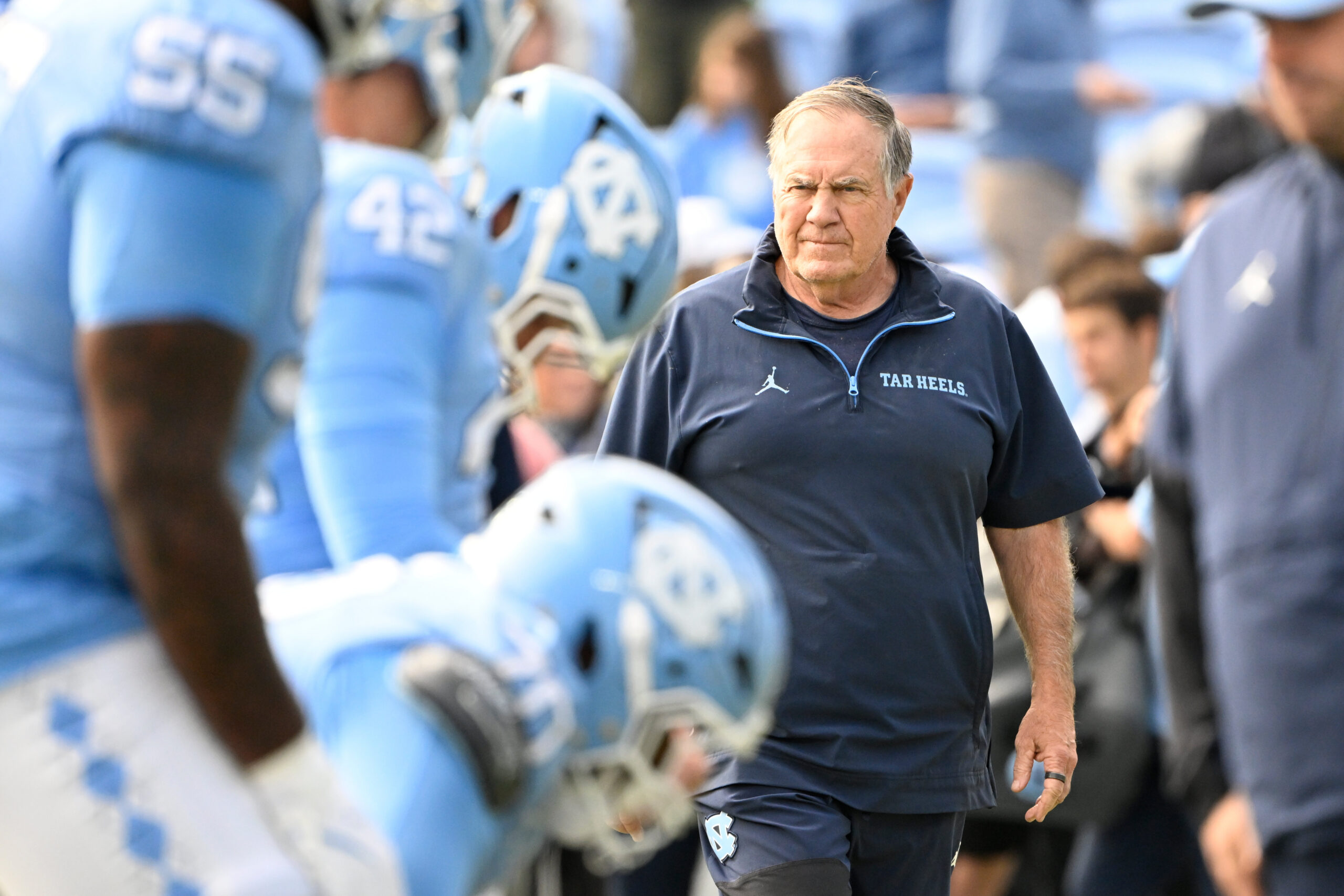
Oct 25, 2025; Chapel Hill, North Carolina, USA; North Carolina Tar Heels head coach Bill Belichick with the team before the game at Kenan Stadium. Mandatory Credit: Bob Donnan-Imagn Images
Of Belichick’s 41 transfer additions, only six arrived rated as four-star or better — a portal class that competed for the same names as Group of Five programs rather than Power Four contenders. That detail targeted the one thing everyone assumed would be Belichick’s greatest strength. His evaluation abilities. The man who spotted Tom Brady in the sixth round was now being told he picked the wrong transfer portal players. Six Super Bowl wins. A 4-8 college record. That contrast alone ranks among the starkest in coaching history. The master evaluator’s toolkit had a blind spot nobody anticipated.
Two Games, Two Universes
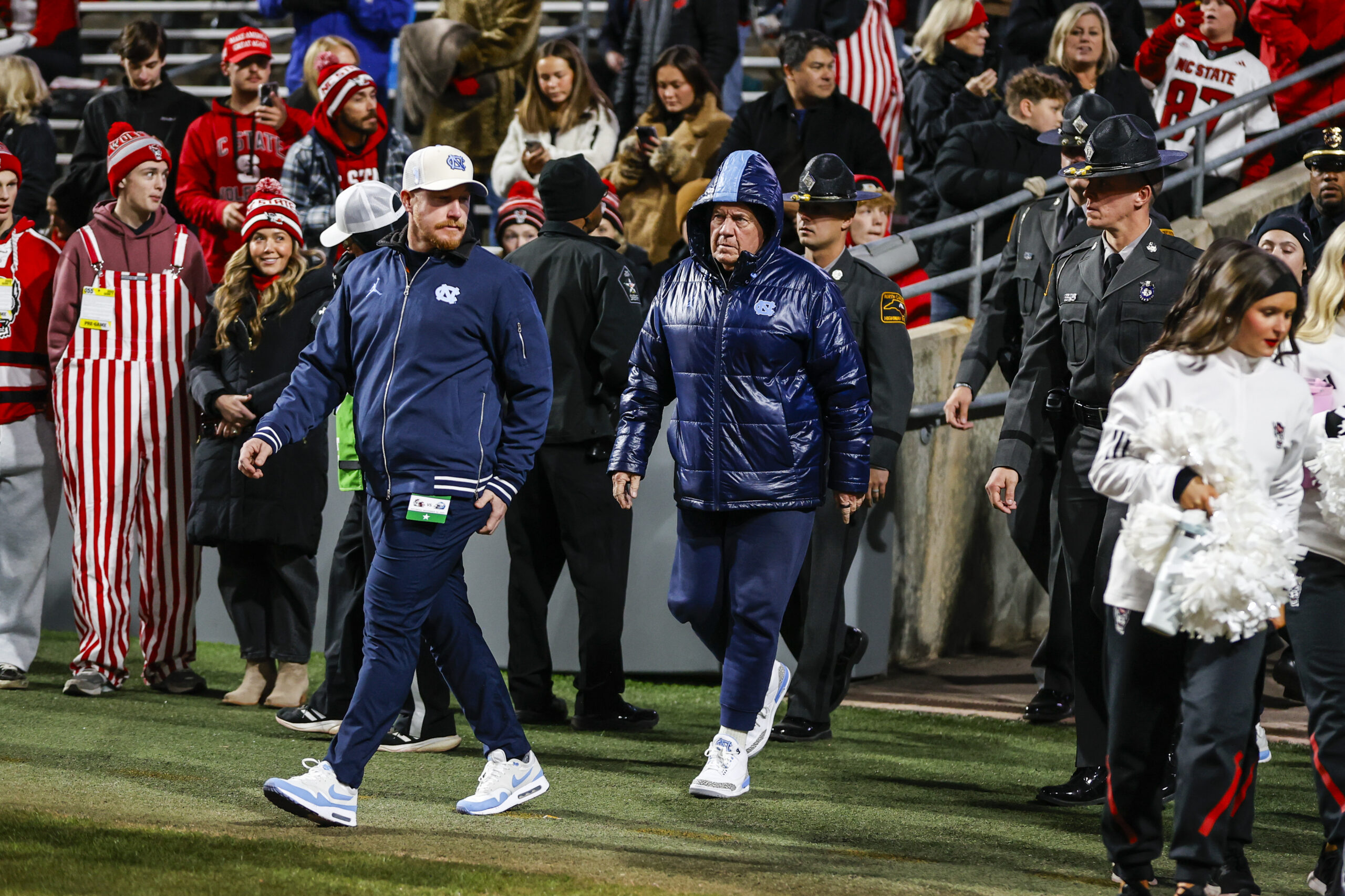
Nov 29, 2025; Raleigh, North Carolina, USA; North Carolina Tar Heels head coach Bill Belichick takes to the field during the warmups of the game against NC State Wolfpack at Carter-Finley Stadium. Mandatory Credit: Jaylynn Nash-Imagn Images
College football runs on a fundamentally different evaluation framework than the NFL. Professional scouts grade for immediate readiness. College coaches grade for developmental potential, academic eligibility, and long-term growth. Belichick targeted transfer portal talent the way a GM shops free agency, looking for plug-and-play contributors. Rival coaches noticed he competed for the same players as Group of Five programs, not Power Four contenders. That mismatch explains the 4-8 record better than any box score. He brought a professional lens into an amateur system and the picture came back blurry.
The Numbers Behind the Collapse
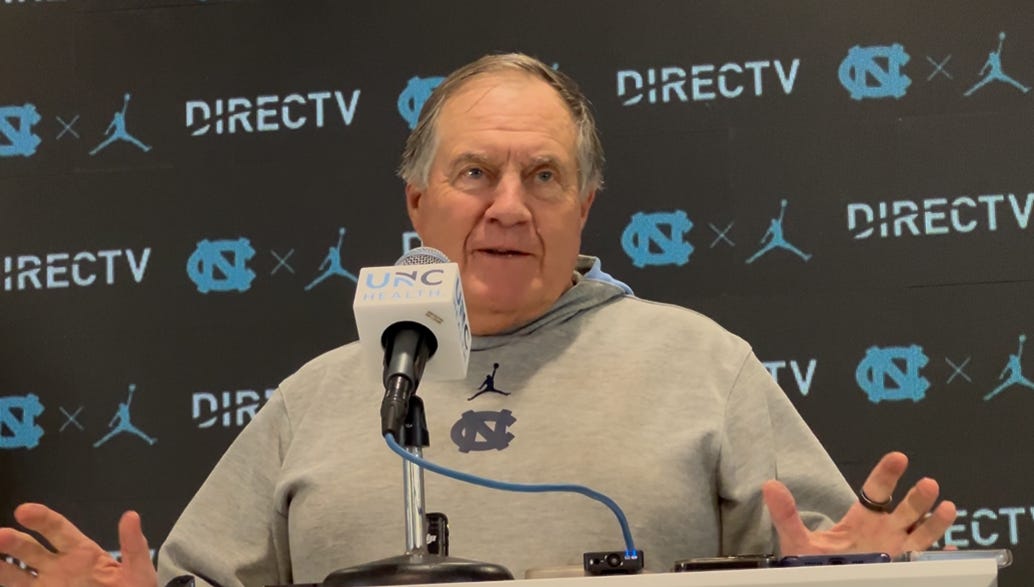
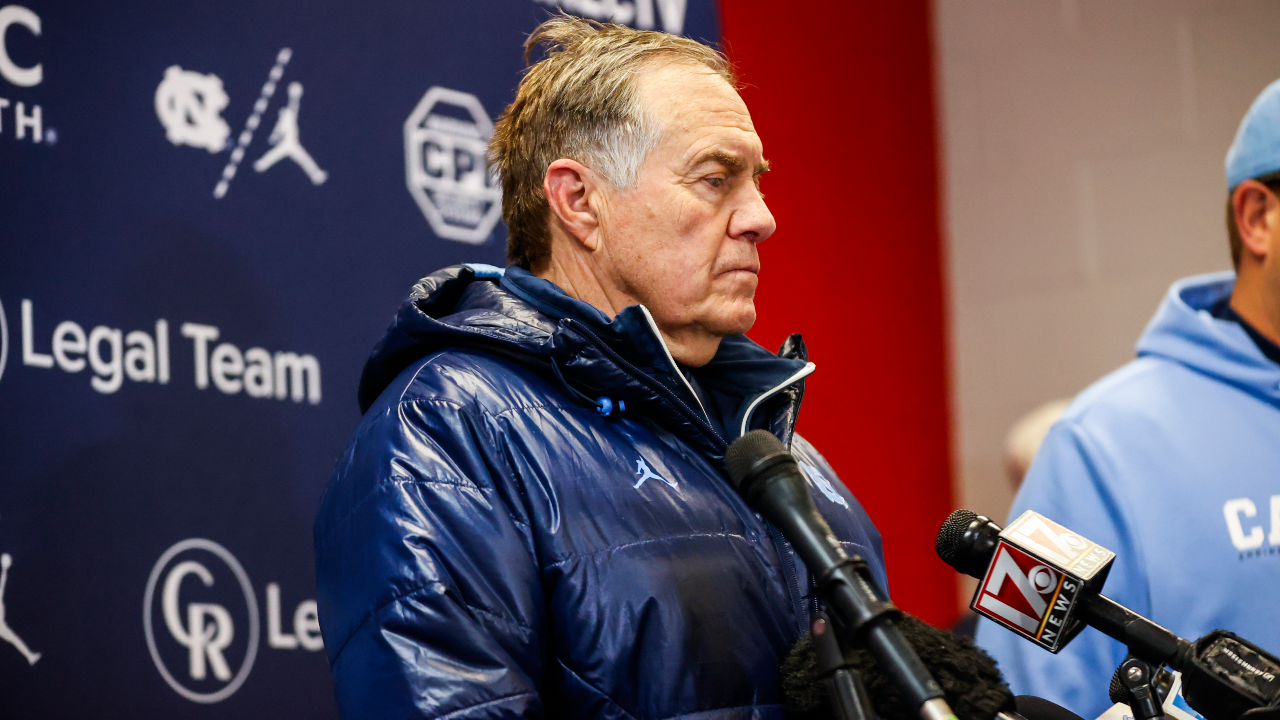
UNC football coach Bill Belichick during a press conference on Tuesday, Nov. 11, 2025 inside the Kenan Football Center.
North Carolina’s 4-8 finish marked the program’s worst season since the 2-9 campaign in 2018. Belichick lost multiple home games in his first year, and students started leaving early on repeat Saturdays. The roster overhaul represented roughly 86 percent of a typical 83-scholarship roster being turned over. Nearly every player wearing Carolina Blue was handpicked by Belichick. And too often, they lost.
Ripple Effects Across Chapel Hill
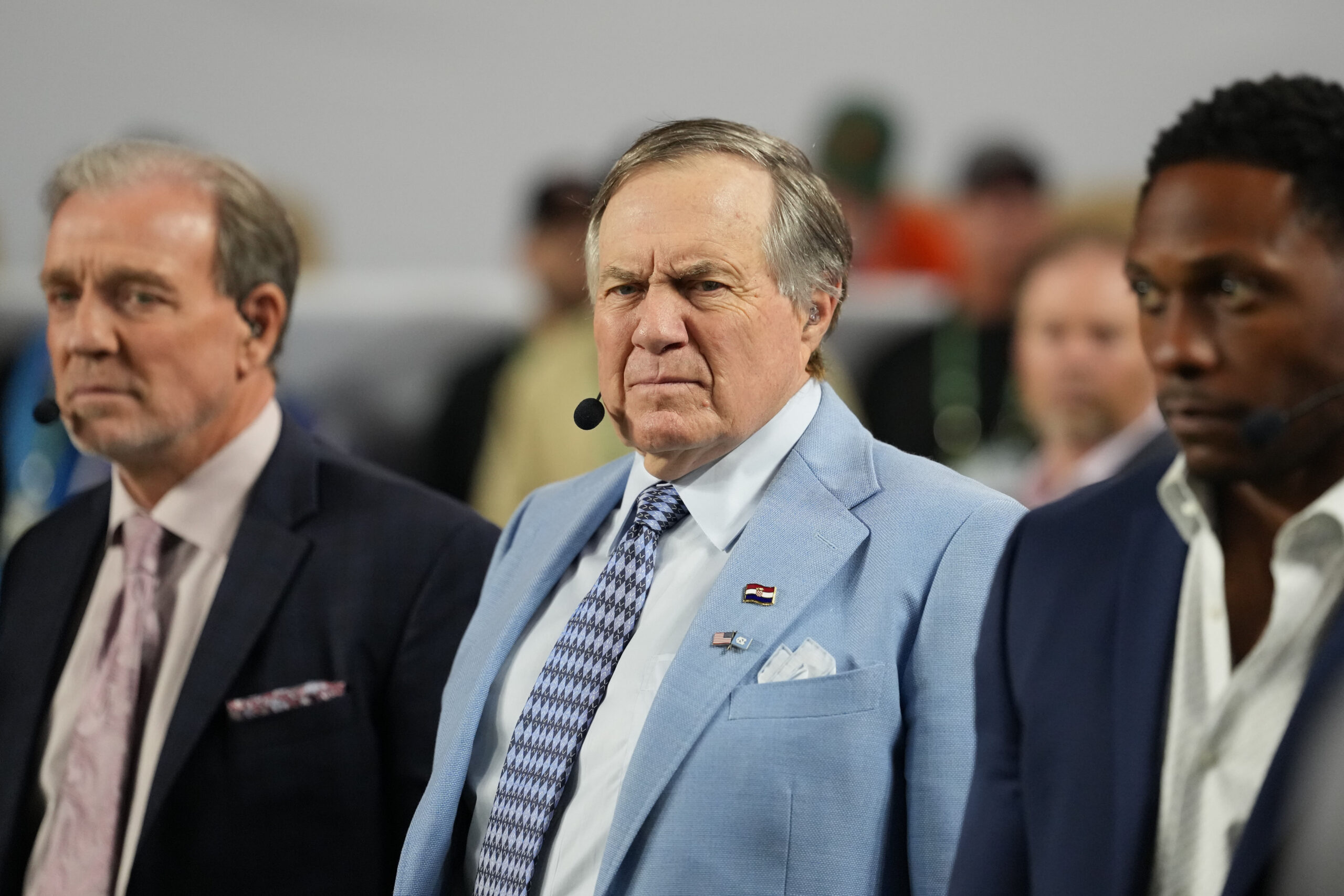
Jan 19, 2026; Miami Gardens, FL, USA; TV analyst Bill Belichick watches the Miami Hurricanes play the Indiana Hoosiers during the first half of the College Football Playoff National Championship game at Hard Rock Stadium. Mandatory Credit: Kirby Lee-Imagn Images
The damage extended beyond the scoreboard. Belichick grew frustrated when internal emails leaked, despite staff warnings about public university communication protocols. The program’s reputation took a hit that could bleed into future recruiting cycles. Other NFL coaches watching from a distance now had a case study in what happens when professional methods collide with college culture. Belichick’s struggles may discourage similar transitions for years, preserving the traditional college coaching pipeline by accident rather than design.
The Rule Nobody Wrote Down
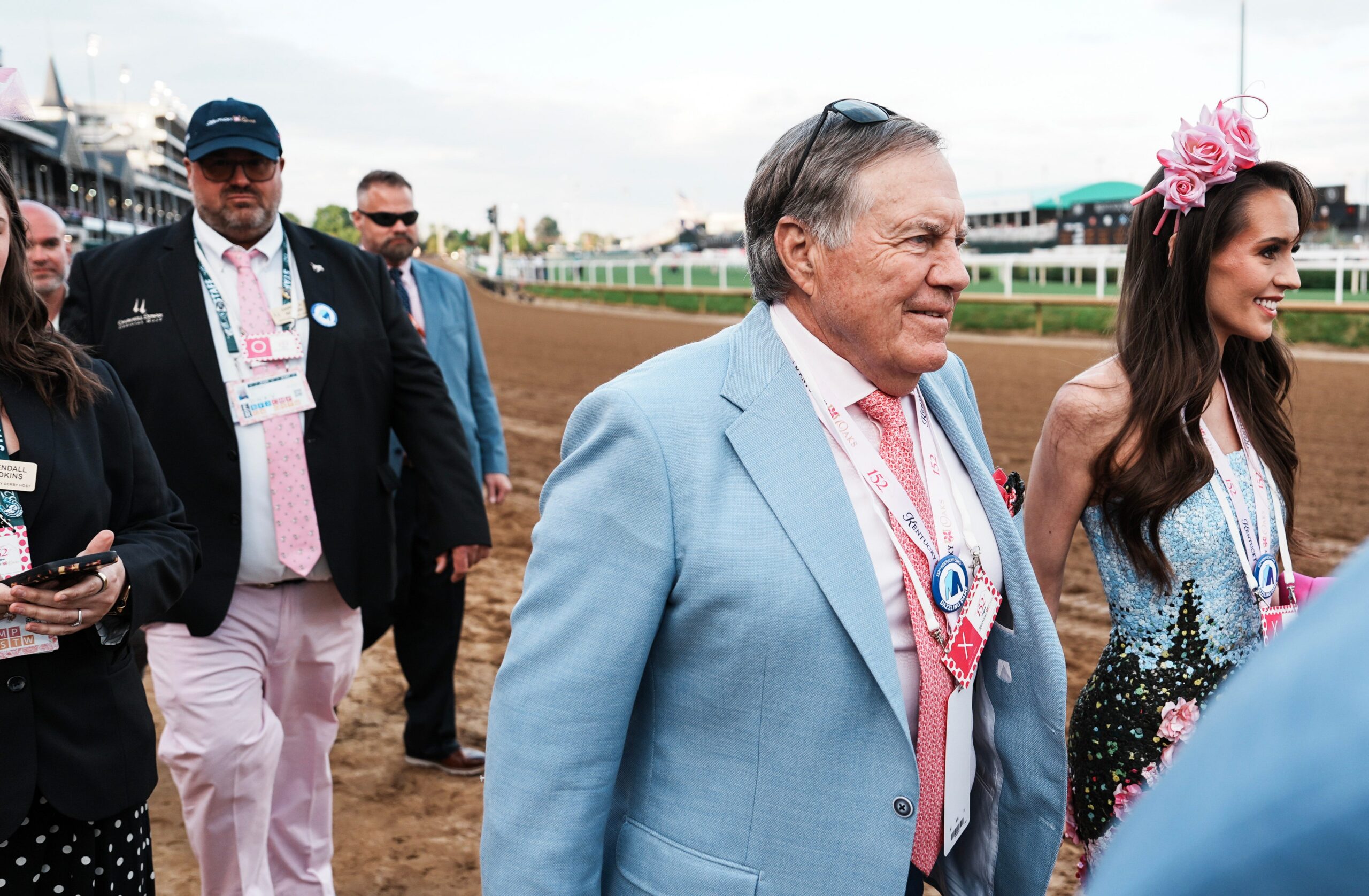
Bill Belichick and girlfriend Jordon Hudson on the dirt track before the 2026 Kentucky Oaks race at Churchill Downs on Friday, May 1, 2026
Here is what becomes impossible to unsee: NFL coaching legends don’t fail in college because they can’t coach. They fail because they evaluate talent through the wrong lens. Belichick’s nine-month transition compressed what typically takes years of adaptation into a single offseason. The precedent this sets is brutal. If the greatest NFL evaluator alive cannot immediately crack the college code, the two systems require genuinely different coaching philosophies. Not slightly different. Fundamentally different. That realization turns Belichick’s first season from an embarrassment into something closer to proof of a structural truth.
Year Two or Bust
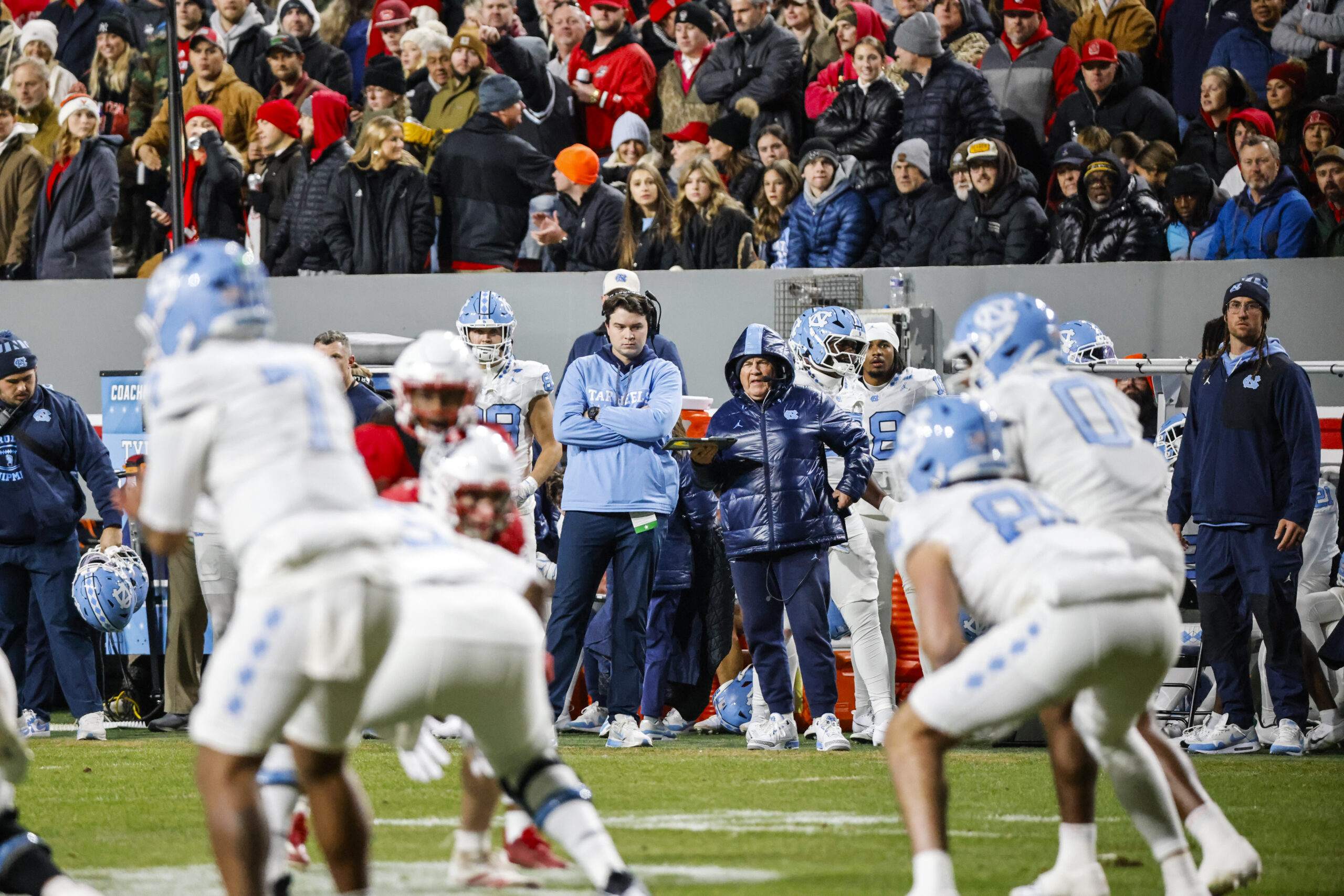
Nov 29, 2025; Raleigh, North Carolina, USA; North Carolina Tar Heels head coach Bill Belichick on the sideline during the first half of the game against NC State Wolfpack at Carter-Finley Stadium. Mandatory Credit: Jaylynn Nash-Imagn Images
Spring practice offered a glimpse. Belichick publicly signaled he intended to stay the course and pointed to incremental improvement. His son Brian remained on the defensive staff. Insiders described a more cohesive group across players and coaches heading into the offseason. But the clock is merciless. Year Two will determine whether Belichick gets a longer runway or faces pressure that could escalate toward a costly buyout. The 2026 recruiting class hangs in the balance, and blue-chip prospects will not wait for a philosophy to finish translating.
The Bet Chapel Hill Can’t Take Back
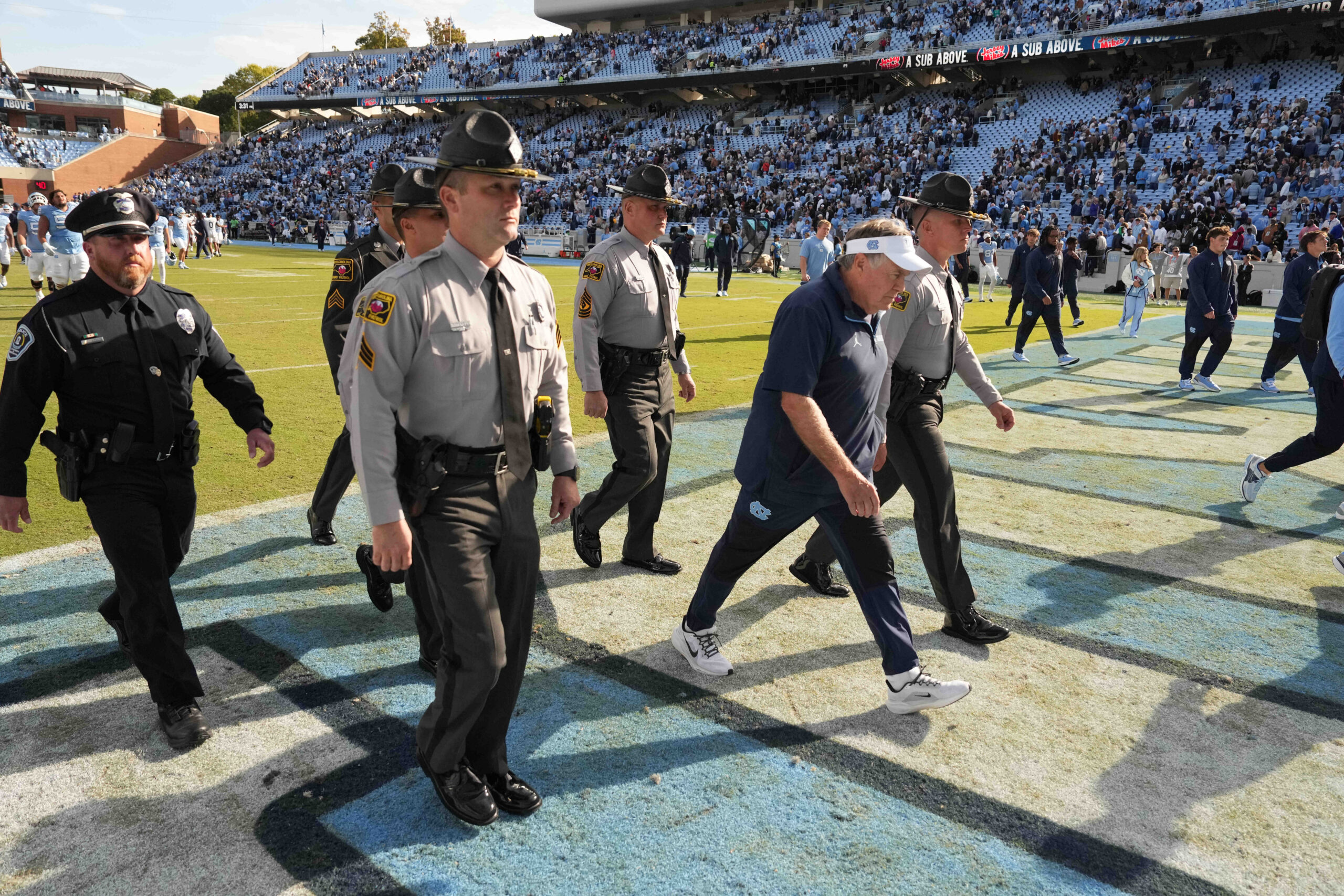
Oct 25, 2025; Chapel Hill, North Carolina, USA; North Carolina Tar Heels head coach Bill Belichick leaves the field after losing to Virginia in overtime at Kenan Stadium. Mandatory Credit: Bob Donnan-Imagn Images
Tom Brady has long credited Belichick with setting a championship-level standard. That standard now lives inside a program that went 4-8 and watched students stream for the parking lot before the fourth quarter. Belichick can adapt by hiring more college-experienced assistants and recalibrating his evaluation criteria. The counter-move is available. But most fans will never read about hidden systems or evaluation frameworks. They see 71 new players and eight losses, and they ask the only question that matters: if the greatest coach in NFL history cannot fix this roster, who can? Sound off in the comments: Does Belichick deserve a Year Three runway in Chapel Hill, or has Carolina already seen enough to know this experiment won’t work?