
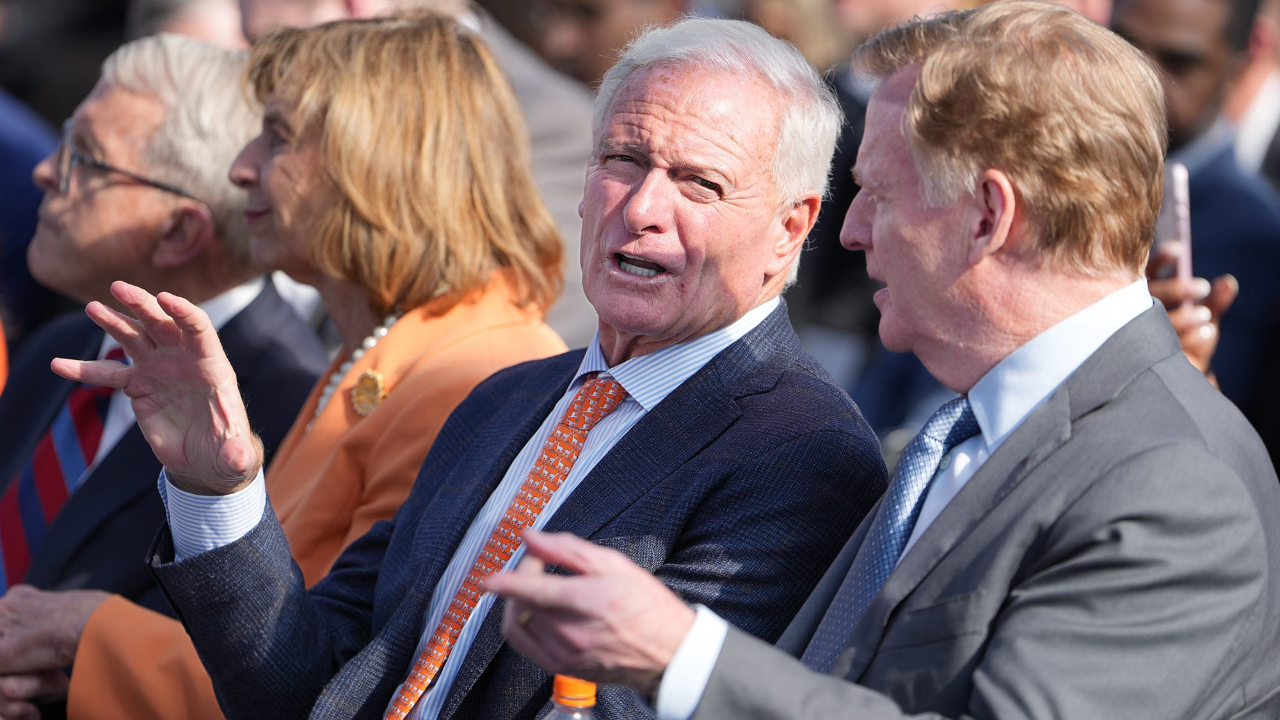
Shovels hit dirt in Brook Park, Ohio, on April 30, 2026. Confetti flew. Politicians smiled. The Cleveland Browns celebrated the start of the new Huntington Bank Field, a 67,500-capacity enclosed stadium designed by HKS, the same firm behind SoFi Stadium. Northeast Ohio’s largest economic development project, with the team promising thousands of construction jobs. All the makings of a feel-good ceremony. Except for one detail nobody on that stage wanted to discuss: the $600 million in state funding sitting frozen by court order, drawn from a place most Ohioans never think to check.
Where the Money Came From
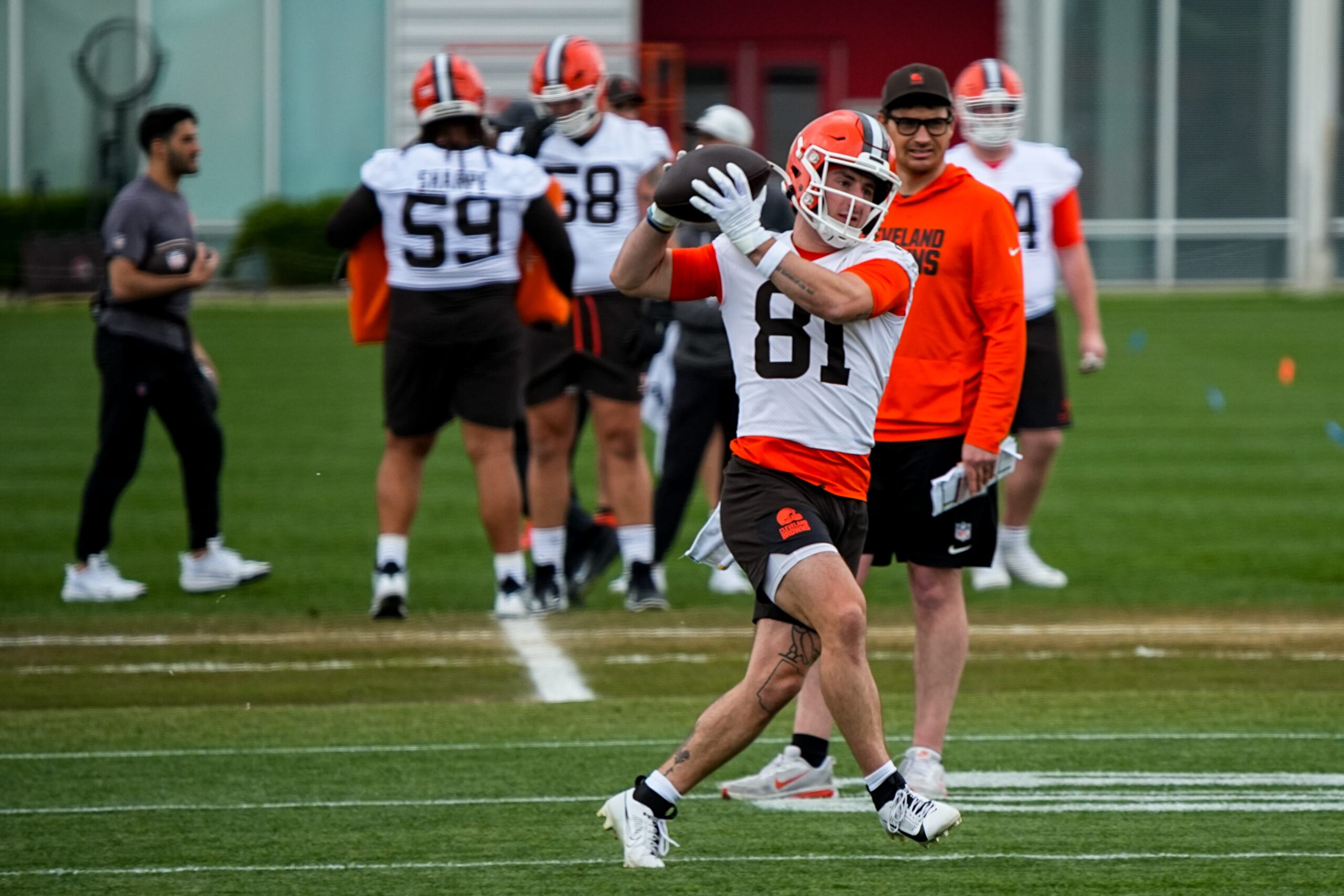
Cleveland Browns wide receiver Luke Floriea (81), a Kent State University graduate and Mentor native, makes a catch during the first day of rookie minicamp May 8, 2026, at Cross Country Mortgage Campus in Berea, Ohio.
Ohio’s Division of Unclaimed Funds holds dormant accounts, uncashed checks, forgotten utility deposits, and life insurance payouts nobody collected. In 2025, the state legislature carved out roughly $1.7 billion of those funds and routed them into the new Ohio Cultural and Sports Facility Performance Grant Fund, with $600 million earmarked for the Browns’ new stadium. That $600 million represents 25% of the project’s $2.4 billion baseline budget, which has since climbed to $2.6 billion after design upgrades. Governor Mike DeWine signed the state budget containing the provision in late June 2025. The Haslam Sports Group, which owns the Browns, has committed about $1.755 billion of its own money and any cost overruns. Brook Park is contributing $300 million toward the surrounding development. The rest came from people who forgot they had it.
The $25 Plaintiff
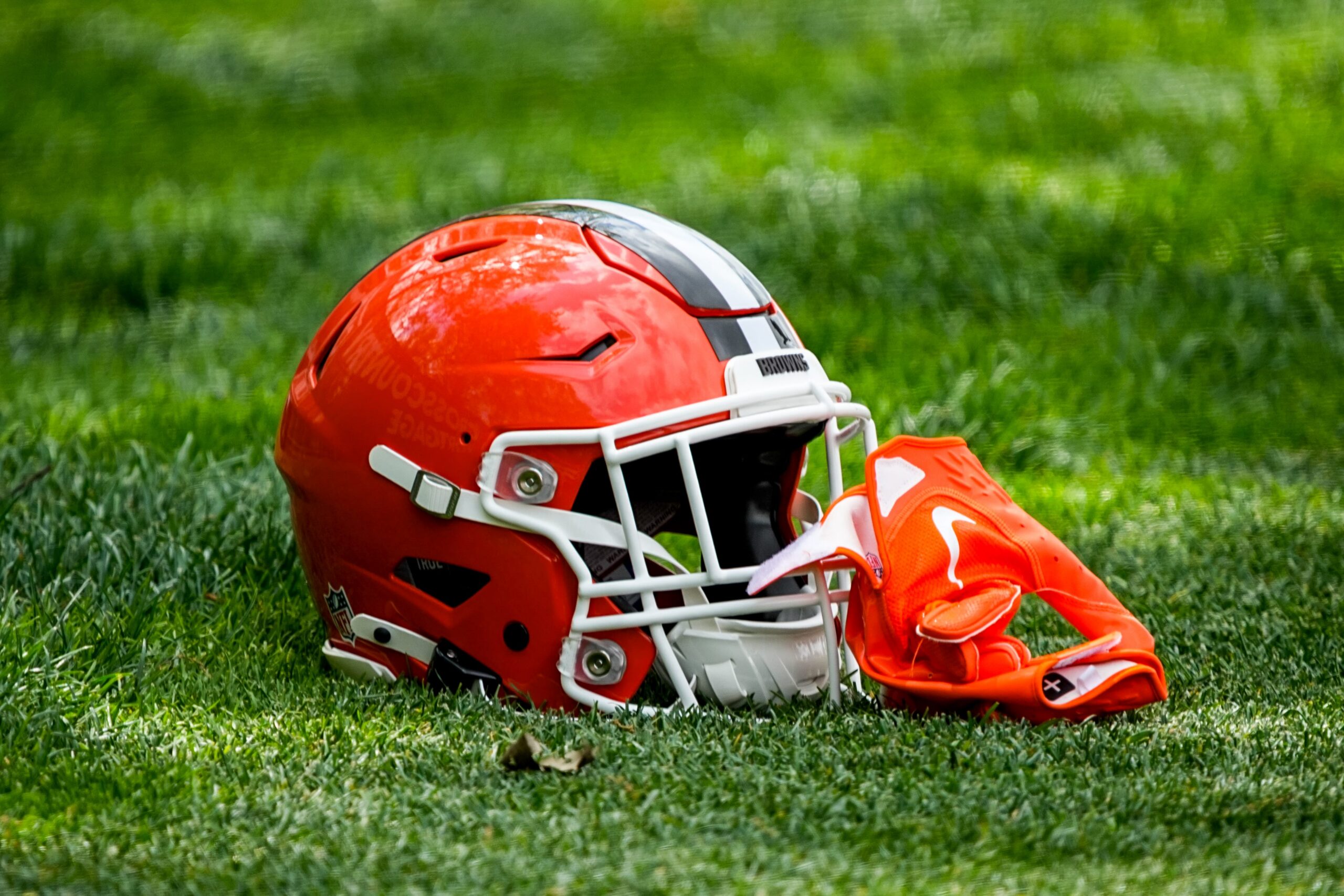
The first day of Cleveland Browns rookie minicamp was held May 8, 2026, at Cross Country Mortgage Campus in Berea, Ohio.
Mary Bleick, an Ohio resident with less than $25 in unclaimed funds, became the named plaintiff in a class action filed by former state officials Marc Dann and Jeffrey Crossman, both Democrats, in Franklin County Common Pleas Court. The lawsuit challenges the seizure under the Fifth Amendment’s takings clause and Fourteenth Amendment due process protections. Bleick represents millions of residents with modest forgotten sums. Her $25 against a billionaire’s stadium. That ratio tells you everything.
A Magistrate Says No
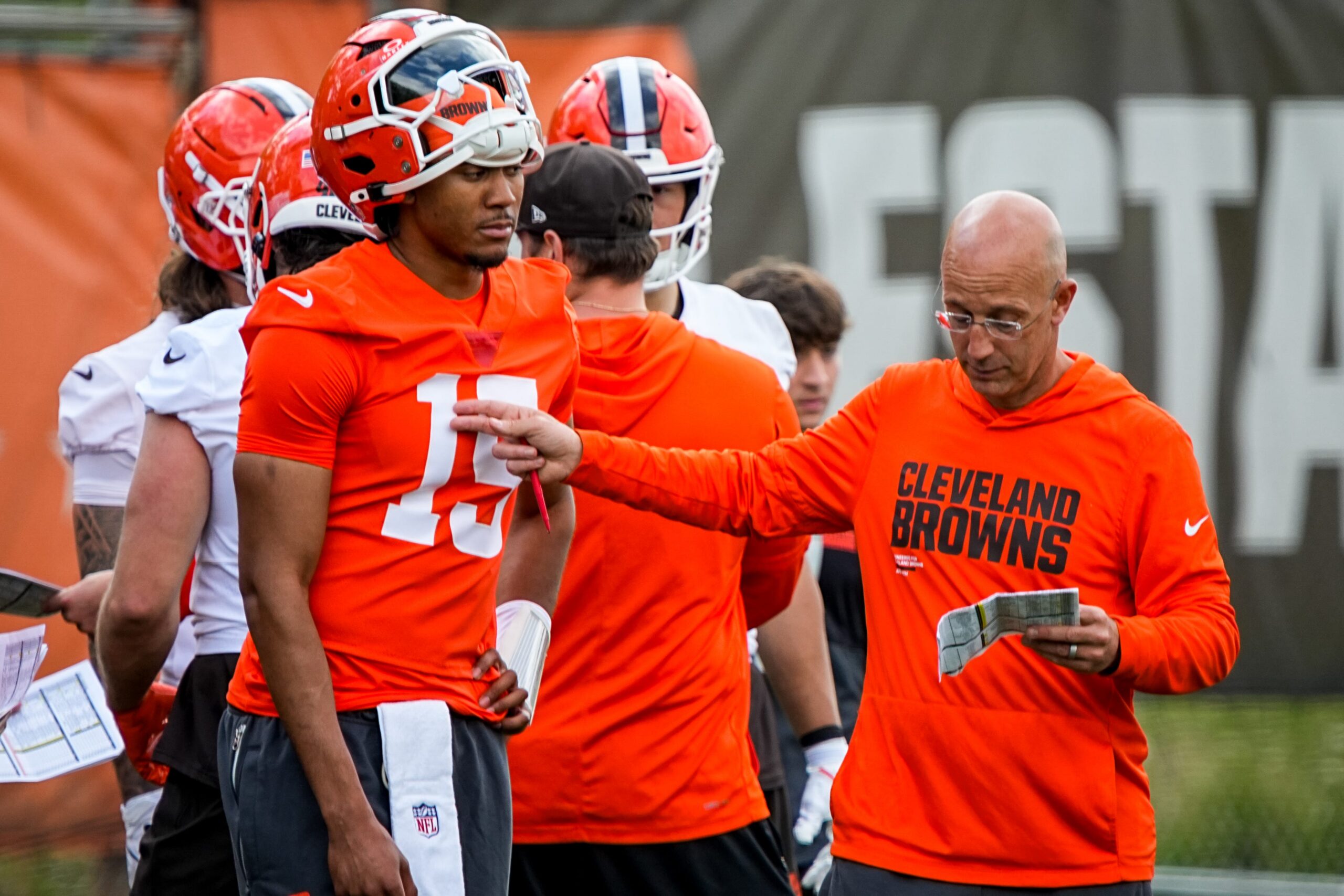
Cleveland Browns quarterback Taylen Green (15) chats with quarterbacks coach Mike Bajakian during the first day of rookie minicamp May 8, 2026, at Cross Country Mortgage Campus in Berea, Ohio.
Franklin County Magistrate Jennifer Hunt granted a preliminary injunction blocking the transfer. Her reasoning cut straight through the state’s argument: the project’s mixed-use development surrounding the stadium will be privately owned, privately operated, and privately profitable, undercutting the state’s “public use” claim. Public money funding private enterprise. The Ohio Supreme Court had previously characterized unclaimed funds as private property, not state property. The state tried to spend it anyway. Courts froze every dollar.
The Escheatment Machine
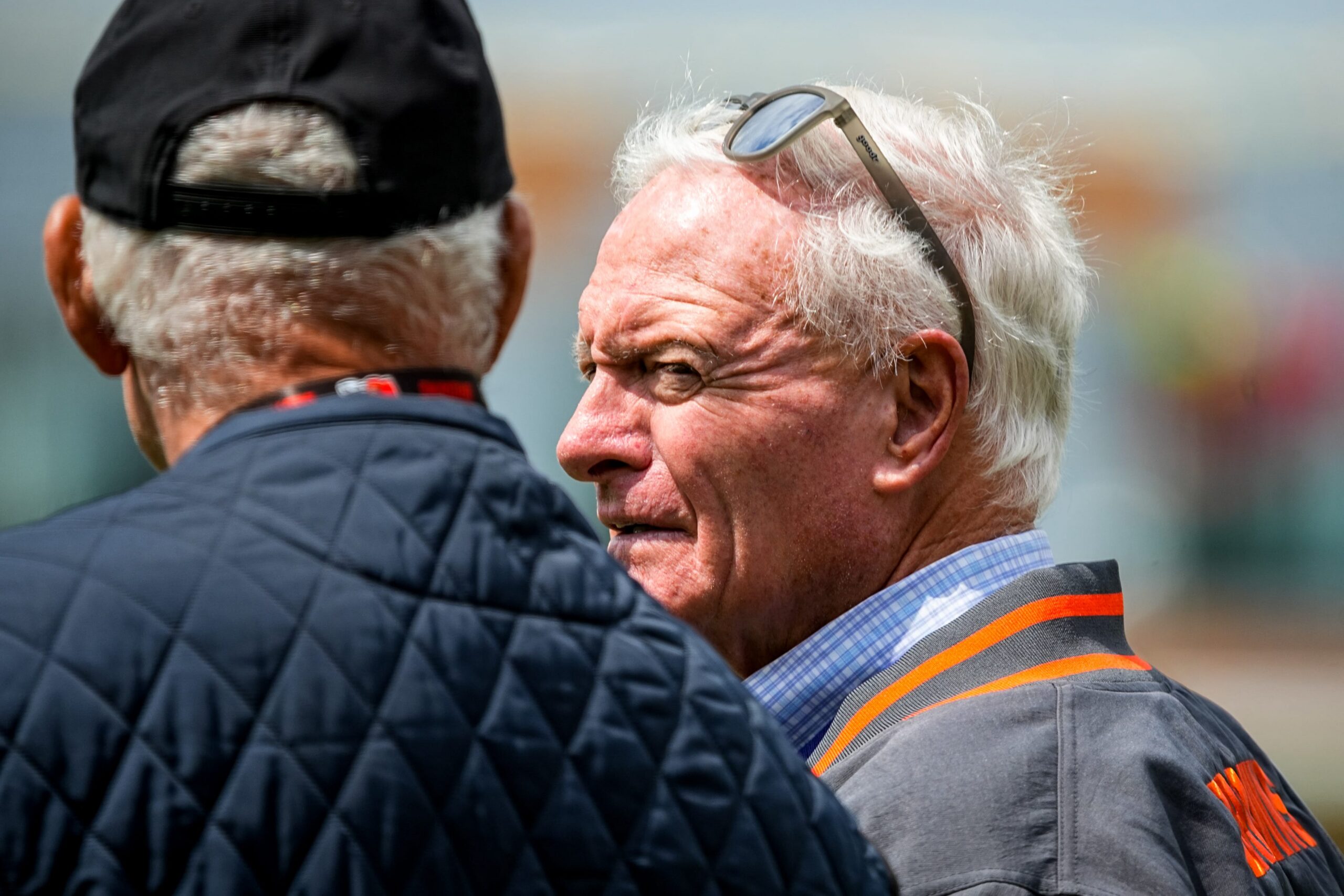
Cleveland Browns owner Jimmy Haslam, right, takes in the first day of a rookie minicamp May 8, 2026, at Cross Country Mortgage Campus in Berea, Ohio.
Here is how the system works. An account goes dormant. Under the new law, after 10 years Ohio can “escheat” the funds, beginning in 2026, converting them to state use. The 2025 legislation funneled roughly $1.7 billion in dormant accounts into the new grant fund, with $600 million earmarked for the Browns. Most residents never knew the funds existed. Reason.com and other observers have called Ohio’s approach one of the simplest forms of stadium subsidy nationwide: direct redirection of dormant private property.
A Republican Breaks Ranks
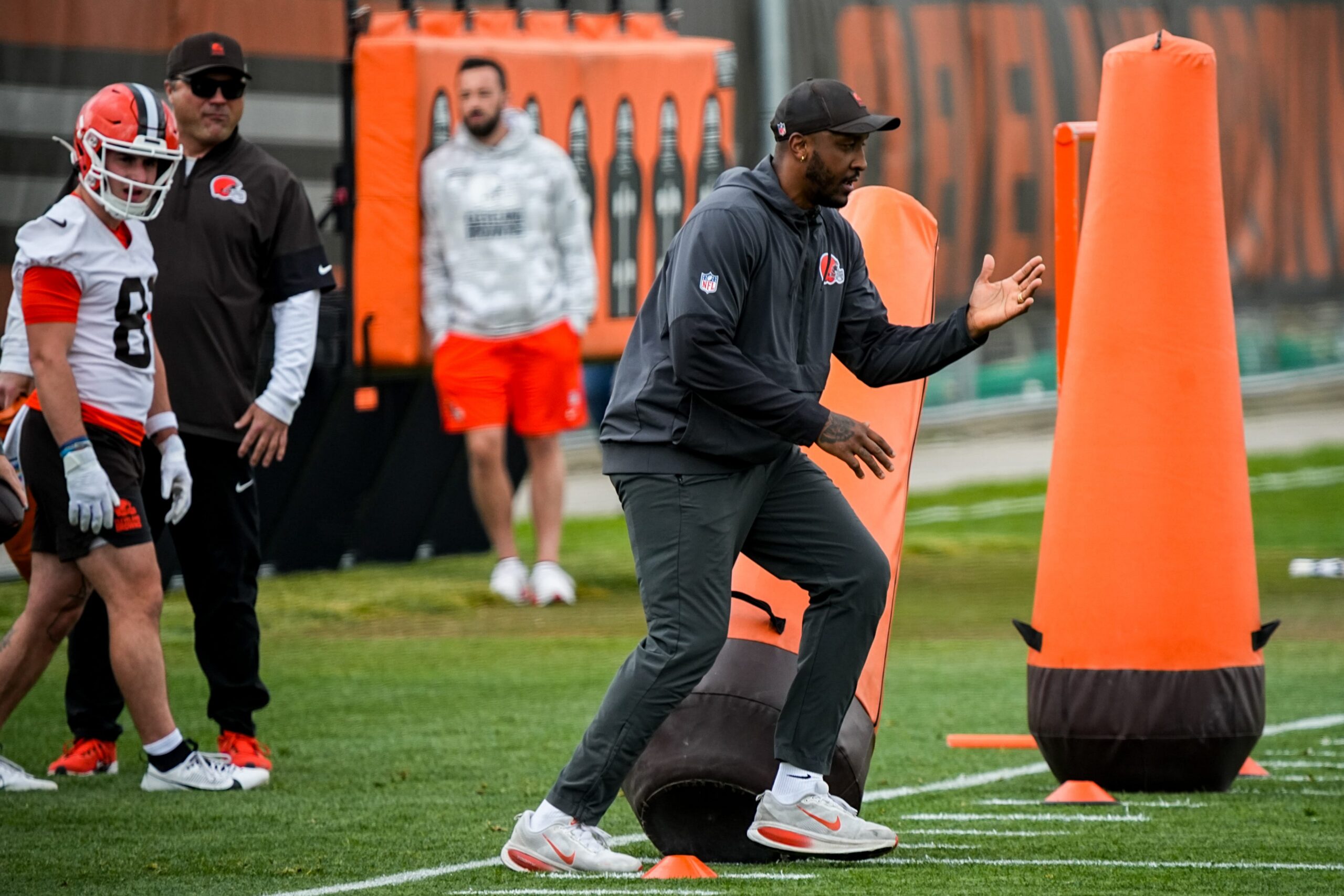
Cleveland Browns wide receivers coach Christian Jones gives instruction during the first day of rookie minicamp May 8, 2026, at Cross Country Mortgage Campus in Berea, Ohio.
Republican Attorney General Dave Yost publicly opposed the unclaimed-funds mechanism, arguing private stadium projects should not be financed off the back of dormant resident accounts. A Republican AG publicly opposing a Republican Governor’s signature economic development project. Other lawmakers, including Rep. Sean Brennan, objected that wealthy franchises were accessing money that rightfully belongs to residents. The Browns were the largest single recipient under the new fund.
Building Through the Storm
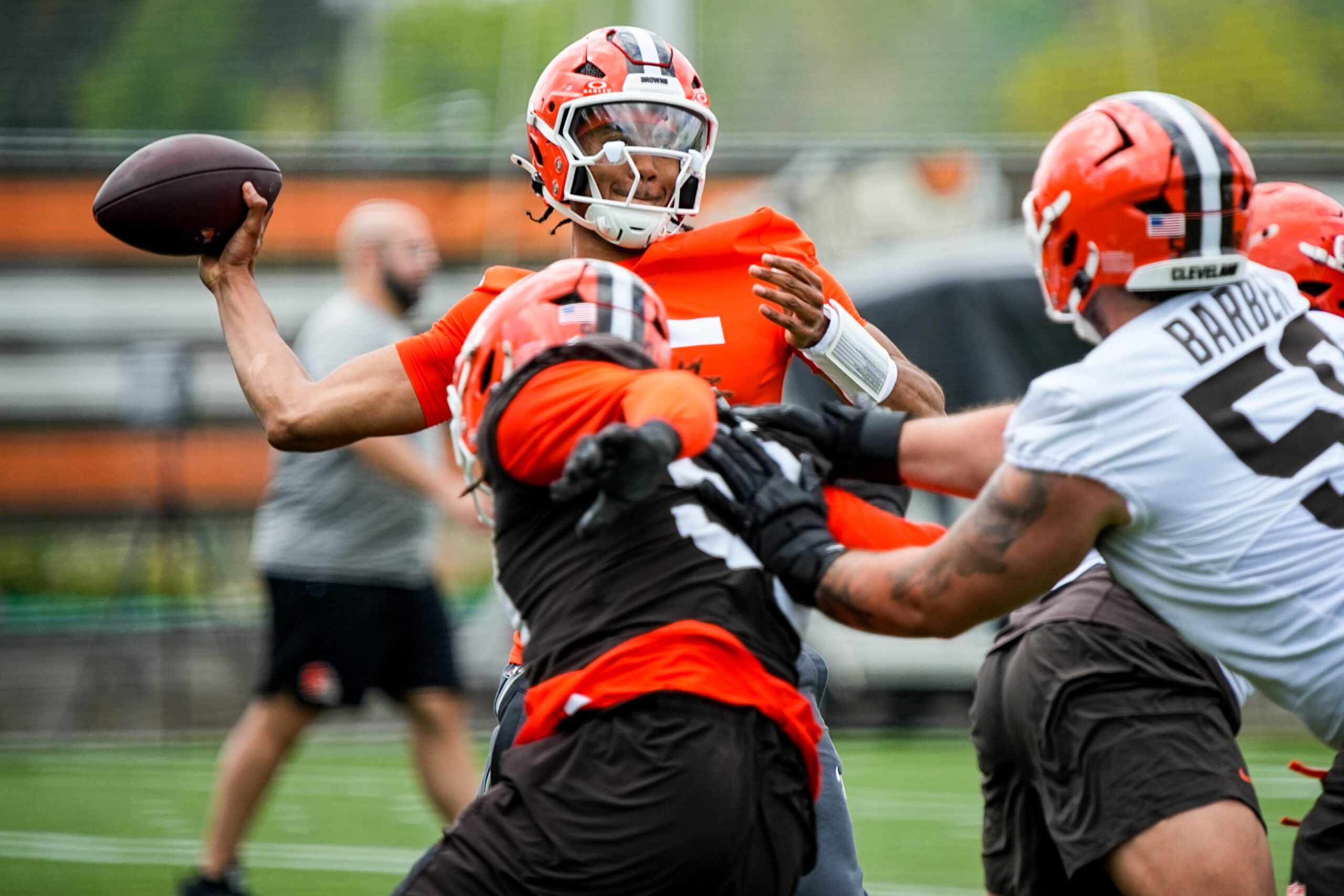
Cleveland Browns quarterback Taylen Green throws a pass under pressure during the first day of rookie minicamp May 8, 2026, at Cross Country Mortgage Campus in Berea, Ohio.
Construction did not wait for the courts. Site work began in fall 2025. The Browns finalized the purchase of the 176-acre site in Brook Park. AECOM Hunt and Turner Construction signed on as joint venture construction managers. In separate litigation, the Browns reached a $100 million settlement with the City of Cleveland that paved the way for the Brook Park move. A $2.6 billion project charging forward with $600 million still in legal limbo.
First Constitutional Test of Its Kind
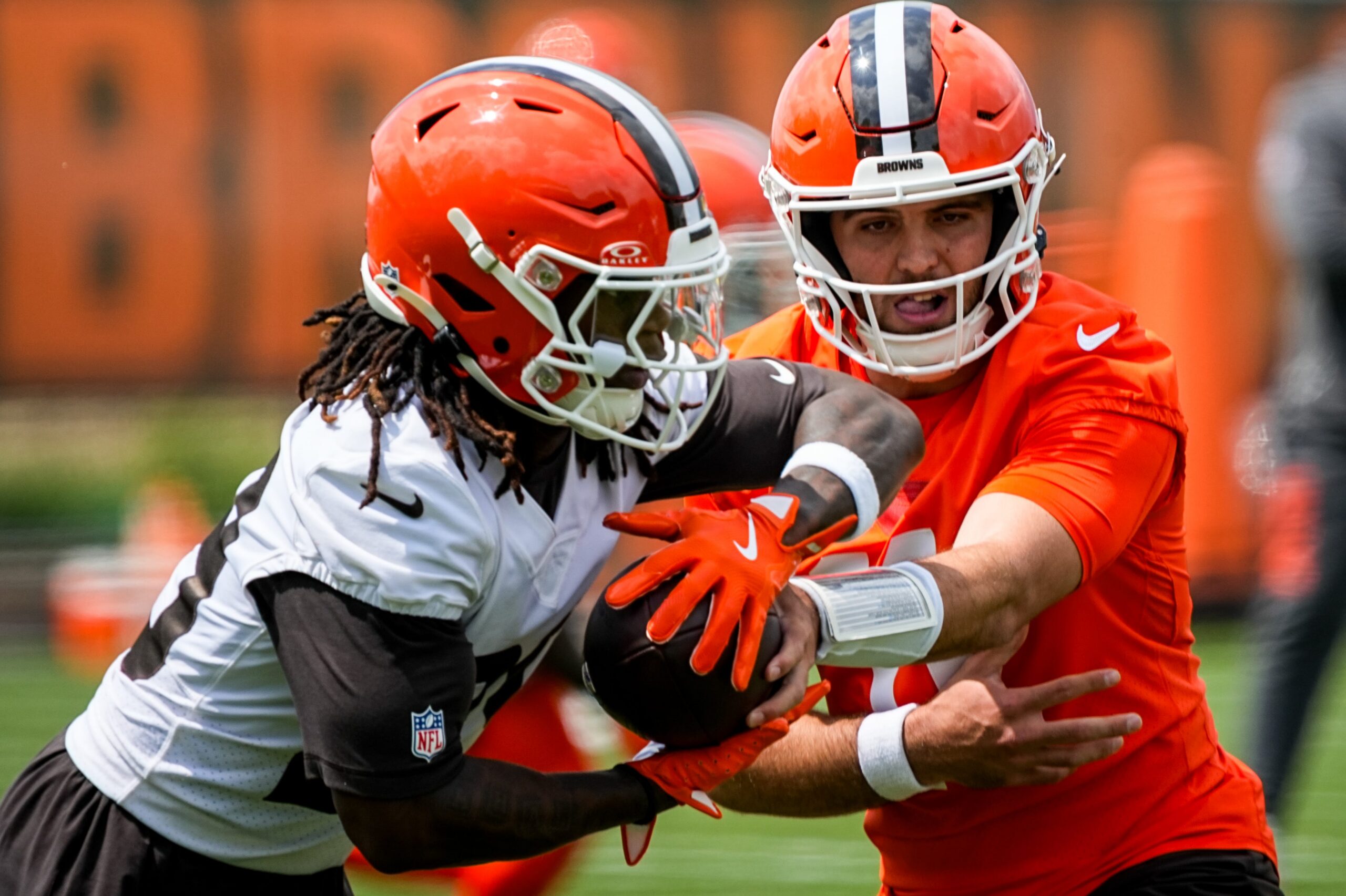
Cleveland Browns quarterback Bryson Barnes hands the ball off to running back Davon Booth during the first day of rookie minicamp May 8, 2026, at Cross Country Mortgage Campus in Berea, Ohio.
No Ohio court had previously ruled on the constitutionality of seizing unclaimed funds for a sports facility, and the case is expected to continue for years in both state and federal court. This case sets the template. If the state ultimately loses, future stadium deals built on escheatment money face serious risk. Other states are watching. The Art Modell Law, born from the Browns’ 1995 relocation to Baltimore, already haunts this franchise. Now a second legal framework threatens to define it.
The Federal Track
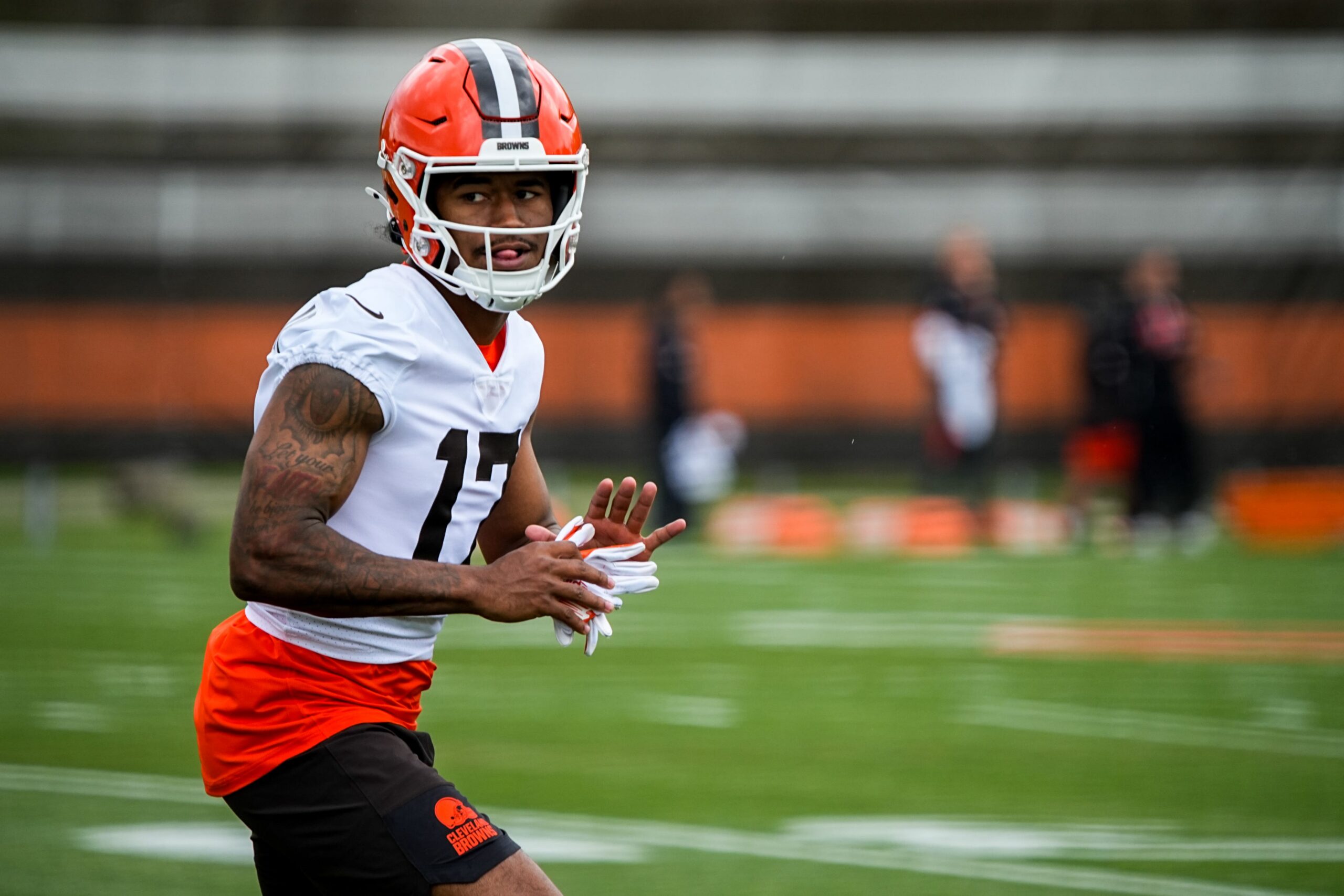
Cleveland Browns wide receiver KC Concepcion (17) looks downfield during the first day of rookie minicamp May 8, 2026, at Cross Country Mortgage Campus in Berea, Ohio.
In a parallel federal case, a judge declined to block the transfer outright but also rejected the state’s request to dismiss the case, allowing the constitutional challenge to proceed. That split-track posture means construction can advance while the underlying property-rights question is litigated. If the Haslam Sports Group ultimately loses access to the $600 million, the family has committed to absorbing cost overruns. The stadium is targeted to open for the 2029 NFL season. The legal fight could outlast the construction.
Your Forgotten Money
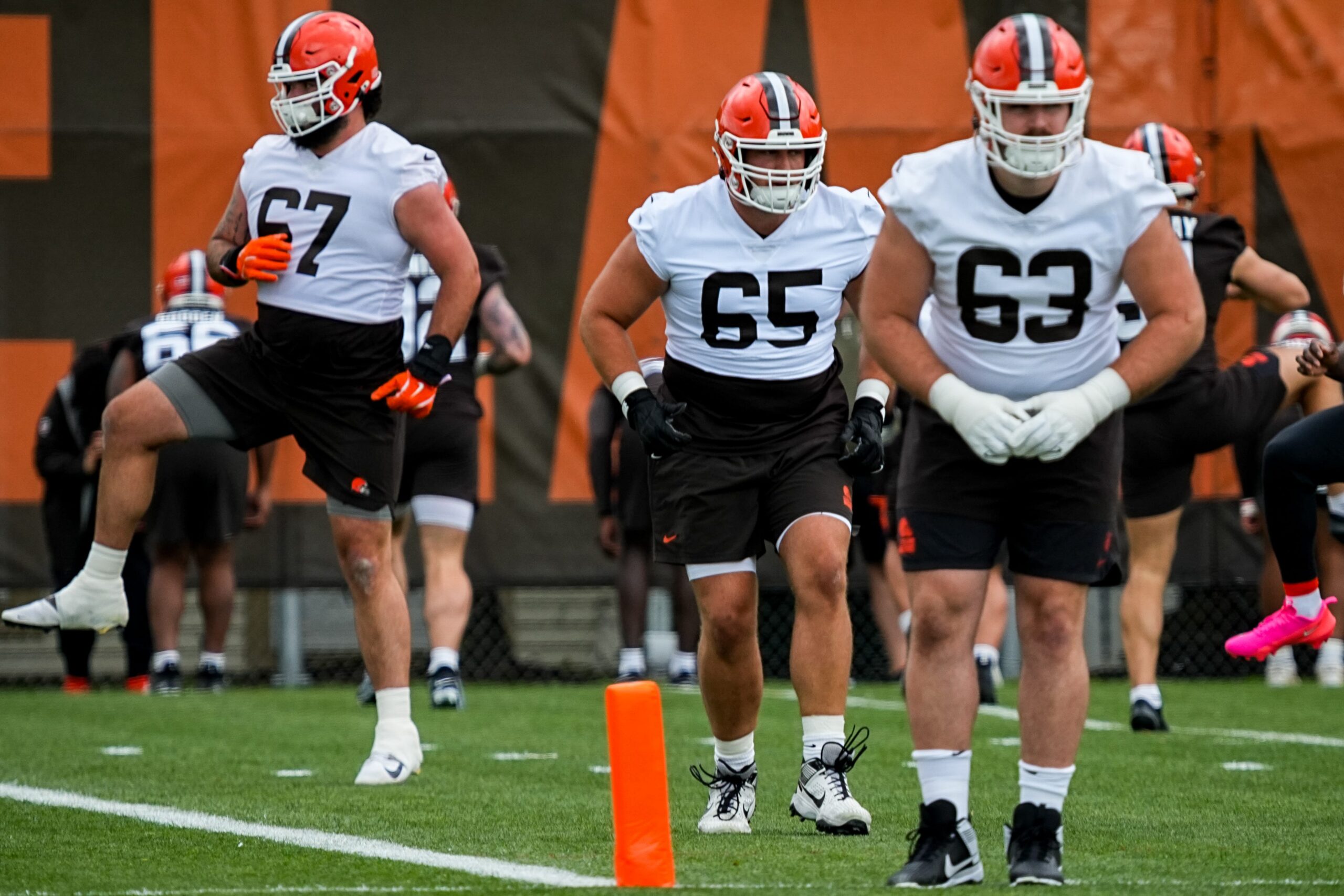
Browns’ Jack Conley (67), Carson Bruno (65) and Ryan Mosesso (63) warm up during the first day of Cleveland Browns rookie minicamp May 8, 2026, at Cross Country Mortgage Campus in Berea, Ohio.
Every state holds unclaimed property. Every state has an escheatment law. Ohio just demonstrated what happens when a legislature treats dormant savings as a funding source for a private stadium project. The distinction courts are drawing matters everywhere: “public funds” and “public use” are not the same thing. Mary Bleick’s $25 may help decide whether other states try this next. The stadium will rise in Brook Park regardless. The only open question is whose money paid for it, and whether residents with forgotten accounts check before the state claims them. Would you rather see the Haslams cover the full $2.6 billion themselves, or do you think Ohio’s unclaimed-funds grab is a fair trade for 6,000 jobs and a Super Bowl-ready stadium? Tell us in the comments.