
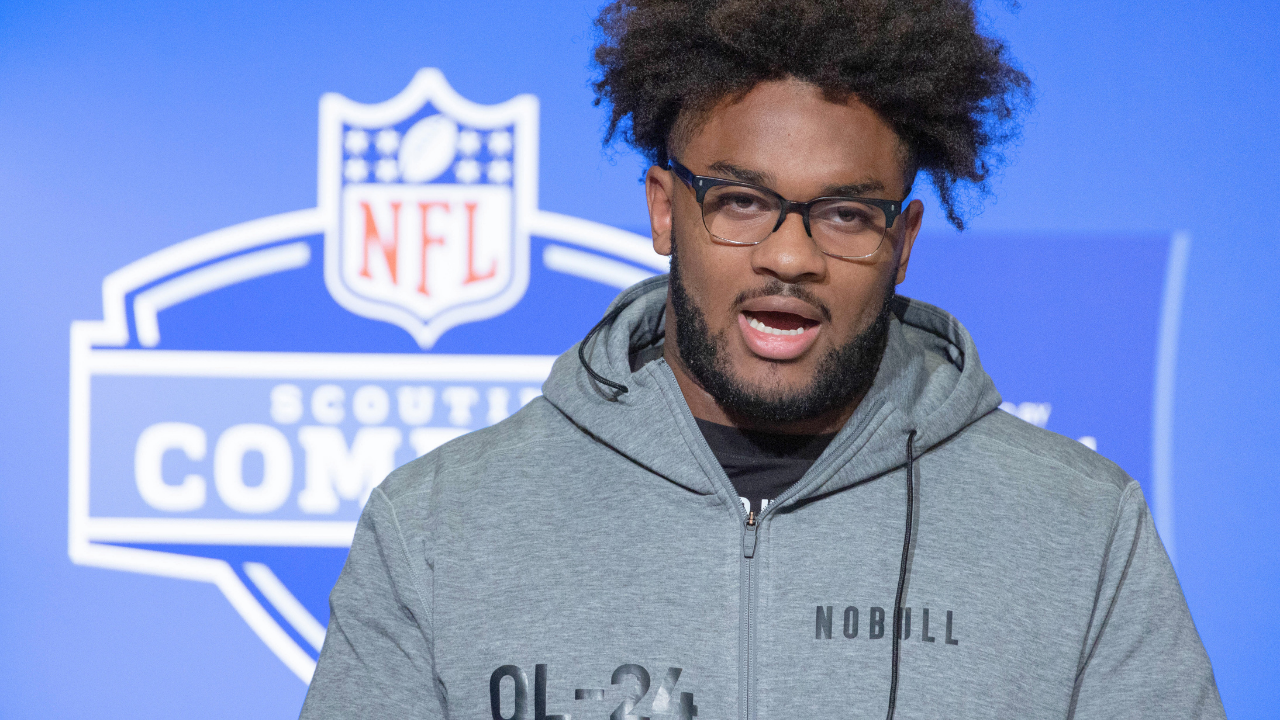
In November last year, Paris Johnson Jr. told ESPN he was “about to show why I’m a $40 million man,” signaling elite expectations at left tackle. The former No. 6 overall pick started 43 consecutive games and led Pro Bowl voting at his position. A late-season knee injury changed the calculus for teams evaluating him. His market value now faces downward pressure as front offices reassess risk. Confidence alone does not command top-tier pay. How teams respond to his injury history will define the next contract window.
How $40M Ambitions Took Shape
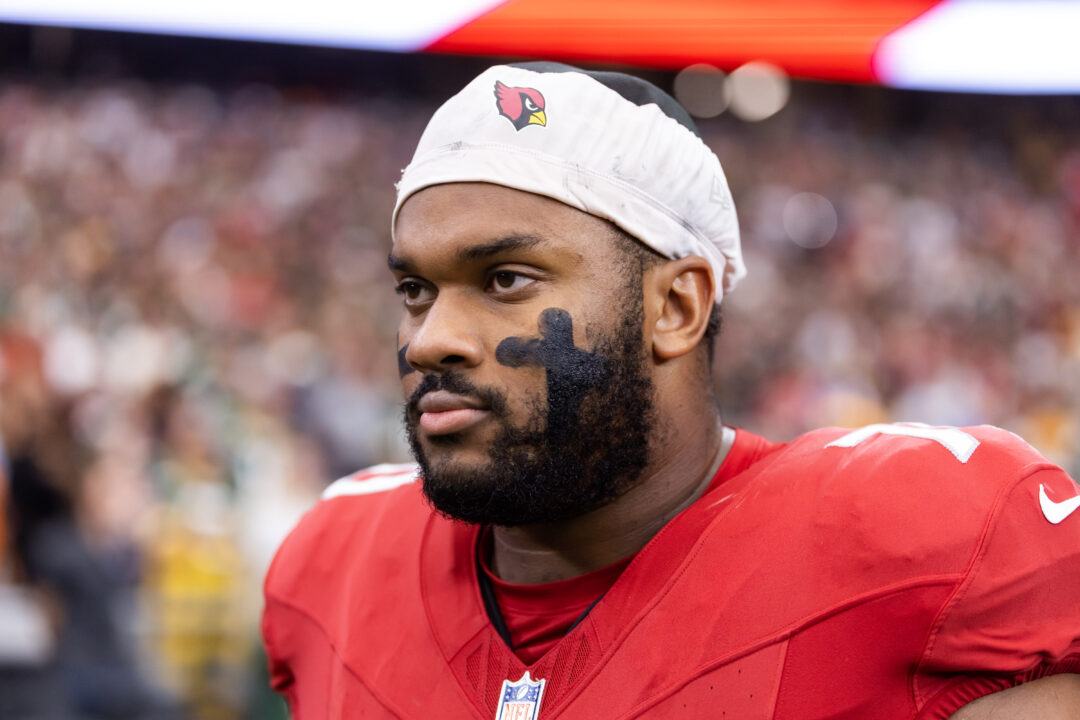
Johnson’s $40 million declaration tied directly to league economics. He noted edge rushers earning roughly $40 million annually and said teams would “need $40 million people to block them.” His statement positioned him as a top-tier asset, framing expectations in Arizona and beyond. Front offices recognized the ambition immediately. Current left-tackle salaries, however, fall well below that mark. Johnson’s own market had already been constrained by existing deals. Health and consistent performance were prerequisites for reaching that threshold, making the $40 million claim audacious even before recent injuries.
What The Market Actually Pays

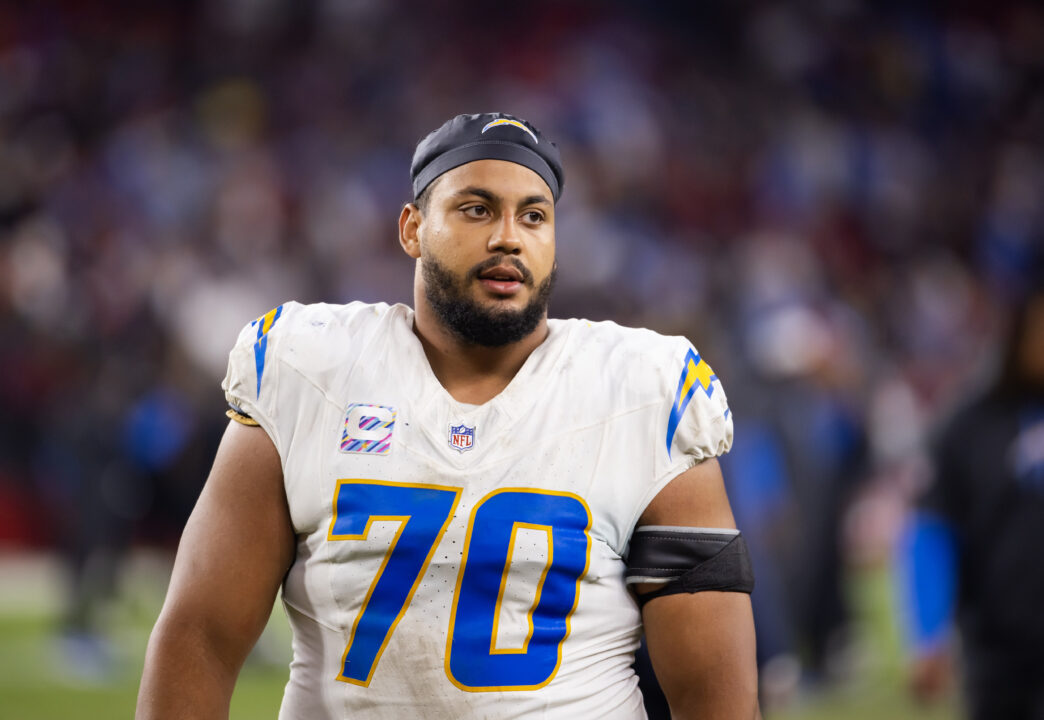
At the time of his statement, Rashawn Slater held the left-tackle ceiling with a 4-year, $114 million extension, averaging $28.5 million per year. NFL.com confirmed Slater was the highest-paid offensive lineman by annual value. Spotrac projected Johnson on a similar 4-year, $114.65 million path, far short of $160 million implied by his remarks. Teams had already built models limiting offers below $30 million, even before his second knee injury. The discrepancy emphasizes how far Johnson’s expectations exceeded real-world pay. Durability and precedent dictated conservative projections for top tackles entering the market.
Injury Risk Reduces Real Offers
Spotrac’s model assumed perfect health, placing Johnson slightly above Slater in value. Teams discount risk for non-quarterbacks, especially linemen with injury histories. Sports Illustrated highlighted that even strong production cannot guarantee elite pay without durability. Johnson’s back-to-back knee issues reduced leverage and reshaped realistic market expectations into the mid-$20 million range. Evaluators now weigh potential performance against the probability of missed games. Durability drives modern offensive-line contracts as much as metrics. Johnson’s injury pattern is now the central factor shaping negotiations for his next extension.
First Knee Scare Shifted Perception
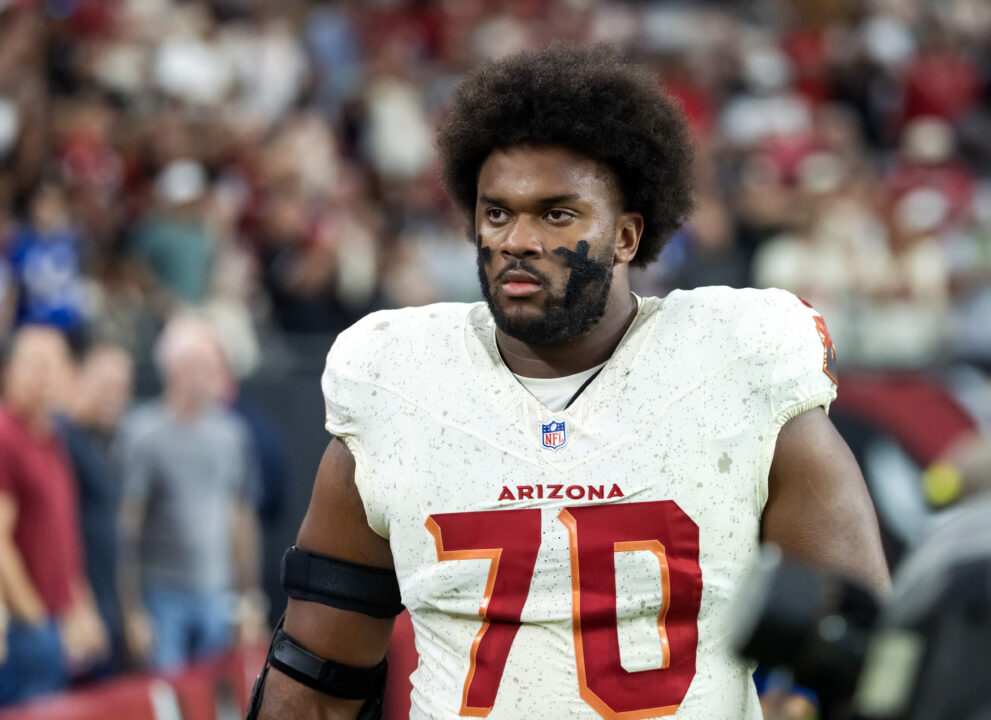
Durability concerns began last season when Johnson suffered a late-season knee injury that placed him on injured reserve. He had carried heavy workloads protecting Kyler Murray. Teams track every snap, and a first-round tackle losing a season triggers caution. That early injury planted doubts that extended into evaluations of his market value. The second consecutive late-season knee injury transformed a warning into a defining factor for future contracts. Front offices now quantify risk before considering elite performance, and Johnson’s market reflects that immediate recalibration.
Week-To-Week Status Turns Critical
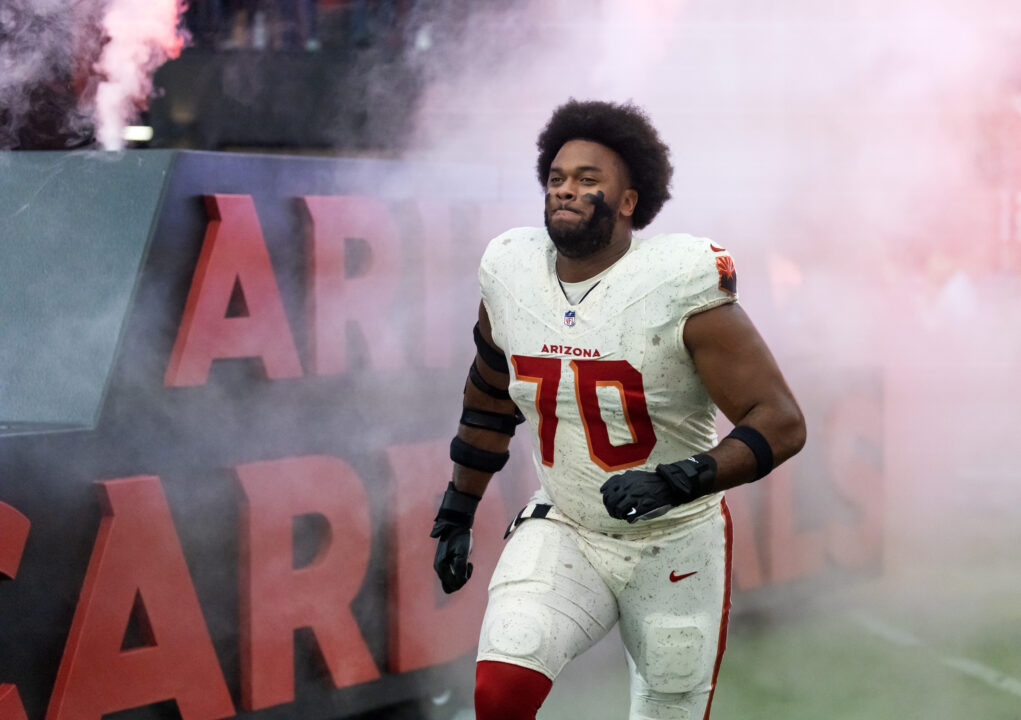
Johnson sprained his MCL against the Rams and was initially listed “week-to-week” after starting all 43 contests since being drafted. By then he had 12 starts and 807 offensive snaps, confirming his central role in Arizona’s offense. Follow-up reporting confirmed this was his second straight late-season knee issue. The repetition escalated his risk profile and became a decisive factor for contract discussions. Injuries now dictate value more than consistent performance. Johnson’s market is constrained until he demonstrates the ability to stay on the field for a full season.
Production Alone Cannot Offset Risk
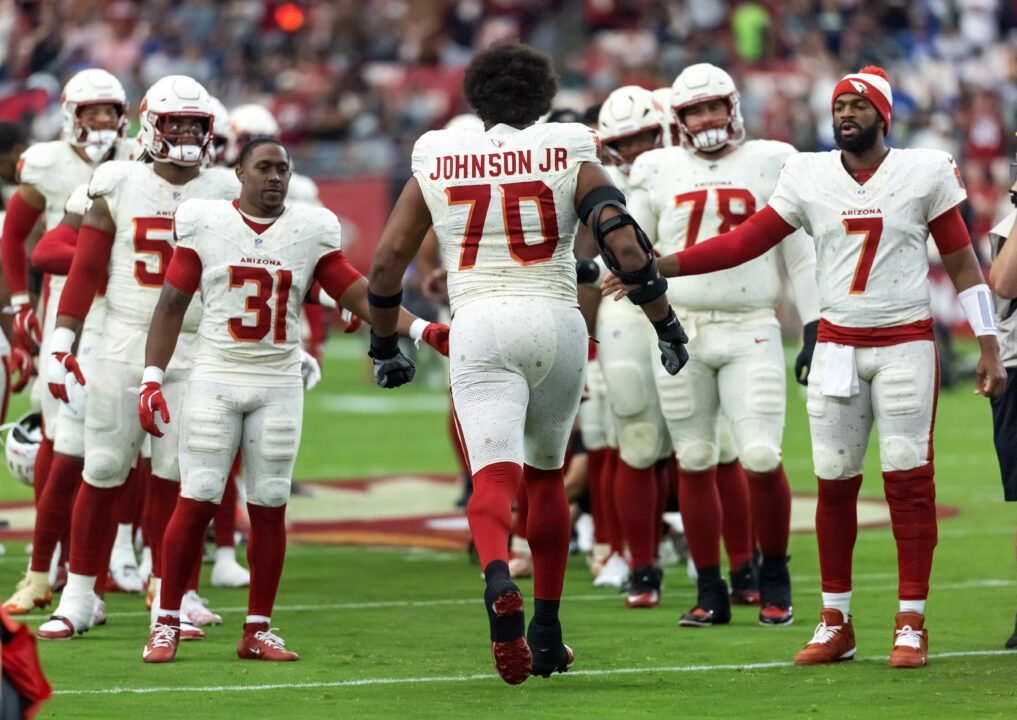
ESPN described Johnson as playing “big” while “dreaming bigger,” holding himself to a $40 million standard weekly. Multiple outlets ranked him among the top 20 left tackles in pass-blocking metrics. Under ordinary conditions, that résumé would approach Slater’s $28.5 million line. Teams now discount offers to account for repeated knee injuries. Elite production cannot erase durability concerns. The next contract will balance upside with risk, setting expectations well below his original claim. Johnson’s position in the market reflects how front offices evaluate consistent availability as a core component of elite pay.
Mid-$20M Emerges as Practical Ceiling
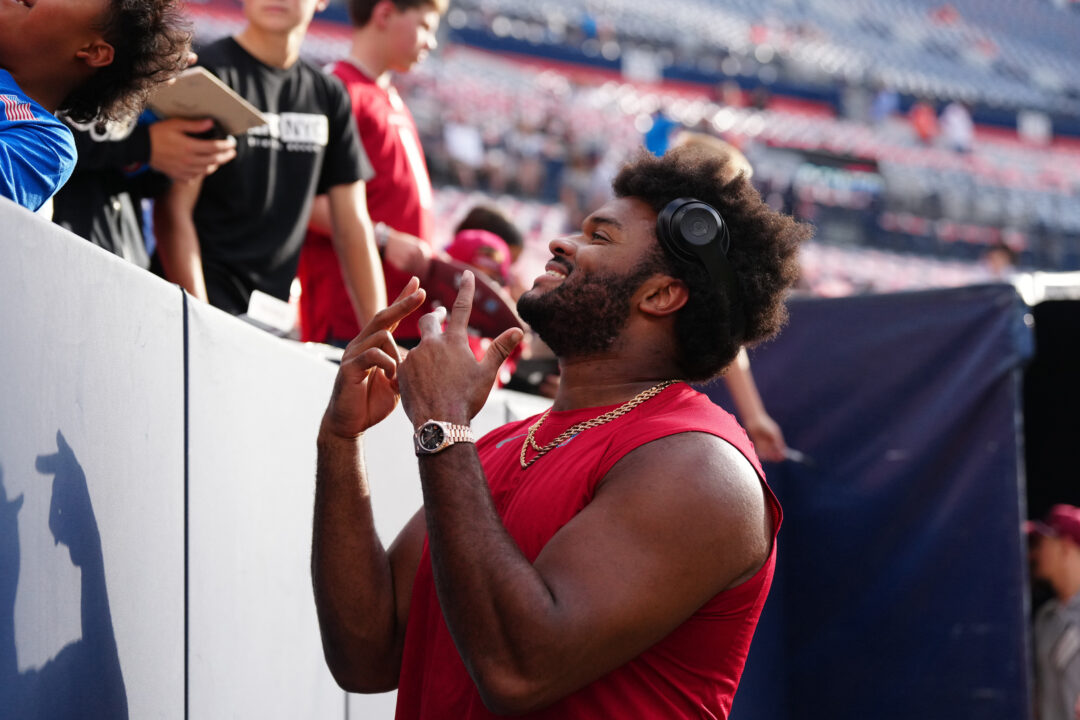
Sports Illustrated projected a high-$20 million average annual value for Johnson, even while acknowledging top-end potential. Local and national commentary mirrored that figure. The mid-$20 million range maintains him among the league’s highest-paid linemen but incorporates injury risk. Timing drives leverage, as contract windows dictate whether Arizona will offer an extension or retain team control while evaluating recovery. This approach rewards performance and health, not self-assured claims. Johnson’s market now prioritizes proof of durability. Front offices expect consecutive full seasons before approaching the $40 million narrative he previously projected.
Extension Window Creates Pressure
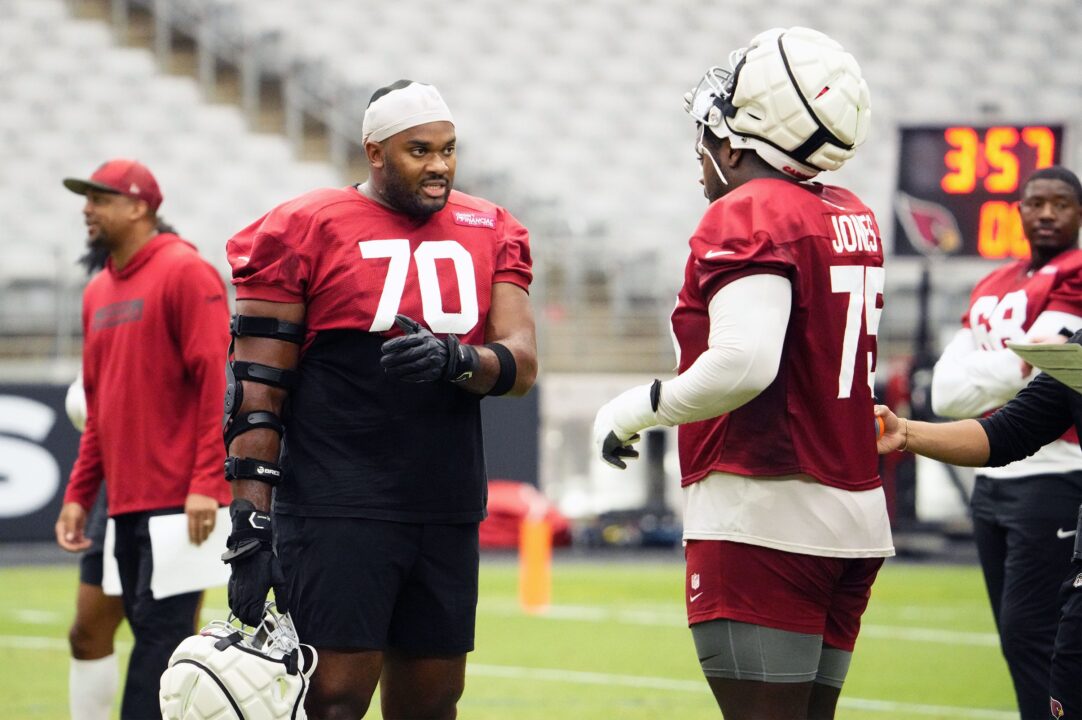
Johnson faces a fifth-year option and guarantee decisions before the 2026 season begins. Arizona can extend him early at a mid-$20 million rate or retain control while testing knee resilience. At 24, his negotiating position is constrained by injury history and timing. Teams are incentivized to wait for proof of health, compressing his leverage. Every snap now carries financial and strategic weight. Johnson’s next contract will be a reflection of performance and durability rather than confidence or projection, shaping the trajectory of his NFL career.
Returning to Market Viability
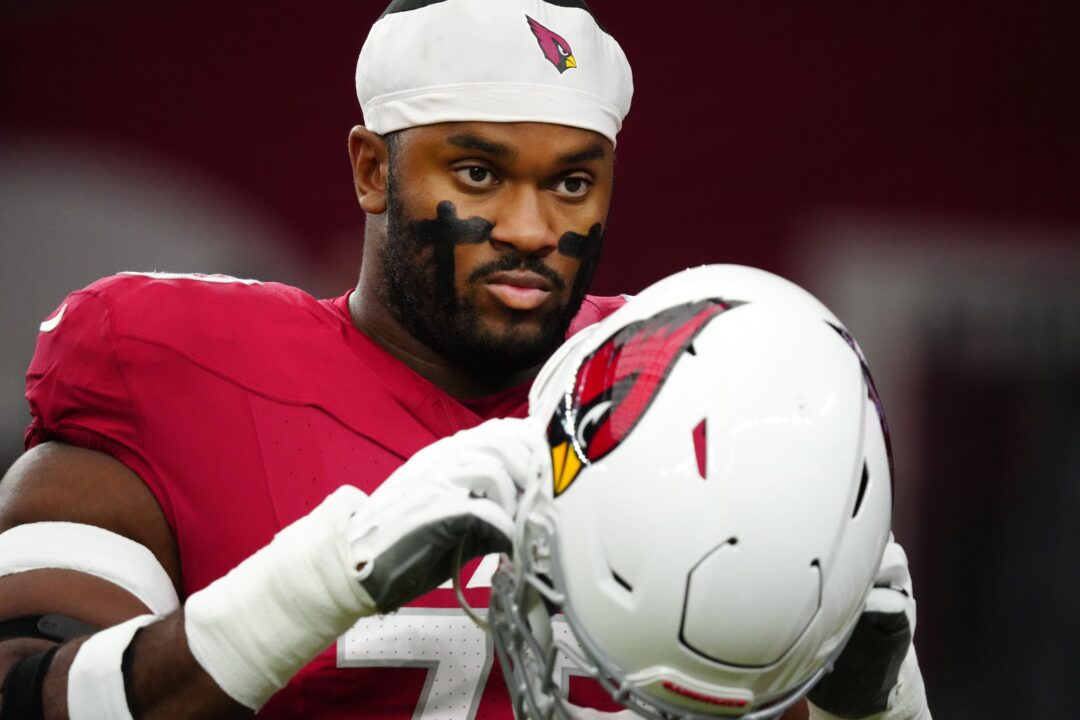
The gap between Johnson’s $40 million claim and a mid-$20 million reality emphasizes that durability drives offensive-line compensation. A healthy season with 800-plus snaps and elite performance could restore his market toward the high-$20 million range. Additional knee problems would lock in the current ceiling. Johnson’s next extension may represent his peak earnings if injuries persist. Arizona’s decision will hinge on evidence, not statements. The offensive line’s most expensive snap counts now define financial opportunity. Every game played this season is a measure of whether Johnson can reclaim elite-market status.
If you enjoyed this article please like and follow us here on MSN! Thank you for reading and have a great day!
Sources:
Cardinals OT Paris Johnson Jr. Wants NFL Record Payday. Sports Illustrated, 29 November 2025.
Cardinals OT Paris Johnson Jr. plays big, dreams bigger. ESPN, 28 November 2025.
Report: Cards LT Paris Johnson Jr. nursing sprained MCL. Reuters, 09 December 2025.
Chargers signing LT Rashawn Slater to record four-year $114 million contract extension. NFL.com, 27 July 2025.
Chargers reach 4-year, $114M deal with Rashawn Slater. ESPN, 27 July 2025.
Report: Cardinals LT Paris Johnson is expected to miss time with an MCL sprain. Yahoo Sports, 09 December 2025.