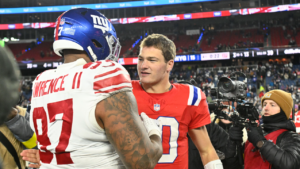

A video call lights up, and there he is: a man in a durag, introducing himself as Michael Penix Jr. He flashes what looks like a Florida driver’s license. He holds up paperwork stamped with the Falcons quarterback’s name. A sports management company, supposedly on his side, backs him up. The notary glances at the ID, glances at his face on the screen, and just like that, greenlights a $3.3 million loan. Not one person on that call thought to actually call the Falcons. No one checked beyond the surface.
The Man Behind the Camera
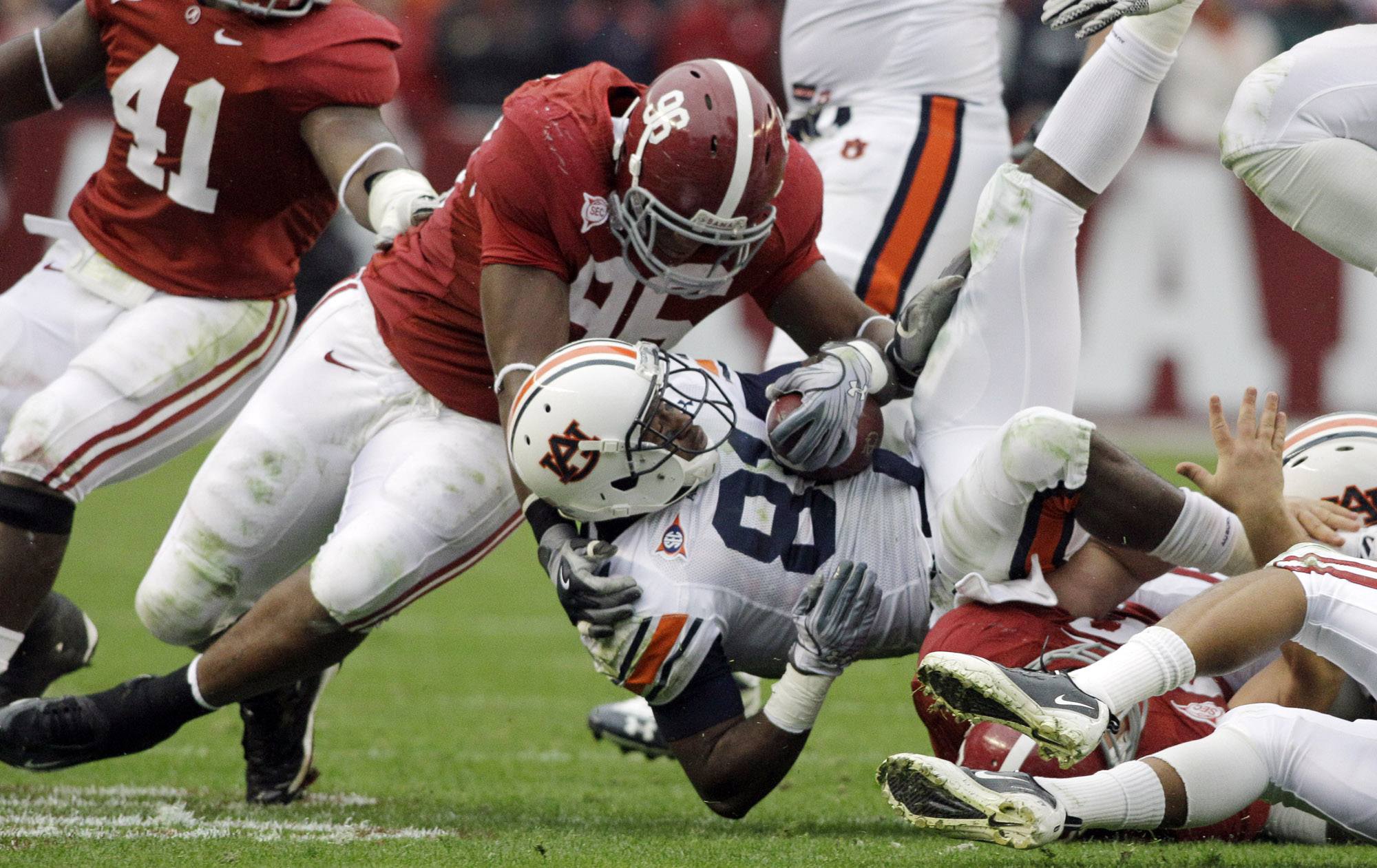
Nov 26, 2010; Tuscaloosa, AL, USA; Alabama Crimson Tide lineman Luther Davis (96) tackles Auburn Tigers receiver Terrell Zachery (81) during the first half at Bryant-Denny Stadium. Mandatory Credit: John Reed-Imagn Images
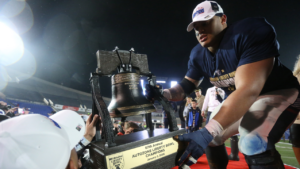
Luther Davis, once a defensive lineman for Alabama, celebrated a national championship with Nick Saban’s first recruiting class back in 2009. After his football days, he started a sports management company in Georgia. That business gave him something even more powerful than a diploma or a trophy: a straight shot into the world of athlete lending. Lenders such as Aliya Sports Finance Fund and All Pro Capital Funding didn’t deal directly with the athletes—they relied on brokers, who relied on managers like Davis. The security system was just a network of handshakes and introductions. Davis spent years building trust in that world.
Thirteen Loans, Zero Phone Calls
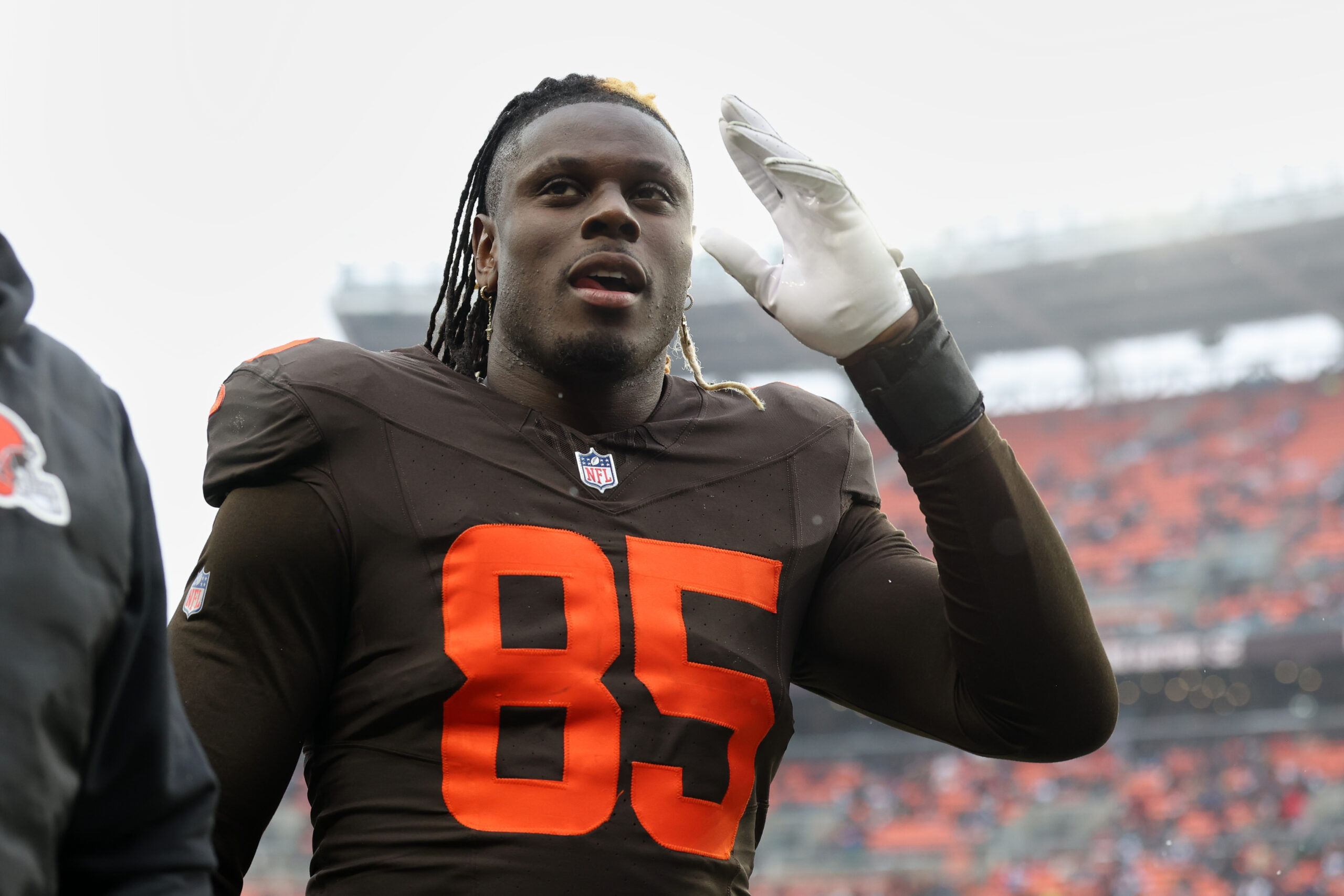
Dec 7, 2025; Cleveland, Ohio, USA; Cleveland Browns tight end David Njoku (85) walks off the field after the game against the Tennessee Titans at Huntington Bank Field. Mandatory Credit: Scott Galvin-Imagn Images
From May 2023 through October 2024, Davis and his partner, CJ Evins, pulled off 13 fake loans and walked away with nearly $20 million. They didn’t just pick random names—they posed as three real NFL players: Penix, Packers safety Xavier McKinney, and Browns tight end David Njoku. They went all in, registering bogus companies using the players’ names, opening fake bank accounts, and setting up phony email addresses. If you pause to consider, it’s almost unbelievable: these lenders took state paperwork at face value and never once double-checked with an actual NFL team.
Wigs, Makeup, and a Broken System
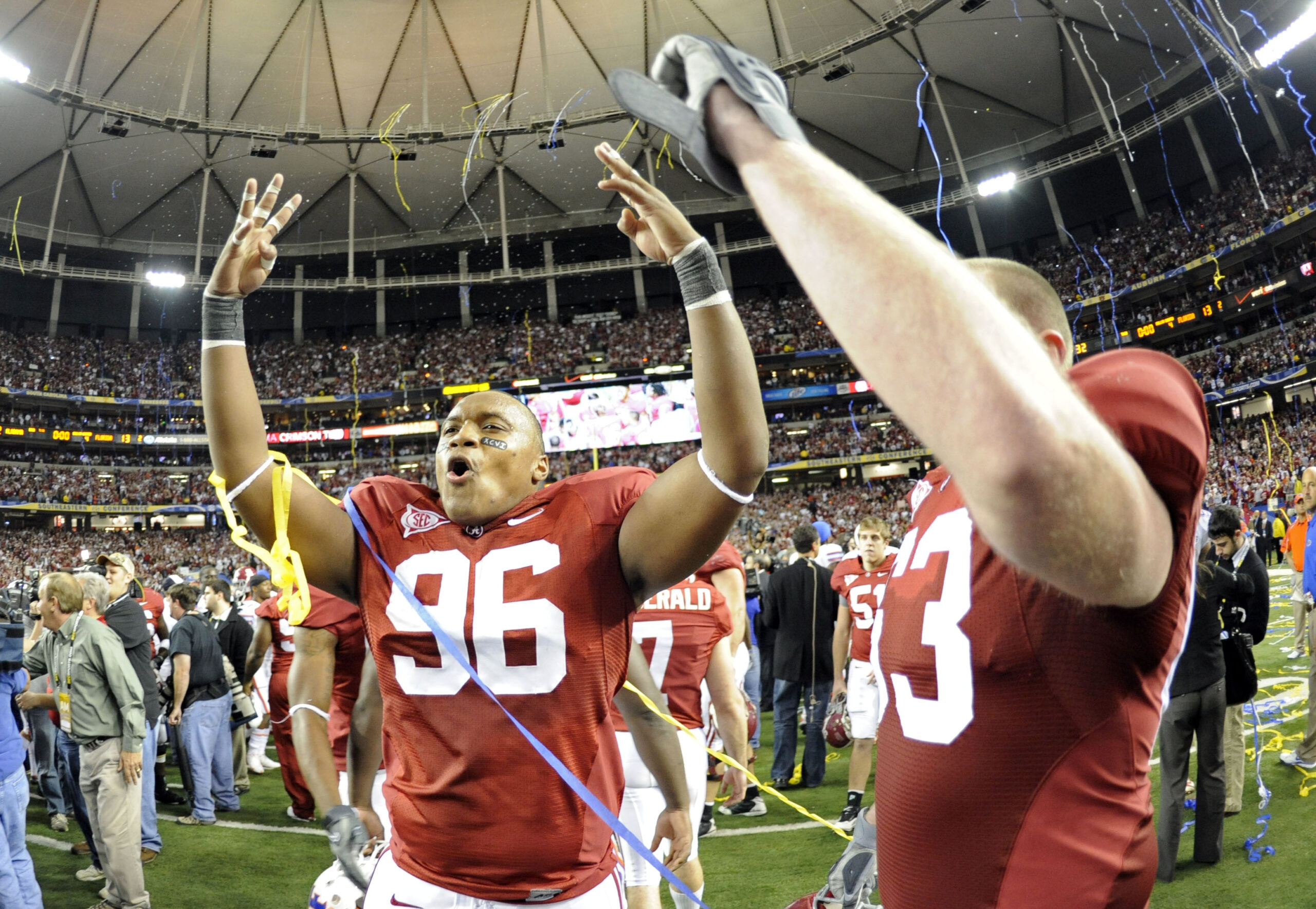
Dec 5, 2009; Atlanta, GA, USA; Alabama Crimson Tide defensive lineman Luther Davis (96) celebrates after defeating the Florida Gators 32-13 in the 2009 SEC championship game at the Georgia Dome. Mandatory Credit: Dale Zanine-Imagn Images
Federal prosecutors charged Davis with conspiracy to commit wire fraud and aggravated identity theft. The criminal filing described how he “dressed in disguise and impersonated the players, providing fake identification documents to convince the notary.” Wigs. Makeup. A durag to look like Penix. Online photos served as his costume guide. It’s almost surreal—three NFL players, some of the most recognizable faces in sports, had their identities hijacked by a man using off-the-shelf disguises. Thirteen times, over a year and a half. And the supposed safeguards? They didn’t catch a thing.
The Broker Who Trusted the Fox
Feb 24, 2026; Indianapolis, IN, USA; The 2026 NFL Scouting Combine logo on the field at Lucas Oil Stadium. Mandatory Credit: Kirby Lee-Imagn Images
Sure Sports was the broker in the middle, the supposed gatekeeper between Davis and the lenders. Their job? Vet the borrowers. Check the facts. Do the homework. Yet, in court, Sure Sports admitted it “was also scammed” during the process. That’s a jaw-dropper. The people meant to spot the fakes got fooled by the same wigs and fake IDs as everyone else. Lenders trusted Sure Sports. Sure Sports trusted Davis. Davis trusted his costume. At every level, everyone just assumed someone else had done the hard work. In reality, nobody did.
The Numbers That Expose the Collapse
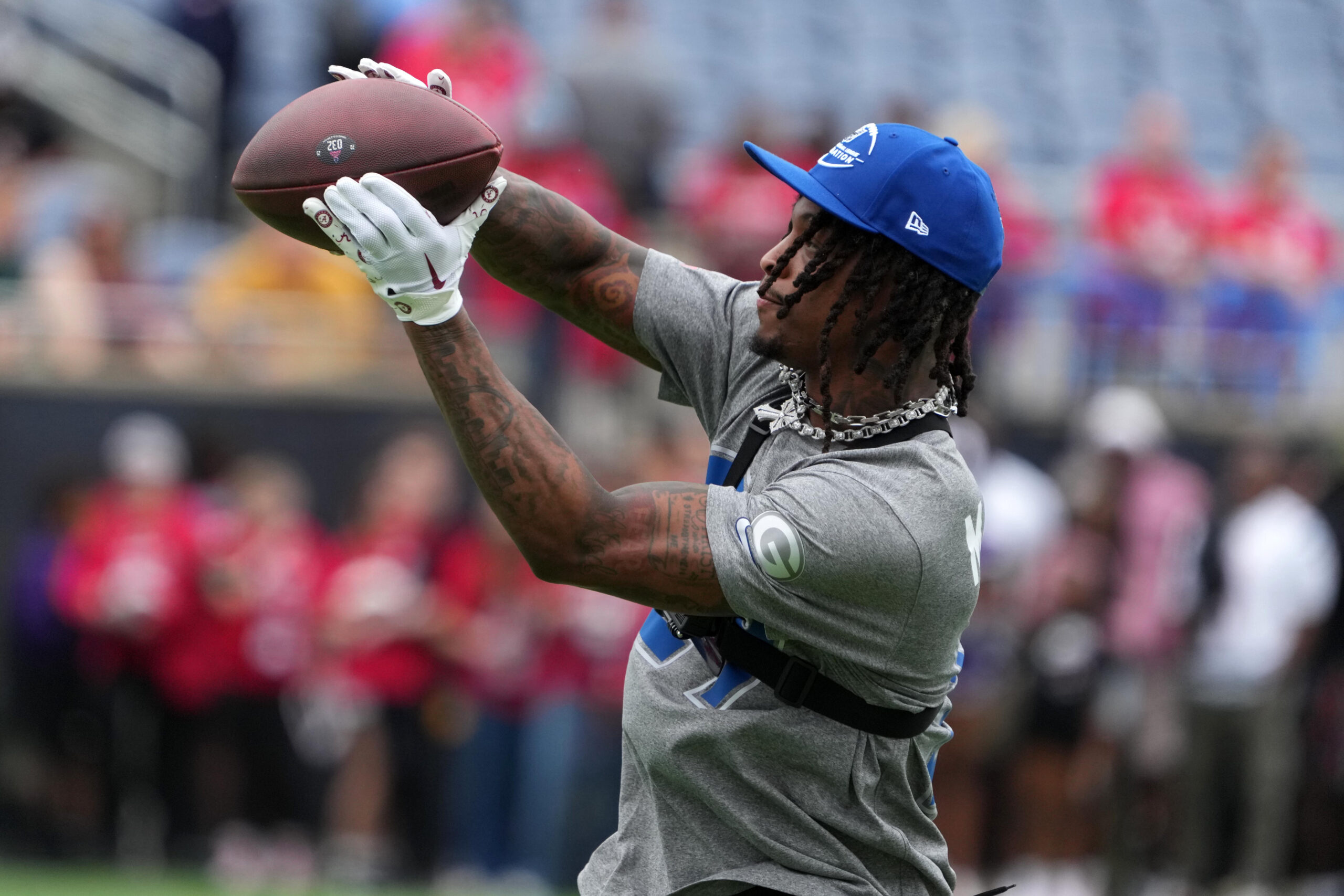
Feb 1, 2025; Orlando, FL, USA; Green Bay Packers free safety Xavier McKinney (29) catches the ball during NFC Practice for the Pro Bowl Games at Camping World Stadium. Mandatory Credit: Kirby Lee-Imagn Images
Three of the loans are easy to trace: $4.35 million in McKinney’s name from Aliya Sports, $4.025 million in Njoku’s, and $3.3 million in Penix’s from All Pro Capital Funding. Add it up, and you still have about $8.17 million in fake loans with unclear victims—meaning there could be more players caught up in this. While McKinney was out earning First-Team All-Pro honors in 2024, someone else was quietly taking out millions in loans behind his back.
A Month of Silence After the FBI Knocked
The Justice Department and Federal Bureau of Investigation logos are displayed on the lobby floor of the FBI offices in Indianapolis.
The FBI tipped off Sure Sports in September 2024, but Aliya Sports Finance Fund didn’t get the memo until October 20—a full month later. During that month, the broker knew the feds were investigating, but the lender holding the bag for millions heard nothing. Aliya Sports is now suing Sure Sports for what they call negligent due diligence. As a result, the whole athlete financing industry is tightening up: stricter checks, higher insurance bills, longer waits for approval. Everyone who plays by the rules is now paying the price for a system built on trust—trust that turned out to be paper-thin.
The Pattern Nobody Wanted to See
Feb 24, 2026; Indianapolis, IN, USA; The 2026 NFL Scouting Combine logo on the field at Lucas Oil Stadium. Mandatory Credit: Kirby Lee-Imagn Images
Davis wasn’t new to breaking the rules. Years earlier, he’d already been caught in an NCAA scandal over benefits to SEC players. The deception didn’t start with costumes and fake IDs—it began much earlier, pushing limits inside the very system that would later let him steal millions. Video calls, touted as a high-tech safeguard, only show that someone’s on camera—not who they really are. Notaries don’t have athlete ID databases. Brokers can’t double-check with teams or leagues. The whole system depends on insiders playing fair. But Davis showed that’s exactly where things can fall apart.
The Plea and the Prison Clock
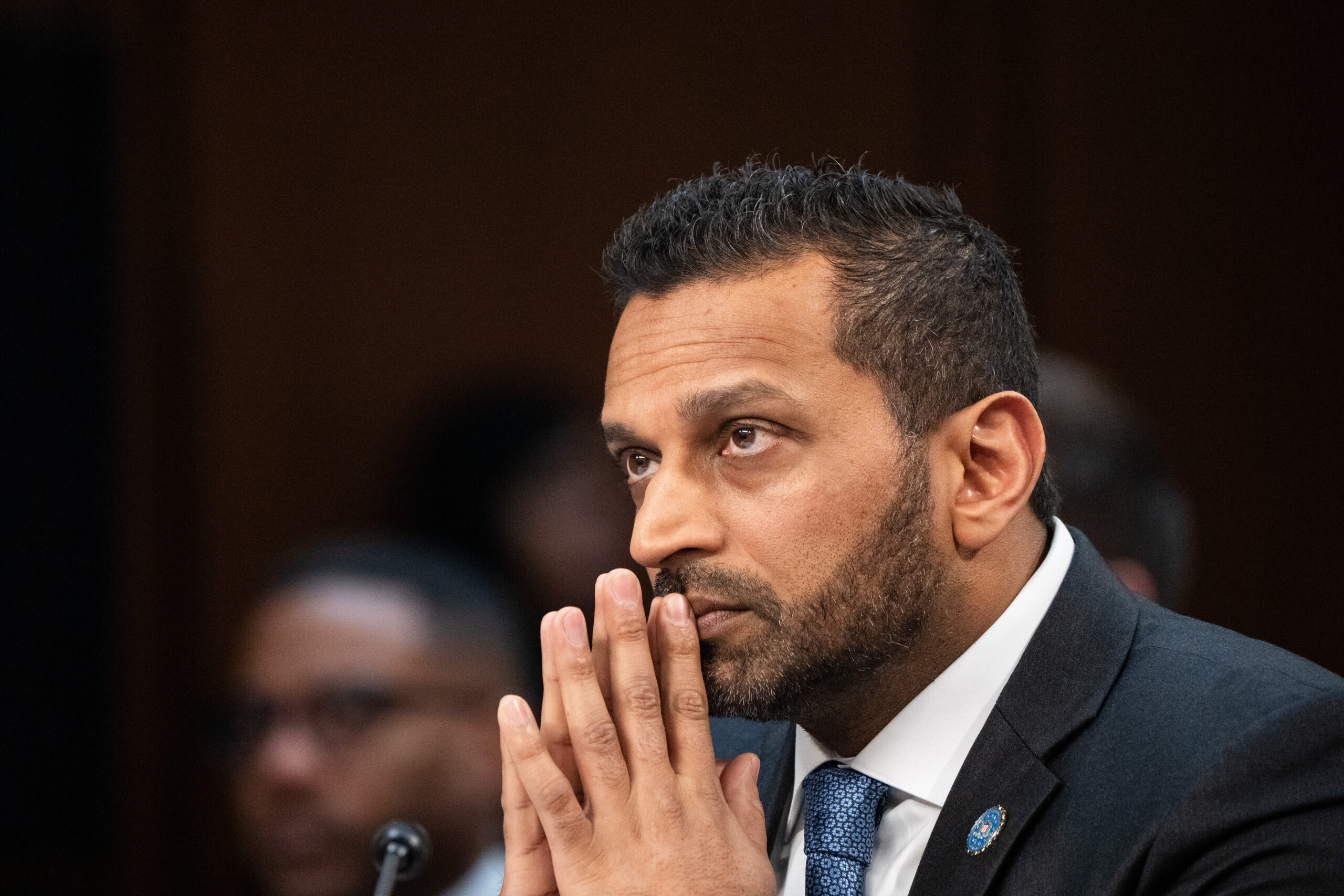
Mar 18, 2026; Washington, DC, USA; Kash Patel, Director of the Federal Bureau of Investigations, sits as the Senate Select Committee on Intelligence holds their annual hearing on the assessment of worldwide threats to the national security of the United States in Washington, DC, on March 18, 2026. Mandatory Credit: Josh Morgan-USA TODAY via Imagn Images
Davis is set for a plea hearing on April 27, 2026, and he’s expected to admit guilt. If the federal guidelines are any indication, he could be looking at more than 20 years behind bars for wire fraud conspiracy and identity theft. The FBI is still digging, which means there could be more people involved—or more victims—still to come. The three NFL players had nothing to do with the scheme; they were just unlucky targets, their names and reputations hijacked by someone who once walked in their world. Lenders lost millions. Players lost control over their identities. And for everyone in the athlete lending business, things just got a lot more complicated—and costly.
The Insider Is Always the Biggest Threat
An advertisment for the 2026 NFL Draft is displayed on a video board outside Acrisure Stadium, Wednesday, March 25, 2026 in Pittsburgh, Pa.
Now, lenders are scrambling to fix the holes—looking into blockchain identity checks and requiring team reps to join video calls before any money moves. That alone shows how little was in place before. The old way just assumed you could trust whoever made the introductions, and trust stood in for real verification. Davis didn’t need to hack any computers. He walked in the front door with a wig on, and walked out with nearly $20 million. The most chilling kind of fraud isn’t the one that smashes the system—it’s the one that quietly slips through all the gaps left open.
Sources:
U.S. District Court for the Northern District of Georgia, “United States v. Luther Davis and CJ Evins,” criminal filing, March 19, 2026.
U.S. Department of Justice, Northern District of Georgia, prosecutors’ statement on the alleged scheme running May 2023 through October 2024, 2026.
Aliya Sports Finance Fund v. Sure Sports, civil complaint, Florida’s 11th Circuit Court, February 2025.
Georgia Secretary of State, corporate filings records for fraudulent companies registered under NFL players’ names, 2023–2024.
David Njoku, Instagram post announcing departure from the Cleveland Browns, February 9, 2026.
Associated Press, First-Team All-Pro selection of Xavier McKinney, 2024 NFL season.