

Atlanta entered the 2024 offseason believing its quarterback search had ended. The Falcons committed four years and $180 million to Kirk Cousins, a deal announced in March 2024 that signaled long-term stability at the league’s most valuable position. Two seasons later, the organization reversed course and released him. The move exposed how NFL contracts function beneath their headline value. Guarantees, salary cap timing, and dead money determine real commitment. Atlanta’s decision turned a supposed four-year partnership into a two-year arrangement. The mechanics behind that outcome begin with the contract itself.
Atlanta Ends The Cousins Experiment

In March 2024, the Atlanta Falcons signed Kirk Cousins to a four-year, $180 million contract during free agency. The deal followed Atlanta’s search for stability after several seasons of quarterback turnover. Public messaging framed the move as a long-term solution. Two years later, during the 2026 offseason, the Falcons released Cousins outright. The transaction ended the partnership without a trade return and placed the veteran quarterback on the open market. A four-year agreement concluded after two seasons. The financial structure of that contract explains why the franchise could move so quickly.
The $45 Million Annual Signal
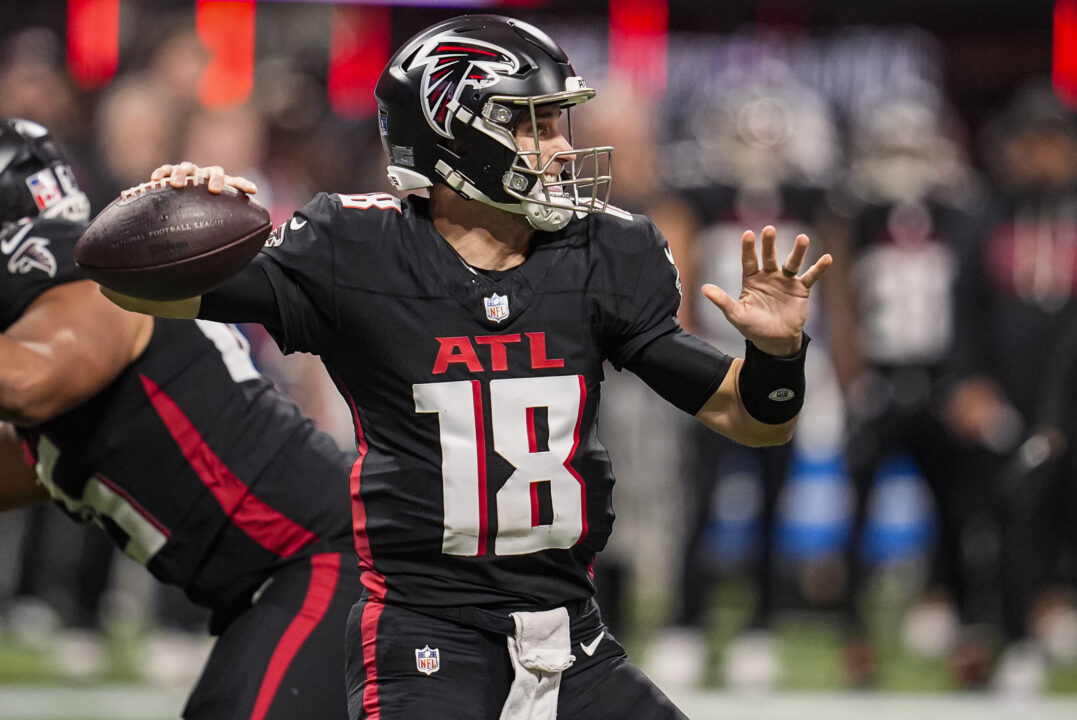
Cousins’ contract carried an average annual value of about $45 million. That figure placed the deal among the NFL’s highest quarterback salaries at the time of the signing in March 2024. Contracts in that range typically anchor a roster plan. Offensive systems adapt to the quarterback’s strengths and long-term planning revolves around the position. Atlanta approached the agreement with that expectation early in the partnership. The release in 2026 changed the trajectory quickly. The contrast between the four-year headline and the two-year reality draws attention to how NFL contracts function internally.
The Fine Print Behind The Deal
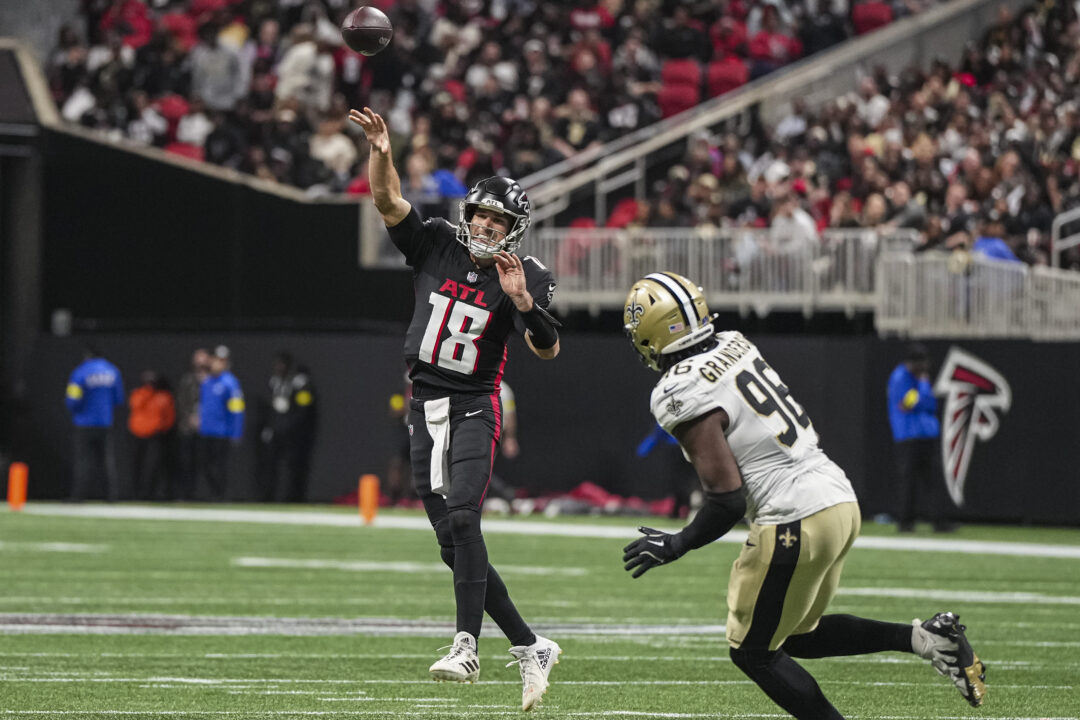
NFL contracts depend heavily on structure. Guarantees, signing bonuses, and salary cap treatment define how long a team remains committed to a player. Cousins’ deal followed that familiar model. Portions of the contract carried full guarantees early in the agreement, and later seasons contained salary that could be avoided with a release. Fans often focus on the headline value announced during free agency. Front offices focus on the protection built into each year. Atlanta’s decision to release Cousins shows how the second layer of contract design shapes roster decisions.
Dead Money Defines The Exit
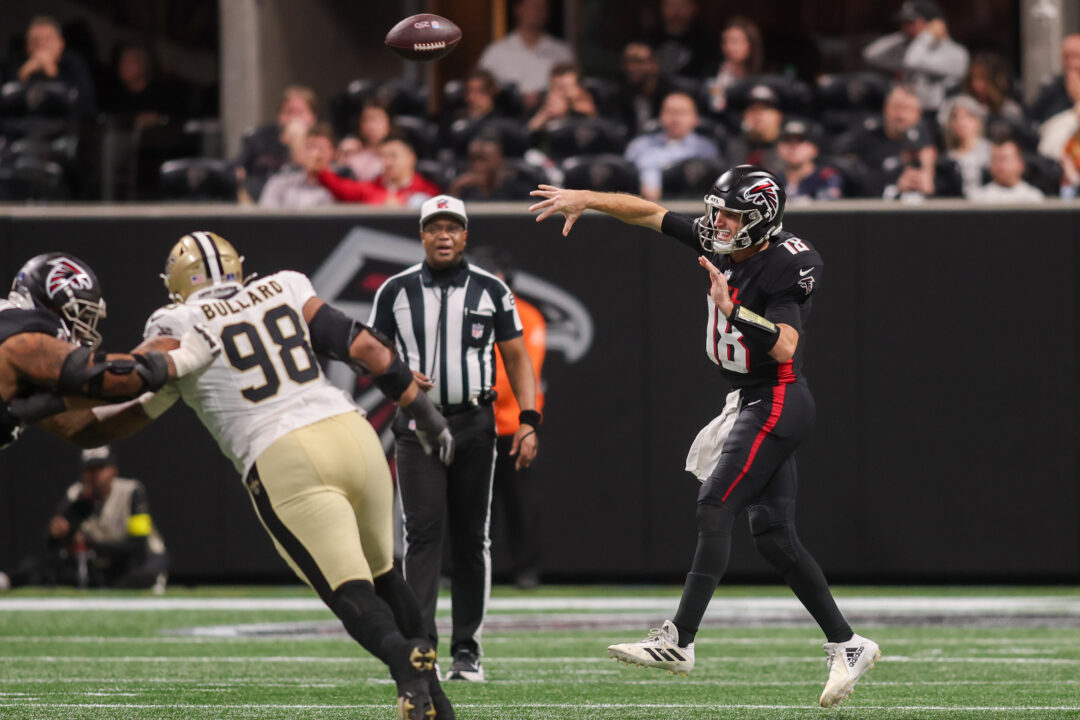
Dead money represents the salary cap charge a team absorbs when releasing a player before a contract ends. Atlanta evaluated that cost during the 2026 offseason when considering Cousins’ future. The organization determined the financial impact was manageable within its long-term planning. That calculation allowed the Falcons to move forward despite the remaining years on the contract. Teams across the league routinely perform the same analysis. The ability to accept dead money often determines whether a franchise continues with a veteran quarterback or begins a reset.
Atlanta Absorbs The Financial Impact
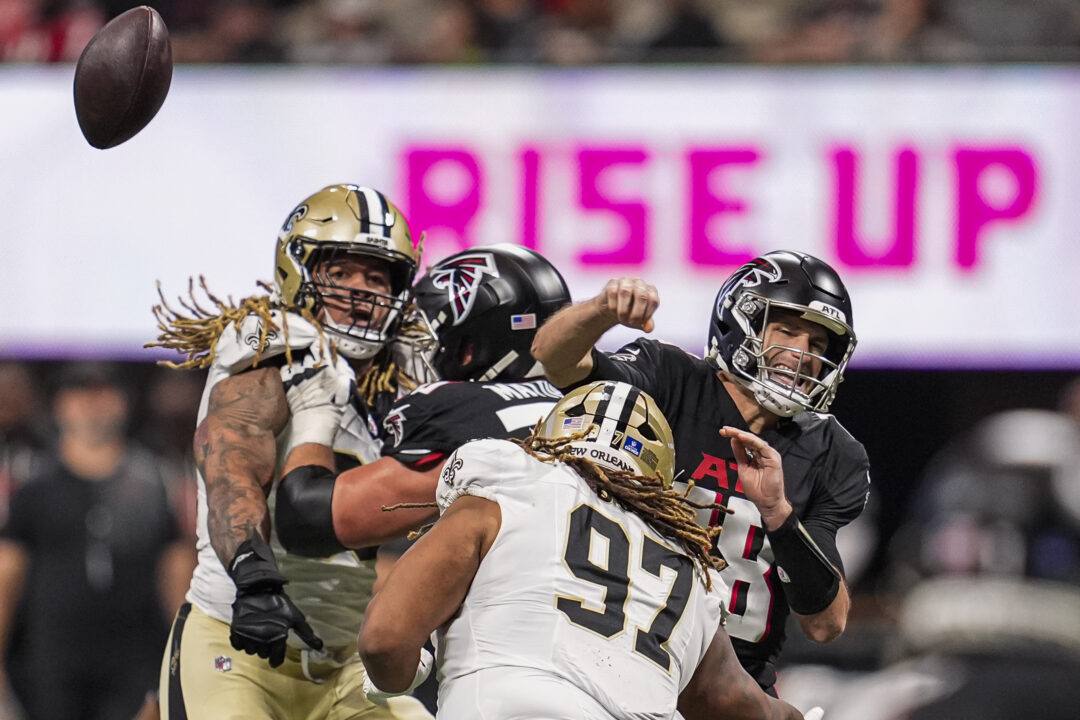
Cousins played two seasons under the four-year agreement signed in March 2024. His release in 2026 ended the deal halfway through its scheduled length. Atlanta received no draft compensation because the move occurred without a trade partner. The team also absorbed cap charges connected to the signing bonus and remaining guarantees. Those costs limit flexibility when pursuing upgrades at other positions during the same offseason. Atlanta’s front office accepted those consequences as part of the decision to move forward. The ripple effects extend beyond the Falcons’ roster.
The Quarterback Market Adjusts
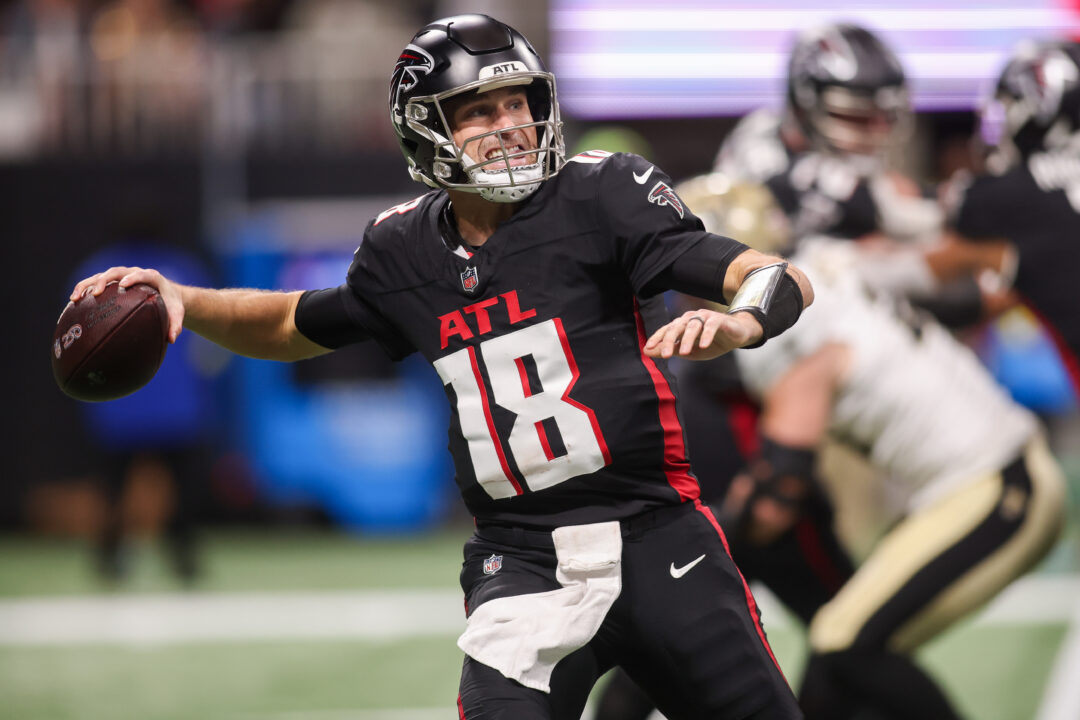
Cousins entered free agency immediately after the release. Veteran quarterbacks searching for contracts during the 2026 offseason now face a new competitor with a long history of production. Teams evaluating bridge starters or short-term solutions gained another option. Atlanta simultaneously returned to the quarterback market after ending the deal signed two years earlier. The organization must examine the draft, trades, or free agency for a replacement. One roster decision created movement across several front offices. The league’s contract patterns explain why situations like this continue to appear.
Contract Length Often Misleads
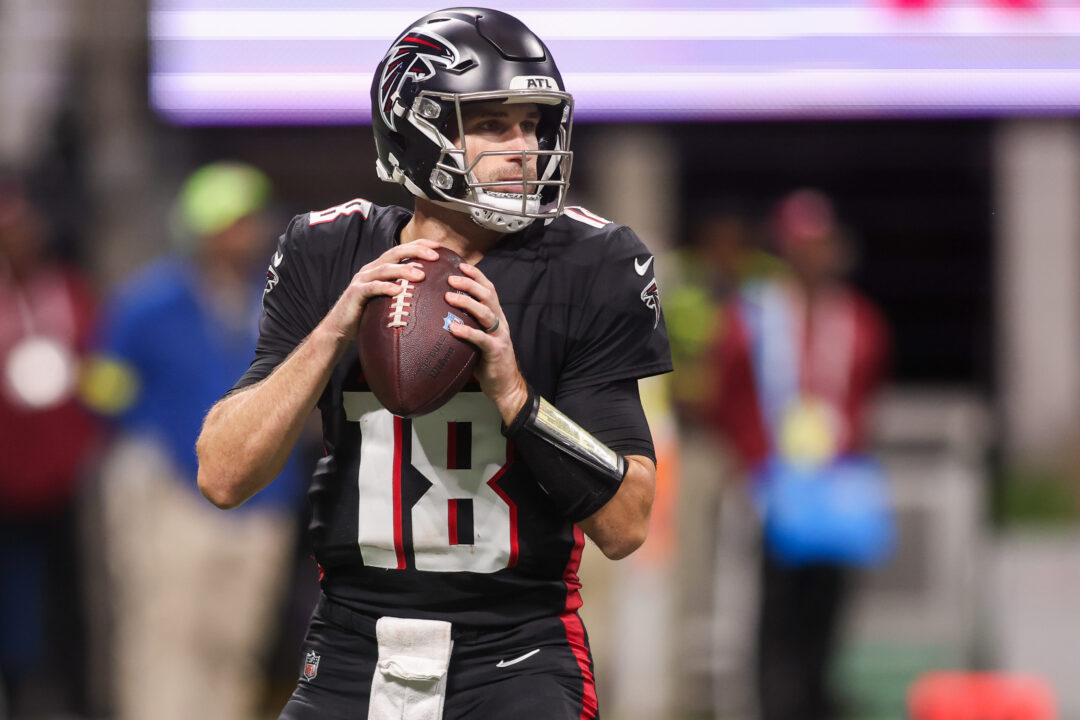
Modern NFL quarterback deals frequently extend across four or five years on paper. Cap flexibility often concentrates in the middle seasons of those agreements. Teams design contracts so early guarantees secure the player while later years preserve the option to move on. Cousins’ contract followed that blueprint. The release during the 2026 offseason occurred at the point where the financial cost became manageable. The timing reflects a pattern seen across many franchises during recent seasons. Understanding that pattern changes how large contract announcements are interpreted.
Control Shifts After Release
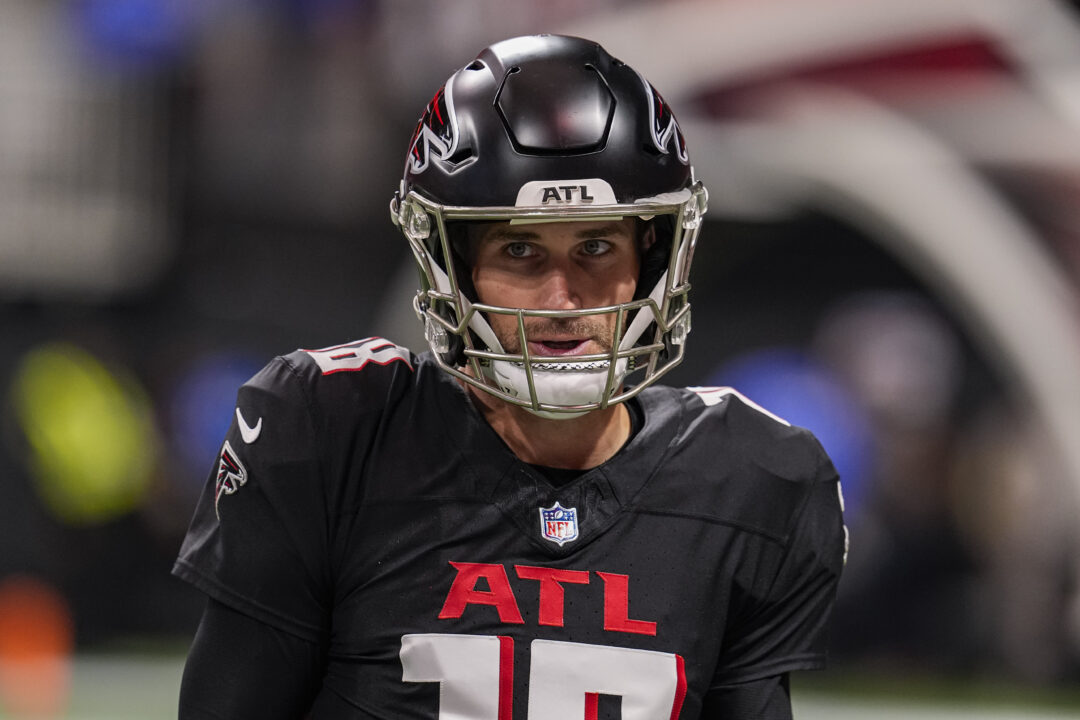
Once the Falcons released Cousins in 2026, control over his next destination shifted entirely to the player. Atlanta must now finance its next quarterback decision while managing the remaining cap consequences of the previous deal. Cousins can evaluate offers, coaching staffs, and roster situations before choosing a new team. The organization that committed $180 million in March 2024 no longer influences that process. The release altered leverage on both sides of the transaction. The final lesson involves how future contract announcements should be read.
The Lesson From The Contract

The Cousins contract demonstrates how NFL finances function beyond headline numbers. A four-year, $180 million agreement signed in March 2024 produced two seasons before the release in 2026. Guarantees and cap timelines shaped that outcome more than the total value announced during free agency. Similar structures appear in many quarterback deals across the league. Fans who track guarantees and cap triggers gain a clearer understanding of how long those commitments truly last. The Falcons’ decision provides a clear example of how the system works.
If you enjoyed this article please like and follow us here on MSN! Thank you for reading and have a great day!
Sources:
Kirk Cousins officially inks four-year, $180 million deal with Falcons. Fox Sports, March 3, 2024
Falcons to release QB Kirk Cousins on March 11 when new league year begins. NFL.com, February 24, 2026
Moving Off of the Kirk Cousins Contract. Spotrac News, December 17, 2024
Falcons release Kirk Cousins 2 years into his 4-year, $180 million deal, making him a free agent. Yahoo Sports, March 11, 2026
Falcons expected to cut Kirk Cousins before new league year. ESPN, February 6, 2026
Falcons release QB Kirk Cousins. NBC Sports, March 10, 2026