

Somewhere inside the Chiefs’ front office, a paperwork decision just changed the trajectory of a reserve guard’s career. No press conference. No farewell post. Kansas City reportedly declined to tender offensive lineman Mike Caliendo ahead of NFL free agency, and the silence around it tells you everything about how modern dynasties actually operate. One form, left unsigned. One lineman, no longer under team control. The depth picture on Kansas City’s offensive line just shifted, and free agency hasn’t even started yet.
The Clock Was Already Running
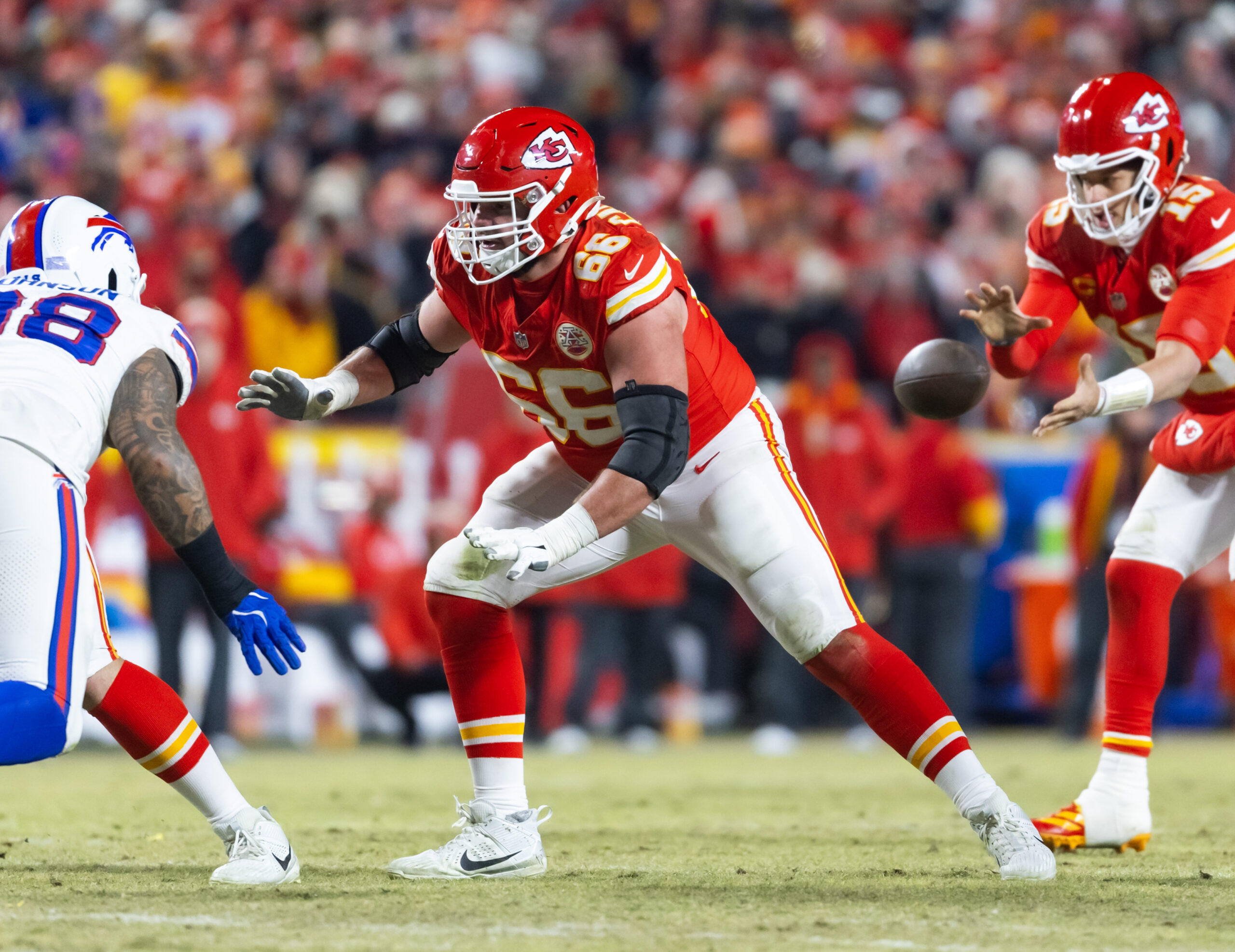
Jan 26, 2025; Kansas City, MO, USA; Kansas City Chiefs guard Mike Caliendo (66) against the Buffalo Bills in the AFC Championship game at GEHA Field at Arrowhead Stadium. Mandatory Credit: Mark J. Rebilas-Imagn Images
NFL free agency creates a near-term decision window, and every team faces the same clock. Tender deadlines force a binary choice: pay for control or accept market exposure. The Chiefs chose exposure. That matters because restricted free agent tenders carry standardized compensation levels and draft-pick protections if a player signs elsewhere. By skipping the tender entirely, Kansas City forfeits those protections. No draft-pick compensation. No matching rights. Caliendo can negotiate with any team the moment the market opens, and the Chiefs get nothing back but cap flexibility.
So Much for Loyalty
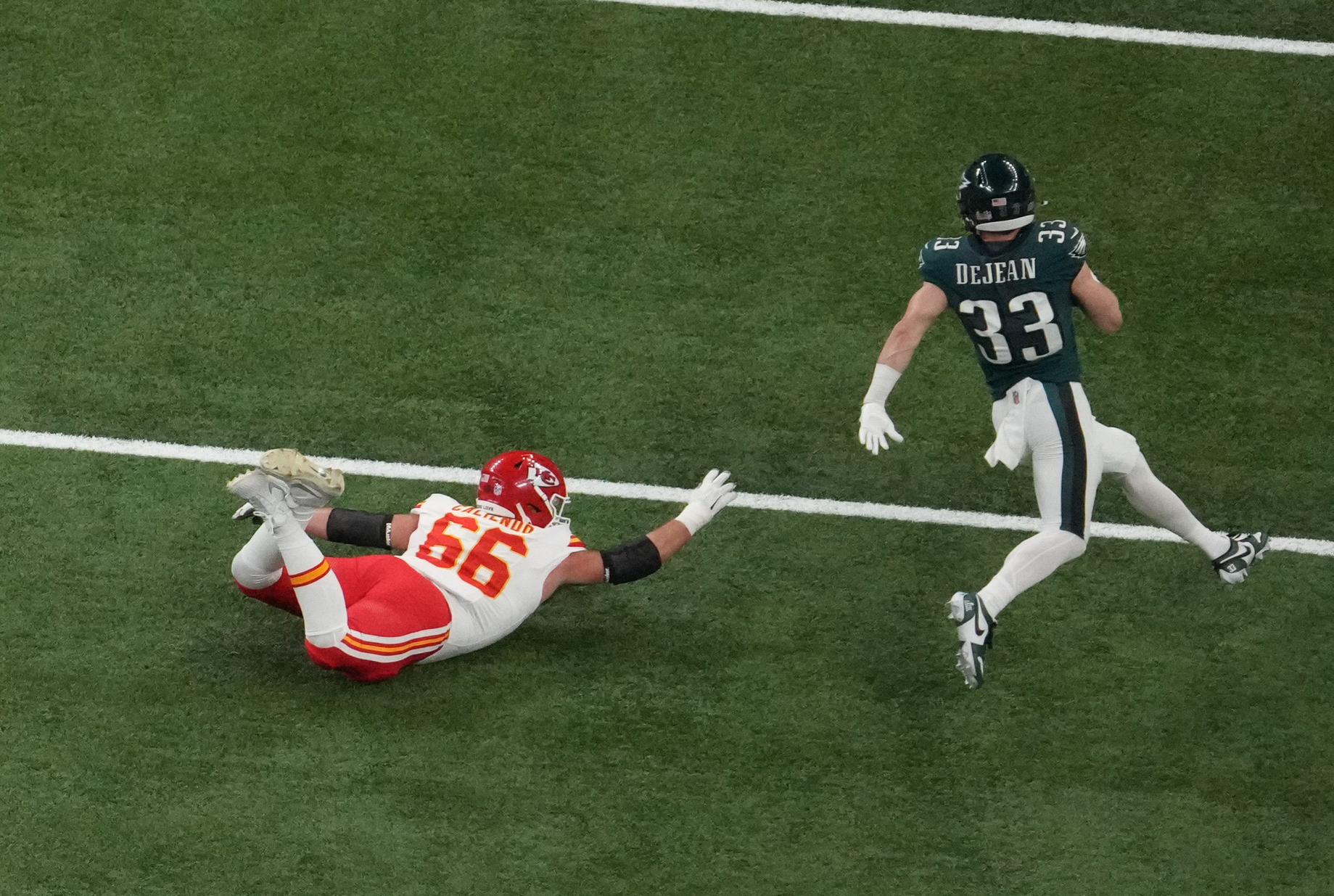
Feb 9, 2025; New Orleans, LA, USA; Philadelphia Eagles cornerback Cooper DeJean (33) intercepts a pass as Kansas City Chiefs guard Mike Caliendo (66) attempts to make the tackle in the second quarter during Super Bowl LIX at Caesars Superdome. Mandatory Credit: James Lang-Imagn Images
The comfortable assumption has always been that winning teams keep their guys. Culture. Loyalty. Championship DNA. Except the salary cap doesn’t care about any of that. Kansas City’s cap situation is publicly tracked and constrains every offseason decision. The same franchise that used the franchise tag on cornerback L’Jarius Sneed in 2024 declined to use a far cheaper control mechanism on a rotational guard. That contrast is the first crack in the myth: even contenders must create roster churn to stay cap-compliant.
This Was Never About Football
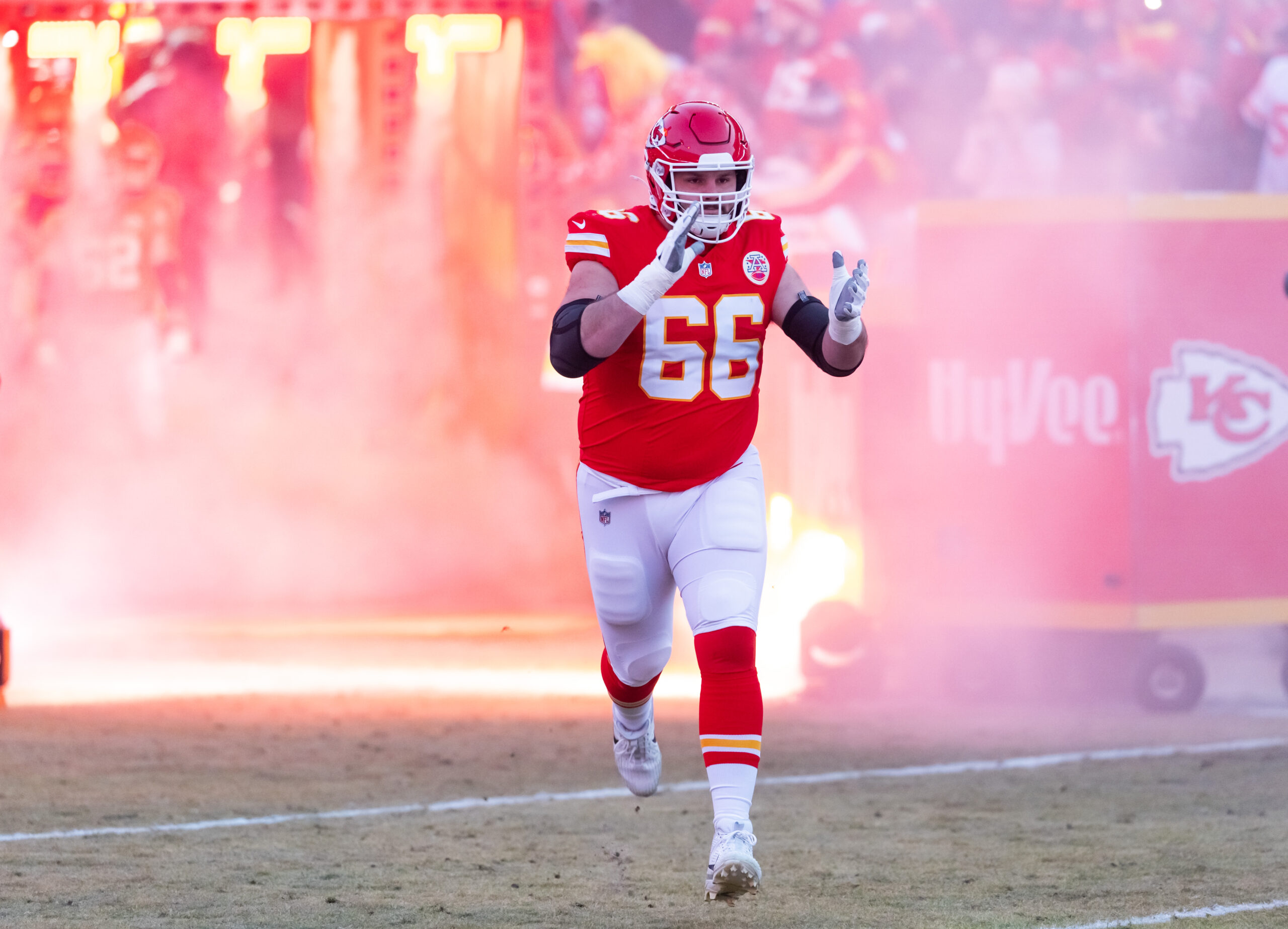
Jan 26, 2025; Kansas City, MO, USA; Kansas City Chiefs guard Mike Caliendo (66) against the Buffalo Bills in the AFC Championship game at GEHA Field at Arrowhead Stadium. Mandatory Credit: Mark J. Rebilas-Imagn Images
The tender decision is not football. It is budget arithmetic under a hard cap. The NFL’s CBA mechanisms convert cash into control: tags, tenders, guaranteed money. Each one is a purchase. Skipping the tender on Caliendo means Kansas City chose to spend that money elsewhere. One guard, exposed to the open market. One franchise, reallocating resources. The cap forced a yes-or-no call. Kansas City said no. That is the entire story of how dynasties manage rosters in a hard-cap league.
Think of It Like a Lease
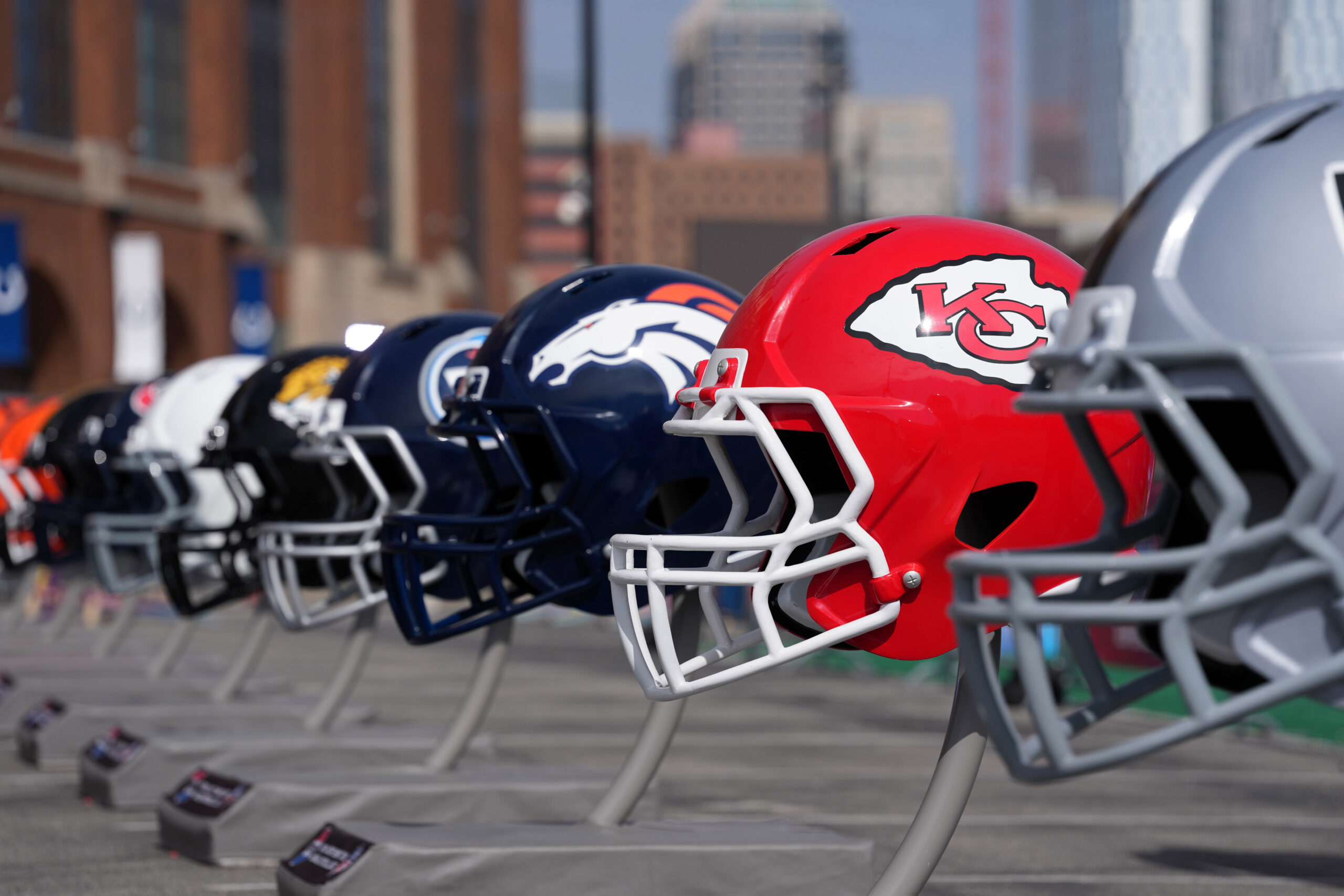
Feb 26, 2026; Indianapolis, IN, USA; Large helmets of the Las Kansas City Chiefs and Denver Broncos at the NFL Scouting Combine at Lucas Oil Stadium. Mandatory Credit: Kirby Lee-Imagn Images
Think of it like declining to renew a lease: you lose the right to keep the tenant off the market. NFL roster construction works the same way. Cap tables function like a team’s budget spreadsheet, shaping who stays and who goes. Tags and tenders are recurring annual mechanisms under the CBA, not one-off events. Every March, every team runs the same arithmetic. The Chiefs just showed their work. They can afford to tag a cornerback or tender a guard. Doing both costs more than the spreadsheet allows.
Who Protects the Quarterback Now
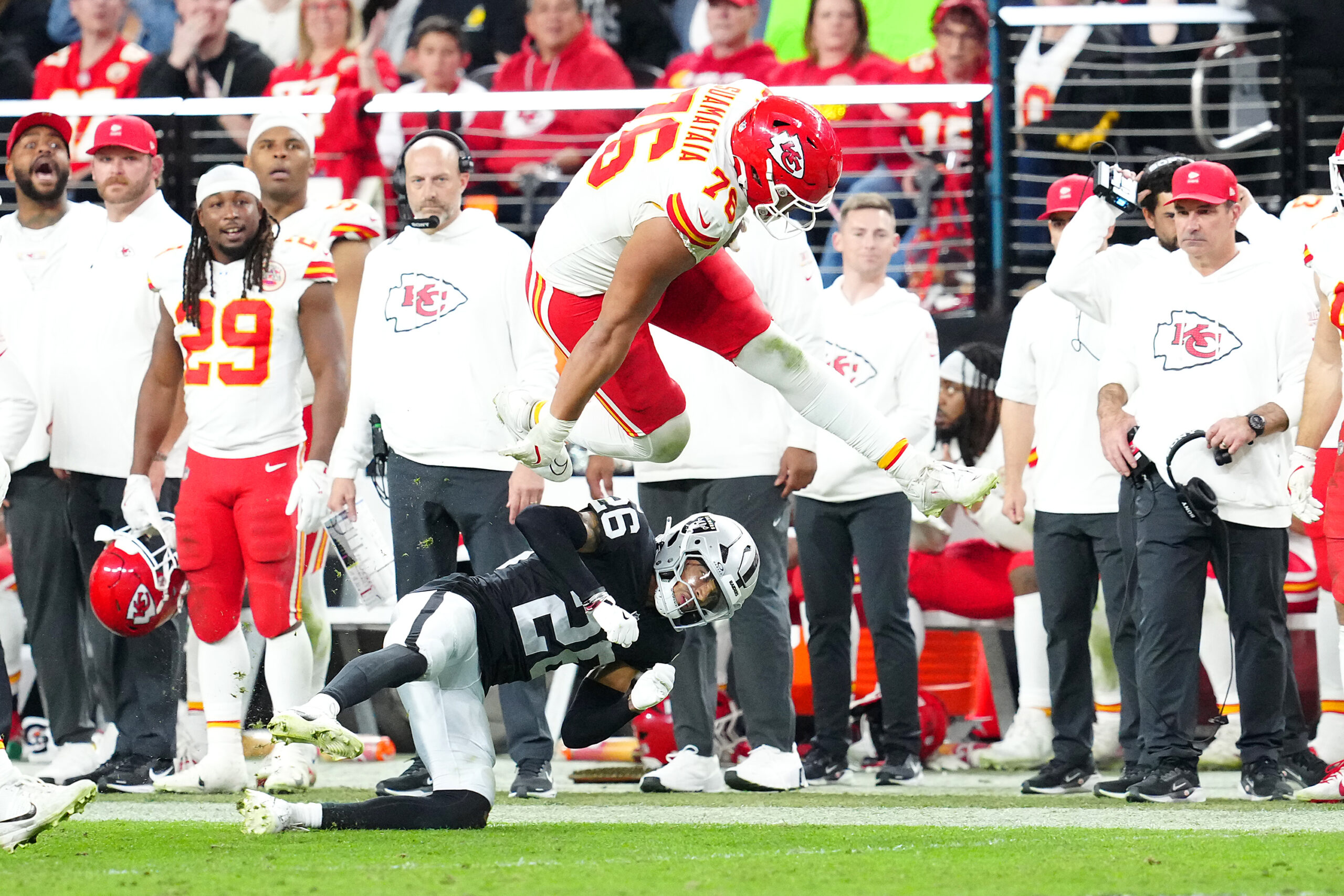
Jan 4, 2026; Paradise, Nevada, USA; Kansas City Chiefs guard Kingsley Suamataia (76) hurdles Las Vegas Raiders cornerback Darien Porter (26) as he goes out of bounds on the final play of the fourth quarter at Allegiant Stadium. Mandatory Credit: Stephen R. Sylvanie-Imagn Images
Strip away the cap language and the concern is straightforward: your quarterback’s interior depth is thinning. A rotational guard heading to the open market removes a player who filled in during key moments, including a Super Bowl start. The Chiefs built consecutive championship runs with reliable offensive line depth behind their starters. Now one piece of that depth is available to the highest bidder. Depth isn’t free. It is a line item on the cap sheet, and Kansas City just decided that particular line item was expendable. Whether that bet pays off depends entirely on whether younger draft investments like Kingsley Suamataia, Hunter Nourzad, and C.J. Hanson can fill the role.
One Move Shakes the Whole Market
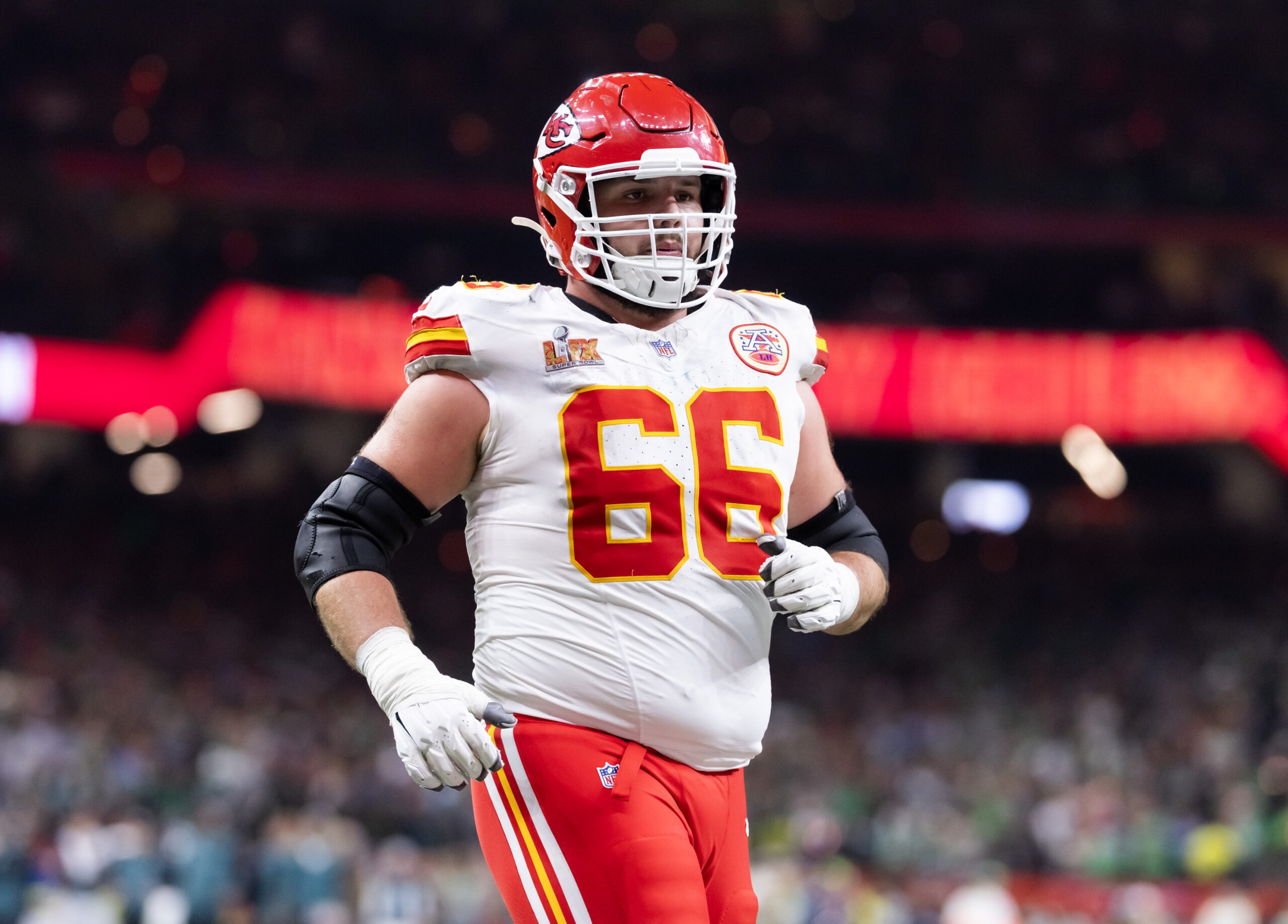
Feb 9, 2025; New Orleans, LA, USA; Kansas City Chiefs guard Mike Caliendo (66) against the Philadelphia Eagles in Super Bowl LIX at Ceasars Superdome. Mandatory Credit: Mark J. Rebilas-Imagn Images
Caliendo hitting the open market doesn’t just affect Kansas City. Every offensive-line-needy team now has a proven fill-in guard to bid on, and bidding drives prices up. The Chiefs, meanwhile, may reallocate that cap space toward other extensions, tags, or positional priorities. One non-tender creates a chain reaction: the guard market shifts, the Chiefs’ internal budget reshuffles, and depth players at non-premium positions learn exactly where they stand when cap priorities change. One roster domino, tipping across the league.
This Is the New Normal
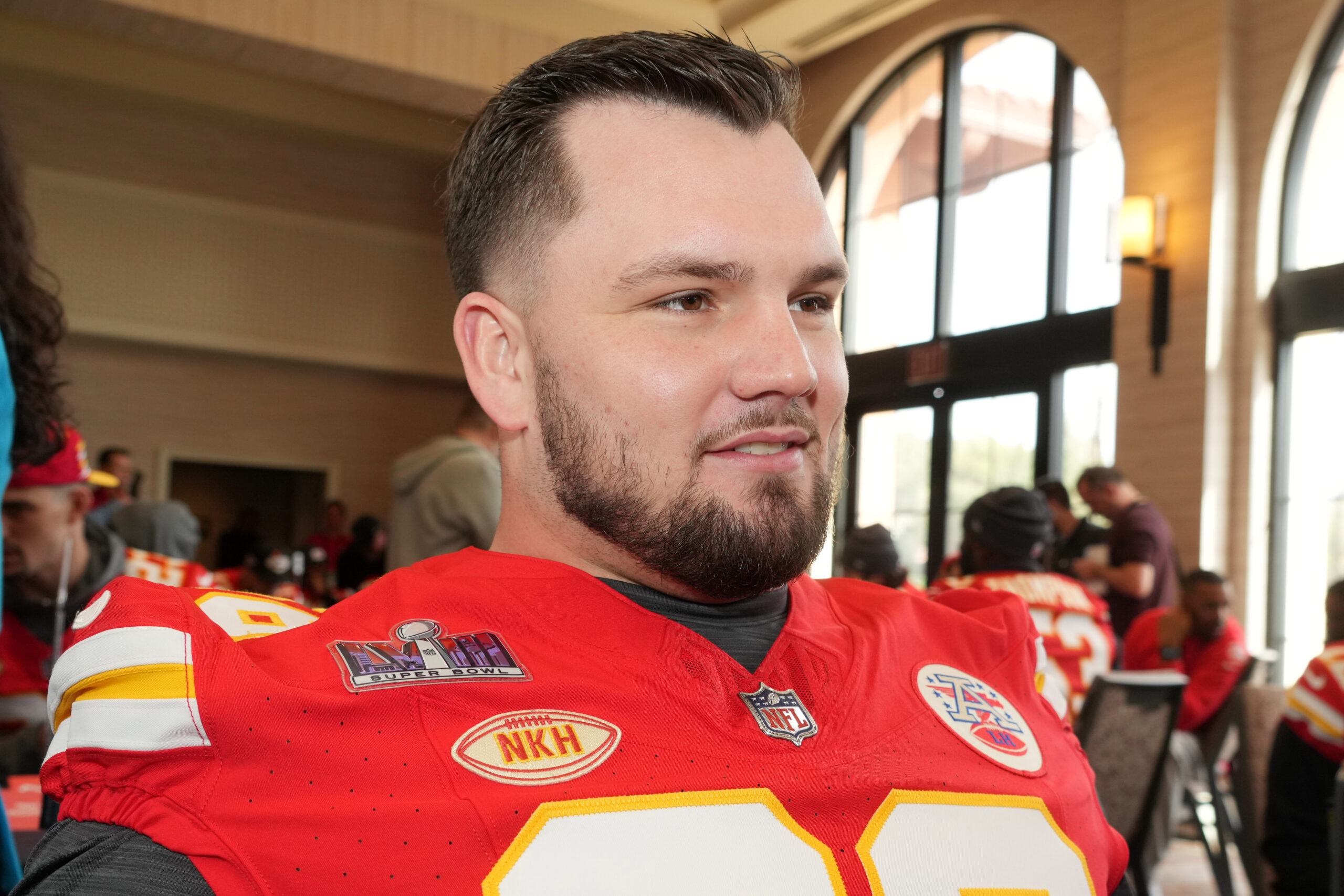
Feb 7, 2024; Las Vegas, NV, USA; Kansas City Chiefs guard Mike Caliendo (66) during a press conference before Super Bowl LVIII at Westin Lake Las Vegas Resort and Spa. Mandatory Credit: Kirby Lee-Imagn Images
This is not an exception. Contenders using non-tenders as cap valves is now a recurring pattern, reinforced every offseason by the same CBA math. Once you see it, the framing changes permanently: “letting a player walk” is often a purchased choice, not a mistake. Kansas City did not lose Mike Caliendo. They chose not to buy the right to keep him. That distinction matters because it reframes every future non-tender across the league. The system rewards ruthless prioritization, and the Chiefs just proved they understand the system.
Now the Pressure Shifts
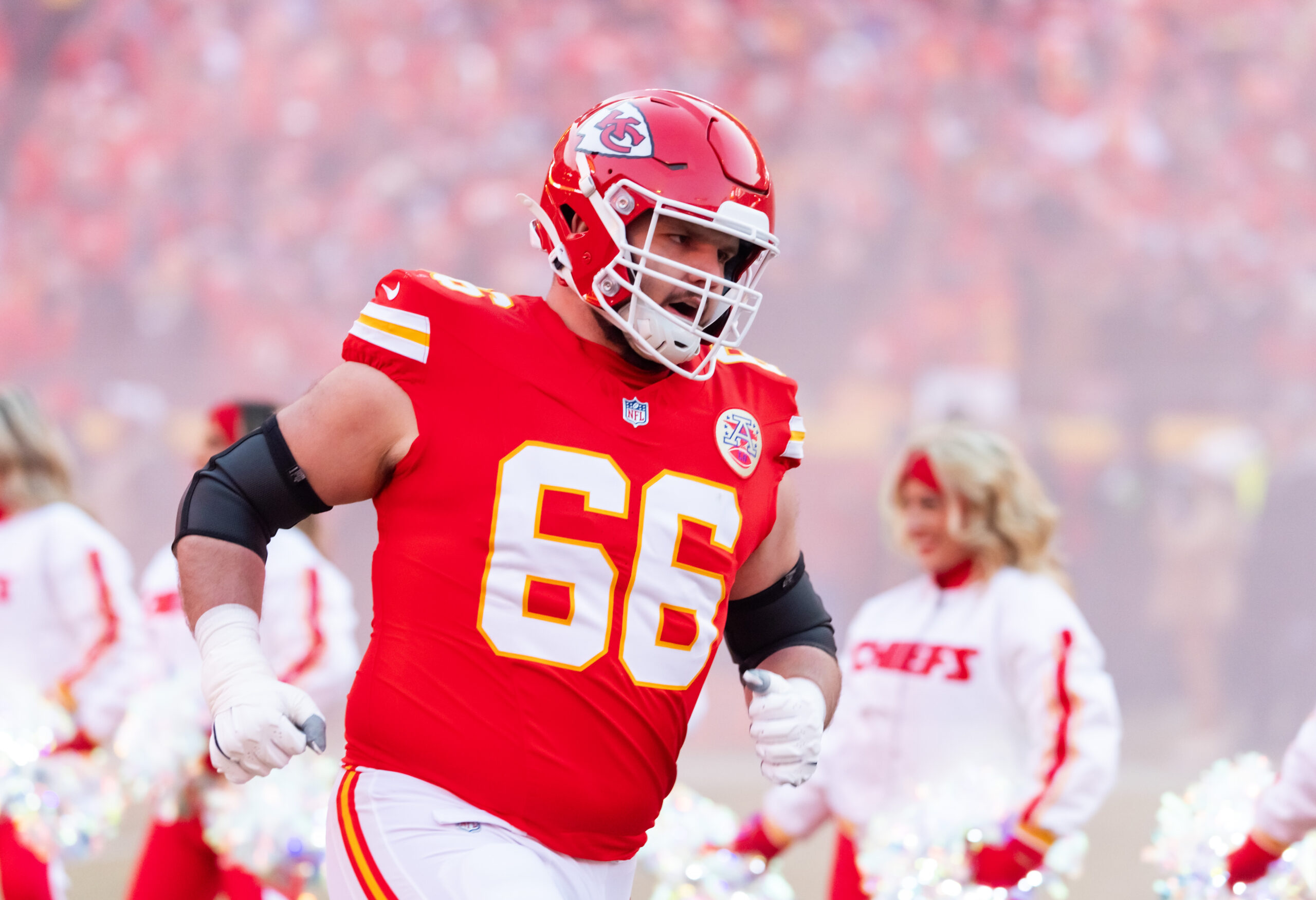
Jan 26, 2025; Kansas City, MO, USA; Kansas City Chiefs guard Mike Caliendo (66) against the Buffalo Bills in the AFC Championship game at GEHA Field at Arrowhead Stadium. Mandatory Credit: Mark J. Rebilas-Imagn Images
If multiple offensive line pieces churn in a single offseason, depth and continuity become a season-long storyline. That is the escalation path Kansas City is now walking. The guard depth needs replenishing. The cap sheet needs to justify the savings. And the rest of the roster needs to prove the reallocation was worth the disruption. Free agency opens, prices spike, and the Chiefs are betting they can find equivalent depth cheaper than the cost of control they just declined.
The Quiet Play Nobody Sees Coming
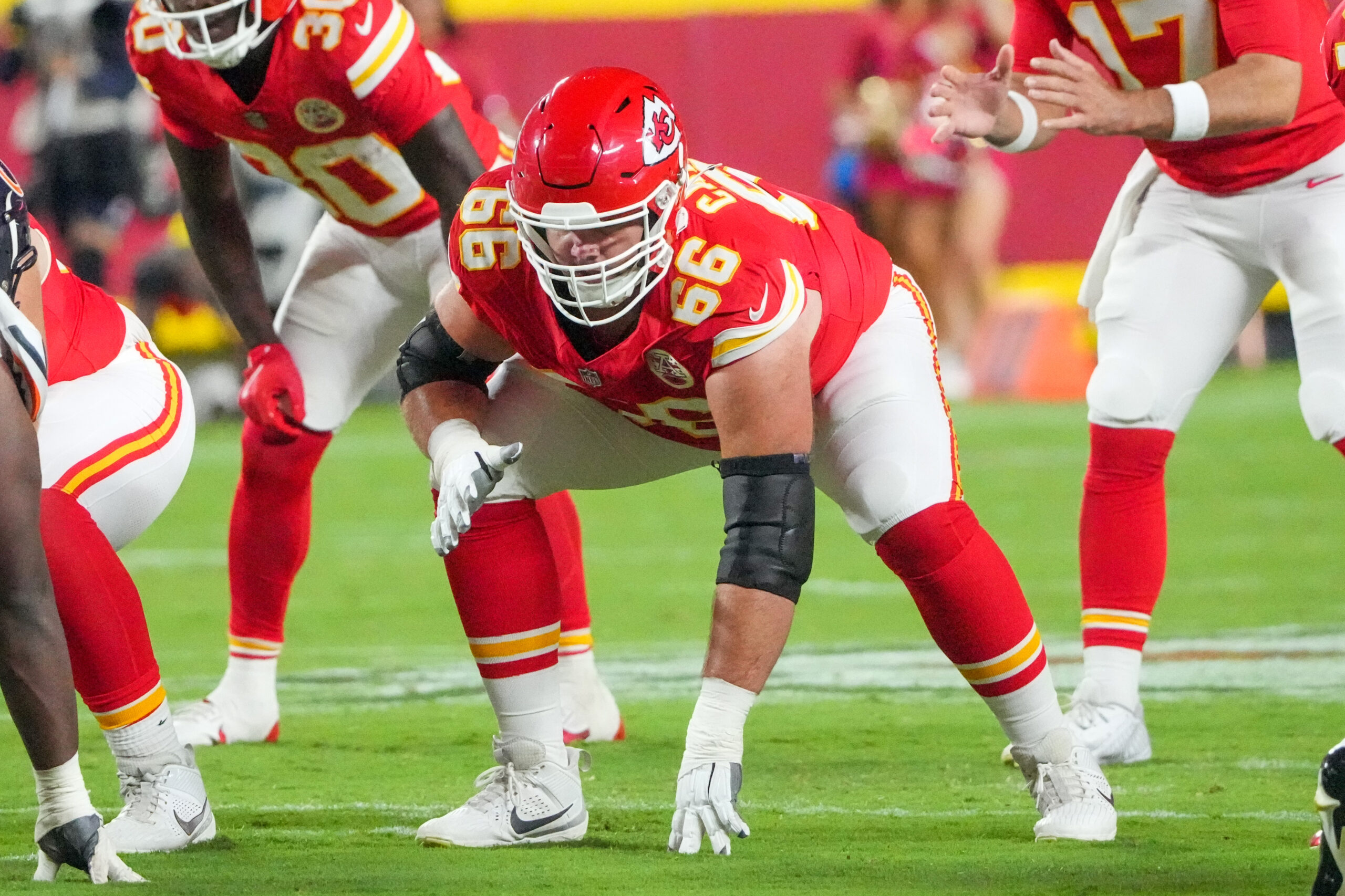
Aug 22, 2025; Kansas City, Missouri, USA; Kansas City Chiefs guard Mike Caliendo (66) at the line of scrimmage against the Chicago Bears during the game at GEHA Field at Arrowhead Stadium. Mandatory Credit: Denny Medley-Imagn Images
The Chiefs could still negotiate a new deal with Caliendo even after declining the tender. That is the quiet leverage play nobody is discussing yet. Skip the tender, eliminate the guaranteed cost, then re-engage on your own terms once the market sets his price. If no team overpays, Kansas City gets its guard back at a discount. If someone does overpay, the Chiefs proved the math was right all along. Either way, the fan who understands this stops seeing roster losses and starts seeing cap trades executed in real time.
Sources:
“Chiefs will not tender Mike Caliendo a restricted free agency offer.” ESPN, via Jeremy Fowler, 6 Mar 2026.
“Chiefs Make Decision on Inconsistent Offensive Lineman.” Heavy.com, 6 Mar 2026.
“2026 NFL Salary Cap’s impact on the Kansas City Chiefs’ offseason.” Chiefs Wire / USA Today, 2 Mar 2026.
“Projected 2026 Restricted Free Agent Tenders.” Spotrac, 26 Feb 2026.