
Michigan didn’t fire Partridge for losing games; they tied the decision to internal standards and the ongoing NCAA investigation into sign-stealing. The university’s brief integrity-and-privacy framing, plus a reference to an alleged directive about discussing the probe, became the entire official public-facing explanation.
Why This Firing Matters Now
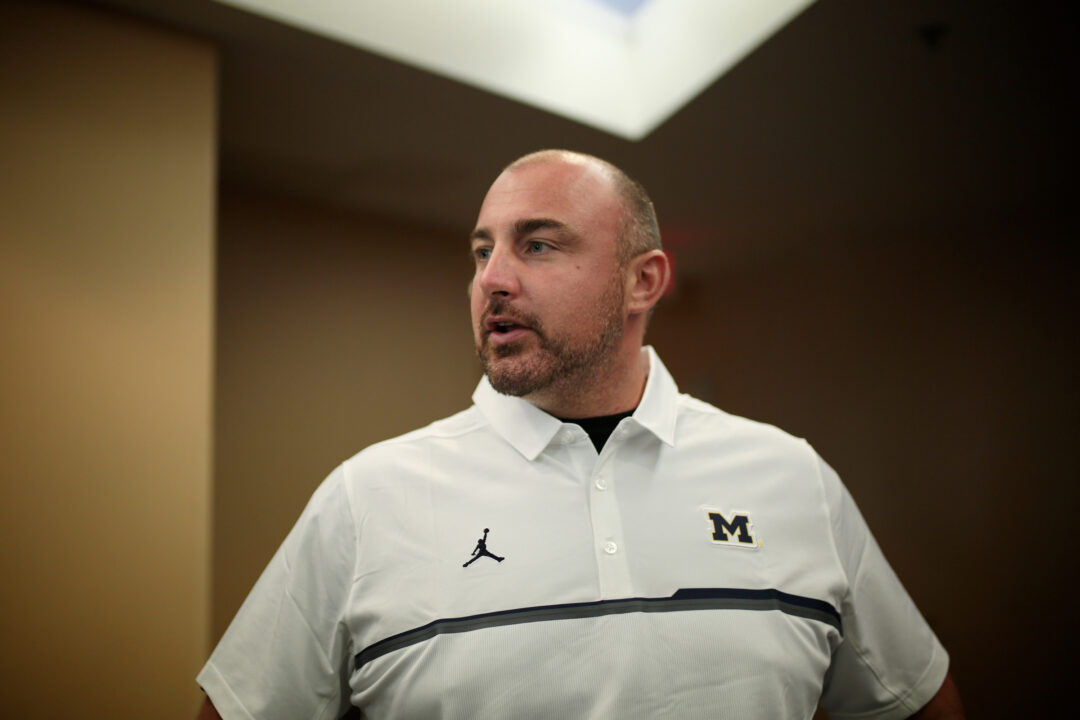
The case matters because it shows how universities handle scandal-adjacent terminations. Michigan didn’t fire Partridge for losing games; they tied the decision to internal standards and the ongoing NCAA investigation into sign-stealing. That brief integrity-and-privacy framing, paired with the disputed directive, became the public record most people ever saw. When civil litigation enters the mix, “values” claims face legal scrutiny, and documents previously hidden can become evidence. The lawsuit forces a public university to reveal details it hoped would remain private, showing that a firing framed as moral judgment can quickly escalate into high-stakes legal and reputational consequences.
Shockwave of Accountability
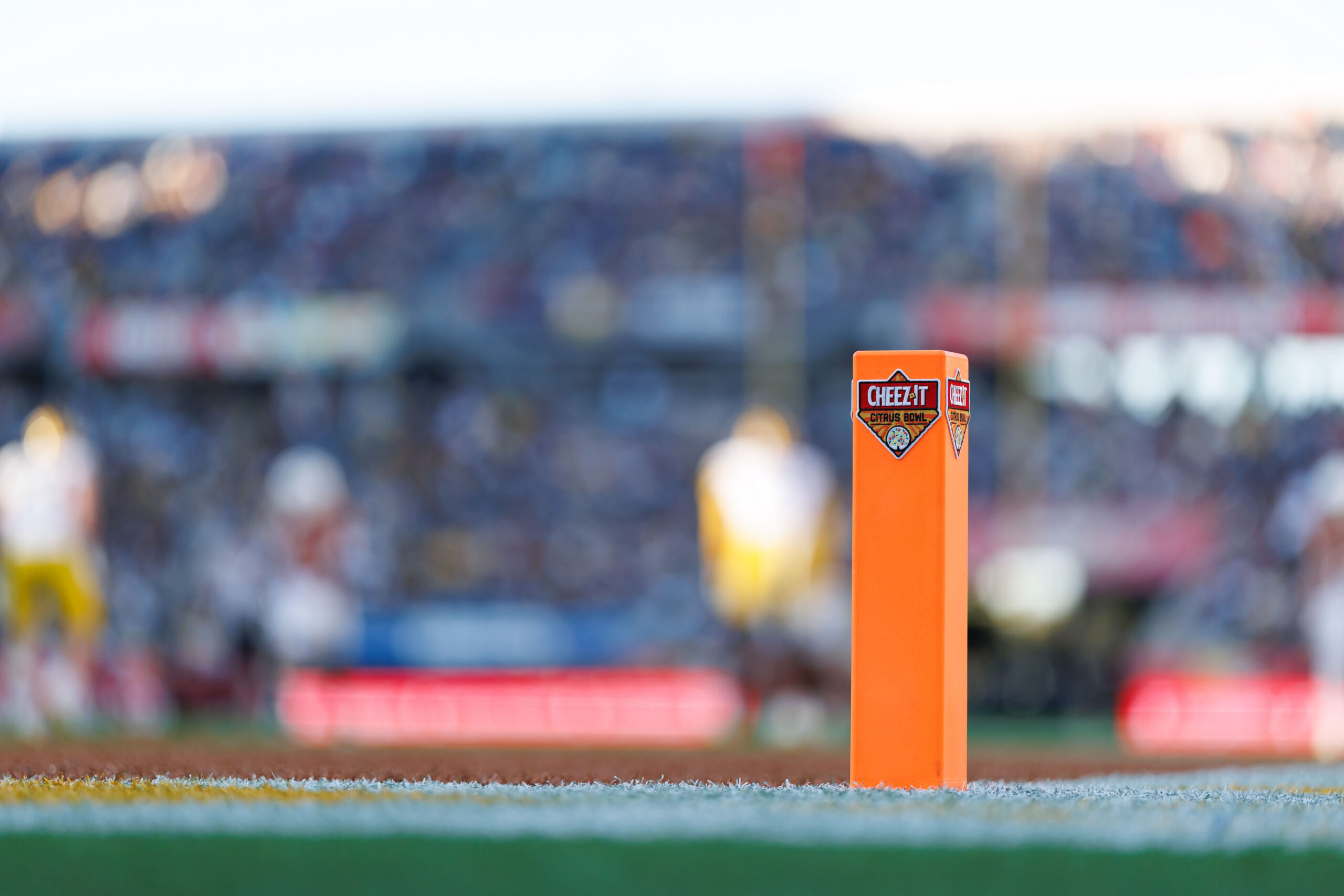
Dec 31, 2025; Orlando, FL, USA; A general view of a pylon with the Cheez-It Citrus Bowl logo between the Michigan Wolverines and Texas Longhorns during the second half at Camping World Stadium. Mandatory Credit: Matt Pendleton-Imagn Images
Partridge’s lawsuit demonstrates the stakes: public employees, NCAA investigations, and civil courts intersecting. Michigan now faces scrutiny on two tracks simultaneously. The NCAA enforces rules, while civil courts evaluate lawful cause for termination. The lawsuit triggers discovery obligations, potentially revealing internal emails, investigation notes, and administrator communications. What seemed like a single personnel move now carries national attention, impacts coaching staffs everywhere, and could set precedent for future cases. Suddenly, Michigan’s brief integrity-and-values framing—paired with its claim that he violated a directive about discussing the investigation—is more than moral language; it becomes evidence that must hold up under legal examination.
Environment of High Stakes
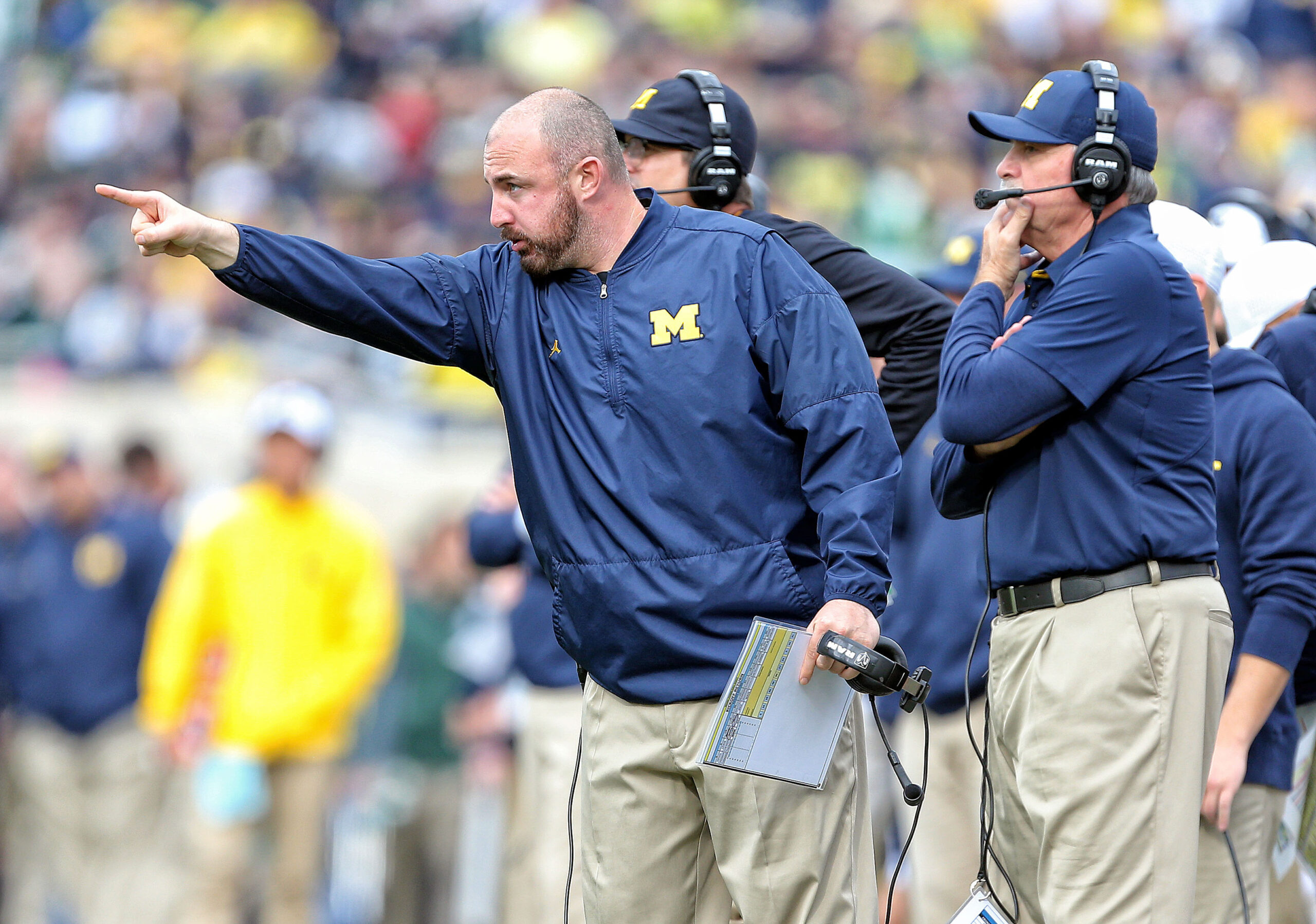
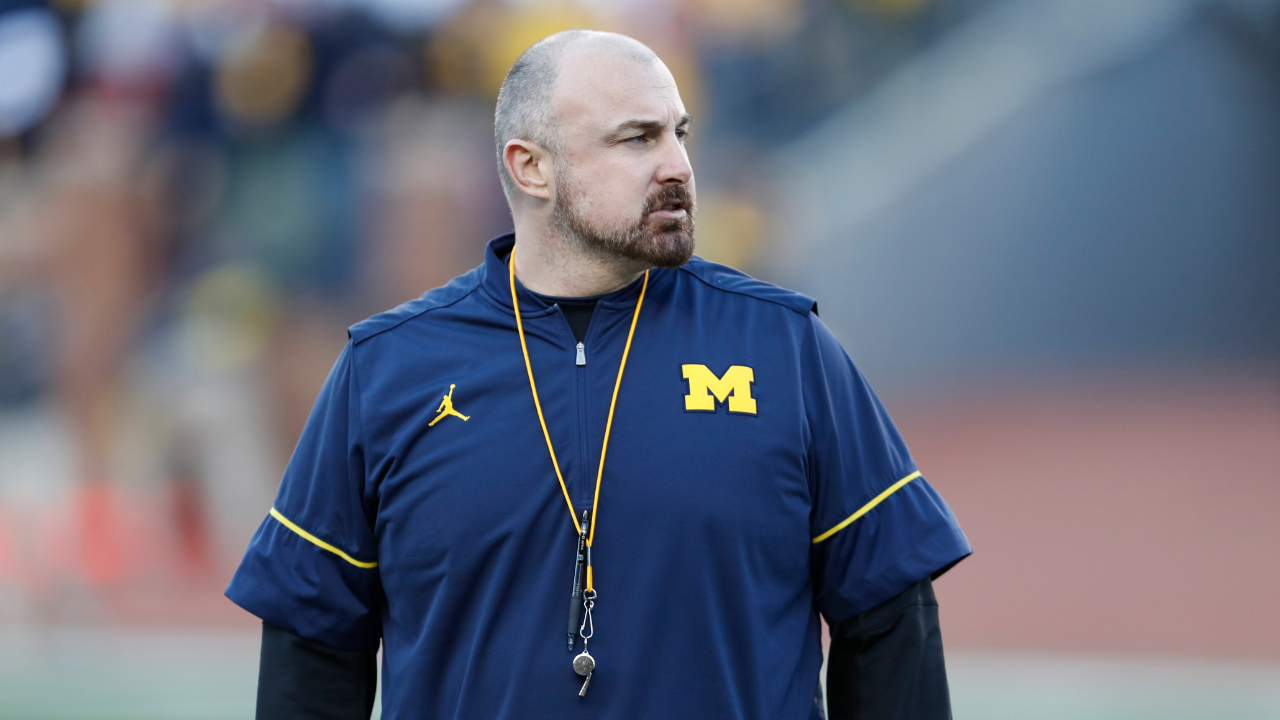
Oct 29, 2016; East Lansing, MI, USA; Michigan Wolverines linebacker coach Chris Partridge gestures to his players during the first quarter of a game at Spartan Stadium. Mandatory Credit: Mike Carter-Imagn Images
The 2023 season was unusual. Every staff decision, email, and sideline meeting carried heightened weight because investigators were watching. Partridge coached linebackers while Michigan navigated a scandal-laden environment. The firing wasn’t about game performance; it was about alignment with institutional “values” and Michigan’s claimed directives around the investigation under intense public scrutiny. That context matters for understanding both the university’s approach and the lawsuit’s implications. When institutional conduct and NCAA investigations collide, every action becomes significant. Michigan’s move, intended to control a narrative, instead opened a legal front that could expose internal reasoning that staff and fans alike never saw.
The Gap Between Words and Proof
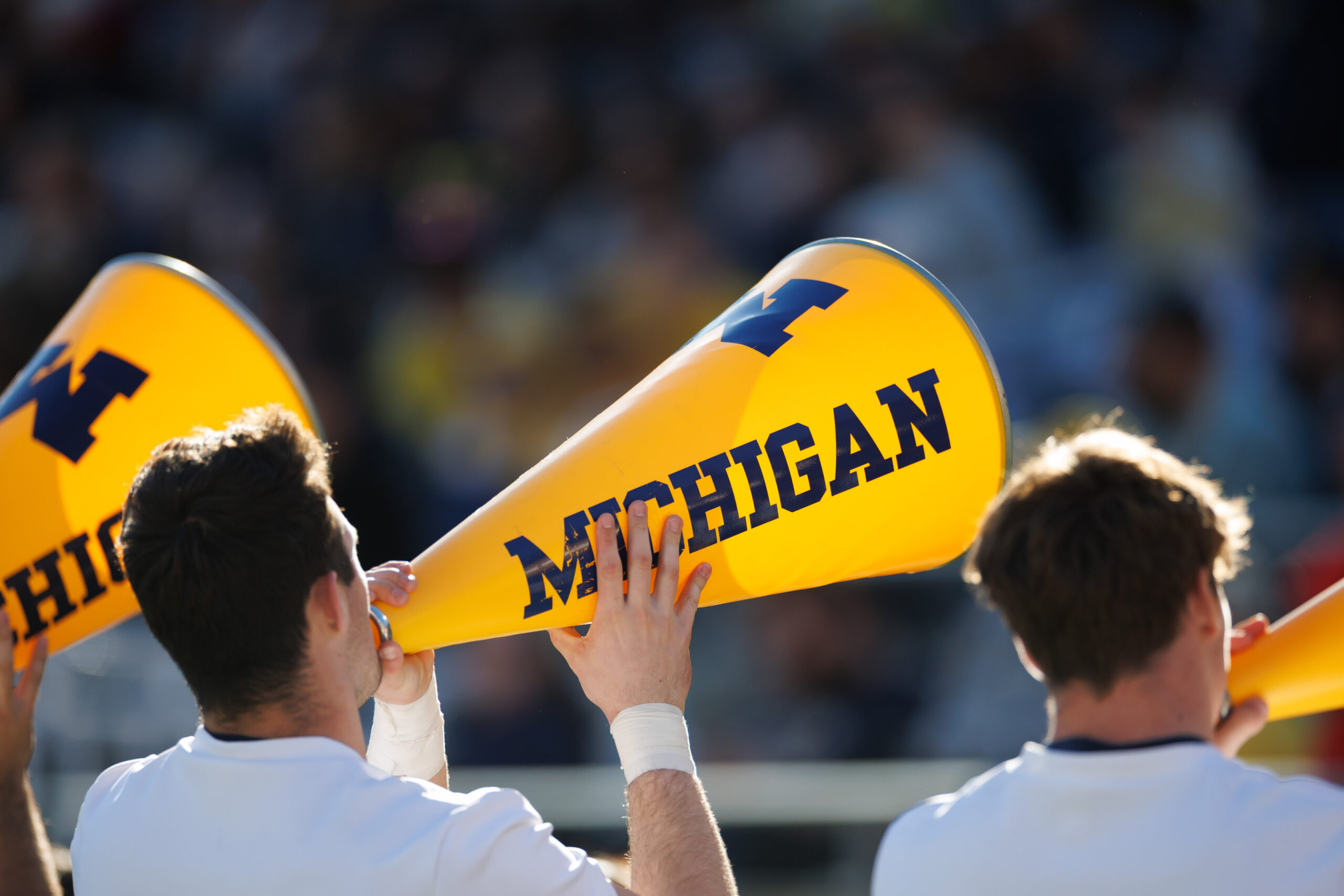
Dec 31, 2025; Orlando, FL, USA; A Michigan Wolverines cheerleader holds a megaphone with the Michigan Wolverines logo against the Texas Longhorns during the first half at Camping World Stadium. Mandatory Credit: Matt Pendleton-Imagn Images
Michigan’s public messaging framed the firing as a moral judgment rooted in its standards and an alleged directive about the investigation, but civil law requires evidence. Partridge’s lawsuit demands proof that his conduct actually violated university standards. That combination of vague values language and a disputed directive doesn’t automatically meet courtroom scrutiny. Internal communications, emails, and administrative notes now could be subject to disclosure. The discrepancy between a carefully worded public explanation and legal standards of proof highlights the tension between narrative control and accountability. What reads as a moral or cultural assessment publicly can become a factual question in court, forcing administrators to defend decisions they once hoped would remain private.
Parallel Systems Collide
The NCAA and civil courts operate under completely different rules. One investigates potential rule violations, the other determines lawful cause for termination. Michigan now faces simultaneous oversight from two systems with differing standards of proof. Their “values” language functions as governance framing publicly but as a factual claim legally. The case shows how institutional messaging intersects with law: statements meant to protect the university can trigger legal and reputational consequences when challenged. This collision demonstrates that managing scandal isn’t just about optics; it’s about exposure to legal realities previously unseen by the public.
“We Will Prove It Was Wrongful”
Partridge’s team argues the firing was unjustified. His attorney has argued that they will prove it was wrongful termination. Michigan must now produce internal records to support its decision. This quote highlights the human element: a single staffer’s career and reputation are at stake, and the university’s public framing faces adversarial testing. Legal accountability brings emotion and stakes into the story, showing the tension between institutional authority and individual rights. The quote reminds the public that behind every headline is a person whose livelihood and credibility can be profoundly affected by opaque administrative decisions.
Lessons for Other Programs
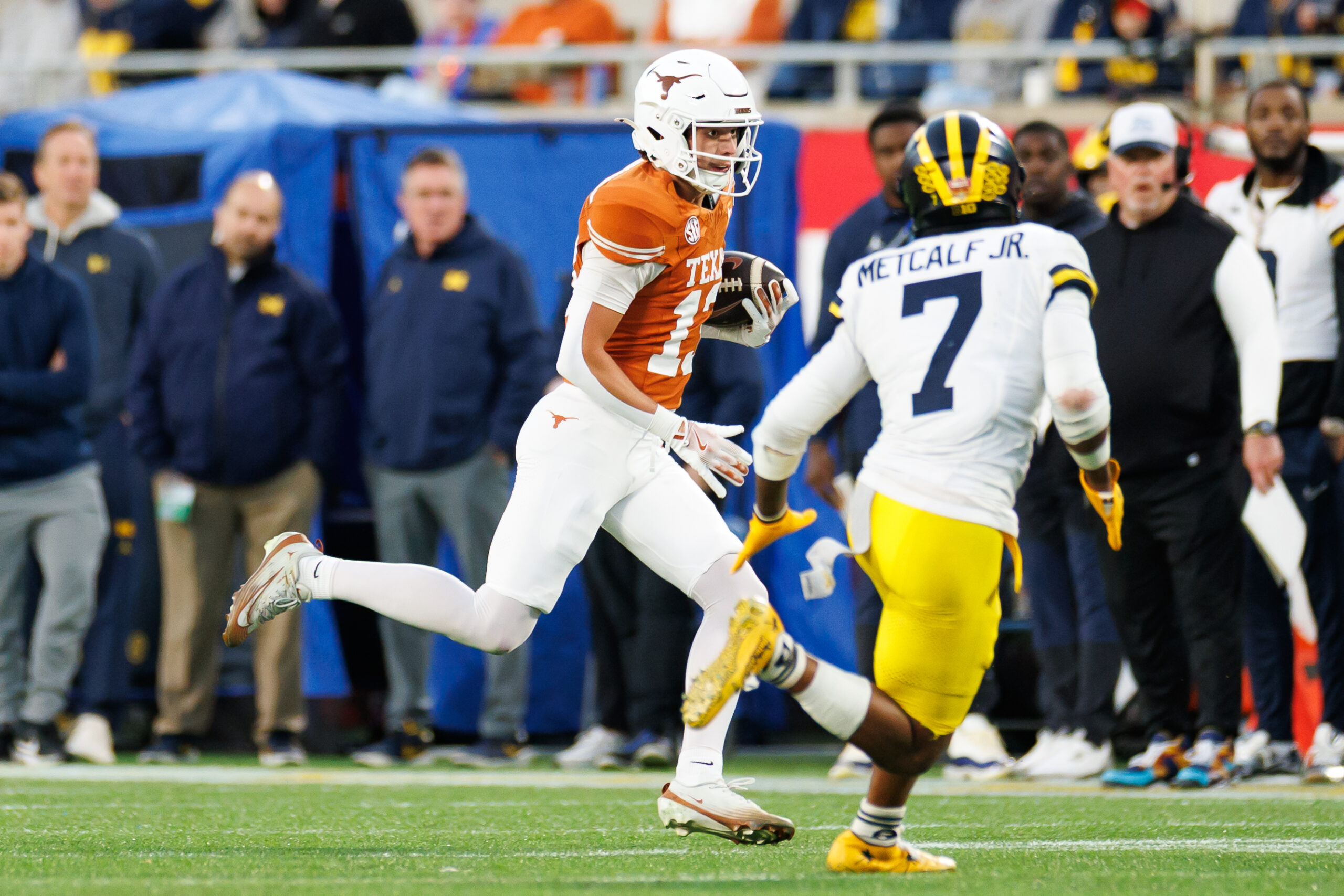
Dec 31, 2025; Orlando, FL, USA; Texas Longhorns wide receiver Parker Livingstone (13) runs with the ball while Michigan Wolverines defensive back TJ Metcalf (7) defends during the second half at Camping World Stadium. Mandatory Credit: Matt Pendleton-Imagn Images
This case is a warning for staff nationwide. When terminations are tied to vague “values” language during investigations, they may no longer end quietly. Litigation can trigger discovery, depositions, and sworn testimony, prolonging scrutiny instead of ending it. Coaches and assistants watching from other programs see the risks of being labeled part of a containment strategy. Legal costs and reputational damage can ripple outward, affecting not only the fired individual but the broader institution. The precedent could reshape how universities document, communicate, and execute terminations amid ongoing investigations.
What Comes Next
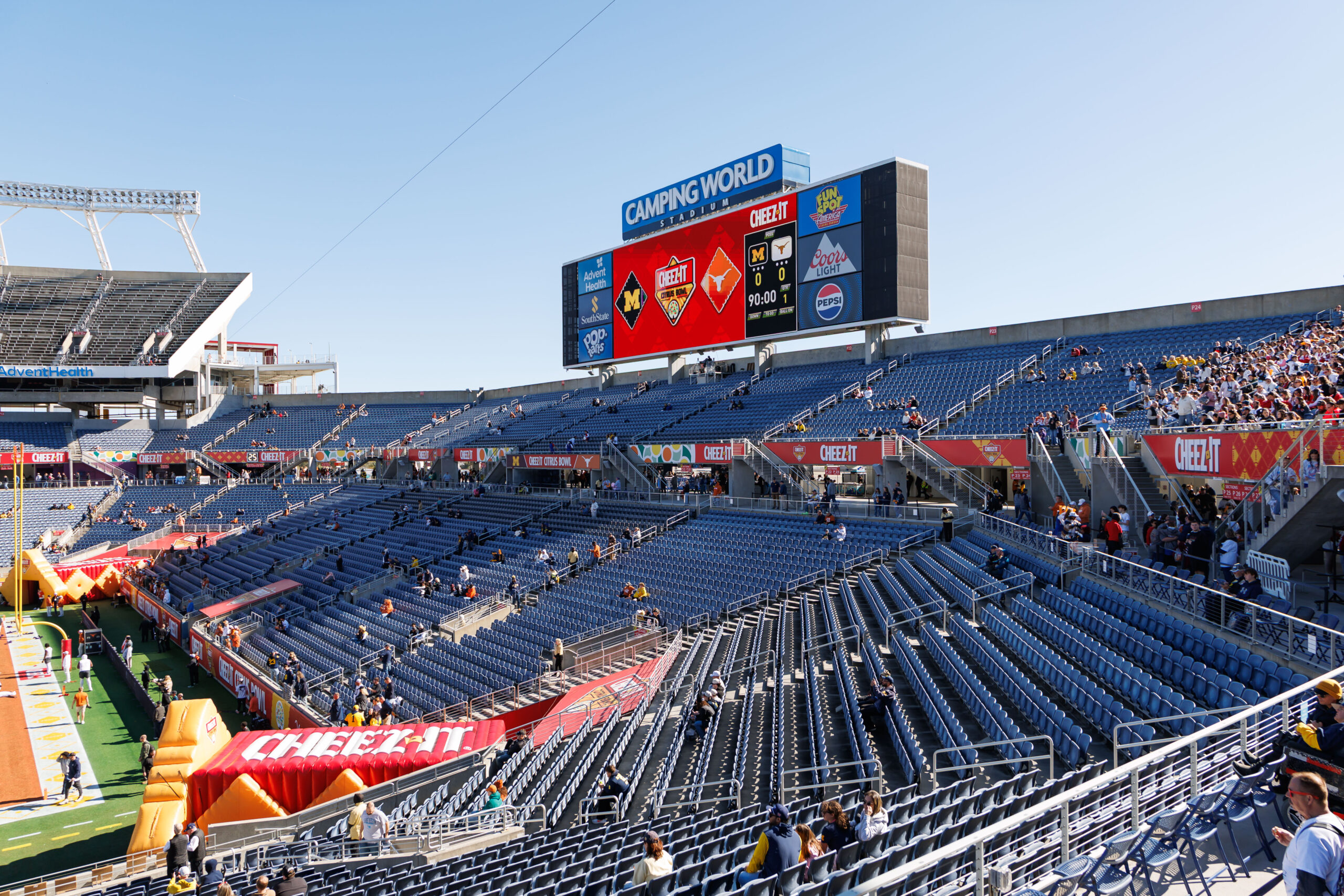
Dec 31, 2025; Orlando, FL, USA; Overview of the south endzone video board with a Cheez-It Citrus Bowl logo displayed before a game between the Michigan Wolverines and Texas Longhorns at Camping World Stadium. Mandatory Credit: Matt Pendleton-Imagn Images
Discovery will follow, and internal communications could be revealed to the public. Michigan will likely fight over the scope of documents produced, while the NCAA investigation continues independently. Staff remaining in the program face uncertainty, wondering if the same treatment could apply to them. The legal and investigative timelines will continue to overlap, keeping scrutiny high. Michigan’s handling of this case may influence how public universities manage staff terminations in the context of ongoing investigations, potentially reshaping best practices for transparency, documentation, and risk management across college athletics nationwide.
Proof Over Press Releases
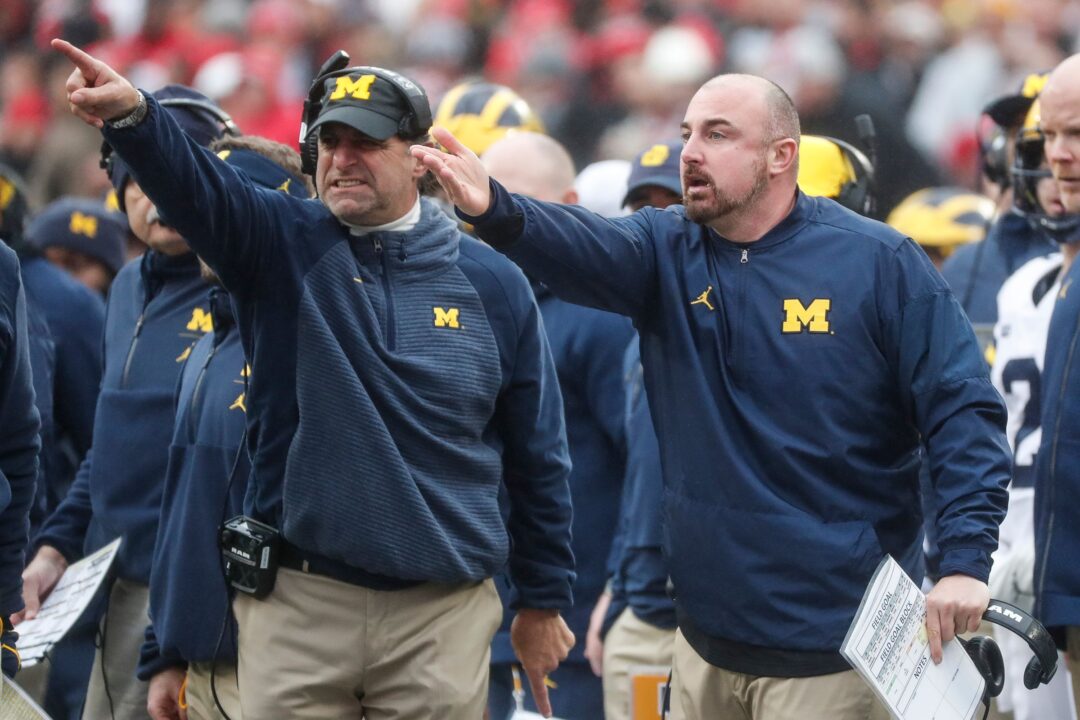
Michigan’s defense rests on a mix of values language and its claim that Partridge violated a directive about speaking during the investigation. Partridge demands evidence. Civil discovery pulls documents from internal archives into public view, exactly what administrators hoped to avoid. The story once assumed closed when he was fired; now, legal accountability is unfolding. This case underscores a major takeaway: vague, values-based justifications in personnel decisions can no longer guarantee discretion. Transparency and legal standards may override institutional messaging, demonstrating that press statements do not end accountability, but civil procedures can. The court process is proving the story is far from over.
If you enjoyed this article please like and follow us here on MSN! Thank you for reading and have a great day!
Sources:
Former Michigan linebackers coach sues university over firing. Associated Press, March 11, 2026
Ex-Michigan assistant Chris Partridge sues for wrongful termination, claims school pushed ‘false narrative’. CBS Sports, March 11, 2026
Michigan football fires linebackers coach Chris Partridge. Detroit Free Press, November 17, 2023
Chris Partridge Suing Michigan For ‘Wrongful Termination’ During Sign-Stealing Scandal. OutKick, March 12, 2026
More turmoil for No. 2 Michigan as linebackers coach Chris Partridge fired day before Maryland game. Michigan Public Radio, November 16, 2023
Ex-Michigan football coach Chris Partridge sues university; claims he was ‘Scapegoat’ in sign-stealing case. Click On Detroit, March 12, 2026