

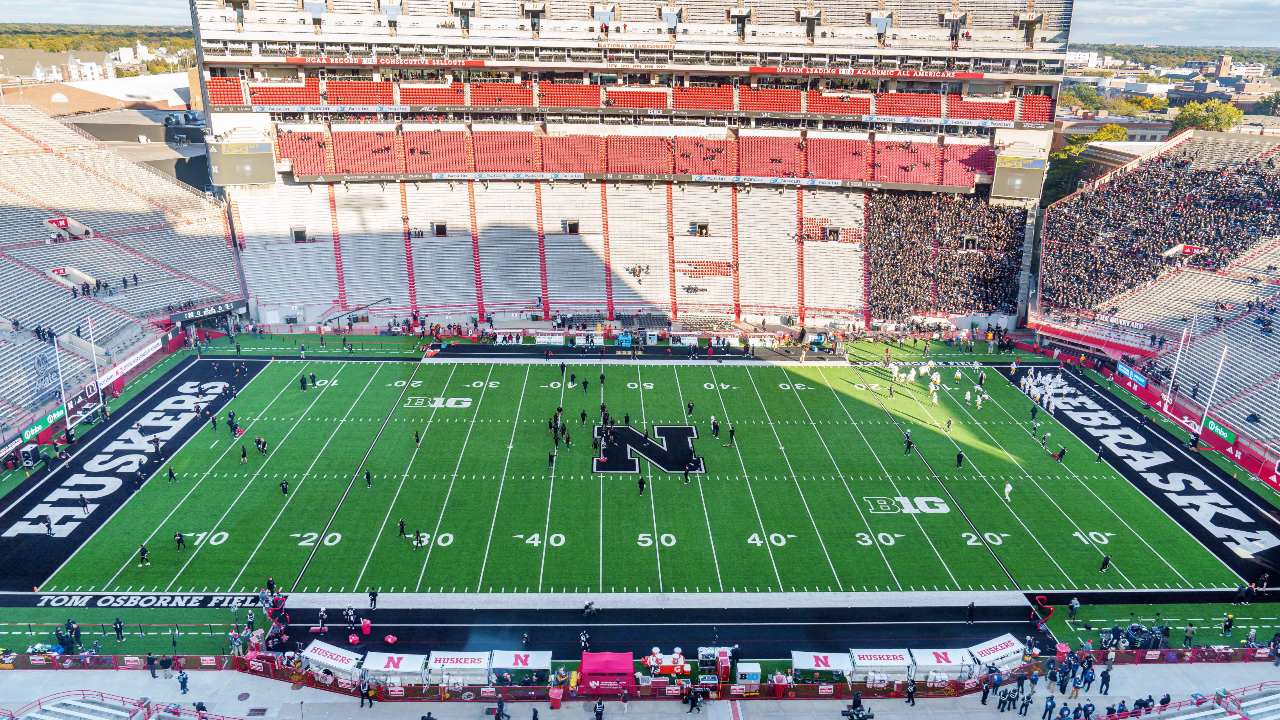
Nebraska just proposed a $600 million plan to tear apart Memorial Stadium, a venue that has hosted Cornhusker football since 1923. Pending approval by the University of Nebraska Board of Regents, South Stadium gets demolished entirely. West Stadium’s seating bowl gets ripped out and rebuilt. And when the dust settles in 2028, the stadium will hold about 80,000 fans instead of the current mid‑80,000s to near‑90,000 range. Fewer seats. More money per seat. That trade tells you everything about where college football is heading. The part most fans haven’t processed yet is how far beyond Lincoln this reaches.
Why Smaller Pays More
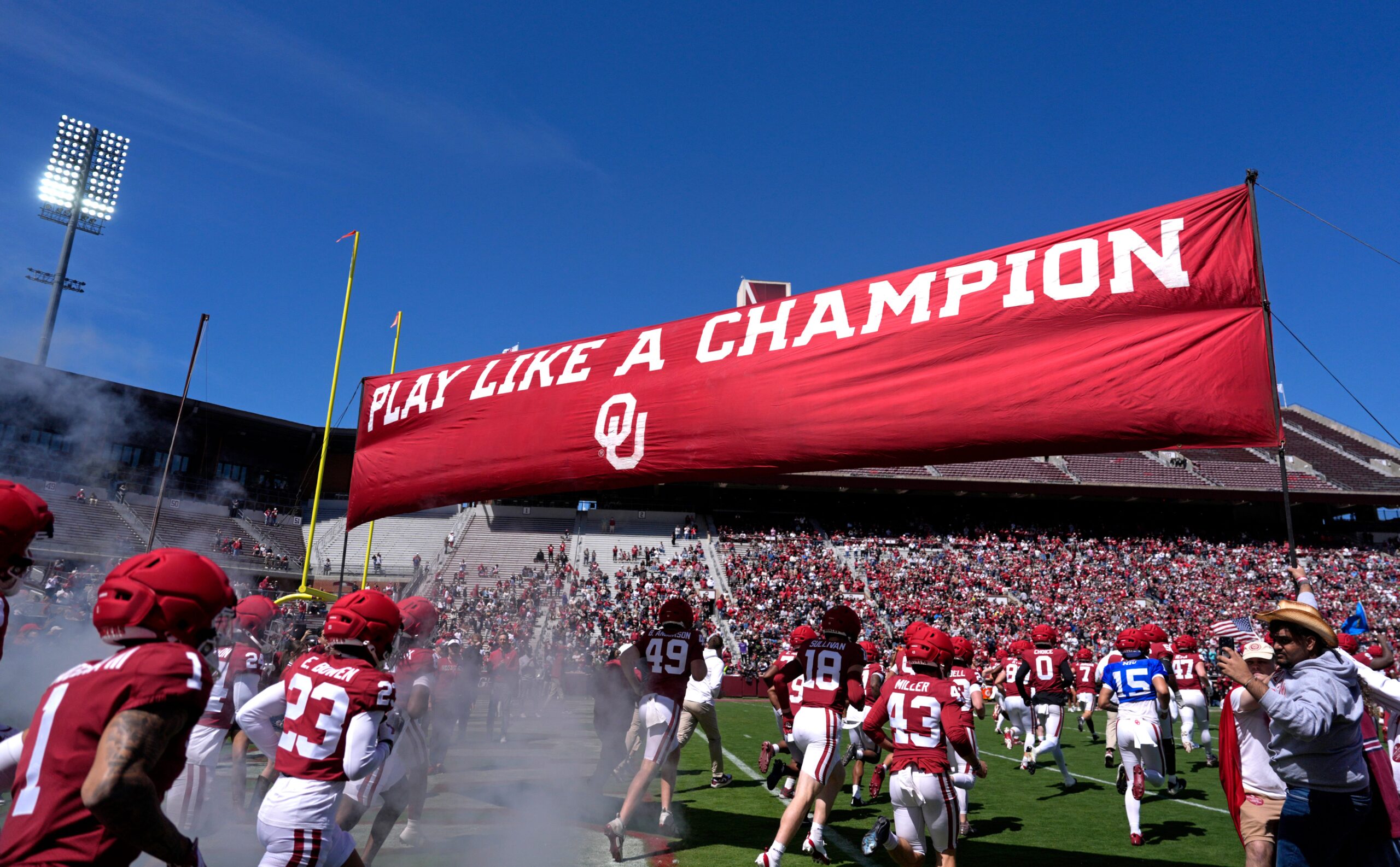
Oklahoma runs on to the field before the University of Oklahoma Sooners Spring Game at the Gaylord Family – Oklahoma Memorial Stadium in Norman, Okla., Saturday April 18, 2026.
The math driving this decision is brutal in its simplicity. Nebraska is replacing roughly 20,000 bench seats with premium chairback seating. Each upgraded seat generates significantly more revenue than the wooden plank it replaces. The project also addresses more than $200 million in mandatory deferred maintenance that was identified after a comprehensive review of the stadium, meaning critical infrastructure like emergency egress, ADA accessibility, and vertical transportation had been failing for years. The stadium wasn’t just outdated. It was deteriorating. Spending $600 million to shrink capacity sounds insane until you realize the alternative was spending hundreds of millions just to keep the lights on.
Your Ticket Just Changed
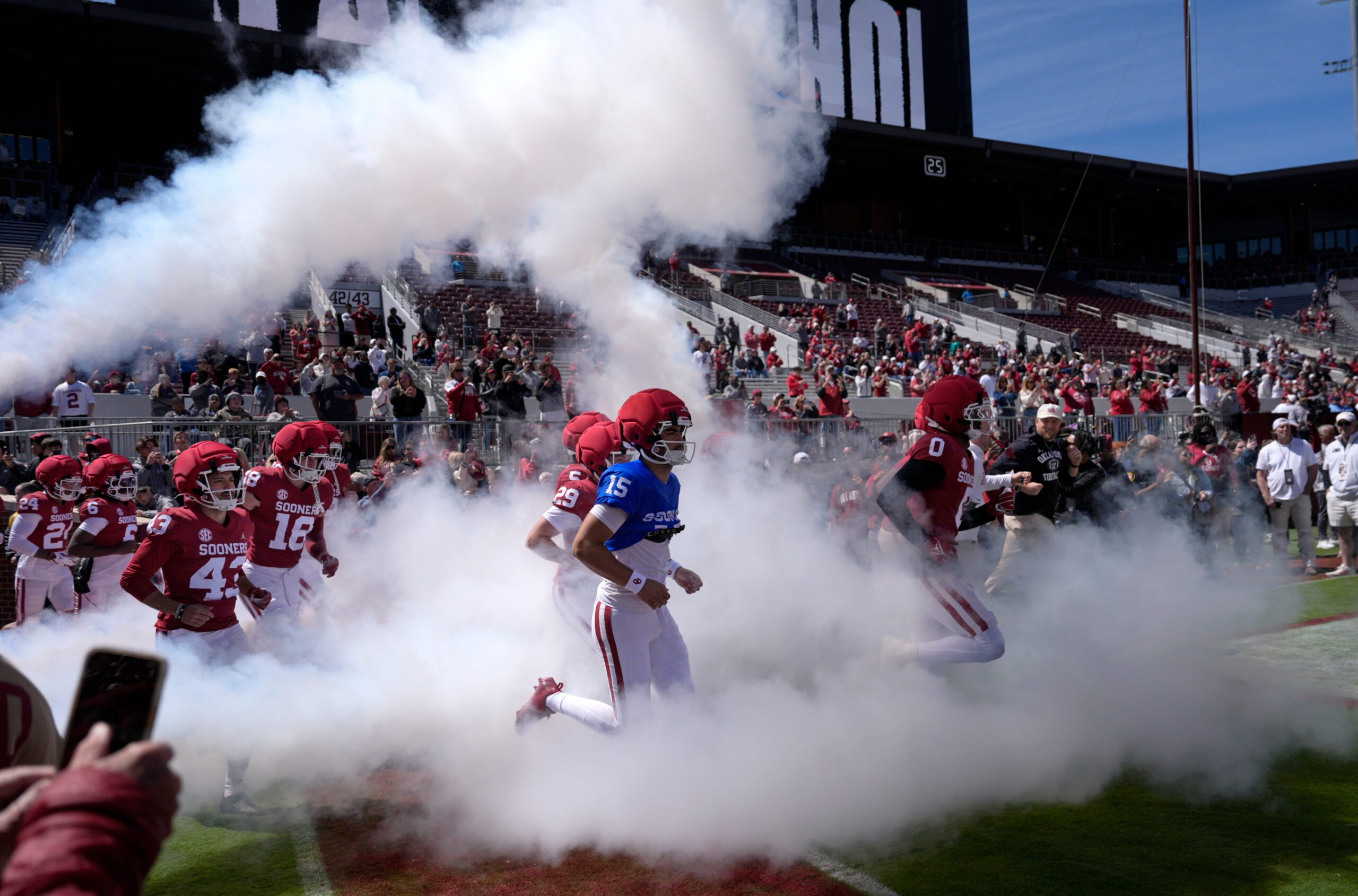
Oklahoma runs on to the field before the University of Oklahoma Sooners Spring Game at the Gaylord Family – Oklahoma Memorial Stadium in Norman, Okla., Saturday April 18, 2026.
For the family that drives three hours to Lincoln every fall Saturday, the ripple hits immediately. Depending on how you count from the stadium’s peak capacity, roughly 6,000 to 10,000 seats vanish permanently from a venue that has sold out more than 400 consecutive games. Fewer seats means tighter supply. Tighter supply means higher prices. The new premium clubs, upgraded suites, and chairback sections will cater to fans willing to pay more for comfort. The bench‑seat crowd, the generational ticket holders who packed the old South Stadium, will compete for a shrinking pool of affordable options. The Sea of Red gets smaller and richer.
The Arms Race Accelerates
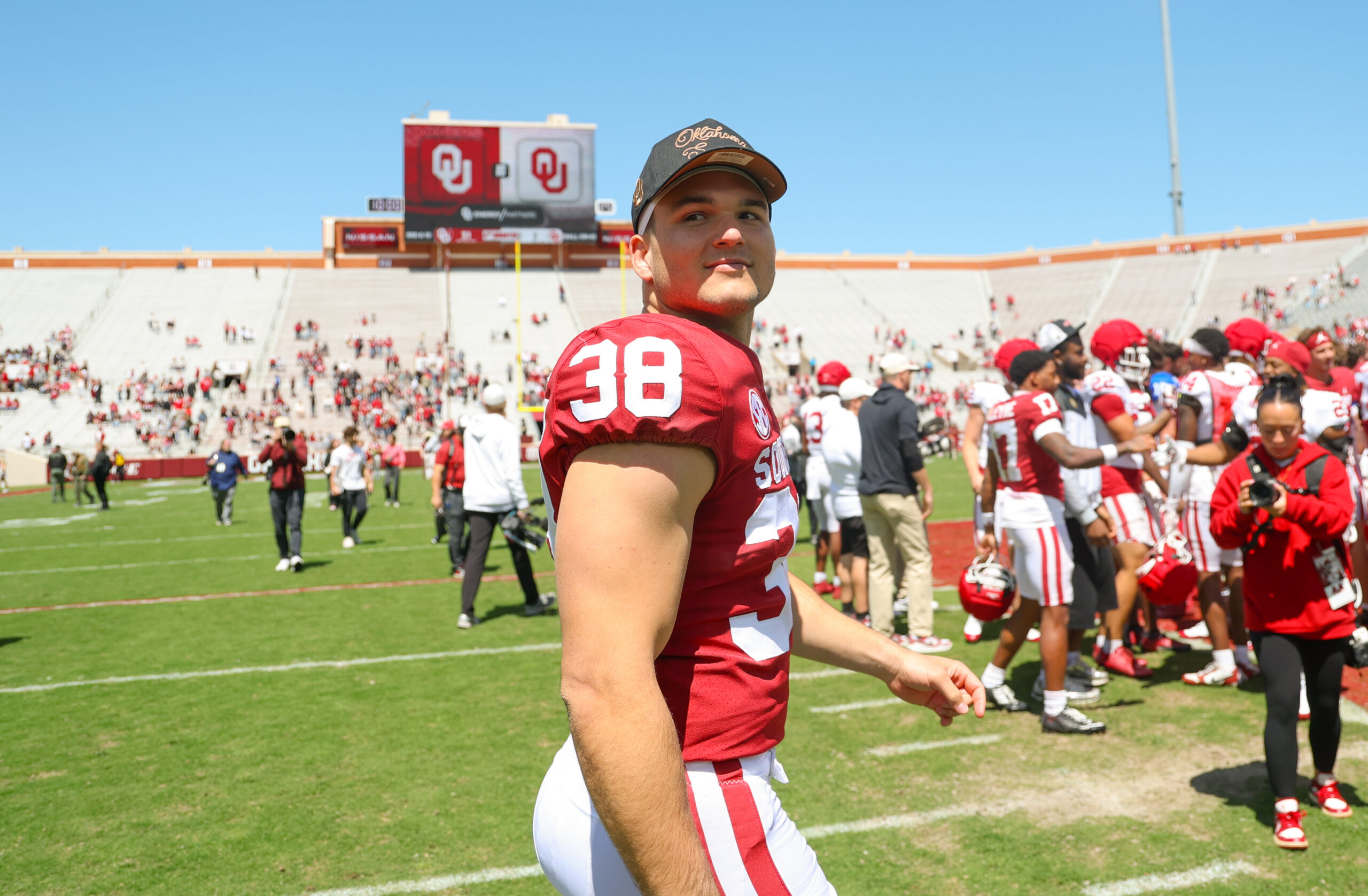
Apr 18, 2026; Norman, OK, USA; Oklahoma Sooners linebacker Owen Heinecke (38) reacts after the Oklahoma Spring Game at Gaylord Family Memorial Stadium. Mandatory Credit: Kevin Jairaj-Imagn Images
Nebraska’s $600 million commitment lands in a Big Ten conference where facility spending has become a competitive requirement. Every athletic director at every peer program just watched Nebraska raise the bar. The funding model matters here: about $250 million from philanthropic donations and $350 million in private bonds, meaning no direct state appropriations or taxpayer dollars for the project. That structure gives other programs a blueprint. No legislature to convince. No public vote to win. Just donors and bond markets. Expect three to five Big Ten schools to announce comparable projects within 18 months. Nebraska didn’t just renovate. They set the price of admission.
The Recruiting Battlefield Shifts
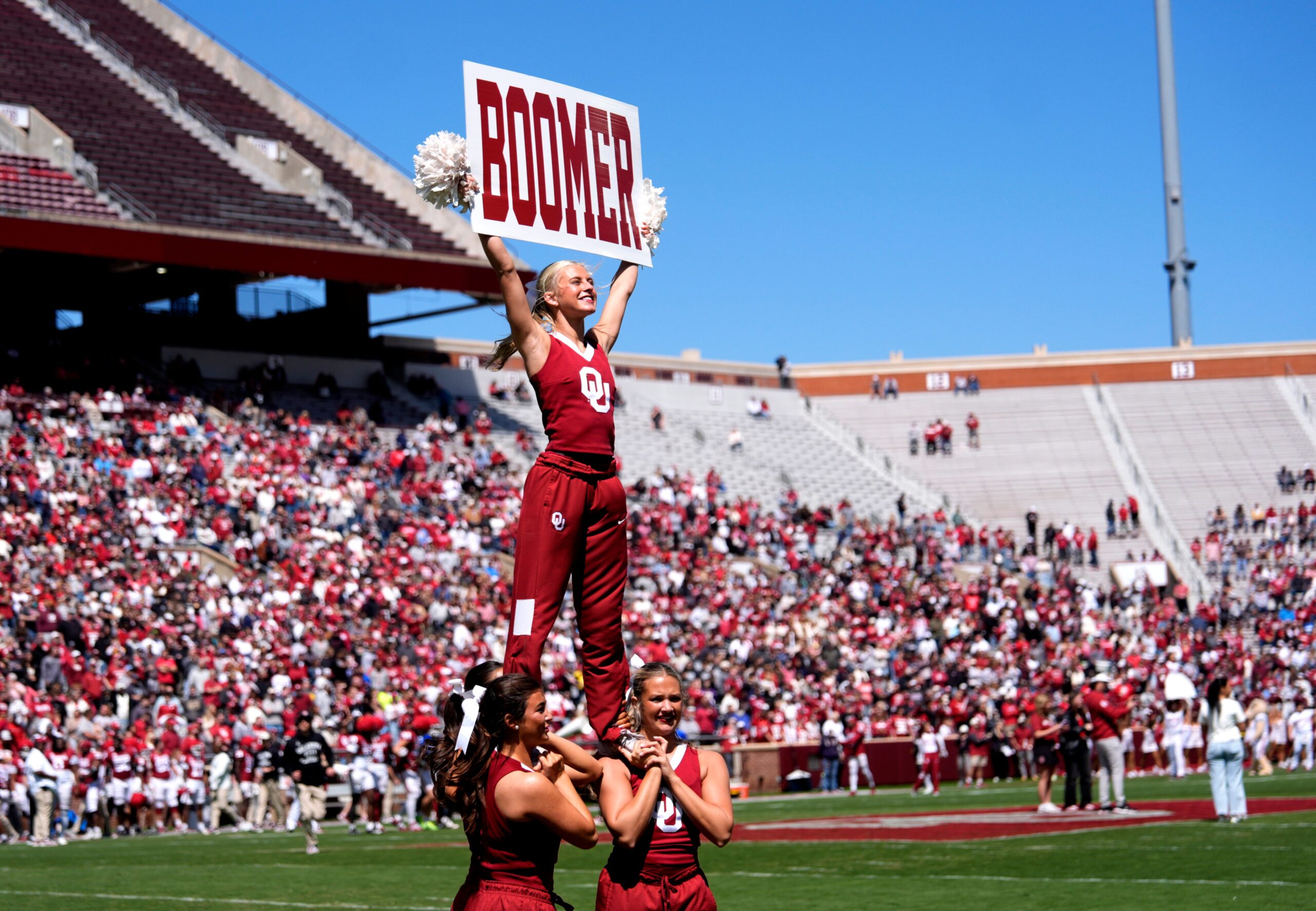
Cheerleaders lead the crowd during the University of Oklahoma Sooners Spring Game at the Gaylord Family – Oklahoma Memorial Stadium in Norman, Okla., Saturday April 18, 2026.
Here’s where the cascade crosses into territory nobody’s mapping. An 18‑year‑old quarterback choosing between Nebraska and a rival program will now tour a facility under active transformation. The Big Red Rebuild creates an estimated 7,300 jobs during construction and promises a modernized game‑day experience by 2028. In the NIL era, recruits evaluate facilities the way free agents evaluate franchise commitment. A $600 million renovation signals that Nebraska is investing at an elite level. Programs that can’t match this signal fall behind before a single snap.
The Hidden Engine: Revenue Per Square Foot
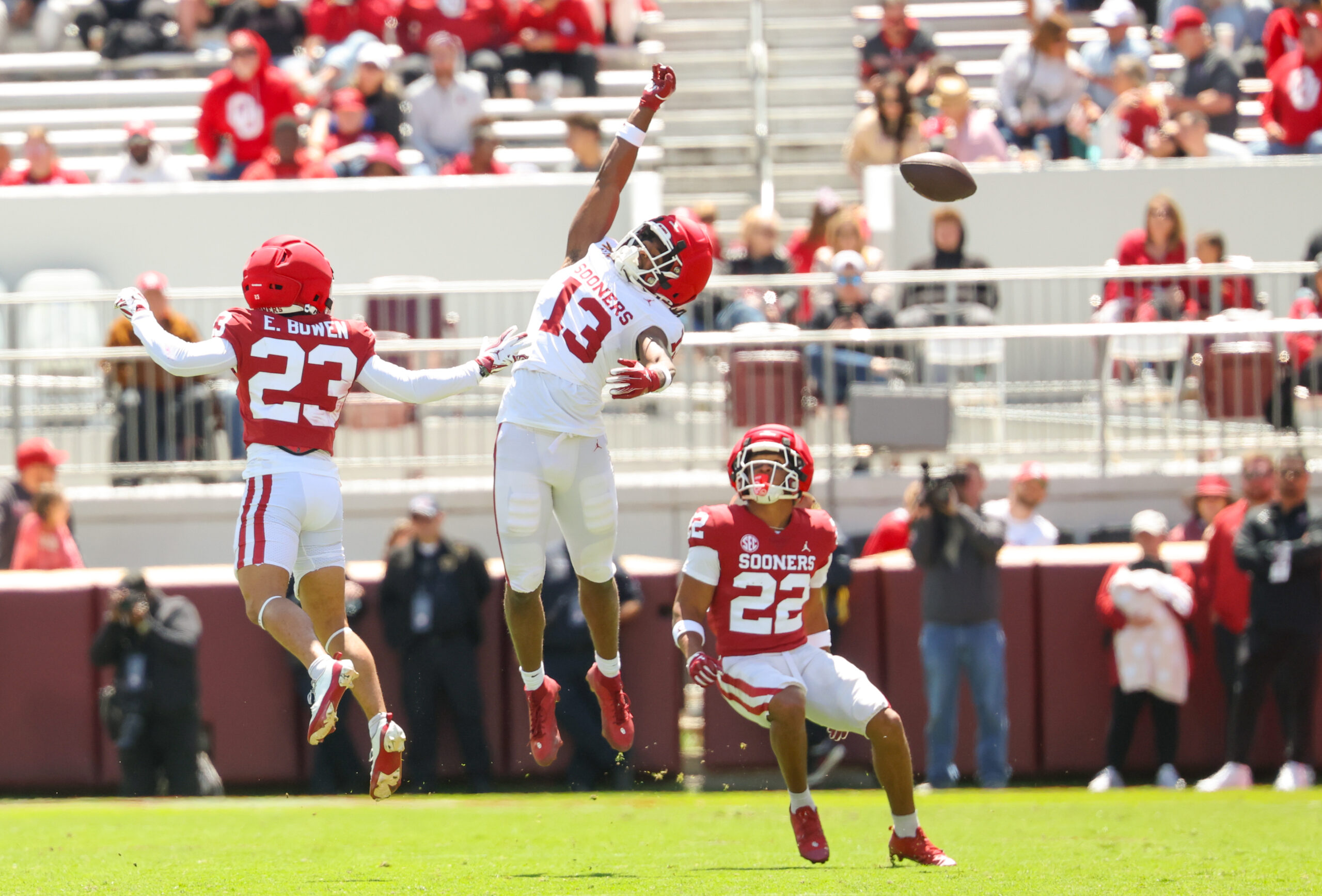
Apr 18, 2026; Norman, OK, USA; Oklahoma Sooners wide receiver Jayden Petit (13) cannot make a catch as defensive back Eli Bowen (23) and defensive back Peyton Bowen (22) defend during the Oklahoma Spring Game at Gaylord Family Memorial Stadium. Mandatory Credit: Kevin Jairaj-Imagn Images
Every ripple traces back to one mechanism: revenue per square foot now matters more than total capacity. South Stadium’s roughly 23,000 seats get demolished and rebuilt with premium amenities. West Stadium’s seating bowl gets torn out for the same reason. New concourses. New concessions. Upgraded restrooms. The stadium footprint stays the same. The revenue extracted from that footprint climbs dramatically. This is the logic reshaping every major venue in American sports. Fewer bodies, higher yield per body. From Lincoln, Nebraska, to your local NFL stadium, the same equation is running.
The Workers and the Waitlist
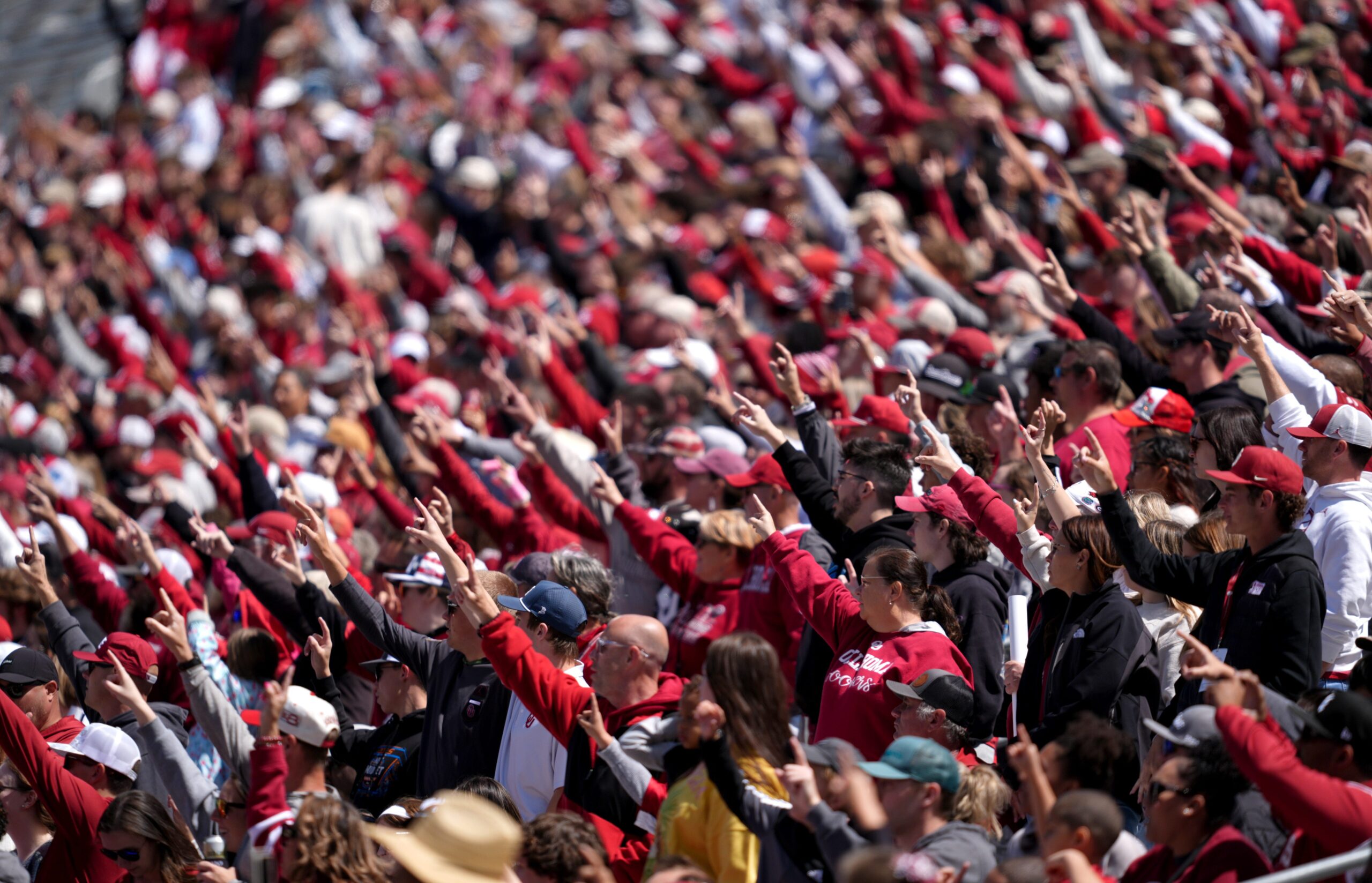
Oklahoma fans cheer during the University of Oklahoma Sooners Spring Game at the Gaylord Family – Oklahoma Memorial Stadium in Norman, Okla., Saturday April 18, 2026.
Construction begins after the 2026 football season, targeting roughly 50% completion by the 2027 season and full delivery for 2028. During that 2027 campaign, capacity will temporarily shrink to around 65,000 as work continues. Those 7,300 jobs will reshape Lincoln’s labor market for two years. Meanwhile, the human cost sits with fans who held seats in South Stadium for decades. Their section ceases to exist. Not relocated. Demolished. The Board of Regents will vote on this knowing that more than 400 consecutive sellouts built the tradition they’re now redesigning. That streak represents generations of families who showed up regardless. Some of those families just lost their seats permanently. That tension doesn’t show up in the budget.
A New Rulebook for Historic Venues
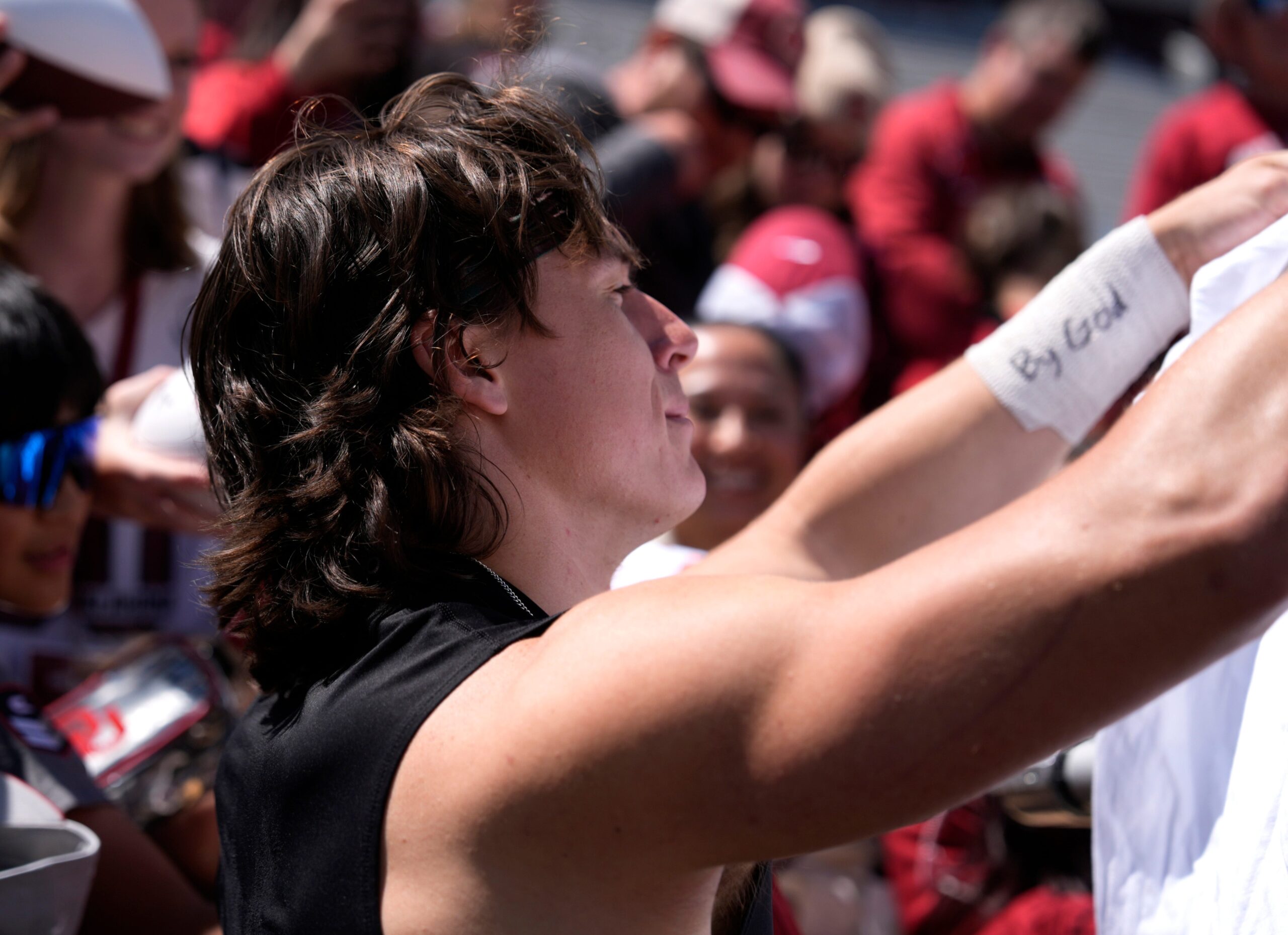
Oklahoma’s John Mateer (10) signs autographs following the University of Oklahoma Sooners Spring Game at the Gaylord Family – Oklahoma Memorial Stadium in Norman, Okla., Saturday April 18, 2026.
Nebraska just established a precedent that will echo through every college town with a century‑old stadium. The myth that historic venues must preserve their traditional form died in Lincoln. Memorial Stadium, built in 1923, is being stripped to its foundation in major sections and rebuilt for a different economic era. If Nebraska can demolish South Stadium and permanently shrink capacity at one of college football’s most sacred grounds, then no venue is untouchable. Watch for Ohio State, Michigan, and Penn State to study this model closely. The permission structure just changed.
Who Wins, Who Loses, What to Watch
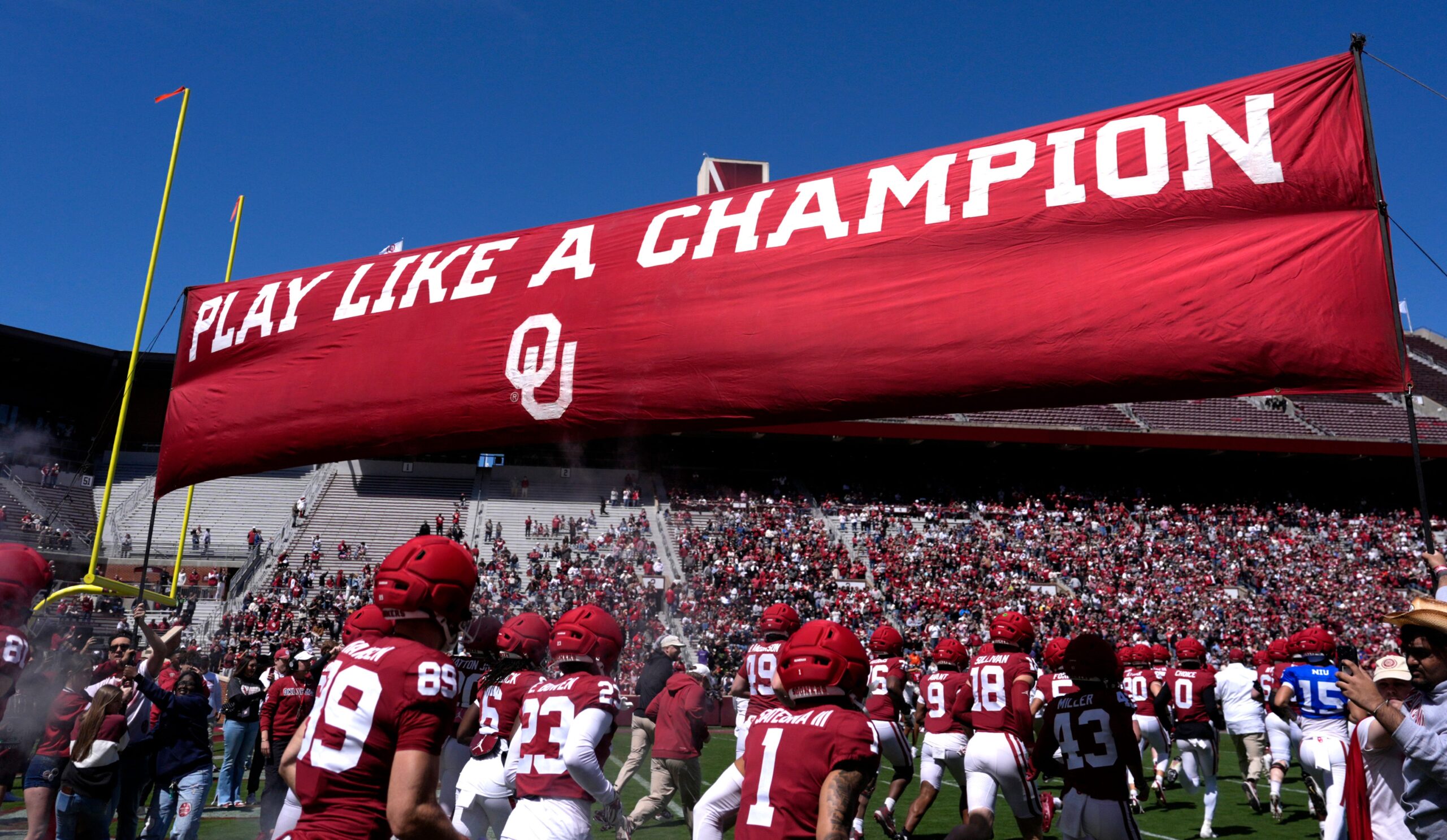
Oklahoma runs on to the field before the University of Oklahoma Sooners Spring Game at the Gaylord Family – Oklahoma Memorial Stadium in Norman, Okla., Saturday April 18, 2026.
Winners: donors who funded the $250 million philanthropic portion and will occupy premium spaces, construction firms absorbing 7,300 jobs worth of contracts, and Nebraska’s recruiting pitch for the next decade. Losers: bench‑seat fans priced out of a shrinking venue, small‑town businesses that depended on maximum‑capacity game days, and rival programs now pressured to match a $600 million commitment they may not be able to fund. The irony is sharp. Nebraska spent a century building the biggest possible crowd. Now the strategy is deliberately making it smaller.
The Cascade Is Just Starting
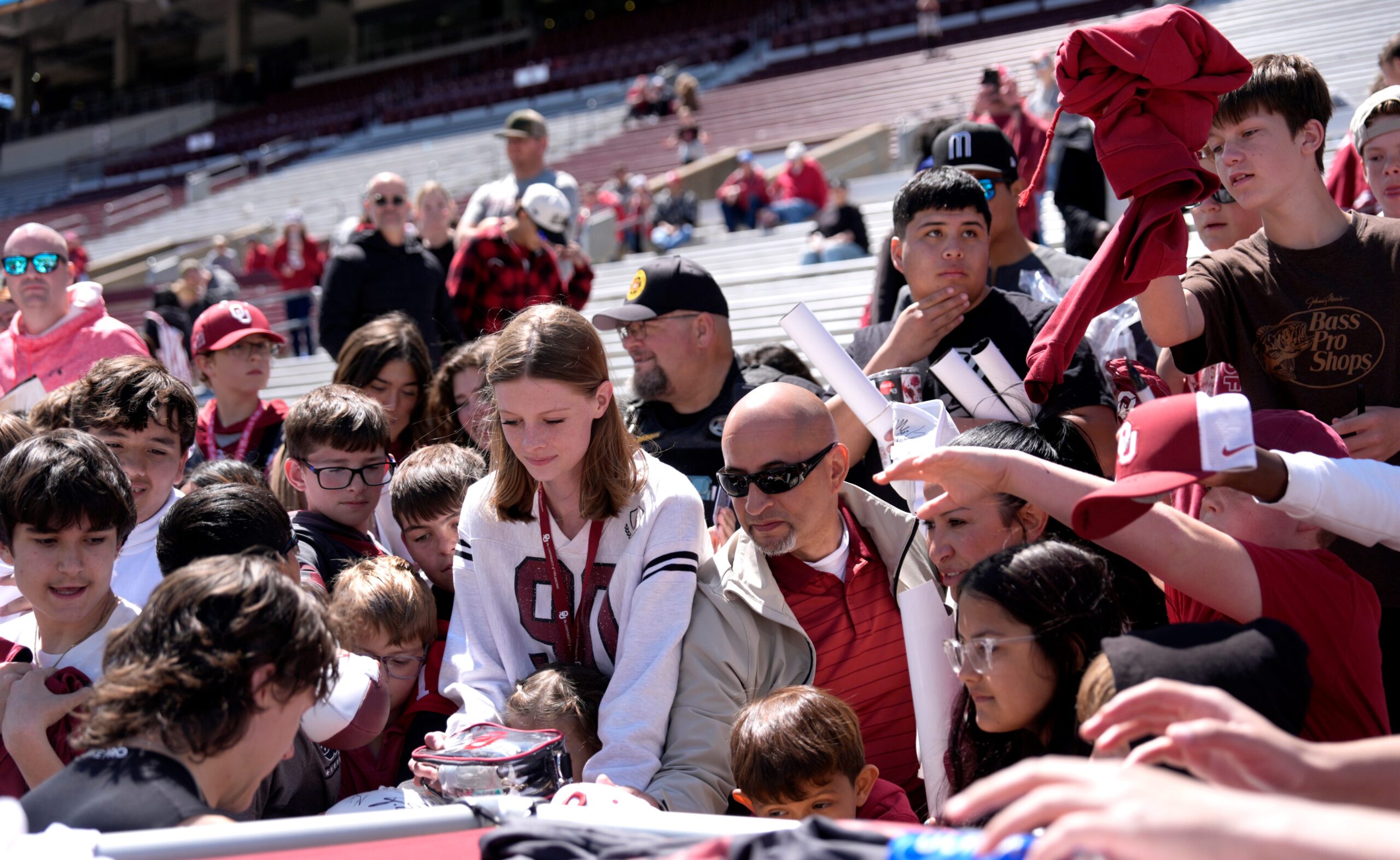
Oklahoma’s John Mateer (10) signs autographs following the University of Oklahoma Sooners Spring Game at the Gaylord Family – Oklahoma Memorial Stadium in Norman, Okla., Saturday April 18, 2026.
The Board of Regents hasn’t even voted yet, and the ripples are already moving. If approved, the Big Red Rebuild becomes the template for every Power Four program evaluating its aging stadium. The private bond model bypasses taxpayer resistance. The premium‑seat strategy sacrifices tradition for revenue optimization. And the thousands of seats gone from Lincoln are just the first to disappear across college football. Five years from now, half the stadiums in the country will hold fewer fans and charge more per ticket. Nebraska didn’t just rebuild a stadium. They rewrote the economics.
Sources:
“University of Nebraska System Board of Regents to Consider Historical Plan to Transform Memorial Stadium (‘Big Red Rebuild’).” Huskers.com (University of Nebraska Athletics press release), 17 Apr 2026.
“Nebraska Unveils Plans for a $600 Million Stadium Renovation Project.” Nebraska Public Media, 16 Apr 2026.
“Nebraska Proposes $600 Million Memorial Stadium Renovation.” ESPN, 16–17 Apr 2026.
“Big Ten Program Announces $600M Renovation Plan for Historic Memorial Stadium.” Yahoo Sports, 18 Apr 2026.