
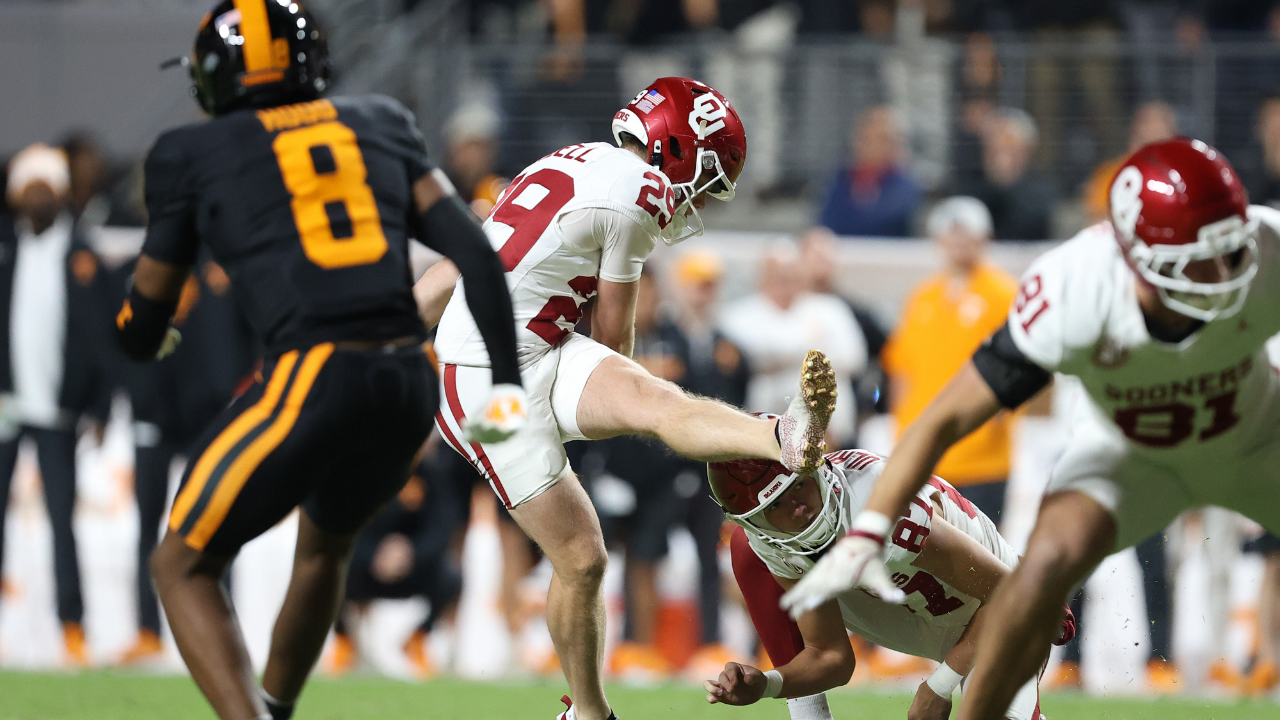
In November at Neyland Stadium, Oklahoma kicker Tate Sandell pulled his pants high above the knees, prompting ESPN’s Kirk Herbstreit to say, “That should be a penalty. Just dressing like that should be a penalty.” Sandell made four field goals, including two from over 50 yards. The clip went viral, exposing a nearly decade-old uniform rule that had been ignored. The NFL and NCAA are now enforcing knee coverage standards more strictly, and the conversation about compliance and player safety is intensifying.
NFL Sends A Clear Message
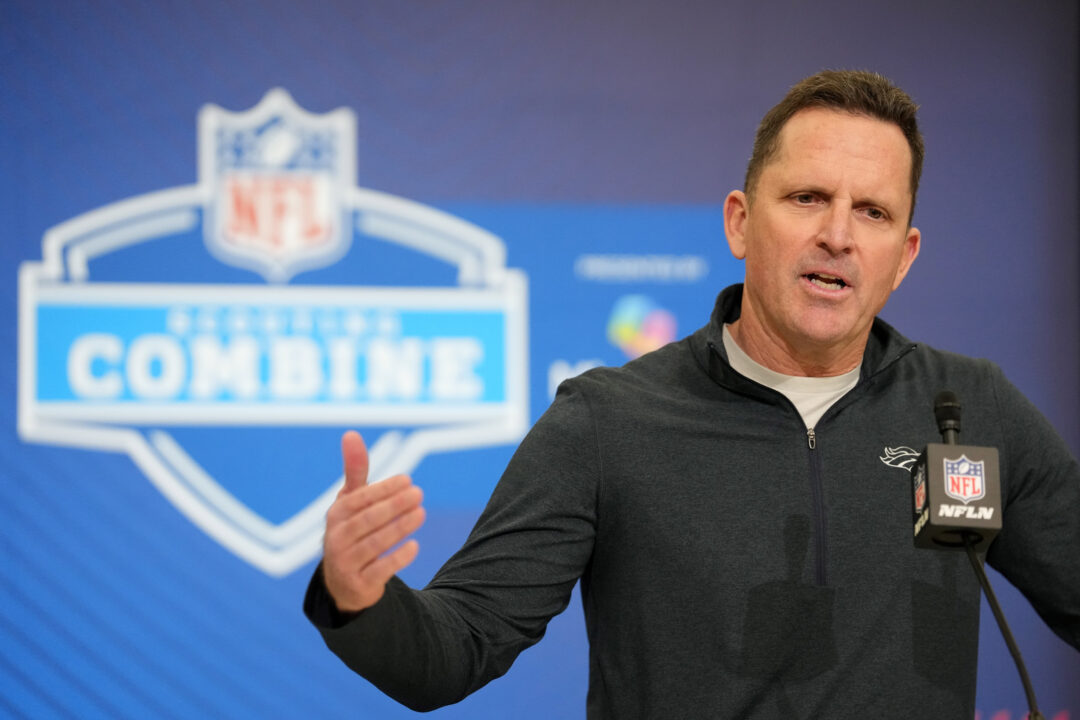
Around the time of the NFL scouting combine, league officials emphasiszed that college‑style cutoff pants are not allowed under existing rules and that pants must fully cover the knee. They stressed that players cannot trim issued uniforms. This emphasis reinforced existing standards rather than introducing a new policy. This renewed emphasis aims to reduce ambiguity before training camps open. Uniform compliance includes pants length, sock height, and protective gear. The NFL’s published standards are intended to avoid disputes. College football trends now feed into professional enforcement practices and financial accountability.
NCAA Rule Existed But Was Ignored
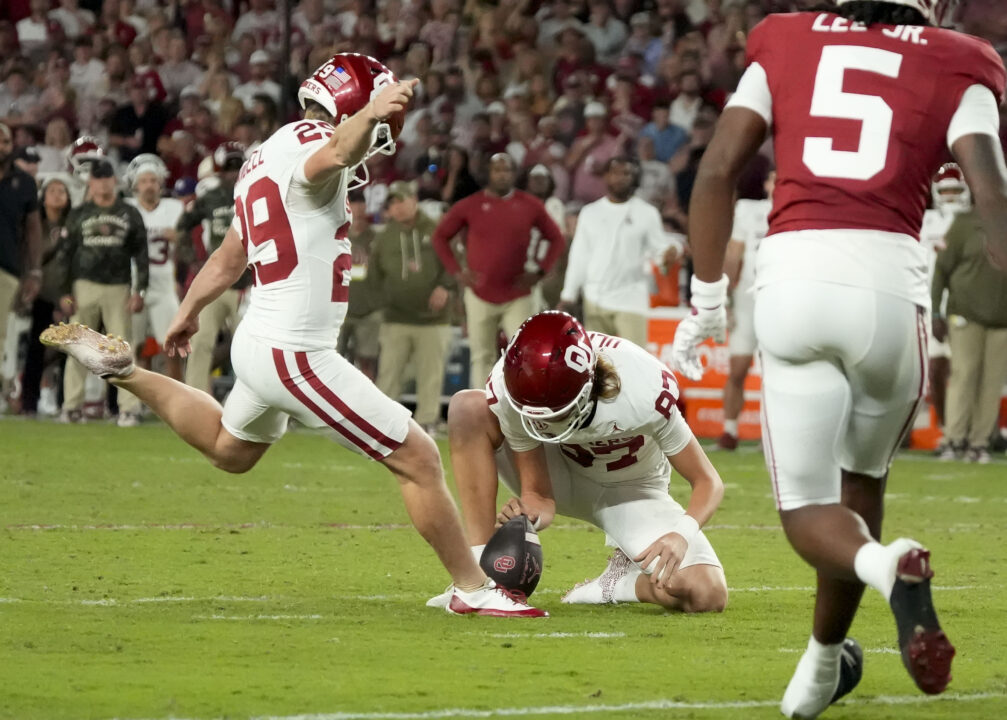
The NCAA approved a rule that took effect for the 2018 season requiring game pants and knee pads to cover the knee completely. Enforcement was minimal. The Athletic reported that officials admitted violations were often overlooked. Referees discussed ignoring rolled-up pants when coaches showed no concern. The standard existed without consequences. Players routinely pushed pants above the knee. Sandell’s televised moment exposed the gap between policy and practice. Administrators recognized the contradiction. This incident accelerated scrutiny and contributed to expectations that the NCAA will apply its existing language with stricter oversight for the 2026 season.
Herbstreit Brands “Daisy Dukes”

During the broadcast, Kirk Herbstreit said, “Got his Daisy Dukes on and puts it right down the middle again.” Local reports suggested that Sandell’s pants had ripped in warmups and kept sliding, contributing to how high he wore them. The clip spread widely, becoming a lasting image associated with the term. The nickname persisted despite explanation. Administrators now faced public pressure. The phrase became a popular shorthand for uniform noncompliance in discussions about the look. Attention to one kicker’s attire accelerated administrative review and renewed emphasis on visual presentation and safety standards across programs nationwide.
Safety And Team Image Drive Change
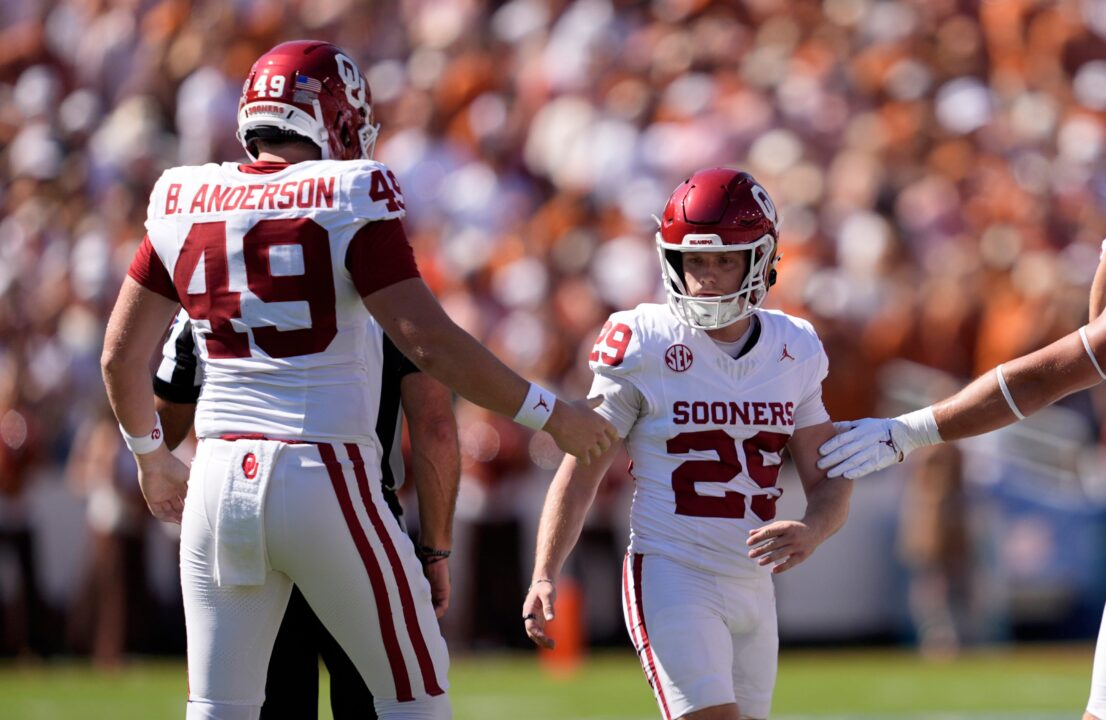
The NCAA is now considering enforcing the pants rule with warnings followed by a timeout‑ or delay‑of‑game‑style penalty for noncompliance. Administrators argue that bare thighs compromise both team image and safety, including displaced knee pads during pileups. The 2018 rule summary clearly states that pants must cover the knee. For years, players wore shorter pants without consequence. The 2026 season is expected to reflect stricter adherence if these proposals are approved. Officials expect compliance to improve with pregame reminders. Coaches and supervisors are now explicitly responsible for ensuring uniformity.
Deion Sanders Advocates Enforcement
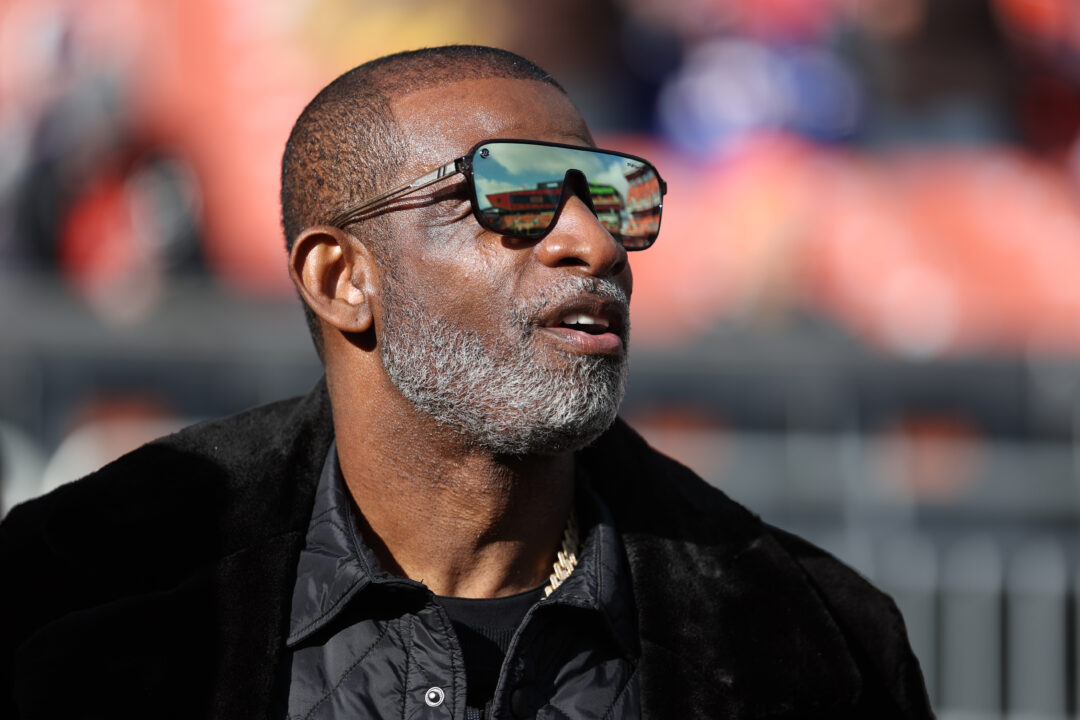
Colorado coach Deion Sanders addressed uniform standards at Big 12 media days last summer: “Let’s do something about the uniforms. We’ve got guys in biker shorts. That makes me sick because I’m a football guy… How can we allow guys out there in biker shorts, no knee pads, no nothing, literally pants up under their thighs, and that’s cool?” Sanders, previously fined in the NFL for flashy uniforms, supports stronger enforcement. His stance amplified scrutiny of the “Daisy Dukes” trend and reinforced the push for greater consistency and player safety.
Financial Penalties Reinforce Compliance
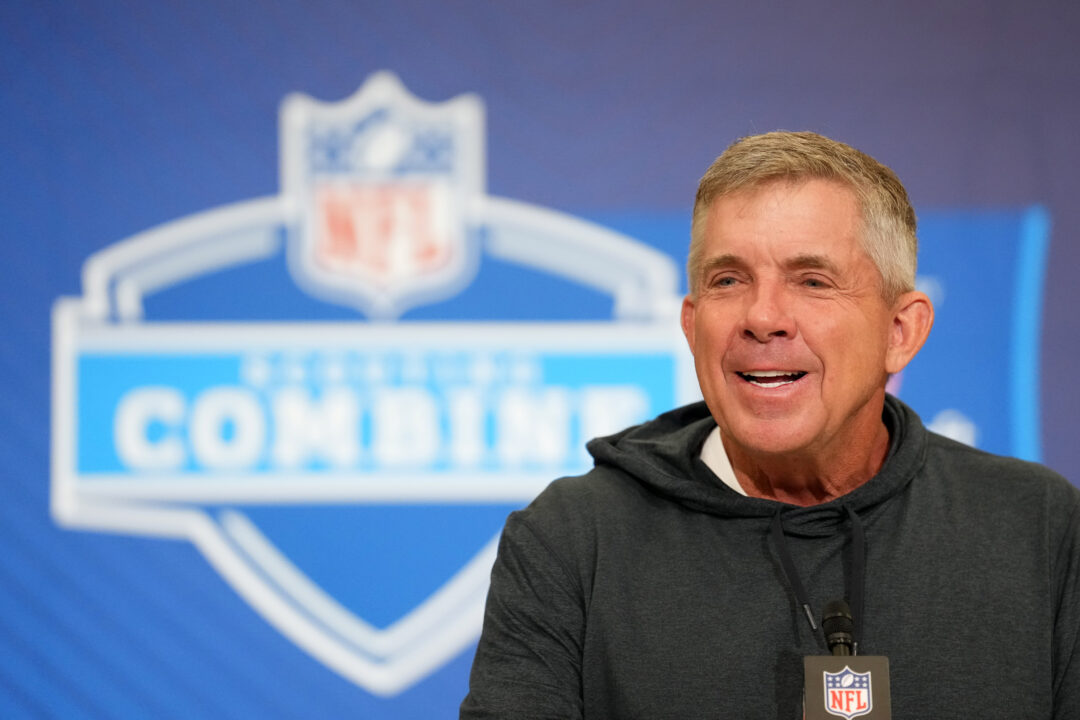
Uniform enforcement carries financial consequences. In recent years, the NFL has collected millions of dollars in uniform‑related fines, which are directed to charity. A first offense typically costs in the mid‑$5,000 range, with repeat offenses rising to around $17,000, according to league reporting. Equipment compliance, sock height, and pants length fall under these rules. Superstars may absorb fines, but rookies and depth players feel the impact. College enforcement is moving toward structures that resemble the professional model. Monetary accountability adds urgency to visual standards. Players and coaches are aware that rules carry consequences. The anticipated NCAA crackdown signals that appearances and protective compliance will no longer be treated as optional.
Sandell’s Performance Contradicted Criticism
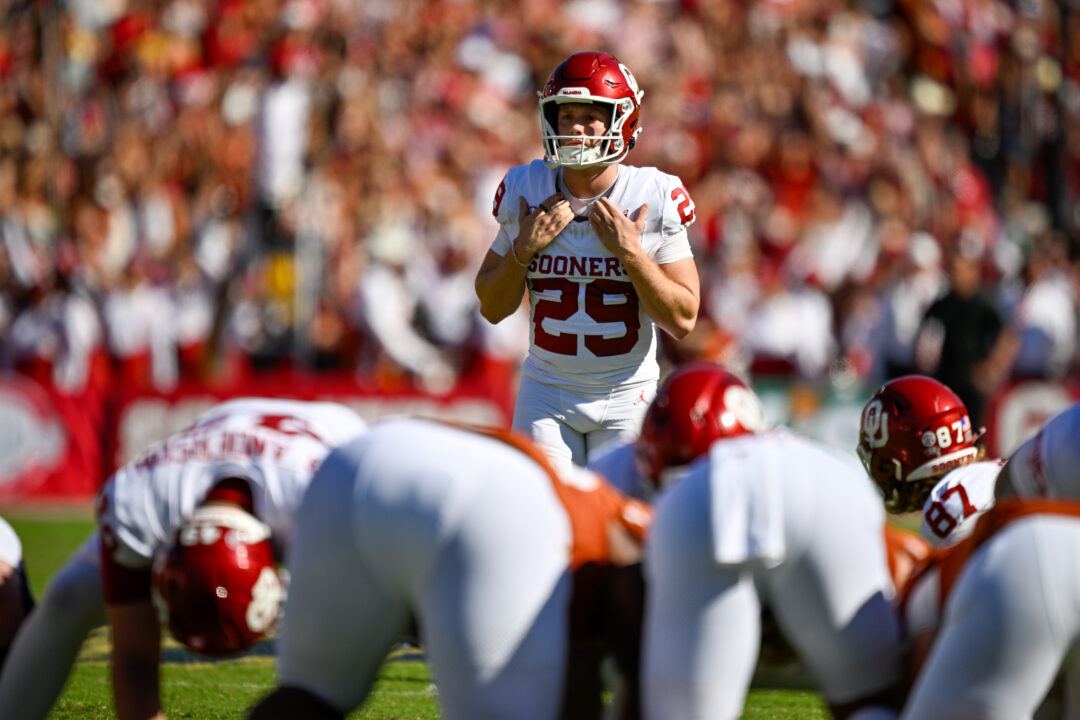
Sandell’s production showed that his attire did not provide a competitive advantage. Oklahoma’s season statistics reflect an elite year on field goals, with only a few misses overall. He converted a high volume of kicks from 40+ yards and accounted for a significant share of the team’s points. In Knoxville, he matched one of the longest field goals ever made at Neyland Stadium with a kick from the mid‑50s. His performance was elite. The viral image of exposed thighs, however, dominated discussion and accelerated policy debates about enforcement.
Enforcement Gains Real Teeth
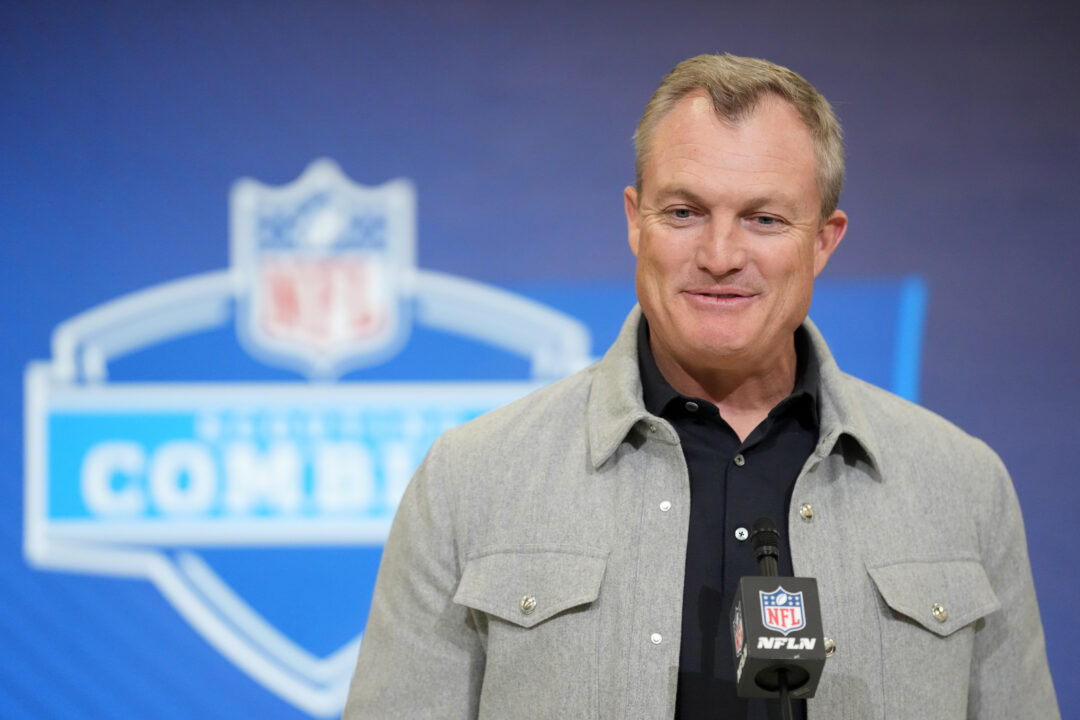
The Athletic reported that NCAA referees could face stricter evaluation for ignoring pants violations if proposed changes move forward. Supervisors are expected to grade adherence more closely once emphasis memos circulate. Both the National Federation and NCAA post diagrams showing legal and illegal pant lengths. Under the proposed approach, the knee‑coverage rule would carry clearer consequences. After years of informal tolerance, visible noncompliance could result in warnings or penalties. Administrators consider this overdue consistency. Officials intend to prevent repetition. High‑profile televised incidents have demonstrated that visibility drives compliance, and uniform enforcement is expected to become more proactive and standardized if these changes are adopted.
Appearance Shapes Policy
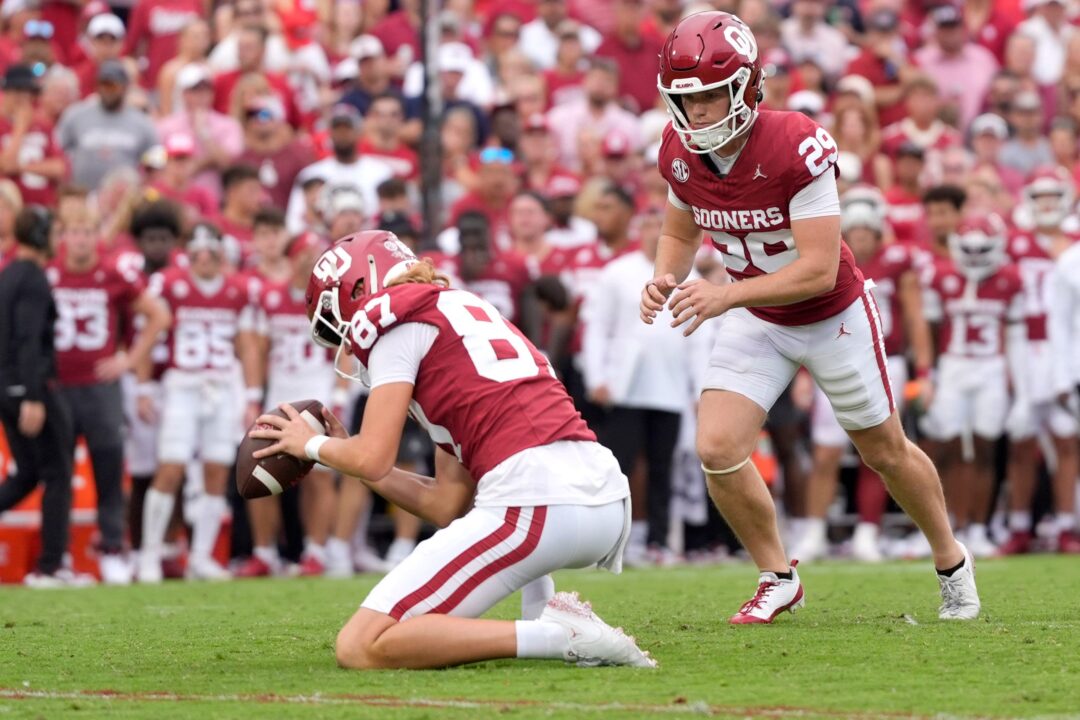
The NCAA’s renewed focus on enforcement and the NFL’s reinforcement of existing standards show that visual standards remain central to football policy. Competition Committee co‑chair Rich McKay said, “The game is in a good place,” emphasizing that no broad rule overhauls are planned. One viral night at Neyland Stadium helped bring long‑dormant policy conversations back to the forefront. Uniforms influence perception, player safety, and institutional accountability. Fans may forget fine details, but the image of a kicker in “Daisy Dukes” will linger. Both college and professional football increasingly emphasize the importance of pants, protection, and presentation.
If you enjoyed this article please like and follow us here on MSN! Thank you for reading and have a great day!
Sources:
Competition Committee talks about keeping short pants out of NFL. Yahoo Sports, 22 February 2026
Targeting suspensions, pants length penalties could be coming to NCAA football. The Athletic, 22 February 2026
NCAA football pants rules take effect for 2018 season. National Sporting Goods Association, 28 August 2018
Oklahoma kicker gets ribbing over short shorts. Fox News, 02 November 2025
Sandell Wins Lou Groza Award. University of Oklahoma Athletics, 12 December 2025
Why NFL uniform rules have players feeling like a ‘mannequin’. ESPN, 30 December 2025