
Fourth quarter. Down four. The receiver goes up, comes down, the ball pops loose… or maybe it doesn’t. The coach throws the red flag. He’s watched the broadcast replay three times. He thinks he has it. In a windowless room in New York, a replay official already knows. He’s had nine camera angles for thirty seconds. He’s seen every frame. The coach is still squinting at the same feed that 70,000 people in the stadium are watching. Replay has existed in the NFL since 1999, but the centralized command center in New York — the room with every angle — has been running the process for roughly 15 of those years. For 15 years, nobody thought to ask what would happen if the coach could see what the official sees. In 2025, they finally tried it.
The Information Was Always There
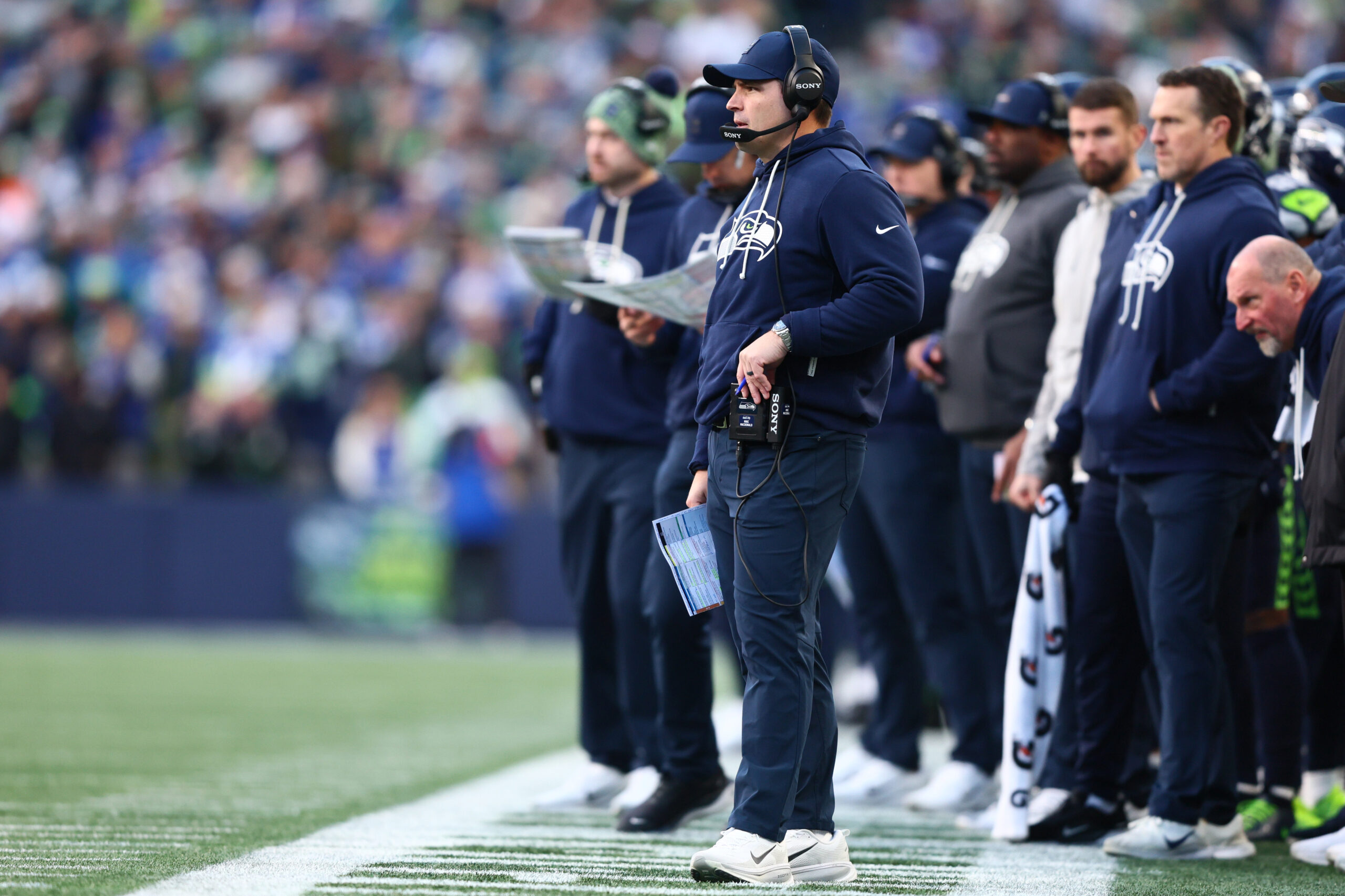
Jan 25, 2026; Seattle, WA, USA; Seattle Seahawks head coach Mike MacDonald looks on during the first half against the Los Angeles Rams in the 2026 NFC Championship Game at Lumen Field. Mandatory Credit: Kevin Ng-Imagn Images
The camera feeds existed. The angles were always running. NFL VP of replay training Mark Butterworth confirmed what changed: “Whatever’s in the replay official’s working box, it goes to both teams and their coaches.” That sentence — measured, bureaucratic, utterly without drama — is actually a quiet confession. Before 2025, coaches working the 1 p.m. window on a Sunday, with limited broadcast cameras and a 30-second clock burning down, were making six-figure decisions based on what the CBS feed happened to catch. The replay official in New York was working with everything. Coaches had access to nothing that mattered. That wasn’t a technological limitation. It was a choice.
A Spring League Is Already Doing It Better
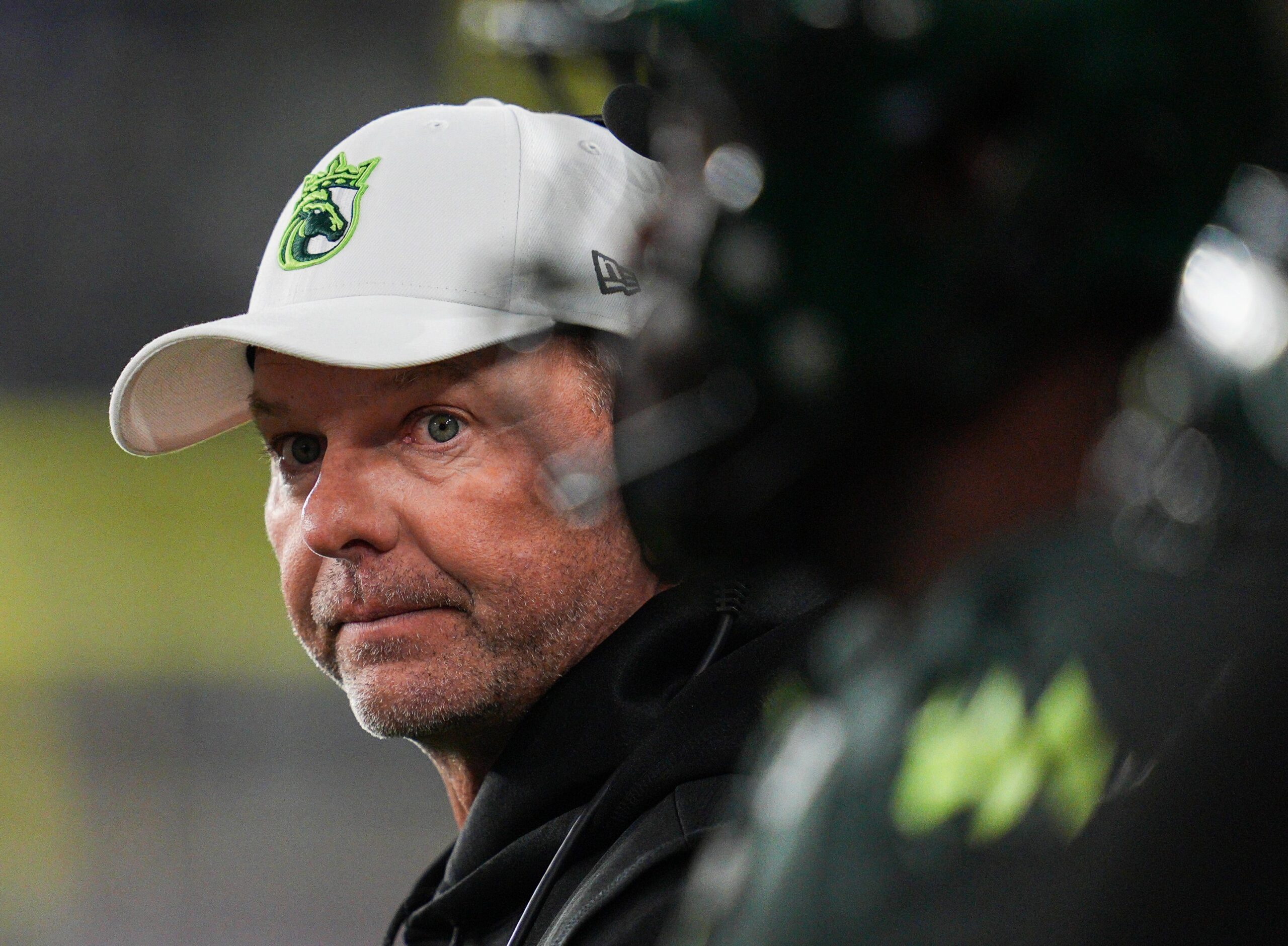
Louisville King head coach and former UofL quarterback Chris Redman during the first quarter of their first United Football League game at Lynn Family Stadium. March 27, 2026.
Turn on a UFL game, and you hear something the NFL has never let you hear: officials talking in real time, on air, reasoning through the call out loud while the audience listens. Former NFL VP of officiating Dean Blandino runs the UFL command center, and he described it himself on The Rich Eisen Show: “You’re gonna see myself and Mike Pereira, in the command center, you’re gonna be able to hear what we’re saying.” The UFL is not a wealthy league. It does not have the NFL’s infrastructure, its broadcast contracts, or its two-decade head start on replay technology. What it has is a system where the officiating process is visible, and fans are treated as participants in the decision rather than subjects of it. The NFL, with all its resources, is watching a spring league solve its most persistent credibility problem from the sidelines.
The ACC Proved Fans Can Handle It
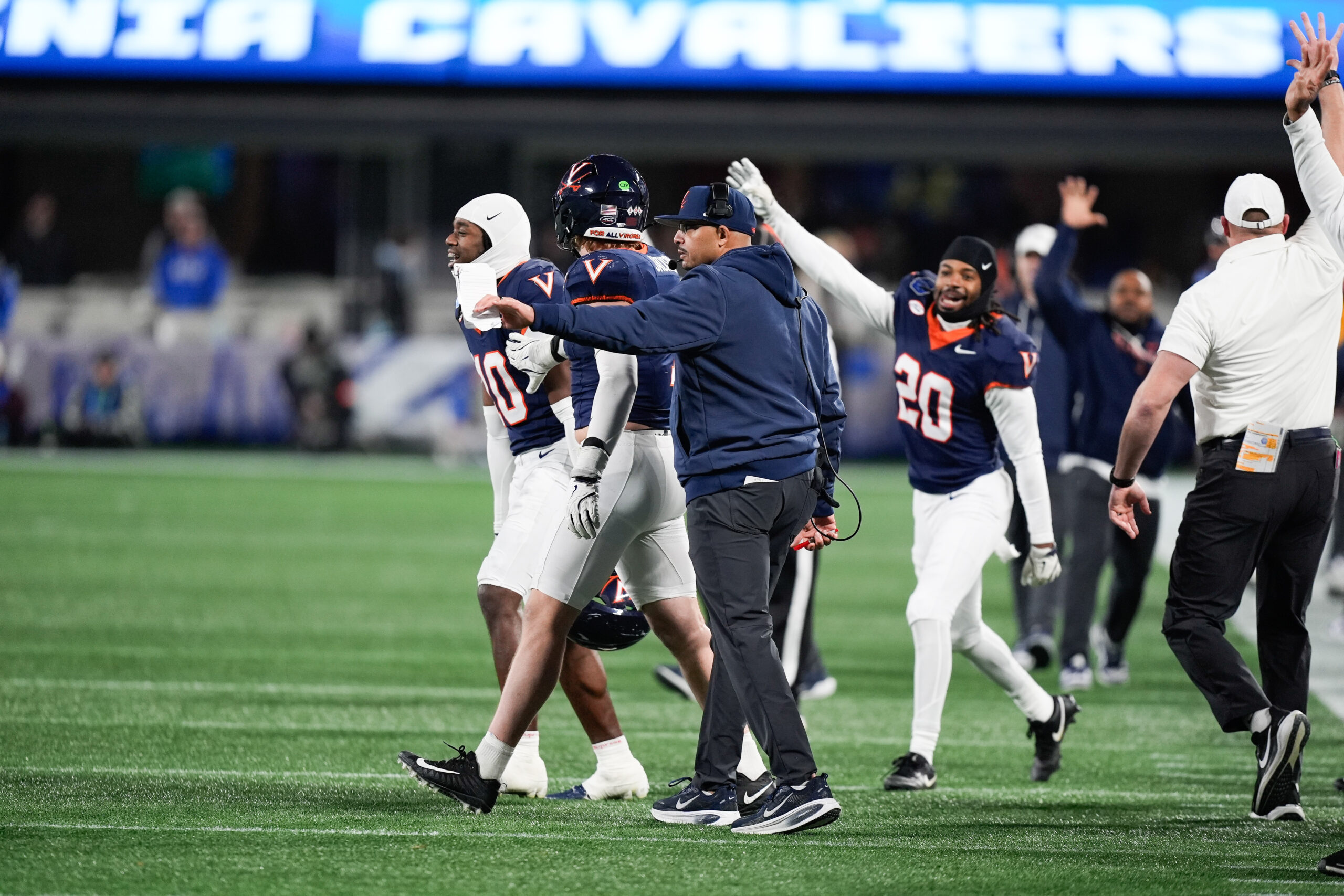
Dec 6, 2025; Charlotte, NC, USA; Virginia Cavaliers head coach Tony Elliott looks on during the second half against the Duke Blue Devils during the 2025 ACC Championship game at Bank of America Stadium. Mandatory Credit: Jim Dedmon-Imagn Images
The ACC ran the experiment that the NFL wouldn’t. Starting in 2025, select ESPN and ACC Network broadcasts opened the audio channel between stadium officials and the replay command center in Charlotte — fans heard the full frame-by-frame deliberation, every question, every answer, in real time. Seven games in, administrators called the reception “rave reviews.” ESPN VP of sports production Bryan Jaroch put it without spin: “You hear the whole conversation.” No chaos. No fan outrage. No competitive secrets spilled. What actually happened was that people who’d spent years yelling at their televisions finally understood why a call went one way rather than another. The ACC is the first college conference to try this. The NFL, which has been running replay reviews since 1999, still hasn’t.
The Speed Argument Doesn’t Hold Up
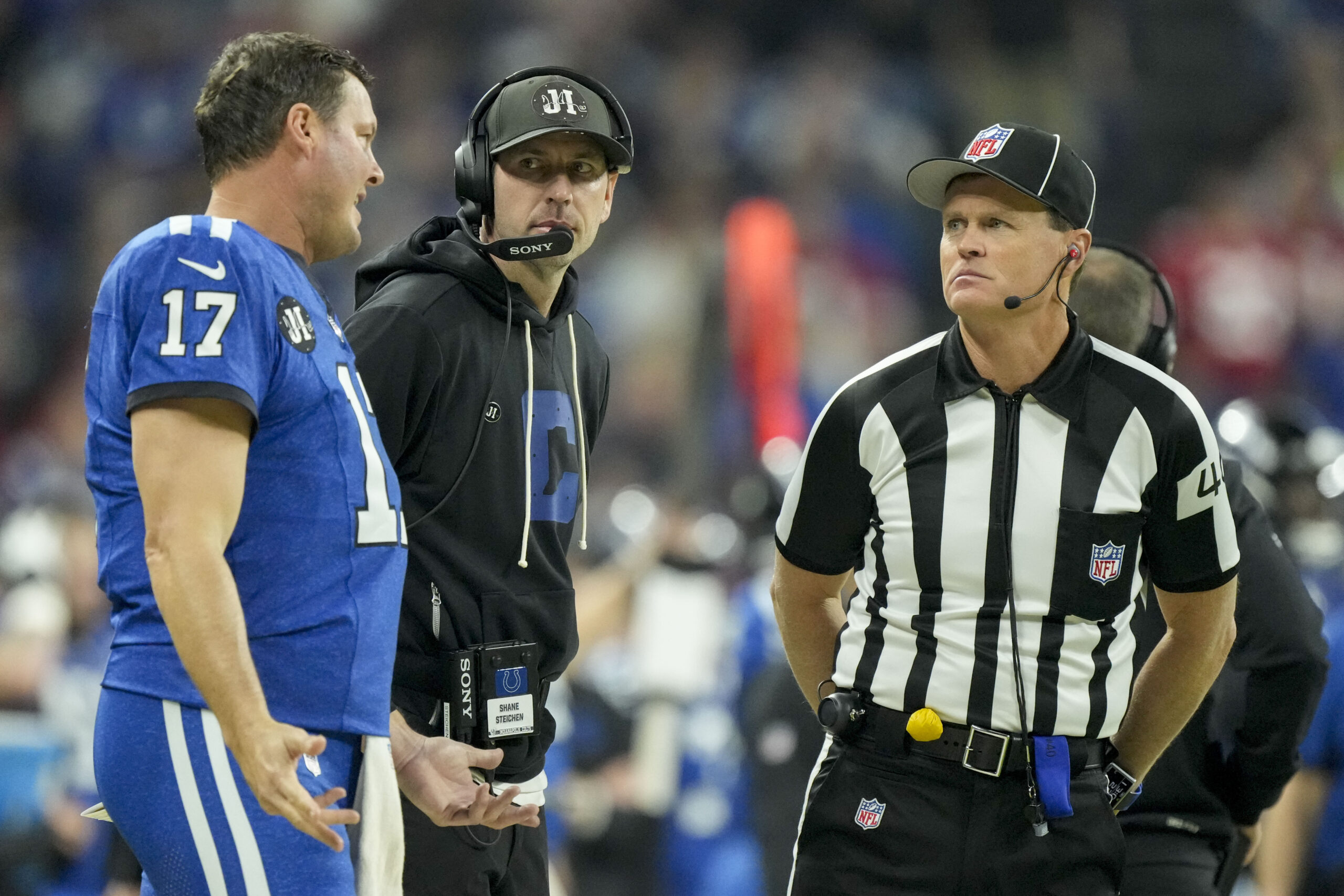
Dec 22, 2025; Indianapolis, Indiana, USA; Indianapolis Colts quarterback Philip Rivers (17) talks with Indianapolis Colts head coach Shane Steichen and an official during a game against the San Francisco 49ers at Lucas Oil Stadium. Mandatory Credit: Grace Hollars-USA TODAY Network via Imagn Images
The NFL’s unspoken case against transparency has always been that opening the process creates delays, more explanation, more talking, more dead time on the field. The data from the 2025 season went the other direction. Average replay review time dropped from 2 minutes and 20 seconds — where it stood through seven weeks of 2023 — to 1 minute and 25 seconds through the same stretch of 2025. The NFL also ran 137 expedited reviews during those same seven weeks, compared to 117 across the entire 2024 season. Nearly a full minute per stoppage, gone. More reviews were completed faster than any prior stretch on record. The league’s own numbers destroyed its own argument. Transparency doesn’t slow the game down. When everyone knows what they’re looking for, decisions are made more quickly.
The Study No One in New York Wants to Talk About
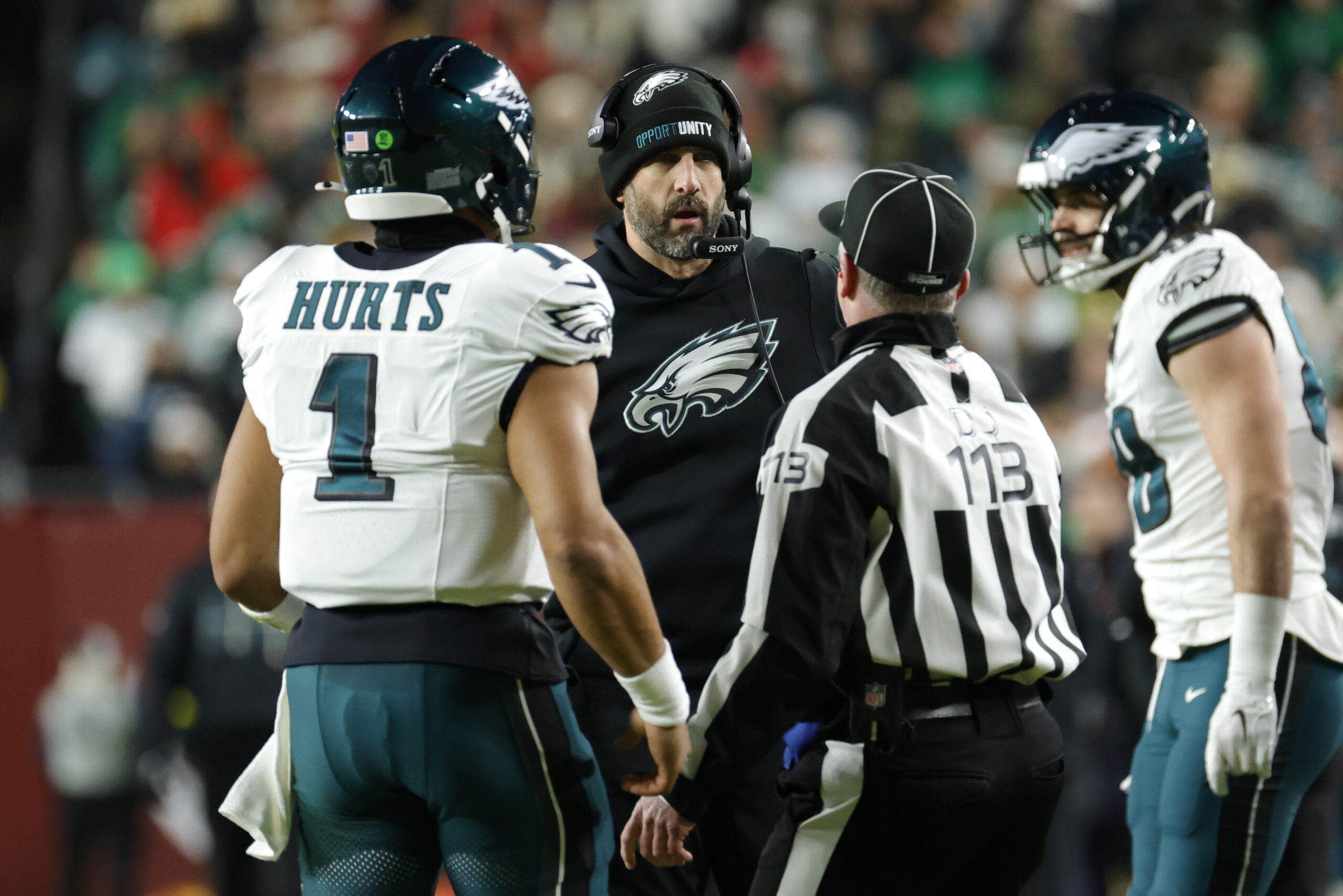
Dec 20, 2025; Landover, Maryland, USA; Philadelphia Eagles head coach Nick Sirianni talks with quarterback Jalen Hurts (1) and an official during the first half against the Washington Commanders at Northwest Stadium. Mandatory Credit: Amber Searls-Imagn Images
The secrecy around officiating decisions doesn’t just frustrate fans. It creates the conditions for data to do what rumors once did. Researchers at the University of Texas at El Paso analyzed more than 13,000 defensive penalty calls across NFL games from 2015 through 2023 and found statistical patterns in how subjective categories — roughing the passer, pass interference — played out in Kansas City Chiefs postseason games during that window. Penalties against Chiefs opponents in high-stakes moments were significantly more likely to convert into first downs than the same penalty calls across the rest of the league. The researchers attributed the pattern to financial incentives embedded in the league’s revenue structure, not deliberate manipulation. The study doesn’t need to claim a fix. The numbers are already doing the work. And the NFL’s closed officiating process is what gave those numbers room to grow.
The Tech Got Better, the Trust Got Worse
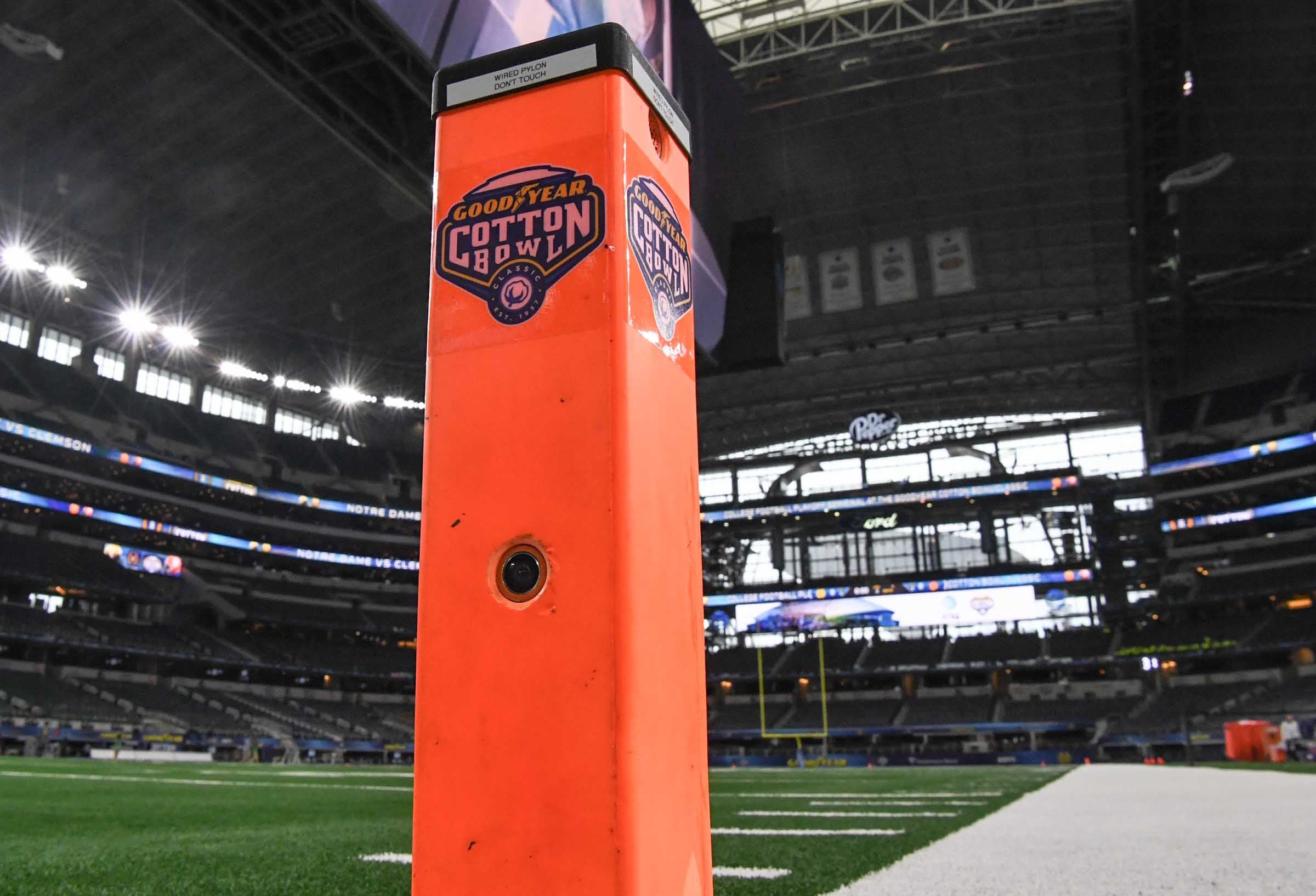
An end zone pylon camera for helping with replays in the end zone before the College Football Playoff Semifinal at the Goodyear Cotton Bowl Classic at AT&T Stadium in Arlington, Texas Saturday, December 29, 2018.Clemson Notre Dame Cotton Bowl Dallas
The NFL is not operating on 1999 equipment. Starting in 2025, Sony’s Hawk-Eye system — six 8K cameras in every stadium- replaced the chain crew as the primary tool for measuring first downs. The system feeds the NFL’s Synchronized Multi-Angle Replay Technology, known as SMART, which routes every available camera angle directly to replay officials at the Art McNally GameDay Central in real time. A measurement that once took the chain crew roughly 75 seconds now takes approximately 30 with Hawk-Eye. The infrastructure is extraordinary. The access is still locked. The NFL has built the most sophisticated officiating review system in sports history and has spent zero effort letting the public see inside it. That combination — cutting-edge tools, stone-wall secrecy — is precisely why the conspiracy theories keep getting louder as technology improves.
The Labor Deadline Nobody’s Talking About
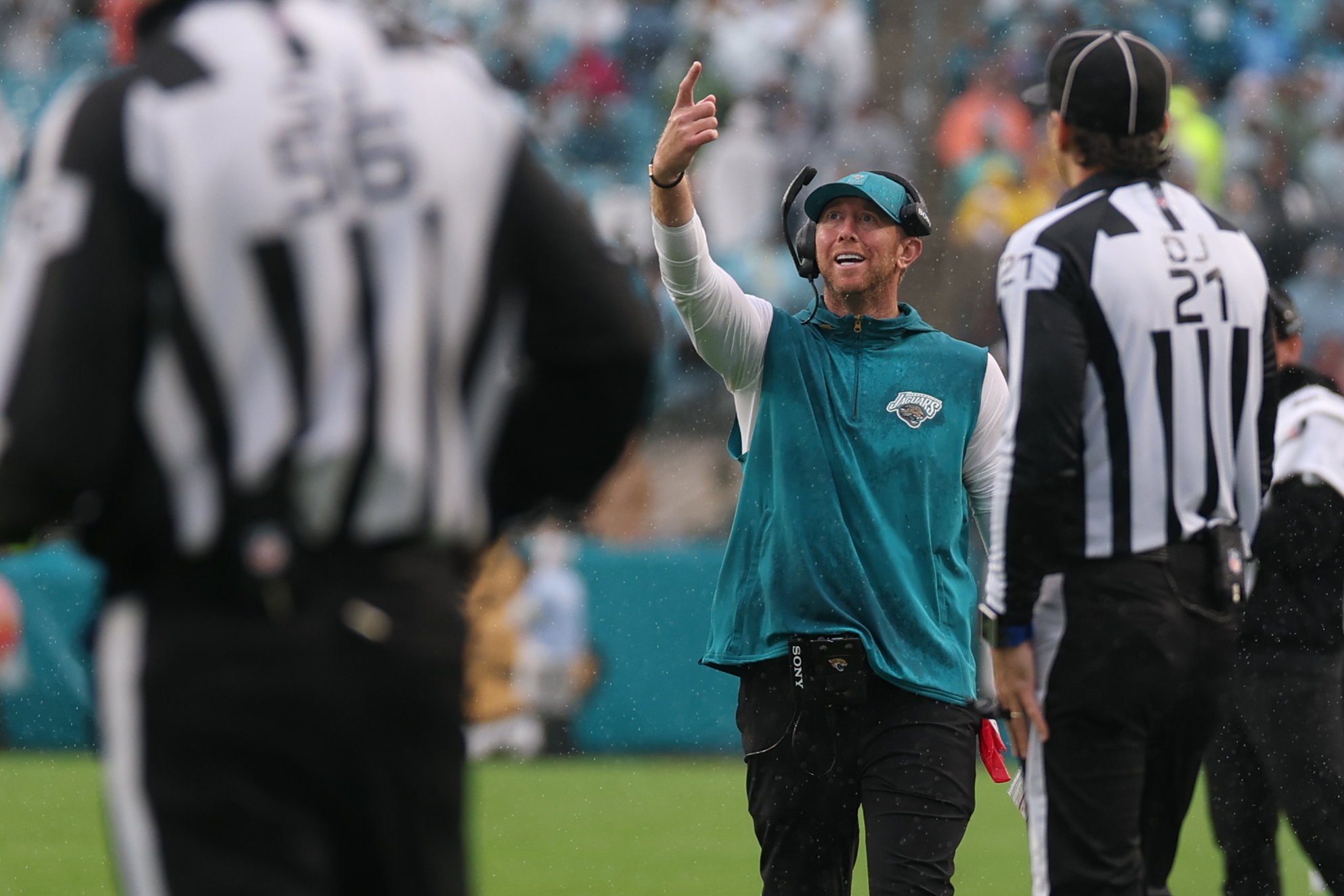
Dec 7, 2025; Jacksonville, Florida, USA; Jacksonville Jaguars head coach Liam Coen questions the referees during the second half against the Indianapolis Colts at EverBank Stadium. Mandatory Credit: Matt Pendleton-Imagn Images
The NFL’s collective bargaining agreement with the NFL Referees Association expires May 31, 2026. Negotiations collapsed in late March after a two-day session scheduled for Florida was called off before the first day. The gap: the NFLRA wants 10% annual increases; the NFL is offering a six-year deal averaging 6.45% per year. NFL officials earn a base averaging approximately $205,000 per season, with total compensation — including bonuses and post-season assignments — reaching roughly $385,000 for senior referees. Either way, these are part-time workers without year-round contracts or guaranteed job security in any conventional sense. By early April, Jerry Jones and a small group of owners had re-entered negotiations directly, a sign the league recognizes the clock is real, even if the distance between the two sides hasn’t meaningfully closed.
150 Replacements Are Already Being Recruited
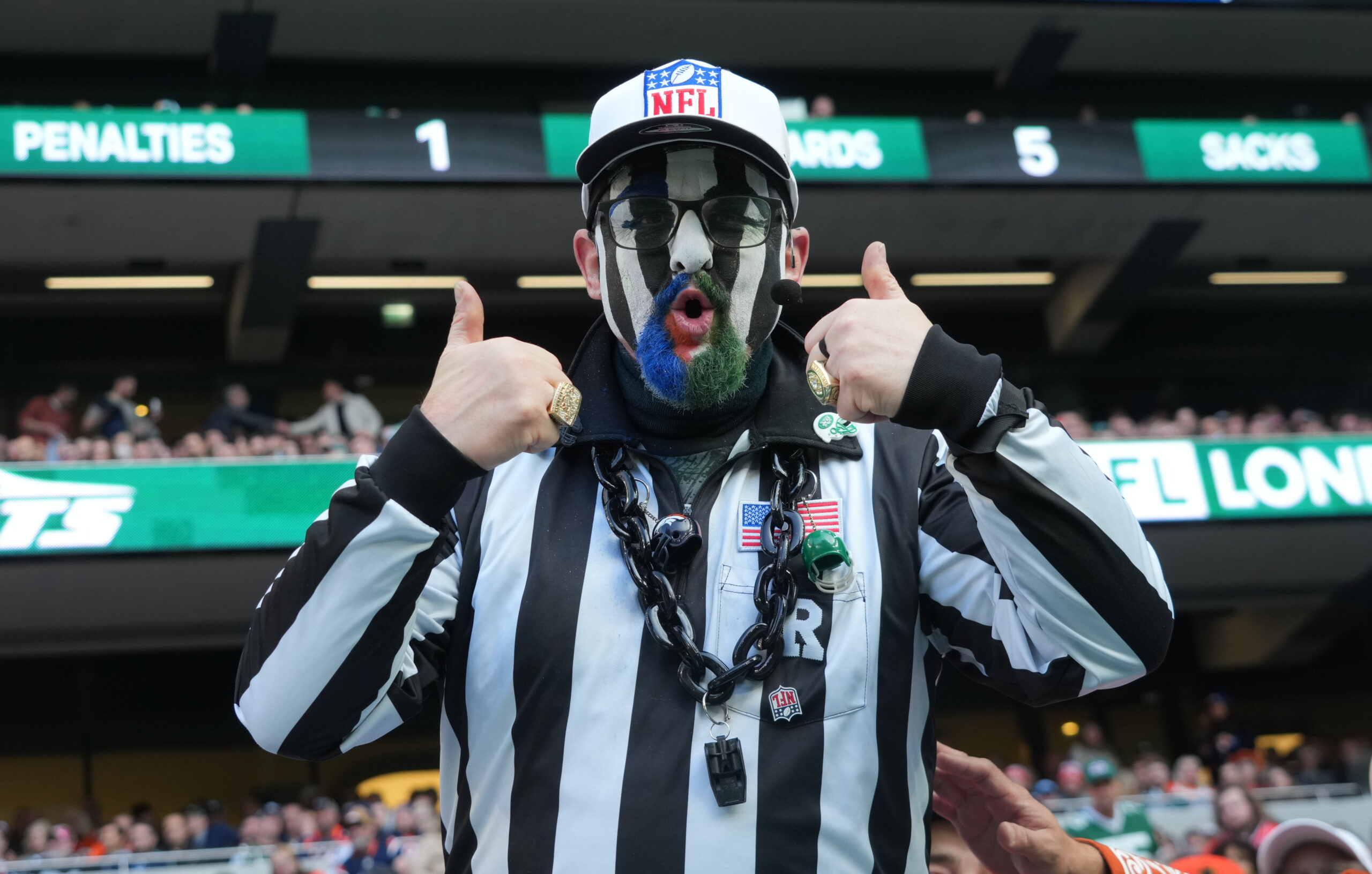
Oct 12, 2025; Tottenham, United Kingdom; A NFL fan dressed as a referee during an NFL International Series game between the Denver Broncos and the New York Jets at Tottenham Hotspur Stadium. Mandatory Credit: Kirby Lee-Imagn Images
The NFL didn’t wait. By late March, owners had authorized the recruitment of approximately 150 replacement officials from smaller college conferences, with a training program scheduled to begin in May. The last time the league went this route, it lasted three weeks before the “Fail Mary”, a phantom touchdown call in Green Bay on a Monday night in September 2012 that became the single most embarrassing officiating moment in modern NFL history and ended the lockout within 48 hours. The league learned from 2012. This time, in the same week it authorized replacement official recruitment, owners voted to dramatically expand replay center authority — the New York command center can now override on-field calls and correct clear and obvious errors, a power significantly broader than anything it has formally held before. The NFL is hiring crews it doesn’t fully trust and simultaneously building the authority to overrule them from a room in Manhattan.
The Moment of Maximum Leverage
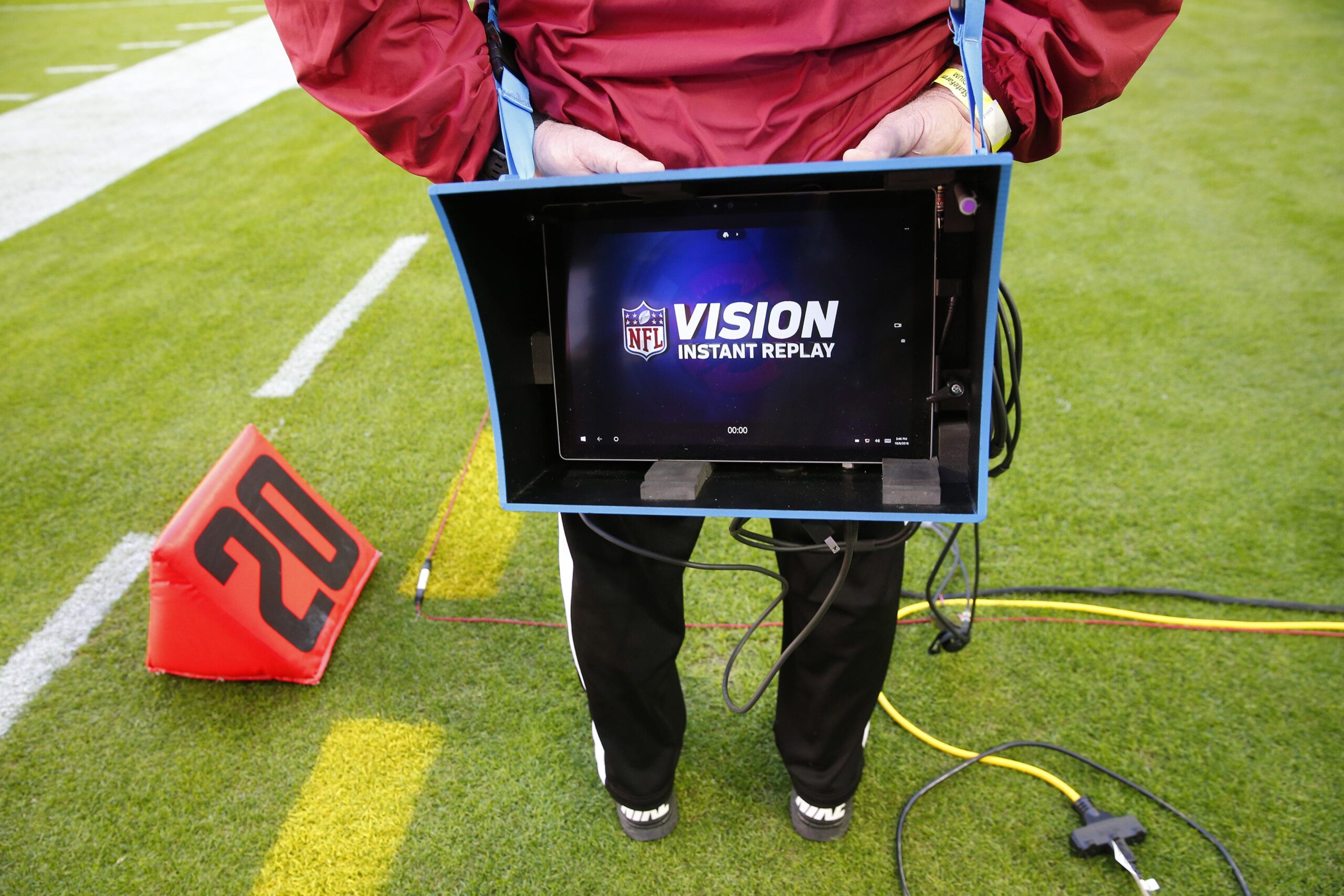
An NFL replay official stands on the sidelines between the Arizona Cardinals and the Los Angeles Rams at State Farm Stadium December 1, 2019. Rams Vs Cardinals
May 31 is the date. Before it arrives, the NFL either reaches a deal or opens a season with replacement officials and a centralized command center running the most consequential games in American sports. Out of 171 replay review decisions made during the 2025 season, officials wanted five back — four of them in the 1 p.m. window, where review volume is highest, and the camera count is thinnest. That’s a 97% accuracy rate. The NFL is going to the mat to protect it, against officials working roughly $205,000 base seasons without full-time employment, without benefits, without the job security of anyone else in a seven-figure industry. Meanwhile, the UFL is broadcasting officiating decisions live. The ACC is letting fans hear the deliberations. Coaches who can finally see what the replay official sees are winning challenges at a 50% higher rate than they were a year ago. Every piece of evidence from every corner of football is pointing at the same answer. The NFL hasn’t yet decided whether it wants to be found.
Sources
“Why NFL Replay Reviews Are Succeeding at Unprecedented Rates” — ESPN
“NFL Should Embrace UFL’s Officiating Transparency” — NBC Sports/ProFootballTalk
“ACC and ESPN/ACCN Introduce Enhanced Replay Access for 2025 Football Season” — TheACC.com
“UTEP Study Reveals How Financial Pressure Shapes NFL Officiating” — UTEP Newsfeed
“Sources: NFL, Far Apart With NFLRA, to Begin Hiring Replacement Refs” — ESPN
“NFL Selects Sony’s Hawk-Eye Innovations to Revolutionize Line-to-Gain Measurements” — NFL Football Operations