
The Seattle Seahawks secured a Super Bowl LX victory, highlighted by Kenneth Walker III’s 135 rushing yards that earned him MVP honors. Walker is the first running back to win the award since Terrell Davis in 1997. Despite roughly $73 million in salary cap space, Seattle appears unlikely to retain him. Dallas, by contrast, is preparing to invest heavily in wide receiver George Pickens. The contrast highlights how the NFL values certain positions over championship performance. Financial strategy and positional economics are now shaping rosters across the league.
Championship Glory, Uncertain Future

Seattle lifted the Lombardi Trophy after a 135-yard rushing performance from Kenneth Walker III against the New England Patriots. His four-year rookie deal expired the day after the championship, leaving the team to consider a franchise tag or long-term extension. Reports indicate hesitation to commit despite $73 million in salary cap space. Dallas, meanwhile, prepares to tag George Pickens for a projected $28.82 million for one year. The Seahawks celebration faces a financial crossroads, forcing the organization to weigh roster priorities against the historic value of their Super Bowl MVP.
Why The Tag Appears Unlikely

Walker became the first running back since Terrell Davis in 1997 to earn Super Bowl MVP honors, according to ESPN on February 16, 2026. A franchise tag would cost roughly $14.1 million for one year. Seattle ranks fifth in the league for cap room with $75.6 million. Sources cited by ESPN describe the tag as unlikely due to championship escalators and bonuses that limit flexibility. The organization appears focused on other roster priorities instead of committing to a running back, despite his historic postseason performance.
The Running Back Reality
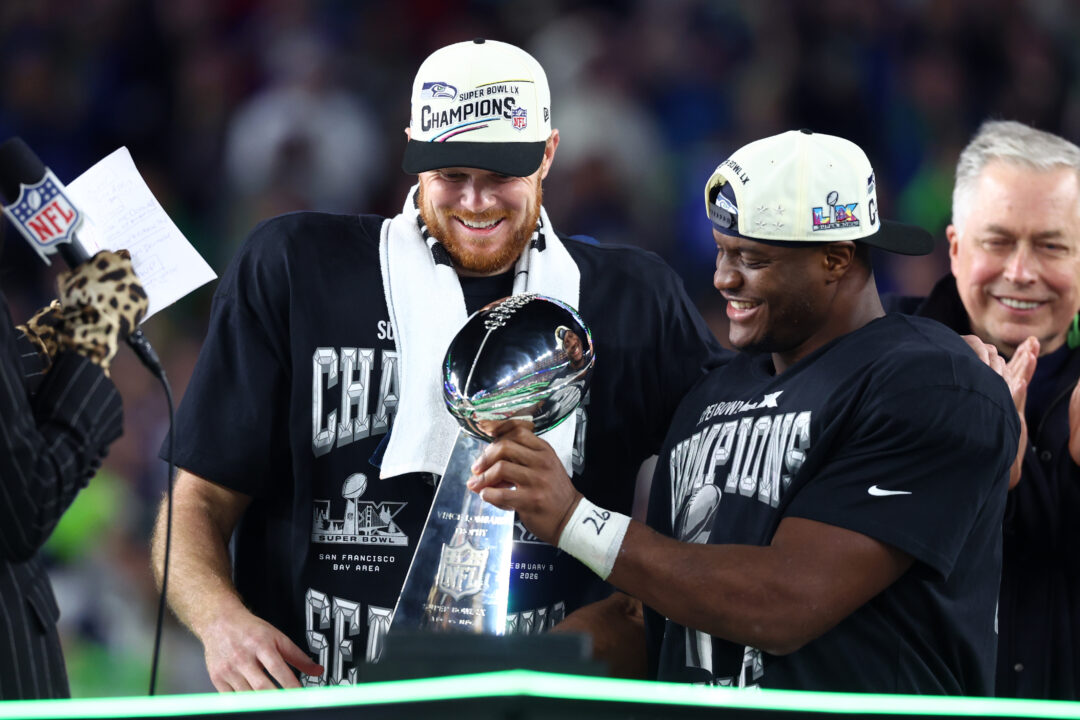
Walker totaled 417 scrimmage yards and 4 touchdowns across three playoff games. A franchise tag would rank him as the fourth-highest-paid running back in 2026. General manager John Schneider has applied the tag only twice since 2010, signaling a preference for long-term roster planning over one-year contracts. Seattle is reportedly prioritizing an extension for wide receiver Jaxon Smith-Njigba. Running backs face limited financial leverage even after historic postseason performances. The organization’s approach highlights a broader trend in the league: wide receivers receive premium contracts while running backs remain comparatively undervalued despite proven production.
“The First Vehicle To Do So”

George Pickens recorded 93 receptions, 1,429 yards, and 9 touchdowns in his first season with Dallas after being acquired in May 2025 for third- and fifth-round draft picks. ESPN’s Todd Archer explained February 15, 2026: “To get to a long-term deal, the franchise tag is the first vehicle to do so. At the very least, it guarantees Pickens will be a Cowboy through 2026.” Pro Football Rumors projected the 2026 wide receiver tag at $28.82 million. A 2027 tag at 120% would push two-year earnings past $61 million, reflecting aggressive financial strategy.
The $14 Million Question
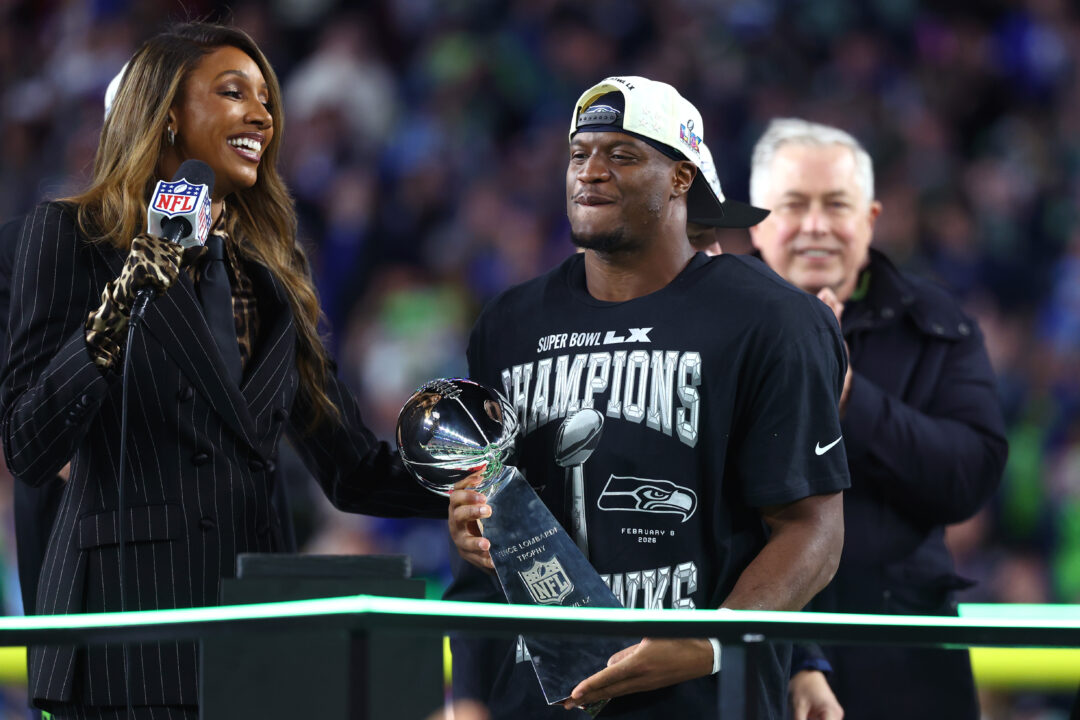
CBS Sports reported on February 16 that a $14.1 million franchise tag for Walker nearly doubles his total NFL earnings of $8.44 million. Yahoo Sports noted on February 12 that Seattle has the fifth-highest salary cap in the league, reported at $73 million by Sportrac. The front office appears unwilling to commit even half of what Dallas would spend on Pickens. Financial decision-making prioritizes positional value over postseason performance. Seattle’s caution contrasts sharply with Dallas’s aggressive approach. The disparity highlights the premium placed on receivers while running backs face systematic undervaluation.
Positional Hierarchy On Display
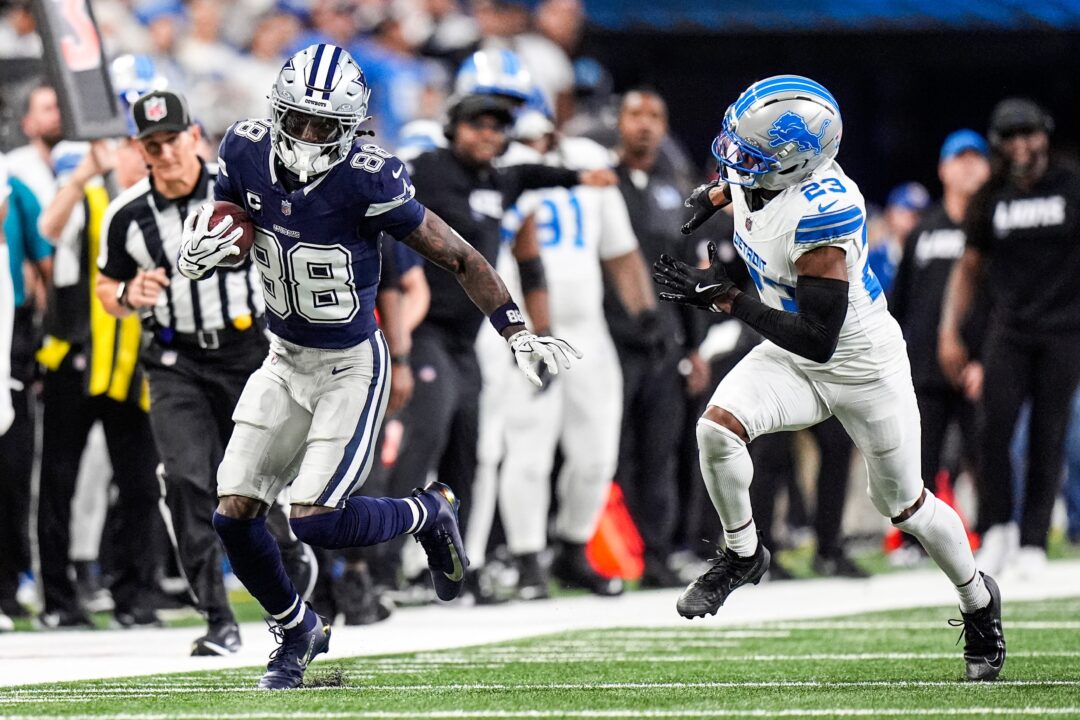
Wide receivers now command annual deals exceeding $30 million, with CeeDee Lamb earning $34 million. Pickens’ projected $28.82 million tag surpasses what most running backs earn across entire contracts. His 1,429 receiving yards ranked third league-wide in 2025, according to ESPN. Walker’s Super Bowl MVP performance does not provide comparable leverage. The franchise tag was designed to retain stars, yet Seattle is not using it while Dallas applies it aggressively. This decision reflects the league’s economic reality: production alone does not guarantee financial recognition at undervalued positions.
Breaking A Two-Decade Pattern
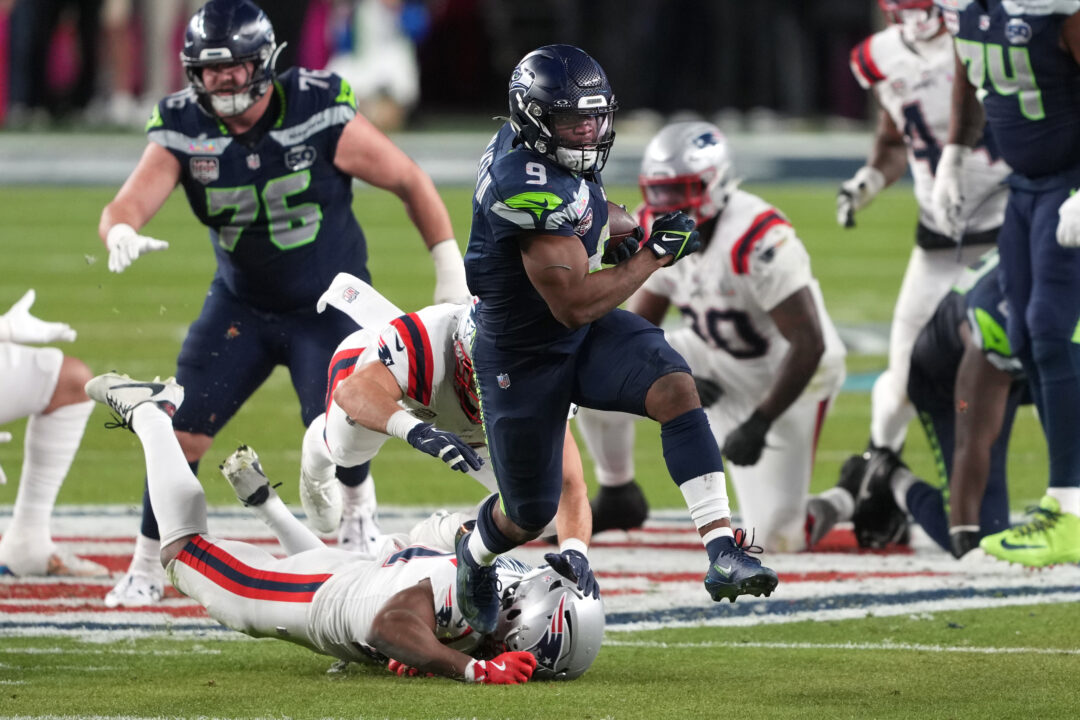
Yahoo Sports reported on February 17 that no Super Bowl MVP has switched teams the following season in over 20 years. Terrell Davis was the last running back to earn the award before Walker in 1997. If Seattle declines to tag him before the March 3, 2026 deadline, that streak will end. Walker entering free agency would signal that even historic postseason success cannot overcome the financial structure of modern NFL rosters. Defensive and offensive stars receive protection and pay, while running backs face economic constraints regardless of championship performance.
The Open Market Awaits
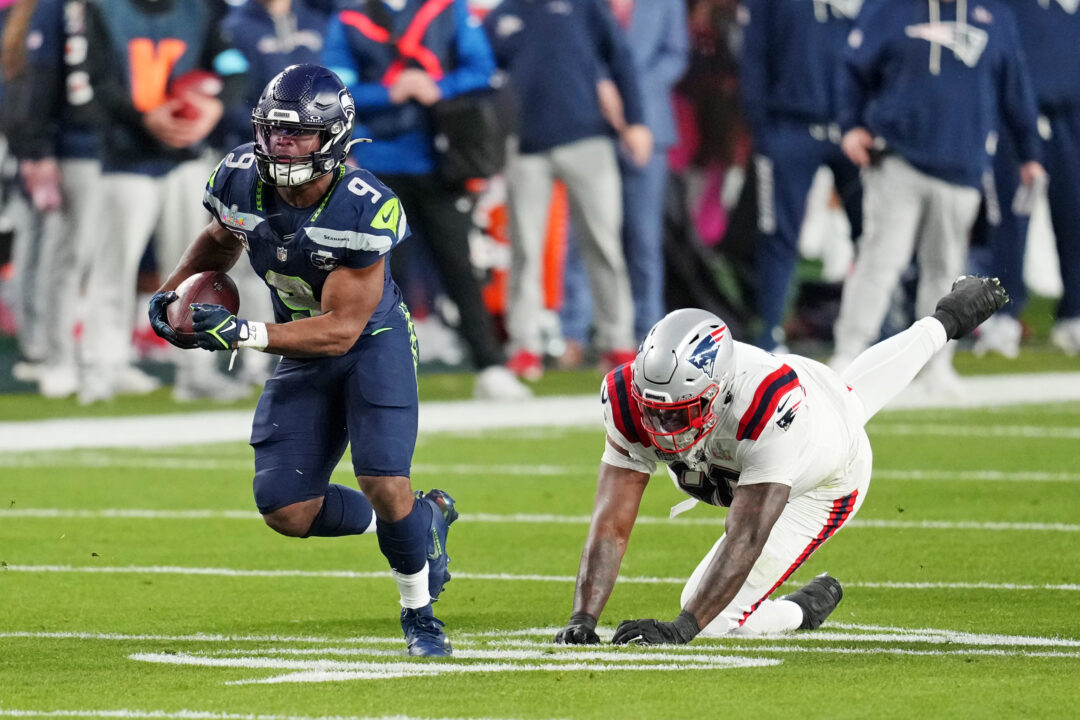
Free agency opens in mid-March, and several teams have the resources to offer Walker a multi-year contract. DAZN projected that Tennessee holds $99 million in cap space, New York Jets $82.7 million, and Las Vegas over $80 million. Walker carried 43.6% of Seattle’s regular-season rushing attempts, according to ESPN. The market reality for running backs is restrictive. Seattle’s focus remains on Jaxon Smith-Njigba and managing championship-related escalators. Other teams could match or exceed Seattle’s offer, creating an imminent bidding scenario.
Dallas Controls The Timeline
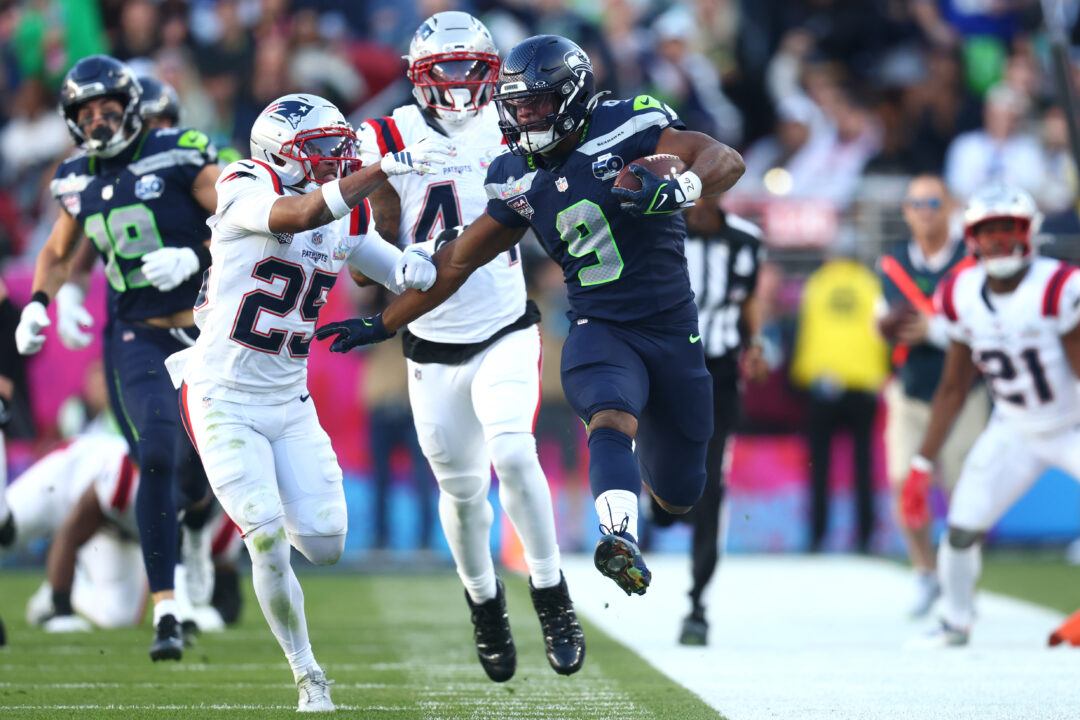
Pro Football Rumors reported February 16, 2026 that tagged players must sign long-term deals by mid-July or play under a one-year tender. Dallas gains leverage by controlling negotiations throughout the summer. Seattle’s choice not to tag Walker removes that negotiating window and exposes the player to open market competition. One team employs the franchise tag as a strategic tool. Another declines to use it. The contrast demonstrates differing organizational philosophies and highlights how roster management approaches directly impact the retention of elite performers.
The Economics Behind The Exit

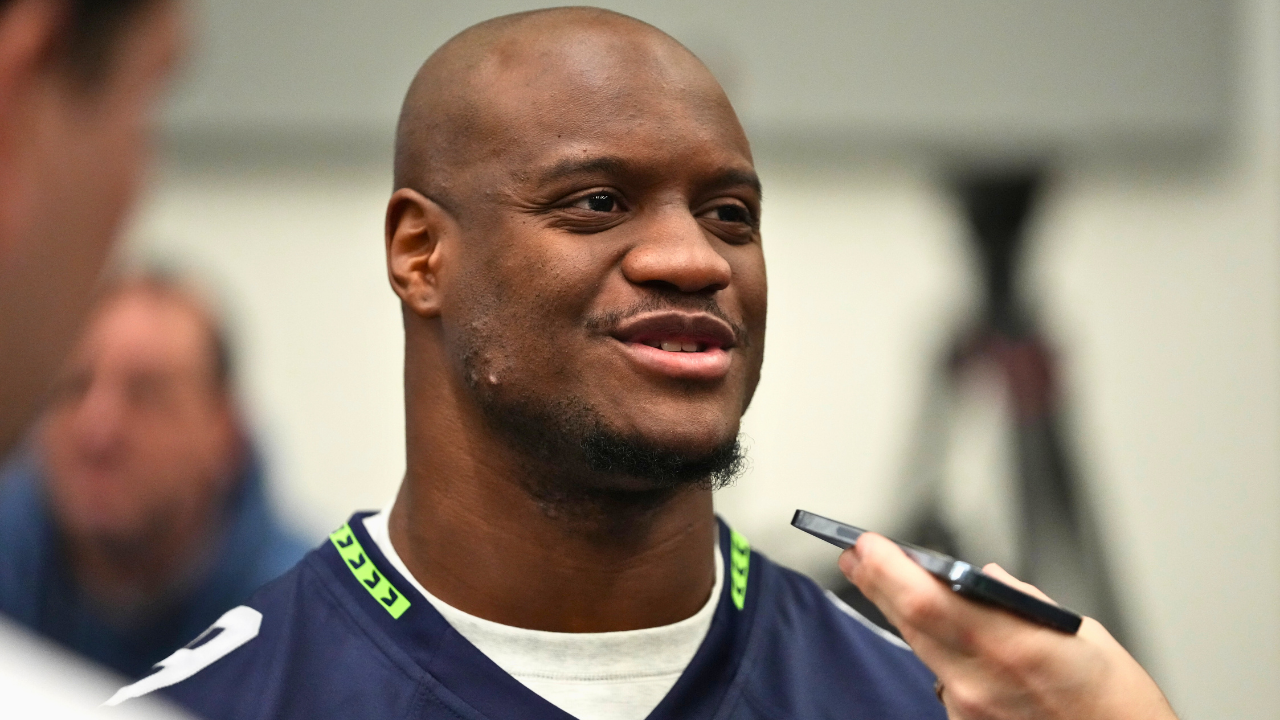
Feb 5, 2026; San Jose, CA, USA; Seattle Seahawks running back Kenneth Walker III (9) talks to media members at the San Jose Marriott. Mandatory Credit: Darren Yamashita-Imagn Images
DAZN projects the 2026 salary cap to exceed $300 million, increasing costs across premium positions. Seattle’s $73 million cap decreases after bonuses and championship-related escalators. Walker may become the first Super Bowl MVP in more than 20 years to change teams because of financial constraints, not performance. Dallas may pay nearly double to retain Pickens for one season. Running backs are devalued despite playoff production. Receivers receive top compensation regardless of postseason outcomes. The salary cap structure ensures champions are rarely immune from economic pressures, reshaping roster continuity across the league.
If you enjoyed this article please like and follow us here on MSN! Thank you for reading and have a great day!
Sources:
Seahawks unlikely to use tags on Kenneth Walker III. ESPN, February, 16 2026.
Kenneth Walker III free agency: Seahawks unlikely to use franchise tag on Super Bowl MVP, per report. CBS Sports, February, 16 2026.
2026 NFL franchise tag candidates: Kyle Pitts, George Pickens. ESPN, February, 15 2026.
2026 NFL Franchise Tag Candidates. Pro Football Rumors, February, 16 2026.
Seahawks’ Great Salary Cap Space Comes at Perfect Time. Yahoo Sports, February, 12 2026.
NFL salary cap expected to skyrocket beyond $300M in 2026. DAZN, January, 30 2026.