
A quarterback sitting in a residential treatment facility for gambling addiction just did something no college athlete has done before. Brendan Sorsby filed a civil lawsuit in Lubbock County District Court against the NCAA, demanding a judge restore his eligibility before the clock runs out. His admitted conduct, according to the rulebook: placing $5 to $50 bets on his own team to win. His potential punishment, under NCAA guidelines: permanent loss of eligibility in all sports. The same organization that operates inside a $13.7 billion betting industry could end his career over pocket change.
The Senior Season on the Line
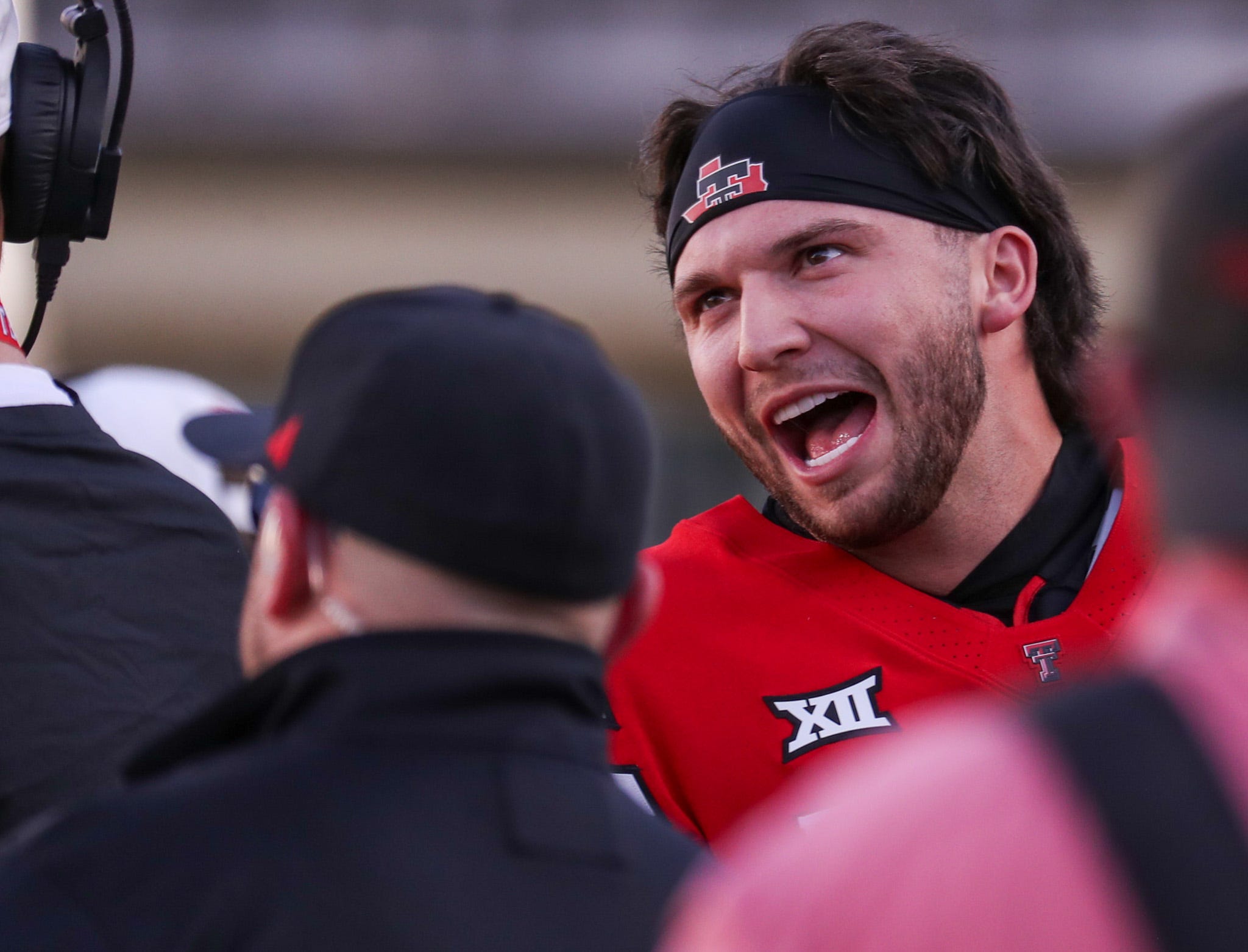
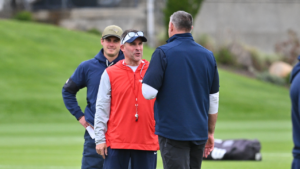
Texas Tech’s Brendan Sorsby talks to coaches during the spring football game, Friday, April 17, 2026, at Jones AT&T Stadium.
Sorsby arrived at Texas Tech as one of the most sought-after quarterbacks in the transfer portal, reportedly signing one of the most lucrative NIL deals of the offseason. He had transferred from Cincinnati after one season with the Bearcats, who had taken him from Indiana the year prior. The stakes were loaded before a single snap. His legal team requested a June 15 court hearing, roughly one week before the deadline to apply for the NFL’s supplemental draft. Miss that window, and a year of professional limbo replaces a senior season under stadium lights. Every day of NCAA silence costs him leverage he cannot recover.
Thousands of Wagers, Zero Fixed Games
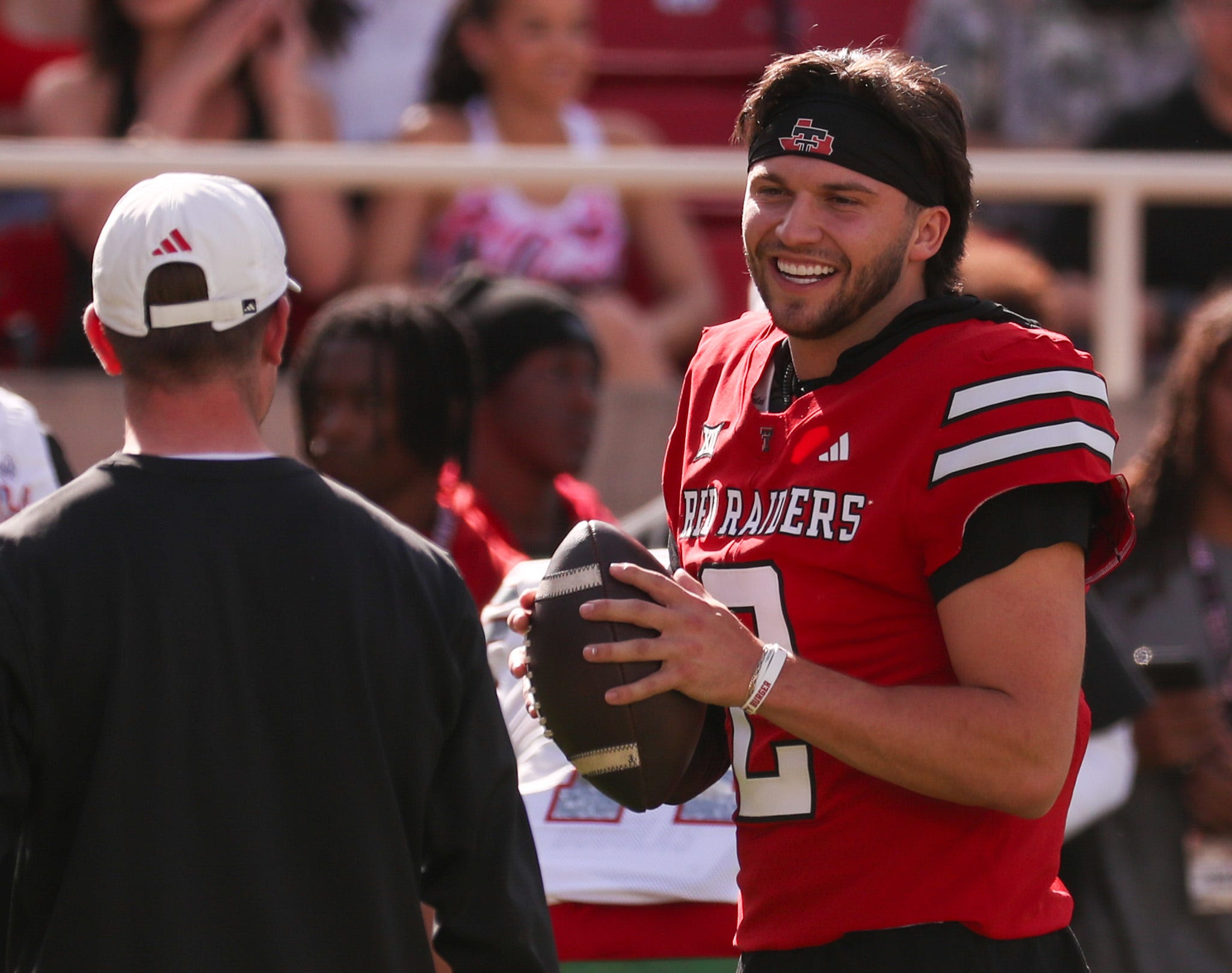
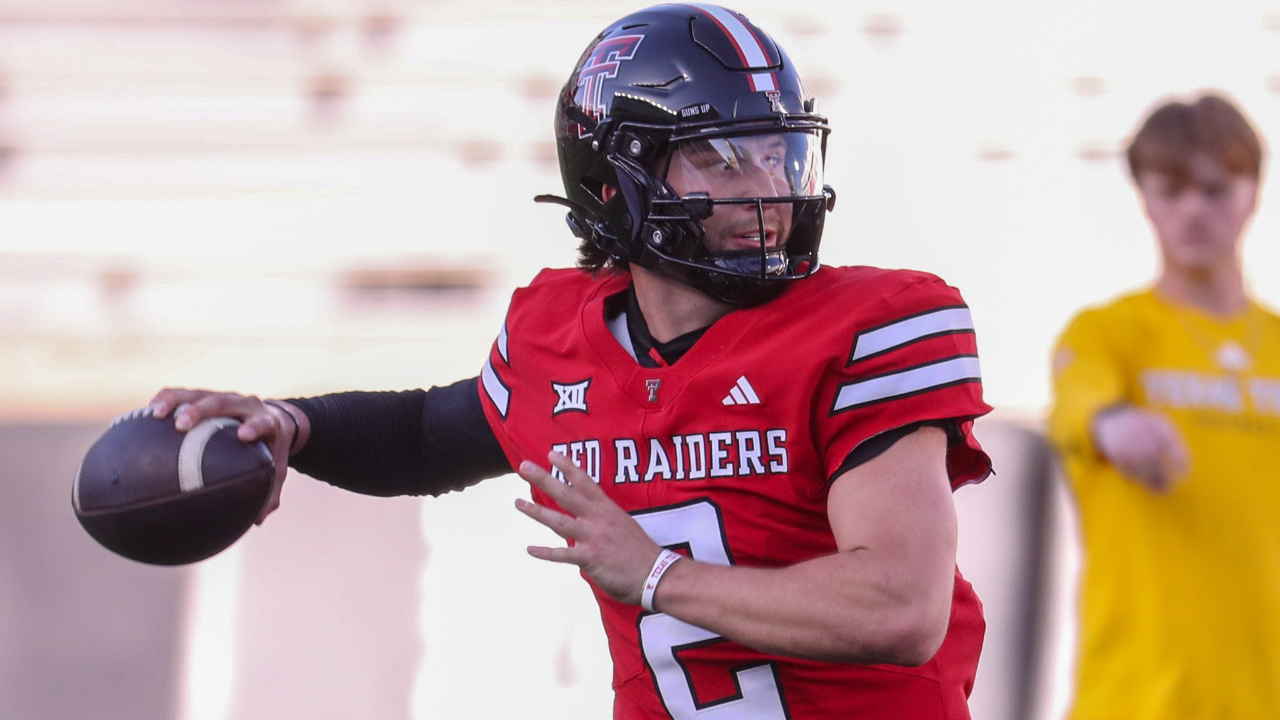
Texas Tech’s Brendan Sorsby goes through warmups before the spring football game, Friday, April 17, 2026, at Jones AT&T Stadium.
The volume is staggering: thousands of online bets since 2022 across MLB, UFC, tennis, Romanian soccer, Turkish basketball, even a hot dog eating contest. Most fans assume gambling scandals involve greed or game-fixing. Neither applies here. Multiple reports confirm no evidence Sorsby tried to influence outcomes or share inside information, and his gambling has not drawn the attention of law enforcement. No criminal charges exist. The NCAA’s own harshest penalty tier could activate anyway, because a handful of those bets touched Indiana football.
Betting to Feel Connected
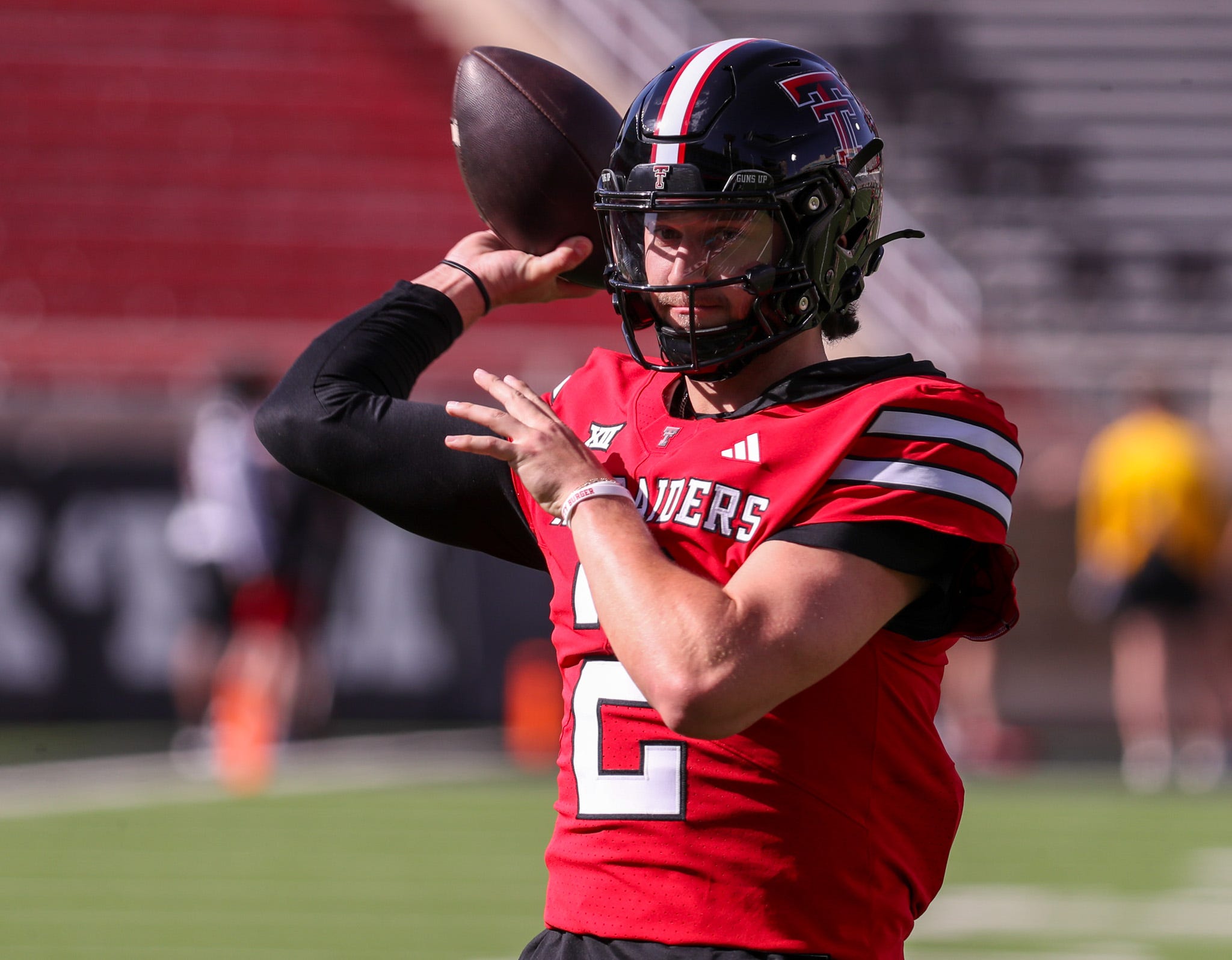
Texas Tech’s Brendan Sorsby goes through warmups before the spring football game, Friday, April 17, 2026, at Jones AT&T Stadium.
Here is where the story cracks open. Sorsby’s affidavit says he placed small bets on Indiana football while redshirting in 2022, always backing his team to win or teammates to exceed statistical expectations. “Betting was his way of feeling connected to a team he could only watch from the sidelines,” the complaint reads. A lonely freshman on a phone app. Five-dollar wagers. Rooting for his friends. That emotional coping mechanism now places him in the NCAA’s permanent-loss-of-eligibility category. The thing that made him feel part of the team could permanently remove him from the sport.
The System Behind the Scandal
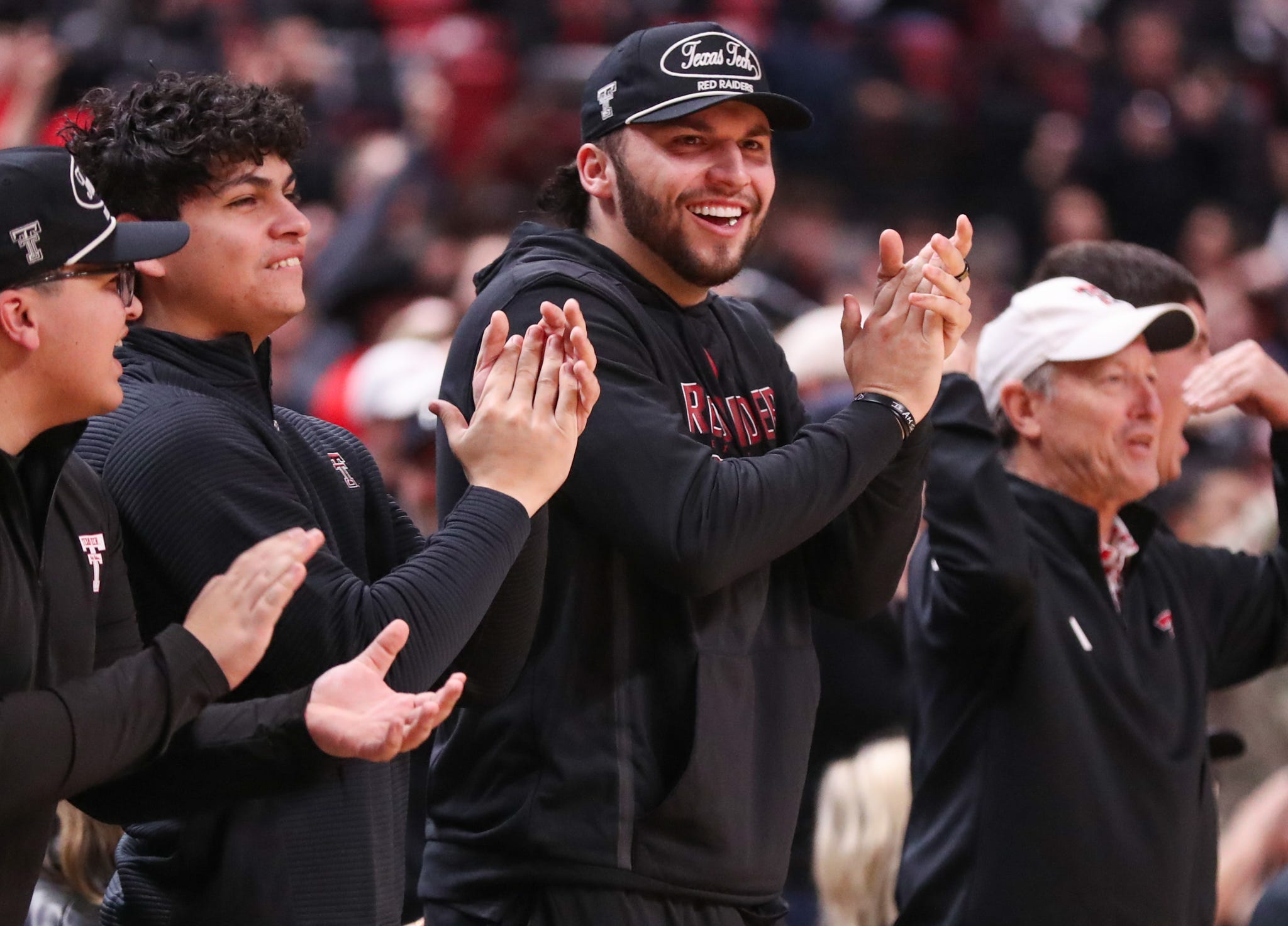
Texas Tech football team quarterback Brendan Sorsby reacts to a play during a Big 12 Conference men’s basketball game, Saturday, Jan. 24, 2026, in United Supermarkets Arena.
The NCAA’s 2023 guidelines draw one bright line: bet on your own team, face permanent ineligibility. No exception for bet size. No exception for motive. No exception for a clinically diagnosed gambling disorder. Cumulative wagers exceeding $800 can cost 30 percent of a season; wagers “greatly exceeding” that threshold can justify permanent ineligibility. Sorsby’s total handle dwarfs $800 by orders of magnitude. The enforcement machinery treats a redshirt freshman’s $5 parlay the same as a starter throwing a game. That structural blindness is the hidden engine driving this case toward court.
The Numbers That Expose the Hypocrisy
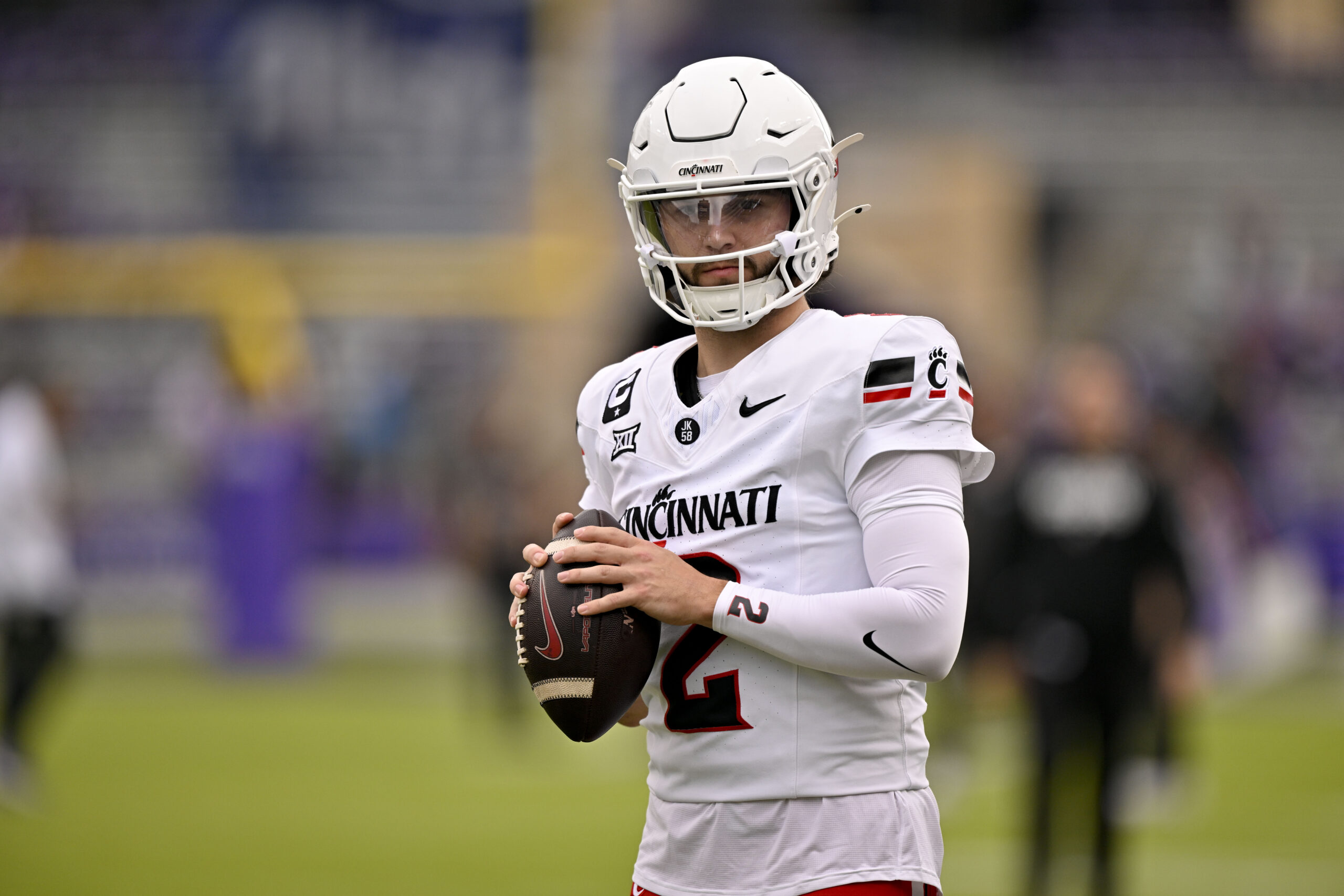
Nov 29, 2025; Fort Worth, Texas, USA; Cincinnati Bearcats quarterback Brendan Sorsby (2) warms up before the game against the TCU Horned Frogs at Amon G. Carter Stadium. Mandatory Credit: Jerome Miron-Imagn Images
U.S. sportsbook revenue jumped from roughly $11 billion in 2023 to $13.7 billion in 2024, fueled by aggressive advertising and risk-free bet promotions aimed at exactly the demographic Sorsby belongs to. The NCAA operates inside that ecosystem. Its media partners run betting ads during broadcasts of the games these athletes play. His filing accuses the NCAA of having “exploited his situation to uphold a façade of competitive integrity while profiting from the very gambling environment it oversees.” Punishing the player while profiting from the culture that created his addiction is a contradiction the courtroom will have to untangle.
The Ripple Beyond Lubbock
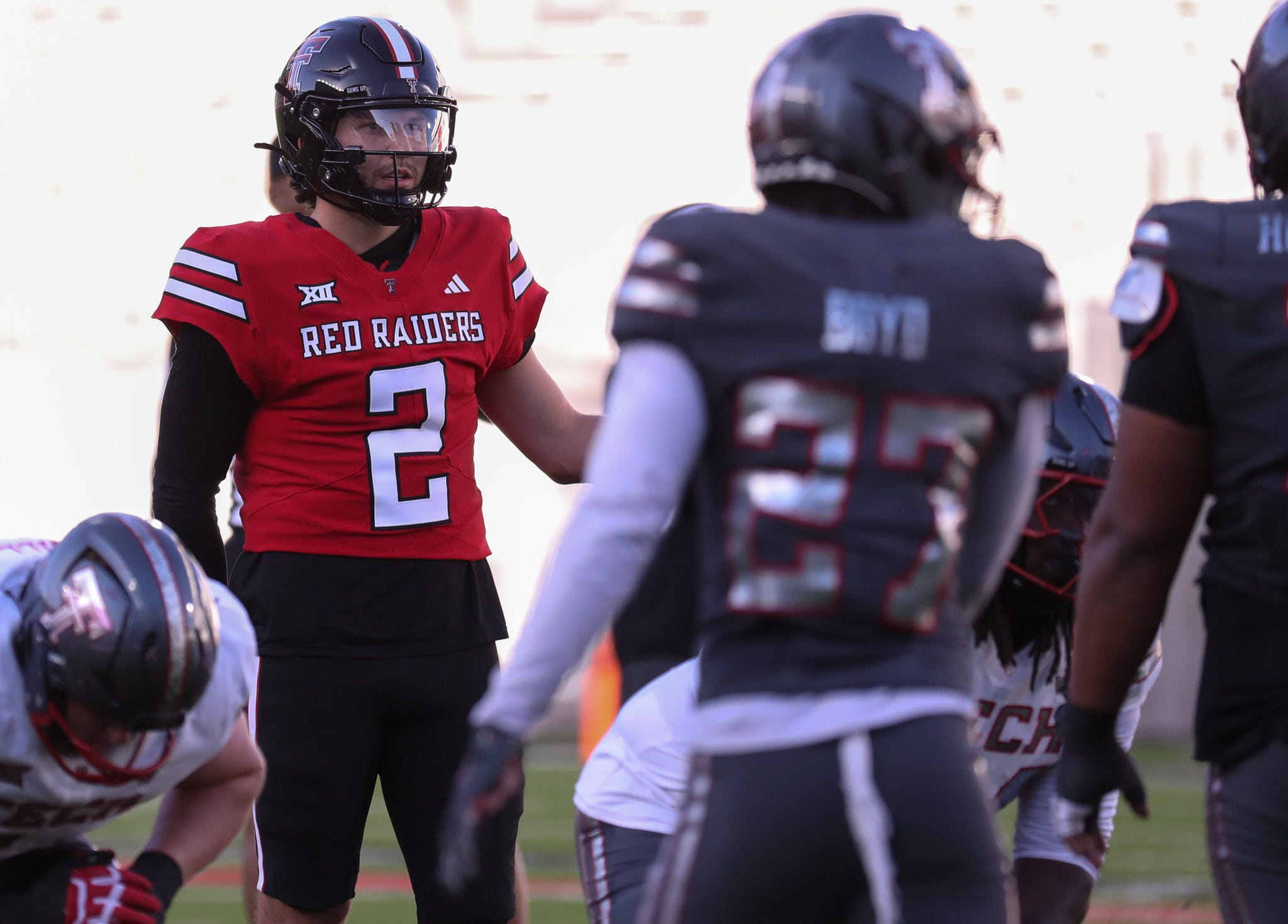
Texas Tech’s Brendan Sorsby looks on during the spring football game, Friday, April 17, 2026, at Jones AT&T Stadium.
Texas Tech declared Sorsby ineligible based on an agreed stipulation of facts among the school, the NCAA, and Sorsby, then announced plans to immediately initiate the reinstatement process. That procedural posture leaves a high-profile roster investment in limbo and a coaching staff without its quarterback. If the injunction fails, other athletes under gambling investigation face the same message: seek treatment, admit the problem, and watch the rulebook bury you anyway. Sorsby’s team says the NCAA’s review has dragged on while the supplemental-draft clock ticks.
The Lawyer Who Already Beat the NCAA
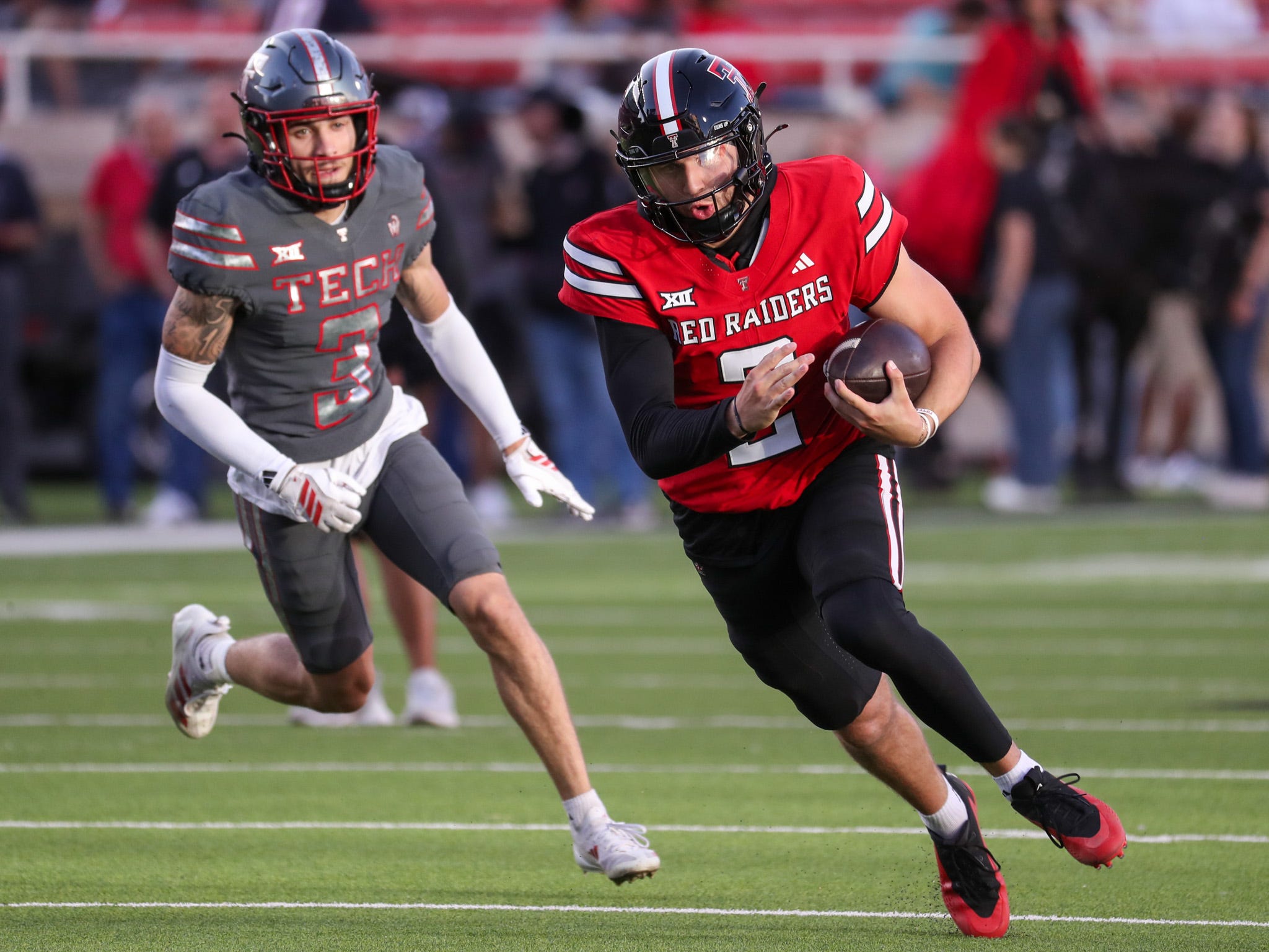
Brendan Sorsby runs with the ball during the Texas Tech football team’s spring game, Friday, April 17, 2026, at Jones AT&T Stadium.
Jeffrey Kessler, the attorney who won the landmark House v. NCAA antitrust case and forced the association toward revenue sharing, now represents Sorsby alongside Scott Tompsett. That hiring alone signals this goes beyond a routine eligibility appeal. The complaint argues the NCAA “failed to comply with its contractual commitments” to Sorsby and is therefore “precluded from enforcing its gambling bylaws” to deny his reinstatement. Kessler already proved courts will second-guess NCAA authority over money. Now he is testing whether courts will do the same over punishment. Any judicial opinion narrowing NCAA gambling enforcement becomes a weapon every future defendant can cite.
A Countdown With No Margin
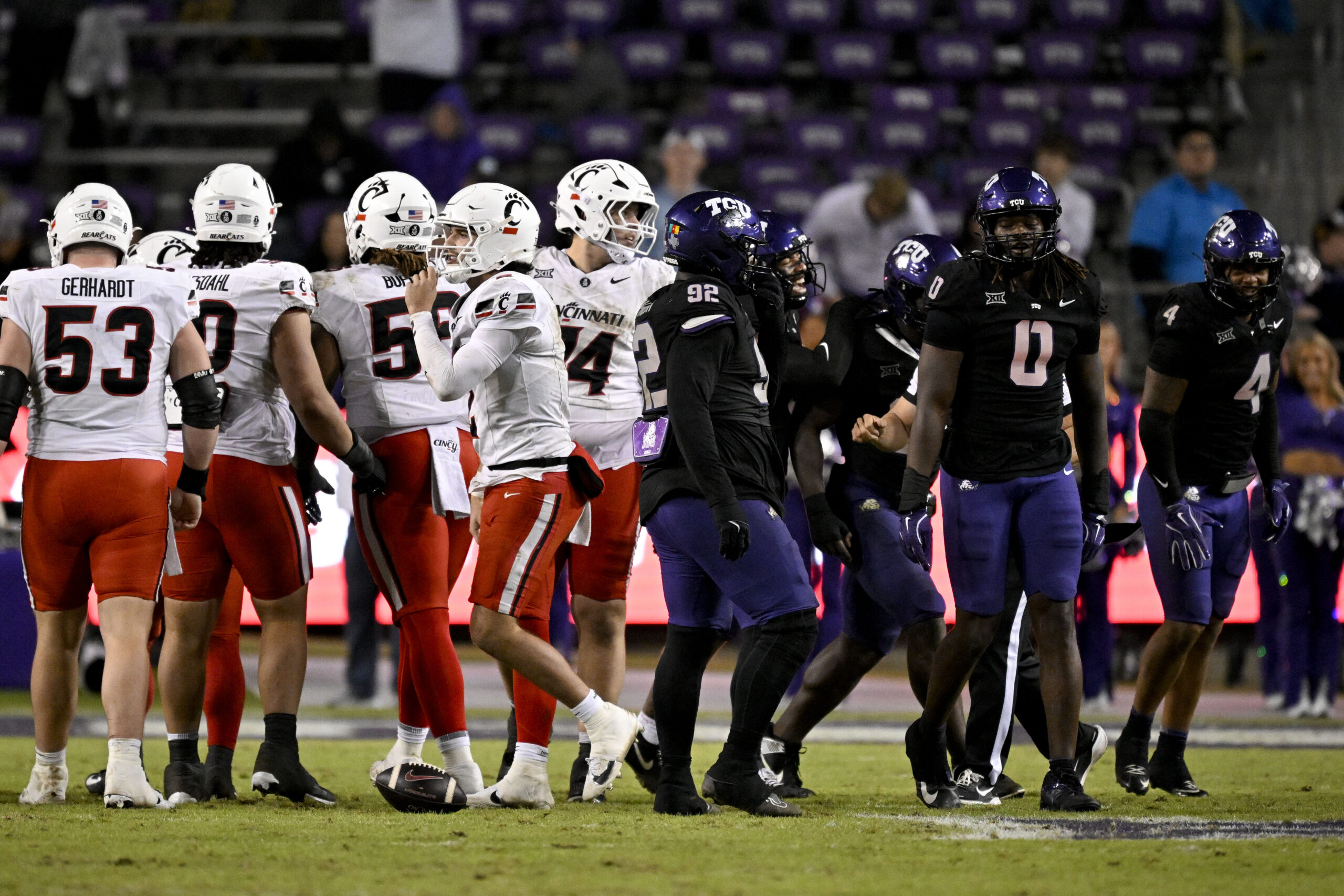
Nov 29, 2025; Fort Worth, Texas, USA; The TCU Horned Frogs defense celebrates after sacking Cincinnati Bearcats quarterback Brendan Sorsby (2) during the second half at Amon G. Carter Stadium. Mandatory Credit: Jerome Miron-Imagn Images
Sorsby’s filing seeks both temporary and permanent injunctive relief enjoining the NCAA from interfering with his ability to practice and play in 2026. The filing warns of “irreparable harm” if the injunction fails, because a senior season cannot be replayed and the supplemental draft deadline does not wait. Gambling disorder entered the DSM in 1980 and gained recognition as a behavioral addiction alongside substance-use disorders. The NCAA’s rulebook still treats it as a violation deserving maximum punishment, not a medical condition requiring graduated care.
Diagnosed the Disease, Abandoned the Patient
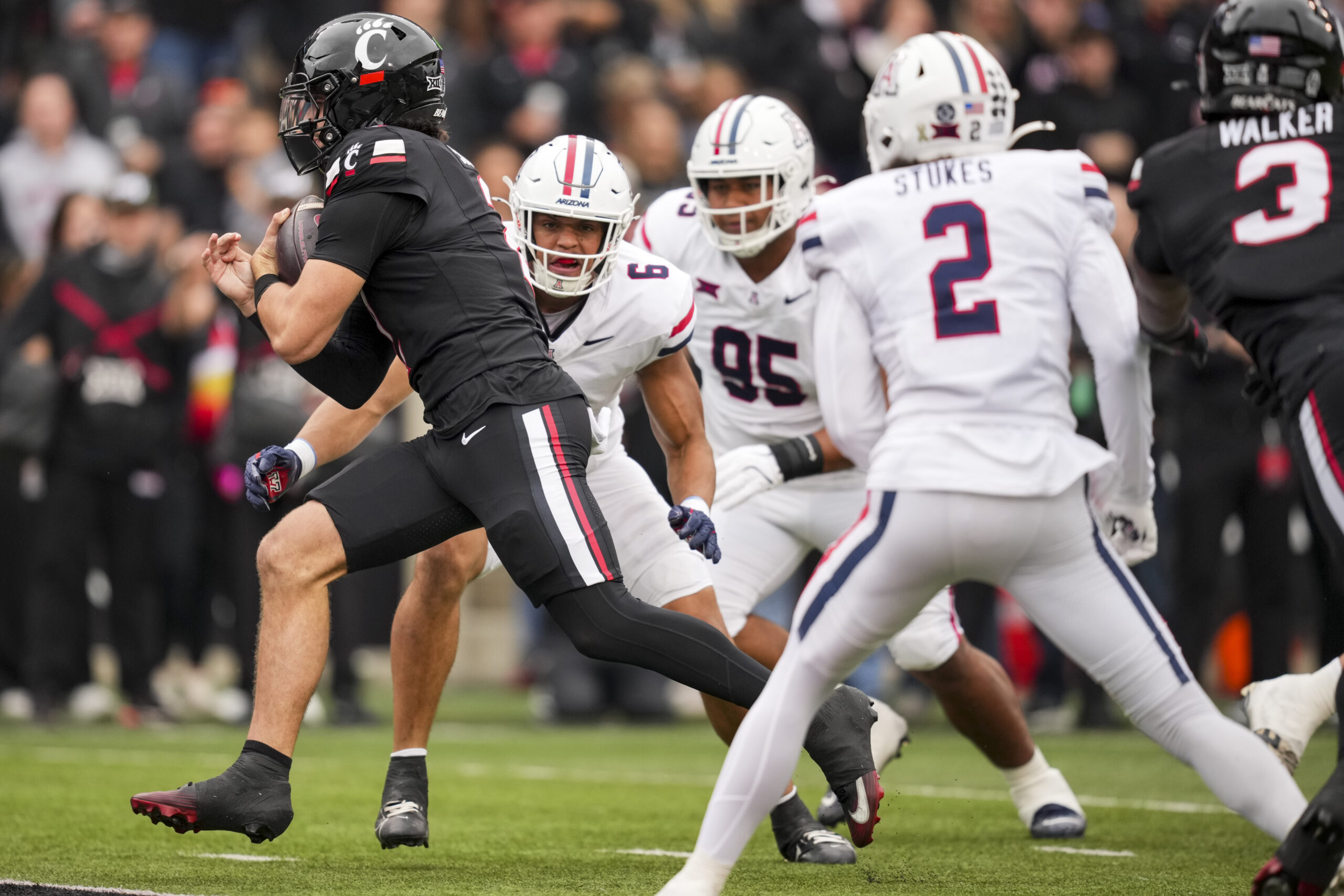
Nov 15, 2025; Cincinnati, Ohio, USA; Cincinnati Bearcats quarterback Brendan Sorsby (2) carries the ball for a touchdown against the Arizona Wildcats in the first half at Nippert Stadium. Mandatory Credit: Aaron Doster-Imagn Images
The lawsuit’s framing — that the NCAA “exploited his situation to uphold a façade of competitive integrity while profiting from the very gambling environment it oversees” — is the line people will remember. It reframes the entire debate: the association acknowledges gambling addiction exists, then applies a penalty structure that offers no meaningful distinction between a sick person and a corrupt one. If this injunction succeeds, the NCAA faces pressure to build mental-health carve-outs into its sanctions. If it fails, every college athlete with a phone and a betting app now knows the system will treat their illness as a career-ending offense. Where do you draw the line — is Sorsby a cautionary tale of addiction the NCAA should treat with care, or did he forfeit his career the moment he bet on his own team? Drop your verdict in the comments.