
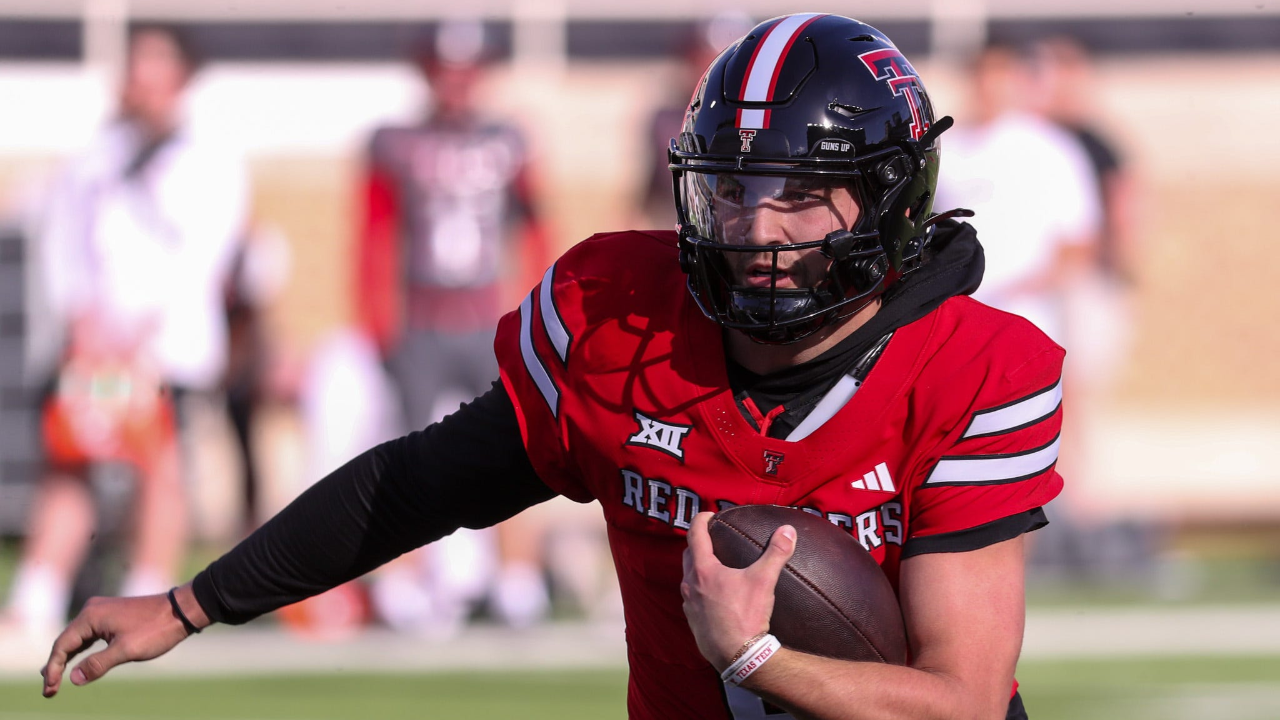
The No. 1 quarterback in the 2026 transfer portal, a projected Heisman finalist with 7,208 career passing yards and 60 touchdowns, just vanished from college football. Brendan Sorsby checked into a residential treatment facility on April 28 for gambling addiction after the NCAA’s investigation identified thousands of online bets placed across four years and three universities. His $4-6 million annual NIL deal with Texas Tech, the defending Big 12 champion, now sits frozen. That number alone should tell you how much was at stake. The part about how many people this reaches beyond Sorsby is bigger.
The Machine Behind the Spiral
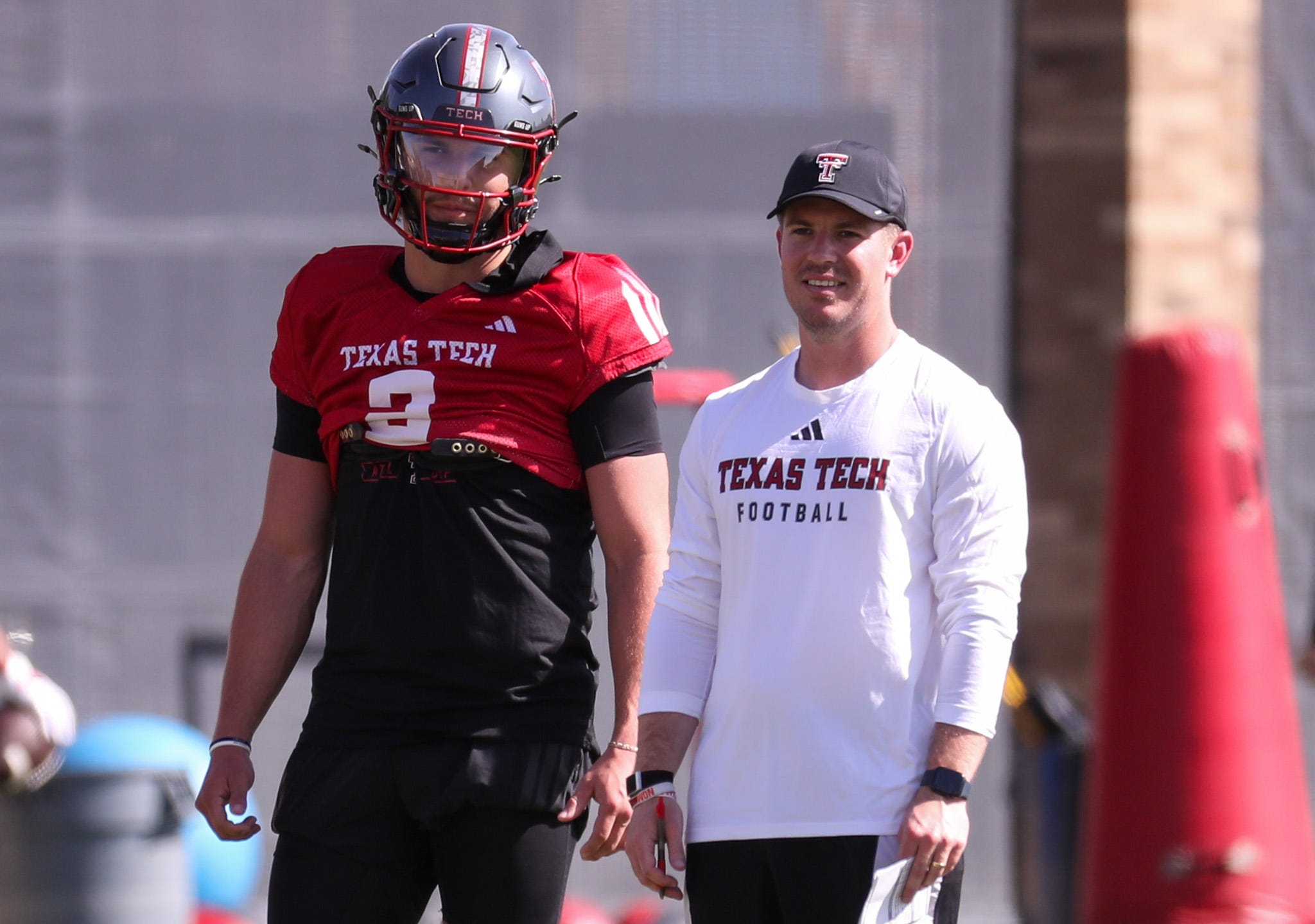
Texas Tech’s Brendan Sorsby and offensive coordinator Mack Leftwich look on during spring football practice, Thursday, March 26, 2026, at the Womble Football Center.
Since the Supreme Court struck down PASPA in May 2018, Americans have wagered over $330 billion on sports. Thirty-nine states plus D.C. and Puerto Rico legalized betting markets. Sorsby started placing bets as a true freshman at Indiana in 2022, when he was 18 years old. Legal sportsbook age is 21. The apps found him anyway. ESPN described his pattern as a “steady flurry of small bets” across multiple sports. That pattern, frequent low-dollar wagers through a gambling app, matches clinical markers for compulsive gambling behavior. The legal market built the pipeline. Sorsby walked into it before he could legally drink.
Indiana to Cincinnati to Lubbock: The Transfer Trail
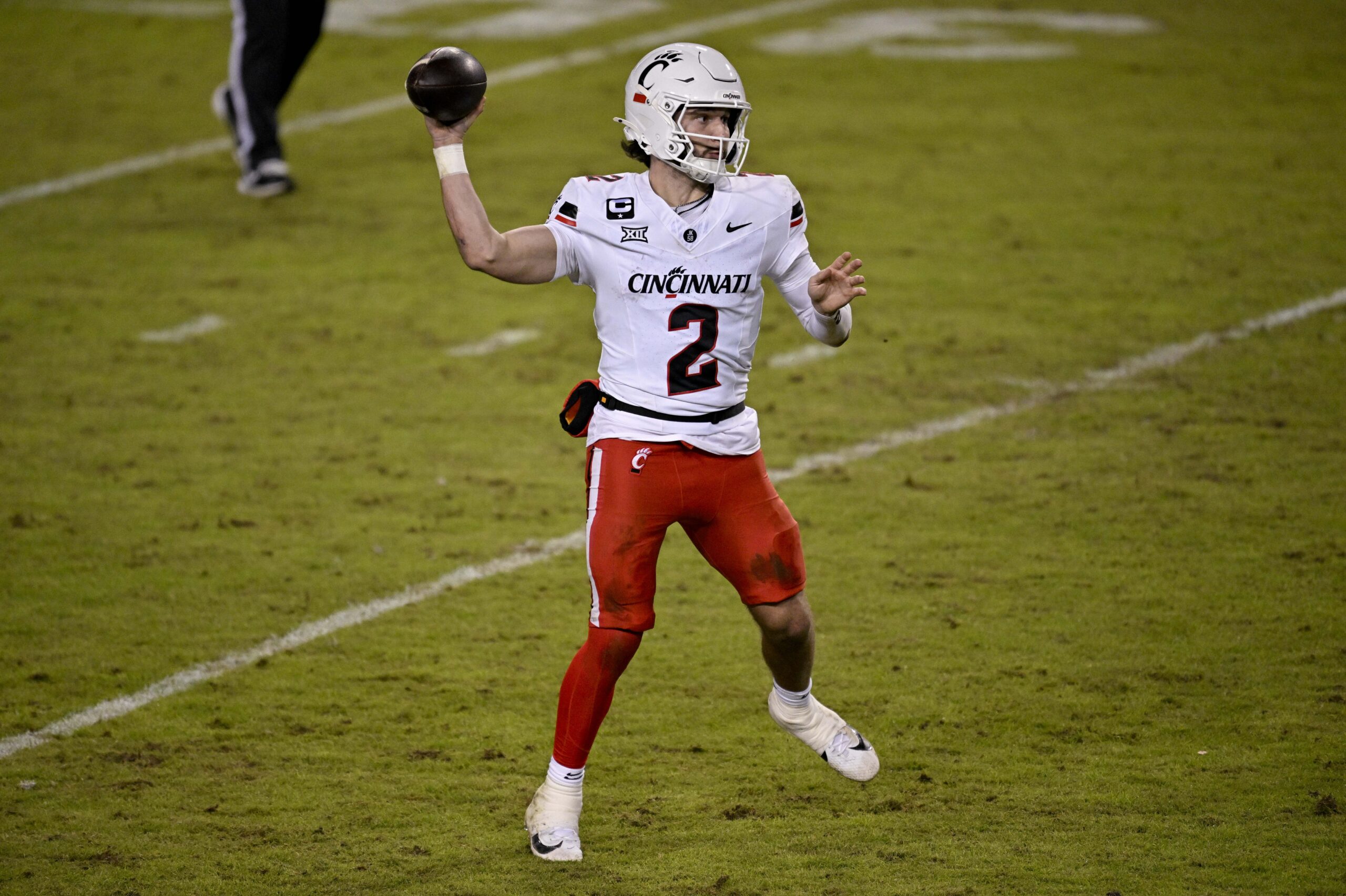
Nov 29, 2025; Fort Worth, Texas, USA; Cincinnati Bearcats quarterback Brendan Sorsby (2) throws the ball during the game between the Horned Frogs and the Bearcats at Amon G. Carter Stadium. Mandatory Credit: Jerome Miron-Imagn Images
Sorsby’s path through college football crossed three programs in four seasons. He redshirted at Indiana in 2022, then started in 2023 before transferring to Cincinnati ahead of the 2024 season. At Cincinnati he put up the bulk of his production, capped by a five-touchdown first quarter against Houston that set a program record. He entered the transfer portal in December 2025 and committed to Texas Tech on January 4, 2026, ranked by ESPN as the top player available. His 7,208 career passing yards and 60 touchdowns reflect that arc across all three stops.
The Eligibility Cliff
Penn State’s Nick Singleton runs with the ball in the first half of an NCAA football game against West Virginia, Saturday, August 31, 2024, in Morgantown, W. Va.
Under NCAA guidelines updated in 2023, student-athletes who wager on their own games face permanent loss of collegiate eligibility in all sports. Sorsby bet on Indiana football while redshirting in 2022. He appeared in exactly one game that season, a 45-14 loss to Penn State, and none of his bets came during that appearance. No evidence of outcome manipulation exists. No law enforcement involvement. But the NCAA rule draws no distinction between intent and action. A bet is a bet. His final season of eligibility, the only one he had left, may already be gone.
How the NCAA Actually Detects Bets
Apr 25, 2026; Notre Dame, IN, USA; Fans watch during the Blue-Gold game at Notre Dame Stadium. Mandatory Credit: Michael Caterina-Imagn Images
The NCAA does not run its own surveillance on sportsbook traffic. It relies on third-party integrity monitors such as U.S. Integrity and Sportradar, which flag unusual wagering patterns and subscriber data for follow-up. When a flag lands, the NCAA coordinates with the school’s compliance office, which is how Texas Tech was first notified about Sorsby’s betting activity before his treatment decision went public. Legal sportsbooks must cooperate with these monitors under state regulator requirements. Offshore books and unregulated apps do not. That gap is the reason Sorsby could place wagers for four years across three campuses before anyone intervened.
A Championship Program Scrambles
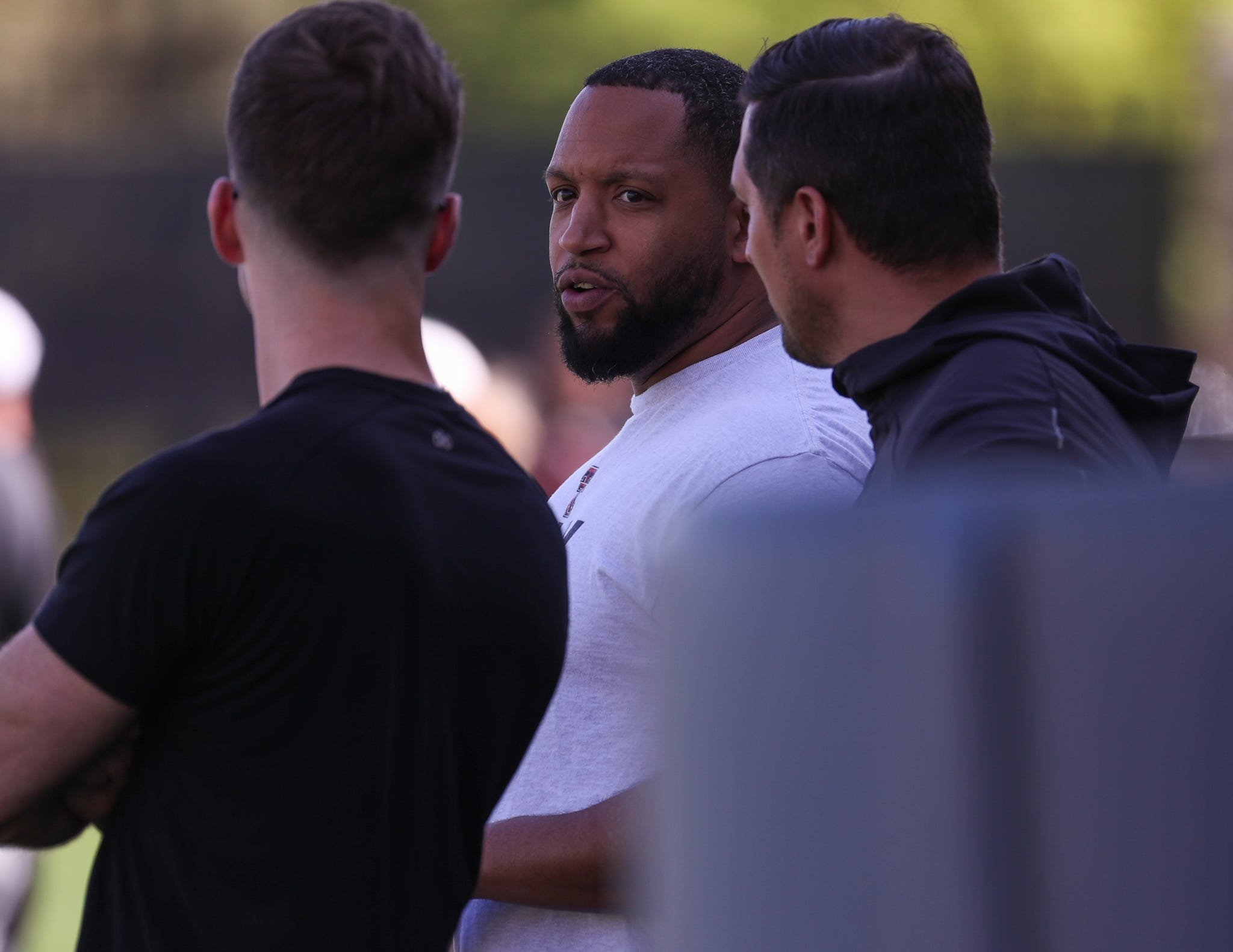
Texas Tech general manager James Blanchard attends spring football practice, Thursday, April 9, 2026, at the Womble Football Center.
Texas Tech won the Big 12 title in December 2025 with a 34-7 demolition of BYU. Sorsby was supposed to be the centerpiece of a championship defense. Texas Tech’s statement committed to “supporting Brendan through his recovery process,” framing this as mental health, not discipline. The recruiting math shifts overnight. A program built around a multi-million-dollar quarterback just lost him indefinitely. The coaching staff now has to rebuild an offensive identity in spring without its centerpiece, and the timeline for any return is open-ended.
What Texas Tech Loses on the Field
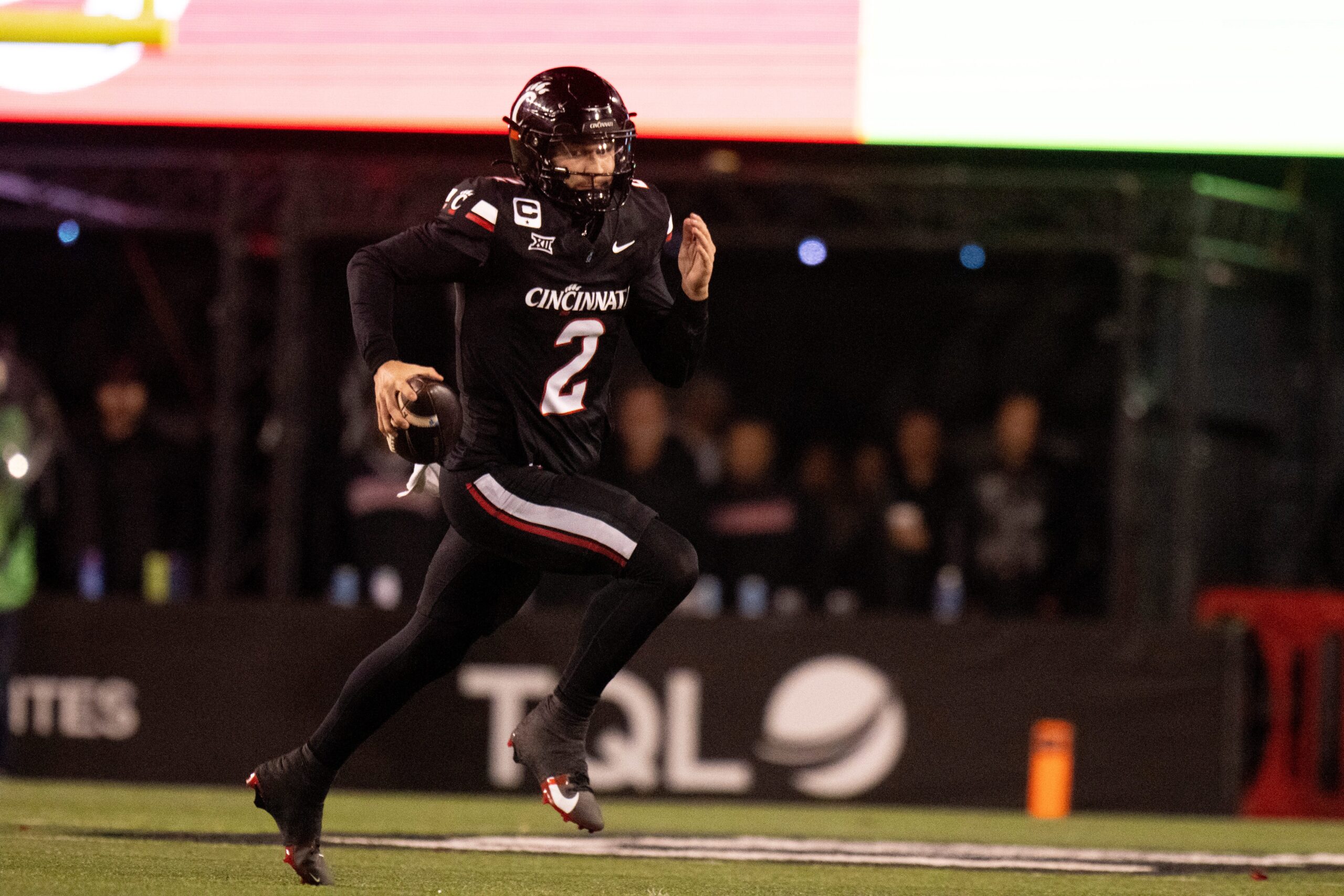
Cincinnati Bearcats quarterback Brendan Sorsby (2) runs for a first down in the fourth quarter of the NCAA football game between the Cincinnati Bearcats and BYU Cougars at Nippert Stadium in Cincinnati on Nov. 22, 2025.
Sorsby was not a depth chart decision. He was the reason Texas Tech projected as a preseason College Football Playoff contender heading into 2026. His 2024 Cincinnati film showed a dual threat capable of running Tech’s tempo scheme, and his portal ranking reflected consensus among evaluators that he was the most valuable available quarterback in the country. Replacing roughly 3,000 projected passing yards, a veteran snap count, and the play-action leverage that an established starter provides is not something a program fixes in one offseason. The title defense now hinges on an internal development curve rather than a proven starter.
The Backup Room in Detail
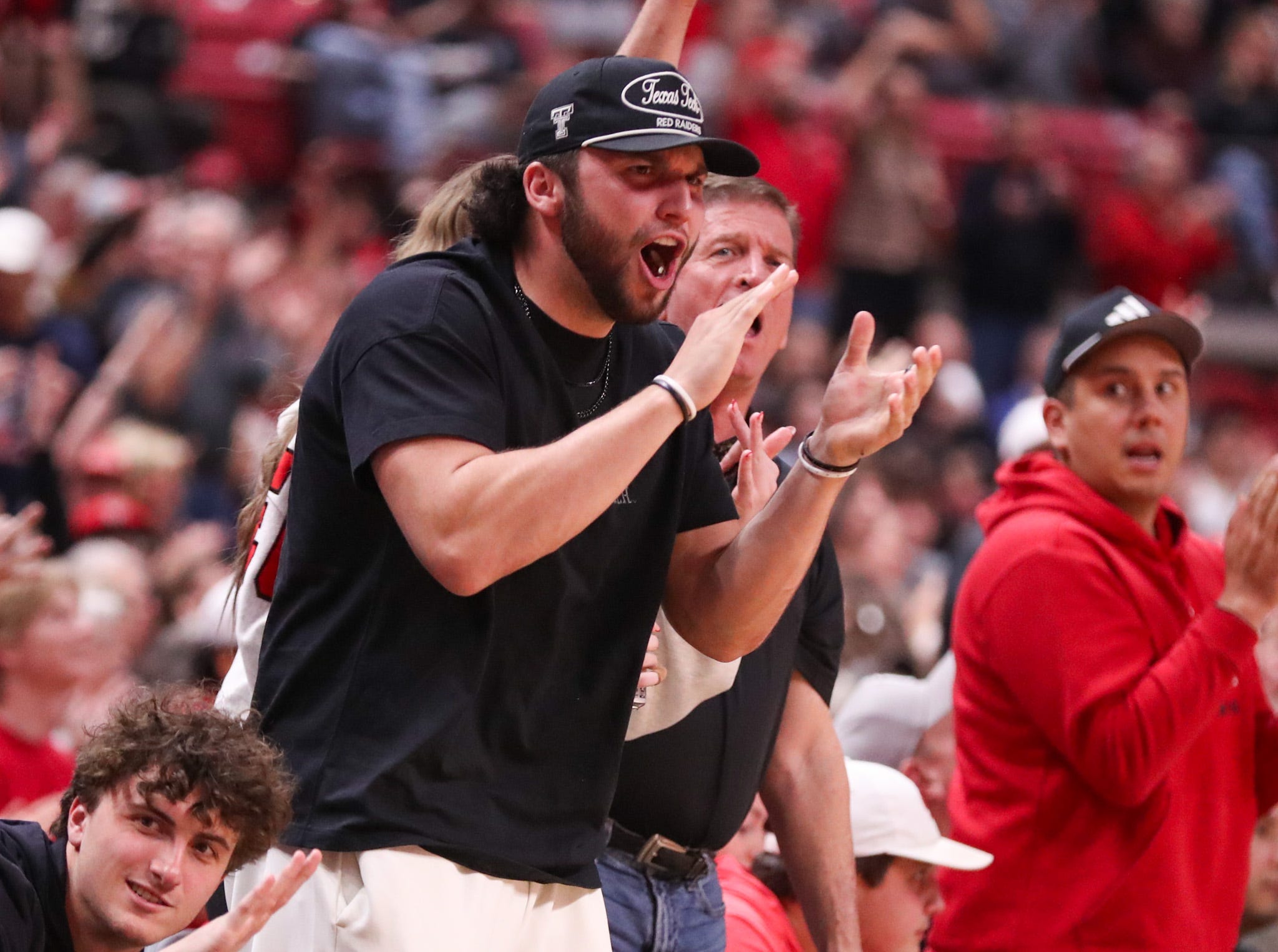
Texas Tech football player Brendan Sorsby reacts to a play during a Big 12 Conference men’s basketball game, Tuesday, Feb. 24, 2026, in United Supermarkets Arena.
With Sorsby on an open-ended leave, Texas Tech’s internal quarterback options move up the depth chart by default. The room carries a sophomore, a junior, and a redshirt freshman, none of whom have taken meaningful Big 12 snaps as a starter. Offensive coordinator adjustments will likely lean on shorter drop-back concepts and run-heavy packages until a clear QB1 emerges from spring and fall camp. The coaching staff has not publicly named a favorite. That silence is itself a tell about how much evaluation is still ahead of them.
The One Million Dollar Buyout Clause
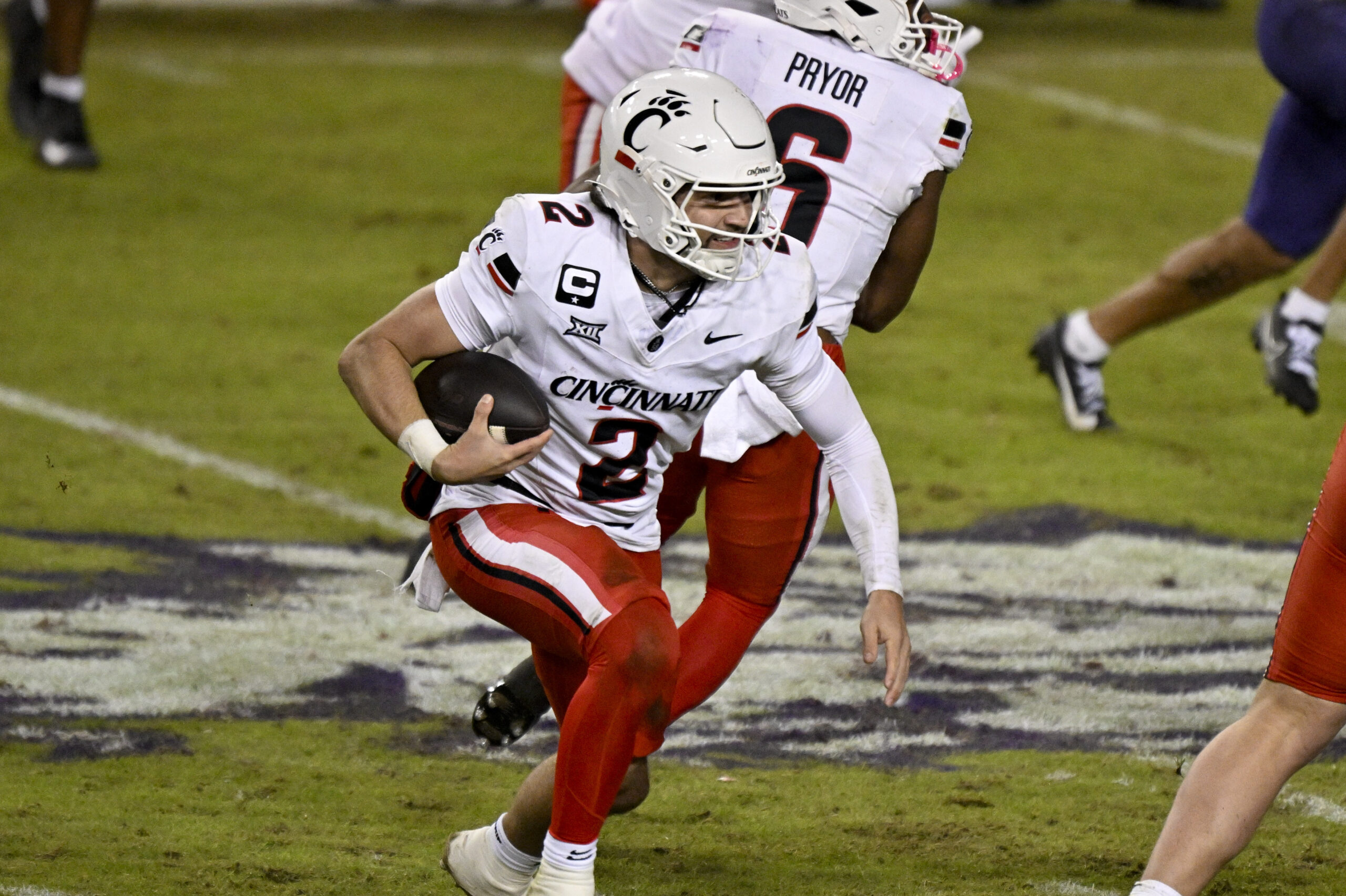
Nov 29, 2025; Fort Worth, Texas, USA; Cincinnati Bearcats quarterback Brendan Sorsby (2) runs with the ball during the second half against the TCU Horned Frogs at Amon G. Carter Stadium. Mandatory Credit: Jerome Miron-Imagn Images
Cincinnati filed suit against Sorsby on February 24, 2026 in the U.S. District Court for the Southern District of Ohio, seeking a one million dollar exit fee tied to his NIL agreement with the Bearcats. The case is one of the first major tests of whether universities can enforce buyout clauses against athletes who transfer, and the outcome will shape how every future NIL contract in Division I is drafted. That lawsuit now targets a 22-year-old in residential treatment. Cincinnati has not publicly indicated any intention to pause proceedings in light of his admission.
A Broader Pattern of Cases
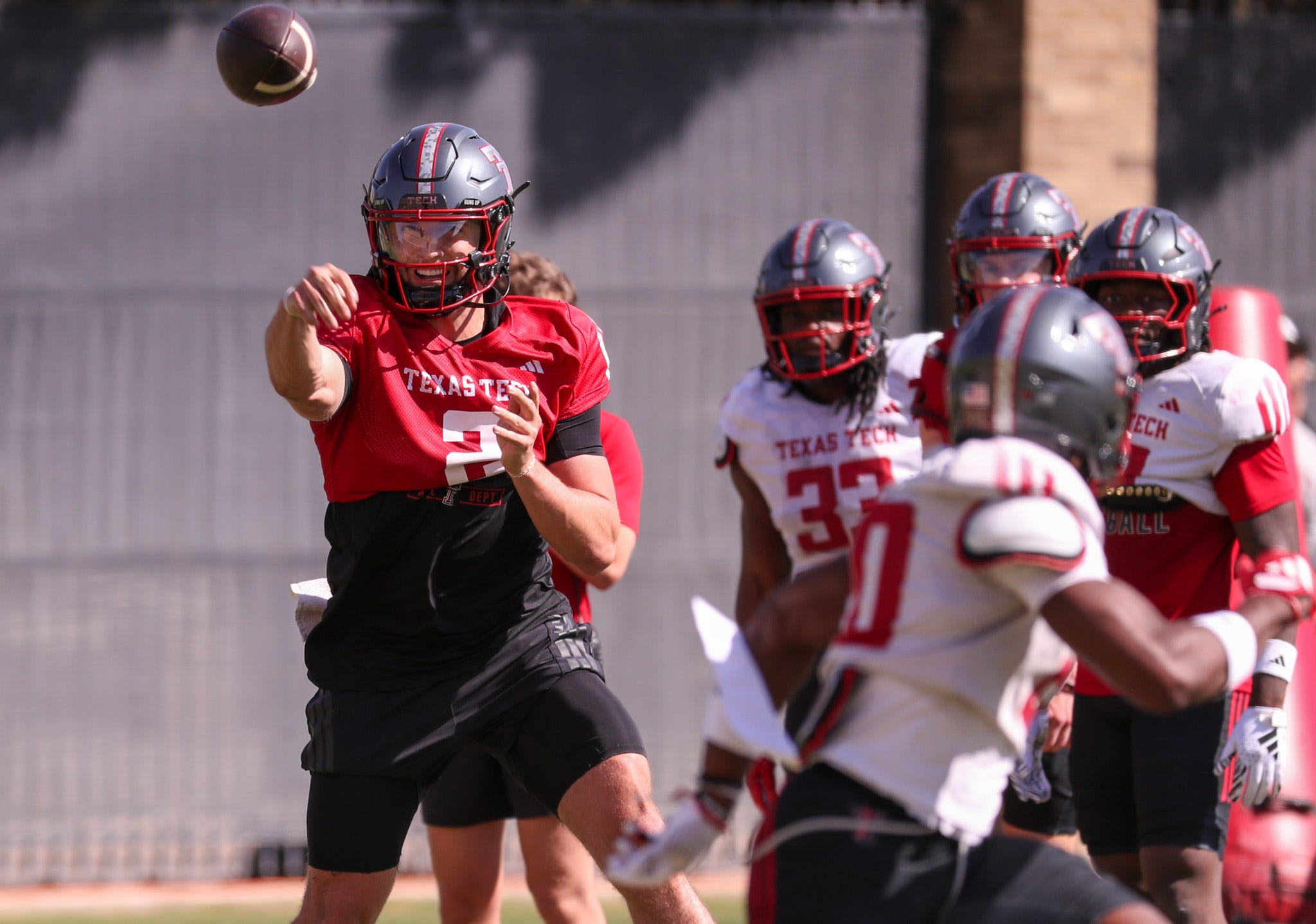
Texas Tech’s Brendan Sorsby throws a pass during spring football practice, Thursday, March 26, 2026, at the Womble Football Center.
Sorsby is not alone in facing an NCAA betting inquiry. In September 2025, the NCAA announced an investigation into 13 former men’s college basketball players from six schools, Eastern Michigan, Temple, Arizona State, New Orleans, North Carolina A&T, and Mississippi Valley State, for betting violations including point shaving and game manipulation. That probe is separate from Sorsby’s football case, but it reflects the same enforcement environment he now enters. A University of Mississippi study found 39% of college students gamble. Six percent of college sports bettors meet clinical criteria for problem gambling. Apply that to every roster in Division I. The number stops looking like a scandal and starts looking like an epidemic.
Jontay Porter and the Pro Precedents

Jul 14, 2023; Pittsburgh, Pennsylvania, USA; Pittsburgh Pirates shortstop Tucupita Marcano (30) throws to first base to retire San Francisco Giants left fielder Austin Slater (not pictured) during the first inning at PNC Park. Mandatory Credit: Charles LeClaire-Imagn Images
Professional leagues have moved faster than the NCAA on betting enforcement, and their precedents shape how Sorsby’s case will be judged. The NBA banned Jontay Porter for life in 2024 after he shared confidential information and limited his own participation in games. MLB issued a lifetime ban to Tucupita Marcano in 2024 for betting on games involving his own team. The NFL suspended Isaiah Rodgers indefinitely in 2023 for betting on league games, later reinstating him. The pro playbook has been consistent. Betting on your own sport draws the harshest penalty available, regardless of whether outcomes were manipulated.
A Speed Limit With No Police
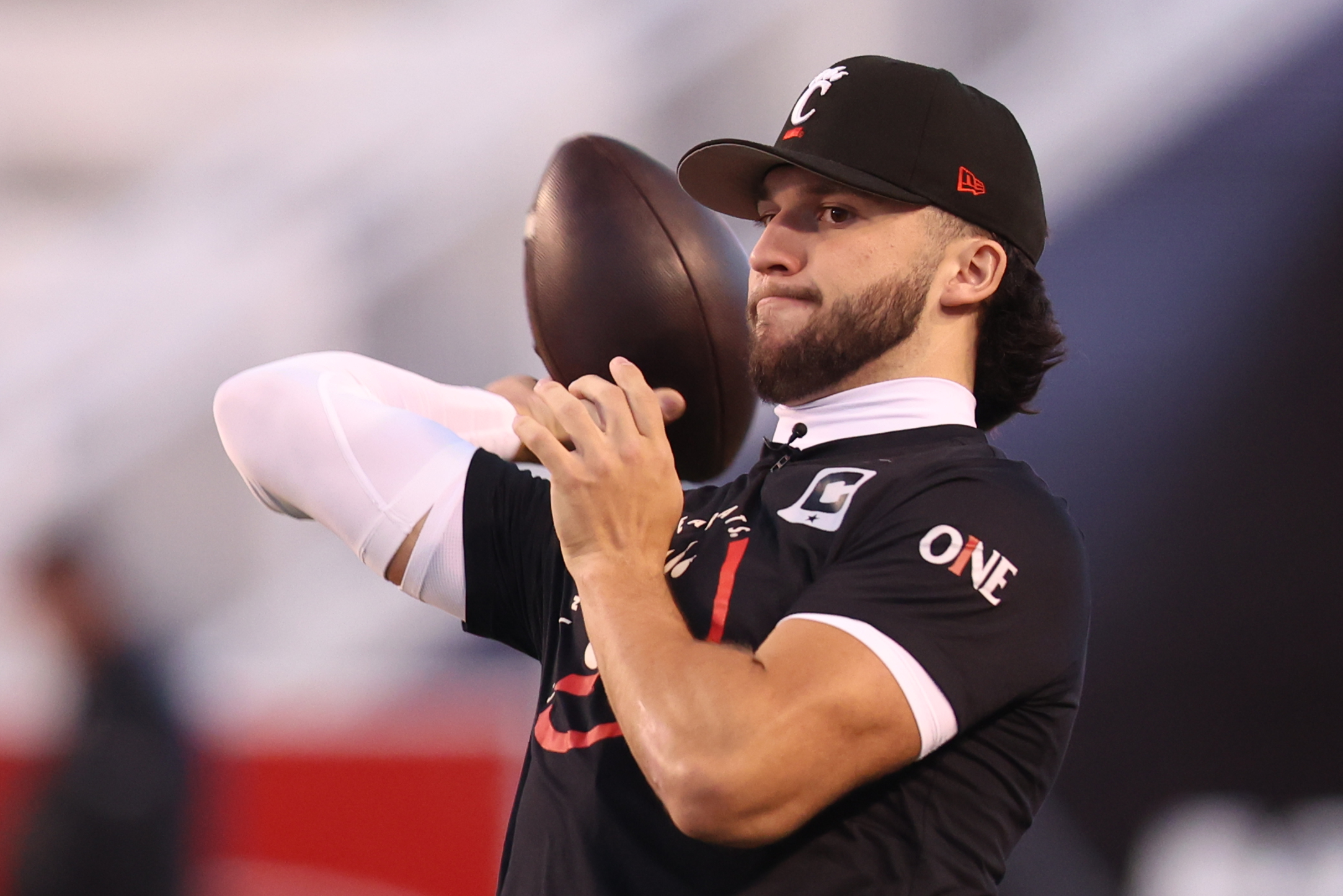
Nov 1, 2025; Salt Lake City, Utah, USA; Cincinnati Bearcats quarterback Brendan Sorsby (2) warms up before the game against the Utah Utes at Rice-Eccles Stadium. Mandatory Credit: Rob Gray-Imagn Images
Here is the mechanism connecting every one of these ripples. The NCAA bans all athlete wagering on college and professional sports. Absolute prohibition. But the NCAA has zero enforcement authority over offshore bookmakers or unregulated gambling apps that reach underage users. Sportsbook algorithms optimize for frequent small bets, the exact pattern Sorsby exhibited. Legal market. Illegal behavior. No screening. No detection. Sorsby bet for four years across three schools before anyone caught it. $330 billion in legal wagers since 2018. Pre-2018 enforcement tools. Same rule. Same ban. Completely different world.
The Voice From Inside
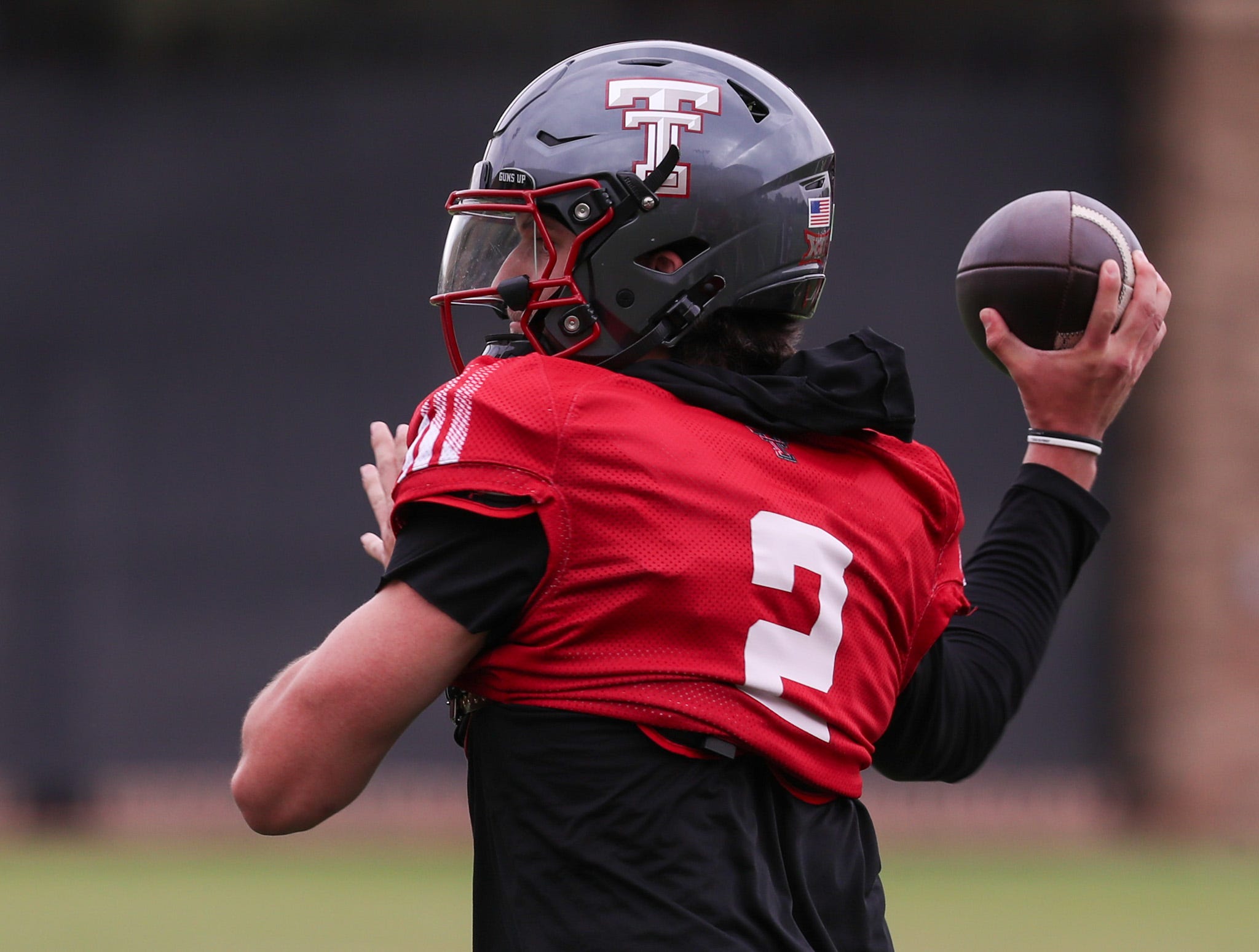
Texas Tech’s Brendan Sorsby goes through a drill during spring football practice, Tuesday, April 14, 2026, at the Womble Football Center.
“His decision as a high-profile college athlete to enter a facility to treat his gambling addiction while enrolled is unprecedented.” That word, unprecedented, carries weight. Athletes facing NCAA investigations typically deny, lawyer up, and fight. Sorsby confessed. He recognized the addiction had crossed a threshold where even a Heisman campaign wasn’t worth continuing. A 22-year-old from Denton, Texas, 6-foot-3, 235 pounds, with every physical tool to play on Sundays, chose a treatment bed over a starting job. That choice tells you more about the severity than any investigation ever could.
The Rules Are Already Changing
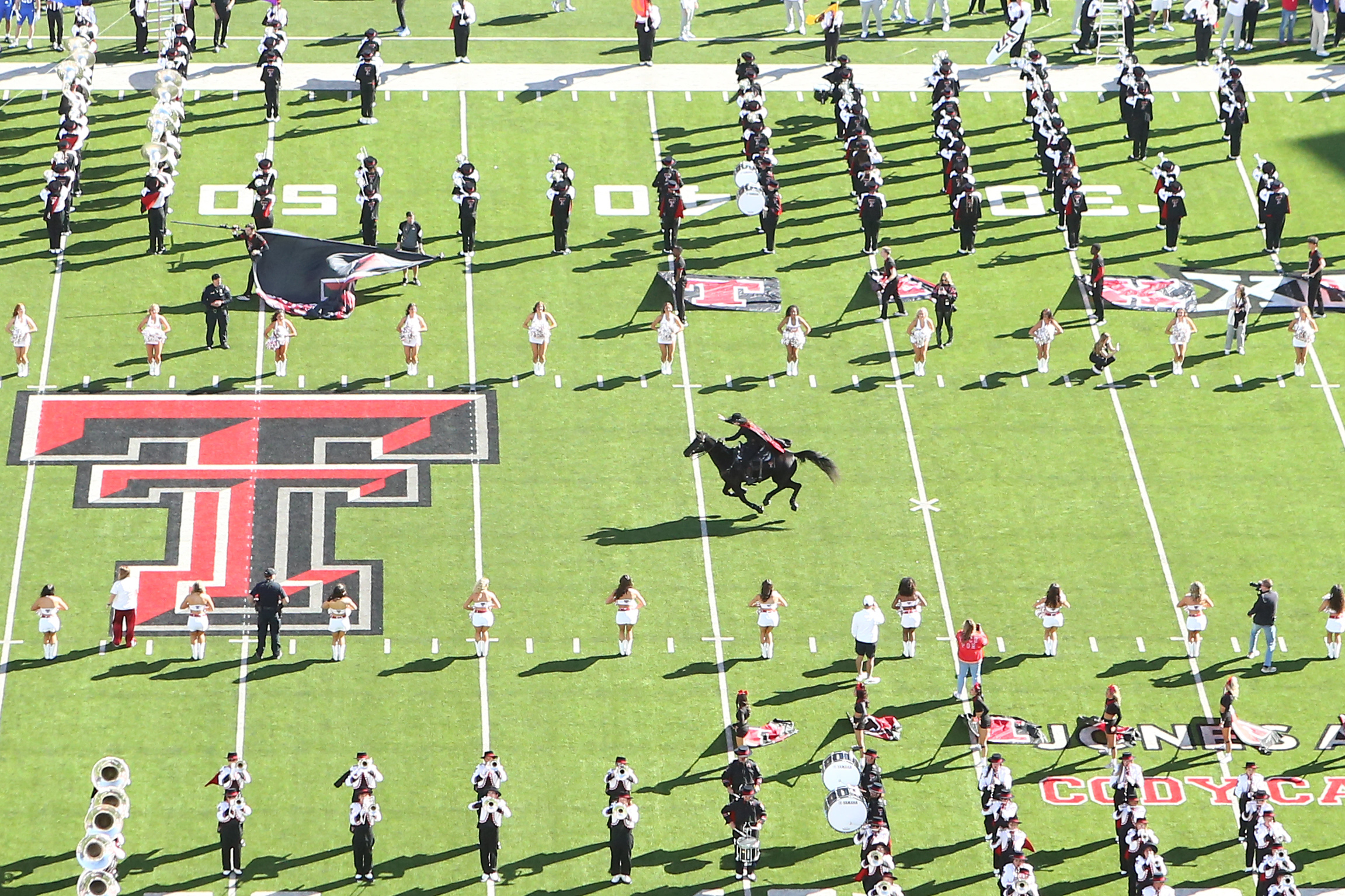
Nov 8, 2025; Lubbock, Texas, USA; The Texas Tech Red Raiders Masked Rider on the field before the game against the Brigham Young Cougars at Jones AT&T Stadium. Mandatory Credit: Michael C. Johnson-Imagn Images
In November 2025, the NCAA rescinded a proposed rule that would have allowed athletes to bet on professional sports. The override vote reinforced the absolute college betting ban. Five months later, Sorsby’s case proved why. The NCAA launched a 2023 campaign urging state regulators and sportsbooks to eliminate proposition bets on college events. States mostly ignored it. The pattern is identical to what happened after PASPA: the market moved faster than governance. Sorsby’s voluntary treatment creates a new precedent. NCAA enforcement and the Division I Committee on Infractions now face a question no rulebook anticipated: punish the addiction, or treat it?
Who Profits, Who Pays
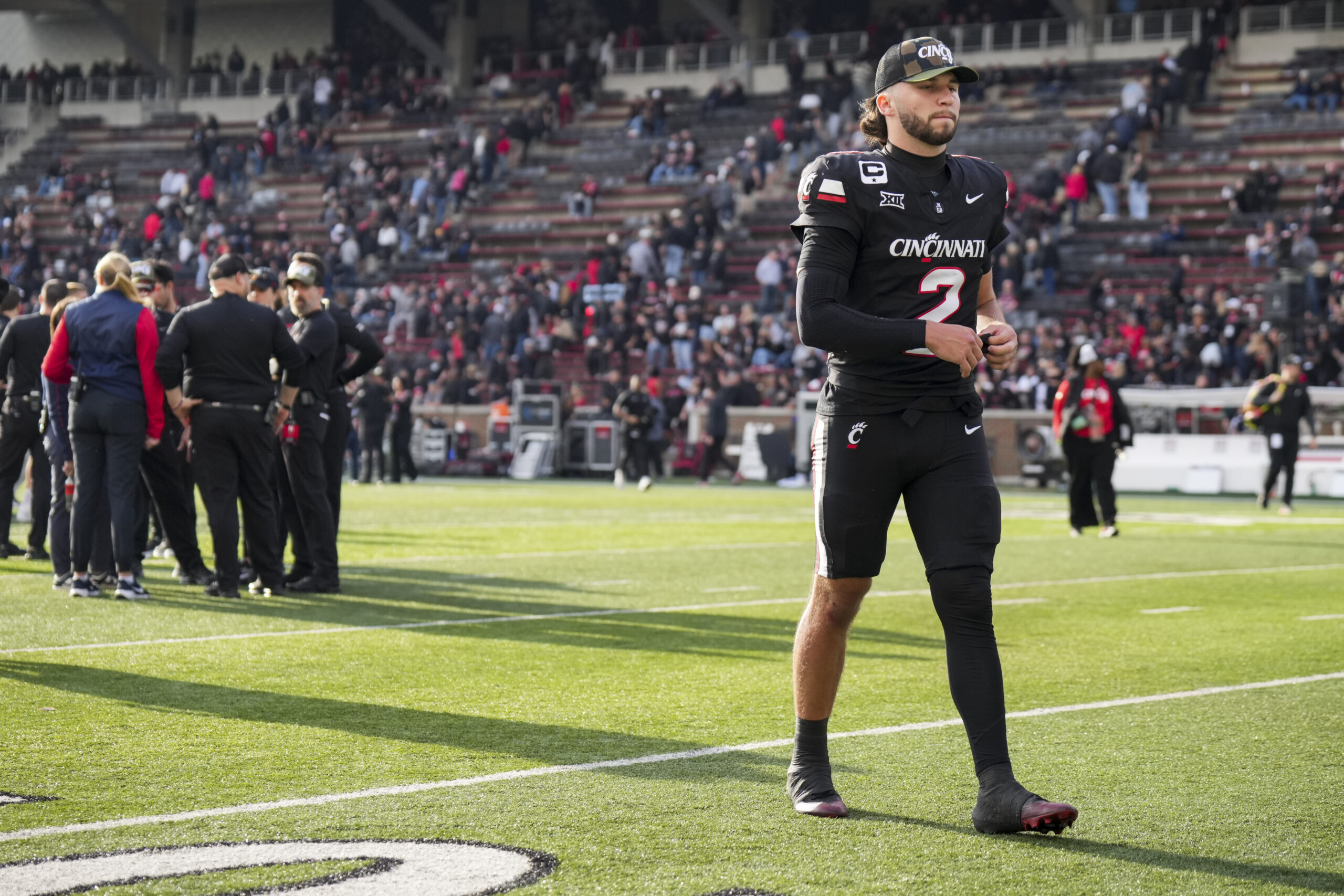
Nov 15, 2025; Cincinnati, Ohio, USA; Cincinnati Bearcats quarterback Brendan Sorsby walks off the field after his team’s loss to the Arizona Wildcats at Nippert Stadium. Mandatory Credit: Aaron Doster-Imagn Images
Sportsbook operators collected their share of $330 billion while framing every case like Sorsby’s as individual moral failure. The industry benefits when the story stays personal. The reality is structural: apps designed for engagement targeting a demographic where 39% already gamble. No mandatory screening exists for problem gambling among college athletes. None. Sorsby loses eligibility, loses millions, loses his NFL timeline. Cincinnati sues him for a million dollars while he sits in residential care. The gambling platforms that processed thousands of his bets face no NCAA investigation, no eligibility hearing, no consequences at all.
The Cascade Has Only Started
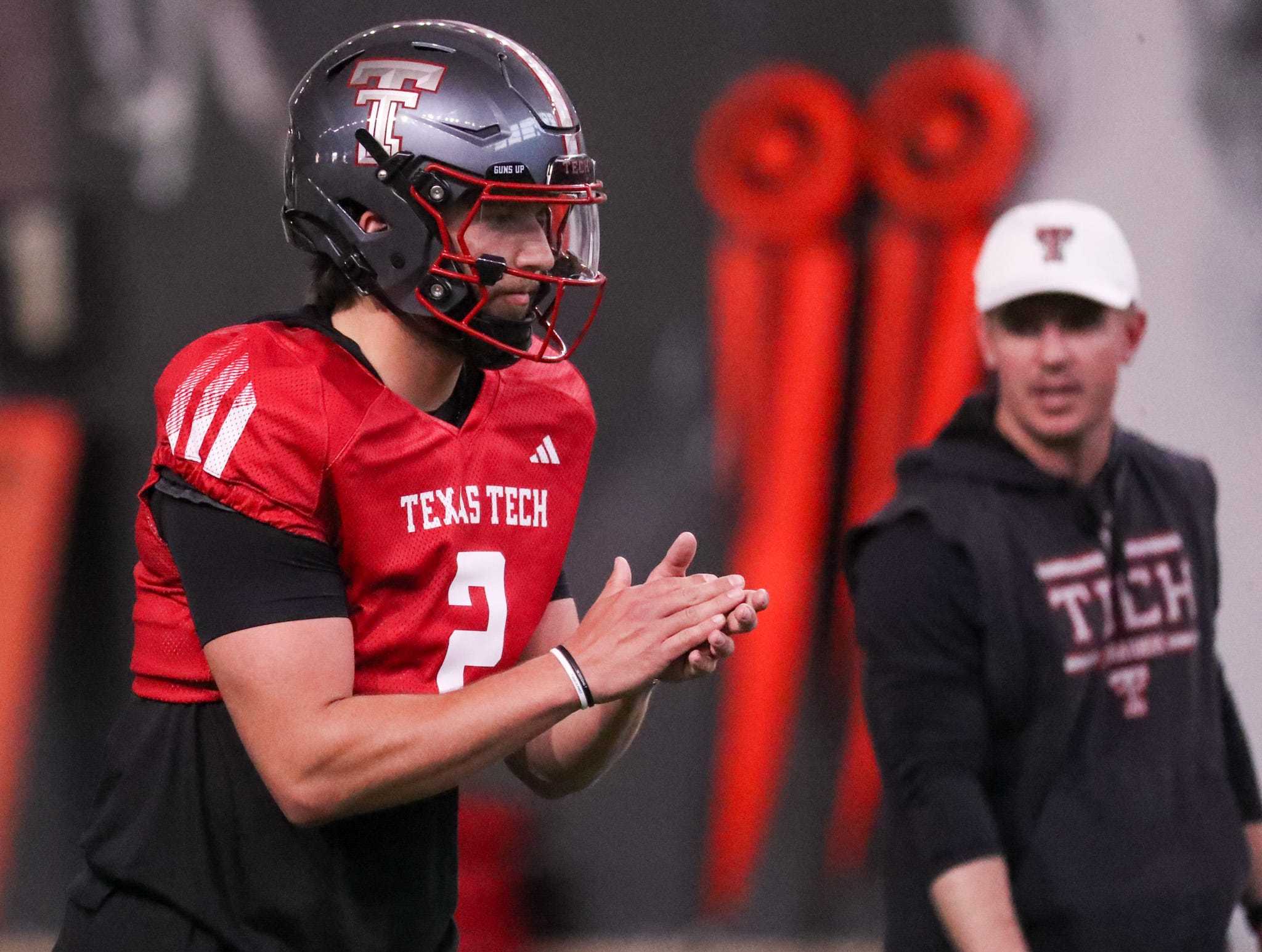
Texas Tech’s Brendan Sorsby goes through a drill as offensive coordinator Mack Leftwich looks on during spring football practice, Tuesday, March 24, 2026, at the Womble Football Center.
Other athletes across the country are watching Sorsby’s treatment decision and calculating whether voluntary admission before NCAA discovery is now the smart play. That strategic calculation could accelerate a wave of disclosures. Congress could revisit federal sports betting legislation. States may finally strengthen age verification. Universities may integrate gambling literacy into athlete compliance programs. The sportsbook lobby will push back against every one of those measures. Sorsby’s case exposed the full circuit: legal market to underage access to addiction to institutional failure to voluntary confession. The separate 13-player basketball probe remains active. The system that created this crisis has not changed.
Should the NCAA treat Sorsby’s confession as a model for leniency, or hold the line on permanent ineligibility? Tell us where you land in the comments.
Sources:
Thamel, Pete. “Texas Tech QB Brendan Sorsby to enter gambling addiction program.” ESPN, April 26, 2026.
Texas Tech University Athletics. Official statement on Brendan Sorsby’s leave of absence and residential treatment, April 27, 2026.
Baker, Charlie. “NCAA President Baker issues statement regarding sports betting indictments.” NCAA Media Center, January 14, 2026.
U.S. District Court for the Southern District of Ohio. University of Cincinnati v. Brendan Sorsby, complaint filed February 24, 2026.
NCAA. Amended sports wagering guidelines for student-athletes, issued 2023.
University of Mississippi. Study on college student gambling behavior and problem gambling rates, 2024.