
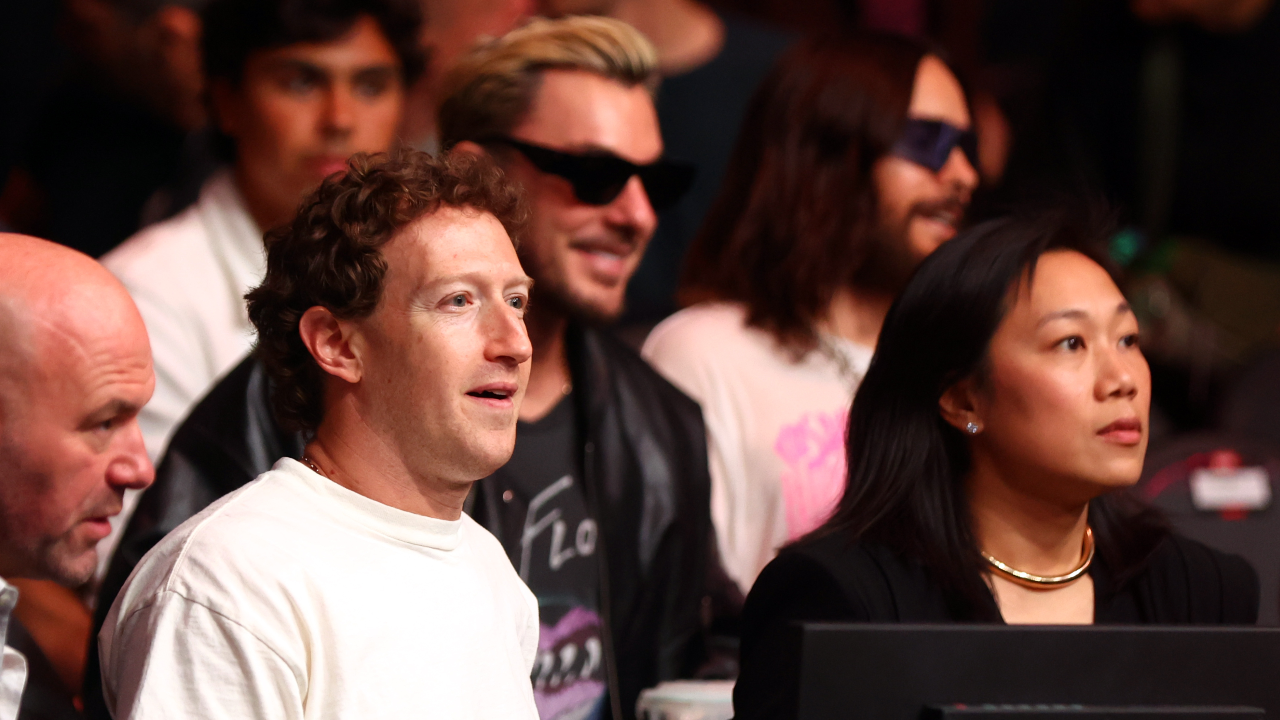
Two of the most powerful tech CEOs just walked away from what is expected to become the most valuable NFL franchise ever put on the market. The Seattle Seahawks, fresh off a 29 to 13 win over the Patriots in Super Bowl LX on February 8, 2026, hit the sale block days later with a price tag experts peg between $7 billion and $11 billion. Mark Zuckerberg, whose net worth sits north of $200 billion, said no. Tim Cook, who runs Apple after it crossed $4 trillion in market cap in October 2025, said no. Both denials landed within roughly 24 hours of the initial report. The reasons tell a bigger story than the price tag.
Why Two Titans Said No on the Same Day
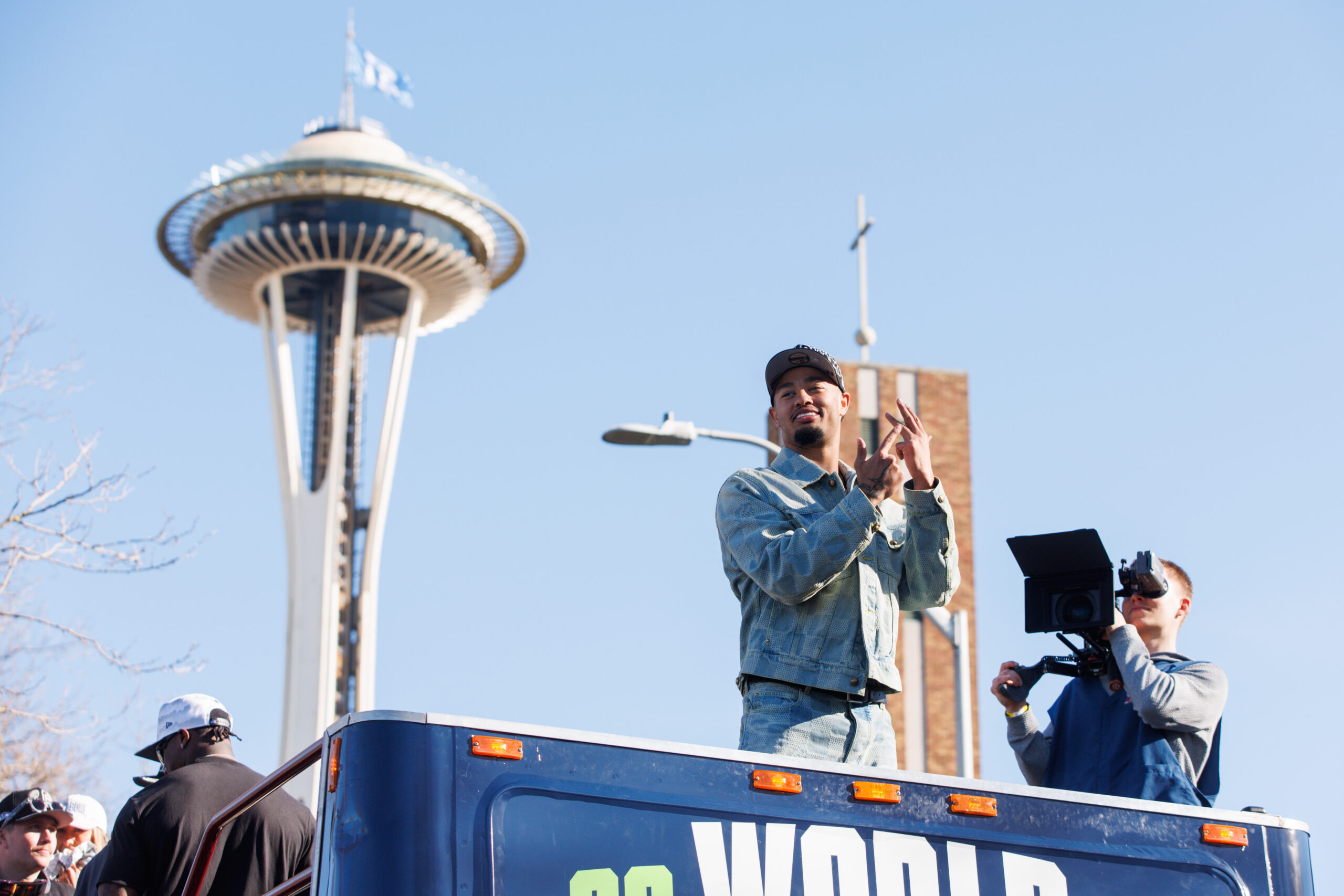
Feb 11, 2026; Seattle, WA, USA; Seattle Seahawks wide receiver Jaxon Smith-Njigba (11) reacts during the Super Bowl LX parade. Mandatory Credit: Kevin Ng-Imagn Images
The initial report from Front Office Sports on April 30, 2026, named both men as potential bidders. Within hours, the denials arrived. Apple’s camp called Cook’s interest “completely false.” A Meta spokesperson told Bloomberg that Zuckerberg is “not making a bid.” Puck’s Dylan Byers drove the nail with a blunt line: “This isn’t true. Period, full stop.” The timing matters. Cook had recently announced plans to step down as Apple CEO, effective September 1. Zuckerberg is buried in Meta’s AI pivot. Neither man has bandwidth for a trophy asset, no matter the trophy.
The Buyer Pool Narrows to Sports Money and Private Equity

Feb 11, 2026; Seattle, WA, USA; Seattle Seahawks head coach Mike MacDonald general manager John Schneider during the Super Bowl LX World Champions parade in downtown Seattle. Mandatory Credit: Steven Bisig-Imagn Images
When tech CEOs pass on the Seahawks, the buyer pool narrows to traditional sports money and private equity groups. That distinction matters to every fan holding season tickets. Tech owners like Steve Ballmer in Los Angeles have poured personal fortunes into stadium upgrades and player spending without hesitation. Private equity ownership, increasingly common in the NFL since 2024 rule changes, optimizes for returns. The Seahawks won Super Bowl LX with Jason Myers kicking a record five field goals. Fans want a successor to Paul Allen’s legacy. They may get a spreadsheet instead.
What Paul Allen Paid vs. What It’s Worth Now
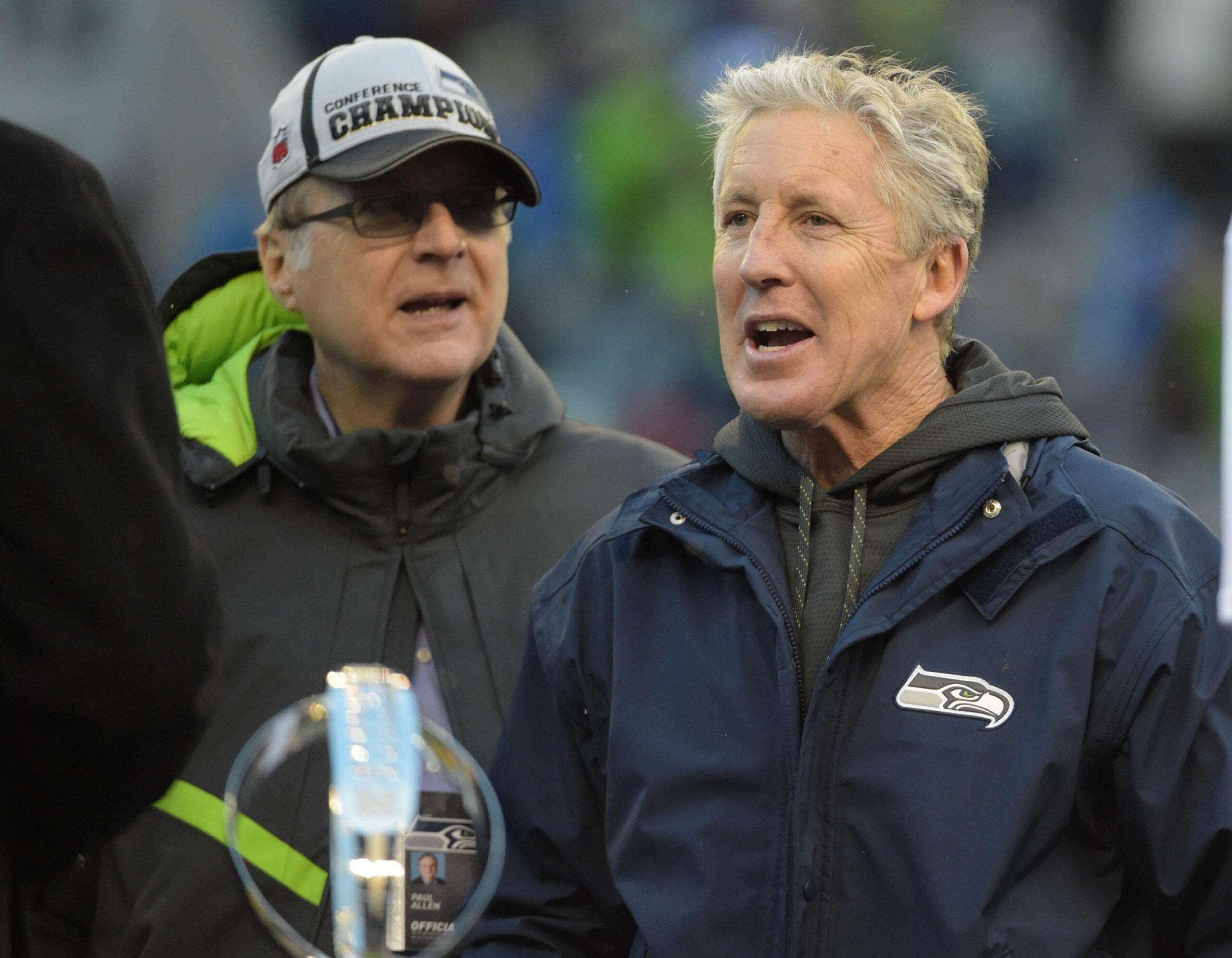
Jan 18, 2015; Seattle, WA, USA; Seattle Seahawks head coach Pete Carroll celebrates alongside owner Paul Allen (left) following their victory over the Green Bay Packers in the NFC Championship Game at CenturyLink Field. The Seahawks defeated the Packers 28-22 in overtime. Mandatory Credit: Kirby Lee-Imagn Images
Paul Allen bought the Seahawks in 1997 for $194 million. The 2026 sale is projected to land somewhere between $9 billion and $11 billion, with Adam Schefter pegging the figure at roughly $10 billion. That works out to roughly a fifty times return across 29 years of ownership. The valuation jump reflects the NFL’s broader media rights explosion and the Super Bowl LX championship premium. For the Allen Trust, every additional billion at closing flows directly into philanthropy. That makes this not just the largest franchise sale in North American history, but one of the largest single philanthropic windfalls in sports.
The Bidding Pool Just Got Smaller and Stranger
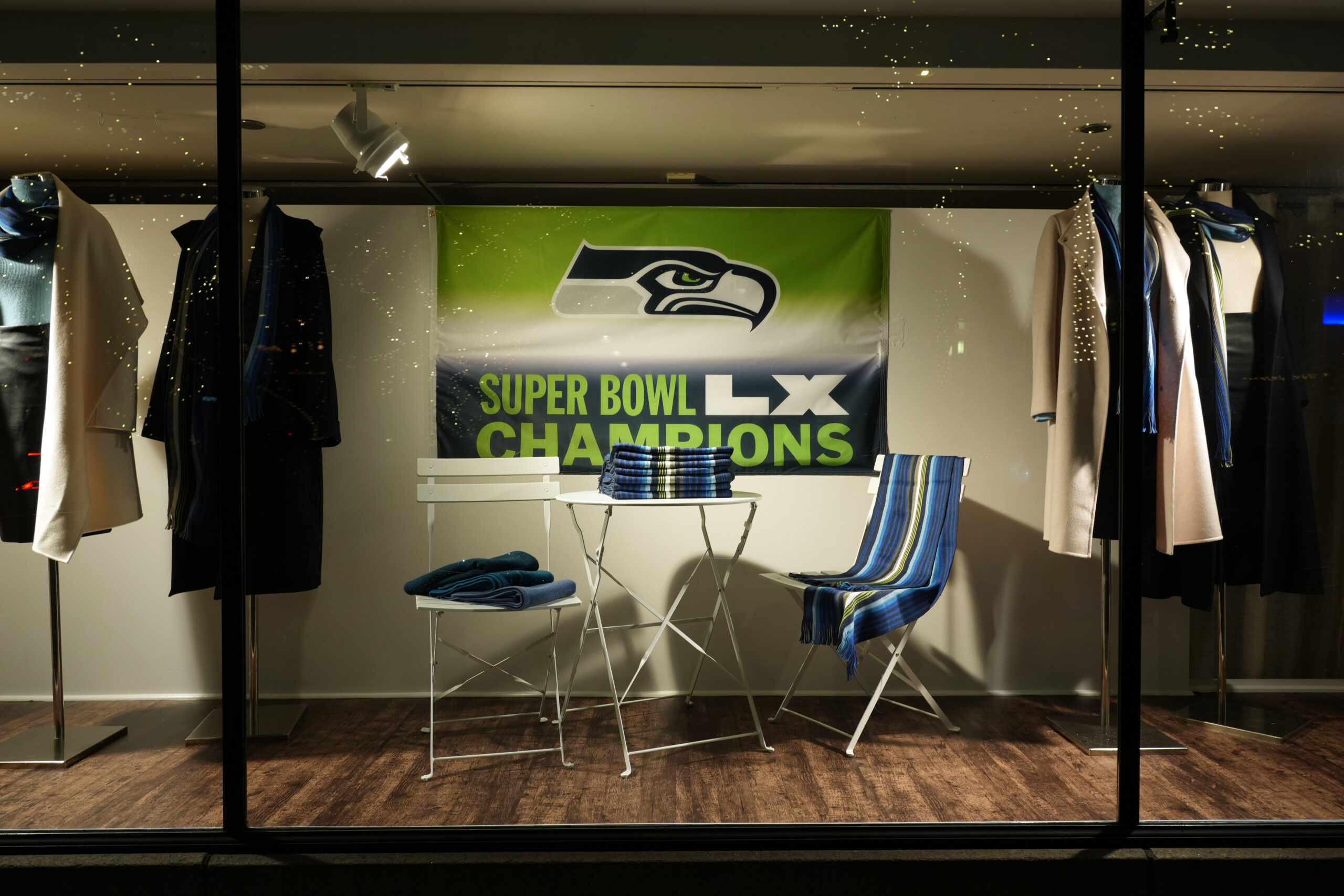
Feb 11, 2026; Seattle, WA, USA; A Seattle Seahawks Super LX banner in the storefront of the Luly Yang couture fashion store. Mandatory Credit: Kirby Lee-Imagn Images
The Washington Commanders sold for $6.05 billion in 2023, setting the North American sports record. The Seahawks are expected to shatter that number. Removing two high-profile potential bidders compresses the field at the top. The Paul G. Allen Trust, managing the sale after Allen’s 2018 death, needs a buyer who can clear a record threshold and satisfy NFL ownership approval. Fewer mega-bidders at the table means more leverage for whoever remains. The price could still climb, but the competition just thinned at a critical moment.
How the Commanders and Broncos Sales Set the Floor
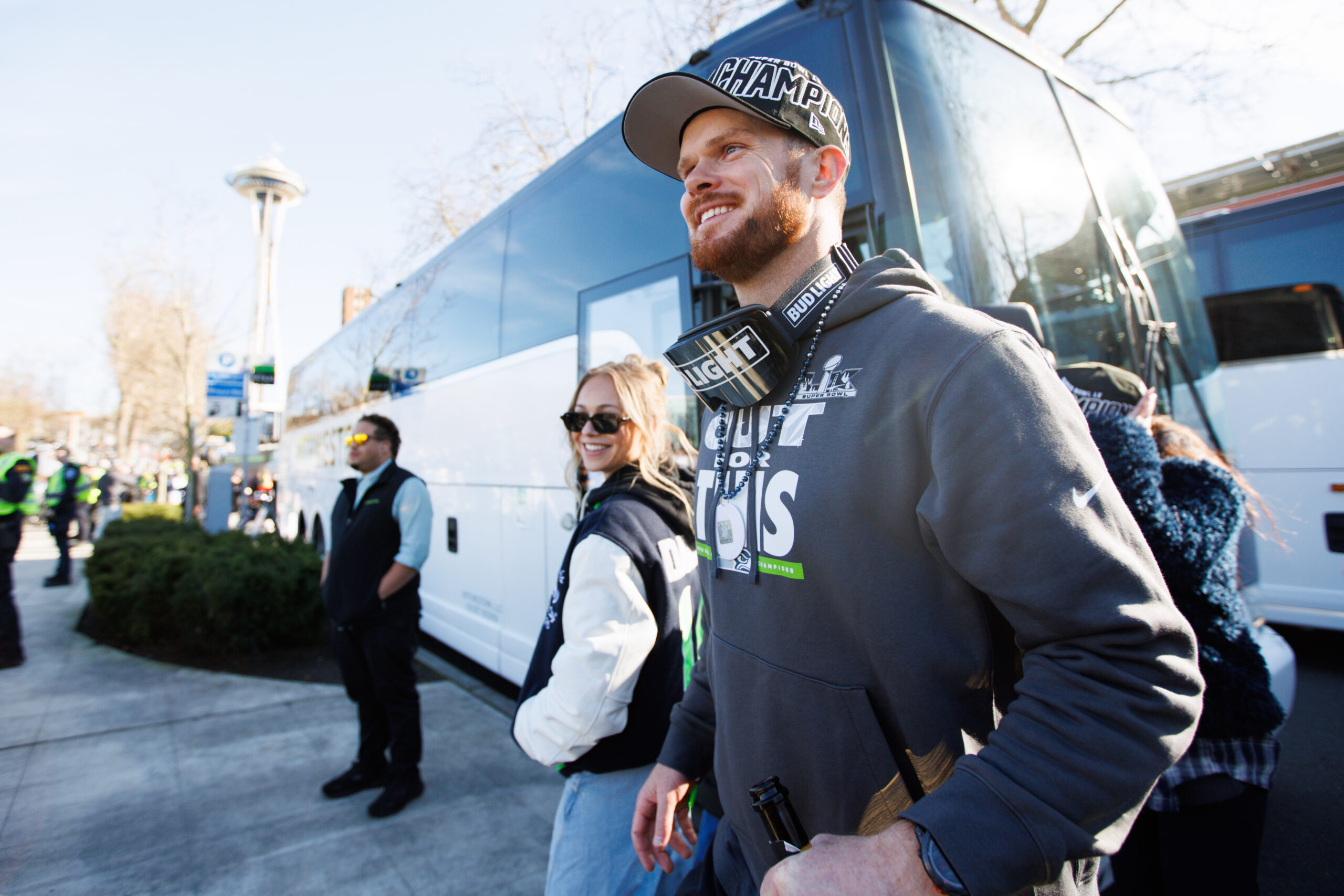
Feb 11, 2026; Seattle, WA, USA; Seattle Seahawks quarterback Sam Darnold (14) reacts during Seattle Seahawks Super Bowl LX parade. Mandatory Credit: Kevin Ng-Imagn Images
The Commanders sold for $6.05 billion in 2023 and the Broncos sold for $4.65 billion in 2022 to the Walton-Penner ownership group. Both closed without a tech CEO at the top of the group. Those two transactions now form the floor and the trajectory that bidders will cite when pricing the Seahawks. A Super Bowl-winning franchise in a top-twenty media market with no significant debt encumbrance justifies a significant premium over the Commanders number. Every appraisal conversation in the 2026 offseason begins with those two comps. The Seahawks sale then moves the floor for everyone who follows.
The Ecosystem Problem Nobody Expected
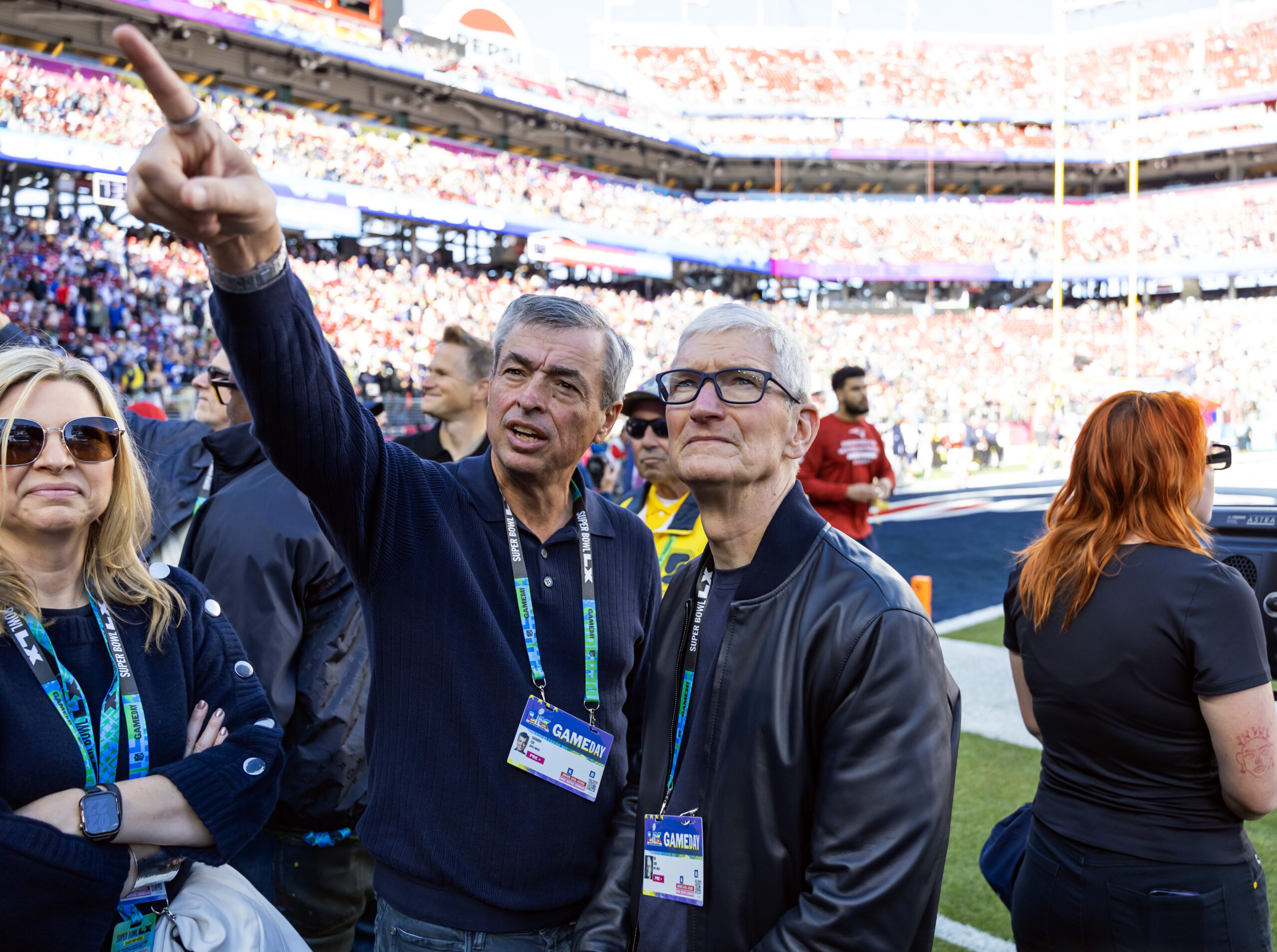
Feb 8, 2026; Santa Clara, CA, USA; Apple chief executive officer Tim Cook (right) and Eddy Cue before Super Bowl LX between the Seattle Seahawks and the New England Patriots at Levi’s Stadium. Mandatory Credit: Mark J. Rebilas-Imagn Images
Tech CEOs buying sports teams do not just write checks. They build ecosystems around the franchise, including streaming deals, stadium technology, and platform integrations. Zuckerberg owning the Seahawks could have meant Meta integration across fan engagement. Cook could have brought Apple’s content machine, including tie-ins with Apple TV and the broader services business. Without tech ownership, the Seahawks’ media and sponsorship architecture stays conventional. That ripples into Seattle’s tech corridor, where companies were already positioning for partnership opportunities with a potential tech-owned franchise. Those possibilities narrowed within a day.
Steve Ballmer Is the Template Seattle Fans Wanted
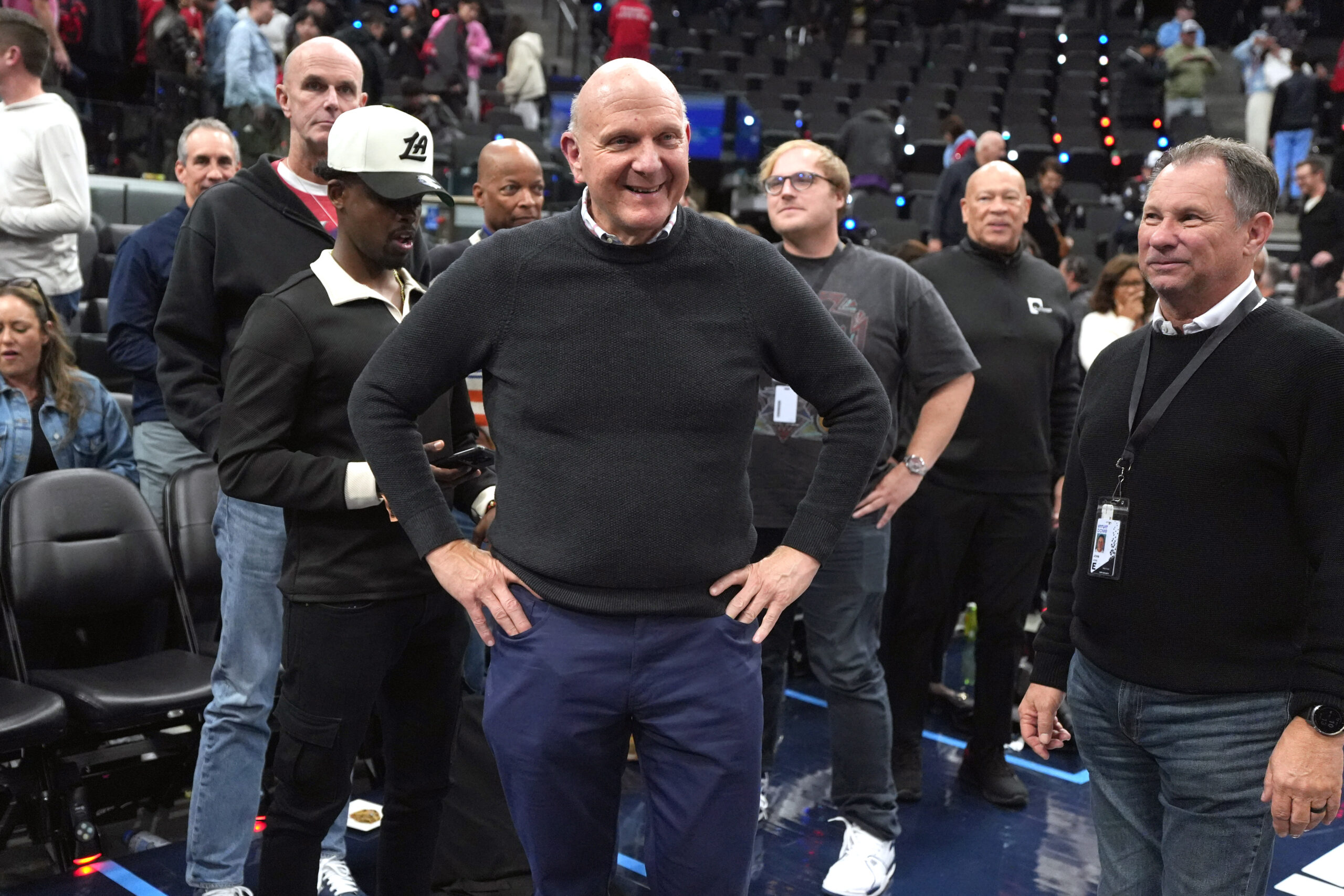
Feb 19, 2026; Inglewood, California, USA; LA Clippers owner Steve Ballmer reacts after the game against the Denver Nuggets at Intuit Dome. Mandatory Credit: Kirby Lee-Imagn Images
Steve Ballmer’s stewardship of the Los Angeles Clippers is the template Seattle fans quietly hoped for. Ballmer absorbed luxury tax penalties year after year and financed the Intuit Dome as a privately funded arena project in Inglewood. That model shows what a former tech CEO with deep pockets and an appetite for long-horizon spending can do for a franchise. A private equity-backed ownership group operates on fund timelines and return thresholds, not on a single owner’s willingness to write uncapped checks. The Seahawks fan base understands that contrast intuitively. It is the quiet subtext behind every reaction to the Zuckerberg and Cook denials.
The Machine Behind Every Billionaire’s “No”
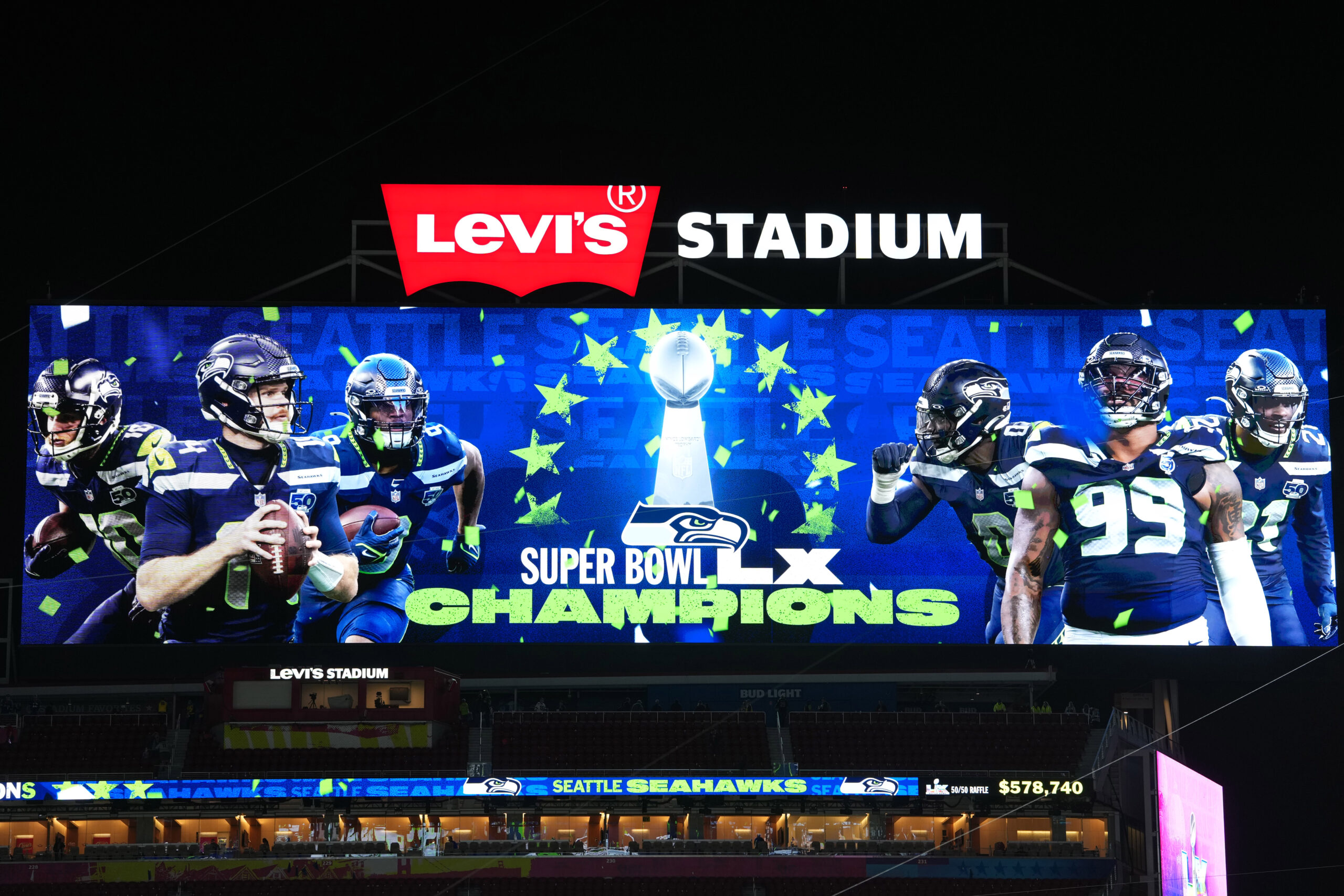
Feb 8, 2026; Santa Clara, CA, USA; The video board after the Seattle Seahawks 29-13 victory over the New England Patriots in Super Bowl LX at Levi’s Stadium. Mandatory Credit: Kirby Lee-Imagn Images
The connecting thread is focus cost. Zuckerberg is fighting an AI war against Google and OpenAI that demands every dollar of attention Meta can muster. Cook is engineering one of the most consequential CEO transitions in corporate history, handing Apple to a successor while staying on as executive chairman. A $10 billion NFL acquisition does not just cost money. It costs focus, board meetings, league politics, labor negotiations, and stadium decisions. That focus tax hits the same executives running trillion-dollar companies. The Seahawks are not too expensive. They are too distracting.
Apple’s $4 Trillion Milestone and Why Cook Can’t Add a Team
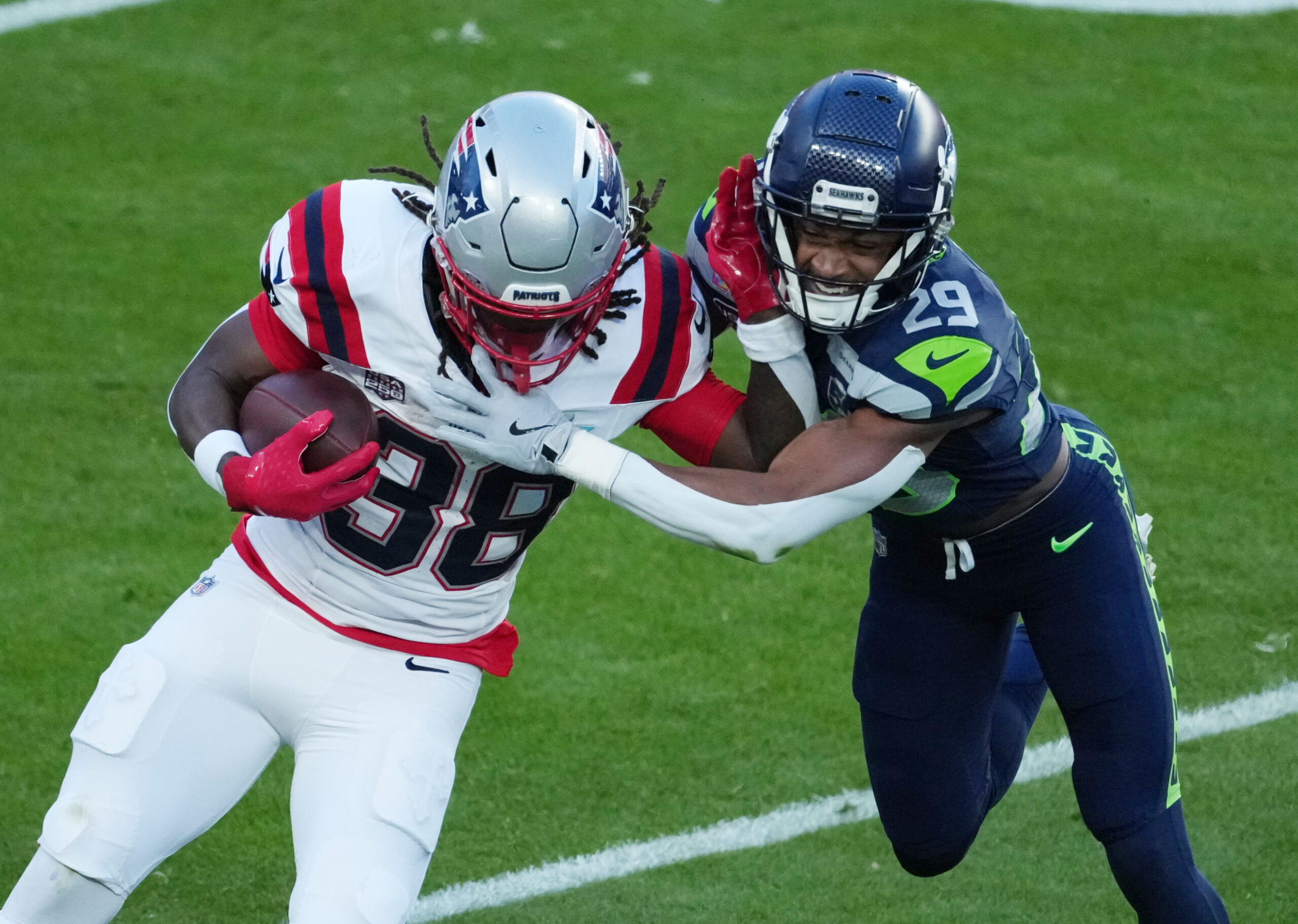
Feb 8, 2026; Santa Clara, CA, USA; New England Patriots running back Rhamondre Stevenson (38) is tackled by Seattle Seahawks cornerback Josh Jobe (29) in the first half in Super Bowl LX at Levi’s Stadium. Mandatory Credit: Kirby Lee-Imagn Images
Apple crossed $4 trillion in market capitalization in October 2025, becoming only the third company in history to hit that milestone after Nvidia and Microsoft. In April 2026, Cook confirmed he would step down as CEO effective September 1, remaining on as executive chairman. Owning an NFL team requires league-approved, hands-on governance, including attendance at owners’ meetings and involvement in labor and stadium decisions. That commitment is structurally incompatible with a CEO transition at the world’s most valuable public company. Cook’s denial through Apple was not a negotiating posture. It was the only answer the calendar allowed.
Meta’s AI Spend Is the Real Reason Zuckerberg Declined
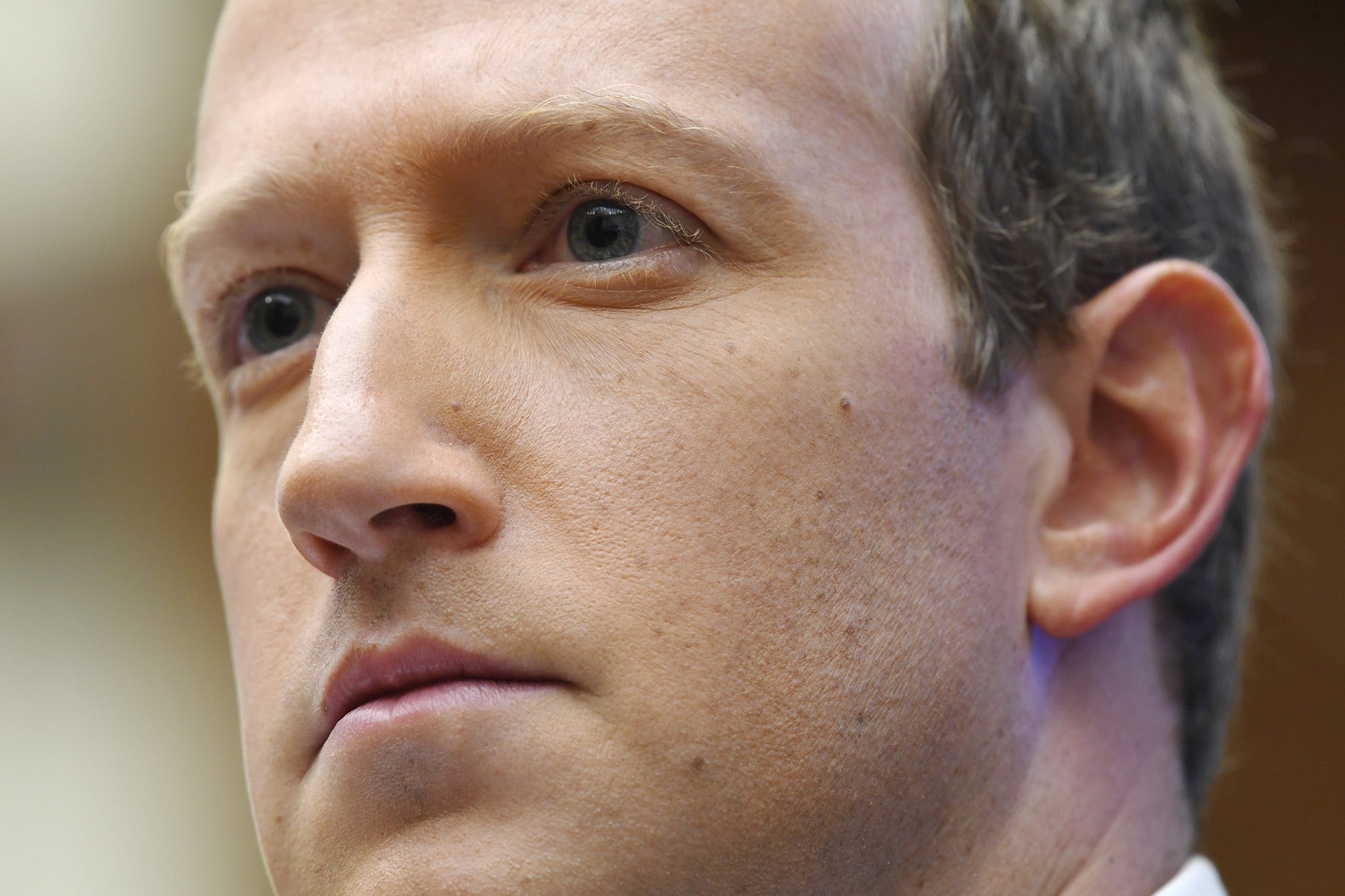
Mark Zuckerberg net worth: $222 billion, according to 2026 Forbes annual list.
Meta’s 2026 capital spending has been guided toward AI infrastructure at unprecedented levels, and Zuckerberg has publicly framed the buildout as existential for Meta’s future. A $10 billion sports asset competes directly with GPU clusters, data centers, and model training budgets for board approval. Zuckerberg’s recent pattern has been concentration on core bets rather than diversification into trophy assets. A Meta spokesperson’s statement that Zuckerberg is “not making a bid” aligns with that pattern. The Seahawks are a beautiful asset, but they are not a generative AI platform.
Jody Allen’s Quiet Dilemma
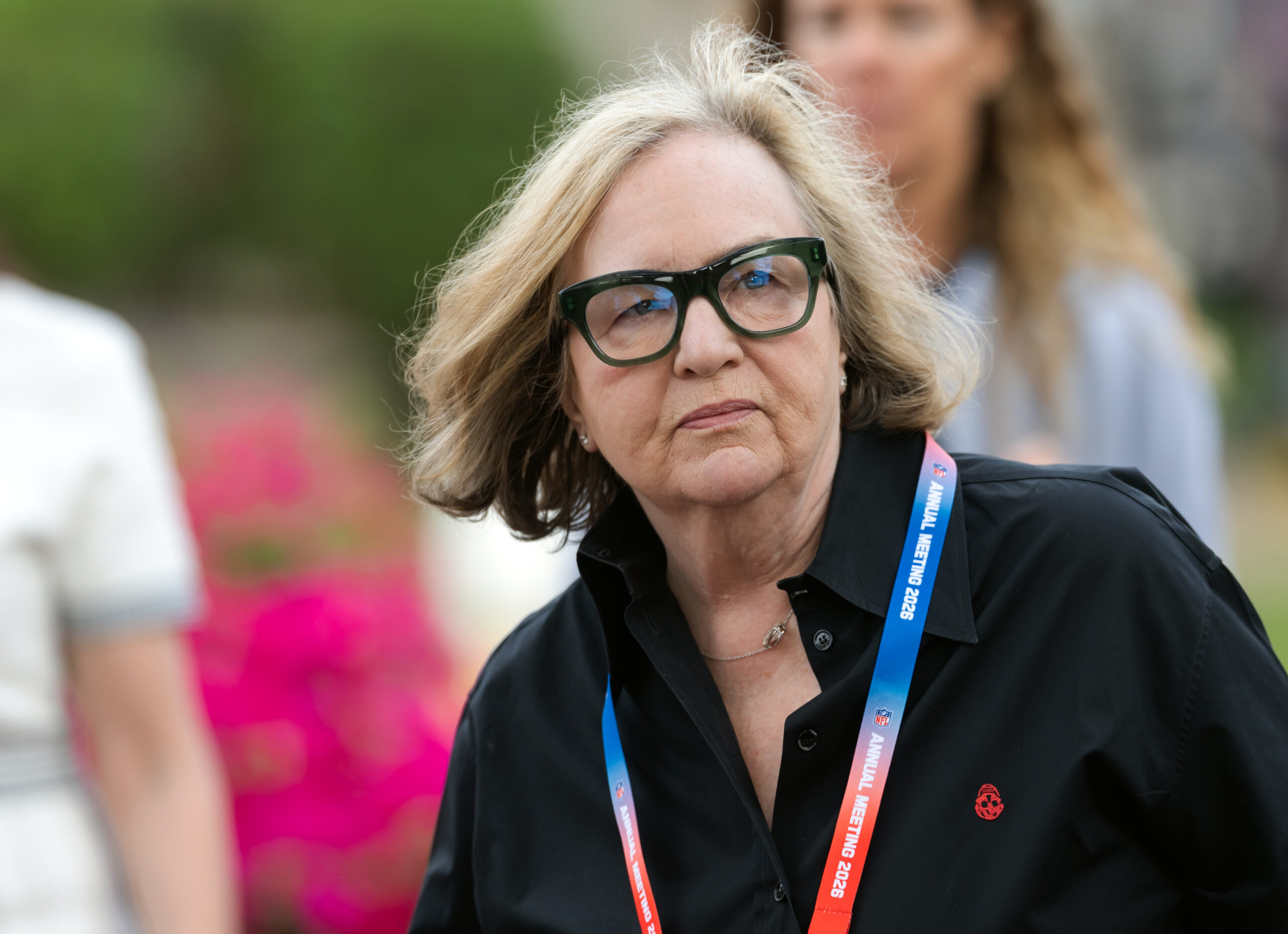
Mar 31, 2026; Phoenix, AZ, USA; Seattle Seahawks chairman Jody Allen during the 2026 NFL Annual League Meeting at the Arizona Biltmore. Mandatory Credit: Mark J. Rebilas-Imagn Images
Jody Allen, Paul’s sister, has managed the estate and the franchise since 2018. Allen’s will directed sale proceeds toward philanthropy, making this a mission-driven transaction rather than a vanity play. Dylan Byers reported the denials with finality, citing sources close to both men. That bluntness reflects how quickly the narrative spiraled. One report forced two of the world’s most powerful companies to issue emergency denials. For Jody Allen, every rumor that attaches and detaches a high-profile name makes the real sale harder. The circus costs credibility.
The NFL’s New Ownership Rules Get Tested
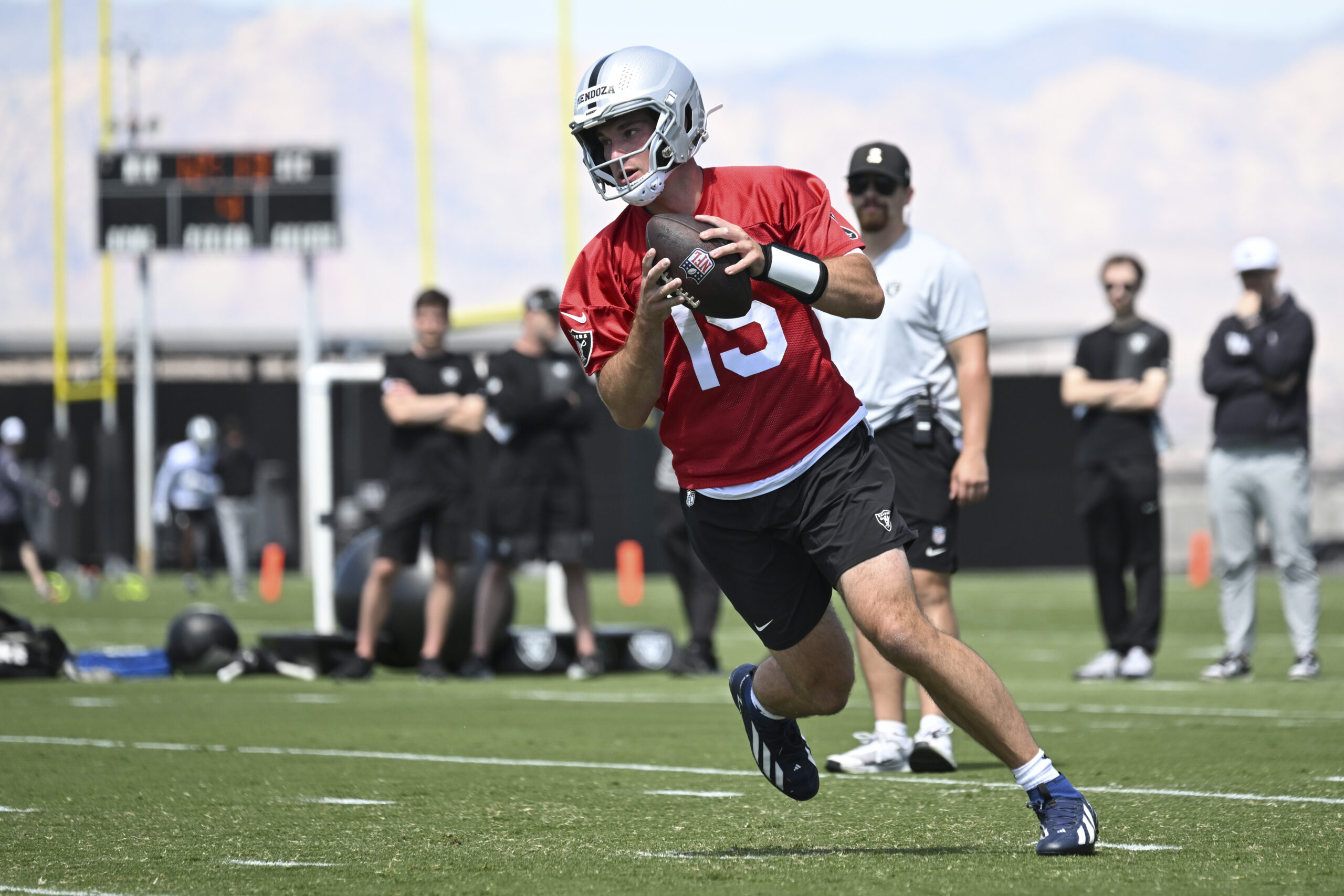
May 2, 2026; Henderson, NV, USA; Las Vegas Raiders quarterback Fernando Mendoza (15) runs through a drill during a Rookie Minicamp at Intermountain Health Performance Center. Mandatory Credit: Candice Ward-Imagn Images
The NFL loosened private equity ownership rules in 2024, allowing institutional investors to hold minority stakes for the first time. The Seahawks sale is the first mega-franchise test of those rules in a post-championship context. Without tech CEOs competing, private equity groups become the most likely partners for any controlling buyer. That sets a precedent. The most valuable team ever sold could become the first where institutional money holds meaningful influence over football operations. Paul Allen bought the Seahawks in 1997 for $194 million. The franchise that started as one man’s passion project could end up partly governed by a fund’s quarterly targets.
Who Wins When CEOs Walk Away
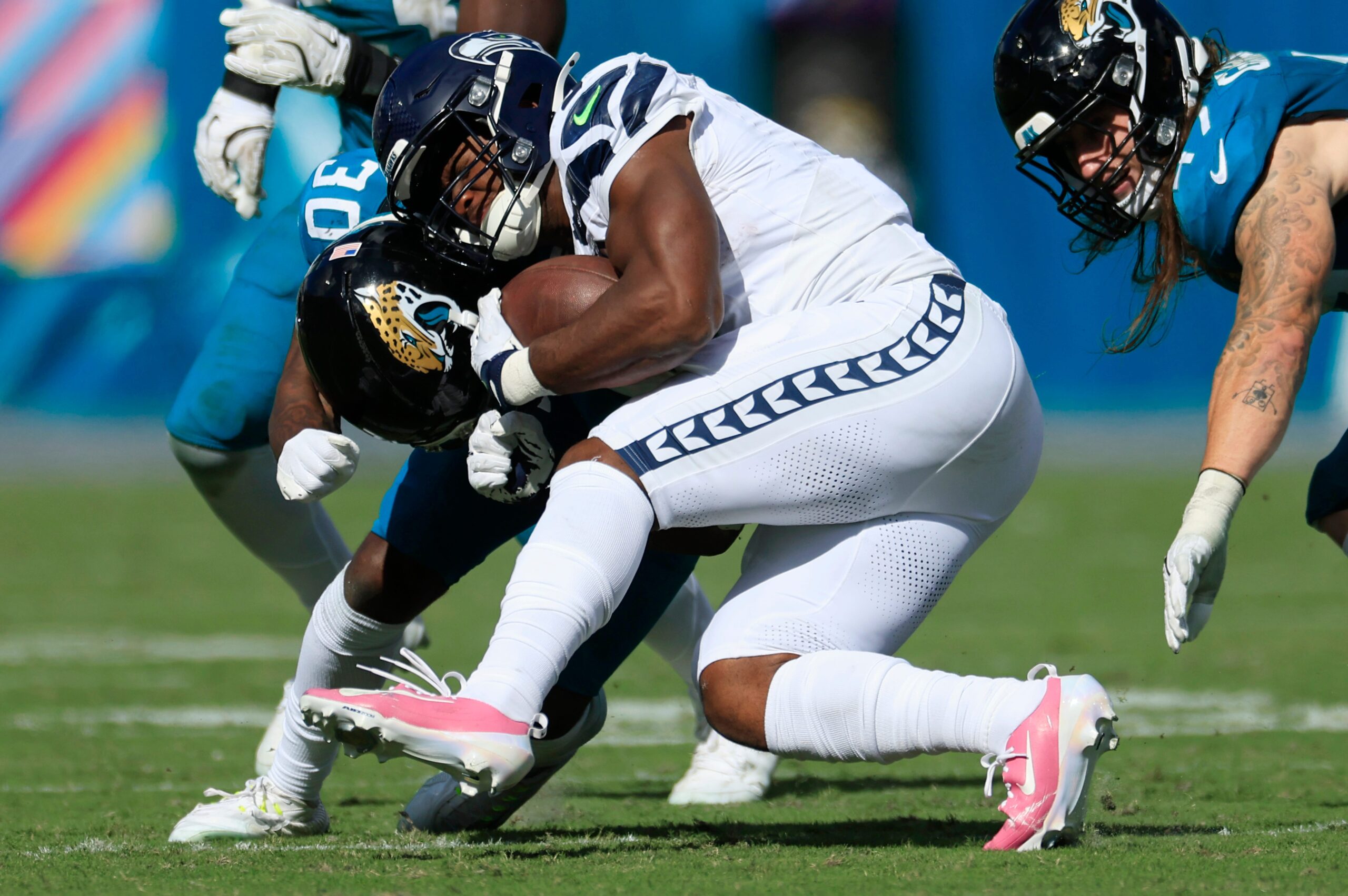
Seattle Seahawks running back Kenneth Walker III (9) lowers his shoulder against Jacksonville Jaguars cornerback Montaric Brown (30) as linebacker Dennis Gardeck (47) looks on during the fourth quarter of an NFL football matchup, Sunday, Oct. 12, 2025, at EverBank Stadium in Jacksonville, Fla. The Seahawks defeated the Jaguars 20-12.
The winners are the remaining bidders, who just lost two high-profile potential competitors. Fewer bidders means more negotiating room for everyone still at the table. The losers are Seahawks fans and the Allen Trust’s philanthropic mission, because a thinner bidding war could shave value off the final price and reduce charitable proceeds. The irony cuts deep. A franchise valued at record heights because of a Super Bowl victory may sell for less than its peak potential because two of the most prominent possible buyers had better things to do. Wealth and interest are different currencies entirely.
What the Final Sale Price Means for Every NFL Owner
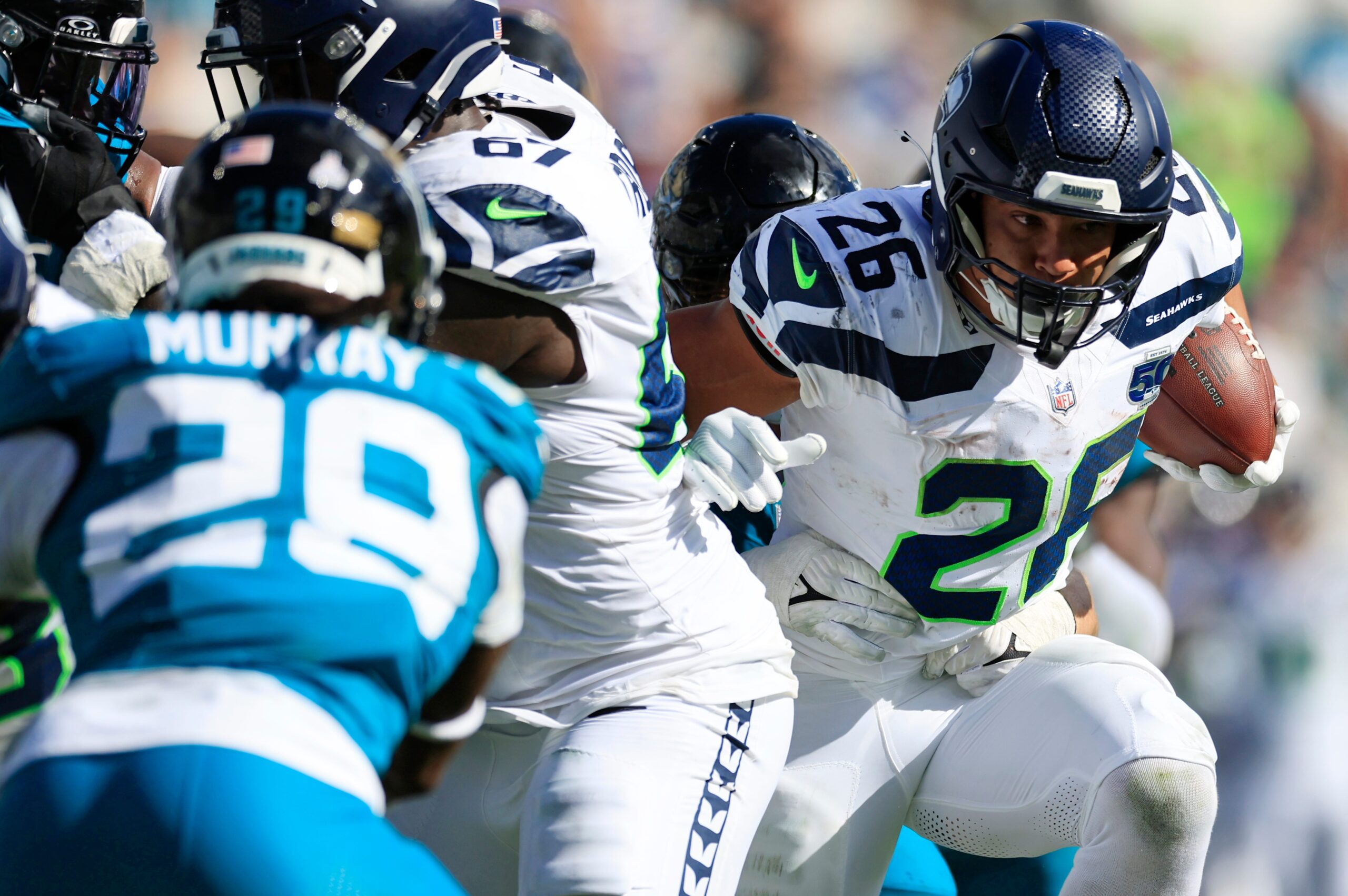
Seattle Seahawks running back Zach Charbonnet (26) rushes for yards during the fourth quarter of an NFL football matchup, Sunday, Oct. 12, 2025, at EverBank Stadium in Jacksonville, Fla. The Seahawks defeated the Jaguars 20-12.
The Seahawks sale is expected to close during the 2026 offseason. Every other NFL owner is watching the final number, because it resets the valuation floor for all 32 franchises. A sale below expectations tells future sellers that even a championship pedigree cannot guarantee top dollar without the right buyer pool. A sale above expectations proves the asset class is bulletproof regardless of who bids. Either outcome rewrites the math for franchise owners in every major sport. Two men said no to a football team. The entire ownership model of professional sports is recalculating the answer.
If you were sitting on a fortune big enough to buy the Seahawks, would you write the check or walk away like Zuckerberg and Cook? Drop your pick for the next owner in the comments.
Sources:
Wagner, Kurt. “Zuckerberg, Cook Not Interested in Buying NFL’s Seattle Seahawks.” Bloomberg News, April 30, 2026.
Horney, Ben. “Mark Zuckerberg, Tim Cook Among Potential Seahawks Bidders.” Front Office Sports, April 30, 2026.
Condotta, Bob. “Seahawks Sale: Mark Zuckerberg, Tim Cook Reportedly Not Interested.” The Seattle Times, April 30, 2026.
Schefter, Adam. Interview on “The Pat McAfee Show,” ESPN, February 10, 2026.
Florio, Mike. “What Are the Seahawks Worth? Whatever the Highest Bidder Will Pay.” Pro Football Talk, NBC Sports, February 19, 2026.
“Seahawks 29, Patriots 13: Super Bowl LX Final Score.” ESPN, February 8, 2026.