

Days after Seattle defeated New England 29–13 in Super Bowl 60, Patriots quarterback Drake Maye admitted he “shot it up” before kickoff, receiving a pain-killing injection in his right shoulder that never appeared on the final injury report. Fox Sports analyst Nick Wright called for NFL punishment, saying the team “fudged information” at a time when millions depend on accurate injury data. Teams profit from hiding injuries while gambling partners demand transparency. The Patriots now face the most serious injury-report controversy of the legal betting era. The story exposes deeper tensions across the league.
What Happened in Santa Clara
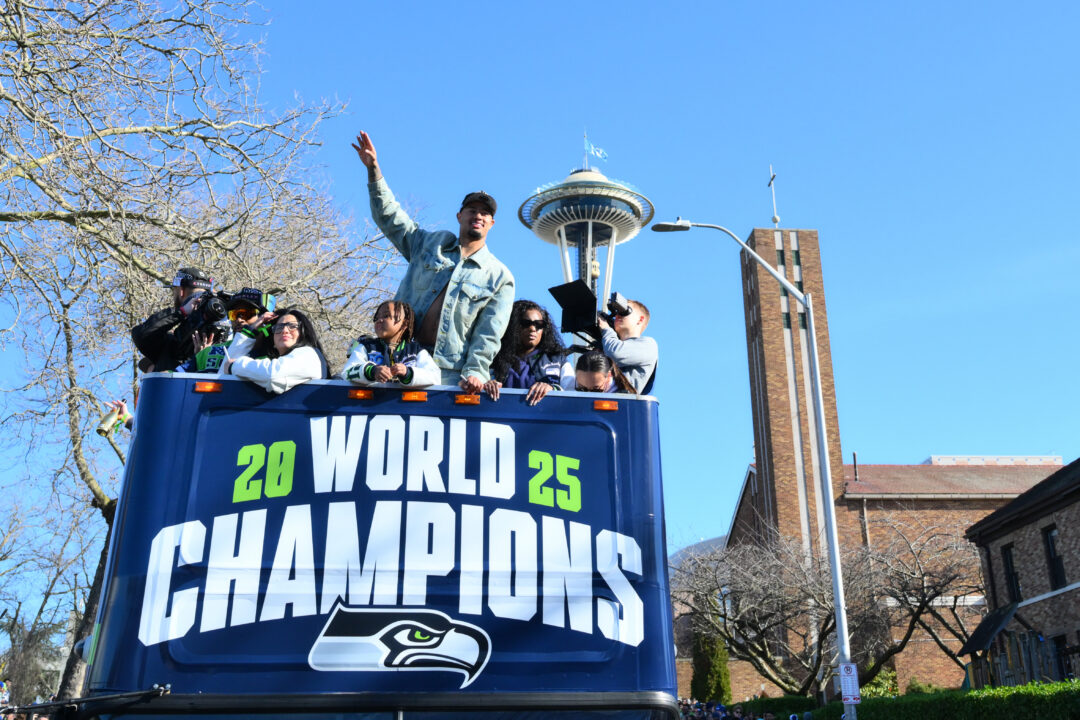
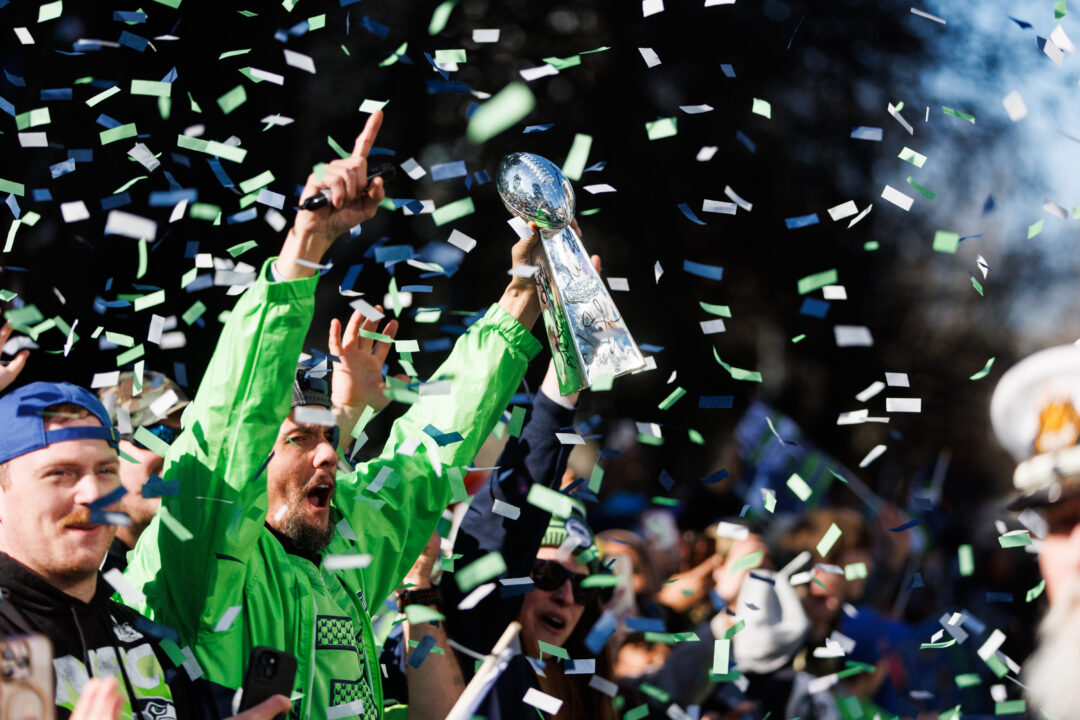
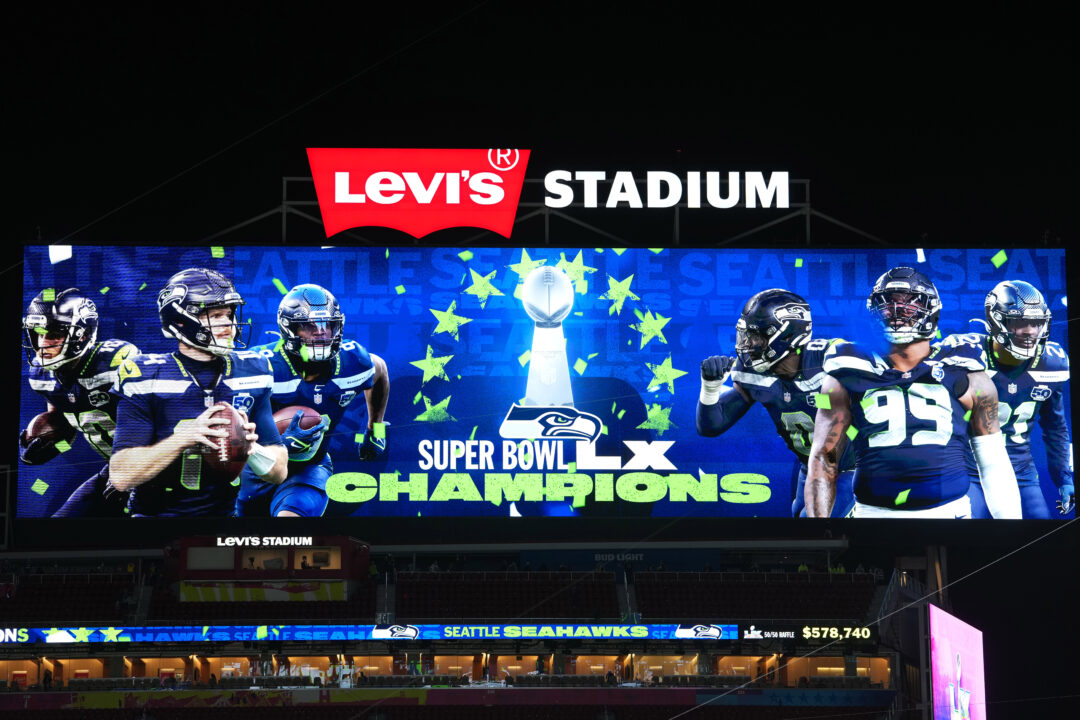
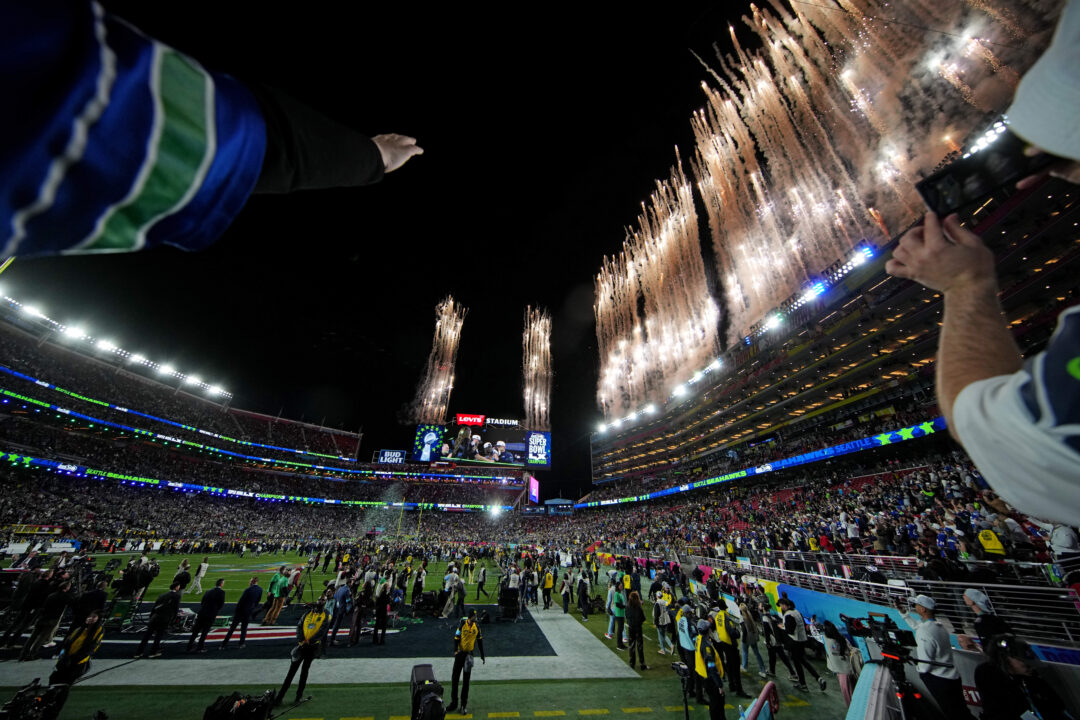
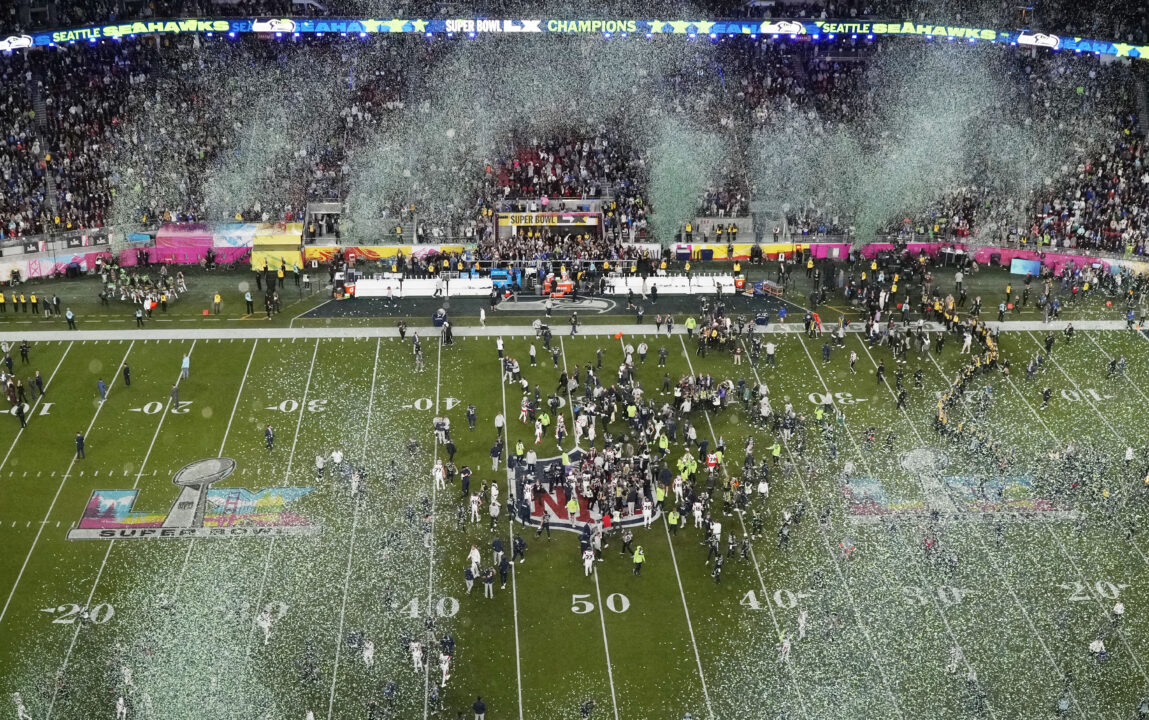
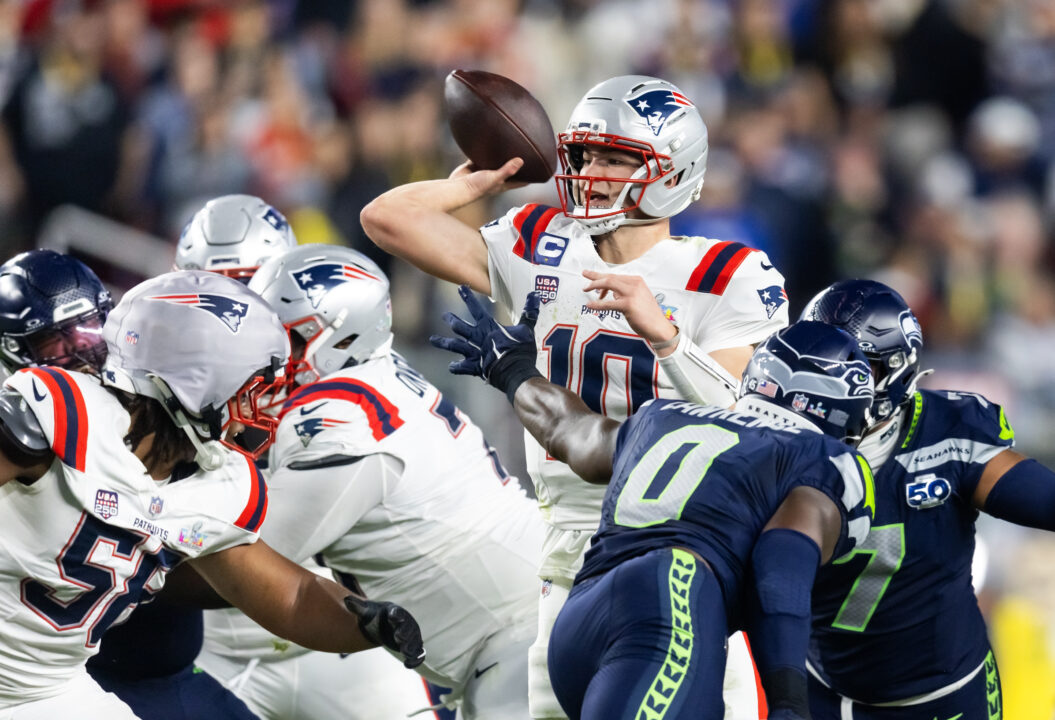
Super Bowl 60 took place on February 8 at Levi’s Stadium, where the Seahawks dominated behind Kenneth Walker III’s 135 rushing yards and MVP performance, according to ESPN. Sam Darnold earned his first championship ring, while Maye had three turnovers, including an interception and a strip-sack. Maye appeared on the Patriots’ injury report after the AFC Championship win over Denver, but by Saturday, his name was removed entirely. Post-game, he told ESPN’s Mike Reiss, “I shot it up, so not much feeling.” The timeline sparked debate over whether the injury report rules were violated.
“The NFL Has No Choice”
On February 11, Nick Wright said on First Things First: “At this point, the NFL has no choice but to put some type of punishment on the Patriots for their Super Bowl injury report.” Wright argued that teams cannot hide a quarterback’s injury when gambling is legal. He added, “I know no way to read it other than the team fudged information on the final injury report leading into the Super Bowl.” His remarks framed the timeline as a possible rules violation, emphasizing the high stakes of integrity in the betting era.
A $2 Million Bet Lost on Hidden Information
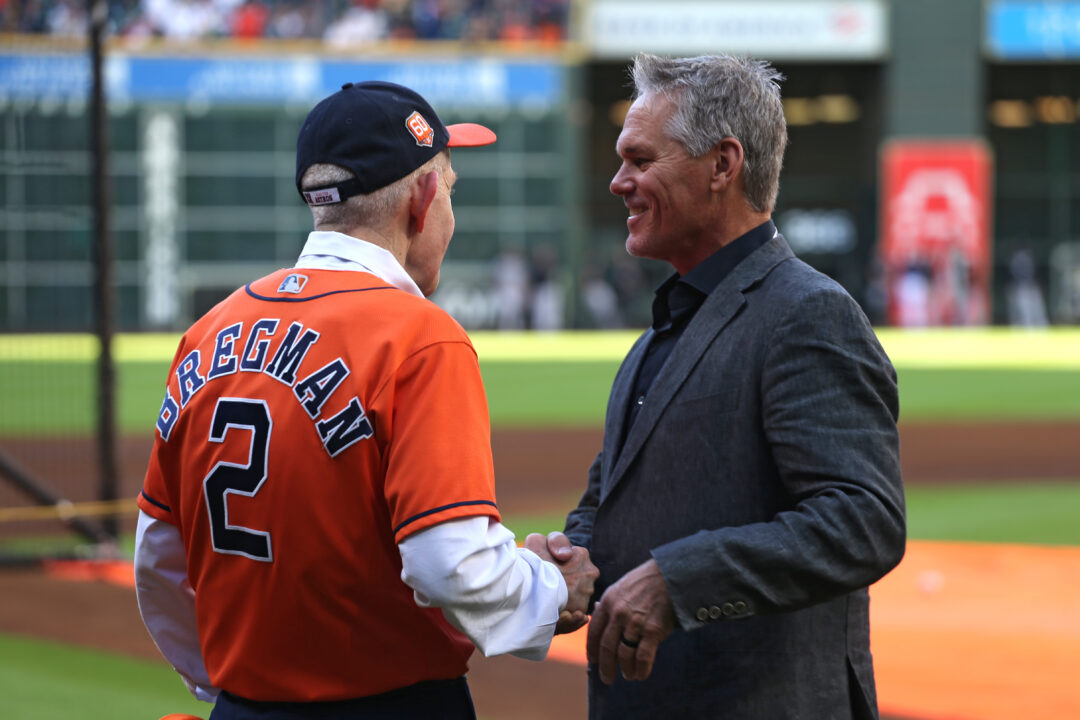
Jim “Mattress Mack” McIngvale placed a $2 million wager on the Patriots at Caesars Sportsbook, the largest Super Bowl bet Caesars accepted, according to USA Today. At +200 odds, he could have collected $4 million, supporting a Gallery Furniture promotion offering refunds for $4,000 purchases. When the Patriots lost, McIngvale lost the full $2 million. Critics say he did not have complete information about Maye’s shoulder. The difference between the clean Saturday report and the post-game admission now drives controversy. Bettors and media outlets are questioning whether material data was withheld in a way that affected outcomes.
The Injury Report Rules Teams Must Follow
The NFL requires teams to provide “credible, accurate, and specific information” about injured players. The Sporting News notes reporting is “critical in preserving the integrity of the game.” Teams file practice reports, game-status updates, and in-game notifications. Violations bring club and individual fines and even draft-pick forfeitures. Rules exist to protect the league from gambling manipulation and ensure transparency for opponents, media, and fans. Legalized betting increases the financial impact of injury reports. Patriots’ history of fines and sanctions amplifies the urgency of enforcing rules. Accurate reporting affects sportsbooks, fantasy platforms, and millions of bettors.
$2.85 Million in Fines Already Paid
The Patriots and Bill Belichick have been fined $2.85 million and docked four draft picks across Spygate, Deflategate, and the 2019 Bengals-filming case, according to Bleacher Report and ESPN. Deflategate brought a $1 million fine, Spygate fined Belichick $500,000, and a 2020 filming case added $1.1 million. New England ranks among the most heavily punished franchises in NFL history for competitive violations. Whether the league increases that total depends on how seriously it enforces injury-report accuracy. Past penalties demonstrate the NFL has treated rule violations with financial and competitive consequences.
When Competitive Secrecy Meets Gambling Transparency
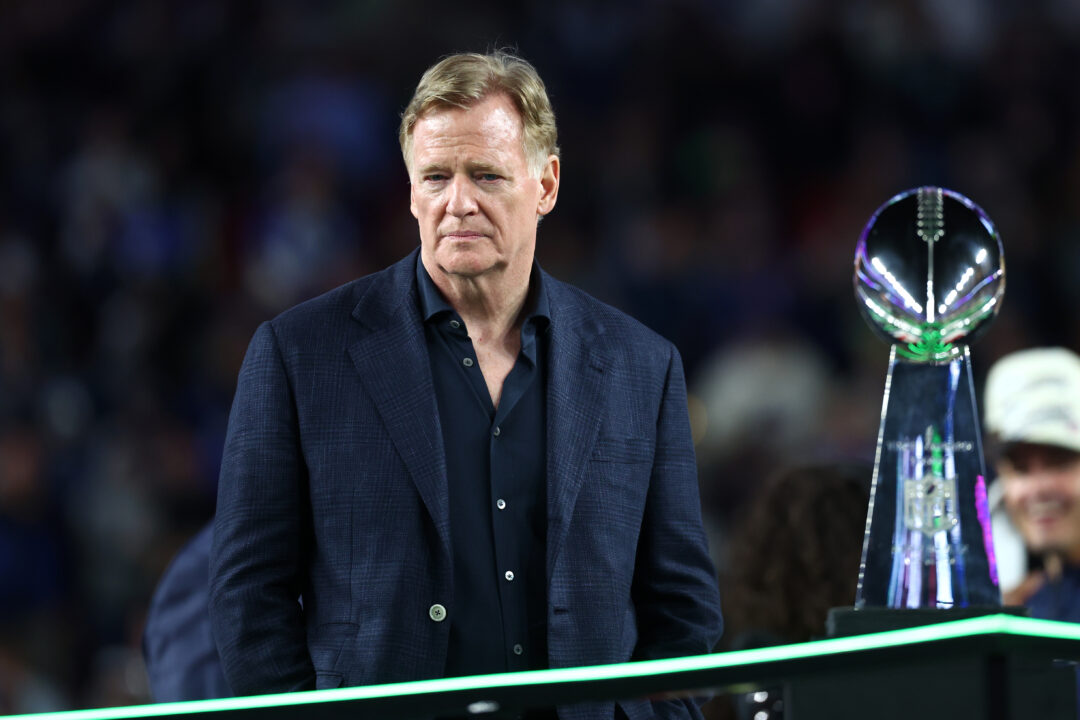
Teams often hide or downplay injuries to avoid giving opponents an advantage, particularly quarterbacks in the Super Bowl. The NFL’s August 21, 2024 policy emphasizes that accurate injury data protects both the league and bettors. Removing Maye from the final injury report while he needed a pain-killing injection exposed a conflict between competitive secrecy and gambling transparency. Bars, sportsbooks, and affiliates rely on reliable injury feeds. Misreporting increases operational risks and undermines trust. Transparency has become a direct requirement for financial and competitive fairness. The consequences extend far beyond the field into business operations.
Ripple Effects Beyond the Betting Window
The controversy affects more than Las Vegas sportsbooks. McIngvale’s promotion linked the outcome to mattress refunds, which would have created a massive reverse-logistics operation for Houston-area warehouses, delivery staff, and suppliers. Sportsbooks hedged seven-figure Patriots bets based on reported health. Analytics startups, fantasy-tool providers, and media outlets use injury feeds for content and previews. When reports are unreliable, these organizations absorb costs and face reputational damage. The issue shows that accurate injury reporting supports an entire network of businesses. Misreporting affects investments, operations, and trust, illustrating that injury transparency is now essential to NFL commerce.
What Happens if the League Acts
If the NFL disciplines the Patriots, inaccurate injury reports would count as hiding material information from the betting public. Potential penalties include fines and draft-pick forfeitures, according to The Sporting News. The league has disciplined staff for betting violations, according to Roger Goodell’s August 21, 2024 briefing. Treating this case with similar severity would signal that hiding injuries directly threatens revenue and draft capital. Inaction could invite Congressional scrutiny of gambling partnerships. The Patriots’ case will set expectations for all 32 clubs that injury transparency is enforceable and tied to accountability.
The Precedent This Case Will Set
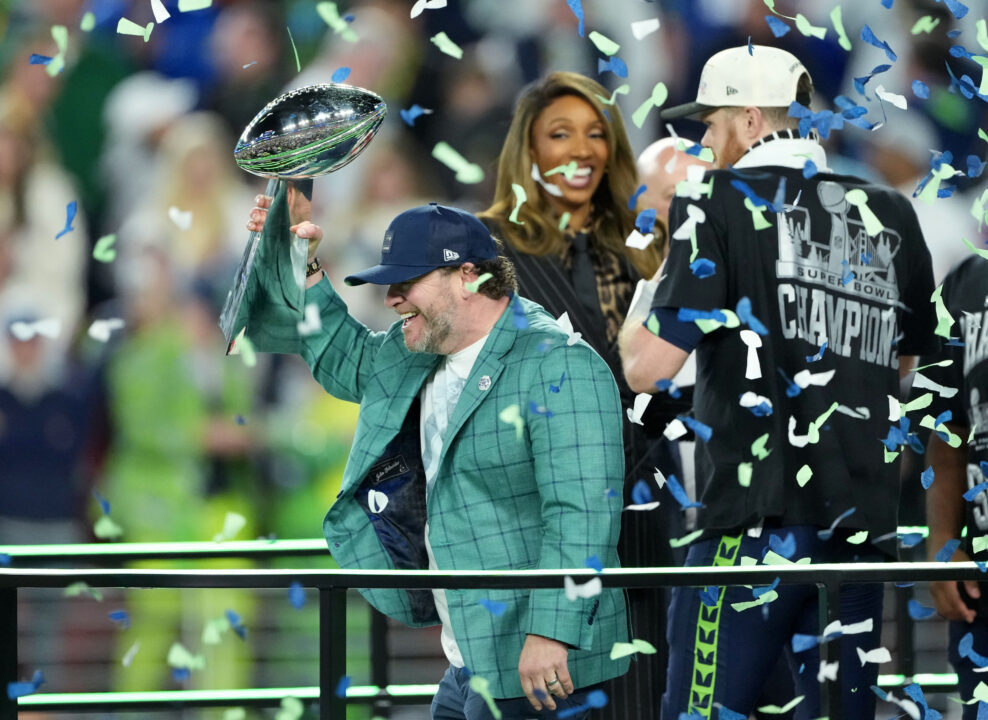
The Patriots’ Super Bowl 60 injury-report controversy may define how the NFL balances competitive advantage and gambling transparency. Fines, draft-pick losses, or an investigation will determine whether reports are enforceable contracts with the betting public. Another sanction would cement New England as the most penalized franchise in NFL history. Bettors, small businesses, and media partners will know whether they can trust NFL data. Other teams will see that hiding a quarterback’s shot-up shoulder on Super Bowl weekend is now an integrity violation with million-dollar consequences and financial accountability.
If you enjoyed this article please like and follow us here on MSN! Thank you for reading and have a great day!
Sources:
NFL injury report rules, explained: How it works, penalties for violations. The Sporting News, September, 10 2024.
Nick Wright wants NFL to punish Patriots for “fudging” Drake Maye injury report. Awful Announcing, February, 11 2026.
How much did Mattress Mack bet on the 2026 Super Bowl? USA Today For The Win, February, 08 2026.
Summary of NFL gambling policy education & integrity monitoring efforts. NFL Football Operations, August, 21 2024.
What Patriots’ filming punishment means to franchise, NFL, legacies. ESPN, June, 29 2020.