
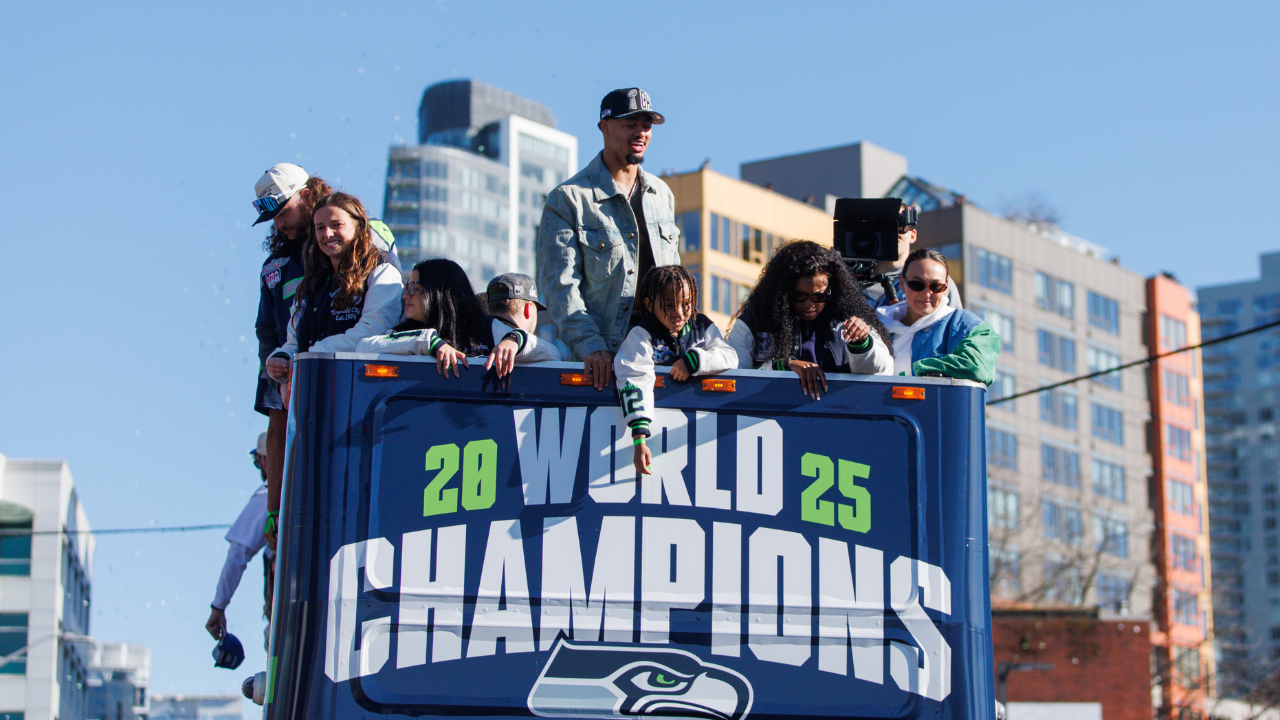
The Seattle Seahawks captured the Lombardi Trophy in a rugged Super Bowl LX win over the New England Patriots, led by Kenneth Walker’s decisive ground game. Their triumph comes amid a lingering controversy: the NFL is still allowing the “tush push,” a short-yardage play 22 owners tried, and failed, to ban. Seattle’s championship now intersects with a rule that almost disappeared, highlighting how timing, strategy, and a narrow vote can quietly shape a title run.
What The ‘Tush Push’ Actually Does
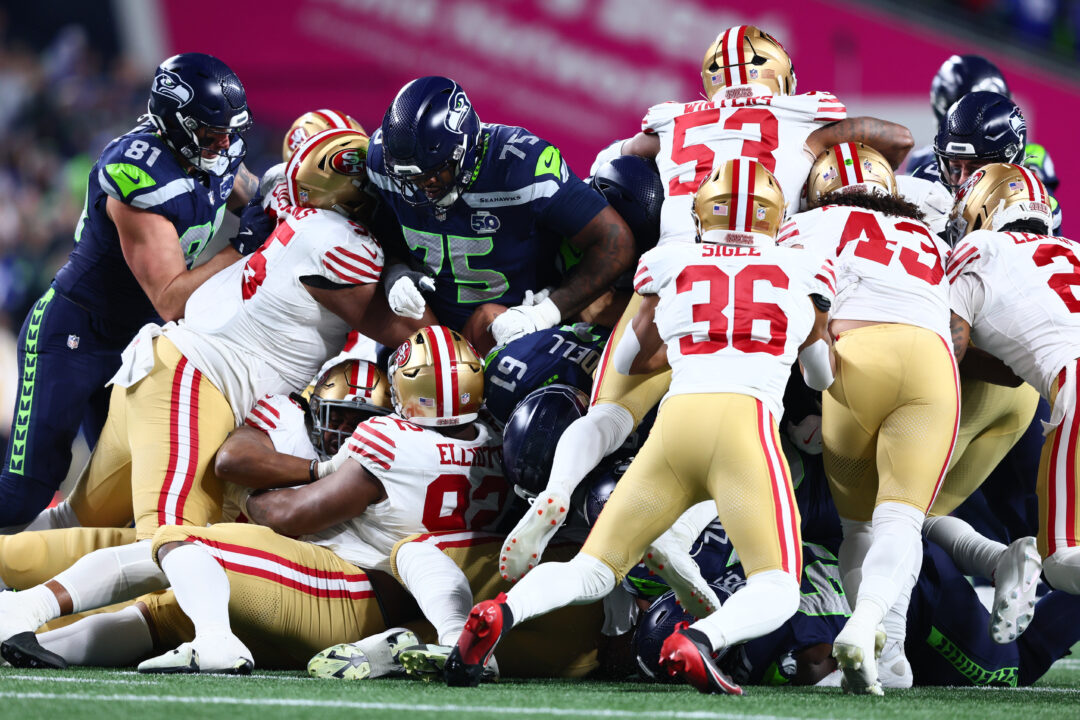
The “tush push” is a quarterback-sneak variant: the ballcarrier takes the snap while teammates line up behind to physically drive the pile forward, gaining crucial yards. League data show teams like the Philadelphia Eagles and Buffalo Bills convert these plays 87% of the time, versus roughly 71% for others. Television makes it look effortless, which fueled last year’s debate over its place in the modern NFL. Its success is undeniable, but the controversy around safety and fairness has kept coaches and owners locked in heated discussions.
How The NFL Nearly Banned It
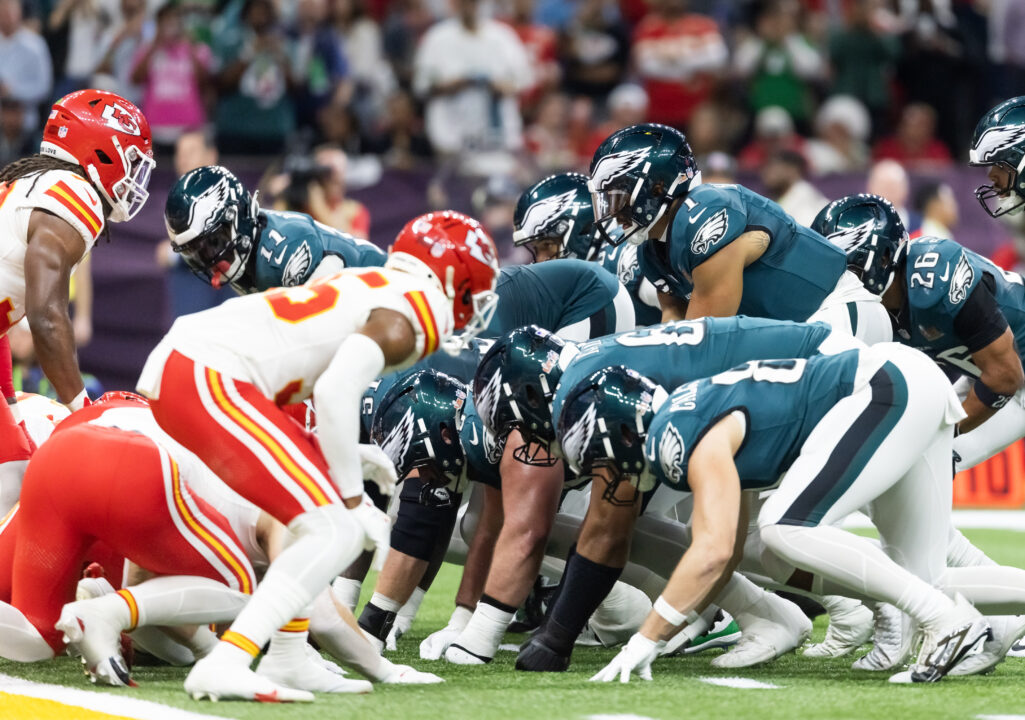
Last spring, 22 of 32 NFL owners voted to ban the tush push, with the Green Bay Packers leading the charge. The measure required 24 votes to pass, leaving the rule intact by the slimmest margin. The proposal aimed to restrict assistance in short-yardage situations. Reports highlighted the play’s efficiency and popularity, yet it almost disappeared. The tight margin underscores the power of league rules and procedural thresholds. Observers were left questioning why such a widely opposed tactic survived despite majority support for change.
Why Owners Pushed For A Ban
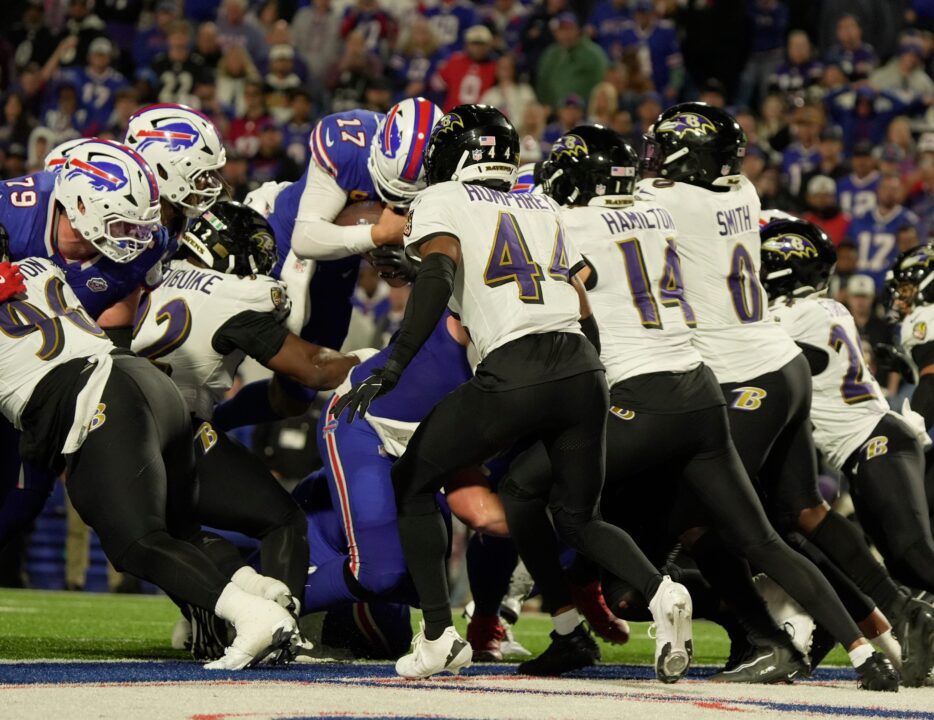
Critics of the tush push cited player safety and competitive balance. ESPN reported some argued the combined mass and leverage could expose linemen and quarterbacks to awkward hits, despite injury data lagging. Bleacher Report noted a 0% recorded injury rate across tracked plays. Yet rhetoric stressed potential risks and structural advantage. The tension between numbers and perception shaped debate throughout the offseason. While empirical evidence suggested minimal danger, the narrative of unfair leverage lingered, keeping the play under a microscope even as proponents worked quietly to integrate it successfully.
Seahawks’ Strategic Adoption Pays Off
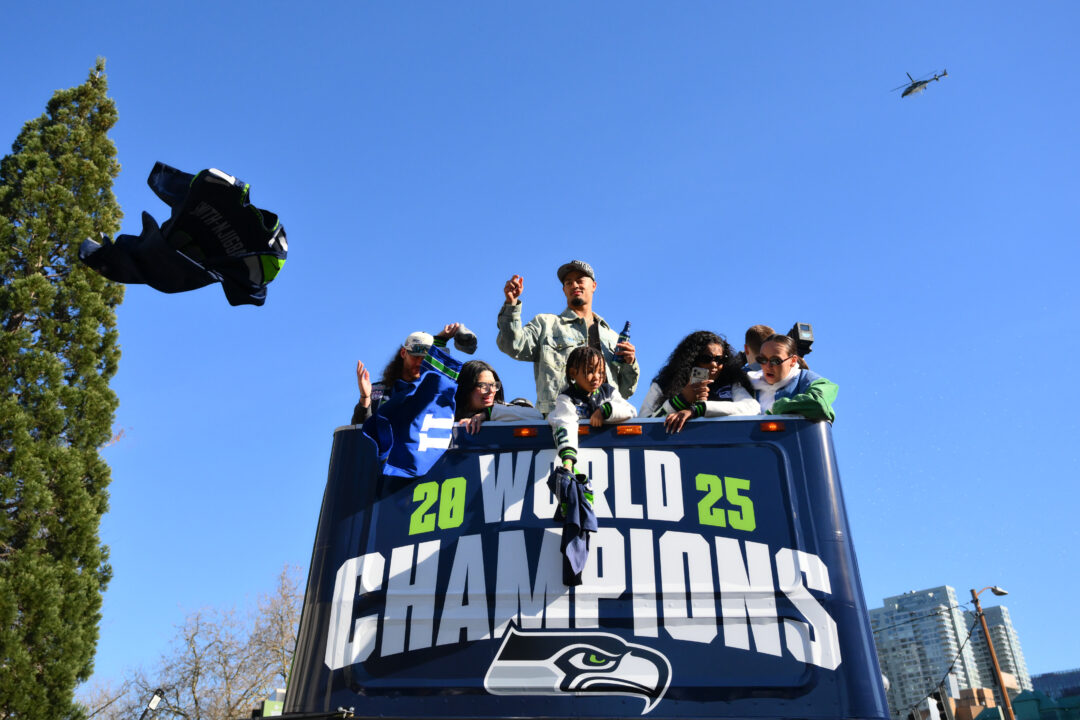
Seattle adapted the play after initially supporting its ban, tweaking it to fit their personnel. Reports detailed shifting some attempts from quarterback snaps to tight end AJ Barner in short-yardage situations. The approach complemented the team’s broader strategy in 3rd-and-short and goal-line scenarios rather than making it a centerpiece. Analysts now view this as pragmatic adaptation, embracing a controversial tool once it remained legal despite their earlier vote against it. The decision highlights Seattle’s analytical approach: adapt to the rules landscape, whether you shaped it or not. The choice paid dividends as the rule survived, allowing the Seahawks to enter the postseason armed with a legal, optimized tactic.
The Rule Survives, Quietly
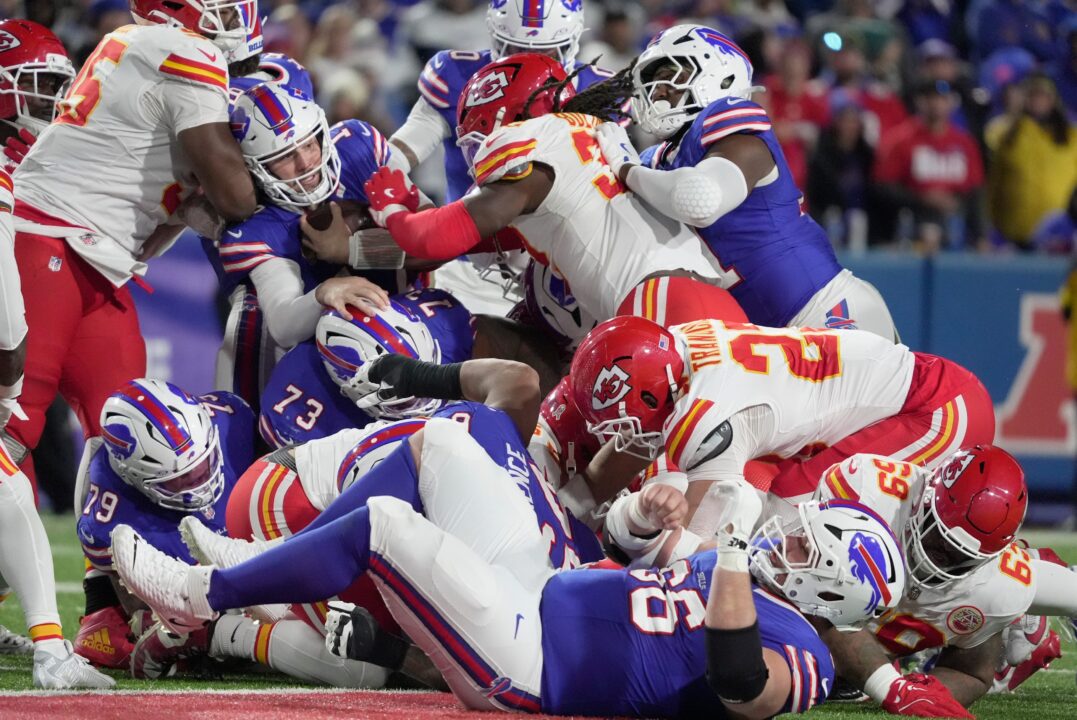
By late winter, no team submitted a new proposal to ban the tush push ahead of this year’s meetings. NFL competition committee co-chair Rich McKay told reporters it would not appear on the agenda. The absence of a proposal automatically maintains the play under existing rules. The quiet procedural continuation benefits Seattle, ensuring the short-yardage tool remains available without further debate. This non-decision emphasizes how political inertia in the league can provide champions a subtle edge. A glance at the offseason shows that survival sometimes matters more than any active advocacy.
Why 22 Votes Fell Short
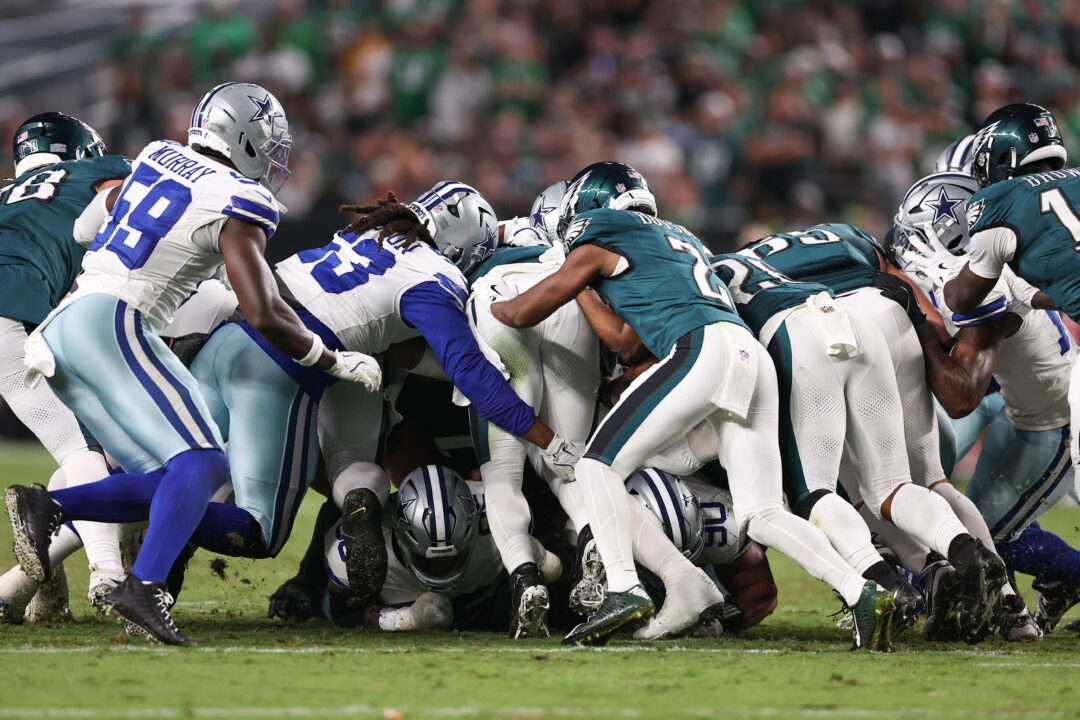
On paper, 22 of 32 owners supported banning the play, yet the NFL constitution requires 24 votes to change on-field rules. ESPN highlighted how minority opposition can block widespread consensus. Reuters noted that no renewed push emerged from the original sponsors. This illustrates a core league reality: procedural thresholds often trump numerical majority. Fans assume change follows majority sentiment, but NFL politics operate differently. The narrow miss left the rule intact and demonstrated how structural safeguards favor stability, not reform, even when a strong coalition favors modification. The gap between frustration and rule change remains instructive.
Mark Murphy’s Departure Changed Momentum
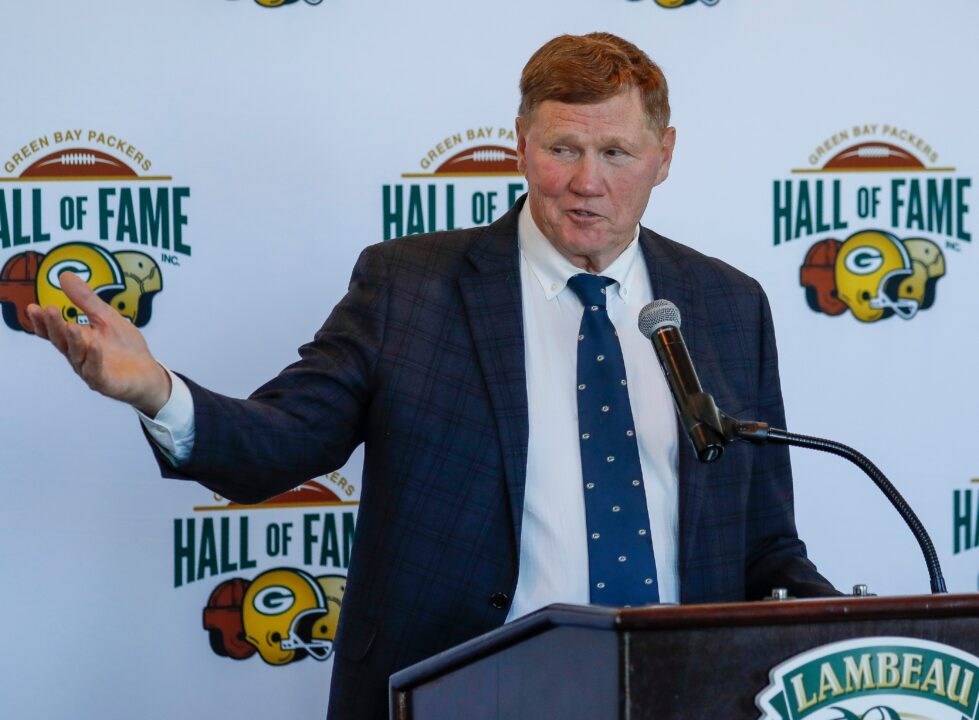
Mark Murphy, who served as Packers president and CEO until his mandatory retirement in July 2025, had been the most vocal advocate for banning the tush push. SI’s Seahawks coverage emphasized that his exit left the proposal without a natural champion. No other club appeared willing to inherit a politically charged fight over a niche play. Green Bay leadership acknowledged the impact of his departure, noting momentum often depends on key figures staying engaged. When the loudest voice exits, debate fades quickly, leaving surviving rules intact. The Seahawks now reap the benefits of Murphy’s absence, a quiet advantage behind the scenes.
Numbers Offer A Mixed Picture
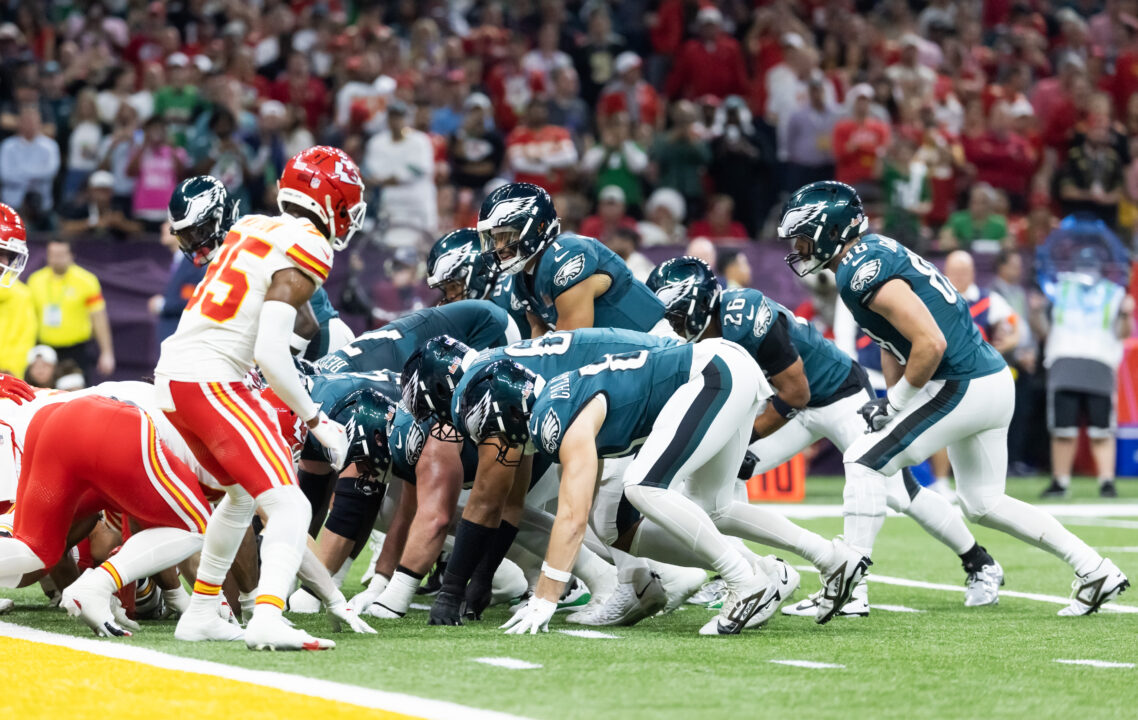
Statistical analysis shows a nuanced case for banning the play. Eagles and Bills convert it 87% of the time, versus roughly 71% for the rest of the league—a meaningful, though not perfect, advantage. Injury tracking shows a 0% recorded rate over tracked plays, yet critics warn of potential wear over time. Bleacher Report framed the play as a competitive puzzle rather than an imminent crisis. Seattle’s success demonstrates that exploiting such advantages requires both strategy and timing. Understanding the numbers clarifies why the Seahawks’ investment in the play was low-risk, high-reward.
Seattle’s Title And The Future
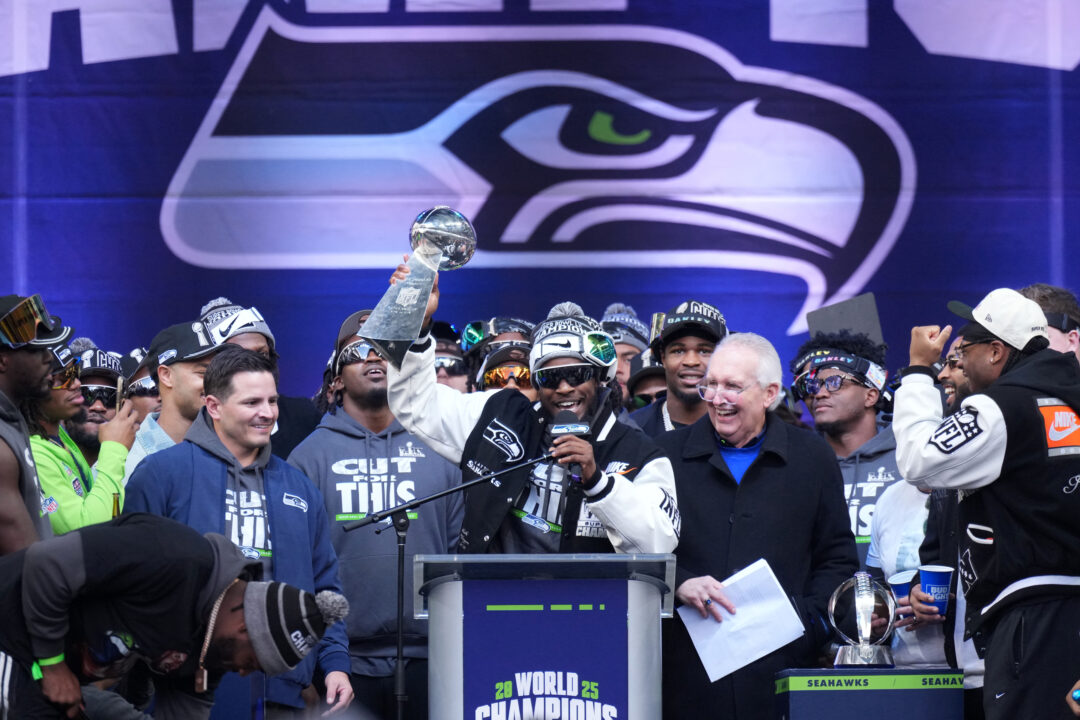
The Seahawks’ Super Bowl win does not hinge on the tush push, yet it reinforces the strategic value of short-yardage tools. Multiple outlets noted defense, special teams, and a bruising run game drove the victory. Still, the rules environment matters: as long as the play is legal, teams that perfect it gain incremental value on every 3rd-and-1. For Seattle, this means a potential edge in defending their title. The league’s decision to leave the rule intact, narrowly, underscores how regulatory choices can shape championship strategies for years to come.
If you enjoyed this article please like and follow us here on MSN! Thank you for reading and have a great day!
Sources:
Seahawks Get Good News on Hotly Contested Rule Change. Sports Illustrated, 22 February 2026
Rich McKay: Not expecting tush push ban proposal this year. ESPN, 22 February 2026
Proposal to ban tush push in NFL fails by two votes, sources say. ESPN, 21 May 2025
NFL Says Tush Push Injury Rate Is 0% amid Packers’ Proposal to Ban Eagles’ Play. Bleacher Report, 16 April 2025
NFL not expecting attempt to ban ‘tush push’. Reuters, 22 February 2026