
For 15 other World Cup venues, FIFA’s “clean site” policy means every piece of corporate branding must vanish, including rooftop logos only TV helicopters and drones can see. In Atlanta, though, the giant three-pointed Mercedes-Benz star formed by the retractable roof panels will stay put, after FIFA signed off on an exception that local officials and engineers say avoids multimillion-dollar structural risk.
Mercedes-Benz Stadium’s operators spent roughly 18 months in talks with FIFA and technical experts trying to find a way to hide the rooftop logo without risking major structural damage. The roof’s eight interlocking panels, built with air-inflated ETFE material, make the star part of the architecture rather than a removable sign. Engineers examined vinyl coverings and other options, but each plan raised red flags about safety, cost and feasibility well before 2026 kickoff.
FIFA’s clean site rules push venues to scrub identities
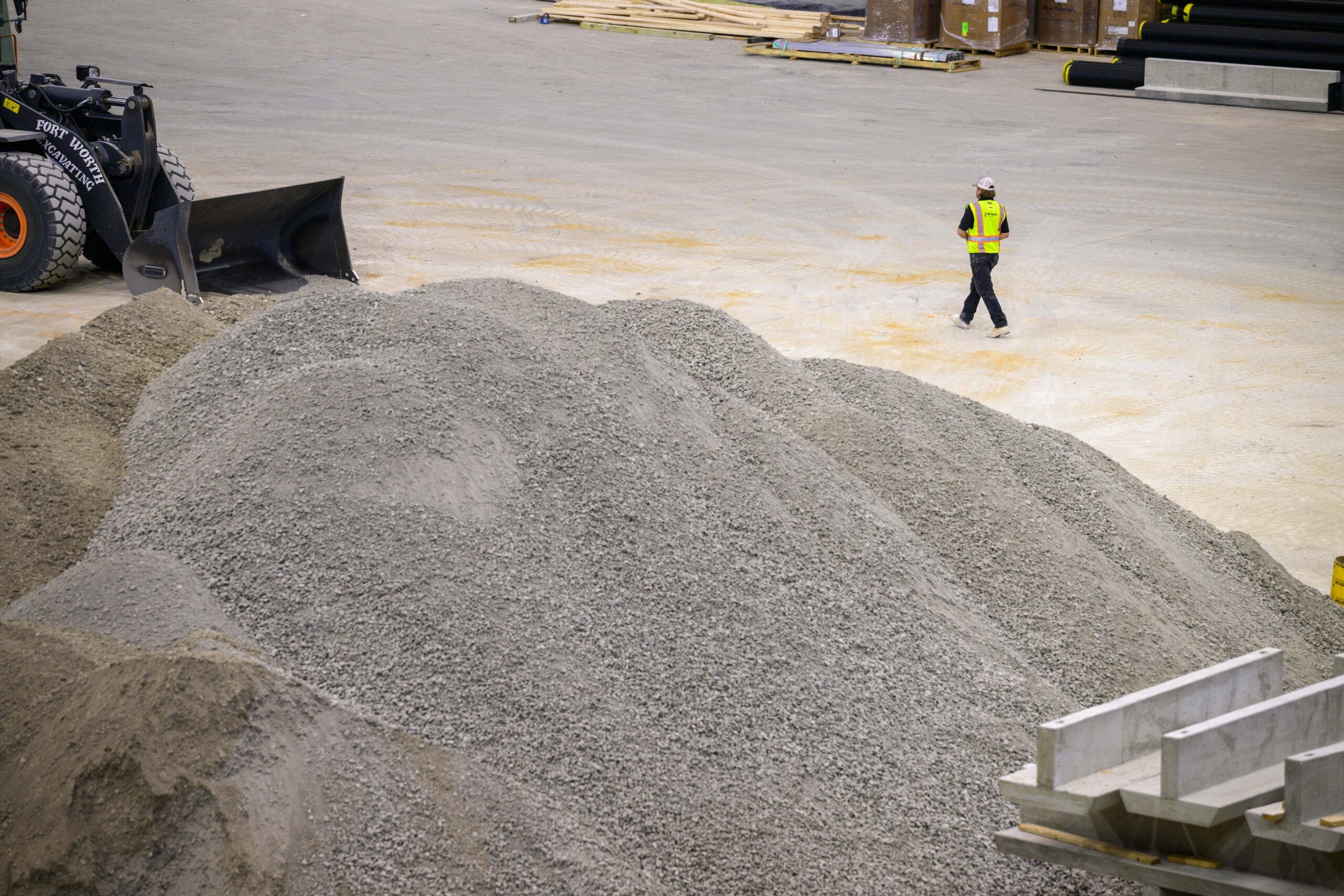
Mar 13, 2026; Arlington, Texas, USA; A view of the interior of AT&T Stadium as work crews prepare the soccer playing field for the 2026 FIFA World Cup. Mandatory Credit: Jerome Miron-Imagn Images
Under FIFA’s brand protection rules, every World Cup stadium must strip out existing sponsors to safeguard the exclusivity of official tournament partners, a requirement reiterated in 2026 planning documents and venue briefings. That clean site approach extends beyond scoreboards and concourses to airspace, forcing U.S. venues to rethink rooftop logos designed for flyovers and aerial shots.
FIFA has emphasized that it protects its brands and the exclusive rights of its sponsors, including clean zones around FIFA World Cup stadiums and other event sites.
Atlanta’s name disappears even as its star stays
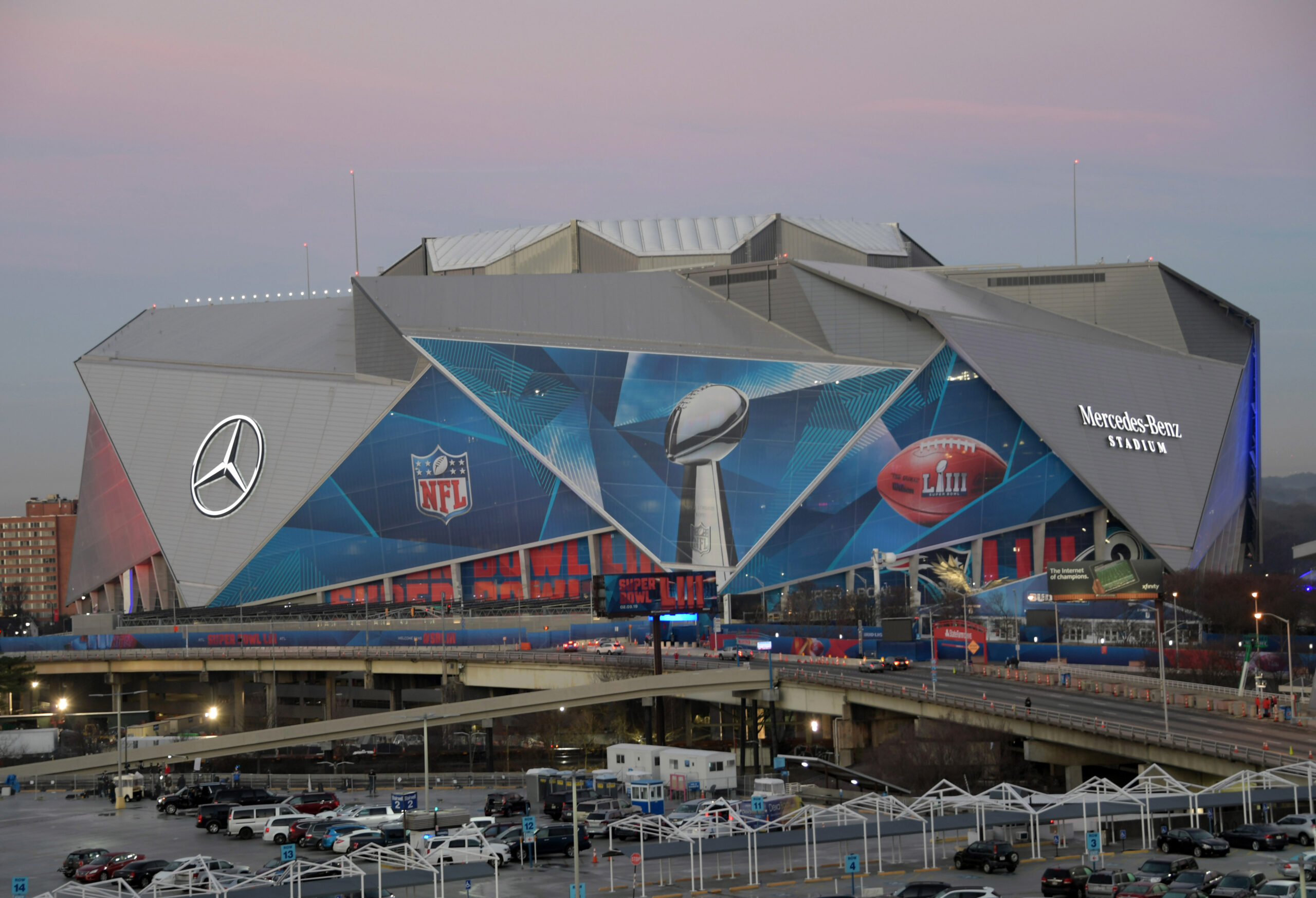
Feb 4, 2019; Atlanta, GA, USA; General overall view of the Mercedes-Benz Stadium exterior and the State Farm Arena.The venue is the home of the Atlanta Falcons and the site of Super Bowl LIII between the New England Patriots and the Los Angeles Rams. Mandatory Credit: Kirby Lee-Imagn Images
Inside and around the building, Atlanta’s NFL home will look like a different venue once FIFA moves in. Thousands of Mercedes-Benz marks on signage, concourses and scoreboards must be removed or covered, and the venue will be referred to by a neutral tournament name: Atlanta Stadium, in line with how FIFA plans to treat all 2026 host sites.
From street level, fans will see a scrubbed, generic identity; only cameras above the city will catch the star that still screams sponsorship.
Structural risks turned branding into an engineering problem
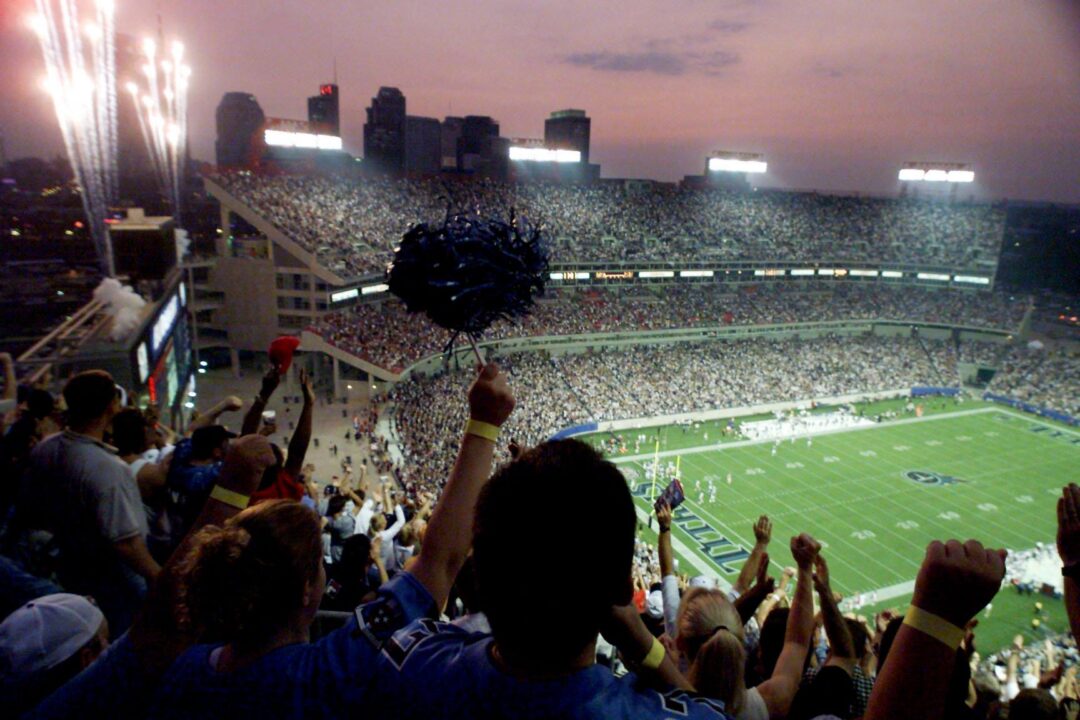
At the heart of the dispute is how the logo is built into the roof itself. Each panel weighs hundreds of tons, and the air-inflated ETFE surface is sensitive to additional loads, making heavy coverings risky in Atlanta’s varied weather.
Stadium vice president of operations Adam Fullerton warned earlier this year that vinyl wraps and other proposed fixes were easier said than done, with one analysis suggesting potential repair costs in the millions if anything went wrong.
Other NFL venues face tougher choices
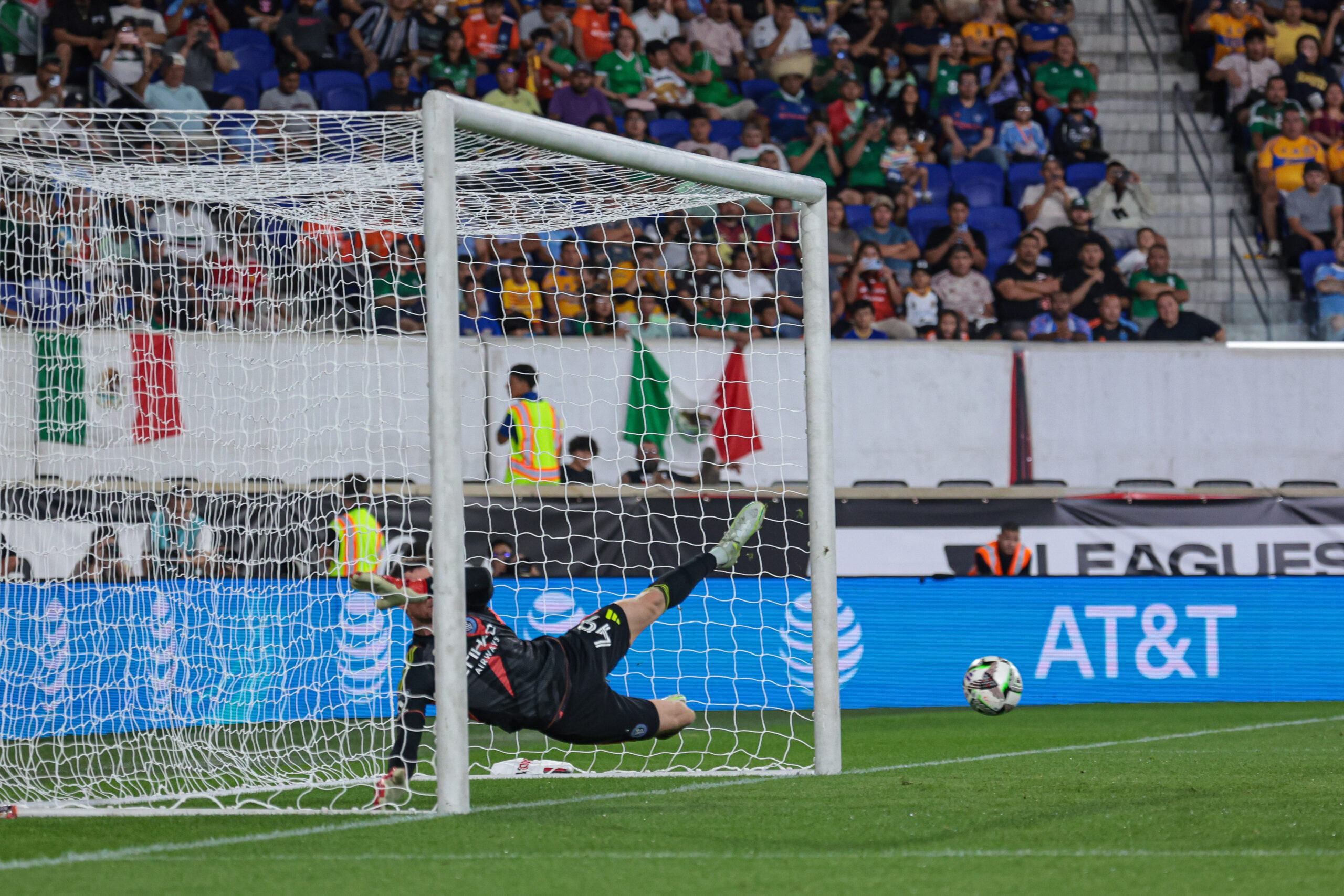
Aug 13, 2024; Harrison, New Jersey, USA; New York City FC goalkeeper Matt Freese (49) makes a save off a header by Tigres UANL forward Nicolas Ibanez (not pictured) during the second half at Red Bull Arena. Mandatory Credit: Vincent Carchietta-Imagn Images
While Atlanta gained its exception, other U.S. host stadiums must still erase their visible corporate identities. SoFi Stadium in Inglewood, MetLife Stadium in New Jersey, AT&T Stadium in Arlington and Seattle’s Lumen Field are among the venues now finalizing ways to hide massive rooftop logos ahead of 2026.
Options range from custom physical coverings to broadcast workarounds, but none match the simple, if controversial, solution FIFA accepted in Atlanta.
Digital fixes fall short for live aerial shots
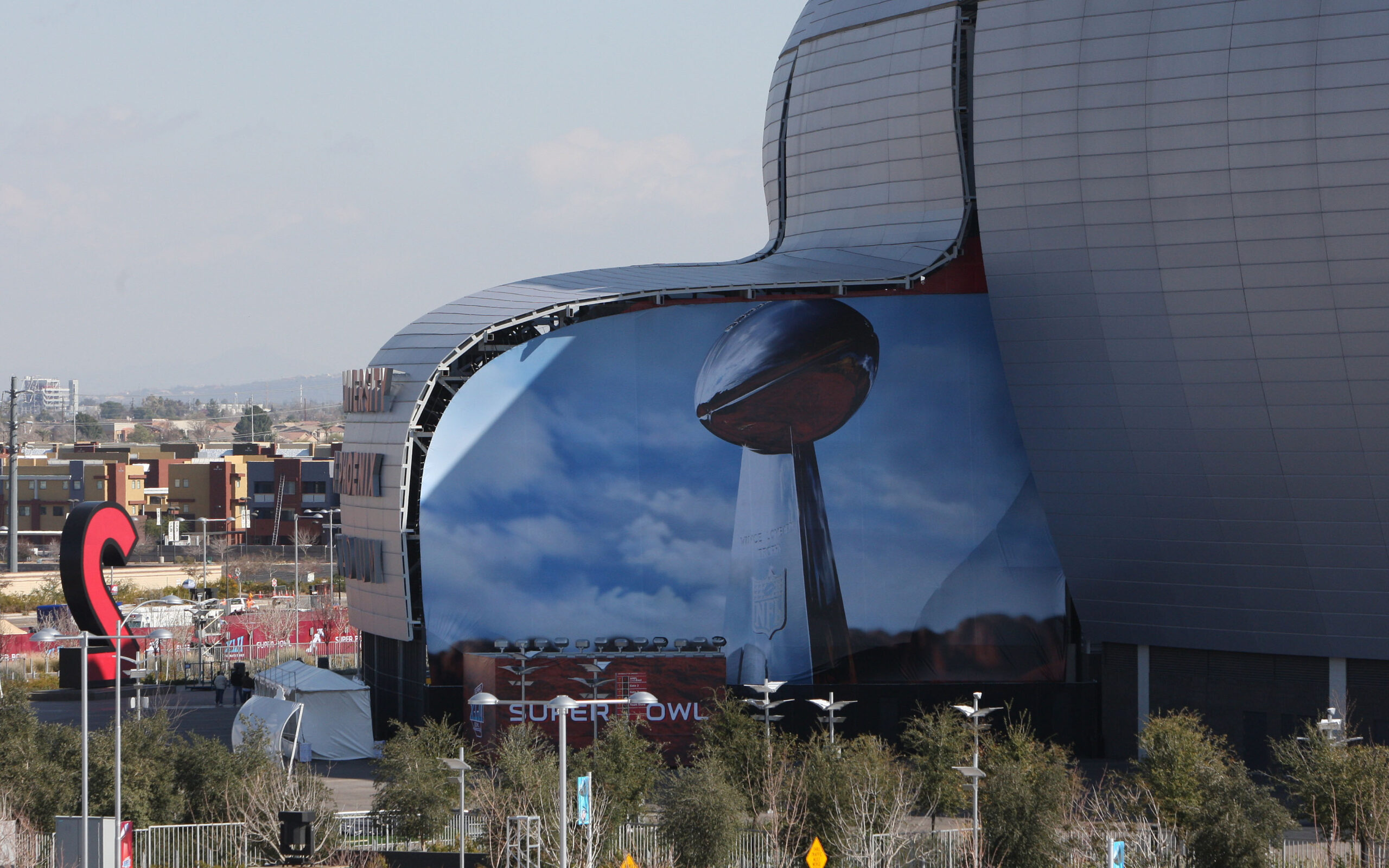
Jan 30, 2008; Glendale, AZ, USA; Aerial shots of the University of Phoenix Stadium. The New England Patriots will face the New York Giants Sunday February 3, 2008 in Super Bowl XLII. Mandatory Credit: Matthew Emmons-Imagn Images
Organizers and broadcasters have also explored high-tech answers, including using software to digitally scrub logos from aerial footage in real time. Those ideas remain largely experimental, with technical limits especially evident for fast-moving helicopter shots, variable lighting and weather.
For now, physical concealment is still the primary tool for complying with FIFA’s rules, leaving structurally complex roofs like Atlanta’s as awkward outliers.
What the exception reveals about World Cup power dynamics
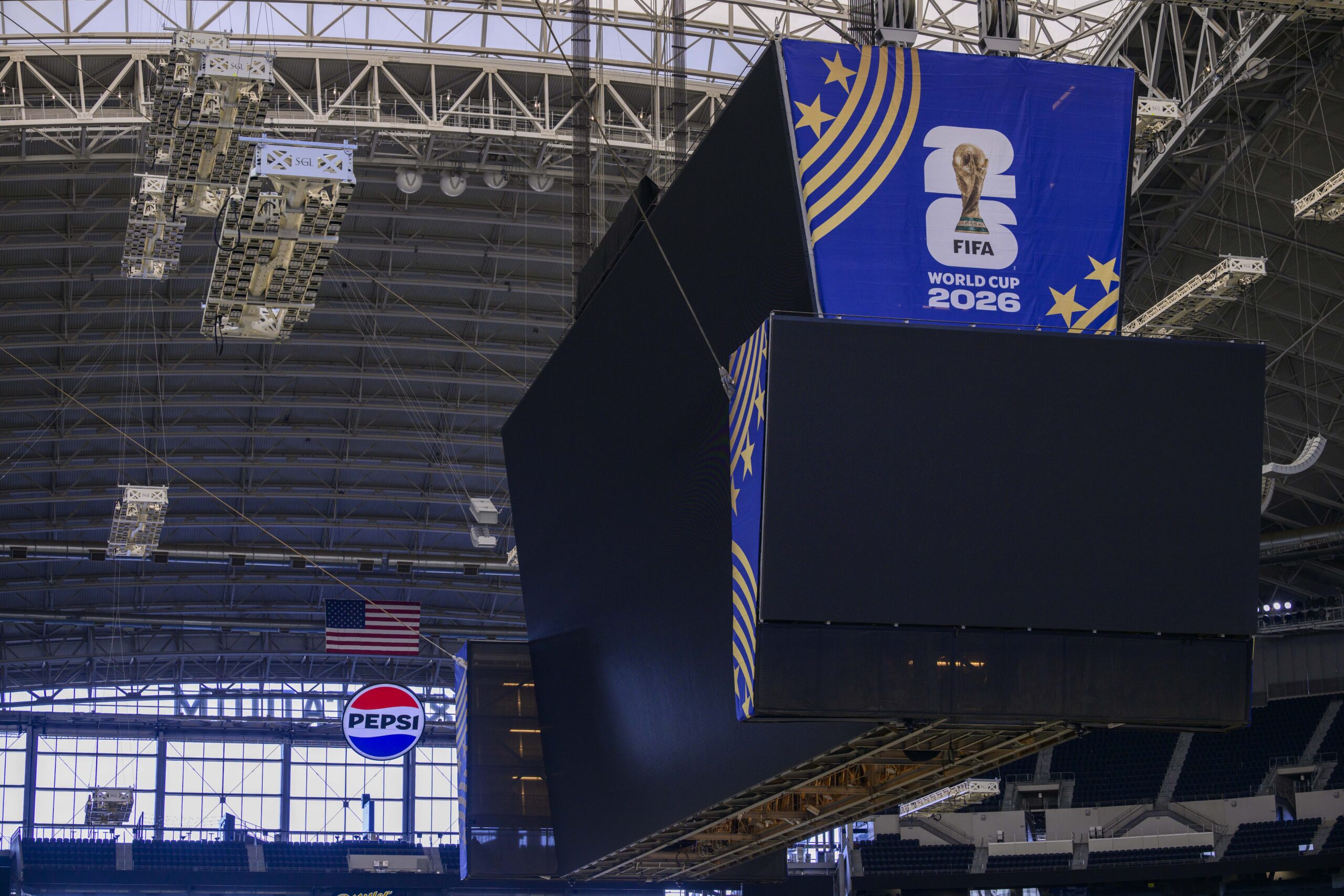
Mar 13, 2026; Arlington, Texas, USA; A view of the interior of AT&T Stadium as work crews prepare the soccer playing field for the 2026 FIFA World Cup. Mandatory Credit: Jerome Miron-Imagn Images
The Atlanta outcome highlights the tension between FIFA’s commercial control and the reality of modern U.S. stadium deals. American venues are among the most heavily branded in global sport, backed by long-term naming-rights contracts like Mercedes-Benz’s multi-decade agreement in Atlanta.
In this case, structural risk effectively trumped policy, showing FIFA will bend a flagship rule when the cost of compliance becomes too high on the ground, in what current reporting describes as a one-off concession among the tournament’s 16 host stadiums.
A unique visual footprint for a global audience
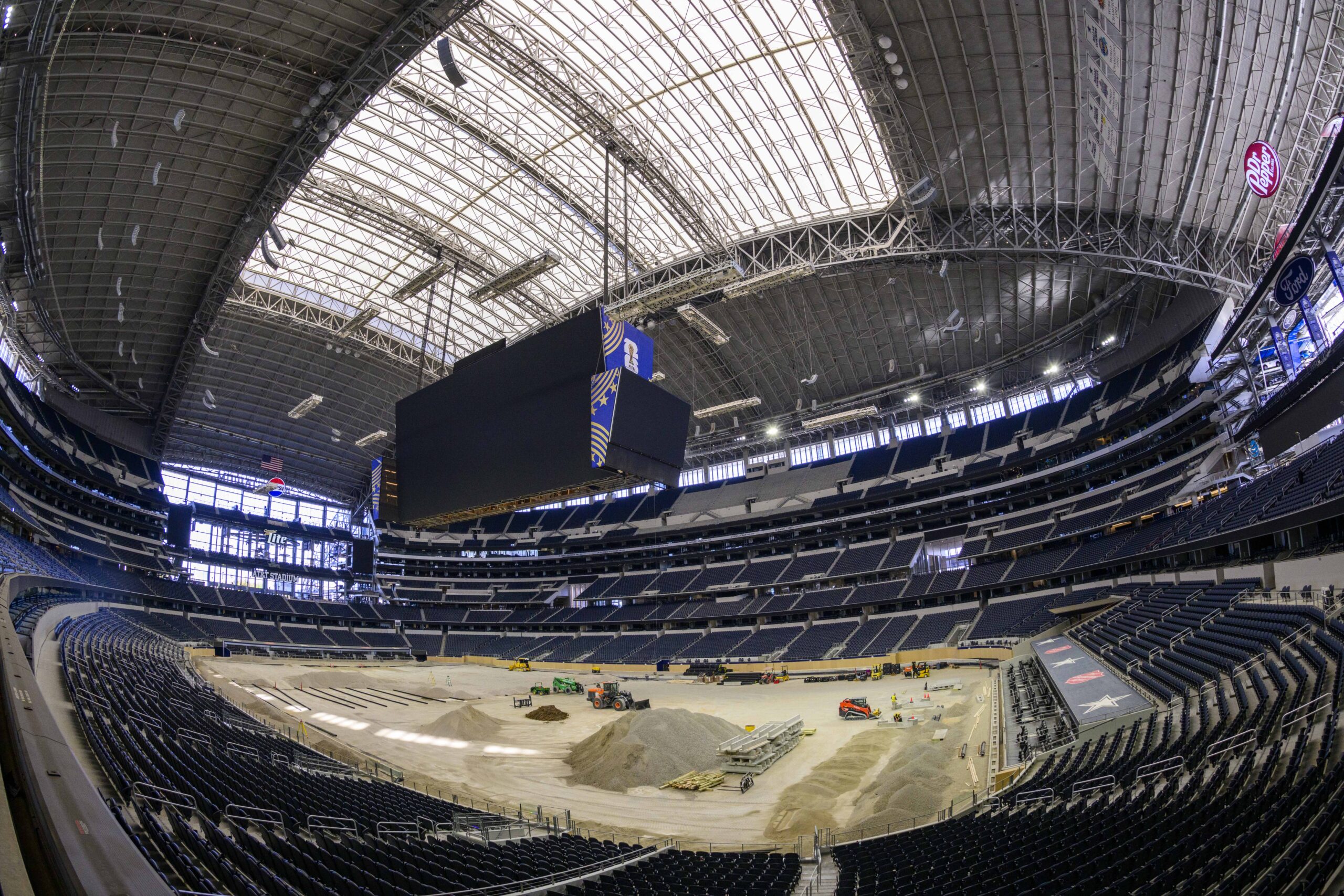
Mar 13, 2026; Arlington, Texas, USA; A view of the interior of AT&T Stadium as work crews prepare the soccer playing field for the 2026 FIFA World Cup. Mandatory Credit: Jerome Miron-Imagn Images
When the World Cup arrives, viewers inside Atlanta Stadium will see a neutral, sponsor-free environment that looks like every other FIFA venue. Overhead, though, the unmistakable Mercedes-Benz star will still dominate aerial shots of downtown, creating a visual footprint that coverage describes as unique among the 2026 host cities.
The Atlanta exemption shows that FIFA is willing to adapt its rules when structural realities make full compliance impractical, as noted by sports business analysts following the talks.
If you enjoyed this article please like and follow us here on MSN! Thank you for reading and have a great day!
Sources
“NFL Stadiums Must Scrub All Branding for FIFA’s World Cup. One Got a Pass.” The Athletic / New York Times, March 2026.
“World Cup Venues Face Time-Consuming Process of De-Branding.” Sports Business Journal, August 2025.
“Why Just One of the 16 2026 World Cup Stadiums Is Allowed Advertising After 18 Months of FIFA Talks.” Football Ground Guide, March 2026.
“The Real Reason Why Several Stadiums Will Change Their Names for the 2026 World Cup.” beIN Sports, March 2026.
“FIFA Forced to Break Own Rule for 2026 World Cup Over Unfixable Stadium Problem.” Mirror UK, March 2026.