
The video call connected from a SpringHill Suites in Buford, Georgia. On the other end, a lender preparing to wire millions watched a face appear on screen. A durag pulled on. A fake driver’s license already submitted. The man on camera claimed to be an NFL star with a contract worth tens of millions. He wasn’t. He never played a single snap in the NFL. But the lender didn’t check. The wire went through.
The Man Behind the Makeup
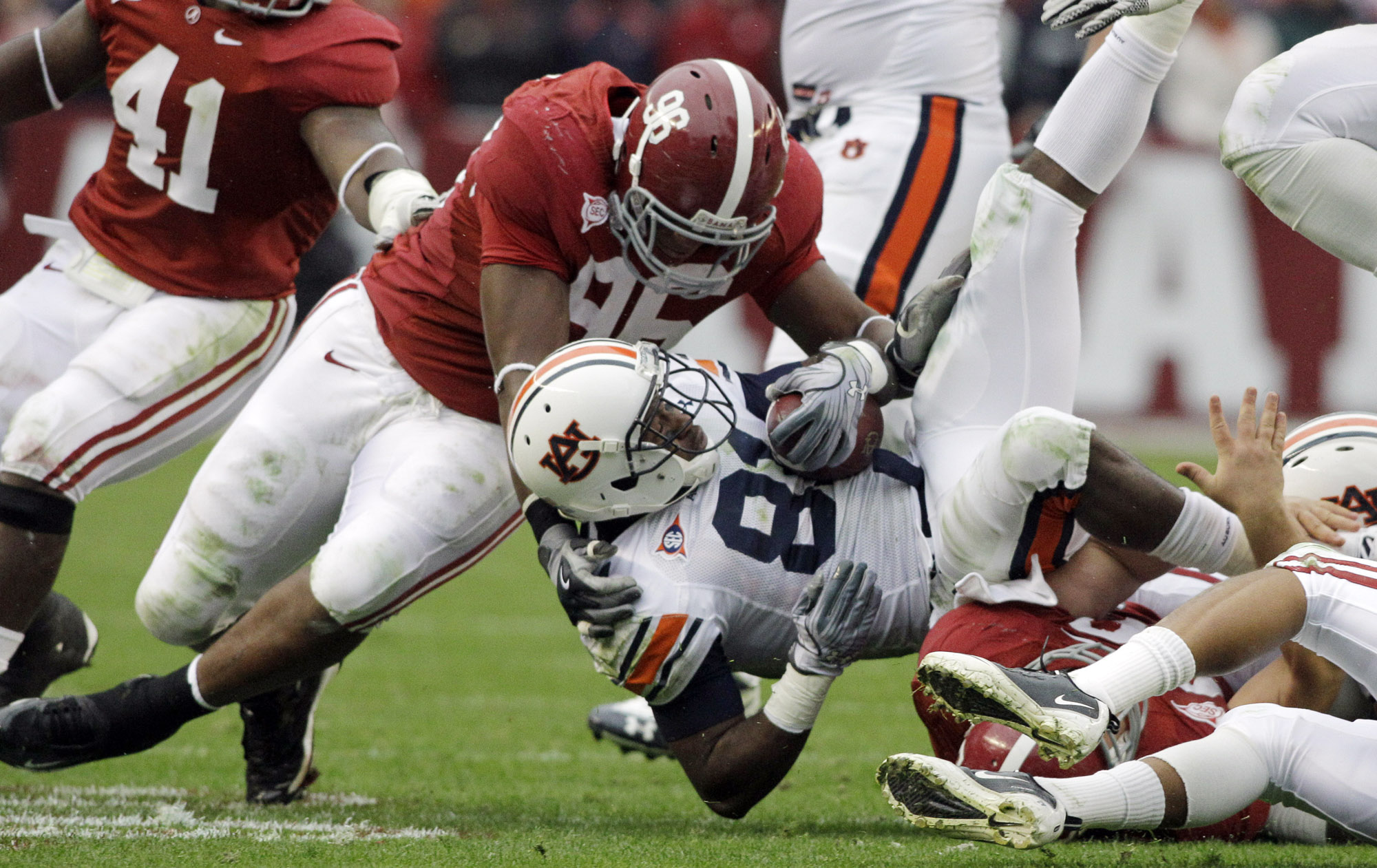
Nov 26, 2010; Tuscaloosa, AL, USA; Alabama Crimson Tide lineman Luther Davis (96) tackles Auburn Tigers receiver Terrell Zachery (81) during the first half at Bryant-Denny Stadium. Mandatory Credit: John Reed-Imagn Images
Luther Davis, 37, played as a defensive lineman under Nick Saban at Alabama. He won a BCS national championship for the 2009 season. He never got drafted. That gap between prestige and payday apparently ate at him. By May 2023, Davis and co-conspirator CJ Evins launched a scheme targeting lenders who specialize in loans to professional athletes. Davis ran a sports management company in Georgia. Evins ran a separate sports management firm. Together, they built shell companies, fabricated documents, and started impersonating NFL players with contracts Davis could only dream about.
Three Stars, Zero Permission
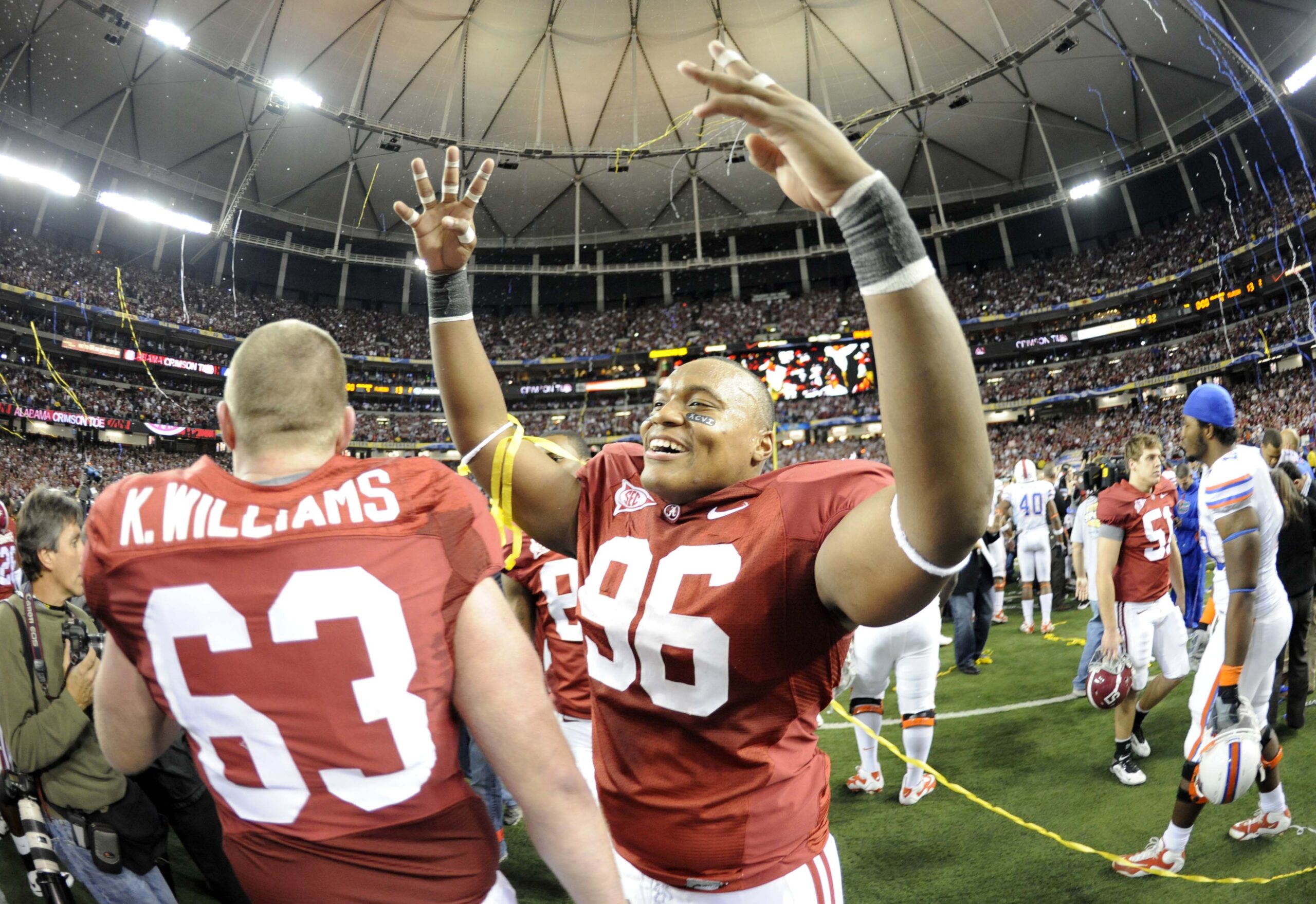
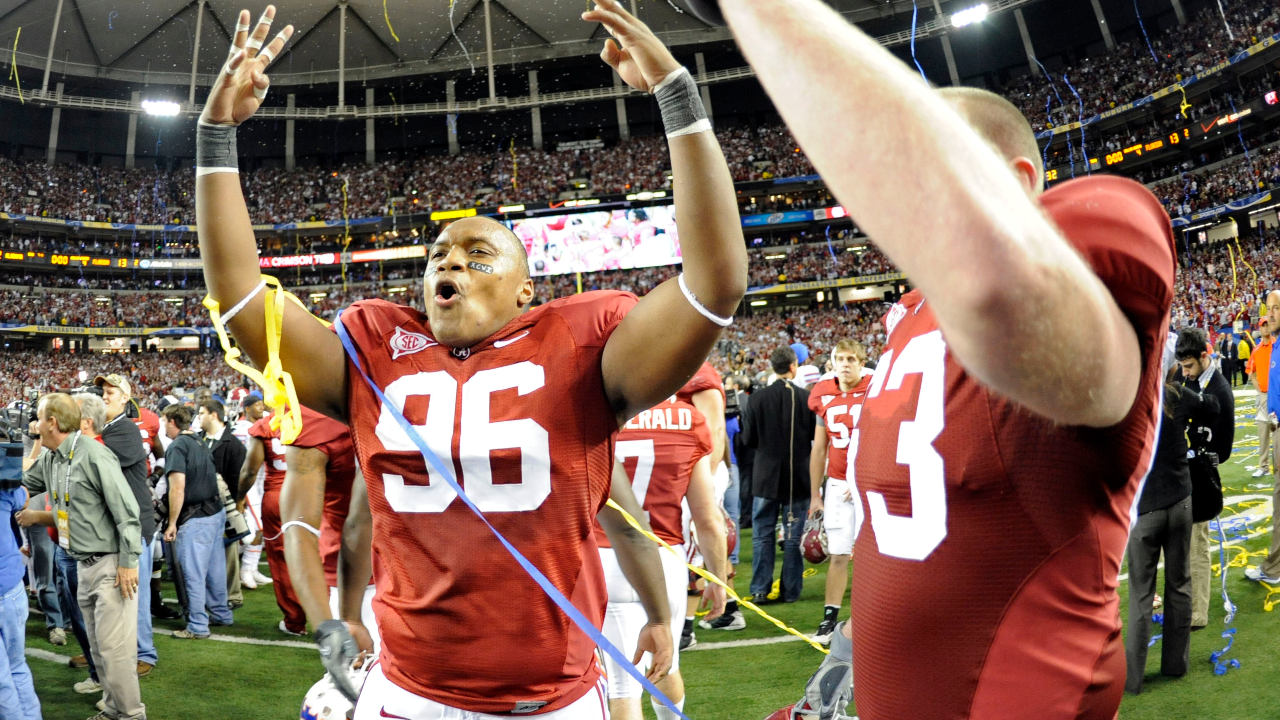
Dec 5, 2009; Atlanta, GA, USA; Alabama Crimson Tide defensive lineman Luther Davis (96) celebrates after defeating the Florida Gators 32-13 in the 2009 SEC championship game at the Georgia Dome. Mandatory Credit: Dale Zanine-Imagn Images
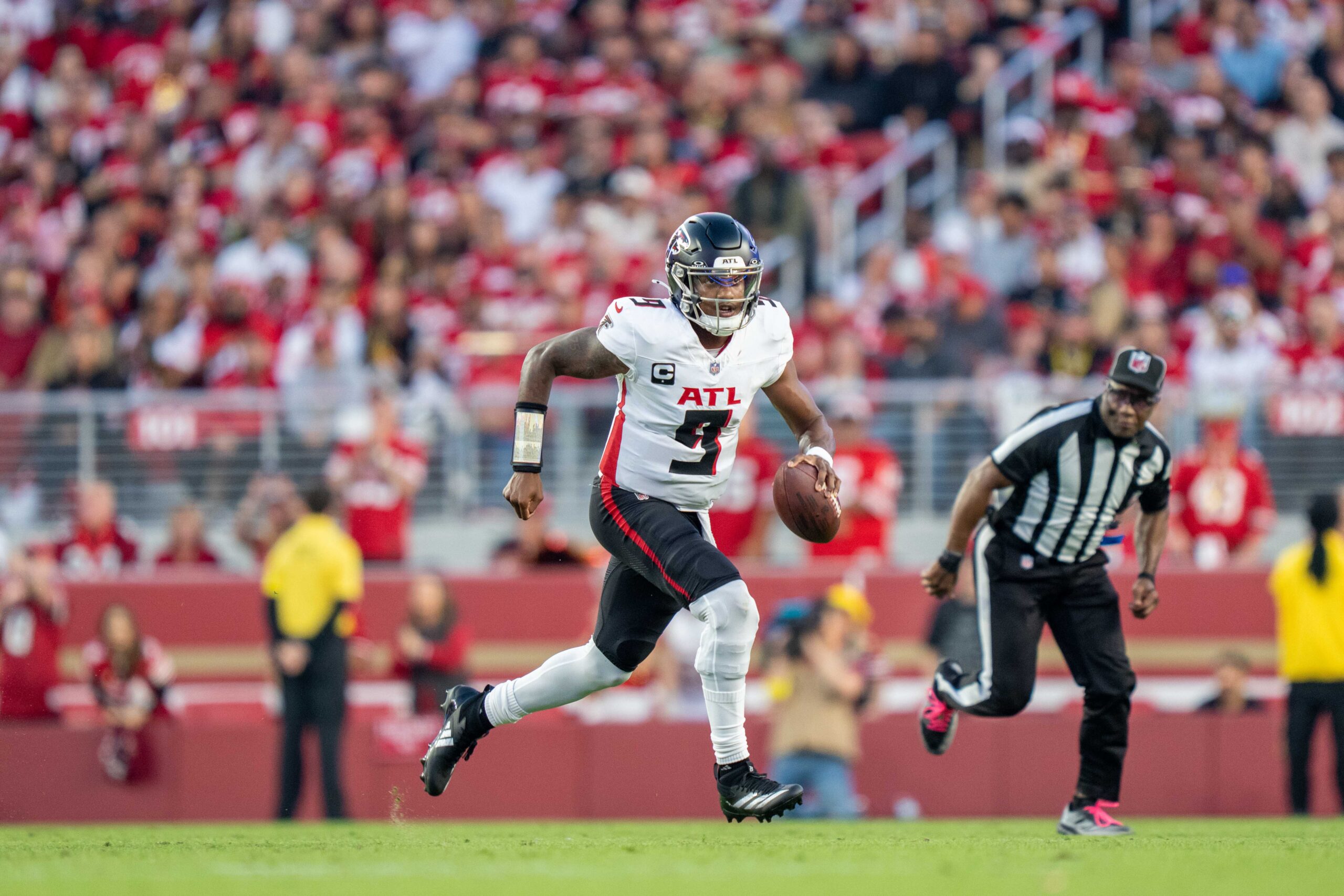
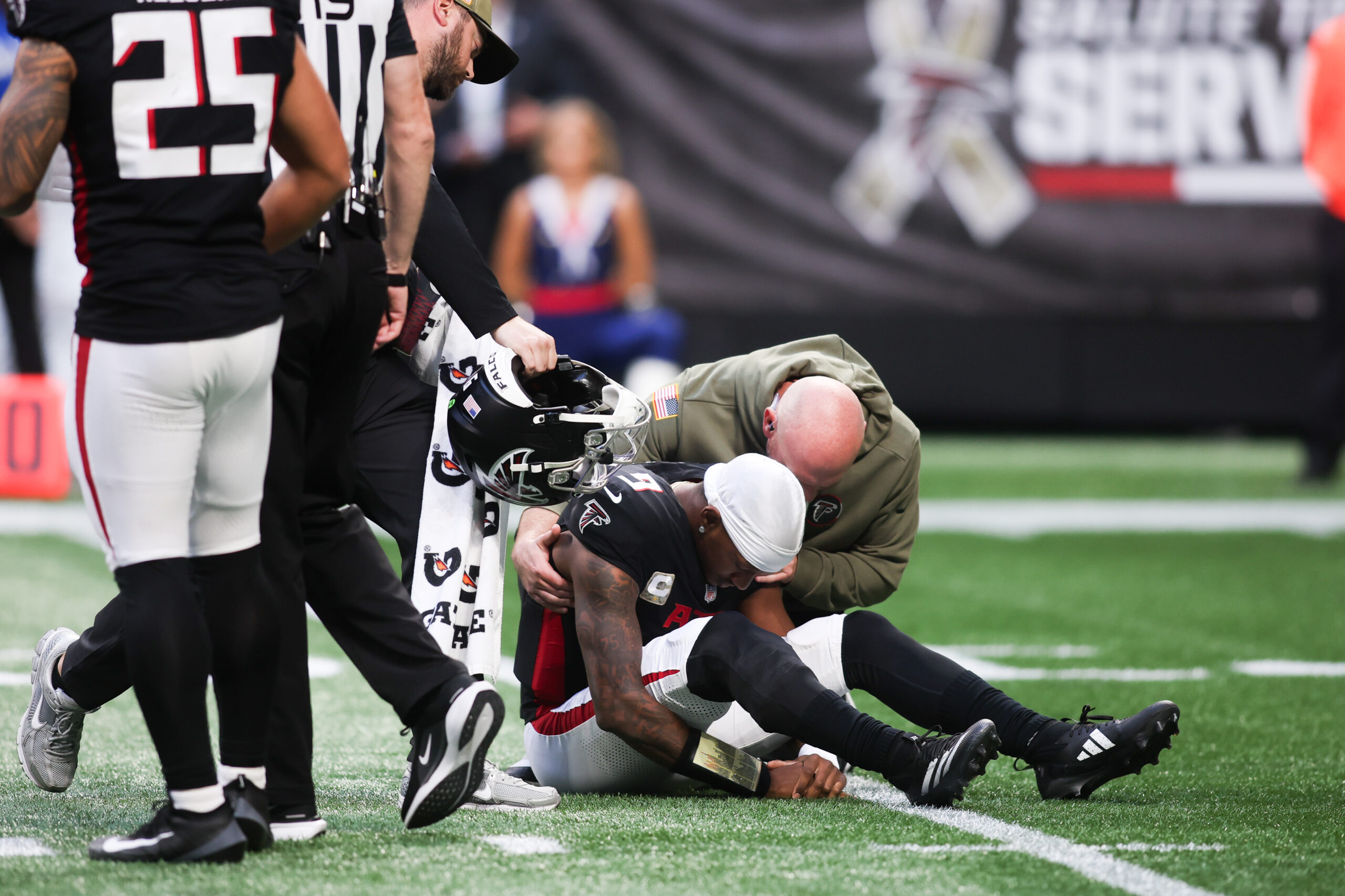
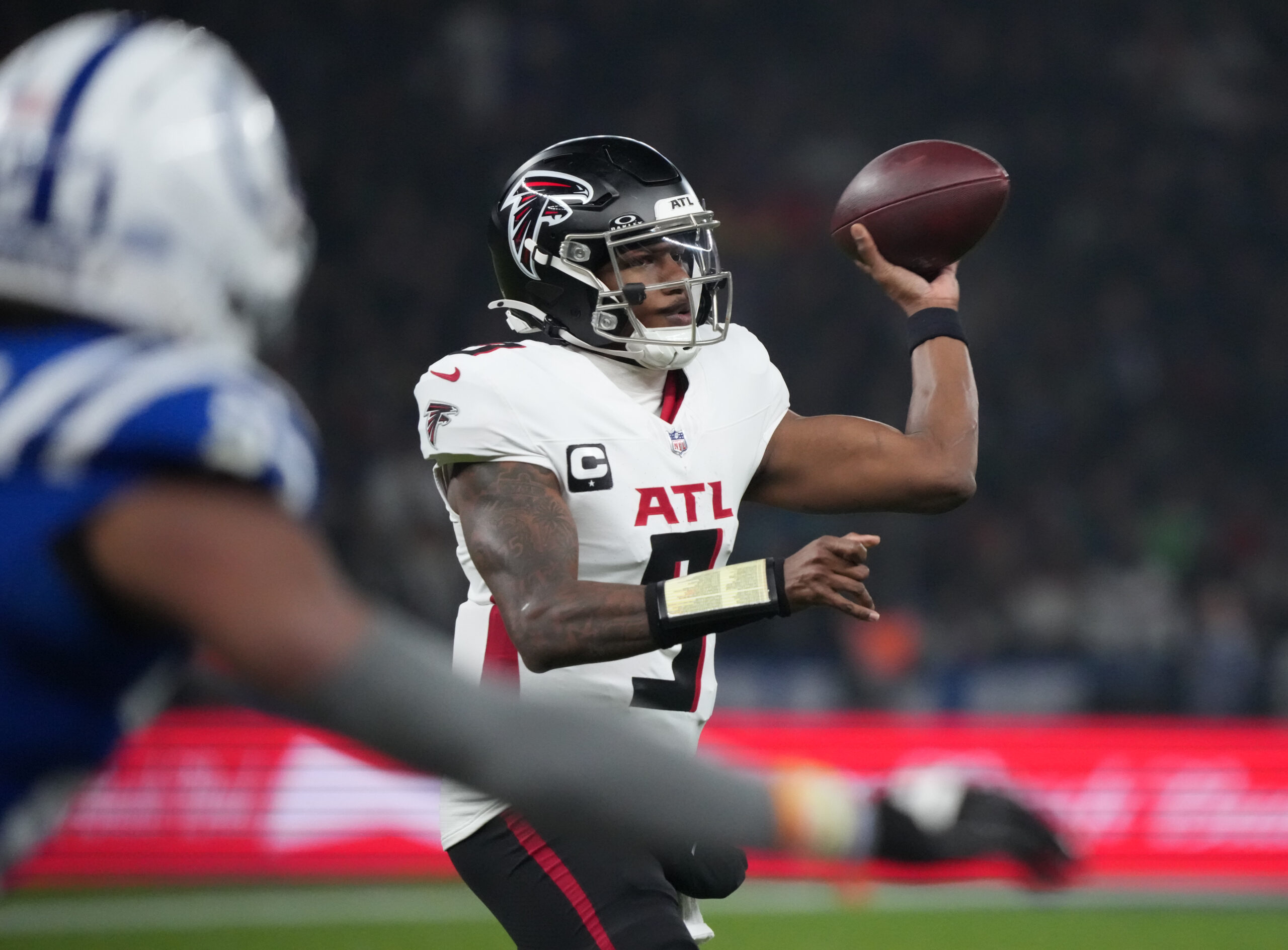
The targets were three active NFL players whose real contracts dwarfed anything Davis ever earned. Michael Penix Jr., the Atlanta Falcons quarterback, was one. David Njoku, the Cleveland Browns tight end, was another. Xavier McKinney, the Green Bay Packers safety and 2024 All-Pro, rounded out the list. None of them authorized a single loan, and none knew their identities had become collateral in a fraud operation. Prosecutors said Davis and Evins sought to impersonate higher-profile players with bigger contracts. They secured roughly $3.3 million under Penix’s name, $4.025 million as Njoku, and $4.35 million posing as McKinney. Thirteen fraudulent loans in 18 months added up to $19,845,000.
A Wig, a Hotel Room, and Millions
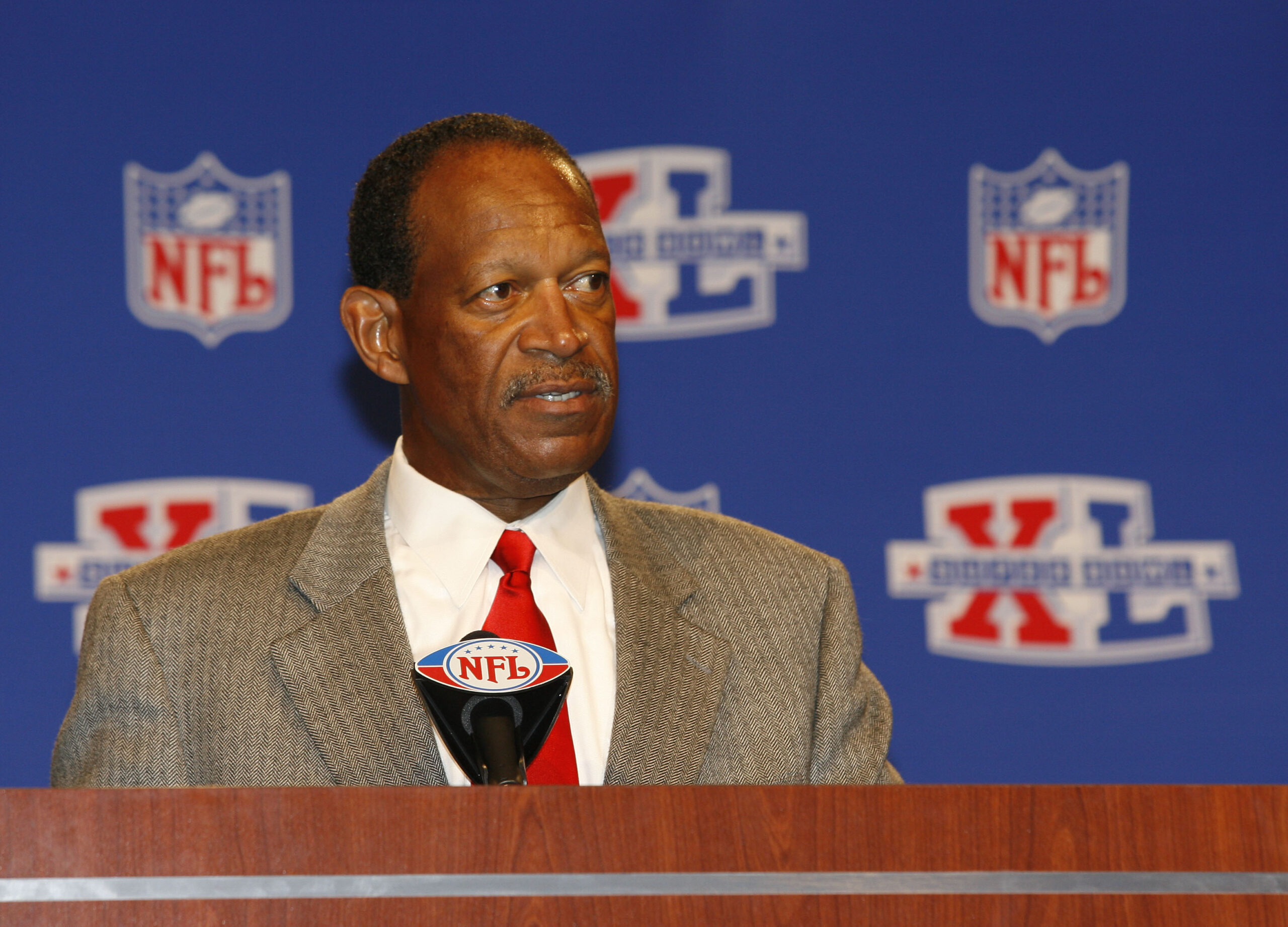
Feb 03, 2006; Detroit, MI, USA; Gene Upshaw , Executive Director of the National Football League Players Association, speaks during a press conference announcing Indianapolis Colts quarterback Peyton Manning as the Walter Payton NFL Man of the Year. Mandatory Credit: Photo By Matthew Emmons- Imagn Images Copyright © 2006 Matthew Emmons
Davis wore makeup and a wig to impersonate Njoku on a video call. For a Penix closing in July 2024, he put on a durag and presented a counterfeit Florida driver’s license. Lenders watched these calls, approved the applications, and wired the money. From a budget hotel. Fake driver’s licenses carried ID numbers of unrelated people who likely never knew their identities had been stolen. Thirteen times, the system processed the paperwork. Thirteen times, nobody called the team, the agent, or the union.
The Timeline: 18 Months, 13 Loans
Wednesday, April 22, 2026, Pittsburgh Pa. A flag football field is painted on the playing surface for the flag football skills competition being held at Acrisure Stadium.
The scheme ran on a tight, repeatable cycle. Davis and Evins launched the operation in May 2023 and filed the first fraudulent loan applications within weeks. By January 2024, Davis was sitting for video calls in full wig and makeup to impersonate David Njoku. In July 2024 he moved on to Michael Penix Jr., closing a loan at the SpringHill Suites in Buford with a durag and a counterfeit Florida driver’s license. The final fraudulent loan was processed in October 2024, bringing the tally to roughly $19.8 million. Federal charges were unsealed in the Northern District of Georgia on April 15, 2026, and both men pleaded guilty on April 27, 2026, to conspiracy to commit wire fraud and aggravated identity theft.
How the Loans Actually Worked
Ohio State Buckeyes wide receiver Carnell Tate wears Adidas cleats during Pro Day for NFL scouts at the Woody Hayes Athletics Center on March 25, 2026.
Sports finance lending is a niche corner of private credit. Lenders advance cash against a professional athlete’s future salary, then file UCC liens naming the player as the borrower. A broker typically sources the deal, collects paperwork, arranges a video identity check, and hands off to the lender for funding. The broker earns a closing commission. The lender assumes the paperwork is real. In this case, Davis supplied forged contracts, shell-company bank accounts, and a face on Zoom, which was enough to trigger wires worth millions.
What Each Player Is Worth
Dec 25, 2025; Kansas City, Missouri, USA; General view of the Amazon Prime Thursday Night Football logo at GEHA Field at Arrowhead Stadium. Mandatory Credit: Denny Medley-Imagn Images
The gap between what these athletes actually earn and what Davis borrowed in their names is part of why the scheme worked. Real NFL contracts are public, large, and easy to cite as collateral, which gave the fake paperwork a layer of surface credibility. Penix entered the league on a fully guaranteed Falcons rookie deal worth roughly $22 million. Njoku had previously signed a four-year Browns extension worth about $54.75 million. McKinney joined the Packers in 2024 on a four-year, $67 million free-agent contract. Davis, impersonating all three, secured approximately $11.675 million across the loans tied to their names, a fraction of their real earning power but more than enough to fund his lifestyle.
The System Built to Be Fooled
Ohio State Buckeyes kicker Jayden Fielding places a ball on the tee for a kickoff during Pro Day for NFL scouts at the Woody Hayes Athletics Center on March 25, 2026.
Sports finance lenders market themselves as specialists in athlete lending. That expertise, it turns out, amounts to accepting documents at face value and running video calls that a man in a wig could pass. The broker model explains why. Brokers collect fees when loans close. Whether the borrower is real or fictional doesn’t affect the check. That misaligned incentive is the engine underneath this entire fraud. Speed paid. Verification didn’t.
The Red Flags Lenders Missed
Jan 10, 2026; Charlotte, NC, USA; The NFL Wild Card logo on the field prior to the 2026 NFC wild card playoff football game between the Los Angeles Rams and the Carolina Panthers at Bank of America Stadium. Mandatory Credit: Bob Donnan-Imagn Images
Every loan cleared despite warning signs that basic diligence would have caught. No one in the process contacted the player’s NFL team to confirm the contract, and no one verified the paperwork with the player’s registered NFLPA agent. The union’s own contract database was never queried. In-person identity verification was skipped on every transaction, and no biometric or liveness check was applied beyond the video call itself. Shell-company addresses and bank accounts were reused across multiple loans without triggering review. Driver’s license numbers that did not match the named borrower on cross-reference were accepted as valid, thirteen separate times.
The Numbers That Expose the Failure
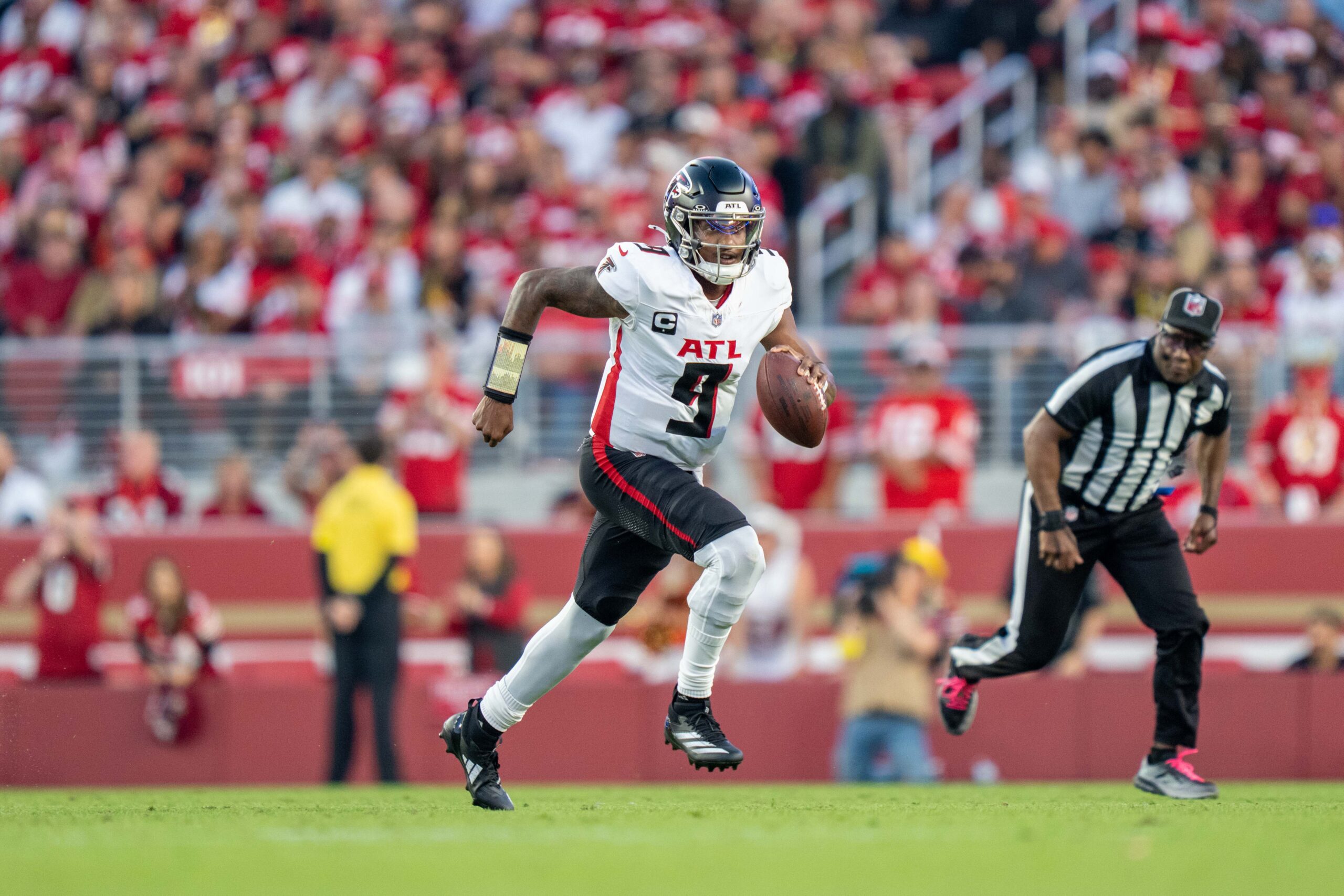
October 19, 2025; Santa Clara, California, USA; Atlanta Falcons quarterback Michael Penix Jr. (9) during the second quarter against the San Francisco 49ers at Levi’s Stadium. Mandatory Credit: Kyle Terada-Imagn Images
Roughly $1.1 million per month. That’s the pace Davis and Evins maintained across 18 months of fraud. Each loan averaged approximately $1.5 million. Prosecutors said the pair used fake documents, bogus corporations, wigs, and makeup to convince lenders they were NFL players, obtaining millions of dollars in fraudulent loans, and spent the proceeds on real estate and luxury items. Real estate. Vehicles. Jewelry. The money moved fast because nobody slowed it down.
Who Caught It (And Who Didn’t)
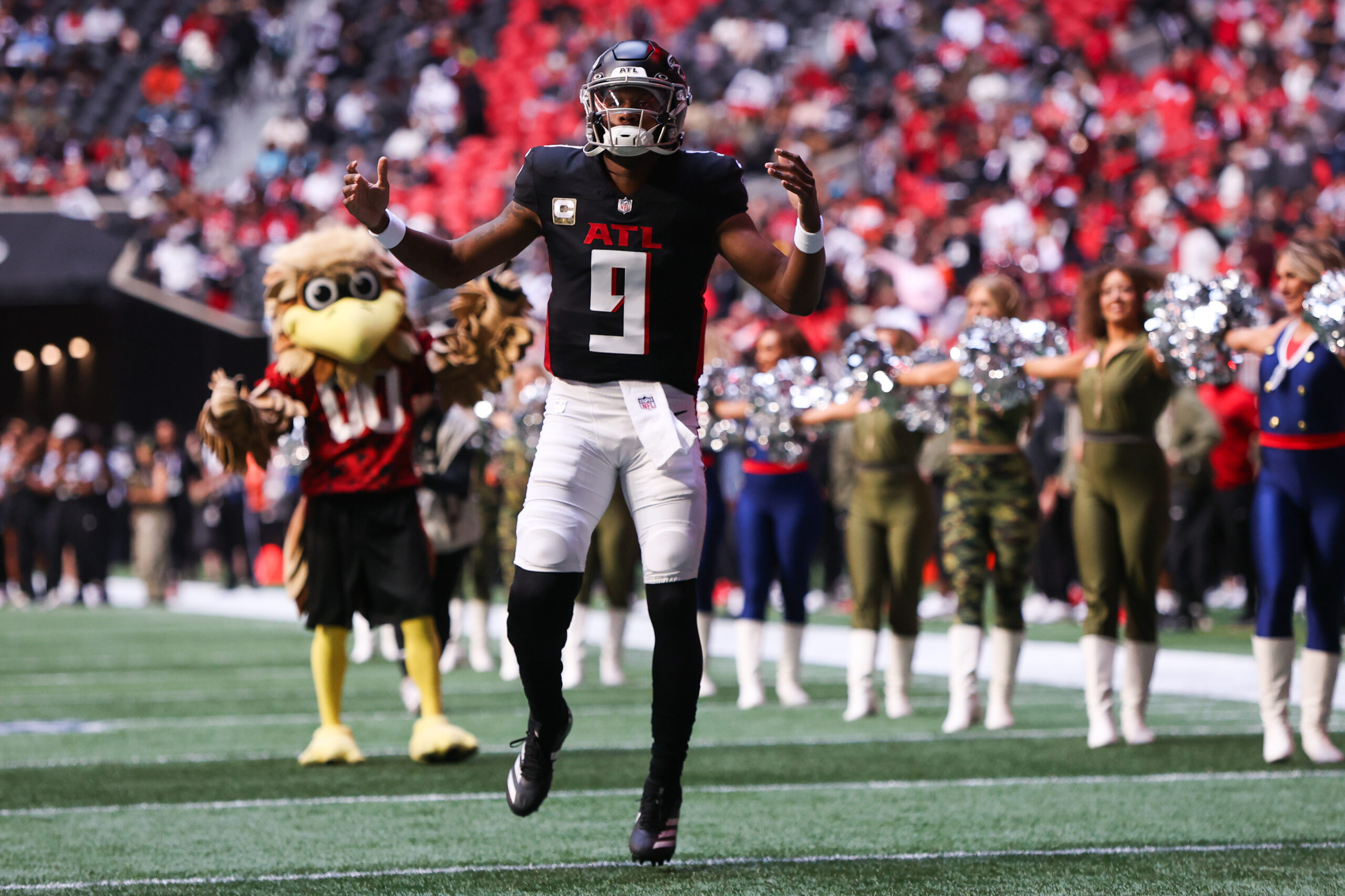
Nov 16, 2025; Atlanta, Georgia, USA; Atlanta Falcons quarterback Michael Penix Jr. (9) enters the field before the game against the Carolina Panthers at Mercedes-Benz Stadium. Mandatory Credit: Brett Davis-Imagn Images
Not the lenders. Not the brokers. The institutions that wired nearly $20 million never verified the contracts with the teams that supposedly issued them. Aliya Sports Finance Fund was among the lenders defrauded. Thirteen transactions cleared before the scheme unraveled, and civil litigation is now doing the work that underwriting failed to do upfront.
Why the NFLPA Matters Here
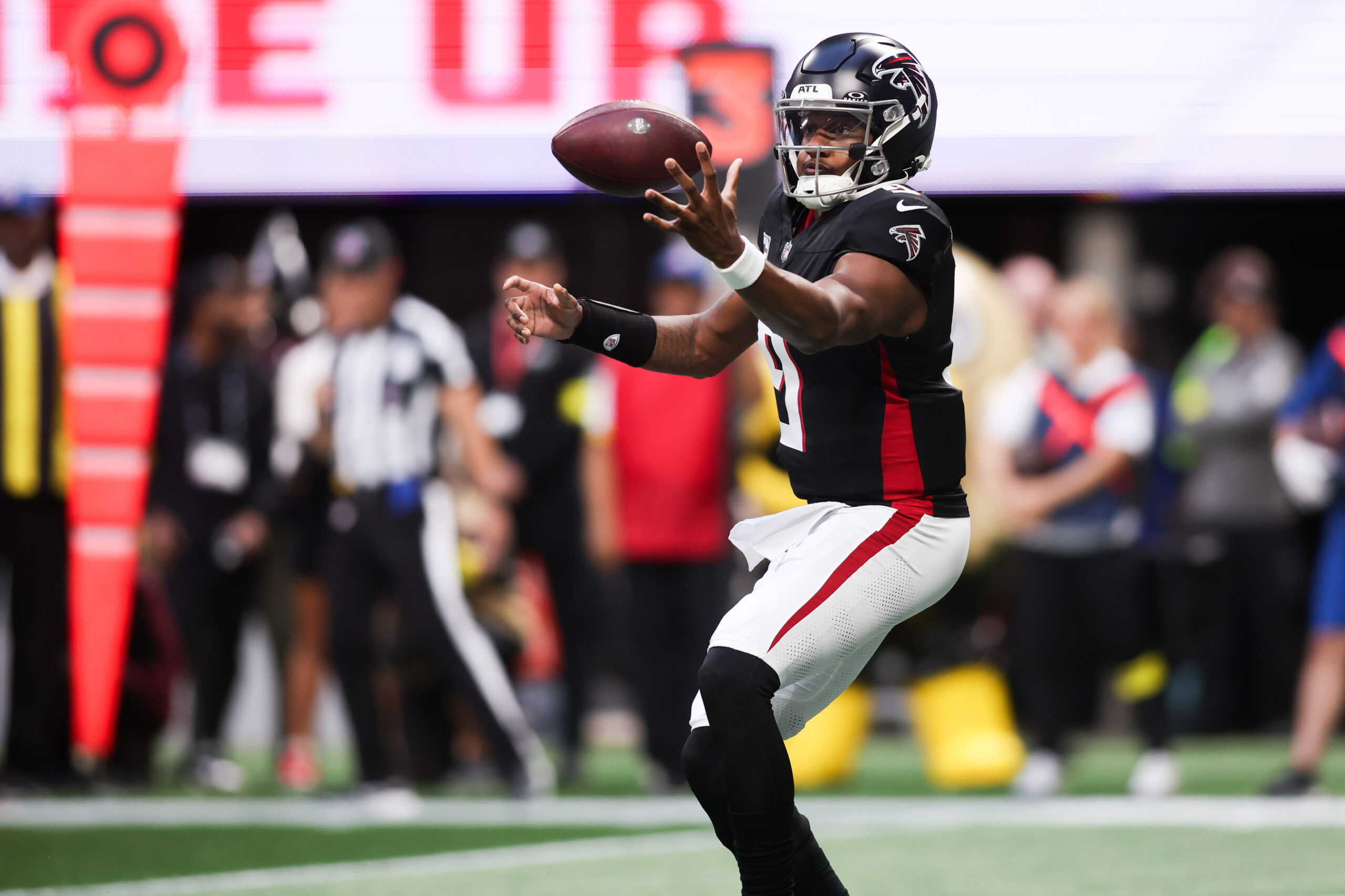
Nov 16, 2025; Atlanta, Georgia, USA; Atlanta Falcons quarterback Michael Penix Jr. (9) reaches for a bad snap in the third quarter against the Carolina Panthers at Mercedes-Benz Stadium. Mandatory Credit: Brett Davis-Imagn Images
The NFL Players Association runs its own financial-advisor and contract-verification protocols for members. Contracts are standardized, filed with the league, and accessible to the union. A single call to the NFLPA would have confirmed that no advance, assignment, or lien had been authorized by Penix, Njoku, or McKinney. None of the 13 lenders made that call. The union, not the lending industry, is functionally the last verification layer for athlete identity in private credit deals.
A Pattern Older Than the Crime
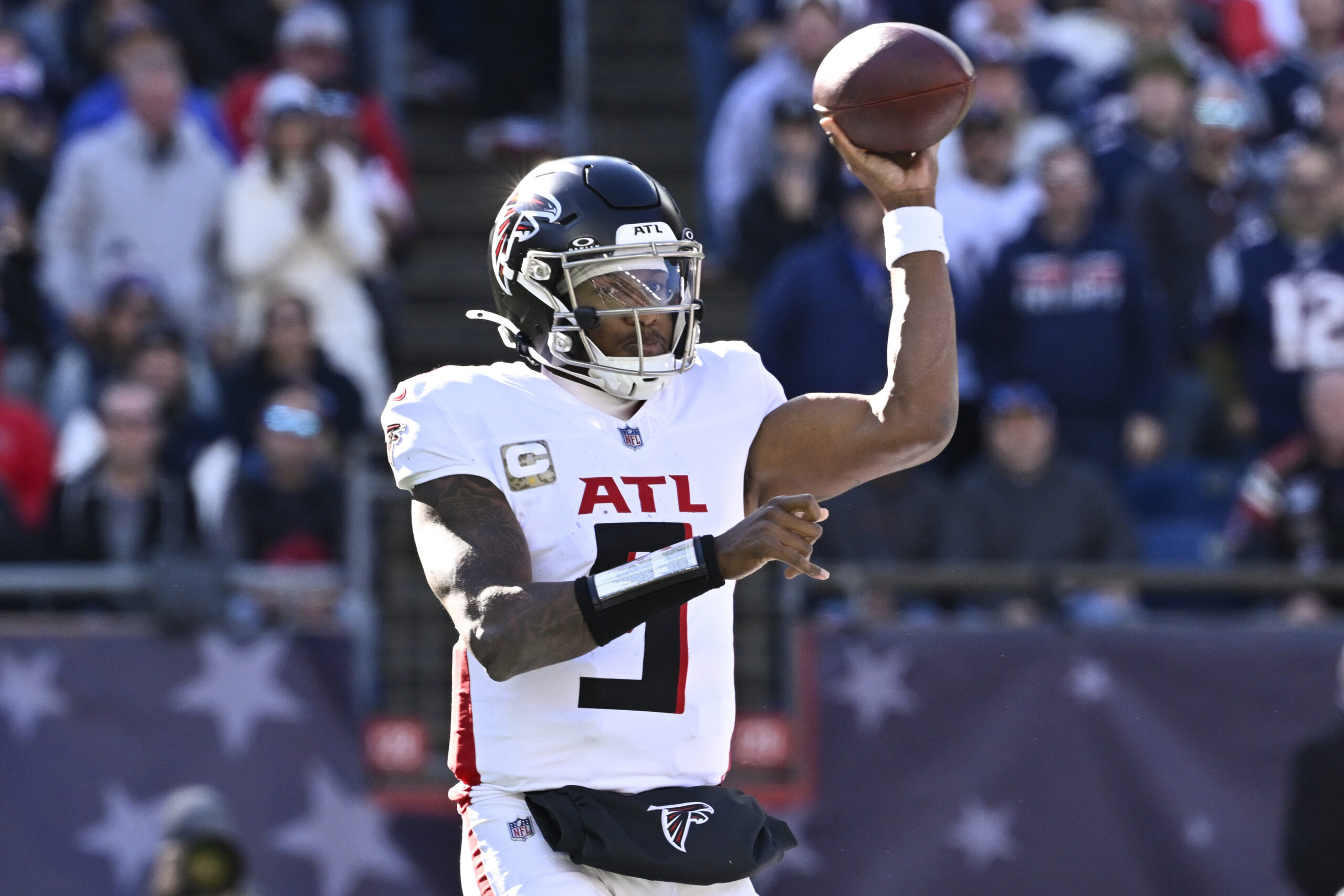
Nov 2, 2025; Foxborough, Massachusetts, USA; Atlanta Falcons quarterback Michael Penix Jr. (9) passes against the New England Patriots during the first quarter at Gillette Stadium. Mandatory Credit: Eric Canha-Imagn Images
Davis was part of Nick Saban’s 2007 recruiting class at Alabama and played four seasons for the Crimson Tide. A decade after his college career ended, he scaled up into a multimillion-dollar fraud operation. The scheme wasn’t a one-off impulse. It was an escalation from years of operating in the margins of professional sports, where access, paperwork, and relationships blur together.
How Athletes Can Protect Themselves
October 19, 2025; Santa Clara, California, USA; Atlanta Falcons quarterback Michael Penix Jr. (9) during the second quarter against the San Francisco 49ers at Levi’s Stadium. Mandatory Credit: Kyle Terada-Imagn Images
Professional athletes are high-value identity targets precisely because their contracts are public. Placing a credit freeze with all three major bureaus and requiring in-person thaws cuts off the easiest path to a fraudulent loan. Registering for NFLPA security alerts and asking the union about identity-protection riders adds a second layer. Quarterly monitoring of UCC filings under a player’s legal name can catch liens before they are funded. Requiring an agent and business manager to sign off on any loan paperwork in writing closes off unauthorized closings. Perhaps most simply, asking lenders to verify contracts directly with the team’s finance office, rather than through brokers, removes the single weakest link in the chain.
The Sentencing Clock
Nov 16, 2025; Atlanta, Georgia, USA; Atlanta Falcons quarterback Michael Penix Jr. (9) is attended to by medical staff in the third quarter against the Carolina Panthers at Mercedes-Benz Stadium. Mandatory Credit: Brett Davis-Imagn Images
Both men pleaded guilty on April 27, 2026. They face sentencing later this year before a U.S. District Judge for the Northern District of Georgia. Prosecutors agreed to recommend lower sentences, but both defendants still face significant prison time on the conspiracy and aggravated identity theft counts. The FBI’s investigation remains open. Additional charges, additional defendants, and additional loans not yet disclosed all remain possible.
What This Means for Everyone Else
Nov 9, 2025; Berlin, Germany; Atlanta Falcons quarterback Michael Penix Jr. (9) throws a pass against the Indianapolis Colts during the NFL Berlin Game at Olympic Stadium. Mandatory Credit: Kirby Lee-Imagn Images
If a man in a wig can pass video verification for a multimillion-dollar loan, the verification was never real. That’s the takeaway most people will miss. This case didn’t expose a criminal genius. It exposed a lending system where brokers profit from volume, lenders trust paperwork over people, and nobody picks up the phone to call the team.
Sources:
U.S. Attorney’s Office, Northern District of Georgia, press release on the guilty pleas of Luther Davis and CJ Evins, April 27, 2026.
Federal indictment filed in U.S. District Court for the Northern District of Georgia, Case No. 1:26-cr-00158, unsealed April 15, 2026.
Aliya Sports Finance Fund v. Sure Sports, civil complaint filed in U.S. District Court, Northern District of Georgia, trial scheduled July 13, 2026.
Federal Bureau of Investigation, Atlanta Field Office, public statements and investigative materials released April 2026 in connection with the Davis and Evins prosecution.
National Football League Players Association, security division briefing on counterfeit player contracts submitted as loan collateral, 2025 to 2026.
Uniform Commercial Code lien filings recorded with the Georgia Secretary of State naming Michael Penix Jr., David Njoku, and Xavier McKinney as purported borrowers, 2023 to 2024.