
Draft weekend in Dallas carries a specific kind of weight. Not the excitement of possibility. The pressure of knowing the roster has a thin spot everyone can see on the depth chart, and two early picks to work with, but one position sitting at the top of the board. The front office isn’t browsing. The cap sheet and the position group already narrowed the conversation before a single prospect name got circled. Seven rounds. One glaring need. And a fan base holding its breath for a fix that might not exist at the right slot.
The Hole
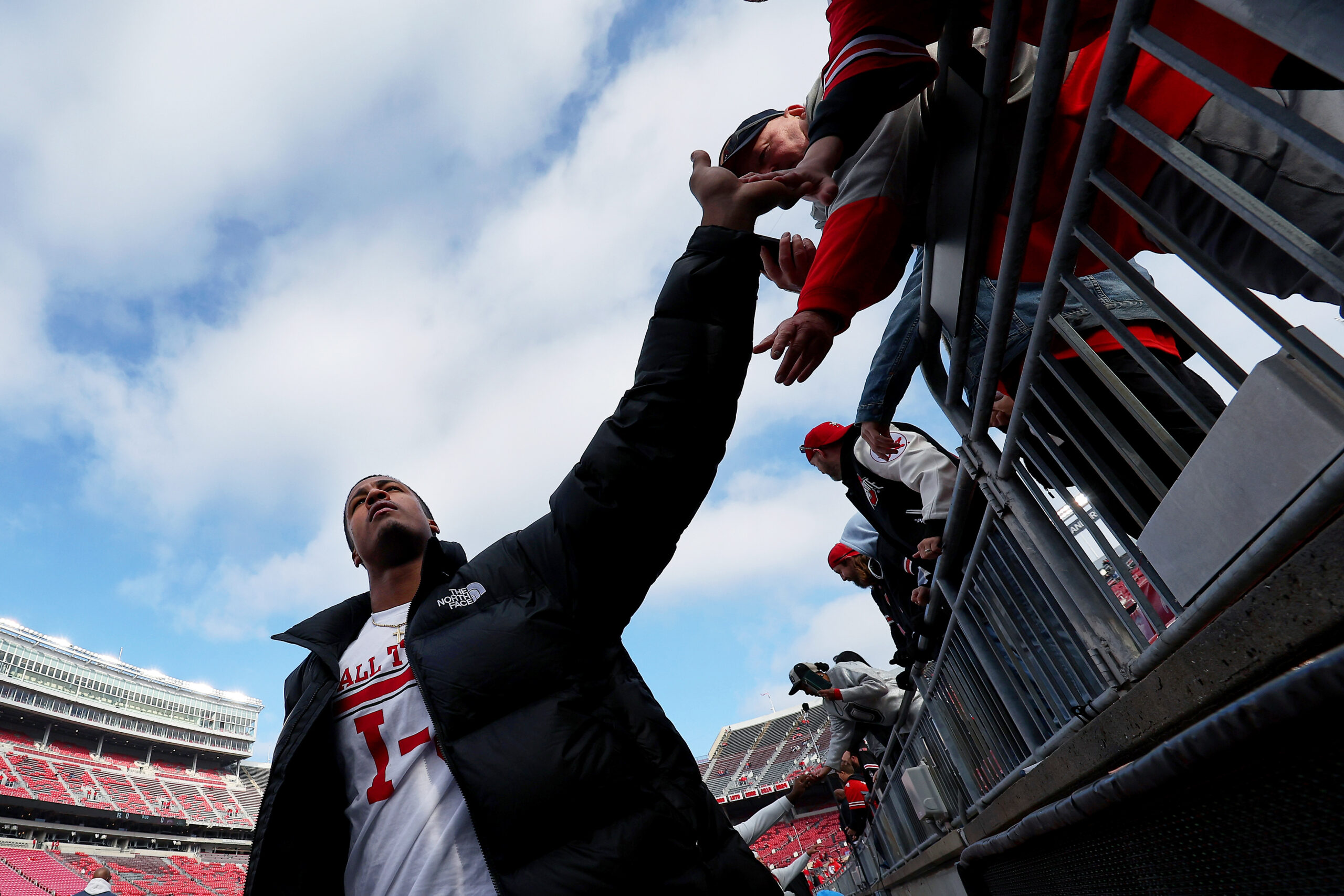
Nov 22, 2025; Columbus, Ohio, USA; Ohio State Buckeyes linebacker Sonny Styles (0) greets fans before the game against the Rutgers Scarlet Knights at Ohio Stadium. Mandatory Credit: Joseph Maiorana-Imagn Images
Every April, Cowboys coverage zeroes in on the same ritual: identify the roster hole, match it to a promising player, and sell the pick as a solution. Right now, that player has a name: Sonny Styles, the Ohio State linebacker who earned an unofficial 10.00 Relative Athletic Score (RAS) at the NFL Combine, pending final agility testing. The depth chart makes the gap visible. Starters and backups are listed by position, and one group looks noticeably thinner than the rest. That thinness isn’t random. It’s the residue of cap decisions made months earlier, contracts structured to keep stars while leaving certain roles exposed. The hole didn’t appear on draft day. It was built over a full budget cycle.
The Myth
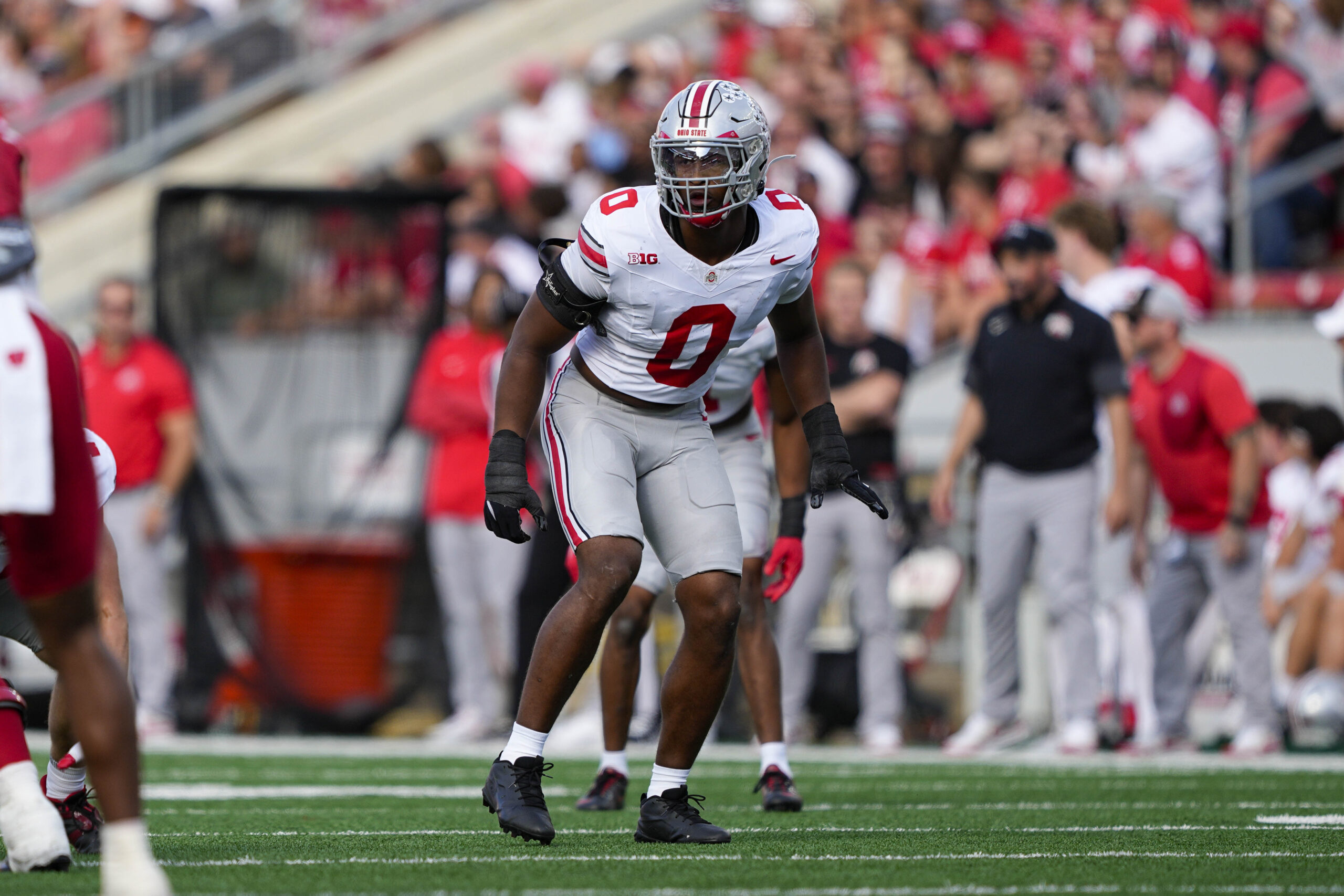
Oct 18, 2025; Madison, Wisconsin, USA; Ohio State Buckeyes linebacker Sonny Styles (0) during the game against the Wisconsin Badgers at Camp Randall Stadium. Mandatory Credit: Jeff Hanisch-Imagn Images
Here’s what most fans believe: Dallas should just draft the best player available. Ignore need. Trust the board. Take the highest-graded prospect and figure out the roster later. Sounds clean. Sounds smart. And it almost never survives contact with reality. Public big boards rank prospects by talent ceiling. Team depth charts rank them by “who can take snaps at this position Week 1.” Those are two completely different lists. The consensus board optimizes for upside. The Cowboys’ internal board optimizes for a role that needs filling yesterday.
The Triangle
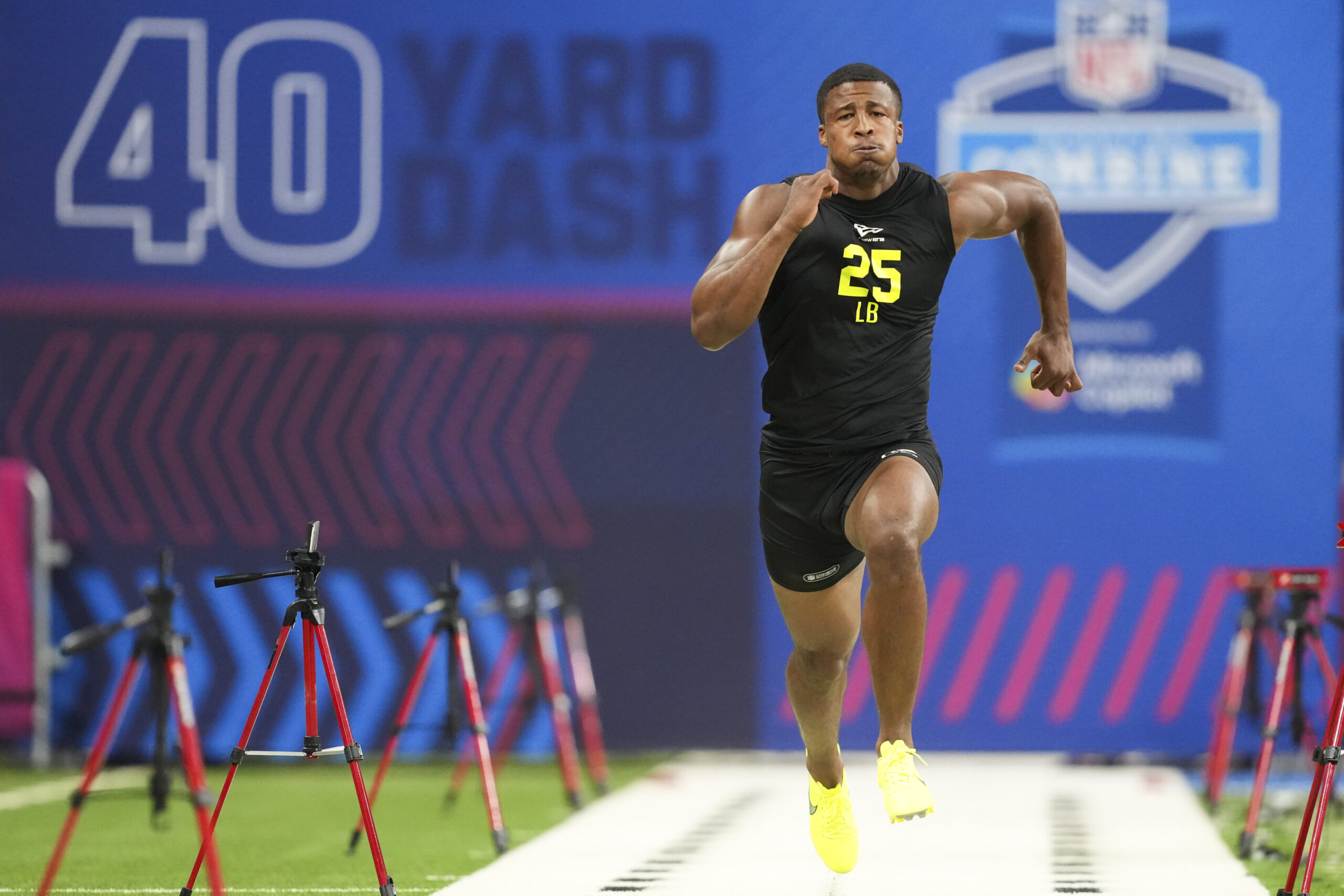
Feb 26, 2026; Indianapolis, IN, USA; Ohio State linebacker Sonny Styles (LB25) runs the 40-yard dash during the NFL Scouting Combine at Lucas Oil Stadium. Mandatory Credit: Kirby Lee-Imagn Images
The “best player available” debate is downstream of math that already made the choice. Three forces converge before the pick is announced: draft structure, salary cap, and role scarcity. Seven rounds create a pipeline, but early picks carry the heaviest expectation of immediate contribution. Cap constraints push teams toward rookies as cheaper alternatives to veterans. Depth-chart gaps define which role needs a body. One constraint narrows the board. Two constraints slash it. All three together, and “targeting” a specific type of player stops being opinion. It becomes arithmetic.
Cap Gravity
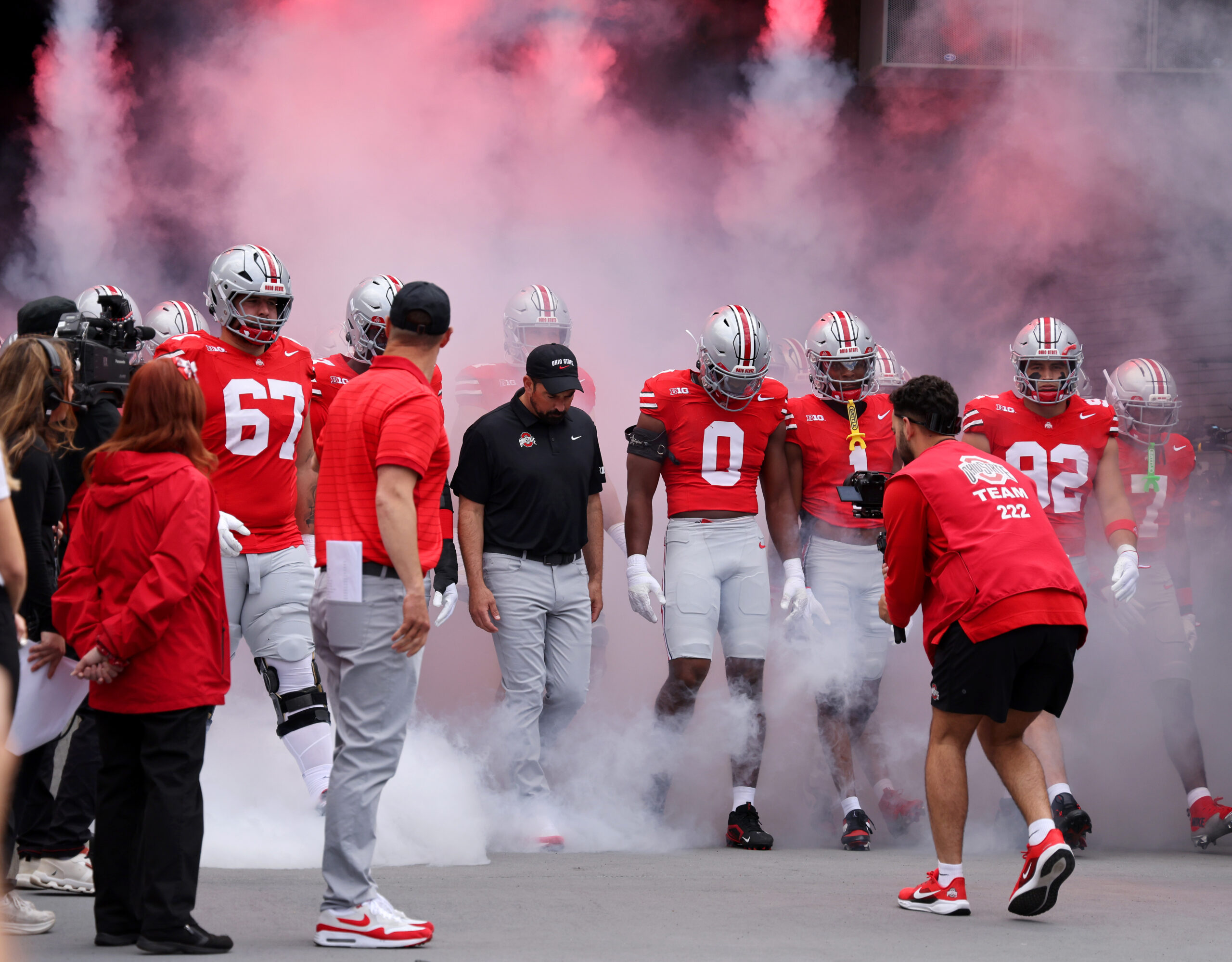
Sep 6, 2025; Columbus, Ohio, USA; Ohio State Buckeyes head coach Ryan Day and linebacker Sonny Styles (0) enter the field before the game against the Grambling State Tigers at Ohio Stadium. Mandatory Credit: Joseph Maiorana-Imagn Images
Cap-driven drafting works like choosing groceries on a fixed budget, not filling an empty cart. Dallas doesn’t walk into the draft with unlimited options and pick the shiniest item. The salary cap dictates which positions can afford a veteran solution and which ones can only afford a rookie contract. When the cap page shows heavy commitments at certain positions, the “hole” at another position becomes less about missing talent and more about missing dollars. The need is financial before it’s ever physical. That reframes everything about how “promising” gets defined — and why a prospect like Styles, who fills the right role at a rookie price point, becomes so difficult to pass on.
Two Lists
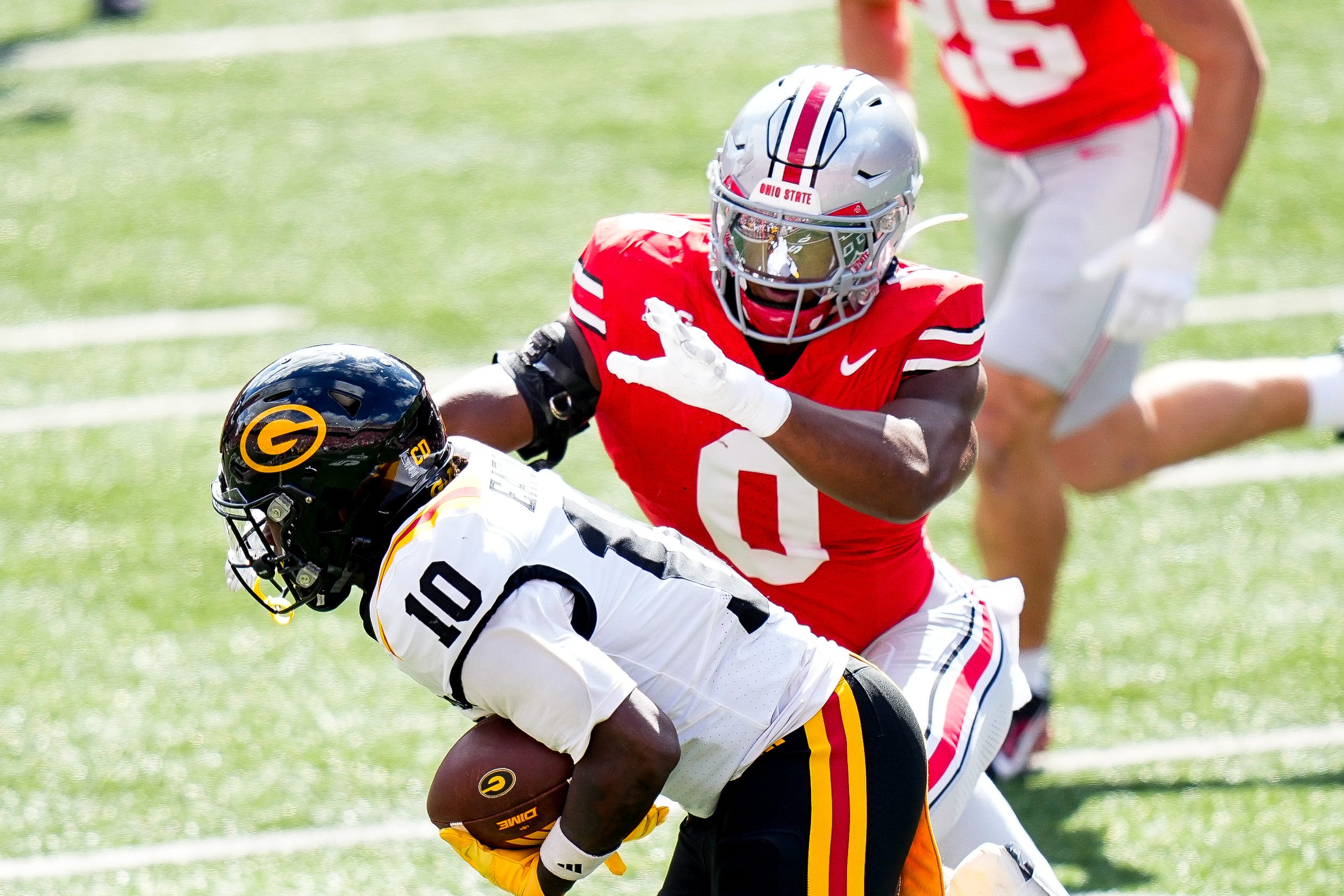
Ohio State Buckeyes Sonny Styles (0) tackles Grambling State Tigers running back Byron Eaton Jr. (10) in the first half of the NCAA football game at the Ohio Stadium on Saturday, Sept. 6, 2025 in Columbus, Ohio.
The disconnect is stark. Draft boards published by national outlets rank prospects one through three hundred based on combine numbers, film grades, and projected ceilings. The Cowboys’ internal evaluation filters that same list through a completely different question: who can compete for snaps at the one spot where the depth chart is dangerously thin? Sonny Styles ranked first among all linebackers in RAS score since 1987. A prospect like that might be Dallas’ top target not just because of the talent, but because he plays the right position at the right price point. Rankings measure talent. Depth charts measure survival.
The Squeeze
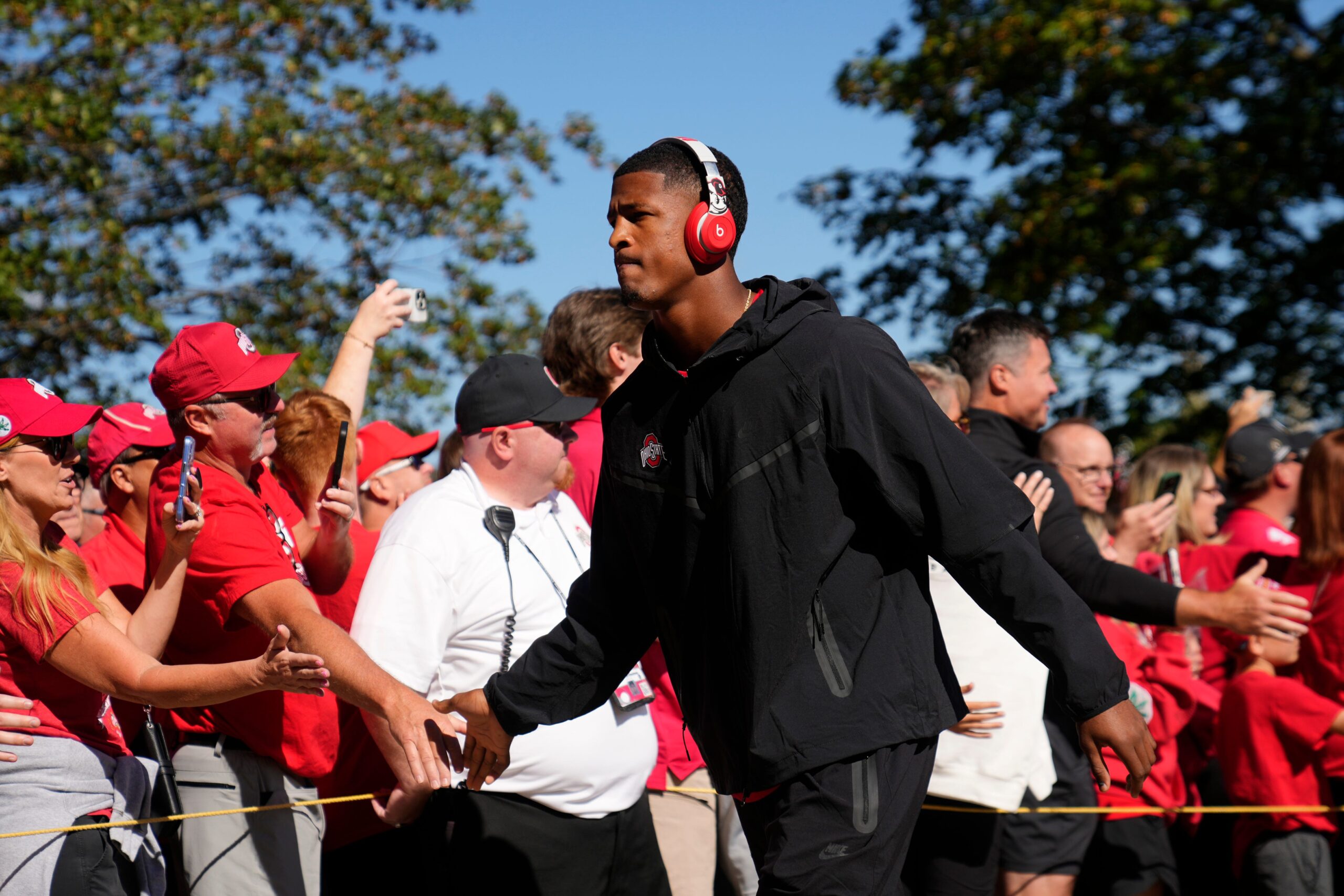
Ohio State Buckeyes linebacker Sonny Styles high fives fans as they walk to Ohio Stadium prior to the NCAA football game against the Texas Longhorns on Aug. 30, 2025.
Whoever Dallas drafts at that position immediately reshapes the competition behind them. Bubble veterans at the same spot face reduced roster security the moment the pick is announced. A rookie contract undercuts their salary. A draft pedigree signals organizational investment. The ripple moves fast: big boards and prospect trackers re-rank team “winners and losers” within hours of the selection. One pick doesn’t just fill a hole. It pushes someone else toward the edge, and the cap savings from a rookie over a veteran compound across the entire roster construction.
The Pattern
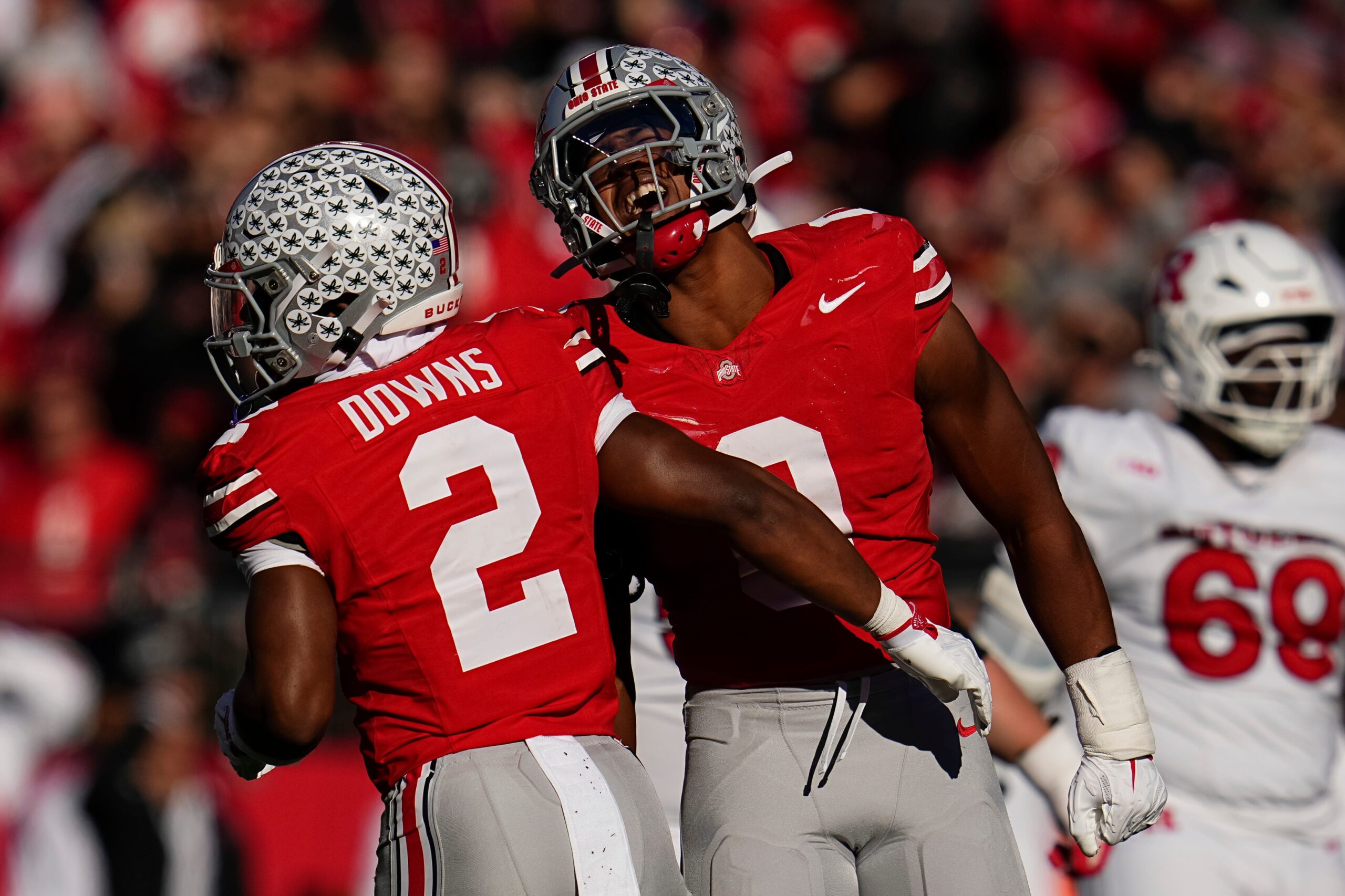
Ohio State Buckeyes linebacker Sonny Styles (0) celebrates a sack by linebacker Sonny Styles (0) during the NCAA football game against the Rutgers Scarlet Knights at Ohio Stadium in Columbus on Nov. 22, 2025. Ohio State won 42-9.
This isn’t a Cowboys-specific phenomenon. The annual “fill the hole” narrative is structurally baked into the NFL’s acquisition calendar. Every team, every April, runs the same constraint triangle. Draft structure limits opportunities. The cap limits spending. Role scarcity limits which positions get priority. Once you see that triangle, the entire “best player available” debate collapses into a slogan that sounds good on podcasts but dissolves under the math. Dallas is just this year’s clearest example of a league-wide system that turns draft picks into budget line items disguised as talent decisions.
The Gamble
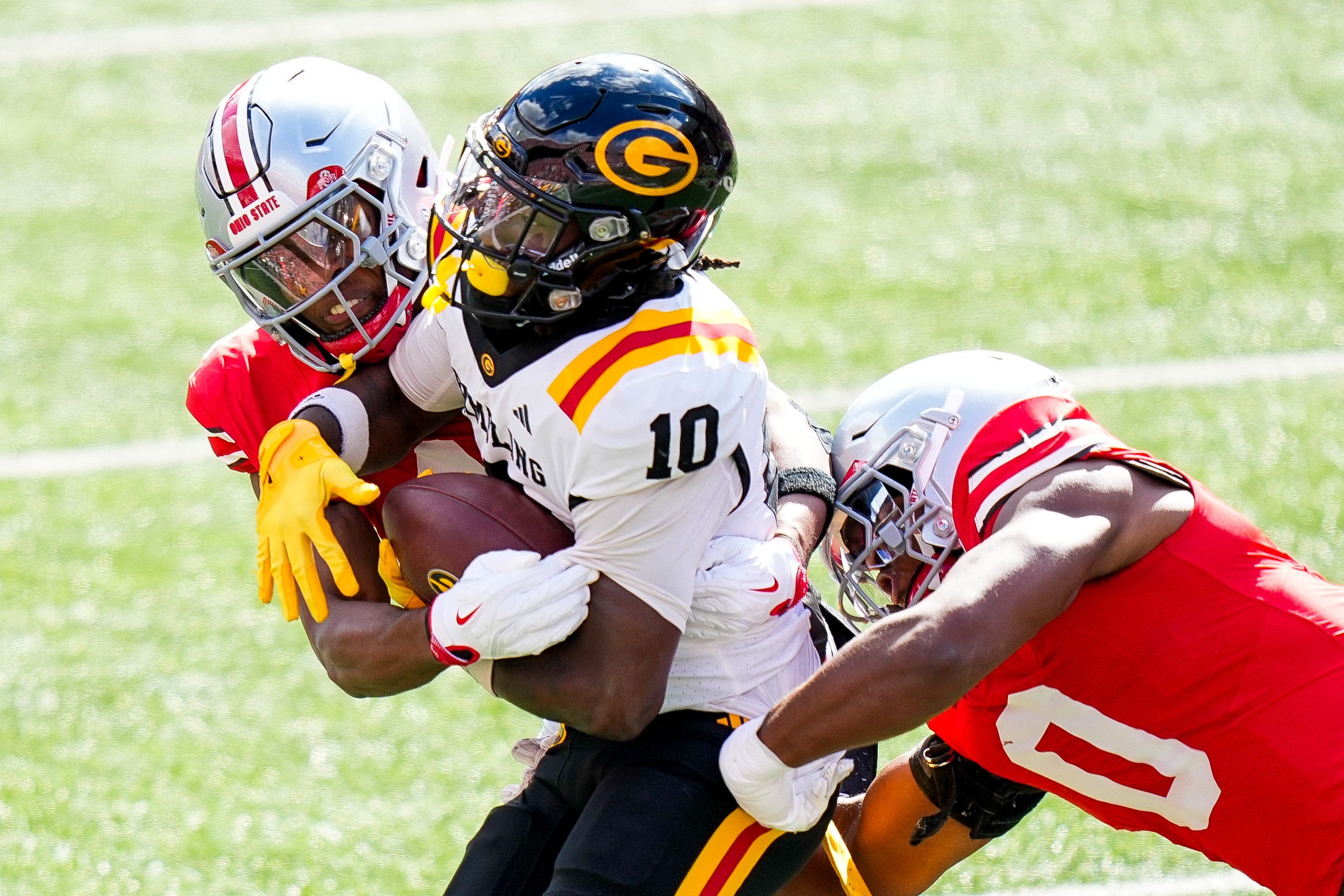
Ohio State Buckeyes cornerback Davison Igbinosun (1) and Sonny Styles (0) tackle Grambling State Tigers running back Byron Eaton Jr. (10) in the first half of the NCAA football game at the Ohio Stadium on Saturday, Sept. 6, 2025 in Columbus, Ohio.
If Styles, or whoever Dallas selects, lands in a starting role early, performance volatility spikes. Development timelines and game-day pressure rarely align in Year One. And the constraint triangle doesn’t relax after the draft. If the board doesn’t fall right, Dallas can chase veteran additions afterward, but that burns the very cap space the rookie pick was supposed to preserve. Six months from now, the question won’t be whether the prospect was promising. It will be whether the role he was drafted to fill was ever solvable at the position they prioritized.
The Upgrade
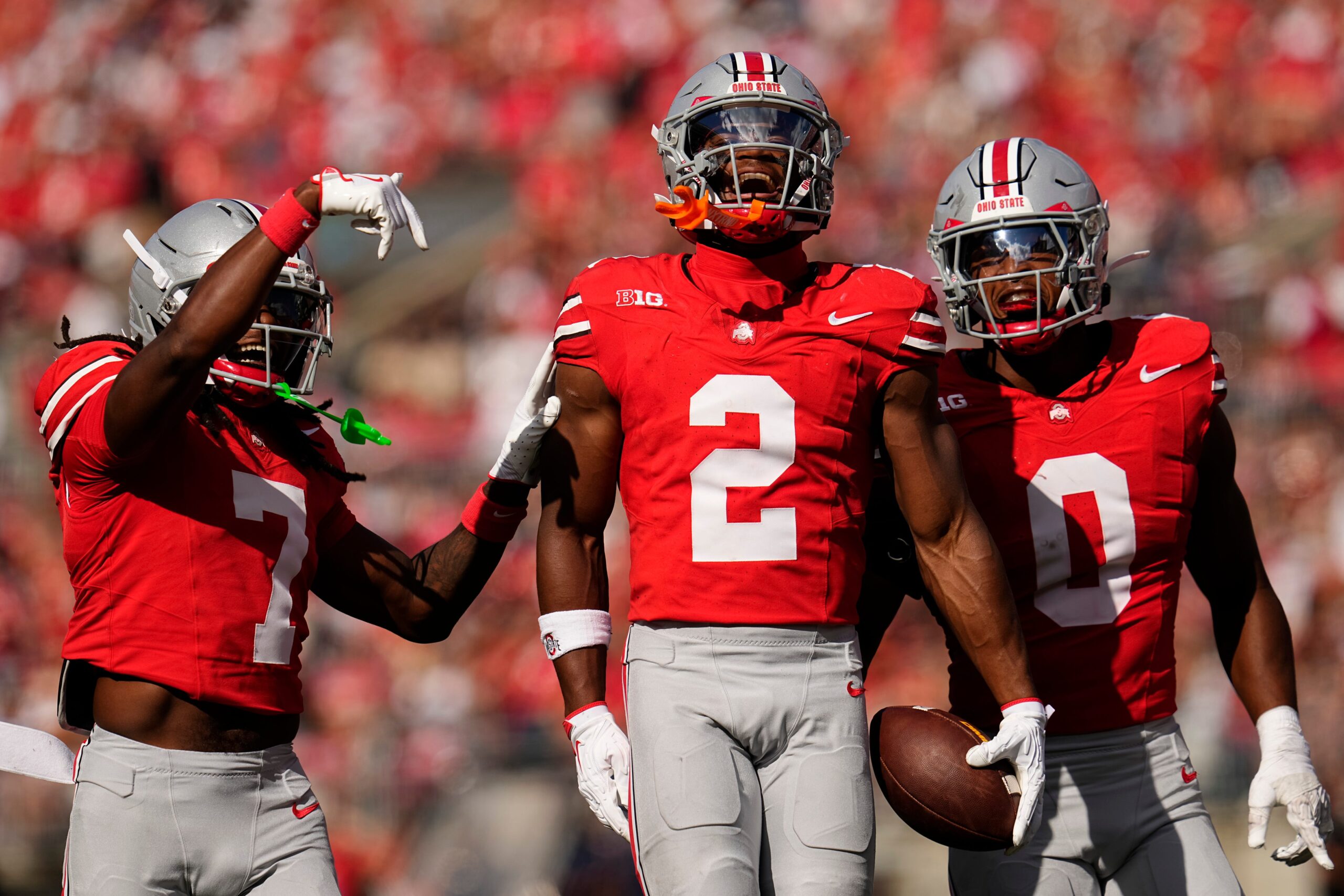
Ohio State Buckeyes safety Caleb Downs (2) celebrates an interception with cornerback Jermaine Mathews Jr. (7) abnd linebacker Sonny Styles (0) during the first half of the NCAA football game against the Grambling State Tigers at Ohio Stadium on Sept. 6, 2025.
Most fans will watch Dallas’ pick and judge it against a big board. The smarter read is judging it against the cap sheet and the depth chart simultaneously. That’s the framework general managers actually use: not “who’s the best player left” but “who solves the constraint we can’t buy our way out of.” If Styles is on the board at No. 12, that question may answer itself. The next time someone at a bar argues Dallas reached for need over talent, the answer is simple. The cap has already made the choice. Dallas just announced it. The real debate starts when the rookie has to prove the math right.
Sources:
“Cowboys 2026 Draft: LB Sonny Styles Scouting Report.” Yahoo Sports, 23 Feb. 2026.
“2026 NFL Combine Results: Sonny Styles Dominates LB Workouts.” CBS Sports, 26 Feb. 2026.
“Sources: Cowboys Rework Prescott, Lamb, Smith Deals, Now Under Cap.” ESPN, 3 Mar. 2026.
“Updated List of Dallas Cowboys 2026 NFL Draft Picks After Osa Odighizuwa Trade.” Sports Illustrated, 12 Mar. 2026.