
NFL veterans revealed that some professional teams use tents for cafeteria facilities, highlighting stark inadequacies in player amenities. In a recent discussion, former players described playing in San Diego where makeshift dining setups fell far short of professional standards. This disclosure came amid criticism of the NFL’s ban on public team report cards, which veterans labeled as an attempt to avoid accountability. The contrast between such conditions and expectations for elite athletes underscores growing concerns about workplace standards across the league.
NFL Wins Grievance to Silence Report Cards
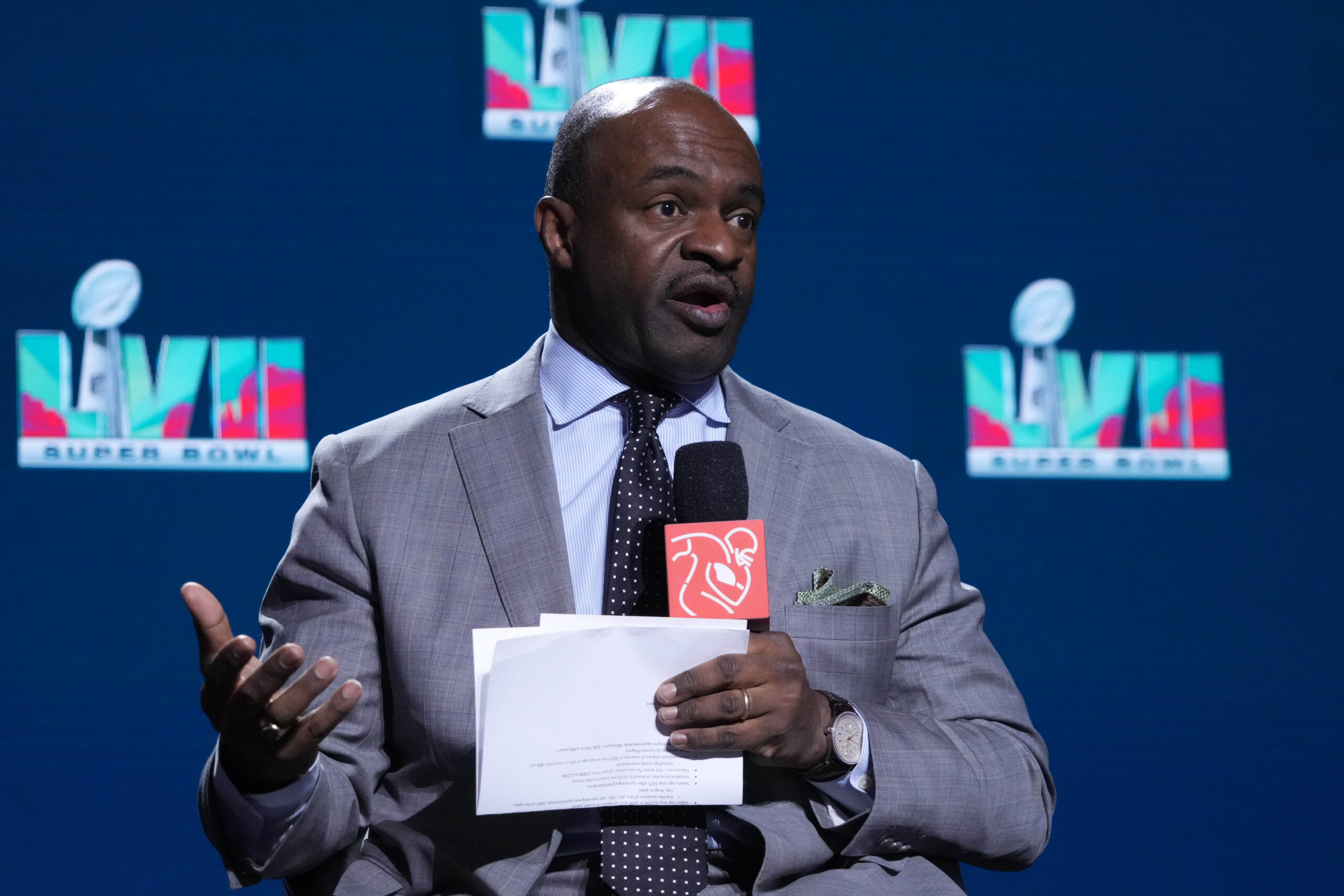
Feb 8, 2023; Phoenix, AZ, USA; NFL Players Association executive director DeMaurice Smith speaks during the NFLPA press conference at the Phoenix Convention Center. Mandatory Credit: Kirby Lee-Imagn Images
A neutral arbitrator recently sided with the NFL in a grievance against the NFL Players Association, effectively barring the union from publicly releasing its annual team report cards. These evaluations, which grade players across 17 categories including food and dining, nutritionist/dietician, home game field, travel, locker rooms, weight rooms, training rooms, training staff, strength coaches, treatment of families, position coaches, offensive coordinator, defensive coordinator, special teams coordinator, head coach, general manager, and team ownership, had been published since 2023 to promote transparency around player working conditions. The arbitrator’s ruling prevents the union from publicly disclosing future evaluations, though the NFLPA has said it will continue surveying players and sharing results internally. Some former players and union supporters argue the ruling undermines efforts to improve working conditions and shields potential issues from public scrutiny.
Veteran Player Condemns Secrecy

Jun 10, 2025; New Orleans, LA, USA; New Orleans Saints safety Tyrann Mathieu (32) looks on during minicamp at Ochsner Sports Performance Center. Mandatory Credit: Stephen Lew-Imagn Images
Retired three-time All-Pro safety Tyrann Mathieu criticized the ruling on his podcast, calling it a “bad look for the owners” and saying it allows them to avoid accountability. Mathieu said owners handle things “behind closed doors” while resisting scrutiny, describing the situation as “lame.” He said billionaire team owners should take direct responsibility for conditions rather than surrounding themselves with yes-men. The veteran’s comments reflect a frustration shared by many former players about league governance and workplace standards.
Veterans Urge Independent Reporting
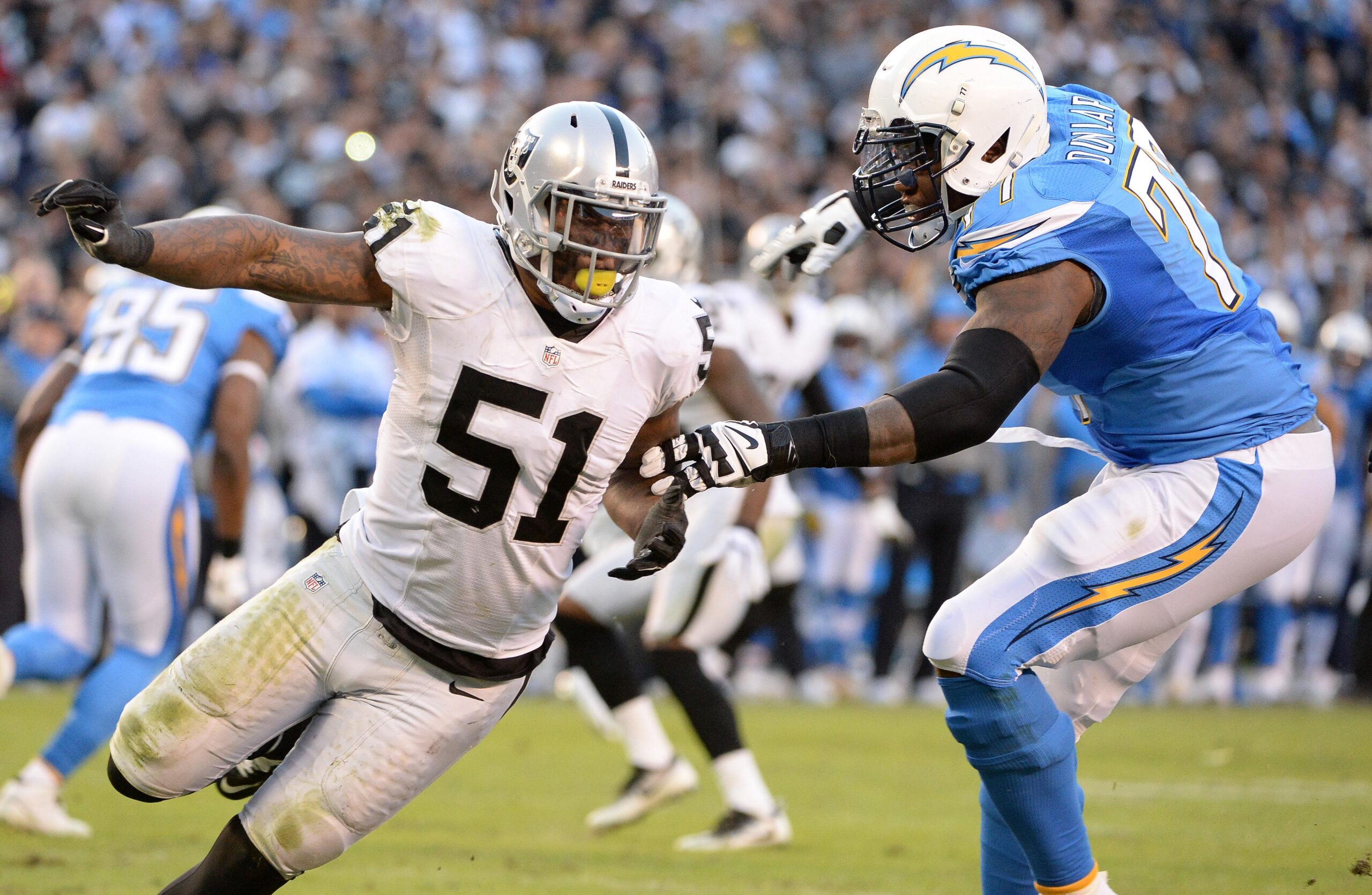
Dec 18, 2016; San Diego, CA, USA; San Diego Chargers tackle King Dunlap (77) blocks Oakland Raiders outside linebacker Bruce Irvin (51) during the second half of the game at Qualcomm Stadium. The Raiders won 19-16. Mandatory Credit: Orlando Ramirez-Imagn Images
Despite the ban, veterans including former Atlanta Falcons cornerback Jalen Collins and former Eagles and Chargers offensive tackle King Dunlap urged current players to share their own team assessments directly on social media. Collins said players should “just give a grade on your own,” while Dunlap agreed: “They can do that, just do it by ourselves.” They argued that transparency remains essential for driving meaningful change in player working conditions. In their view, player-driven reviews could help maintain public accountability even without the union’s published evaluations.
Widespread Corner-Cutting in Amenities
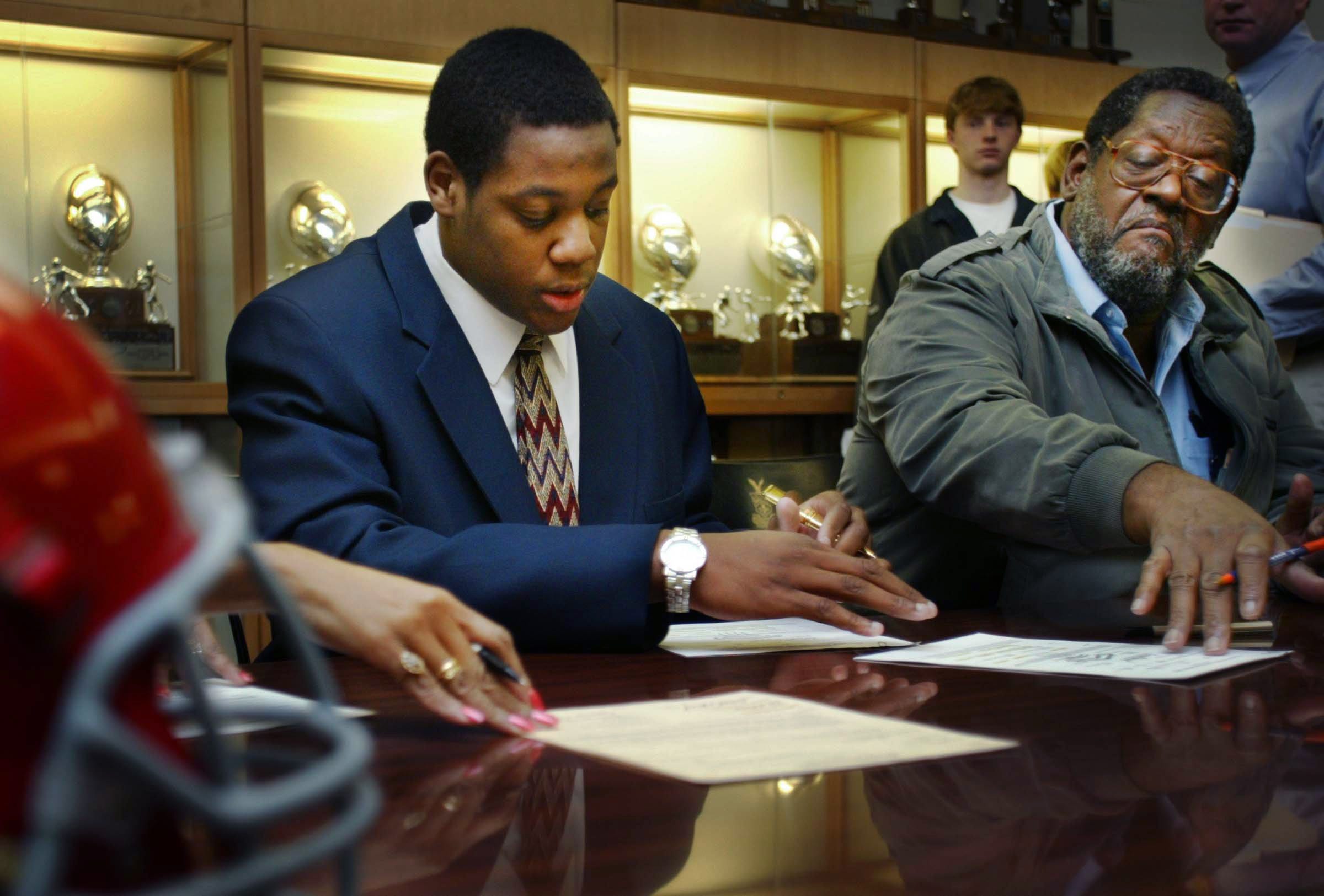
Brentwood Academy standout lineman King Dunlap, left, signs his letter of intent to play football for Auburn University with is father, King Dunlap IV, right, at his side at the school Feb. 5, 2003.
Veterans described what they see as widespread corner-cutting at a number of franchises, saying many clubs under-invest in basic player amenities. Dunlap said bluntly: “They cut corners. Every organization cuts corners somewhere.” They cited examples such as cramped locker rooms, limited dining options, and training areas they felt were below professional standards. Such cost-saving measures, they argued, compromise player well-being and performance. Veterans argued the pattern reflected under-investment by some franchises, prioritizing short-term savings over long-term player welfare.
San Diego’s Makeshift Cafeteria Exposed
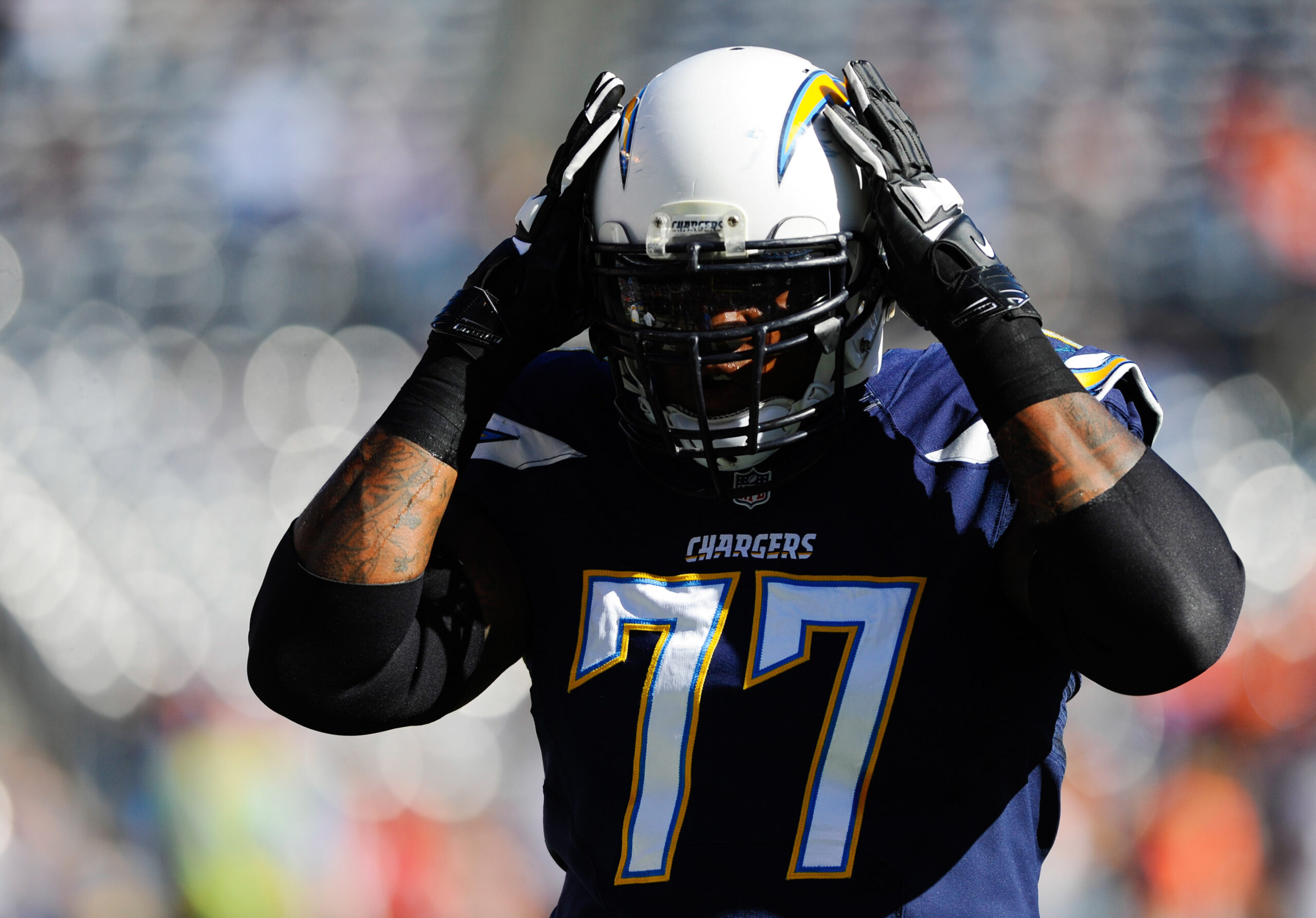
Nov 10, 2013; San Diego, CA, USA; San Diego Chargers offensive tackle King Dunlap (77) prior to the game against the Denver Broncos at Qualcomm Stadium. Mandatory Credit: Christopher Hanewinckel-Imagn Images
A particularly striking example came from King Dunlap, who played for the then-San Diego Chargers, now based in Los Angeles, and described the team’s cafeteria as “a big white tent on the basketball court” near the facility’s swimming pool. “I ain’t going to lie, when I got to San Diego, facility was decent. It was good. But our cafeteria was a tent outside on the basketball court,” Dunlap said. He contrasted the setup with his time in Philadelphia, where Dunlap said the Eagles had full-time chefs cooking in a proper cafeteria inside the building. The franchise has since opened The Bolt, its state-of-the-art facility in El Segundo, in July 2024.
College Facilities Often Surpass NFL Standards
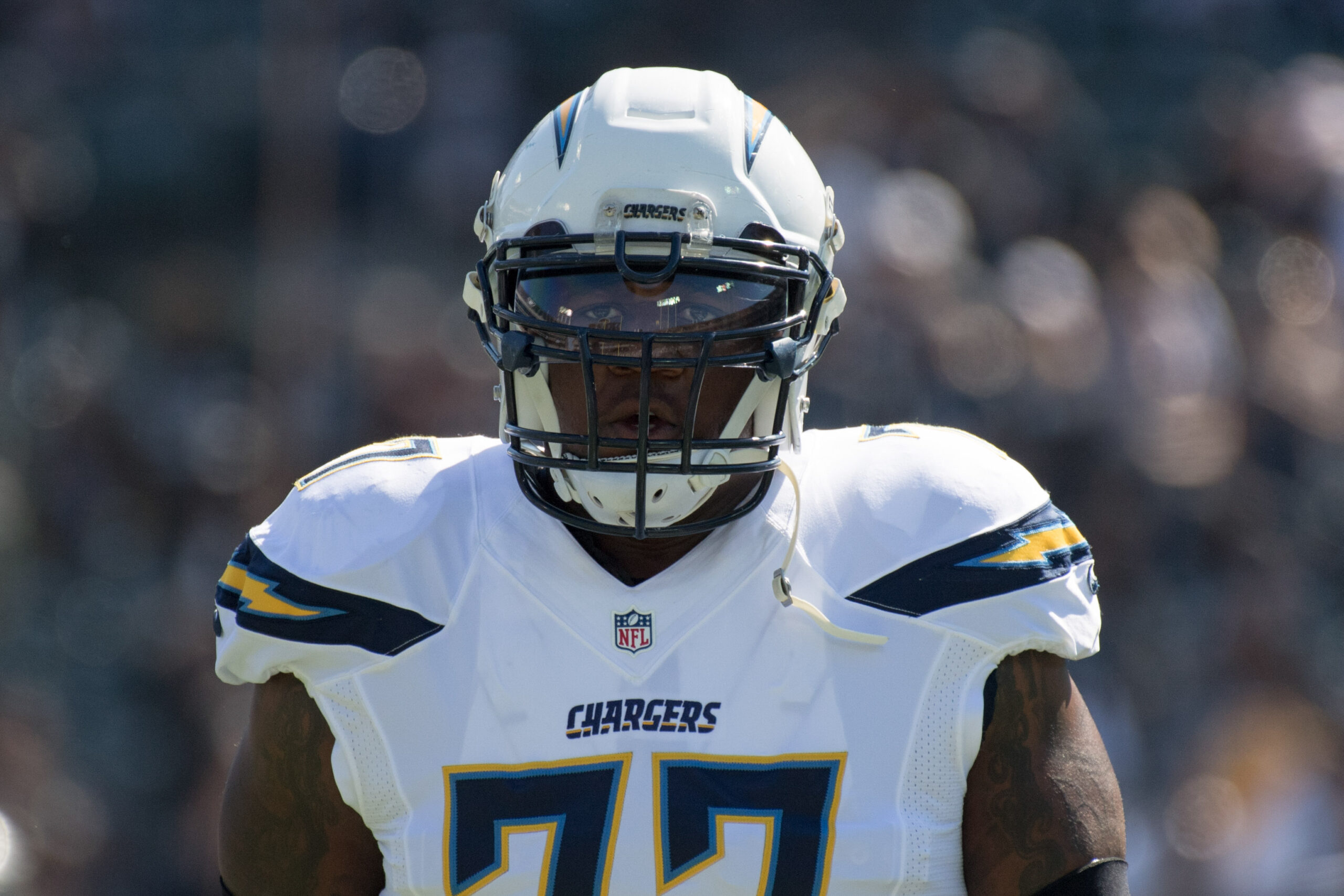
October 9, 2016; Oakland, CA, USA; San Diego Chargers tackle King Dunlap (77) before the game against the Oakland Raiders at Oakland Coliseum. The Raiders defeated the Chargers 34-31. Mandatory Credit: Kyle Terada-Imagn Images
Contrasting professional conditions, veterans argued that some top-tier college programs now rival or surpass certain NFL teams in facilities, especially when it comes to visible, player-facing amenities. Dunlap said players coming from powerhouse programs like LSU and Auburn often enter the league expressing disbelief at the drop in quality, essentially asking whether that was really it. They attributed this disparity to intense competition for recruits in collegiate athletics, which drives substantial investment in amenities to attract elite high school talent. In contrast, some professional teams appear to lag in upgrading facilities despite having established rosters under contract.
Recruiting Drives Collegiate Investment
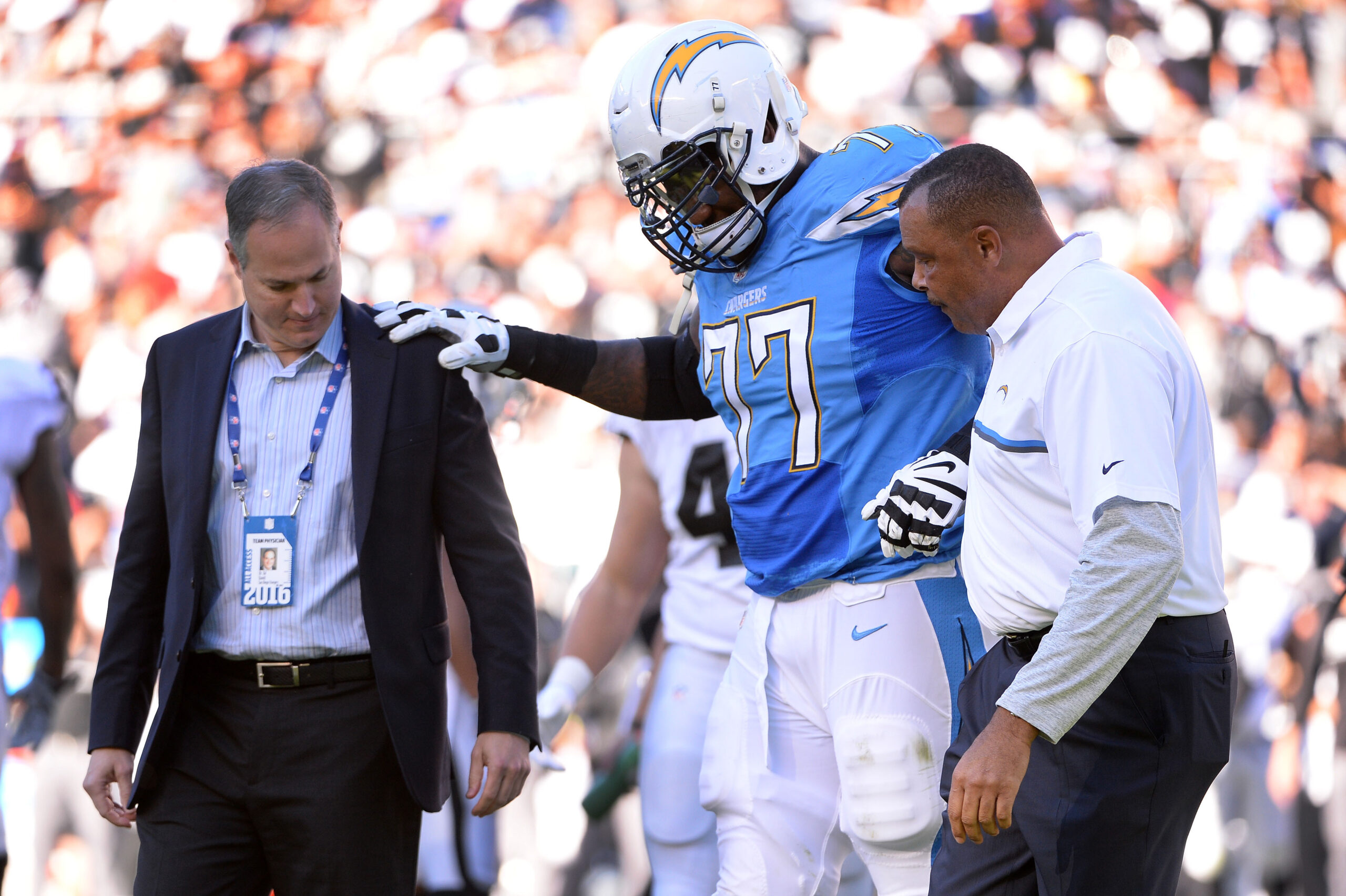
Dec 18, 2016; San Diego, CA, USA; San Diego Chargers tackle King Dunlap (77) walks off the field with assistance following an injury during the second quarter of the game against the Oakland Raiders at Qualcomm Stadium. Mandatory Credit: Orlando Ramirez-Imagn Images
The veterans explained that college programs must continually upgrade facilities to remain competitive in recruiting high school athletes. State-of-the-art weight rooms, dining halls, and recovery centers serve as key selling points for attracting top prospects. Since NFL teams already have signed contracts with players, the incentive to invest similarly in amenities may be weaker. This dynamic creates a scenario where amateur athletes sometimes enjoy better visible resources than professionals.
Transparency Seen as Essential for Progress
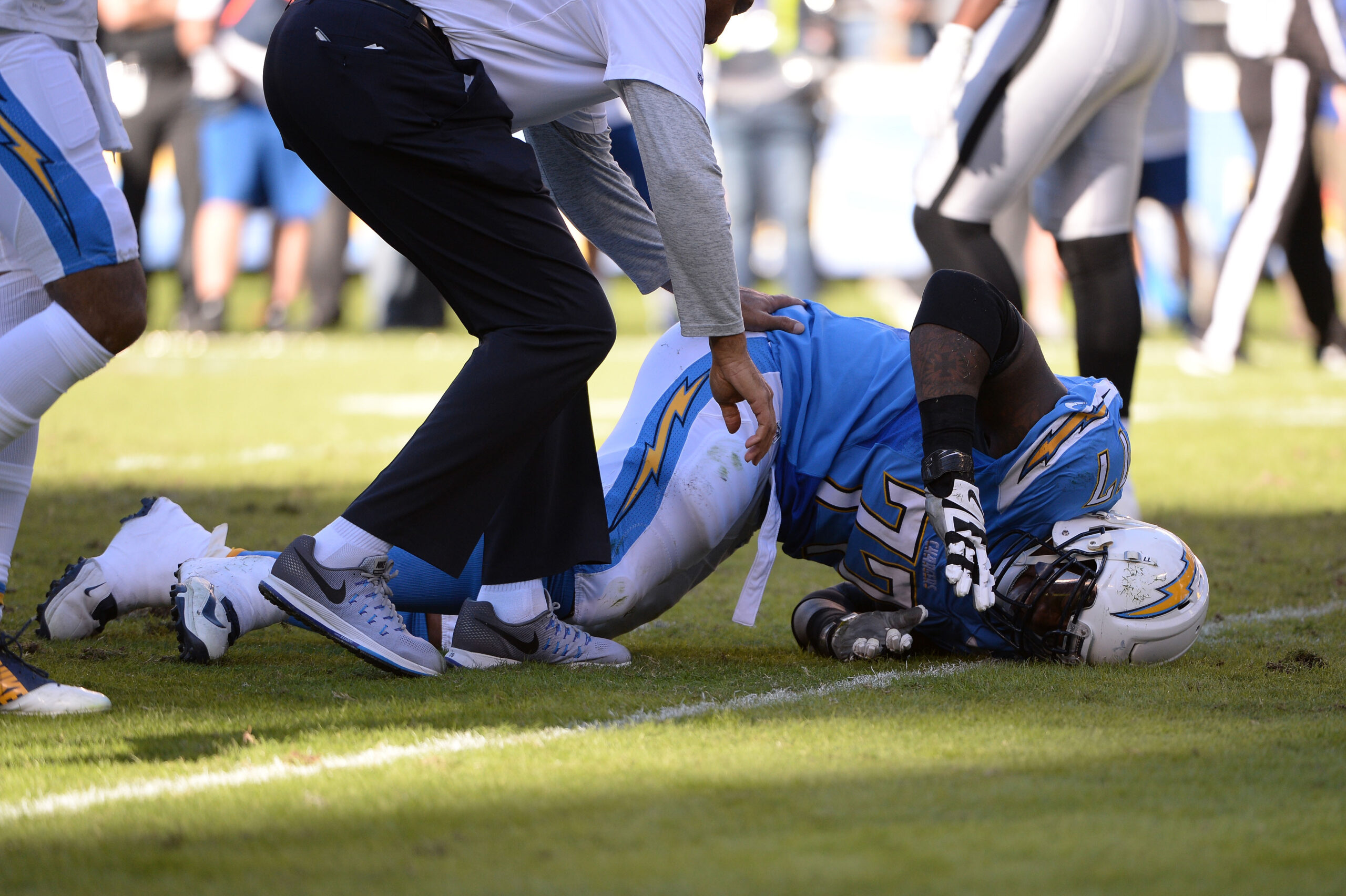
Dec 18, 2016; San Diego, CA, USA; San Diego Chargers tackle King Dunlap (77) lays on the ground due to an injury during the second quarter of the game against the Oakland Raiders at Qualcomm Stadium. Mandatory Credit: Orlando Ramirez-Imagn Images
Veterans argued that public access to team evaluations is crucial for identifying problems and driving meaningful change. Without transparent reporting, issues like inadequate cafeterias or outdated facilities may go unaddressed, they warned. They believe that when players can freely share their experiences, teams face greater pressure to improve standards. The effort to suppress report cards, they contend, ultimately harms both players and the league’s reputation.
Leaks Prove Pressure for Change
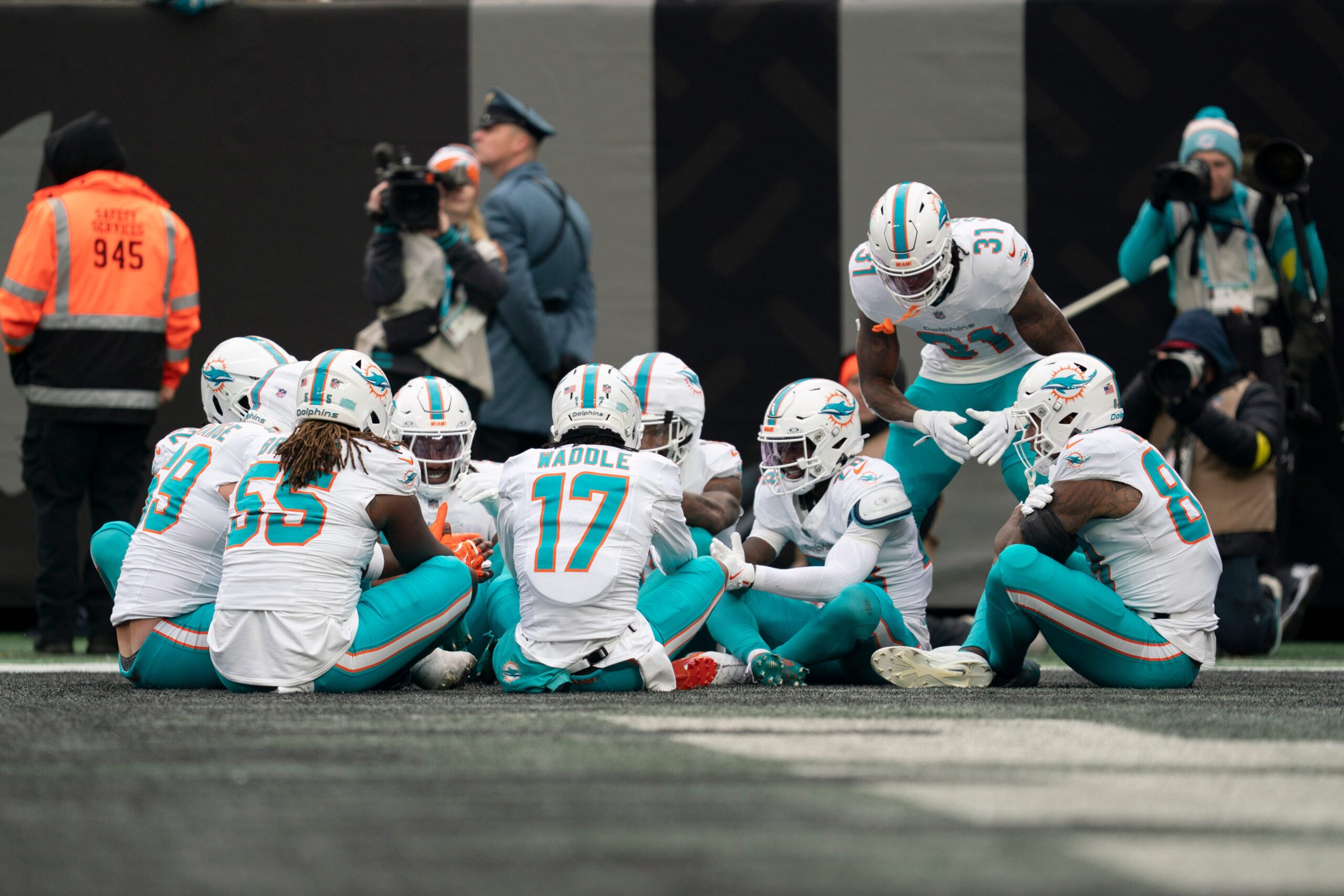
Miami Dolphins players sit in a circle while celebrating a touchdown during a week 14 football game between the New York Jets and Miami Dolphins at MetLife Stadium on Sunday, Dec. 7, 2025.
Analysts had suggested that banning public report cards may not prevent information from surfacing, and that prediction proved accurate almost immediately. Just 14 days after the arbitrator’s ruling, ESPN obtained and published the full 2026 NFLPA report cards on Feb. 26, based on responses from 1,759 players surveyed between November 2 and December 11, 2025, with the Miami Dolphins ranking No. 1 for the third consecutive year and the Pittsburgh Steelers ranking last across all 32 teams. The veterans concluded that lasting improvement requires genuine investment in player welfare and openness to feedback, rather than attempts to conceal shortcomings through restrictive policies.
If you enjoyed this article please like and follow us here on MSN! Thank you for reading and have a great day!
Sources:
“NFL Wins Grievance Against NFLPA Regarding Report Cards.” ESPN, Feb. 13, 2026.
“NFL Wins Grievance Against NFLPA, Putting an End to Public Team Report Cards.” CBS Sports, Feb. 12, 2026.
“NFL Team Report Cards: For the Players, By the Players.” NFL Players Association, Feb. 28, 2023.
“Source: Dolphins Rank First, Steelers Worst in NFLPA Survey.” ESPN, Feb. 26, 2026.
“NFL Vets Go Off on League Banning NFLPA Report Cards From Being Published.” YouTube, Feb. 27, 2026.